
14 min 13 sec
Available in: English
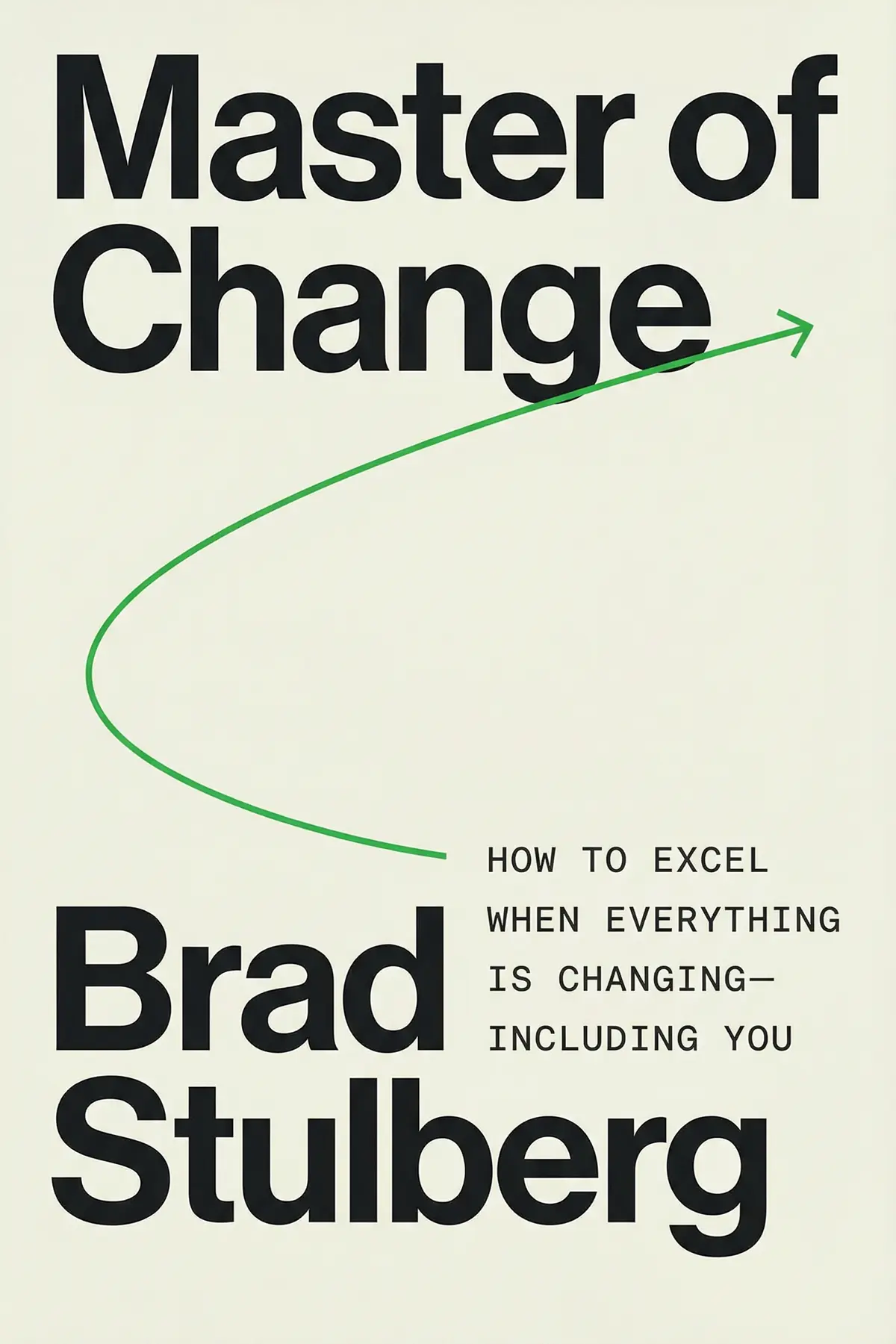
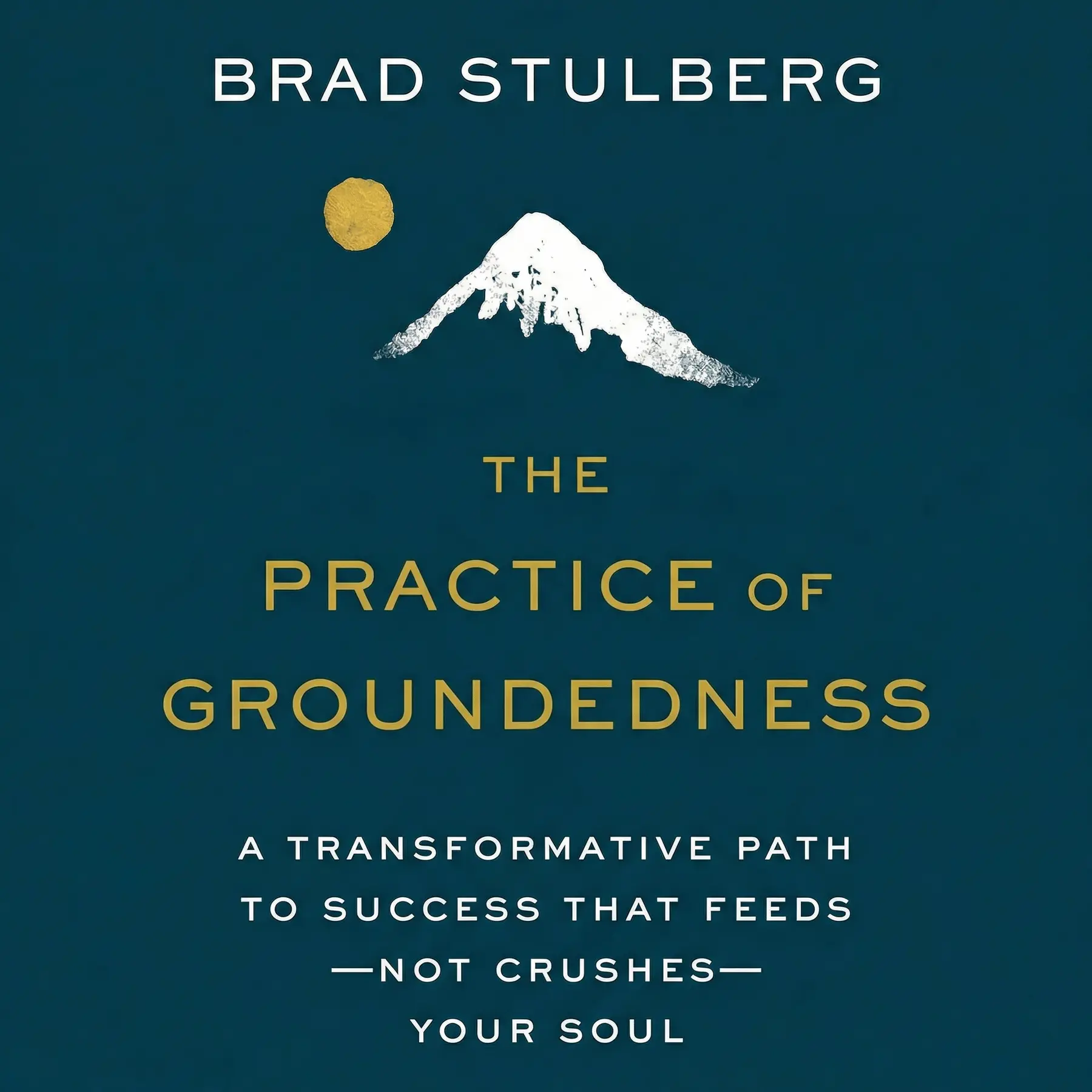
The Practice of Groundedness: A Transformative Path to Success That Feeds – Not Crushes – Your Soul
Stulberg shows why the constant push to do more leaves people burned out. He offers six grounding principles, from acceptance to daily movement, that build steady inner strength able to survive both success and failure.
Table of Content
1. Introduction
1 min 00 sec
If your work looks fine from the outside but feels like a race you can never finish, Brad Stulberg wrote for you. In The Practice of Groundedness, the performance coach and writer argues that the constant push to achieve and optimize more is exactly what leaves people scattered and empty. His alternative comes from a forest. A redwood stays upright in violent wind because of its roots, and its height has little to do with it.
Stulberg learned this the hard way. At 31, with a bestselling book and elite clients, he was struck by obsessive-compulsive disorder that tormented him for nearly a year. His recovery shaped the book’s central claim: steady success grows from roots you tend every day, namely accepting reality, staying present, being patient, admitting weakness, leaning on others and moving your body. Each of those roots comes with practices small enough to begin tonight, from changing one word in how you talk to yourself to a daily walk.
2. Spot the never-enough trap before it breaks you
1 min 46 sec
A man at the top of his field, praised by major newspapers and trusted by elite clients, was quietly falling apart. The way of thinking that pushed him there is common, and it may be shaping your days too.
3. Build your steadiness from the roots up
1 min 42 sec
Giant trees survive storms that should flatten them, and their height has little to do with it. One afternoon in a California forest gave Stulberg a picture of strength that works for people as well as trees.
4. Drop the word should and get ready to act
1 min 51 sec
Fighting an unwanted thought or a bad situation feels like the brave response. Stulberg tried it with all his expertise and watched things get worse, until an old parable about arrows changed his approach.
5. Give your attention only to seeds worth growing
1 min 39 sec
You have a limited supply of something every app and meeting wants a share of. Stulberg explains where most of it leaks away, and why rushing toward big goals so often ruins them.
6. Admit weakness and feel the weight lift
1 min 37 sec
A flattering email arrived on one of Stulberg’s darkest days and made him feel like a fraud. What he did next surprised him, and it points to a kind of courage most professionals avoid.
7. Lean on a network the way redwoods do
1 min 38 sec
Redwoods soar hundreds of feet into the air, yet their roots go down only six to twelve feet, and still they stay firmly anchored. How they manage it says a lot about the myth of the strong person who carries everything alone.
8. Keep your body moving to steady your mind
1 min 46 sec
A former child television star wrote to Stulberg about the one thing that helped her most through years of depression and anxiety. It costs almost nothing, and it trains every other principle at once.
9. Conclusion
1 min 14 sec
The irony at the center of the book is that Stulberg was an expert on high performance when he nearly broke. Everything he knew about growing the canopy could not hold him up. What did was slower and plainer: accepting what he could not wish away, months of patient work, telling the truth in public, the people who wrote back, and moving his body.
Groundedness, in his telling, does not ask you to give up ambition. It lets ambition survive bad weather. A redwood still grows hundreds of feet tall. It simply spends much of its effort where nobody sees it.
His advice for starting is modest on purpose. Go through the six principles and, for each one, choose three things to begin doing and three to stop, keeping every goal small enough to keep. This week, swap one should for a want. Silence the notifications that pull water away from the seeds you care about. Tell one trusted person something true you usually hide, and then take a brisk walk together.
None of this will show from the outside. Roots never do, and they are what keep the tree standing when the wind arrives.
About this book
What is this book about?
Many capable people feel that whatever they achieve is never enough. They take on too much, move too fast and cannot rest, because their sense of worth depends on the next result. Brad Stulberg calls this heroic individualism. He knows it from the inside: at 31, with a bestselling book and elite clients, he developed obsessive-compulsive disorder that tormented him for nearly a year. His way back started on a hike among California redwoods. These trees stand hundreds of feet tall in violent wind because of their roots, which spread sideways and interlock with their neighbors. Drawing on clinical psychology and on Buddhism, Taoism, Stoicism and Christianity, Stulberg turns that image into six principles of groundedness: accept your present reality, stay present, be patient, embrace vulnerability, build community and keep your body moving. Each principle comes with small, specific practices. Readers learn to swap should for want, to protect their attention, to say out loud what they have been hiding, and to use exercise as a mental health tool, so their ambition rests on something that holds.
Book Information
Who it's for
Never feeling it's enough
High achievers who feel that no result is ever enough and cannot rest without guilt.
Close to burning out
Founders, executives and professionals heading toward burnout who want steadier footing.
Wanting habits alongside therapy
People living with anxiety or intrusive thoughts who want practical daily habits alongside professional help.
About the Author
Brad Stulberg
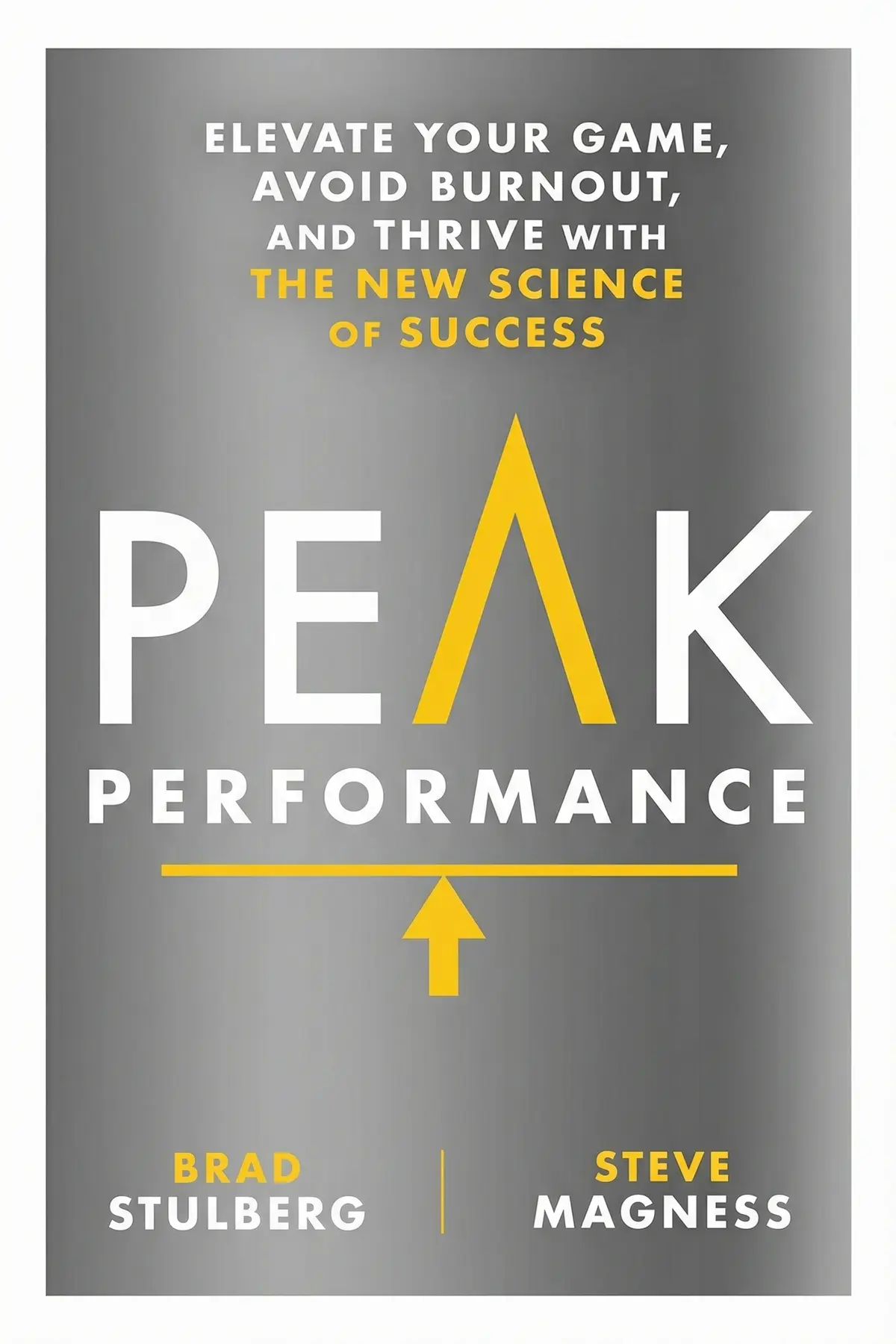
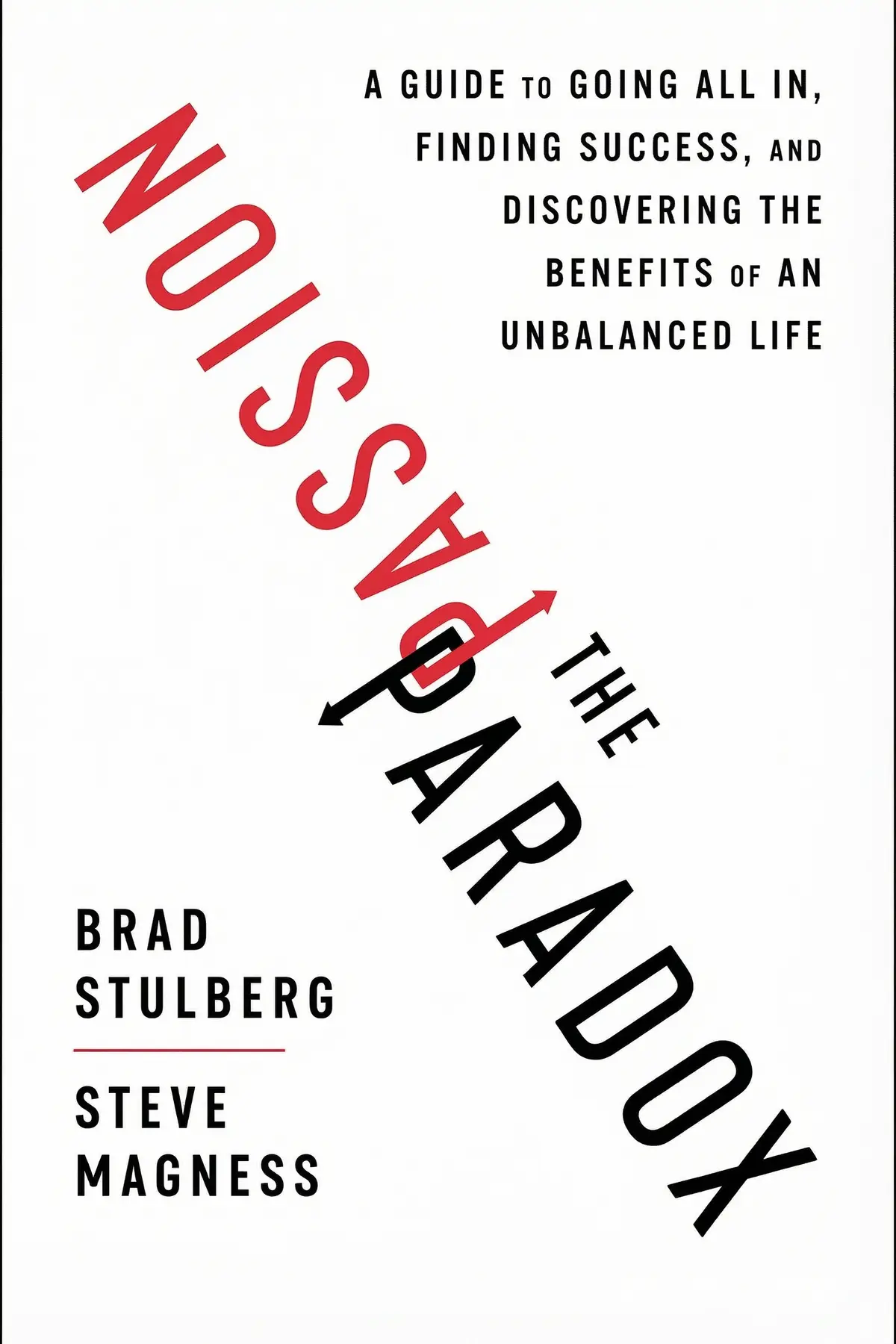
Brad Stulberg is the author of the bestsellers The Practice of Groundedness and Master of Change and co-author of Peak Performance. He writes regularly for the New York Times, and his work has also appeared in The Wall Street Journal and The Atlantic. He teaches on the faculty of the University of Michigan and coaches founders, senior executives, doctors and athletes on mental skills and well-being. He lives in Asheville, North Carolina.
Ratings & Reviews
Ratings at a glance
What people think
Listeners find this work pragmatic and straightforward, packed with reflective observations and scientific data. Furthermore, the book is transformative, assisting in the development of a purposeful, stable life, and one listener mentions its particular benefits for high-level executives. Additionally, listeners value the narrative speed, with one characterizing it as a mindful roadmap and another emphasizing how it integrates ancient wisdom.
Top reviews
Boy
Stulberg has a way of distilling complex psychological concepts into something that feels deeply intuitive and remarkably urgent for today’s world. The concept of 'heroic individualism' perfectly captures that low-level anxiety so many of us feel while chasing the next big thing. I found the section on hedonic adaptation particularly eye-opening because it explains why our achievements never feel like enough. The book isn't just theory; it’s a mindful roadmap filled with actionable steps that help you align your daily actions with your core values. I loved how he grounded the advice in scientific research without making it feel like a dry academic paper. This is one of those rare books that I know I will return to whenever I start feeling like I’m losing my way in the hustle. It’s a life-changing perspective on what it actually means to be successful and sane simultaneously.
Show moreAnna
Wow. This was exactly the reality check I needed for my career. As a manager, I’ve been living in that state of 'heroic individualism' for years, thinking that being constantly 'on' was the only way to lead. Stulberg’s breakdown of why this is a trap—and how it leads to that hollow feeling of never being enough—was incredibly convicting. The writing is clear and the chapters on vulnerability and community were particularly moving. It’s not just another self-help book; it feels like a necessary life read for anyone trying to navigate our hyper-connected, high-pressure society. I’ve already started implementing the 'Acceptance' practices in my morning routine, and the shift in my focus is palpable. If you’re tired of the 'hustle culture' but don't want to just give up on your goals, this is the middle path you've been looking for.
Show morePui
Ever wonder why you can be successful by every objective measure and still feel completely empty inside? This book answers that question with brutal honesty and scientific backing. Stulberg argues that we’ve traded 'groundedness'—a firm foundation of values and presence—for a hollow pursuit of external validation. The transition from 'heroic individualism' to a more communal, value-driven life is laid out beautifully here. I loved the emphasis on being 'right here, right now,' and the explanation of the happiness set-point theory was fascinating. Not gonna lie, I was worried this would be another 'just meditate' book, but it’s much more holistic than that. It covers everything from physical health to social connection to deep work. It’s a mindful, comprehensive guide for anyone who wants to feel more connected to their own life. Truly a life-changing read if you're willing to do the work.
Show moreWaree
After hearing several interviews with Brad Stulberg, I knew I had to read the full text, and it's even better than I expected. The way he weaves together Stoic philosophy with modern behavioral science is masterclass. It provides a much-needed antidote to the 'more, more, more' culture that is currently burning everyone out. The chapter on building a 'community' was especially poignant for me, as I realized how much I’ve neglected that in favor of my own solo goals. The writing style is clean and engaging, making complex ideas like the hedonic treadmill easy to understand and apply. It's a peaceful read that actually makes you feel calmer just by engaging with the text. This isn't just for executives; it's for anyone who feels like they're running a race they didn't sign up for. A necessary life read for the 21st century.
Show moreIsabelle
Finally got around to this after following Stulberg’s work online, and it’s a solid, practical roadmap for anyone feeling fried. The pacing is excellent, moving through six core principles that draw from ancient philosophy and modern CBT. I especially appreciated the emphasis on physical movement as a pillar of mental health—a detail often overlooked in more 'spiritual' groundedness books. Gotta say, the list of recommended reading at the end is absolutely massive, which I actually liked despite others finding it overwhelming. My only real gripe is that some of the examples feel a bit tailor-made for high-powered executives, which might not resonate with everyone. However, the underlying message about living in the present moment is universal. It’s a balanced, rational take on mindfulness that doesn't feel too 'woo-woo' for the average person.
Show moreLars
As someone who struggles with that constant 'rushed' feeling, the chapter on heroic individualism hit home. The statistic that we spend 47% of our waking hours thinking about something other than what's in front of us is honestly terrifying. Stulberg doesn't just point out the problem; he provides a very specific framework for digging yourself out of that hole. The book is well-researched, pulling from Stoicism and Buddhism to create a cohesive strategy for modern life. I found the sections on identifying personal values to be the most helpful, even if they were a bit repetitive compared to other mindset books I've read. It’s a very readable, accessible text that manages to be both calming and challenging. I did find the constant use of 'successful' case studies a little tiring after a while, but the core message is too important to ignore.
Show moreCarlos
Picked this up because I enjoyed Stulberg’s previous book, Peak Performance, and I wasn't disappointed. While that book was about the mechanics of achievement, this one is about the soul of it. The principle of 'patient persistence' is something I really needed to hear in a world that demands instant results. I think the author does a great job of bridging the gap between high performance and mental well-being. The research is there, but it’s the personal anecdotes—especially about his own struggle with anxiety—that give the book its heart. Personally, I would have liked a bit more deep-dive into the specific ACT exercises, but as a general roadmap, it’s very effective. It’s the kind of book you want to keep on your shelf and revisit whenever life starts feeling too frenetic. Solid 4 stars for being practical and actually useful.
Show moreTee
In my experience, most performance books focus too much on 'how to do more' and not enough on 'how to be.' Stulberg flips the script here. He focuses on the importance of integrity, presence, and movement as the foundations of a good life. While I did find some of the examples a bit repetitive, the core six principles are incredibly sound. The book is essentially a mindful roadmap for anyone who feels like their life is swirling with frenetic energy. I particularly liked the section on vulnerability; it’s not just a buzzword here, but a practical tool for building real resilience. To be fair, some of the advice on happiness and income thresholds isn't exactly new, but having it all in one place is very helpful. It’s a thoughtful, well-paced book that offers a lot of value for both the mind and the body.
Show moreMay
While I appreciate the synthesis of ancient wisdom and modern science, I couldn't help but feel I’d seen much of this before. The core principles lean heavily on ACT theory and Thich Nhat Hanh, which are great, but the 'new' insights felt a bit thin. Stulberg is a talented writer, but the book suffers from that common self-help trope where every chapter follows a rigid 'anecdote-then-thesis' structure. It feels a bit like he's trying to fill pages at times. Truthfully, if you’re already familiar with mindfulness or Stoicism, you might find yourself skimming through most of the chapters. That said, his personal story regarding OCD adds a much-needed layer of vulnerability that many executive coaches lack. It’s a decent introductory text for the uninitiated, but seasoned readers of the genre won't find many surprises here.
Show moreJun
Look, I wanted to like this more given the hype, but it felt like a very generic repackaging of better books. If you’ve read Brene Brown or any basic introduction to ACT, you’ve basically read this. The author presents himself as a guide for the 'over-busy executive,' which makes the advice feel somewhat reductive and elitist at times. He tells us to avoid 'heroic individualism' while simultaneously listing nearly seventy books he’s read, which feels like a major humble-brag. The prescriptions for change—like 'embrace vulnerability'—feel trite and might not actually work for someone who isn't a high-status professional. Frankly, the human species is fragile and flawed, but wearing those flaws like a badge of honor doesn't necessarily lead to groundedness. It’s an okay primer for someone who has never touched a self-improvement book, but for everyone else, it’s just retreading old ground.
Show moreQuestions about this book
What is the main idea of The Practice of Groundedness?
Brad Stulberg argues that heroic individualism, the belief that whatever you achieve is never enough, leads to burnout and unhappiness. The alternative is groundedness: an inner stability that does not rise and fall with success, built by living in line with your values. Like a redwood anchored by its roots, a grounded person stays upright in rough weather. He offers six principles for building it.
What are the six principles of groundedness?
Stulberg names six: accept your present reality, stay present, be patient, embrace vulnerability, build community and keep your body moving. He draws them from clinical psychology and from Buddhism, Taoism, Stoicism and Christianity. Each comes with practices, such as replacing should with want, switching off notifications, breaking goals into small steps, sharing what you hide, joining a group and exercising daily.
How does Brad Stulberg's OCD shape the book?
At 31, already a successful performance expert, Stulberg developed obsessive-compulsive disorder that brought nearly a year of intrusive thoughts of despair and self-harm. Denial and fighting made it worse. Acceptance, months of therapy, writing publicly about his illness, the readers who wrote back and regular exercise helped him recover. Each stage of that recovery illustrates one principle of groundedness.
How can I start practicing groundedness?
Stulberg recommends starting small. For each of the six principles, list three things to start doing and three to stop, keeping each goal realistic. For movement, a brisk 30-minute daily walk plus body-weight exercises like push-ups, squats and sit-ups can be enough. You can also change your self-talk at once by saying I want or I wish instead of I should.
Who should read The Practice of Groundedness?
It suits ambitious people who feel scattered, rushed and never satisfied, from founders and executives to students and athletes. It also speaks to readers dealing with anxiety or depression, who will find in Stulberg’s own story and Andrea Barber’s running a case for combining therapy with movement, honesty and community. Anyone who cannot rest without feeling empty will recognize the problem it describes.

Readers also enjoyed
ADHD an A-Z: Figuring It Out Step by Step
Leanne Maskell







A Guide to the Good Life: The Ancient Art of Stoic Joy
William B. Irvine


AUDIO SUMMARY AVAILABLE
Listen to The Practice of Groundedness in 15 minutes
Get the key ideas from The Practice of Groundedness by Brad Stulberg, plus 5,000+ more nonfiction titles.
- 5,000+ titles
- Listen as much as you want
- 7-day free trial
- Cancel anytime









