A New Earth: Awakening to Your Life’s Purpose
Eckhart Tolle
 English
 ไทย
Eckhart Tolle explains how an overactive mind creates most of our suffering. He offers simple practices for stepping into the present: watching thoughts without judgment, feeling the body and staying calmly alert.
1 min 03 sec
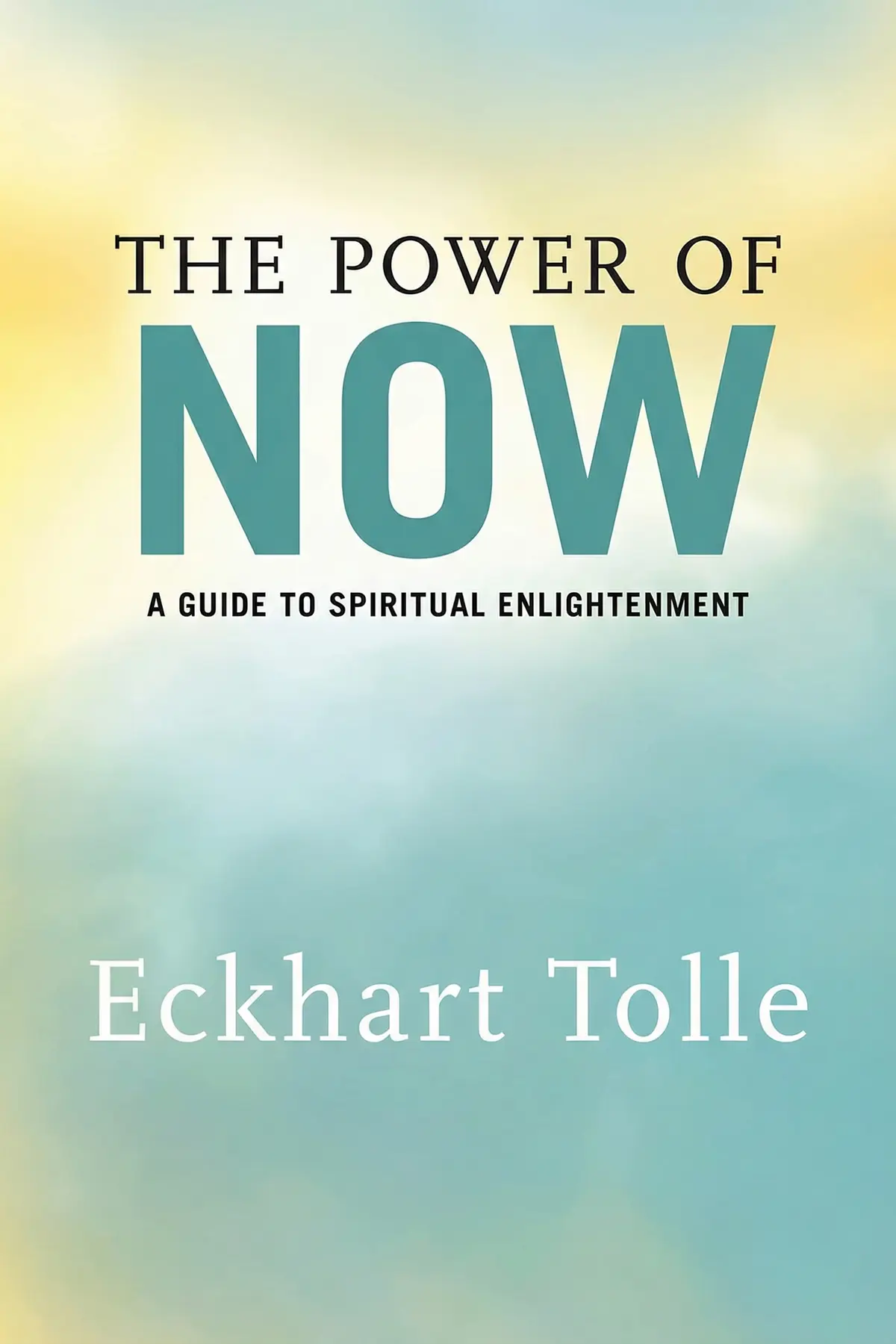
If your mind spends the day replaying old mistakes and rehearsing future disasters, Eckhart Tolle offers a blunt correction: nothing has ever happened anywhere but now. In The Power of Now, the spiritual teacher argues that the past is only a string of moments that were once present, and the future is a string still to come. Your senses report on this moment alone. So the regret and dread that fill so many hours concern places no one can actually live.
Tolle’s claim is that most suffering is produced by an overactive mind, and that stepping out of it into the present ends much of that pain while leaving you more able to act. His methods are concrete: feel your body, watch your thoughts without judging them, and hold a calm, alert kind of attention. He also takes on the ego, the strain presence can put on a partner, grief that cannot be avoided, and the fear that acceptance means giving up. By the end, the next argument over a dirty kitchen will look very different.
1 min 31 sec
A big project can feel impossible long before you start it. Tolle locates the trouble in where your attention sits, and moving it changes the size of every problem you face.
1 min 34 sec
It usually feels as if pain is something the world does to us. Tolle describes a hidden part of the self that depends on hurt to survive, and it may be doing more damage than any outside event.
1 min 40 sec
People who sincerely want peace still end up shouting about trivial things. Tolle names the part of the mind responsible, and explains why you almost never see it while it is in charge.
1 min 42 sec
The Buddha spent six years trying to escape his body and came out no wiser. His story, and one odd question you can ask yourself, point to a way out of nonstop thinking.
1 min 40 sec
Zen students with their eyes closed learned to dodge a teacher’s blow they could not see. The state of mind behind that trick can help anyone facing an exam, an interview or a tense meeting.
1 min 45 sec
Becoming more peaceful sounds like good news for everyone around you. Tolle warns that a partner may react with insults and old grievances, and explains what that reaction really means for the relationship.
1 min 39 sec
If you accept the present, must you also accept a bad job, a broken plan or a terrible loss? Tolle answers with a person stuck in mud, and the answer is not the one critics expect.
1 min 11 sec
The Power of Now asks you to move house. For most people the mind lives in two rooms, one crowded with old regrets and one with future threats, and the rent is paid in pain. Tolle’s argument is that the only room you have ever occupied is this moment. From there, problems shrink to a size you can handle, anger shows itself as resistance, and the ego’s dramas lose their pull.
None of this asks you to stop feeling or stop acting. Grief still comes, and a person stuck in the mud still climbs out. The energy once spent wishing things were otherwise goes into what can be done now.
The practice can begin today. When the next small argument flares at home or at work, notice the heat and ask whether it serves you or your ego. When your thoughts start racing, ask what your next thought will be and rest in the pause before it arrives. When a task feels enormous, pick the one piece in front of you and do only that.
The past was once now. So is the future. The only place your life can change is the moment you are in.
Many people spend their days caught between regret about the past and worry about the future, while still hoping to become happier somehow. Eckhart Tolle argues that the way out is simpler than it sounds. Nothing ever happens in the past or the future. Life takes place only in a continuous series of present moments, and most of our pain comes from a mind that refuses to stay there. Tolle traces that pain to inner resistance against things we cannot change, to a pain-body that feeds on hurt, and to an ego that thrives on conflict. His remedies are practical: shift attention from thinking to the body, watch the mind without judging it, and practice an alert kind of waiting. He also takes on the hard questions. A calmer person can unsettle a partner, some pain such as grief cannot be avoided, and acceptance might seem to invite passivity. Tolle's answer is that presence lets you grieve honestly and act more effectively, solving real problems one manageable piece at a time.
Overthinkers who lose evenings replaying old mistakes or rehearsing tomorrow's worries.
Professionals worn down by stress who want a calmer way to face large tasks, exams and tense meetings.
Couples and people sharing a home who are tired of fighting over small things.
Born in 1948 in Lünen, Germany, as Ulrich Leonard Tölle, Eckhart Tolle was a doctoral student at the University of Cambridge in 1977 when, by his own account, a spiritual awakening led him to leave his studies. He later became a teacher and now lives in Vancouver. The Power of Now came out in 1997, and A New Earth in 2005; he has also written Stillness Speaks and a picture book, Guardians of Being. He draws on Zen Buddhism, Christian mysticism, Sufism and Hinduism while belonging to no single religion.
Eckhart Tolle
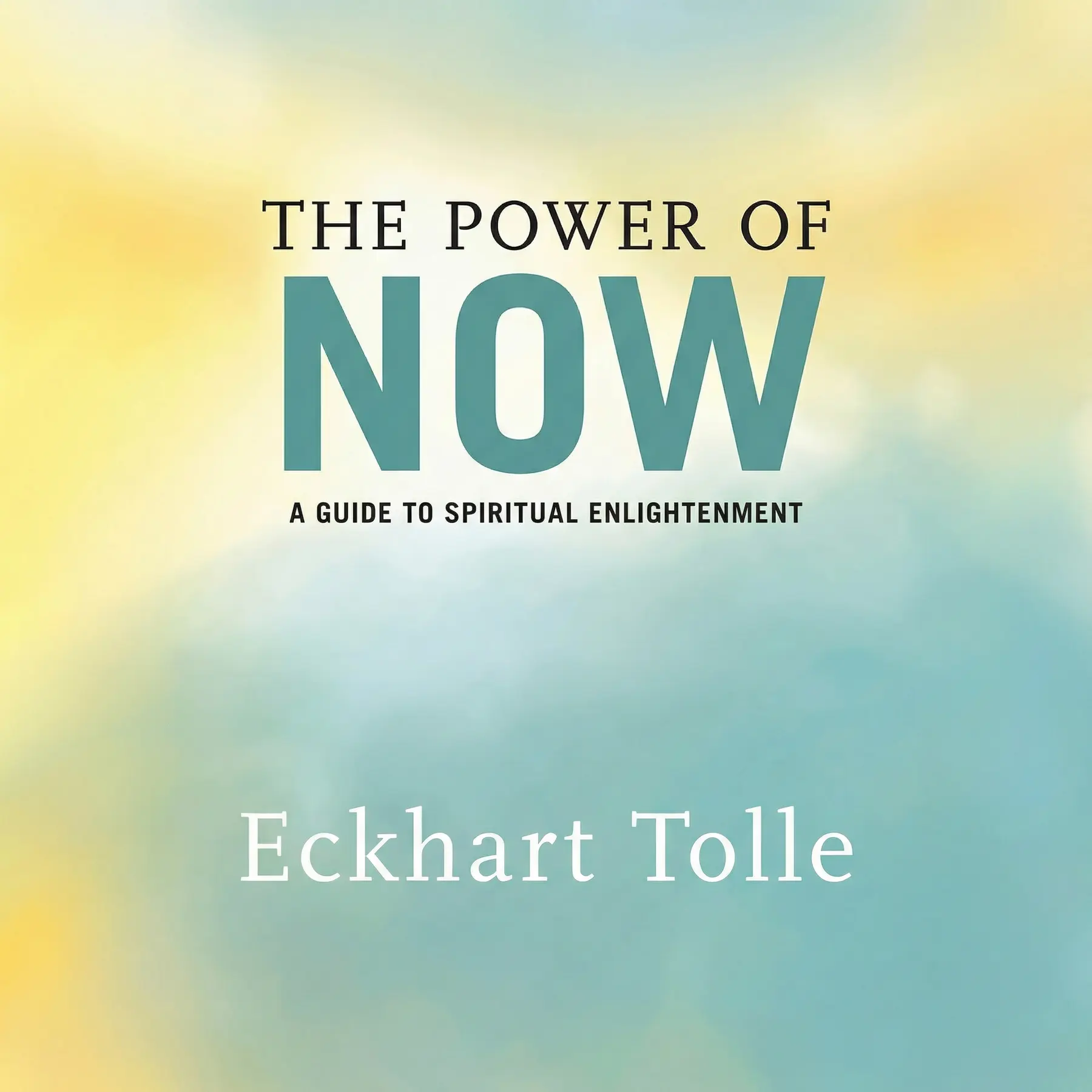
Listeners describe this work as exceptionally accessible and straightforward, packed with enduring insights and profound wisdom. Furthermore, they characterize it as deeply transformative, offering actionable advice that alters their life perspectives. In addition, the content assists listeners in deepening their meditative practice, overcoming anxiety, and distinguishing between spiritual growth and religious tradition. Listeners value its evocative quality, which encourages them to pause and reflect, and they regard it as a definitive masterpiece of contemporary spirituality.
Wow. This isn't just a book; it’s a complete shift in consciousness that I didn't know I needed. For years, I lived entirely in my head, constantly replaying past failures or dreading future catastrophes, but Tolle’s simple message about the 'Now' helped me break that cycle. The way he describes the 'pain-body' and how we identify with our suffering was a massive eye-opener for me. Truth is, I used to find meditation impossible, but his approach to becoming an observer of your thoughts makes it feel accessible. It’s profoundly life-changing if you actually practice the stillness he suggests throughout the chapters.
Show moreAfter hearing so much hype, I expected some fluff, but the practical advice on quieting the internal monologue is truly legitimate. This book helps you differentiate between your core self and the 'ego' that is constantly chattering away in your ear. It’s not just abstract philosophy; it’s a manual for mental health that has helped me relax into my daily life without the constant weight of over-analysis. Frankly, I think everyone should read this at least once, especially those of us who feel like we're constantly 'racing' toward a future that never actually arrives. It's a classic for a reason.
Show morePicked this up during a particularly dark period in my life and I’m so glad I did. There’s a certain weight to the words that makes you want to stop and reflect after every few paragraphs, which I think is the whole point. It’s not a book you rush through; it’s a guide you sit with for months. The way he explains how our minds use the past to create a fake identity is brilliant. It’s helped me fight through periods of depression by reminding me that my 'story' isn't who I actually am in this very second. It's truly transformative work.
Show moreEver wonder why we feel so much pressure to be somewhere else or do something else? This book answers that question by exposing the tricks our minds play on us to keep us from being content. I loved the emphasis on 'presence' as a way to handle difficult emotions rather than just suppressing them. Tolle's writing is calm and steady, acting almost like a meditation session in itself while you read. It’s provided me with practical guidance that I use every time I feel a panic attack coming on or when I'm just feeling overwhelmed by the sheer volume of my daily tasks.
Show moreNot what I expected at all, but in the best way possible. I thought it would be another self-help book filled with platitudes, but it’s actually a very deep dive into how we perceive reality. The distinction between religion and spirituality is handled beautifully here, making it accessible even if you aren't a 'believer' in anything specific. It’s helped me find a sense of inner peace that I haven't felt since I was a child. If you're tired of living in a state of constant mental noise and want to learn to just 'be,' this book might just be the quiet you've been looking for.
Show moreFinally got around to reading this after seeing it on every 'must-read' list for a decade. While some of the metaphysical stuff about 'vibrational frequencies' felt a bit out there, the core psychological advice is incredibly solid. Tolle's own story of sitting on a park bench for two years in a state of bliss is fascinating, even if it’s hard for the average person to replicate. I found the Q&A format helpful for addressing common objections, though his responses can occasionally border on the condescending. Still, the practical guidance on fighting anxiety and staying present is worth the price of admission for anyone feeling secular alienation.
Show moreAs someone who struggles with chronic anxiety, Tolle’s breakdown of how we become slaves to our own thoughts was a necessary reality check. The concept that 'time is an illusion' is heavy, but when you break it down into just focusing on the current moment, it makes the world feel much less overwhelming. My only gripe is that the writing can be a bit repetitive, and the pause symbols are a little cheesy. However, the wisdom buried in these pages is timeless and provides a great entry point for anyone looking to separate spirituality from rigid religious dogma while finding inner stillness.
Show moreLook, the spiritual world is full of grifters, so I approached this with a healthy dose of skepticism. To my surprise, Tolle offers some deeply thought-provoking insights that actually make sense when you apply them to your own behavior. He has a way of taking complex Zen concepts and making them incredibly readable and easy to understand for a Western audience. I didn't agree with every single point—especially some of the weird stuff about the 'collective pain-body' and genocides—but the overall impact on my perspective has been nothing but positive. It's a solid, thought-provoking addition to any spiritual library.
Show moreIn my experience, this book is a bit of a mixed bag that relies heavily on the reader's willingness to ignore some logic gaps. The parts about living in the moment are great and quite helpful for stress management, but then he goes off on tangents about how stones have consciousness. It’s a very 'New Age' take on traditional mindfulness that feels a bit more commercialized than I’d like. I appreciated the advice on letting go of the ego, but the author’s tone can be quite smug at times, as if any disagreement is just a sign that you aren't 'awake' yet.
Show moreTo be fair, I can see why people find comfort here, but the tone of this book rubbed me the wrong way from the first chapter. Written in a forced dialogue format, many of Tolle’s answers start with variations of 'you don't understand' or 'your mind is resisting,' which felt incredibly dismissive of genuine intellectual inquiry. It feels like a watered-down version of Buddhist principles mixed with some questionable New Age claims about cells and time. I wanted to like it, but the elitist 'enlightened' vibe made it impossible to connect with the actual message. If you want mindfulness, read Thich Nhat Hanh instead; he offers peace without the ego.
Show moreEckhart Tolle argues that life happens only in the present, since the past and future are just moments that were or will be now. Most suffering, he says, comes from a mind stuck in regret and worry, resisting things it cannot change. By shifting attention to the present, mainly through the body and calm observation of thoughts, you can end much of that self-made pain and handle problems one small piece at a time.
The pain-body is Tolle’s name for a part of the self built from past painful experiences. It needs new pain to survive, so it grows stronger with every hurt and pushes you toward misery. When a small frustration flares into anger that clouds your thinking, Tolle reads it as the pain-body taking control. Over time, people can identify with it so closely that releasing pain feels like losing themselves.
Tolle offers several methods. Shift attention from thinking to the body, which he says knows what is good for you. Ask yourself what your next thought will be and notice the gap before it arrives. Watch inner voices without judging or obeying them. Practice active waiting, a state of alert expectation, before exams or other demanding moments, so attention stays fully on what is in front of you.
No. Tolle describes acceptance as an inner stance that leaves you free to act. If you are stuck in mud, you calmly try to get out instead of pretending you wanted to be there. He argues that presence adds strength and determination, because you stop wasting energy creating problems. Unavoidable pain such as grief is also accepted and felt, never suppressed, which spares you the extra suffering of wishing things were different.
It suits people who spend too much time regretting the past or fearing the future, and who want practical ways to calm an overactive mind. Professionals facing stress, students before exams and anyone caught in recurring arguments at home or work will find tools they can use. Tolle draws on spiritual traditions, so it also appeals to readers interested in Zen, Christian mysticism and other contemplative teachings.

Pico Iyer


Daniel Goleman

Marianne Williamson

Deepak Chopra

Alcoholics Anonymous World Services
Eckhart Tolle

AUDIO SUMMARY AVAILABLE
Get the key ideas from The Power of Now by Eckhart Tolle, plus 5,000+ more nonfiction titles.