
13 min 32 sec
Available in: English
 ไทย
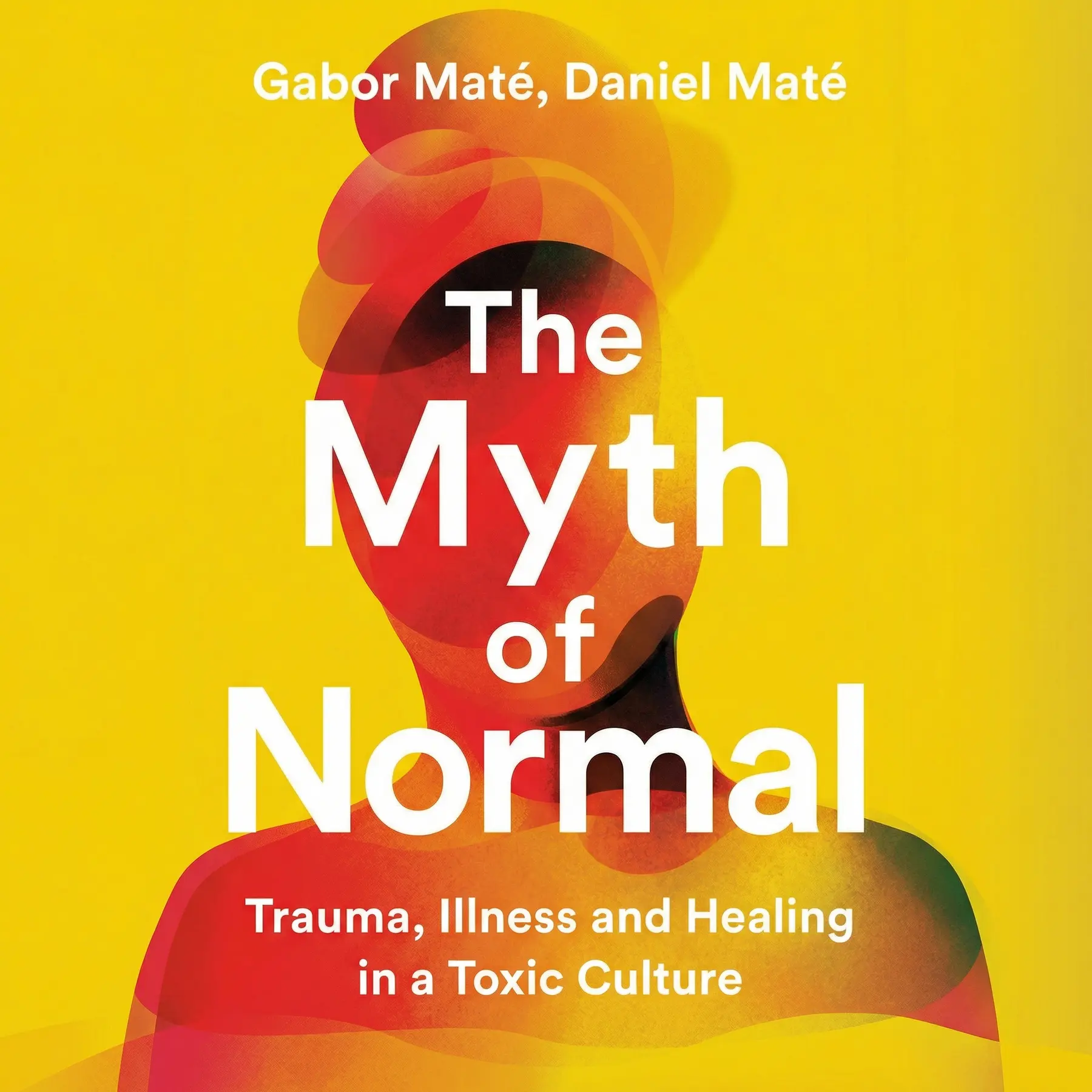
EnglishไทยThe Myth of Normal: Trauma, Illness and Healing in a Toxic Culture
Shows how trauma, chronic stress and a culture we treat as normal can drive disease and addiction, and offers a written self-inquiry practice for reconnecting with the feelings and needs we learned to bury.
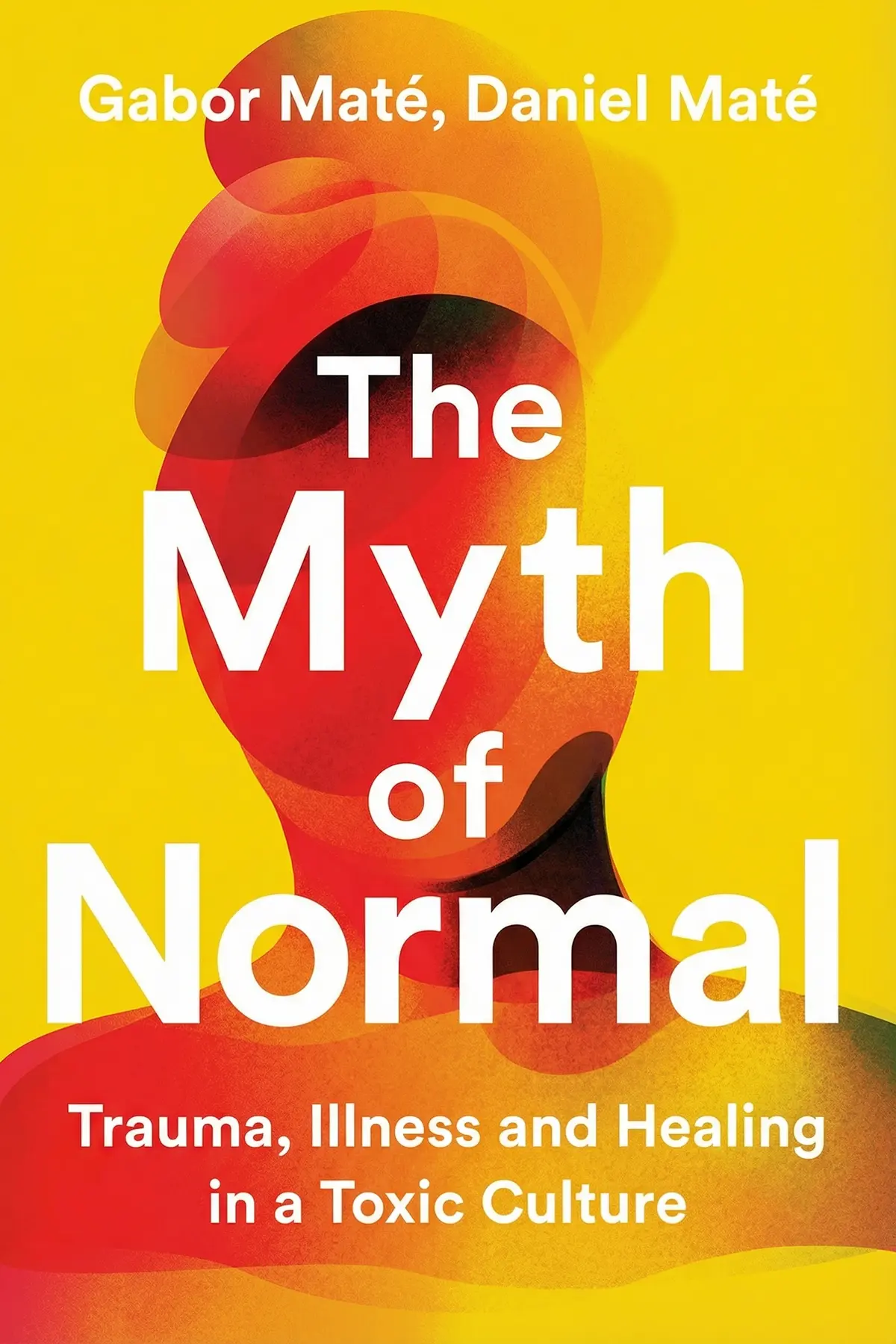
Table of Content
1. Introduction
1 min 00 sec
If you are the person who never says no, always calm and always useful, your body may be keeping a record you never see. In the 1990s, nurses at the Cleveland Clinic grew so good at spotting who would develop ALS, a disease that destroys the nerve cells of the brain and spinal cord, that they wrote their guesses into patient charts, and the deciding clue was how nice the patient seemed. In The Myth of Normal, physician Gabor Maté, writing with Daniel Maté, argues that this was no fluke. Trauma and chronic stress, in his view, sit beneath much of what medicine calls disease, and much of that stress comes from a culture we have learned to call normal.
That is the claim everything here will test: sickness is often a sane response to an unhealthy way of living, and healing begins when we reclaim the parts of ourselves we pushed away. Along the way, a woman bedridden at 27 walks again, and a short written exercise gives you somewhere to start this week.
2. Spot the trade between being loved and being yourself
2 min 09 sec
A young woman lay in bed, unable to move, while her doctors searched for answers. The clue that finally helped her was not in her blood tests. It was in the way she had learned to earn acceptance.
3. Learn how swallowed feelings end up in your body
1 min 54 sec
Biting your tongue in a tense meeting feels like simple self-control. Maté traces what that habit sets off inside you, from stress hormones to the tiny structures that decide how fast your cells grow old.
4. See the outside causes of your private stress
1 min 55 sec
Stress is usually treated as a personal failing, something to fix with better habits. Maté looks at paychecks, hospital wards and advertising and asks what kind of environment we are actually growing in.
5. Give children the steady closeness health depends on
1 min 53 sec
Most societies say children come first. Maté looks at how births are managed, how soon parents return to work and what popular advice tells them to do at night, and finds a very different set of priorities.
6. Hear what your old survival habits protected
1 min 48 sec
A baby who would not look at his own mother grew into a doctor who lived with depression for decades. Looking back, he came to see that refusal in a surprising light, and it changed how he treats suffering.
7. Start healing with a written inquiry you can try
1 min 42 sec
Maté’s remedy for a split self needs no clinic, only a pen and some honesty. The hardest part is not finding time for it, but being willing to answer one question you have avoided for years.
8. Conclusion
1 min 11 sec
The nurses at the Cleveland Clinic were reading something the charts were never designed to record. A patient’s kindness, her refusal to complain, her endless usefulness were clues about how she had learned to survive. Maté asks us to read illness the same way, as what he calls a “living alarm” sounding about a way of life we have mistaken for normal.
That alarm has many sources, from a stretched family budget and an advertisement built to make you feel small, to a baby left to cry and a child who discovers that being needed is safer than being known. Medicine usually separates the disease from that context and aims to send us back to normal. Maté’s challenge is that normal may be part of what made us sick.
The response starts small and personal. Write down, by hand, one moment this week when you could not say no and what it cost you. Notice what your body was signaling while it happened, and ask where you first learned to override it. Then let the answer change one decision.
A body that hurts may simply be telling the truth before you were ready to hear it.
About this book
What is this book about?
Why would nurses be able to predict a nerve disease simply by noticing how nice a patient was? Physician Gabor Maté, writing with Daniel Maté, argues that trauma and chronic stress explain it, and he sees them underlying much of what medicine labels disease. His case moves from the personal to the social. Children need both close attachment and the freedom to be themselves, and when the two clash, they give up parts of themselves to stay loved. That split keeps the stress system switched on, wearing down hormones, immunity and even the protective caps on our chromosomes. Meanwhile economic insecurity, discrimination, advertising and rushed early parenting keep adding pressure. Seen this way, sickness and addiction are signals about the life that produced them. Readers meet Mee Ok Icaro, who recovered from scleroderma after facing a buried past, and hear Maté's own story of infancy in Nazi-occupied Hungary. The book closes with Compassionate Inquiry, a handwritten set of questions about where you cannot say no, what your body is signaling and where you learned to override it.
Book Information
Who it's for
Always saying yes
People who always say yes, rarely show anger and wonder why their bodies keep breaking down.
Living with chronic illness
Patients with chronic or autoimmune illness looking for a wider view than diagnosis alone.
Parents and managers
Parents and managers who want to understand how stress and early attachment shape health.
About the Author
Gabor Maté
Gabor Maté is a physician who ran a family practice in East Vancouver for more than twenty years and coordinated the Palliative Care Unit at Vancouver Hospital. His earlier books, including When the Body Says No, Scattered Minds and his work on addiction, have appeared in more than thirty languages, and he received the Order of Canada in 2018. Daniel Maté writes music and lyrics for the stage, has won the Kleban Prize for Lyrics and the Cole Porter Award, and runs a service called Walk With Daniel.
Ratings & Reviews
Ratings at a glance
What people think
Listeners describe the work as profound, extensively researched, and highly empathetic in its exploration of trauma. They value the way it broadens the scope of recovery and acts as an essential instrument for addressing childhood wounds. Listeners see the content as vital and significant, with one listener specifically recommending it as mandatory reading for medical professionals. Although many find the prose accessible, others point out that it is not a simple read.
Top reviews
Oat
Maté has a way of peeling back the layers of our collective societal malaise that feels both clinical and deeply spiritual. I found the section on the 'biopsychosocial' model particularly compelling because it rejects the reductionist view that our bodies are just malfunctioning machines. Instead, he argues that our illnesses are often protests against a culture that prioritizes profit over human connection and authenticity. To be fair, it’s a long read, and the density of the research can be taxing, but the payoff is a profound sense of self-compassion. I felt less like a collection of symptoms and more like a human being shaped by a complex, often toxic, environment. It’s an essential text for anyone trying to understand why we are collectively so unwell.
Show moreMind
As a nurse, this should be mandatory reading for every practitioner in the medical field. We are so often trained to see the 'broken part' and prescribe a chemical fix without ever asking about the patient’s history or social environment. Maté challenges this 'old science' materialism by showing how early childhood trauma and chronic stress literally manifest in our biology and immune systems. The writing style is dense but accessible, blending rigorous data with heart-wrenching stories of human suffering and resilience. Truth is, we can’t keep treating people in a vacuum when our society itself is making them sick. This book provides a much-needed roadmap for a more holistic, trauma-informed approach to healthcare that we desperately need right now.
Show moreSun
Finally got around to this 500-page beast, and I can say the emotional weight of it is even heavier than the physical book. I was particularly moved by the discussion on addiction as a coping mechanism rather than a moral failing or a simple genetic glitch. Maté writes with such deep compassion for those of us who have spent years blaming ourselves for our 'defects.' By examining how society fails to provide the necessary attachment and security for children, he shifts the focus from individual shame to collective responsibility. The chapters on 'the body says no' were particularly relevant to my own experience with autoimmune issues. Not gonna lie, it’s not an easy read, but it’s probably the most important book I’ve read this decade.
Show moreSophia
Wow, this is an absolute powerhouse of a book that challenges the very definition of what we call 'healthy' today. It expands the concept of healing far beyond the doctor’s office, looking at everything from the way we birth our children to the way we structure our economy. I found the insights into how we sacrifice 'authenticity' for 'attachment' to be particularly profound and life-altering for my own self-reflection. Maté doesn't just point out the problems; he offers a vision of what a truly healthy society could look like if we prioritized human needs over profit. Frankly, it’s a demanding read that requires you to sit with some uncomfortable truths about your own life and society. If you're ready to do the work, this book is an invaluable tool for transformation.
Show moreJirapat
Picked this up during a particularly stressful period of my life and found Maté's insights on trauma-informed healing to be life-changing. He has this incredible ability to make you feel seen and understood, even when he’s discussing the most painful parts of the human experience. The way he breaks down the 'myth of normal' helped me realize that my struggles aren't just my own, but are part of a wider cultural pattern. I especially appreciated the deep dive into the work of other researchers, which makes the book feel like a masterclass in modern psychology. It’s a thick volume and certainly not a 'light' read, but the clarity it brings to your own history is worth every minute. This is a compassionate guide for anyone seeking to reclaim their health from a world that often demands we ignore our pain.
Show moreJan
The synthesis of biopsychosocial medicine presented here is nothing short of revolutionary for the average reader. Gabor and Daniel Maté have created a work that is both a scathing critique of capitalism and a gentle invitation to heal. I was fascinated by the exploration of how our social ties—or lack thereof—directly influence our physical longevity and mental well-being. The book does a fantastic job of illustrating how 'normal' is often just a code word for 'conforming to a sick society.' Gotta say, it’s a dense journey that requires patience, but it provides a framework for understanding human suffering that is much more satisfying than anything else I’ve found. It’s a profound, thoroughly researched, and deeply human book that I’ll be recommending to everyone I know.
Show moreNan
The connection between our capitalist environment and chronic illness is something I hadn't fully articulated before picking this up. It’s a sobering look at how our 'normal' ways of living—constant productivity, isolation, and suppression of emotion—are actually deeply abnormal for our species. Maté’s comparison of modern stress to the 'freeze' response in infants was eye-opening and helped me understand my own patterns of anxiety. Look, I did find some of the political detours a bit rambling, and the sheer volume of information can feel overwhelming at times. However, the core message about reconnecting with our authentic selves is powerful enough to overlook the occasional lack of focus. It's a heavy journey, but one that offers a genuine path toward healing from the inside out.
Show moreTalia
Ever wonder why we treat symptoms in isolation while ignoring the toxic culture we are forced to swim in daily? This book dives deep into that question, arguing that our current medical paradigm is fundamentally flawed because it ignores the social and emotional context of our lives. I loved the 'new science' perspective on epigenetics and how our environment triggers gene expression, though the writing can be a bit dense. Maté’s critique of the meritocratic hierarchy and the stress it places on the individual is sharp and timely. Personally, I found the middle section on parenting a bit triggering, as it hits close to home for anyone who grew up in a high-stress household. It’s a lot to digest, but it’s a necessary challenge to the status quo of modern wellness.
Show moreThanakorn
While I appreciate the effort to bridge the gap between mind and body, the author's stance on neurodivergence felt outdated. I struggled with his insistence on framing ADHD primarily as a response to early trauma rather than a biological reality. In my experience, this can lead back to the very 'parent-blaming' that Maté claims to avoid, even if his intentions are clearly rooted in compassion. The book is undeniably thorough and contains some brilliant insights on the 'toxic culture' of modern life, but it also feels incredibly jumbled and overlong. There were moments where the science felt a bit 'woo' and anecdotal, particularly when discussing spontaneous remissions. It’s a thought-provoking read, but I’d suggest taking some of the more extreme claims with a grain of salt.
Show morePornpimon
Frankly, I found the anecdotal evidence regarding spontaneous cancer remission to be borderline dangerous and pseudoscientific. While I agree that stress impacts health, Maté frequently crosses the line from established science into speculative territory that feels more like faith healing. The book is also an absolute mess structurally, jumping from political manifestos to psychological case studies without much of a cohesive thread. I found the sections on psilocybin and shamans to be especially distracting and out of place in a book that claims to be a scientific critique. To be fair, there are a few good points about the social determinants of health, but they are buried under 500 pages of rambling anecdotes and questionable conclusions. I really wanted to like this, but it felt more like a philosophy book pretending to be medicine.
Show moreQuestions about this book
What is the main idea of The Myth of Normal?
Gabor Maté argues that trauma and chronic stress underlie much of what we call disease, and that a great deal of that stress comes from a culture we treat as normal. When people bury feelings and needs to stay loved or accepted, their stress systems stay switched on, harming hormones, immunity and even cells. Illness, in this view, is a signal about the life and society it came from.
Why are nice people more likely to get sick, according to Gabor Maté?
Maté points to nurses at the Cleveland Clinic in the 1990s who predicted which patients would develop ALS by how nice they were. He links that niceness to self-sacrifice, suppressed anger and a strong need for acceptance, traits common in people with autoimmune disease. These habits often begin when a child must trade authenticity for attachment, and the constant suppression keeps the body under stress.
What is Compassionate Inquiry in The Myth of Normal?
It is a handwritten self-reflection practice, done daily or weekly at first. You ask where in important areas of life you struggle to say no and what that costs you, when you held back a yes, which bodily signals and symptoms you have ignored, and where you learned the story behind your inability to refuse. The goal is to hear your authentic self and loosen automatic stress reactions.
How does society cause stress in The Myth of Normal?
Maté compares culture to a petri dish and argues ours is toxic. He cites economic insecurity and longer working hours, pressure on the global middle class since the 1980s, worse health outcomes for groups facing discrimination, advertising that makes people feel insufficient, and the small influence ordinary people have when economic elites oppose a policy. He also describes how birth practices, short parental leave and cry-it-out advice strain early attachment.
Readers also enjoyed





Alcoholics Anonymous
Alcoholics Anonymous World Services


A Liberated Mind: How to Pivot Toward What Matters
Steven C. Hayes


AUDIO SUMMARY AVAILABLE
Listen to The Myth of Normal in 15 minutes
Get the key ideas from The Myth of Normal by Gabor Maté, plus 5,000+ more nonfiction titles.
- 5,000+ titles
- Listen as much as you want
- 7-day free trial
- Cancel anytime









