The Fifth Agreement: A Practical Guide to Self-Mastery
Don Miguel Ruiz
 English
 ไทย
Shows why love so often turns into jealousy, control and blame, and how to heal the fear behind it by owning your own happiness, accepting yourself and forgiving old hurts.
1 min 02 sec
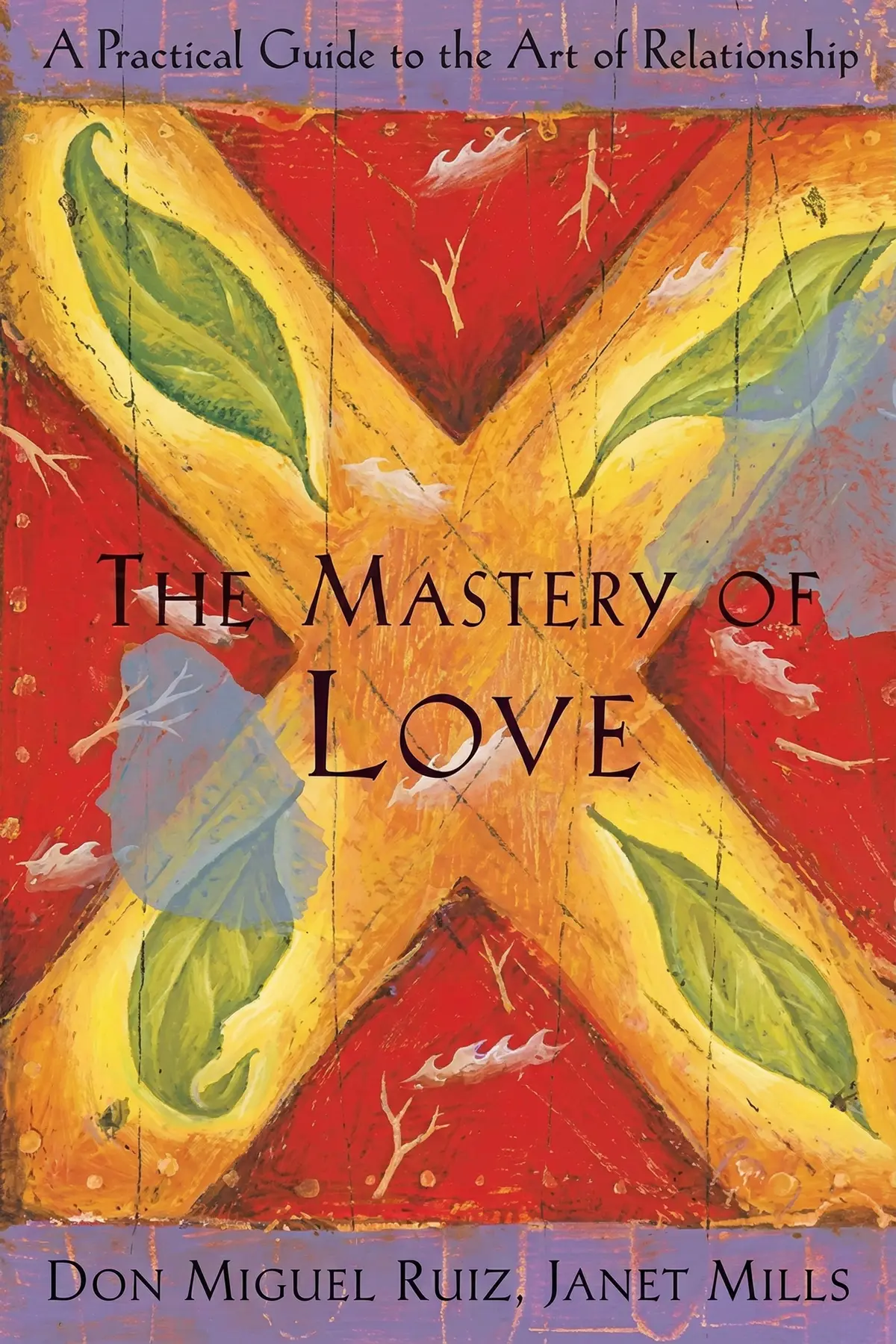
If love keeps turning into jealousy, arguments or silent resentment, the cause may be older than the relationship. In The Mastery of Love, Don Miguel Ruiz, a former neurosurgeon raised by healers in the Toltec tradition, writes with Janet Mills that nearly everyone carries childhood wounds infected by a single poison, fear. Anger, envy and sadness grow from it, and we rehearse them so often that we become experts in them.
The book’s answer is that love can be rehearsed just as deliberately. That means owning your half of every relationship: your happiness, your beliefs about yourself and your healing. Control, obligation and expectation belong to fear. Acceptance belongs to love. Ruiz makes the difference concrete with a father’s guitar, a falling star, a faithful dog and a surgeon’s scalpel, and he offers a simple way to tell, in the middle of a quarrel, which of the two you are choosing.
1 min 24 sec
Being outperformed in a school debate can suddenly leave a teenager feeling stupid and worthless. Ruiz traces that outsized pain to something most of us started building before we could read, and still defend today.
1 min 22 sec
A spouse explodes at the door, feels better, and the argument grows anyway. Ruiz explains why venting can feel like relief while making a home steadily more toxic, and where the cycle can break.
1 min 25 sec
Two people who found love without jealousy lost it in a single moment over a gift. Ruiz’s parable about a falling star asks who was really to blame, and his answer surprises most readers.
1 min 24 sec
Telling a partner what to do can feel like caring. Ruiz describes two tracks every relationship can follow, and the obligations and expectations that mark the one driven by fear.
1 min 30 sec
Hearing “I don’t love you” from the person you adore can make you turn on yourself. Ruiz argues that reaction makes little sense, and offers an unusual daily ritual, built around a meal, to replace it.
1 min 27 sec
Pushing an unwanted attraction away can make it stronger until it wins. Ruiz explains why shame around desire backfires, and what a closet full of clothes reveals about needs that can never be met.
1 min 26 sec
Nobody wishes their loyal dog were a different animal, yet many people spend years trying to remake a partner. Ruiz explains how to choose differently, and when walking away is the generous choice.
1 min 29 sec
A doctor treats an infected cut in three steps, and Ruiz applies the same order to emotional pain. The hardest step asks you to forgive people who may never deserve it, for a reason that has nothing to do with them.
1 min 13 sec
The Mastery of Love begins with an old Toltec idea: each of us lives inside a personal dream, and for most people that dream is a kind of hell, made of fear, suffering and blame. Ruiz’s hopeful twist is that the dream was learned. We became experts in anger and jealousy by rehearsing them, and anything mastered through practice can be replaced through practice.
The book keeps turning your attention back to your own half: your own star, your own beliefs about beauty, your own poison and your own wounds. That sounds lonely, yet it frees a partner from a job no one can do.
So when you feel the pull to correct, blame or unload, check which track you are on and step back to your side. Choose people you would not want to change. Write the first names on your forgiveness lists. And try the book’s closing exercise: sit with your eyes closed, feel the pleasure of air filling your lungs, and ask the Creator, in Ruiz’s words, to open your heart and eyes.
A dog never waits for you to become someone else. Ruiz’s claim is that people can learn to love that way too.
Many relationships start warm and slowly fill with resentment, possessiveness and arguments that feel bigger than their cause. Don Miguel Ruiz, writing with Janet Mills, traces that pattern to wounds most of us began collecting at three or four years old. Fear infects them, and he sees anger, jealousy and sadness as its offspring. Drawing on the Toltec idea that each person lives inside a personal dream, Ruiz argues that we became experts in negative emotions by practicing them, and that we can practice love just as deliberately. His method rests on responsibility for your own half of every relationship. That means keeping your happiness in your own hands, dropping obligations and expectations, accepting yourself and your body, and choosing a partner you would not want to change. The book is built on memorable images: a father's guitar, a falling star, a loyal dog, a surgeon's scalpel. It ends with concrete practices: a daily ritual of eating slowly, two lists for forgiveness and a short breathing prayer for awareness. Readers learn to spot when fear is steering a relationship and how to steer it back.
People stuck in relationships full of jealousy, control or repeated arguments.
Anyone whose mood rises and falls with a partner's approval, or who struggles after rejection.
Readers carrying old hurts who want a gentle, spiritual framework for forgiveness and self-acceptance.
Don Miguel Ruiz, born in 1952, grew up in rural Mexico, the youngest of thirteen children of healers in the Toltec tradition. He trained in medicine in Mexico City and worked as a neurosurgeon in Tijuana until a near-fatal car crash led him to his mother's ancestral teachings. His books include The Four Agreements. Janet Mills, his co-author on the Toltec Wisdom series, is a publisher who edited Deepak Chopra's The Seven Spiritual Laws of Success. The series has sold more than 15 million copies in the US and appeared in 52 languages.
Don Miguel Ruiz
Don Miguel Ruiz
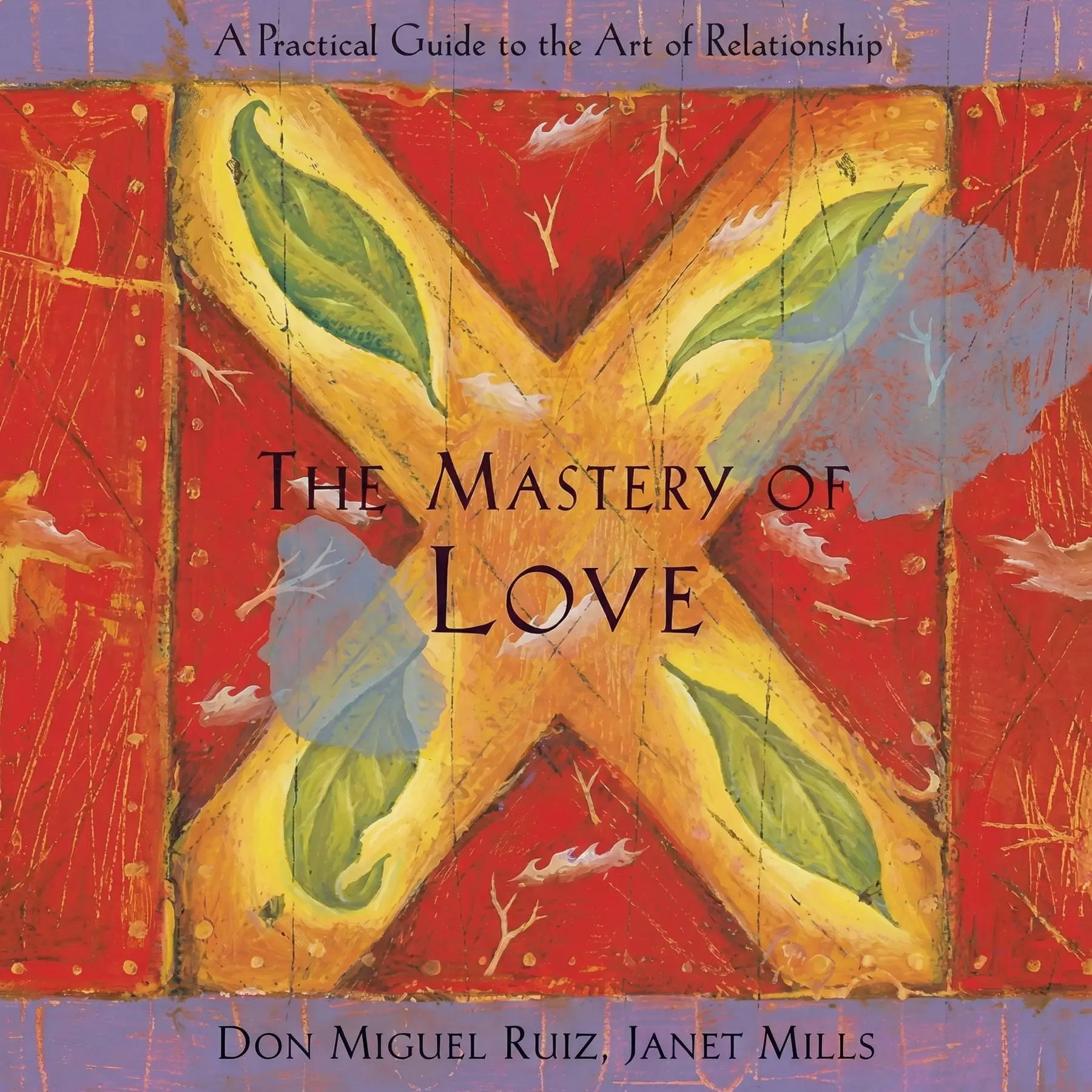
Listeners find this title to be a vital resource that delivers actionable tips in an easy-to-grasp manner. They appreciate the way it shifts their viewpoint on life and interpersonal bonds, offering a non-judgmental perspective on various relationship dynamics. Listeners also note that the text fills them with happiness and supports them in comprehending and regulating their emotions.
The parable of the Magical Kitchen completely shifted my perspective on how I approach dating and intimacy. I used to go into relationships starving for affection, essentially begging for 'pizza' because I didn't know how to feed my own soul. Don Miguel Ruiz uses such simple language to explain that if we don't love ourselves first, we become easy prey for any scrap of attention that comes our way. It is a must-read for anyone who feels like they are constantly losing themselves in their partners. The book doesn't judge your past mistakes but instead fills your heart with a sense of clarity and joy. Frankly, it provides a practical roadmap for emotional control that most of us never learned as children. I found the concepts of the 'Track of Love' versus the 'Track of Fear' to be particularly transformative for my daily interactions.
Show moreWow, I feel like I just went through ten years of therapy in the span of a two-hour reading session. This book offers a radical shift in how we perceive our interactions with others by teaching us to stay on the 'Track of Love.' I love how Ruiz emphasizes that we are only responsible for our half of any relationship, which took a huge weight off my shoulders. It's about honoring the life force within yourself and realizing that you are already complete. The way he describes the 'Dream of the Planet' helped me understand why society's rules often feel so restrictive and toxic. This is more than just a self-help book; it’s a manual for reclaiming your joy and ending the 'Dream of Hell' we create for ourselves. My perspective on my marriage has completely changed for the better.
Show moreFinally got around to reading this and it's a total game-changer for anyone who struggles with people-pleasing or fear of abandonment. The author explains that happiness can only come from within, and putting that responsibility on someone else is a recipe for disaster. I found the section on forgiveness to be particularly moving; you forgive others for your own peace, not because they necessarily deserve it. This book fills your heart with a sense of lightness and helps you realize that most of your suffering is self-inflicted. The instructions are simple, but the application is a lifelong journey of mastering your own spirit. I’ve started recommending it to every friend who is going through a breakup or a rough patch. It really helps you regain control over your emotions and your life.
Show moreIt’s rare to find a book that fills your heart with this much peace while simultaneously calling you out on your own toxic behaviors. Picked this up during a very dark time in my life, and it served as a beacon of hope for my future relationships. Ruiz explains that we are all 'sick' with the disease of fear, but we have the power to heal our own emotional wounds through awareness. The concept that we are 'Life' passing through a body was a beautiful way to end the book. It’s easy to understand, practical, and it avoids the heavy jargon often found in spiritual texts. I feel much more in control of my reactions now. I finally understand that I don't need to hunt for love because I am the source of it.
Show moreThis book is less of a romantic guide and more of a manual for reclaiming your own spirit from the 'Dream of Hell.' It completely changed how I look at my interactions with my parents, my children, and my spouse. Ruiz argues that we shouldn't fear being ourselves, yet we spend our whole lives practicing how to be someone else. The simplicity of the message is what makes it so powerful and easy to apply to everyday life. I felt a genuine sense of joy while reading it, and the lessons on unconditional love are something I will carry forever. It is a must-read for anyone who wants to stop the cycle of drama and start living in a state of gratitude. Truly a masterpiece of spiritual guidance.
Show moreDoes this book oversimplify complex human psychology? Yes, absolutely, but that is actually where its greatest strength lies for most readers. Ruiz manages to distill ancient Toltec wisdom into a format that is incredibly easy to understand without needing a degree in philosophy. I appreciated the non-judgmental look at relationship dynamics, especially the idea that we are all living in our own 'personal dream.' To be fair, the prose can feel a bit repetitive at times, and the pacing is definitely on the slower side. However, the core message about taking responsibility for your own happiness is something I needed to hear. You cannot change your partner; you can only change how you react to the 'dream' you are sharing with them. It’s a solid guide for anyone looking to heal their emotional wounds and stop the cycle of blame.
Show moreAfter hearing my co-worker rave about Ruiz for months, I finally decided to dive into his take on relationships. Truth is, I went in as a skeptic, especially regarding the 'mystic' Toltec framing of the narrative. Some of the gendered language felt a bit dated and like an oversimplification of modern roles, which was a minor turn-off. However, once I got to the chapters on self-acceptance and the 'emotional poison' we carry, I was hooked. The idea that we project images of what we think we should be—and then fall in love with images of others—is profoundly true. It’s a very quick read, yet it provides enough food for thought to last a lifetime. Practice creates the master, and this book gives you the tools to start practicing love as an action rather than just a feeling.
Show moreTo be fair, the writing style is incredibly plain, yet the messages about personal 'dreams' and emotional poison hit home. Don Miguel Ruiz doesn't use flowery language to hide his points; he gets straight to the heart of why we hurt the ones we love. I liked the focus on compatibility and the harsh truth that if you can't love someone as they are, you should let them go. It’s a very honest and non-judgmental look at how we sabotage our own peace. While I think some of the 'schizophrenia' comments were a bit off-base, the spiritual advice regarding self-abuse was eye-opening. We are often our own worst judges, and this book teaches you how to stop that internal war. It’s a must-read for anyone seeking a more harmonious life.
Show moreAs someone who has always believed that 'love is enough' to fix a broken dynamic, this was a much-needed reality check. The Mastery of Love focuses heavily on the idea that respect and compatibility are just as vital as the spark of attraction. I appreciated the sections on not trying to change your partner, as that is a form of selfishness rather than love. In my experience, the 'Magical Kitchen' analogy is the most important takeaway for anyone in the modern dating world. My only gripe is that the book can be a bit repetitive, hammering the same metaphors home multiple times. Still, the wisdom is undeniable and the shift in perspective is worth the price of the book. It’s a gentle yet firm guide to being a better human being.
Show moreI really wanted to like this after the hype surrounding The Four Agreements, but it felt like a repetitive collection of New Age platitudes. The writing is incredibly plain and monotonous, lacking the depth I expected from such a highly-rated spiritual guide. Ruiz makes some borderline dangerous claims about mental illness being a 'choice' made by a frightened mind, which felt like a massive oversimplification of clinical reality. While the 'Magical Kitchen' analogy was a good point, it was buried under chapters of what felt like a bad acid trip mixed with pseudo-historical Toltec myths. Not gonna lie, I found the tone to be both boringly slow and strangely superficial. It’s a short read, but I still felt like I was wasting my time by the halfway point. If you want actual psychological insight, look elsewhere.
Show moreDon Miguel Ruiz argues that most people carry emotional wounds from early childhood, infected by fear, and that these wounds make relationships controlling, needy and painful. Because we learned negative emotions through practice, he says we can learn love the same way. The key is taking responsibility for your own half of each relationship: your happiness, your self-acceptance and your healing through truth, forgiveness and love.
Ruiz describes two directions a relationship can take. On the fear track, people act out of obligation, which breeds resentment, and hold expectations of others, which turn into blame when they are not met. On the love track there are no obligations or expectations; each person does what they want, so a partner’s choices are not taken as attacks. Mastery means noticing when you are on the fear track and switching.
In his parable of the falling star, a man hands his happiness to a woman, she drops it and it breaks. Ruiz says the man made the mistake by making her responsible for it. Since no one can fully know another person’s mind, dreams or expectations, any partner will eventually disappoint you. Only you can take charge of your own happiness.
Ruiz borrows a doctor’s method for infected wounds. Truth is the scalpel that opens the wound and shows that a past injustice is no longer happening now. Forgiveness cleans out the poison: list the people whose forgiveness you need and ask for it, then list those who hurt you and forgive them. Love keeps the wound clean, by practicing seeing beauty in everything.
It suits people whose relationships are marked by jealousy, possessiveness or recurring fights, anyone who measures their worth by a partner’s approval, and readers who want to forgive old hurts. Its approach is spiritual and built on images and simple rituals, such as eating slowly as an offering to your body and a breathing prayer for awareness.


Daniel Goleman


Eckhart Tolle
Marianne Williamson

Deepak Chopra

Pico Iyer

Alcoholics Anonymous World Services

bell hooks
AUDIO SUMMARY AVAILABLE
Get the key ideas from The Mastery of Love by Don Miguel Ruiz, plus 5,000+ more nonfiction titles.