

14 min 33 sec
Available in: English
The Hormone Shift: Balance Your Body and Thrive Through Midlife and Menopause
A physician's guide to the five big hormonal transitions in a woman's life. It explains what estrogen, progesterone and cortisol do, which tests to ask for, and how a 30-day food and lifestyle plan can restore balance.
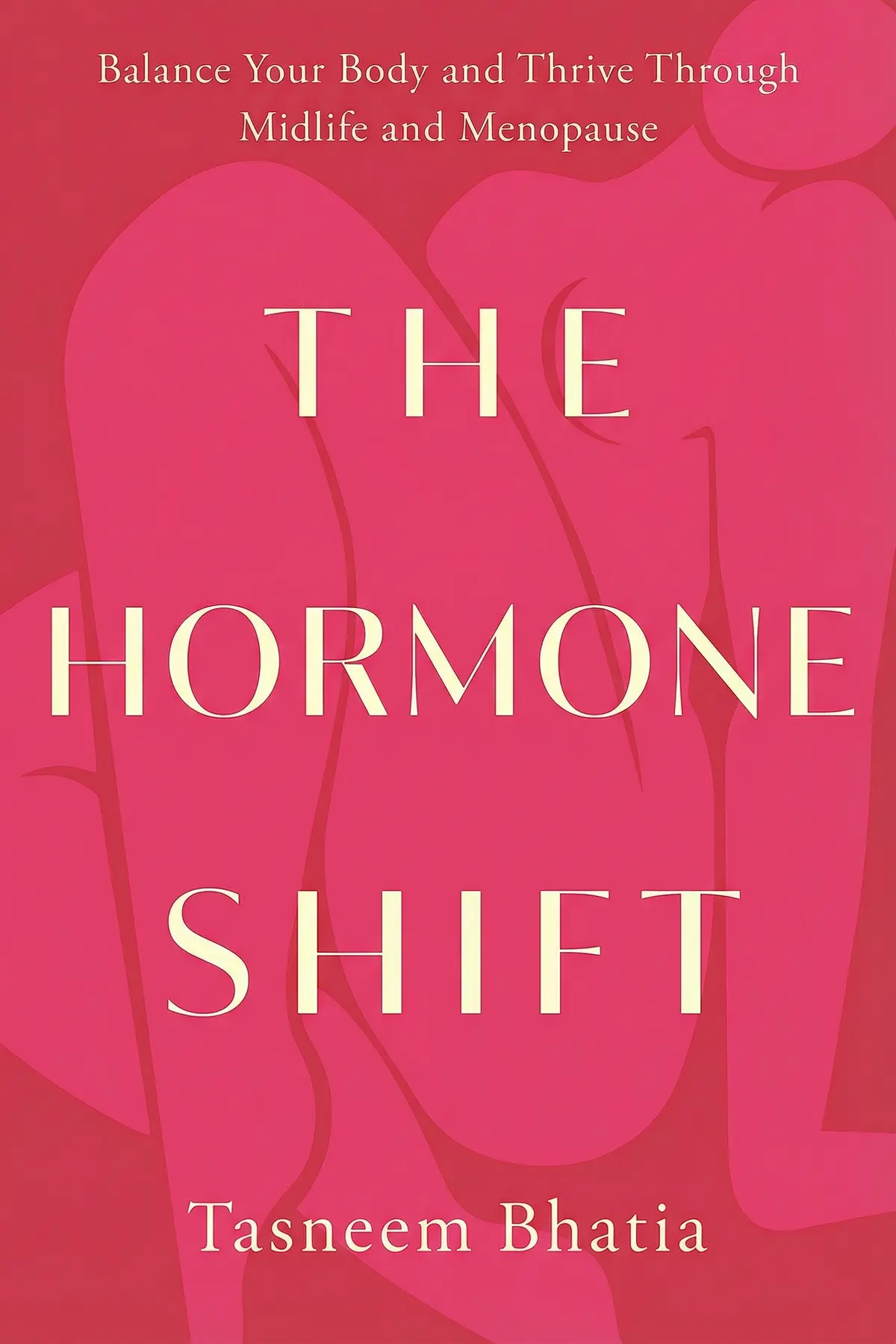
Table of Content
1. Introduction
1 min 10 sec
Many women in their thirties, forties and fifties feel tired, foggy, anxious or heavier than before, and are told it is simply age or stress. In The Hormone Shift, physician Tasneem Bhatia, widely known as Dr. Taz, suggests that those symptoms may have a hormonal cause that can be found and eased. Her starting point is that a woman’s life holds not one hormonal change but as many as five major shifts, from puberty to the years after menopause, and each can be understood and managed.
Bhatia’s case is direct: once you know which shift you are in and which hormones are out of balance, testing, food, sleep and stress relief, with Eastern and Western medicine side by side, can bring your body back into balance, sometimes within a month. Far from a slow decline, she sees menopause as a stage that can bring fresh creativity and purpose.
What follows gives you a map of the five shifts, a plain guide to estrogen, progesterone and cortisol, the test numbers worth asking about, and a 30-day plan you can begin this weekend.
2. Know which of the five hormone shifts you're in
2 min 04 sec
Acne at fifteen, missed periods at twenty-five and hot flashes at thirty-six can look like unrelated bad luck. Bhatia sees a pattern running through a woman’s whole life, and placing yourself in it changes what you look for.
3. Read your symptoms as signals from your hormones
1 min 57 sec
Feeling wired at midnight and drained by three in the afternoon seems like a contradiction. Bhatia traces it, and a long list of other complaints, to a few chemical messengers that can drift too high or too low.
4. Get the test numbers that catch problems early
1 min 58 sec
Plenty of women hear that their bloodwork looks fine while they still feel unwell. Bhatia explains why one sample often misses the story, and what a normal result should and should not settle.
5. A personal plan from Western tests and Eastern medicine
2 min 00 sec
Too many women leave the doctor’s office with a prescription and no questions asked about how they live. Bhatia argues that two very old systems of medicine can fill gaps that modern clinics routinely leave open.
6. Build better hormones from what's on your plate
1 min 59 sec
Pills and prescriptions are usually the first thing people reach for when hormones misbehave. Bhatia points somewhere much closer to home, and she adds a surprising claim about how much the vegetables themselves have changed.
7. Reset your hormone balance in thirty days
2 min 09 sec
Big hormonal shifts can make a familiar body feel foreign, and that feeling can seem permanent. Bhatia lays out a four-week plan with a halfway turn that adapts it to your particular imbalance.
8. Conclusion
1 min 16 sec
What Bhatia offers is a change of stance. A woman no longer has to wait out symptoms that others call normal. She can treat her hormones as something to measure, understand and steer. The five shifts give the map, the tests give the coordinates, and food, sleep and calm mornings do most of the steering. Hormone therapy stays available for severe cases, with risks Bhatia names plainly.
Her most hopeful claim concerns the later shifts. Menopause, in her telling, does not have to mean losing energy and drive. Understood well, it can open room for new creativity and purpose.
The practical starting points are modest. Book a yearly hormone test with samples timed across your cycle, and keep every result instead of settling for a single normal. Track your symptoms for a month, so you can tell signs of estrogen dominance from signs of low progesterone. Then try the reset: clear out the sugar and white flour, take the screens out of the bedroom, and give each morning twenty minutes, perhaps breathing in for four, holding for seven and breathing out for eight.
Your body has been sending signals for years. Bhatia’s book is a guide to answering them.
About this book
What is this book about?
Hot flashes, brain fog, poor sleep, anxiety and stubborn weight gain are often waved away as normal parts of aging or stress. Tasneem Bhatia, a physician widely known as Dr. Taz, disagrees. She argues that many women pass through as many as five major hormone shifts, from puberty to the years after menopause, and that each one can be understood and managed. Her method pairs Western diagnostic tools with Ayurveda, traditional Chinese medicine and other healing traditions from the East. She explains what estrogen, progesterone and cortisol do, what happens when they fall out of balance, and which test results to look for, along with the real risks of hormone replacement therapy. Food sits at the center of her method, because she sees it as the raw material the body uses to build hormones. The book closes with a 30-day reset: clearing the kitchen and bedroom, changing how you eat, adding targeted supplements, adjusting for estrogen dominance or low progesterone, and starting each day with a short practice to calm stress. Bhatia also offers a hopeful view of menopause as a stage that can bring new creativity and purpose.
Book Information
Who it's for
Women told it's normal
Women in their thirties to fifties facing hot flashes, brain fog, poor sleep or anxiety that doctors have called normal.
Professional women under stress
Busy professional women whose cycles, weight or focus changed under years of stress.
Curious about integrative medicine
Anyone curious about combining lab testing with Ayurveda and Chinese medicine.
About the Author
Tasneem Bhatia
Tasneem Bhatia, widely called Dr. Taz, is a board-certified physician who blends her Western medical training with Eastern practices such as Ayurveda and acupuncture. Her stated mission is helping women take charge of their hormonal health. A bestselling author, she has appeared on The Dr. Oz Show, The Today Show and CNN, and in Prevention Magazine. She founded the health company hol+, serves as its CEO and hosts its podcast, and in 2025 was named an EY Entrepreneurial Winning Women North America honoree.
Ratings & Reviews
Ratings at a glance
What people think
Listeners find this guide both thorough and educational, with one individual noting that it offers actionable tips for balancing hormones. They characterize the material as an easy-to-understand and accessible resource, labeling it essential reading for women.
Top reviews
Mint
Dr. Taz delivers a roadmap for navigating the often-confusing world of female biology that feels both revolutionary and deeply intuitive. I found the concrete advice on balancing cycles to be incredibly helpful because she doesn't just explain the 'why' but gives you a 'how' that feels sustainable for the long haul. The writing style is remarkably straightforward and approachable, which is a breath of fresh air compared to most medical texts that leave you feeling more confused than when you started. Personally, I appreciated how she bridges the gap between traditional medicine and holistic wellness without losing her scientific grounding. This is a must-read for any woman who feels like her body has been speaking a language she can no longer translate. Every chapter felt like she was speaking directly to my own experiences with fatigue and brain fog.
Show moreSuvannee
Wow, I didn't expect to learn this much about my own body in just a few sittings, but this book is a treasure trove of insight. The way the author explains the natural shifts in our hormones makes everything feel so much less scary and more like a manageable transition. Truth is, I had no idea how much my diet was impacting my mood until I followed the suggestions in the middle chapters. The writing is clear and avoids the overly clinical jargon that usually makes these types of books a chore to get through. I especially loved the sections on mindfulness, as they added a necessary emotional component to the physical health advice. If you are looking for a straightforward way to understand your body better, this is definitely the book to grab. It feels like a supportive conversation with a very smart friend.
Show moreAdam
Ever wonder why you’re suddenly gaining weight or losing sleep despite not changing your routine at all? This book finally gave me the answers I’ve been searching for without making me feel like I was losing my mind. The author’s holistic perspective is refreshing, and the way she integrates different medical traditions provides a more complete picture of health. I found the 30-day plan to be a fantastic way to jumpstart my energy, and the recipes included are actually quite tasty and easy to make. Frankly, this should be required reading for women in their thirties so they can prepare for the shifts ahead before they actually happen. It’s a comprehensive guide that doesn't just focus on the symptoms, but looks at the root causes of hormonal imbalance. I’ve already recommended it to several friends.
Show moreSook
This book is a total game-changer for anyone feeling stuck in a cycle of fatigue and frustration with their health. Dr. Taz offers a straightforward and approachable guide that demystifies the hormonal changes we all go through but rarely talk about openly. I loved how comprehensive the advice was, covering everything from gut health to emotional well-being and how they all tie back to our endocrine system. The concrete advice on nutrition helped me realize that small shifts can lead to massive improvements in how I feel on a daily basis. I didn't find the 'Goop' connection to be a distraction at all; instead, I felt the book was grounded in a real desire to help women thrive. It is a must-read for any woman looking to reclaim her vitality and understand the 'why' behind her symptoms. Absolutely worth the read!
Show morePornthip
Finally got around to reading this after hearing so many positive things about the author’s holistic approach to women’s health. The information is undeniably comprehensive and covers shifts that many doctors simply brush off as 'just part of aging' during a standard check-up. To be fair, some of the supplement recommendations felt a bit overwhelming to track at first, but the Thirty Day Hormone Reset at the end provides a much-needed structure. I’ve noticed a significant change in my energy levels just by incorporating the green smoothies and being more mindful of my nutrition. My only gripe is that I started with the audiobook and quickly realized this is a text you need to own in physical form to really utilize the recipes and lists. It’s a solid starting place for anyone feeling the first signs of perimenopause.
Show moreAkira
As someone who has struggled with hormonal fluctuations for years, I found the quizzes in this book to be a game-changer for identifying my specific needs. Not gonna lie, I was skeptical about another 'reset' plan, but Dr. Bhatia’s 30-day program is actually quite logical and focuses on adding nutrients rather than just restriction. The book is very informative and provides a deep dive into how our systems change throughout our entire lifecycle, not just during menopause. I appreciated the positivity throughout the text, though I do think the author could have been more realistic about the time commitment required for some of the meal prep. Still, the concrete advice offered here is much better than the vague suggestions I’ve received from my primary care doctor lately. It’s an approachable guide that empowers you to take control of your health.
Show morePrapaiwan
Picked this up because I was tired of feeling like my hormones were driving the bus and I was just a passenger along for the ride. The book provides very concrete advice on how to find balance through a mix of lifestyle changes and targeted nutrition that feels genuinely doable. In my experience, most health books are either too scientific or too 'fluffy,' but Dr. Taz hits a nice middle ground that respects the reader's intelligence. I appreciated the mention of PCOS, though I wish there had been more specific troubleshooting for those of us who don't see immediate results from standard changes. The tone is encouraging and the layout is very approachable, making it easy to flip to the sections that apply to your current life stage. It’s a very informative read that I’ll likely keep on my shelf for reference.
Show moreAey
The chapter on perimenopause was definitely the highlight for me, but the overall experience of the book was a bit of a mixed bag. Look, the information is solid and the author clearly knows her stuff, but the layout makes it a difficult read for anyone who isn't a fan of endless lists and charts. I did the audio version first and I strongly recommend getting the actual book instead because trying to listen to recipes and supplement dosages while driving is impossible. While I found the 'Thirty Day Hormone Reset' to be a good starting place, it felt a little cookie-cutter at times, despite her saying plans should be tailored. It’s interesting and I learned a ton, but I think I would have preferred more narrative and less instructional manual. Good, but not quite great for my personal learning style.
Show moreEarn
Gotta say, I have complicated feelings about this one after finishing it last night. On one hand, it is incredibly informative and covers the lifecycle of hormones in a way that is easy to understand for the layperson. On the other hand, the constant pressure to buy specific supplements and the lean toward 'Goop-style' wellness made me a bit skeptical of some claims. Some of the suggestions, like the green smoothie daily requirement, just won't work for everyone, especially those with pre-existing conditions like I have. To be fair, she does mention consulting your doctor, but then she pivots back to a very rigid set of 'must-dos' for the reset. It’s a good starting place if you’re just getting into hormone health, but take some of the more expensive recommendations with a grain of salt. Useful, but perhaps not as universal as it claims.
Show moreRoo
To be fair, I went into this with high hopes, but I struggled with the 'woo-y' tone that seems to stem from the author's association with the Goop brand. While there are certainly some nuggets of wisdom regarding mindfulness and nutrition, the majority of the plan feels like it was designed for a very specific, wealthy demographic. The sheer volume of expensive supplements and dietary overhauls suggested is frankly not fiscally reasonable for the average person. Furthermore, as someone on specific medication, the heavy emphasis on daily green smoothies is actually dangerous due to Vitamin K interactions. I felt like the book occasionally glossed over serious conditions like PCOS as if they were minor hurdles rather than complex endocrine disorders. It’s informative in parts, but the tone felt a bit dismissive of those with tighter budgets or more complicated medical histories.
Show moreQuestions about this book
What is The Hormone Shift by Tasneem Bhatia about?
The book explains how women pass through as many as five major hormonal transitions, from puberty to the years after menopause, and how to manage each one. Bhatia, known as Dr. Taz, describes what estrogen, progesterone and cortisol do, which tests to ask for, and how food, supplements, sleep and stress relief can restore balance. She blends Western diagnostic tools with healing traditions from the East, including Ayurveda and traditional Chinese medicine.
What are the five hormone shifts in a woman's life?
Bhatia describes puberty, from 13 to 19; the high-pressure years from 20 to 28; a third shift in the thirties, when perimenopause can begin as early as 35; a fourth from the late thirties into the fifties, when estrogen, progesterone and testosterone decline sharply; and a fifth after menopause, when metabolism slows and the risks of osteoporosis, heart disease and depression rise.
What is estrogen dominance according to The Hormone Shift?
Bhatia uses the term for a state in which progesterone is too low to balance estrogen. She ties it to migraines, sore breasts, foggy thinking and periods that are heavy and irregular, and she says this same imbalance causes PMS in the years before menopause. During her 30-day reset, she suggests broccoli, pumpkin seeds, daily olive oil and a supplement called DIM for women whose symptoms point to too much estrogen.
How does the 30-day hormone reset work?
The plan starts by clearing sugar, white flour and trans fats from the kitchen and screens from the bedroom, with at least eight hours of sleep for most people. Next come protein at every meal, green smoothies, supplements such as B vitamins, probiotics and NAC, and cutting alcohol and processed food. Halfway through, you tailor the plan to estrogen dominance or low progesterone and add a 20-minute morning practice to calm stress.
Does The Hormone Shift recommend hormone replacement therapy?
Bhatia says hormone replacement therapy may relieve severe symptoms when hormone levels fall outside healthy ranges, but she warns that it carries significant risks, including blood clots, stroke and breast cancer, so the choice must be weighed carefully. Her main emphasis is on balancing hormones through diet, supplements, sleep and stress reduction, which she argues can help even when lab results look normal.
Featured in
Readers also enjoyed








AUDIO SUMMARY AVAILABLE
Listen to The Hormone Shift in 15 minutes
Get the key ideas from The Hormone Shift by Tasneem Bhatia, plus 5,000+ more nonfiction titles.
- 5,000+ titles
- Listen as much as you want
- 7-day free trial
- Cancel anytime









