
13 min 41 sec
Available in: English
 ไทย
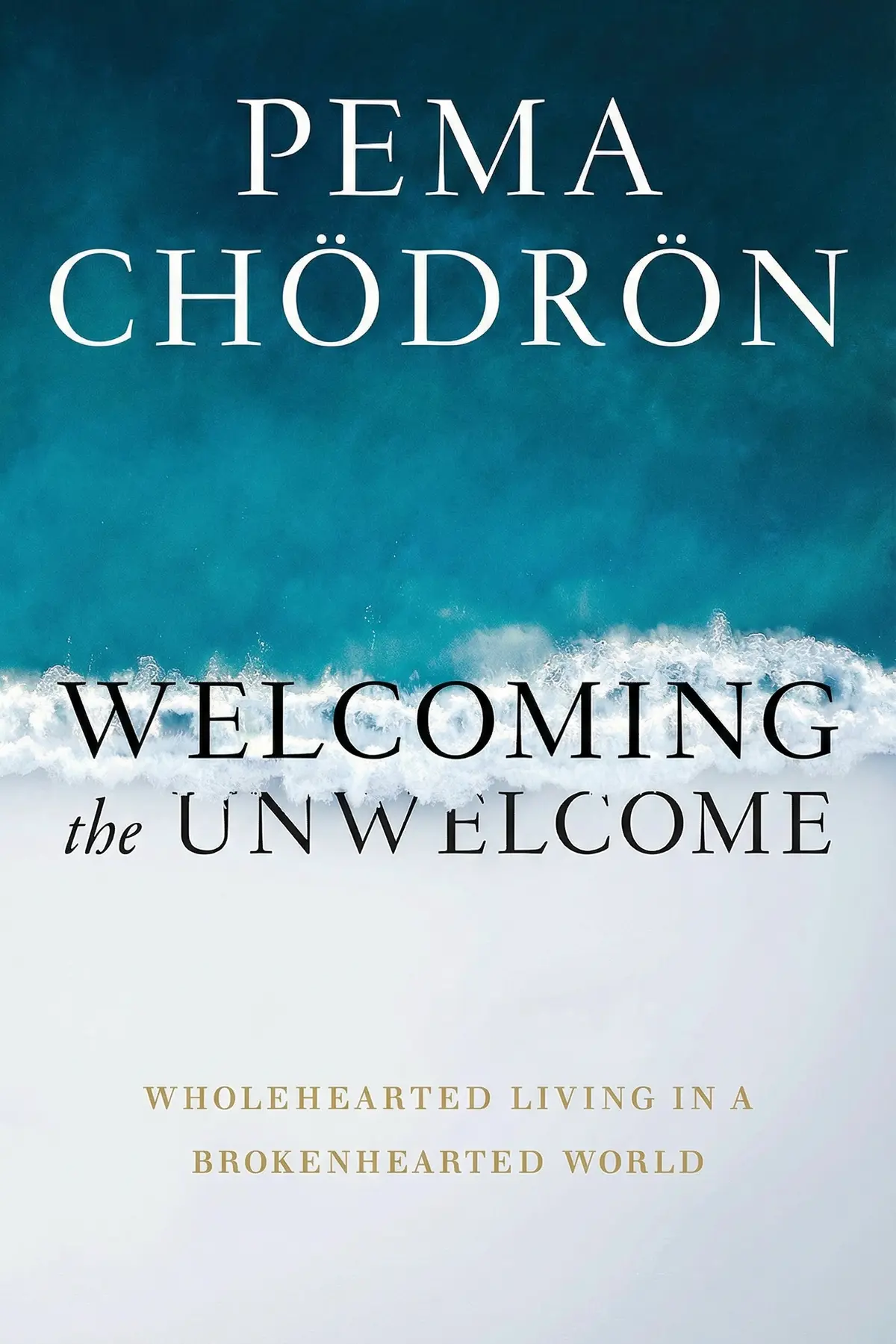
EnglishไทยStart Where You Are: A Guide to Compassionate Living
By Pema Chödrön
A gentle Buddhist guide to meeting pain, anger and your own flaws head on, using simple breath meditation and a practice called tonglen to grow steadier, lighter and more compassionate toward others.
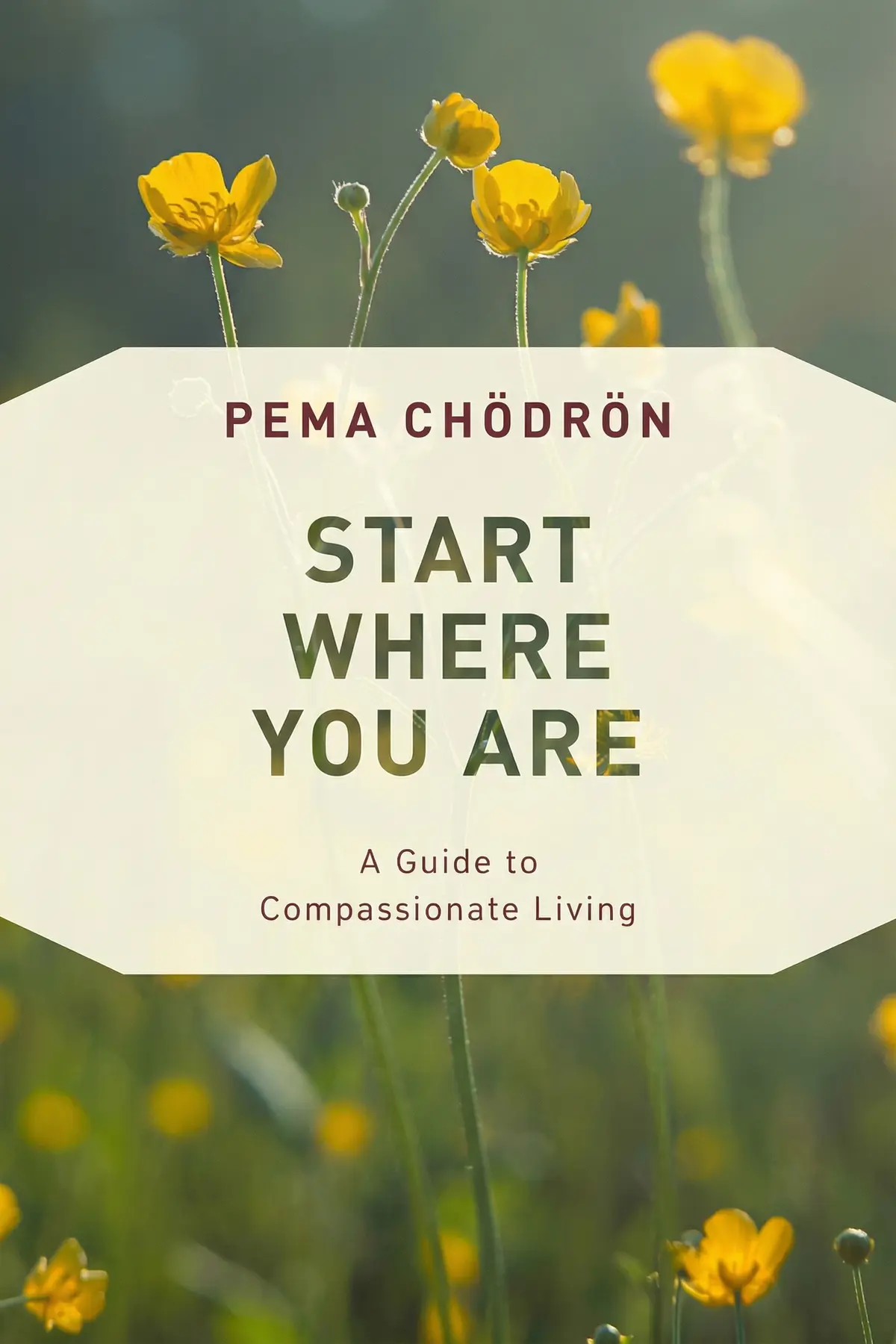
Table of Content
1. Introduction
59 sec
Most of us spend our days bracing against what hurts: a bad memory, an irritating colleague, the flaw we hope nobody notices. In Start Where You Are, Buddhist nun and teacher Pema Chödrön argues that this bracing causes much of our misery, and that strength and kindness grow from turning toward the difficult instead. Her first tool is simple: sit, breathe, and each time the mind runs off to yesterday or tomorrow, bring it back to now.
From that small practice the book builds outward, toward a lighter way of meeting each day, fewer angry labels, honest contact with pain and with your own worst tendencies, and finally goodwill toward enemies. One claim holds it together: a full, compassionate life takes in the bad along with the good. Along the way there are two practices to try tonight, and a Tibetan story about a man who jumped into a demon’s mouth.
2. Return to the breath whenever your mind drifts
1 min 40 sec
Everyone’s attention slips away now and then to regrets and worries while sitting still. The surprise is how the practice treats that slipping, and why being gentle with it matters more than stopping it.
3. Bring lightness back into an ordinary day
1 min 35 sec
Many people wake up already feeling behind, judged by obligations and their own expectations. Chödrön suggests the weight is partly self-made, and that some of the cure is almost silly.
4. Stop shouting at empty boats
1 min 39 sec
A man enjoying a day on his boat grows furious at another boat drifting toward him, until it arrives. A classic Zen story shows where much of our anger really comes from.
5. Feel the pain fully and grow kinder
1 min 35 sec
Many beginners assume meditation should make them numb to hurt. Chödrön calls that a trick and a mistake, and points to the people history remembers for their compassion to explain why.
6. Make peace with your demons by letting them stay
1 min 48 sec
A meditator returns to his cave to find it full of demons, and lecturing them gets him nowhere. What finally works is the opposite of what most self-improvement advice would suggest.
7. Let go of your personal story to grow stronger
1 min 48 sec
A tough kid from Los Angeles burst into tears at a meditation retreat, moved by something most people would laugh at. What he saw changed the course of his life.
8. Breathe in pain and send out goodwill
1 min 32 sec
Most instincts say let the good in and keep the bad out. A Buddhist breathing practice reverses that rule, and it can even be aimed at the person you resent most.
9. Conclusion
1 min 05 sec
Chödrön’s teaching runs against a strong instinct. We assume a good life means keeping pain out, hiding our flaws and presenting a solid, consistent self. She argues the reverse: avoidance makes us brittle, angry and alone, while the willingness to feel everything makes a person both steady and kind. The returning breath, the dropped label, the demon invited to stay and the in-breath taken for an enemy are all one movement, turning toward what we would rather escape.
That makes the starting point modest. Nobody has to become calmer or better first; the title says it, start where you are. A few minutes with the breath, coming back each time with the word thinking, is enough to begin. When anger flares, look for the empty boat. When a feeling hurts, stay with it a little longer than feels comfortable. And when a warm memory rises, breathe it out toward someone who needs it more.
Milarepa found peace by leaping into the mouth he feared most.
About this book
What is this book about?
Most of us try to keep life's hard parts at a distance. We push away painful feelings, hide our worst tendencies, and protect a fixed idea of who we are. Pema Chödrön, a Buddhist nun and longtime meditation teacher, argues that this avoidance is exactly what keeps us anxious, angry and closed off. Her alternative is to start where you are. She teaches a simple sitting practice from the shamatha-vipashyana tradition that trains attention to come back to the present. From there she shows how to hold daily life more lightly, drop the labels that fuel anger, feel pain without being crushed by it, and make peace with craving, aversion and ignorance, which Buddhism calls the three poisons. The book draws on Zen and Tibetan stories, from an empty boat to a meditator who leapt into a demon's jaws, and on people Chödrön knew. It ends with tonglen, a breathing exercise for taking in suffering and sending out goodwill, even to enemies. Readers get practices they can try the same day.
Book Information
Who it's for
Professionals with racing minds
Stressed professionals whose minds keep running to regrets and worries, and who want a simple daily practice.
Holding on to resentment
People stuck in anger or resentment toward a colleague, relative or former friend.
New to Buddhist meditation
Beginners curious about Buddhist meditation who want warmth and stories, not theory.
About the Author
Pema Chödrön
Pema Chödrön, born Deirdre Blomfield-Brown, taught elementary school in New Mexico and California before becoming a novice Buddhist nun in 1974. Her root teacher was Chögyam Trungpa Rinpoche, with whom she studied until his death in 1987. In 1984 she moved to Cape Breton, Nova Scotia, to direct Gampo Abbey, a monastery for western monks and nuns, later serving as its principal teacher until retiring in 2020. Her several dozen books include When Things Fall Apart and Don't Bite the Hook.
Ratings & Reviews
Ratings at a glance
What people think
Listeners find this work both practical and deep, emphasizing its utility for those who meditate and its capacity to build self-awareness. Furthermore, the material is simple to digest, with one listener sharing that they took their time reading to ensure they absorbed everything. The audience also enjoys the author's prose and persona; one listener characterizes Pema Chodron as a star, while another highlights the book as a wonderful resource for quieting busy lives.
Top reviews
Supachai
Finally got around to reading this classic, and it definitely lives up to the hype. I found myself reading just a few pages at a time because the insights into self-knowledge are so dense that you really need to let them marinate. Pema's writing style is just so accessible and warm; she feels like a wise aunt who isn't afraid to tell you the hard truths about your own ego. It’s a wonderful resource for anyone trying to quiet a busy life in a world that never stops moving. The way she frames the practice of 'loving-kindness' feels incredibly practical rather than just being some lofty, unattainable spiritual goal. If you are struggling with a lot of internal noise, this book provides the necessary tools to just sit and observe without judgment. It is truly an exceptionally good guide.
Show moreRin
Wow. This is the kind of book that you don't just read once; you keep it on your nightstand for years and open a random page whenever you feel like your world is spinning out of control. Pema Chödrön has this incredible way of speaking that engages your attention immediately, making even the most difficult concepts about the ego feel manageable. I loved the instruction to 'abandon hope of change,' which sounds depressing at first, but is actually the most liberating thing I've ever heard. It’s about being grateful for every situation because every single one of them has something to teach us if we are willing to listen. If you are looking for a way to develop a soft heart in a world that feels increasingly harsh, this is the resource you need.
Show morePrinya
Pema Chödrön is truly a master at taking these ancient, often intimidating Buddhist traditions and making them feel like something you can actually use while you're stuck in traffic. This book is exceptionally good at helping you lighten up and stop taking your own internal drama so seriously. I particularly appreciated the section on Tonglen practice, even if she doesn't spend a ton of time on the technicalities, because it shifts the focus from 'me' to 'we.' It is a fascinating combination of gentle care for oneself and the painful challenge of facing our own flaws. I've already started my second reading because there is just too much to absorb in one go. Highly recommended for anyone needing to quiet a busy mind.
Show moreSuvannee
Ever wonder why it’s so hard to just be okay with who you are? This book dives deep into that question without being overly academic or dry. Pema manages to be funny and profound at the same time, which is a rare feat in this genre. I found the advice to 'rest in whatever you meet unexpectedly' to be a total game-changer for my daily anxiety. It’s not just about meditating on a cushion; it’s about how to have patience with yourself when you’re failing or feeling unkind. Not gonna lie, some of the challenges she presents are painful to sit with, but they are necessary for any real growth. A truly insightful and practical guide for the modern soul.
Show moreMai
As someone who usually gravitates toward the simplicity of Thich Nhat Hanh, I found this particular volume a bit more challenging than I anticipated. Chödrön focuses heavily on the Atisha slogans, which can feel a bit repetitive or even confusing if you aren't familiar with the specific cultural context she's drawing from. To be fair, she does an admirable job trying to frame these ancient teachings for the Western mind, but some sections still felt like a bit of a slog. That said, her advice on working with ourselves in order to help others is profound and makes the denser parts worth the effort. It’s not necessarily a book for a total beginner to Buddhism, but for those with some practice, it offers a fascinating combination of gentle care and painful challenges.
Show morePreeda
This book is a bit of a paradox because while it is titled 'Start Where You Are,' it doesn't actually feel like a 'Step 1' guide for the uninitiated. Personally, I would be much more inclined to recommend 'When Things Fall Apart' to a friend who is completely new to these concepts. The lack of detailed explanation on some of the more advanced Buddhist practices makes it difficult for a new practitioner to really grasp the wisdom she's sharing. However, the core message about making friends with ourselves and leaning into our discomfort is undeniably valuable. Pema is a star when it comes to her unique personality and humor, which shines through even in the more confusing chapters. It’s a solid 4-star read, but maybe don't make it your very first foray into Dharma.
Show moreLucas
The chapter on training whole-heartedly was where everything finally clicked for me. While I found the constant 'slogans' a bit annoying at first, I eventually realized that they act as mental anchors during the day. In my experience, most spiritual books focus so much on the 'sitting' part of meditation that they forget to tell you how to live your life when you're off the cushion. Pema fills that gap by showing how to label our thoughts and observe our reactions in real-time. It’s a very practical approach to self-knowledge, even if the tone feels a bit repetitive in the middle sections. I did find some of the instructions a little sparse, but the overall impact of the book is definitely positive for anyone's practice.
Show morePlernpiriya
Look, I’m not saying this book isn't brilliant, but you definitely have to be in the right headspace to appreciate Pema's style. She writes with a wonderful personality that makes the medicine go down easier, yet the 'slogans' can feel like they are coming at you a bit too fast. I loved the core message: we work on ourselves to help others, and we help others to work on ourselves. That single statement justified the entire purchase for me. Still, I wish there was more context for some of the deeper teachings, as it felt like she assumed I knew more about Tibetan Buddhism than I actually do. It’s a great resource, just be prepared to do a little outside research if you’re a novice.
Show moreNarong
Truth is, I picked this up because I heard she frames her teachings specifically for the western mind, and for the most part, that holds true. Her tone is very 'normal human person' compared to a lot of other gurus out there, which makes the whole process of 'making friends with ourselves' feel possible. I did find the structure a little loose, and some of the mantras felt like they were just overcomplicating simple truths about breathing and observation. However, the value for meditators here is immense, especially regarding how to handle the thoughts we've labeled as 'bad' or 'distracting.' It’s a book that encourages you to train whole-heartedly without the pressure of having to be perfect. Definitely worth a spot on the shelf next to the classics.
Show moreJom
Not what I expected at all given the glowing recommendations I’ve seen everywhere. After finishing Dan Harris's 10% Happier, which felt very grounded and relatable, this book just reeked of what I'd call 'frou frouness.' I understand that she is trying to teach Metta, but the constant introduction of 'another slogan' without enough surrounding context made the whole experience feel disjointed. Why are there so many specific mantras to memorize? To be honest, it felt like a repetitive cycle of the same three ideas over-complicated by jargon that didn't help me actually meditate better. It’s clearly a beloved book for many, but for a practical-minded person, it felt like a slog of sameness that didn't offer the clarity I was looking for.
Show moreQuestions about this book
What is the main idea of Start Where You Are by Pema Chödrön?
Chödrön argues that a meaningful, joyful life does not come from avoiding weakness, pain or difficult people. It comes from accepting every emotion and taking the bad with the good. Meditation is her training for this: it teaches the mind to stay present, to feel hard things without clinging or running, and in time to extend compassion even to enemies.
How do you practice shamatha-vipashyana meditation?
Sit upright with legs crossed and eyes open, take a few deep, gentle breaths, and keep your attention on the breath while staying aware of the room around you. When your mind wanders to plans or memories, treat it as normal thinking. Without scolding yourself, silently say the word thinking and bring your focus back to the breath.
What is tonglen breathing?
Tonglen is a Buddhist breathing practice Chödrön teaches for building compassion. On each in-breath you take in suffering and pain; on each out-breath you send out strength and happiness. The practice is said to benefit you as well as the people close to your heart. As a more advanced step, she suggests doing it for someone you dislike, which helps you see their point of view and their own pain.
What does Pema Chödrön mean by emptiness?
In her telling, emptiness, a common translation of nirvana, means freedom from labels such as good, bad, happy or sad. Rather than something bleak, it is a relief. She illustrates it with a Zen story of a man who rages at an approaching boat, only to find it empty, showing how often we create our own reasons for anger.
Who should read Start Where You Are?
It suits people who feel weighed down by worry, anger or self-criticism and want practical tools rather than theory. Beginners to meditation get a simple sitting method. Anyone struggling with a difficult person gets tonglen. Readers tired of upbeat affirmations will appreciate Chödrön’s advice to get to know their weaknesses instead of trying to talk them away.
Readers also enjoyed

Aflame: Learning from Silence
Pico Iyer


A Force for Good: The Dalai Lama's Vision for Our World
Daniel Goleman

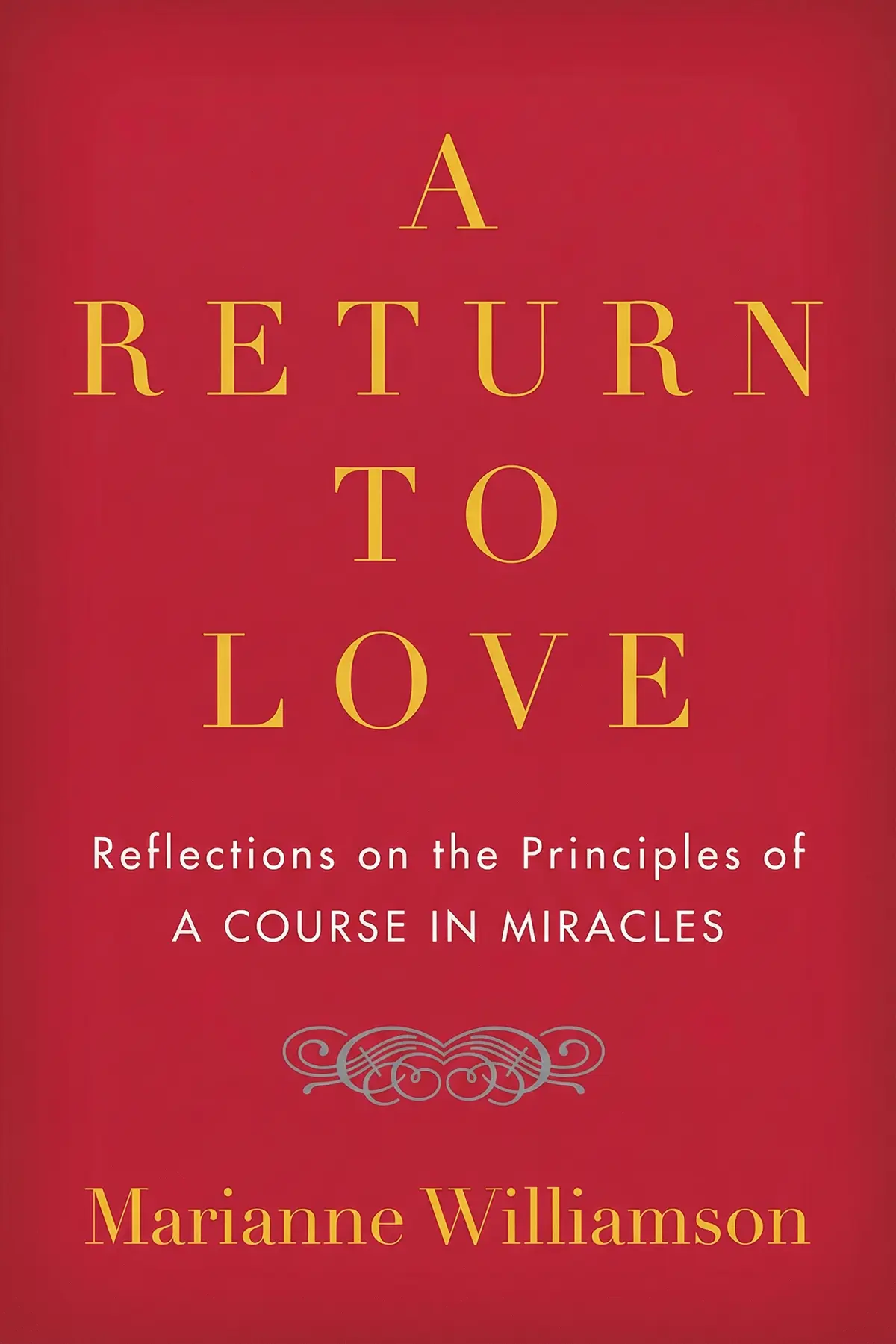
A Return to Love: Reflections on the Principles of a Course in Miracles
Marianne Williamson

Abundance: The Inner Path to Wealth
Deepak Chopra

Alcoholics Anonymous
Alcoholics Anonymous World Services

A New Earth: Awakening to Your Life’s Purpose
Eckhart Tolle

AUDIO SUMMARY AVAILABLE
Listen to Start Where You Are in 15 minutes
Get the key ideas from Start Where You Are by Pema Chödrön, plus 5,000+ more nonfiction titles.
- 5,000+ titles
- Listen as much as you want
- 7-day free trial
- Cancel anytime









