

14 min 52 sec
Available in: English
Set for Life: Dominate Life, Money, and the American Dream
By Scott Trench
A practical plan for salaried, middle-class workers who start with little saved: cut the largest costs, build a cash cushion, make your home earn money, and grow investments until they cover your bills.
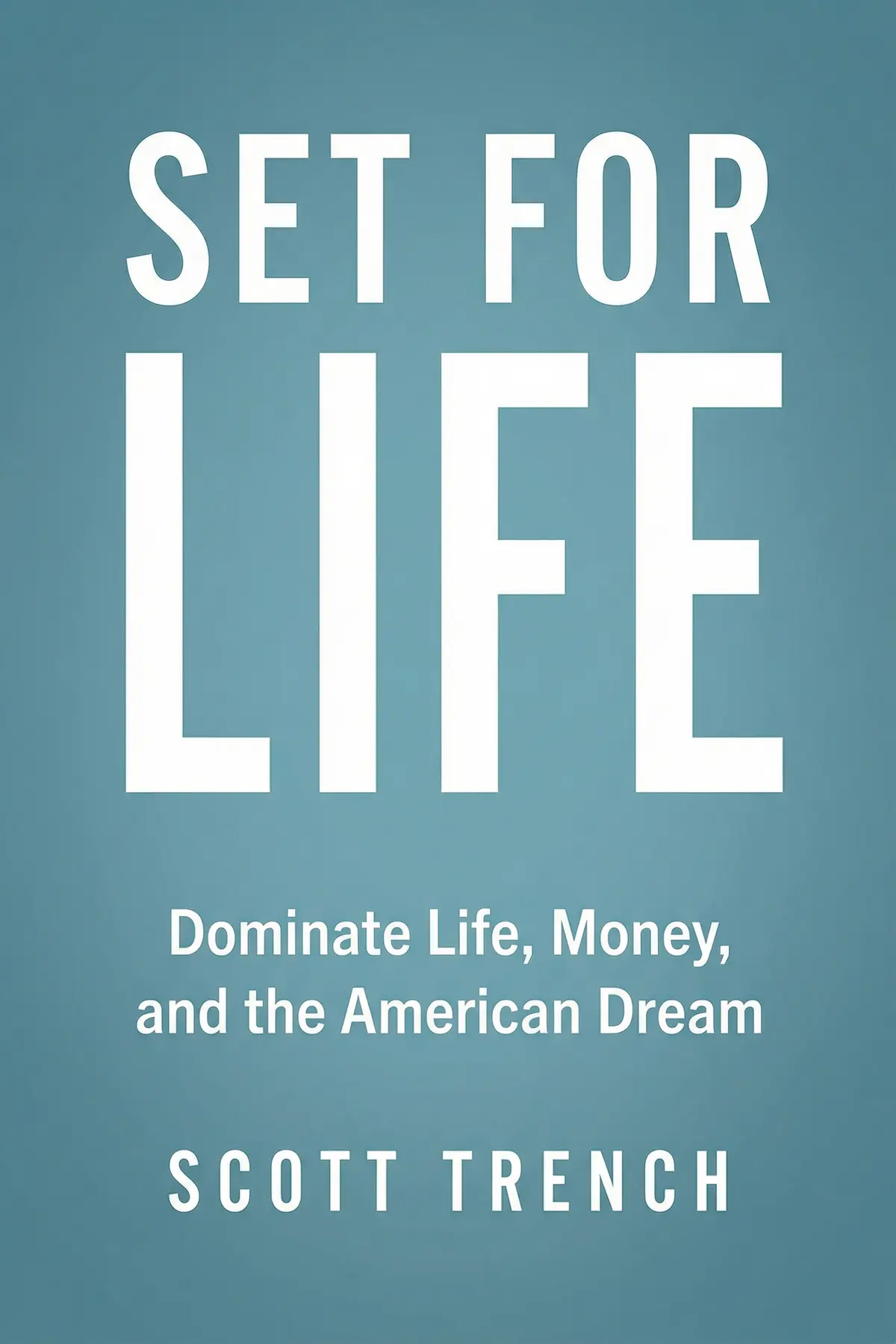
Table of Content
1. Introduction
1 min 02 sec
Retiring at 65 after forty years of work is the finish line most salaried people are handed, and Scott Trench thinks it is far too distant. In Set for Life, the CEO of the real estate investing platform BiggerPockets lays out a faster route: slash your largest costs, invest the difference aggressively, and within five to ten years the income from your investments can cover every bill. At that point, paid work becomes optional.
His plan is written for full-time, middle-class employees who start with little or no savings. The argument behind it is that freedom comes from the gap between what you earn and what you spend, and from turning that gap into assets that pay you. Trench moves from a cash cushion, through a home that earns money, to a portfolio that replaces a paycheck. Along the way he offers a new way to count wealth, a short list of expenses worth fighting over, and four questions to put to any property before you sign.
2. Count your wealth in cash you can reach
1 min 46 sec
Retirement accounts and home equity look impressive on paper, yet Trench argues they can leave you with almost no real choices. He points to a different number, and a surprising reason to chase it before a raise.
3. Give frugality a reason that outlasts temptation
1 min 42 sec
Most budgets survive a few good weeks and then collapse over one weekend. Trench says the failure has little to do with math, and he offers a mental shift that makes spending less feel like progress.
4. Cut the big three and keep your coffee
1 min 54 sec
Giving up small treats feels virtuous and changes almost nothing. Trench points to the handful of costs that really shape a budget, and explains which pleasures you can keep without guilt.
5. Clear your runway before you invest
1 min 52 sec
Moving straight from saving to investing feels efficient, until one surprise bill wipes out months of progress. Trench lays out the order of steps that protects your cushion first.
6. Make your home pay you rent
1 min 50 sec
Housing is the biggest bill most people ever face, and the usual advice is to stretch for it. Trench ranks the common approaches and finds one that can push your housing cost close to zero.
7. Own assets that pay you and protect the principal
1 min 50 sec
A financed car, a big house and a degree can all feel like wealth. Trench argues they often delay freedom, and he offers one simple rule about invested money that most people break.
8. Track what counts, then listen to your instincts
1 min 52 sec
A rising bank balance can hide a plan that is going nowhere. Trench describes a stricter way to measure progress, and a moment when he says the spreadsheet should lose the argument.
9. Conclusion
1 min 04 sec
Trench flips the usual order. The standard plan asks you to earn for decades and hope the savings stretch. His plan puts your expenses first, measures wealth in cash you can actually use, and turns your home into a source of income. Each stage feeds the next. Lower costs build the cushion. The cushion clears bad debt and funds a property. The property and your other real assets then pay for the life you named when you first asked yourself why you were saving.
None of this needs a bold leap. Look at the three largest lines in your spending and decide which one you could change this year, whether by sharing a home, living closer to work or cooking more. Make a year of living costs in reachable cash your first target. Before buying any property, test it with Trench’s four questions, starting with whether it would still pay its way if you moved out. And keep a net worth figure that counts only what pays you.
Retirement at 65 is one finish line. Trench’s argument is that you can draw your own much closer.
About this book
What is this book about?
The traditional plan is to work for forty years, save a small slice of each paycheck and hope it is enough at 65. Scott Trench argues that this path offers modest security at best, and that a full-time employee starting with almost no savings can do much better, much sooner. His approach begins with a different idea of wealth: cash you can reach after taxes, not home equity or retirement accounts. Readers build that cash by cutting the few expenses that really matter, housing, transportation and eating out, while keeping the small pleasures. From there Trench lays out an ordered path: an emergency fund, clearing bad debt, a pool of liquid money, then house-hacking, where you live in one unit of a building and rent out the others. The book ends with rules for investing, such as owning real assets and never spending the principal, along with a stricter way to track net worth and spending. The promise is that passive income can replace a salary within five to ten years, so paid work becomes a choice.
Book Information
Who it's for
Employees with little saved
Salaried employees with little saved who want an exit from work well before 65.
Choosing their first home
Young professionals deciding whether to rent, buy or share their first home.
Budgeting without seeing results
Anyone who has tried budgeting by cutting small treats and seen nothing change.
About the Author
Scott Trench
Scott Trench has served as CEO of BiggerPockets.com, an online platform for real estate investors, and co-hosts the BiggerPockets Money Podcast. He built a successful real estate business within three years of finishing college. He has said he wants to share what he learned so that others can reach financial independence in three to five years.
Ratings & Reviews
Ratings at a glance

What people think
Listeners find this work to be a mandatory resource, especially for the youth, and appreciate the practical tips and thorough data explained in straightforward language. Furthermore, it leads the audience through practical, incremental stages toward reaching financial independence, with one listener mentioning that it offers a repeatable plan to success. In addition, listeners prize its hands-on methods for handling finances, which assist them in accumulating savings and clearing debt, ultimately viewing the book as a worthwhile use of their time.
Top reviews
Tern
If you are graduating college soon or just started your first professional role, stop what you're doing and buy this immediately. Scott Trench provides a repeatable plan to success that feels much more actionable than the vague advice found in most finance bestsellers. The concept of the 'financial runway' was a total game-changer for me. Instead of just saving for a rainy day, he teaches you how to buy your own freedom so you can take risks in your career. To be fair, the lifestyle he suggests is intense—living on $1,500 a month isn't exactly glamorous. But the step-by-step nature of the book makes the goal of a $100k net worth feel inevitable rather than impossible. It is a valuable investment of your time if you actually want to retire before you're 60.
Show moreHunter
Finally, a finance book that doesn't just tell you to skip the lattes but actually shows you how to build a massive net worth from scratch. This book is an essential read for anyone feeling stuck in the 9-to-5 loop. I loved the emphasis on building a $25k runway first. It gives you so much psychological leverage over your employer! The writing style is direct, punchy, and devoid of the usual fluff found in self-help. Trench doesn't sugarcoat the fact that the first few years are a total grind. Truth is, most people won't do what it takes to live on half their income, but for those who do, this book provides the map. Highly recommended for the ambitious twenty-something.
Show moreSirinat
Make sure you grab the 5th Anniversary Edition specifically, as Trench really polished the rougher edges and addressed some of the previous criticisms regarding risk. This book provides a clear, realistic path to achieving financial freedom that most people can actually follow. It guides readers step by step through the 'accumulation phase' where you're just trying to get your first $25k together. I appreciated how he breaks down the 'Big Three' expenses: housing, car, and food. If you fix those, the rest of your budget almost doesn't matter. It’s simple, actionable, and doesn't rely on getting lucky with crypto or a lottery win. It’s just math and discipline.
Show moreWacharapol
This book is a roadmap for anyone tired of the 9-to-5 grind and looking for a realistic exit strategy. I've read a dozen finance books this year, and this is the one I keep recommending to my friends. It’s not just about money; it’s about lifestyle design. Trench encourages you to become a lifelong learner and develop skills that the market actually values. Whether it’s starting a blog or taking an online course, the focus is on increasing your income floor. The advice on house hacking is the standout feature, though. It’s the fastest way to wealth I’ve seen documented in such simple terms. If you're ready to stop making excuses and start building, buy this book.
Show moreDing
Picked this up on a whim after seeing it on a BiggerPockets thread, and I'm glad I did. The book focuses heavily on 'doing the big things right,' specifically housing and transportation. Trench argues that if you can eliminate your biggest expenses by biking to work and renting out rooms in your house, you can save 50% of your income without feeling deprived. It’s a practical approach to money management that actually works in the real world. I did find the sections on performance-based pay a bit repetitive, but the core message is solid. Not everyone wants to be a landlord, but if you do, this is your bible. It is definitely geared toward a younger audience, though.
Show moreNarut
As someone in their mid-40s with three kids, I have to admit that a lot of the advice here feels like it was written for a version of me that no longer exists. House hacking with roommates isn't exactly an option when you have a family. That being said, I still found plenty of nuggets of truth that apply to anyone. The sections on personal productivity and avoiding 'trivial decisions' like what to eat or wear were excellent. It really makes you evaluate how much time you waste on things that don't move the needle. Even if you can't follow the real estate path perfectly, the philosophy of aggressive saving and index fund investing is timeless. Solid 4 stars.
Show moreLuke
What surprised me most wasn't the investment advice, but the sections on personal productivity and cutting out the 'noise' like Netflix and mindless scrolling. Trench really emphasizes that becoming wealthy is as much about your environment and the people you hang out with as it is about your bank account. The advice to move closer to work to eliminate a commute is something I implemented immediately. It saved me six hours a week! That’s time I can now use to build a side business. My only gripe is the section on avoiding retirement accounts early on; it feels a bit risky for the average person. Still, the logic is sound if you're aiming for early freedom.
Show moreYuwadee
Gotta say, the concept of the 'financial runway' changed how I view my emergency fund. Instead of just a stagnant pile of cash for 'what-ifs,' Trench frames it as a tool for freedom. If you have $25k, you have the power to walk away from a toxic job for a year. That’s powerful! I also appreciated the tip about living close enough to work to bike, which saves a fortune on car payments and insurance. To be fair, some of the advice on skipping retirement accounts to stockpile cash is controversial. Most experts would cringe at missing a 401k match! But for someone aiming for early retirement in their 30s, the logic holds up. It’s a bold, aggressive plan.
Show moreEleanor
The math in some of the examples—specifically the duplex scenario with Megan—felt a bit too optimistic for my taste. While I love the concept of house hacking, the author glosses over things like the 6% sales commission, maintenance, and the very real risk of your property value stalling. Frankly, suggesting that someone can magically clear $75k without factoring in interest or improvements is a bit misleading for a beginner. However, I will say the new 5th anniversary edition is much better and corrects some of these rosy assumptions. If you’re going to buy it, get the updated version so you go in with your eyes open. It’s still a valuable read for the mindset shift alone, especially if you're under 30 and can handle the 'grind' phase.
Show moreNarong
Look, the core message here is solid, but I couldn't help feeling like this whole book could have easily been condensed into a long-form blog post. It feels like Dave Ramsey Lite mixed with a heavy dose of real estate bias. If you aren't interested in being a landlord or living in a 'fixer-upper' duplex, about 40% of the book won't apply to you. I also think he underestimates the risk of being underwater on a mortgage, especially for people in high-cost-of-living areas like NYC or SF. It’s an informative read for beginners who need a kick in the pants, but if you've already read the FIRE blogs, you won't find much new here.
Show moreQuestions about this book
What is the main idea of Set for Life by Scott Trench?
Trench argues that a full-time, middle-class employee can reach financial freedom in five to ten years, far sooner than the traditional retirement at 65. The method is to cut major expenses sharply, hold the savings as accessible cash, clear bad debt, use house-hacking to make housing earn money, and invest in real assets until their returns are larger than your living costs.
What is house-hacking in Set for Life?
House-hacking means buying a building with several units, living in one and renting out the others for enough to cover the mortgage or more. Trench rates it above buying a luxury home or simply buying to stop renting. Before buying, he asks whether you can finance it conventionally, would live there, would get cash flow with and without you in it, and could see its value rise.
Do I have to give up coffee and small treats to save money?
No, according to Trench. He says most money goes to housing, transportation, food, taxes, insurance and healthcare, so small pleasures barely matter unless they run into thousands a month. He even says $100 or $200 a month on clothes is fine if you enjoy it. Focus on rent, commuting and eating out, and cancel unused subscriptions that renew automatically.
How much should I save before investing, according to Set for Life?
Trench suggests aiming for about a year of living expenses, which for his intended reader is roughly $25,000. He sets out the early steps in a careful order: a starter cushion of $1,000 to $2,000 for emergencies comes first, then clearing bad debts using something like the Debt Snowball, then building $10,000 to $25,000 of liquid money set aside for moves such as buying property or changing careers.
Who should read Set for Life?
Trench wrote the plan for full-time, middle-class employees who start with little savings, and he warns that it may not fit people in other situations. It suits readers who want to leave a salaried job early, young workers making their first housing decision, and anyone who wants a clear, ordered sequence from cutting costs to owning income-producing assets.
Readers also enjoyed


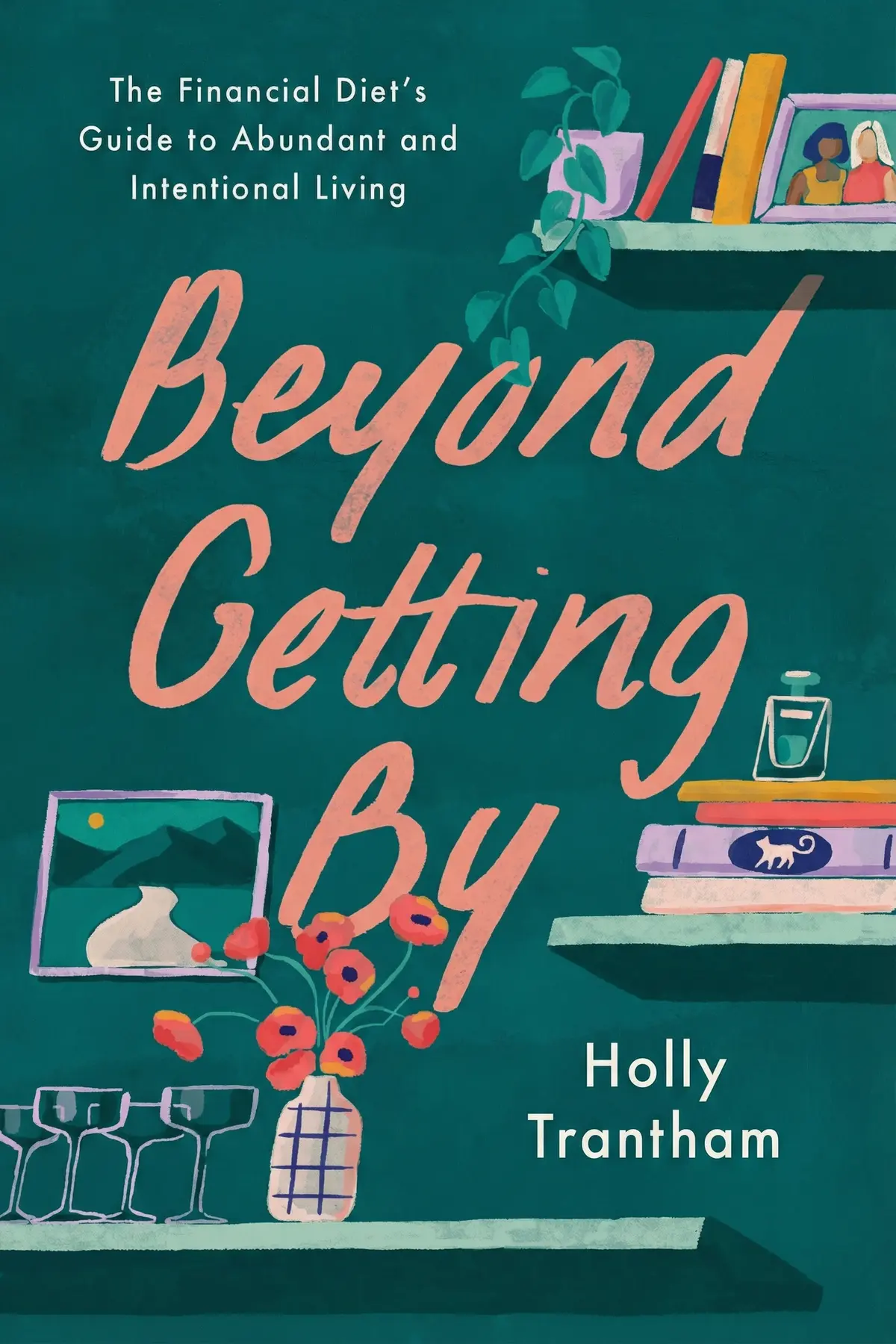
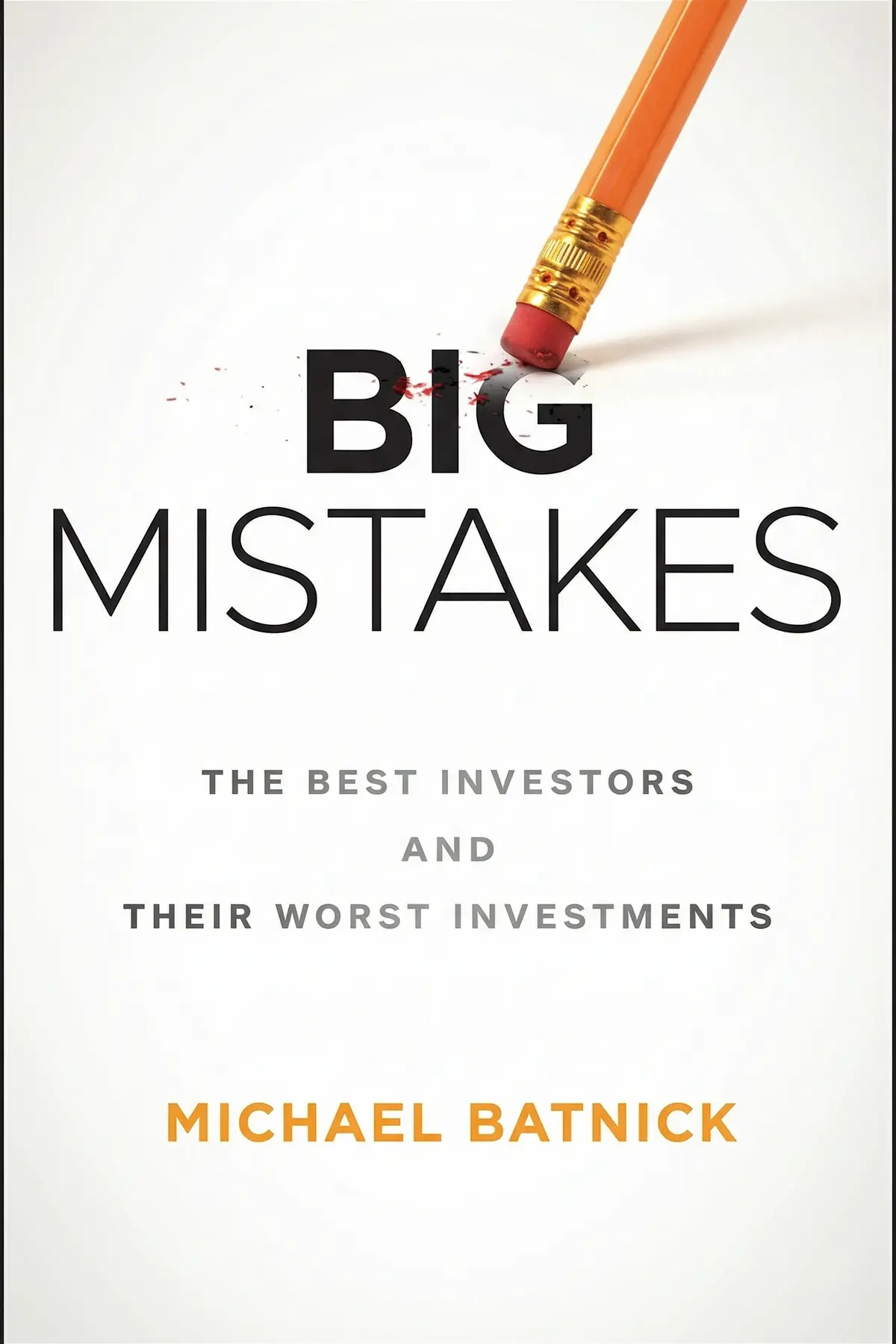
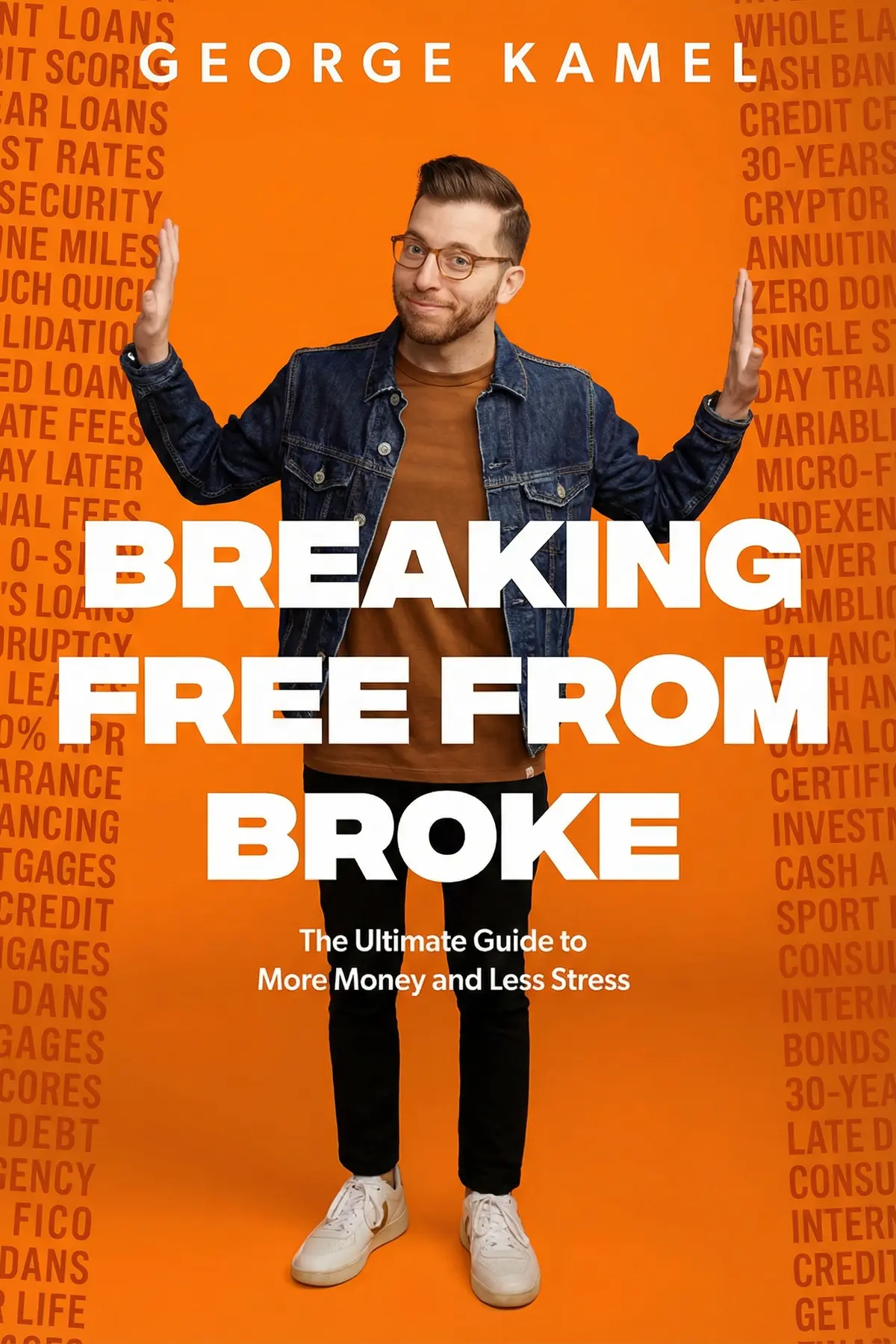
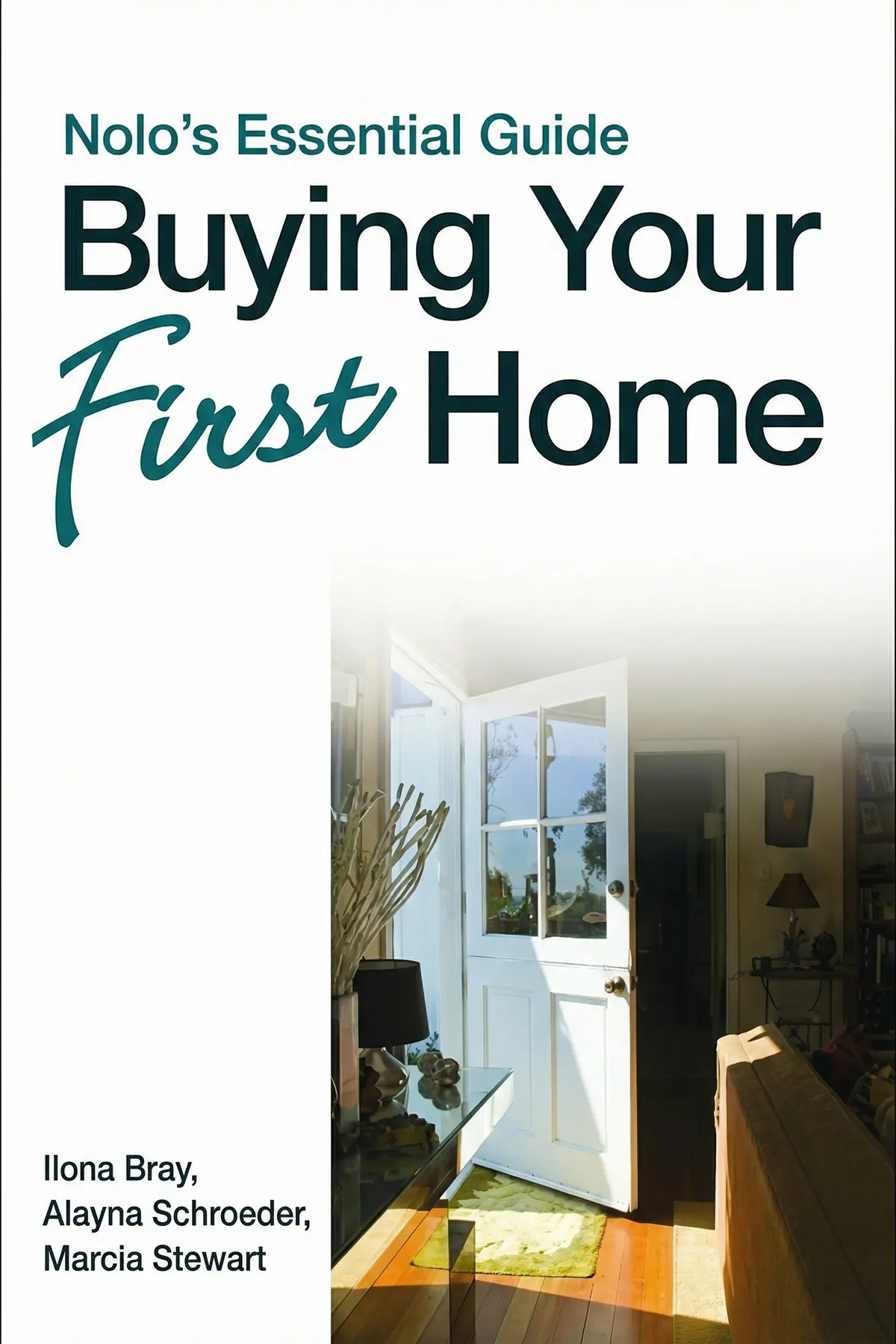
AUDIO SUMMARY AVAILABLE
Listen to Set for Life in 15 minutes
Get the key ideas from Set for Life by Scott Trench, plus 5,000+ more nonfiction titles.
- 5,000+ titles
- Listen as much as you want
- 7-day free trial
- Cancel anytime









