


14 min 23 sec
Available in: English
Ready, Fire, Aim: Zero to $100 Million in No Time Flat
A veteran entrepreneur maps the four revenue stages a business passes through on the way to $100 million. He shows how the founder's priorities must change at each one, starting with selling before the product is finished.
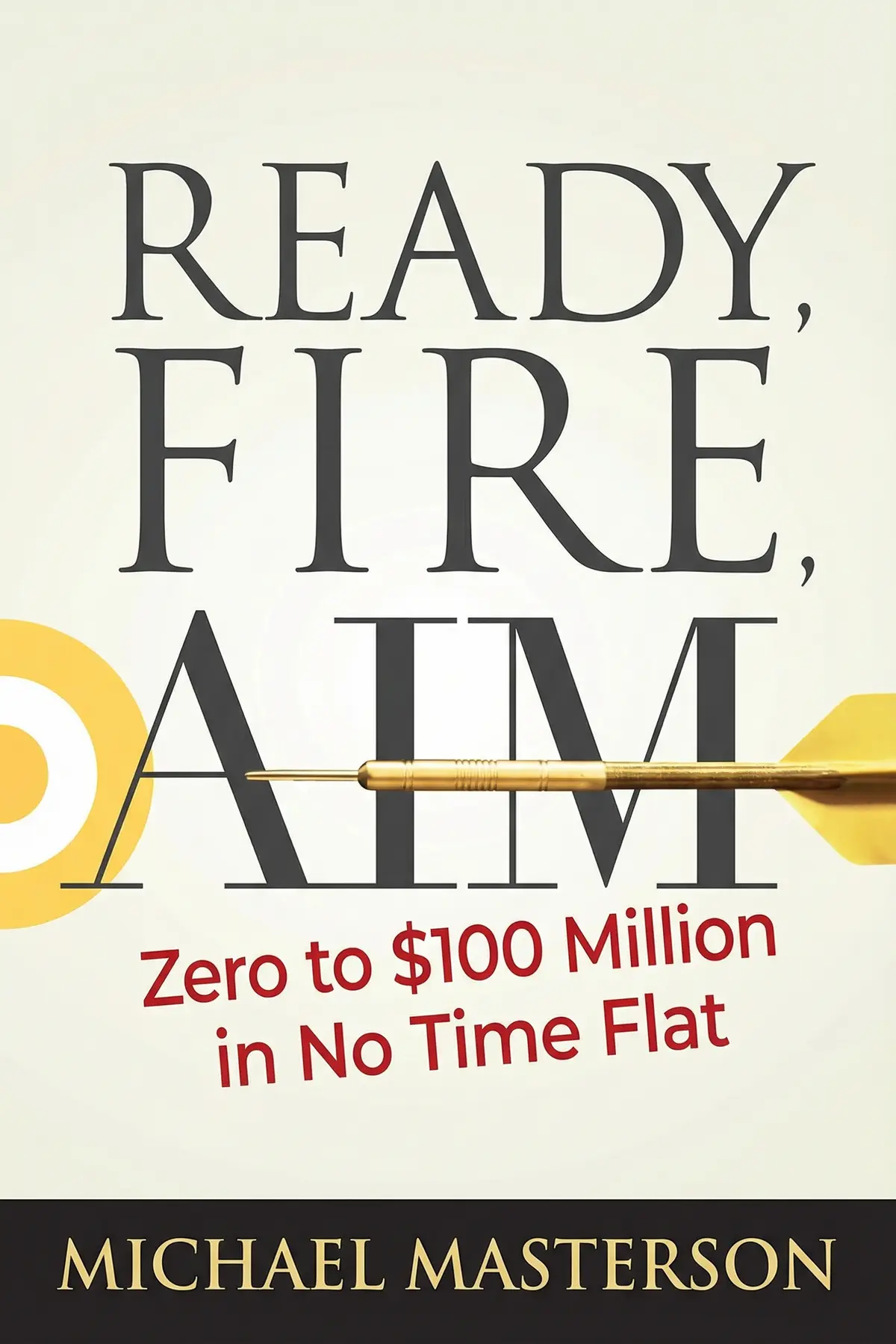
Table of Content
1. Introduction
1 min 06 sec
Most founders who stall are not short of effort. They are using the habits that worked at the last stage to solve the problems of the next one. In Ready, Fire, Aim, Michael Masterson, who has run multi-million dollar companies of many kinds, argues that a growing business passes through four distinct stages, each with its own challenge, and that the owner has to change with it. His boldest advice comes first: sell before the product is finished, then let the market show you where to aim.
That habit of acting first and adjusting after holds the whole book together. Speed matters most early, first for a single offer and then for a stream of new ones. Systems and leaders matter once the company passes $10 million. Near $50 million, the question turns from earning revenue to building wealth. Along the way come four questions to ask before your first sale, a brainstorming format with firm limits, a short check before any launch, and the six skills that carry a founder from maker to manager.
2. Sell the product before you finish building it
2 min 01 sec
A millionaire with nothing left to prove set out to charge double what rival seminar hosts asked. What he did before writing a single slide breaks the rule most careful founders live by.
3. Make your first sales with a good-enough offer
2 min 04 sec
A student needed tuition money fast and gave his website just two days of work. The choice he made about what he sold, and what he refused to polish, explains why so many promising launches never happen.
4. Turn one product into a stream of new offers
1 min 49 sec
Past the first million, many companies barely break even. Masterson ties most of the growth that follows to one measurable habit, and he sets strict rules on how many people belong in the room where ideas start.
5. Run every new idea through ready, fire, aim
2 min 10 sec
Most planning puts careful aiming before any shot is taken, and teams spend months on offers nobody buys. Masterson flips the order, while keeping a short set of checks that protect the company from costly mistakes.
6. Systems and leaders that free you from operations
2 min 03 sec
Around $10 million, processes crack and customers start complaining. The fix asks the founder to give up the very work that made the company succeed, and Masterson names six skills that make the handover possible.
7. A company you can sell, hand over or keep
1 min 58 sec
Near $50 million, growth often slows and the founder’s options suddenly widen. Masterson argues the real decision at the top has less to do with revenue than with how the owner chooses to live.
8. Conclusion
1 min 12 sec
Ready, Fire, Aim is a map of how a founder keeps changing jobs inside the same company. First comes the seller who ships a good-enough offer, then the inventor who keeps launching new products, then the leader who builds systems and hires executives, and finally the owner who treats the whole company as an asset. Under all four runs one habit: act before you feel fully ready, and do the careful aiming once the market has answered.
That habit is easy to state and uncomfortable to practice, which is why the seminar story stays in mind. Masterson sold 30 seats at $10,000 each for a program he had not yet built, and those sales told him it was worth building.
You can start smaller. If you have an offer sitting in a drawer, answer the four sales questions and put it in front of buyers before it feels finished. If ideas pile up without action, give each one 24 hours to become a draft or a test. And if your business feels stuck, work out which stage it is in, because the methods that got you here may be exactly what is holding you back. Fire first, then aim with what you learn.
About this book
What is this book about?
Many founders work hard and still stall, because the habits that built the first million are rarely the ones that build the next ten. Michael Masterson, who has run multi-million dollar companies of many kinds, argues that a growing business passes through four distinct stages, and that each one asks the owner to become a different kind of leader. His starting principle is in the title. Rather than perfecting an offer before anyone has paid for it, sell a good-enough version, launch it quickly and adjust once real customers respond. Masterson applies that habit to every stage: winning the first sales below $1 million, creating a steady flow of new products up to $10 million, building systems and a management team up to $50 million, and finally deciding whether to grow, sell, go public or step into a chairman's role. Readers get practical tools for each step: four questions to shape a first sales plan, firm rules for brainstorming, a seven-part check before any launch, and the six skills a founder needs to move from maker to manager.
Book Information
Who it's for
Founders stuck polishing
Founders with a half-built product who keep polishing instead of selling.
Owners of growing companies
Owners of growing companies whose processes are cracking and who feel stuck as the bottleneck.
Planning their first business
Professionals planning a first business who want a stage-by-stage view of what growth demands.
About the Author
Michael Masterson
Michael Masterson has owned and run multi-million dollar companies of many kinds: public and private, product and service, for-profit and not-for-profit. He built a following through Early to Rise, an e-newsletter from Agora, Inc., which mentors readers on reaching their financial goals. He is also the author of several Wall Street Journal bestsellers, including Automatic Wealth: The Six Steps to Financial Independence.
Ratings & Reviews
Ratings at a glance

What people think
Listeners believe the work offers deep insights born from practical experience and consider it an essential guide for entrepreneurs, specifically those running product-based businesses. The information is also straightforward, actionable, and well worth the money. However, reactions to the author's writing style are split, with some finding it effective and others disagreeing. Additionally, listeners mention experiencing some technical glitches with the Kindle formatting.
Top reviews
Dek
Finally got around to reading this classic business manual, and it truly changed how I view the early days of a startup. Masterson’s core philosophy of prioritizing sales over everything else is exactly what most founders need to hear to get out of their own way. Too many people waste months choosing a logo or an LLC name when they should be testing the market instead. The four stages of business growth he outlines—from $0 to over $100 million—provide a very clear roadmap for what challenges to expect as you scale. While some of the examples feel a bit dated, the foundational logic remains incredibly sound for any product-based business. You might find his tone a bit arrogant at times, but the man clearly knows how to build a massive enterprise from scratch. It's a dense read but serves as a great reference guide for different growth phases.
Show moreKiattisak
Ever wonder why some businesses explode while others stall out before they even launch? Masterson argues it's because most owners are too afraid of making mistakes to actually pull the trigger on a product. The concept of launching a 'good enough' product and then refining it based on real-world feedback is a total game-changer for people stuck in analysis paralysis. I’ve read a lot of business books, and this one stands out because it focuses so heavily on the transition from selling to managing. Most books only talk about the start, but he explains how your role as a leader has to change as the company grows. The prose is straightforward and easy to digest, making it a great companion for a long weekend. You’ll walk away with at least five or six ideas you can implement on Monday morning. It’s a must-read for anyone serious about scaling.
Show moreNoo
The chapter on the adolescence stage of a business was a total eye-opener for me and my partners. We hit that $10 million mark and suddenly everything started breaking, but we didn't understand why until we read Masterson’s explanation of the communication gap. He perfectly describes the disconnect that happens when you can no longer talk to every employee personally to impart your vision. While his solution of sending out a monthly memo feels a bit simplistic, the diagnosis of the problem was spot on. This book isn't about theory; it's about what happens in the trenches of a growing company. Frankly, the practical wisdom here is much more useful than anything I learned in business school. It’s a dense book, but it stays focused on the bottom line: revenue. Highly recommended for anyone who is currently feeling the growing pains of a successful startup.
Show moreJackson
Wow. I wish I had read this book three years ago before I wasted so much energy on things that didn't move the needle. Masterson's 'Ready, Fire, Aim' approach is the ultimate cure for the procrastination that disguised itself as 'planning' in my office. The book provides a structured approach to building a business that actually makes sense, regardless of your industry. I particularly appreciated the frank discussion about the challenges entrepreneurs face at the different revenue milestones. It’s rare to find a book that addresses the $50 million to $100 million jump with such clarity and confidence. The writing is accessible and the anecdotes, while sometimes a bit long-winded, always serve a specific purpose. You might not agree with every single tactic he mentions, but the overall strategy is incredibly powerful for growth. This is a manual I will be keeping on my desk for a very long time.
Show moreSofia
This book is essentially a blueprint for people who are tired of planning and ready to start actually making money. The central thesis is simple: stop worrying about your office space or your letterhead and focus entirely on making your first sale. Personally, I found the breakdown of the four stages of business growth—infancy, childhood, adolescence, and adulthood—to be the most valuable part of the entire text. It helps you realize that the skills you used to reach your first million aren't the same ones you need to reach ten million. Not gonna lie, some of the marketing tactics he suggests feel a little aggressive and potentially outdated in today's social media climate. But if you are looking for a practical, results-oriented approach to entrepreneurship, this is a solid choice. It's not a literary masterpiece, but the information is highly actionable for anyone in the product space.
Show moreTanawan
Picked this up because I wanted a practical guide to scaling my e-commerce business, and it mostly delivered on its promises. The author’s hard-earned experience shines through in his descriptions of 'adolescent' companies where the founder is no longer the only one making decisions. He highlights the dangers of losing touch with your customer base as you add more layers of management between yourself and the front line. My only real complaint is that the Kindle version I purchased had some distracting layout issues that made certain charts hard to read. Regardless, the advice regarding customer retention versus acquisition as you grow is worth the price of admission. It’s a blunt, no-nonsense look at what it takes to hit those high-revenue milestones without losing your mind. If you can ignore the slightly boastful tone, the strategies are very effective.
Show morePetch
Frankly, I think most people overcomplicate business, and this book is the perfect antidote to that specific brand of madness. Masterson cut through all the noise to remind me that without sales, you don’t actually have a company; you just have a hobby. I loved the emphasis on getting a Minimum Viable Product out the door quickly rather than waiting for perfection. Look, the guy can be a bit arrogant, and some of his examples are a little tangential to the publishing world, but the underlying logic is bulletproof. I did find the formatting on the digital version to be a little rough in places, which took me out of the flow. Still, the lessons on investing in client relationships to ensure long-term profitability are absolute gold. It is a quick read that packs a punch and gives you permission to stop being a perfectionist. Definitely worth the time if you want results.
Show moreSophia
As someone who works in the modern tech startup world, I found this book to be a weird mix of brilliance and old-school 'asshattery.' Masterson definitely has a big ego that drips off every page, which can make it hard to get through the chapters without rolling your eyes. To be fair, his insight that you need to fire before you aim is something that many perfectionists struggle with. He emphasizes that customer acquisition is the only thing that matters in the infancy stage of a company. However, the reliance on his own personal anecdotes from the newsletter industry makes some of the advice feel a bit niche. I also noticed some pretty wonky Kindle formatting that made it a bit annoying to read on my device. It’s worth a look if you can filter out the fluff, but don’t expect it to be the only business book you’ll ever need.
Show moreMingkwan
Truth is, I found this book to be a bit of a mixed bag despite its high reputation. On one hand, the four-stage framework is a fantastic mental model for understanding how a business evolves over time. On the other hand, the author's writing style is a bit polarizing and he clearly thinks very highly of his own methods. I struggled with some of the advice that seemed specifically tailored to direct-mail marketing, which doesn't always translate perfectly to digital services. To be fair, the core message about prioritizing sales and marketing over administrative tasks is something every new entrepreneur needs to hear repeatedly. It’s not that the information is bad; it’s just that it feels a little less fresh than it probably did when it was first published. It is a decent addition to your library if you want to understand the mechanics of scaling.
Show moreGift
Not what I expected based on the glowing recommendations I’ve seen on LinkedIn and other forums. Look, the title is catchy, but the content inside feels like a collection of common sense mixed with some questionable ethics. In one section, he basically suggests ordering products just to inspect them and then returning them for a refund, which is just shady business practice. I also felt like the book was 50% hype about some 'big reveal' that never really materialized in a meaningful way. If you’ve worked in any fast-paced environment, you probably already understand the need to iterate quickly. I didn't find the 'Ready, Fire, Aim' concept particularly groundbreaking or revolutionary for today's market. Maybe this was mind-blowing twenty years ago, but now it just feels like standard operating procedure with a lot of filler content. Save your money and find a more modern resource.
Show moreQuestions about this book
What is the main idea of Ready, Fire, Aim?
Michael Masterson argues that a business grows through four revenue stages, from zero to $1 million, then to $10 million, $50 million and $100 million, and that each stage needs a different focus from the founder. Across all of them he recommends one habit: prepare briefly, launch quickly, then adjust based on how the market responds, instead of perfecting an offer before anyone has bought it.
What does ready, fire, aim mean in business?
Ready is a short check: whether the offer is a promising idea, economically feasible, affordable to test, understood in its execution needs, backed by the right team and covered by an exit strategy. Fire means launching fast without letting perfectionism or procrastination delay it. Aim means watching customer response after launch, putting more behind what works and changing course on what does not.
How does Masterson suggest getting the first sales?
He tells the story of Alex, a student who needed $40,000 for tuition, built a good-enough website in 48 hours and sold ad space by the pixel. Masterson’s four questions shape the plan: where your buyers are, judged by competitors’ successful marketing; what your minimum viable product is; what price balances profit and volume; and how you will market it with persuasive pitches.
What skills does a founder need to scale past $10 million?
Masterson names six: structuring operations with systems that support growth, empowering a capable chief operating officer, communicating the vision consistently at every level, networking for joint ventures and partnerships, negotiating fair deals that work for both sides, and hiring leaders instead of doers. Together they move the founder from maker to manager.
Who should read Ready, Fire, Aim?
It suits entrepreneurs who over-plan and under-sell, owners whose growing companies are outrunning their processes, and anyone weighing what to do with a mature business, whether that means selling it, taking it public or becoming chairman. Its value lies in matching advice to the stage a company is actually in.
Featured in
Readers also enjoyed

Alibaba: The House That Jack Ma Built
Duncan Clark



7 Powers: The Foundations of Business Strategy
Hamilton Helmer


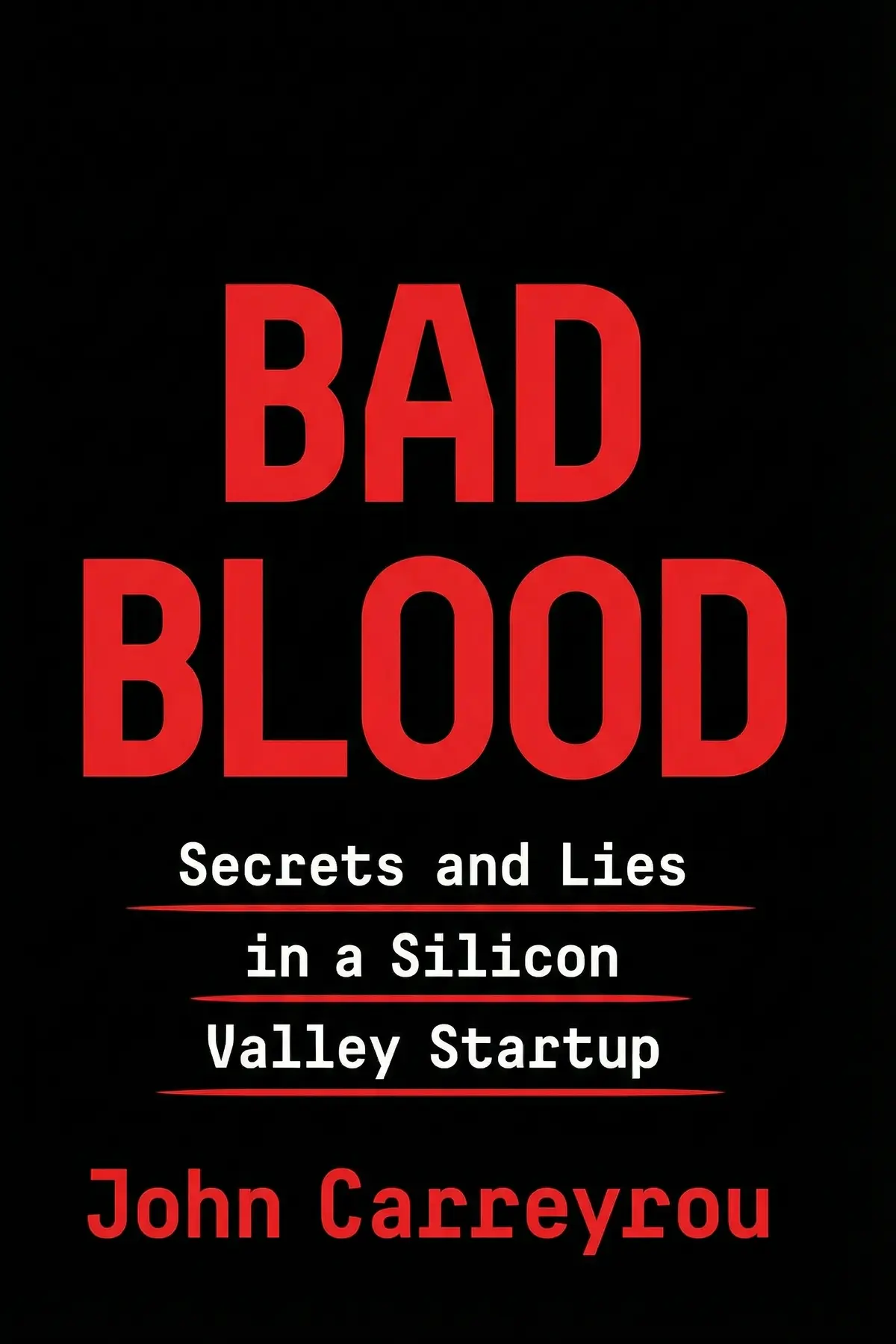
Bad Blood: Secrets and Lies in a Silicon Valley Startup
John Carreyrou
AUDIO SUMMARY AVAILABLE
Listen to Ready, Fire, Aim in 15 minutes
Get the key ideas from Ready, Fire, Aim by Michael Masterson, plus 5,000+ more nonfiction titles.
- 5,000+ titles
- Listen as much as you want
- 7-day free trial
- Cancel anytime









