


13 min 57 sec
Available in: English
 ไทย
EnglishไทยBad Blood: Secrets and Lies in a Silicon Valley Startup
The story of how Theranos built a $9 billion company around a blood-testing machine that did not work, and the warning signs that let anyone spot hype, misleading data and silenced dissent before trusting a pitch.
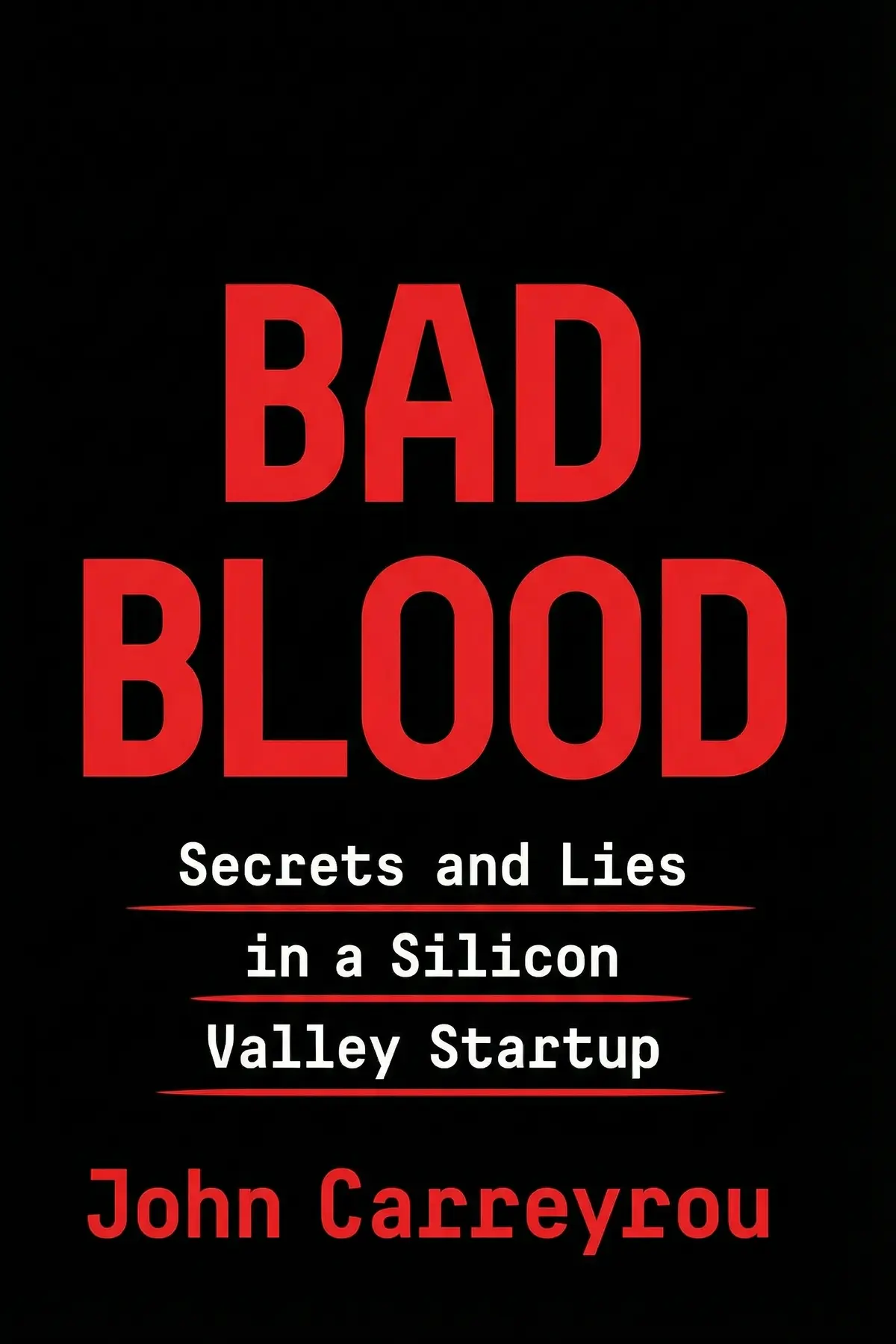
Table of Content
1. Introduction
1 min 10 sec
If you have ever been dazzled by a confident founder or a polished product demo, Theranos is the case to study before you trust your money, your career or your health to one. In Bad Blood, Wall Street Journal reporter John Carreyrou tells how Elizabeth Holmes built a blood-testing company worth $9 billion around a machine that could not do what she promised. Its device, the Edison, was sold as a small, cheap box able to screen for some 200 common conditions from a few drops of blood. On a good day it handled about 20 of the most important tests.
Carreyrou’s story shows how a Silicon Valley habit of selling the dream first, carried into medicine, turned an honest ambition into a fraud held together by staged shows, selective numbers and frightened staff. Every step of that slide left a warning sign. Learning to read those signs is what this book offers: what to check in a demo, what to ask about a statistic, and what silence inside a company really means.
2. Spot the gap between a vision and a product
1 min 52 sec
Theranos started with a fear almost everyone shares and a plan to help the poor, soldiers and disaster victims. The trouble began at a moment that is easy to miss in any ambitious project.
3. The early warnings that hype drowns out
1 min 47 sec
The people building the machine knew within a short time that something was badly wrong. A respected expert said so in public, in the strongest terms. So why did almost nobody at the top listen?
4. Learn to spot charisma that outruns the evidence
2 min 01 sec
A turtleneck, a lower voice and the right advertising agency helped turn an unfinished machine into a $9 billion company. The partners who signed on were not fools, which makes their mistake more instructive.
5. Check what is really inside the box
1 min 55 sec
Investors watched their own blood flow through the Edison and saw results appear on screen. Regulators inspected the lab and passed it. What happened after everyone left the room is the heart of the fraud.
6. See through true statistics and approvals that mislead
2 min 00 sec
Theranos told the world its tests beat conventional labs and that it championed the regulator. Both claims could be defended word by word. That is exactly what makes them worth studying.
7. Treat silence inside a company as a warning
1 min 55 sec
Whole teams of executives walked out of Theranos, yet the public heard almost nothing. The way the company filled their seats, and treated one devoted scientist, shows what fear does to a workplace.
8. Conclusion
1 min 17 sec
Theranos began with a fear of needles and a sincere picture of cheap testing for poor families, war zones and disaster sites. What turned it into a fraud was a choice made again and again: when the machine fell short, protect the story. First came the bold claims, then the hidden Siemens machines, the hand-picked numbers, the approvals stretched far past what they covered, and finally the silencing of anyone who objected, with a scientist’s life lost along the way. In Silicon Valley, Carreyrou suggests, exaggeration is often treated as the normal cost of raising money. In medicine, every exaggeration lands on a patient.
The book leaves habits worth keeping. When a demo impresses you, ask where the sample goes after the doors close. When a statistic sounds decisive, check whether it describes the product or something standing next to it. When a company’s best people keep leaving and the rest stay quiet, read that silence as information.
For every important visitor, a drop of blood went into the Edison. The answer always came from somewhere else.
About this book
What is this book about?
Elizabeth Holmes promised a medical revolution: a small, cheap device that could screen for hundreds of conditions from a few drops of blood taken by pinprick. Investors, retail giants and the press believed her. By 2014 her company, Theranos, was valued at $9 billion, and Safeway and Walgreens were preparing to put its machine in their stores. The machine, the Edison, could manage only a small share of the tests it was sold on. John Carreyrou, the Wall Street Journal reporter who exposed the company, traces how each technical failure was answered with a cover story. Most tests were secretly run on other makers' equipment. Demonstrations for visitors were staged. Statistics were chosen to sound reassuring while hiding the Edison's poor accuracy. Employees who objected were demoted or replaced. The result is a gripping account of fraud and a practical lesson in skepticism. Readers learn what to ask about a demo, a statistic or a regulatory approval, and why a workplace where people stop asking hard questions is already in trouble.
Book Information
Who it's for
Founders and operators
Founders and operators tempted to sell the vision before the product is ready.
Investors, analysts and partners
Investors, analysts and partners who judge companies by demos, data and approvals.
Team leads and employees
Team leads and employees who want to recognize when a workplace has started punishing honest doubt.
About the Author
John Carreyrou
John Carreyrou spent 20 years at The Wall Street Journal, from 1999 to 2019, reporting from Brussels, Paris and New York City. A series of his articles for the paper helped expose the fraud at the blood-testing company Theranos. His earlier work covered the collapse of Vivendi Universal and relations between the United States and France during the Iraq War. Bad Blood, his first book, tells the full story of the Theranos fraud.
Ratings & Reviews
Ratings at a glance
What people think
Listeners consider this book an engrossing experience that unfolds like a spy thriller, featuring an intense plot that functions as a warning for others. Furthermore, the prose is expertly crafted, filled with deep detail and thoroughly researched information. Listeners also value the high-speed storytelling and exceptional investigative reporting, highlighting that it's true not fiction with a litany of factual evidence.
Top reviews
Duangjai
As someone who works in biotech, this was a chilling look at what happens when "fake it till you make it" goes way too far. Carreyrou does an incredible job detailing how Elizabeth Holmes manipulated some of the most powerful men in America using little more than a black turtleneck and a deep voice. The way she modeled herself after Steve Jobs while knowingly delivering faulty blood tests to actual patients is nothing short of criminal. It reads more like a high-stakes spy thriller than a dry business book, especially when the legal threats start flying toward the end. Truth is, the most terrifying part isn't the technical failure, but the absolute lack of empathy shown by the leadership. A must-read for anyone interested in ethics and the dark side of Silicon Valley.
Show moreHenry
Picked this up on a whim after seeing the documentary, and the book is infinitely more detailed and disturbing. The level of deception described here—like the fake "Edison" machine demos where they secretly used commercial Siemens analyzers—is just bananas. It’s hard to wrap your head around how Sunny Balwani and Holmes managed to bully so many brilliant scientists into silence for so long. The chapter on Tyler Shultz’s experience as a whistleblower was particularly gripping and emotional. To be fair, I felt a bit of "toxic exposure syndrome" reading about such unrepentant people, but the reporting is too good to look away. This is outstanding investigative journalism at its finest.
Show moreGame
Ever wonder how a 19-year-old dropout convinced the likes of Henry Kissinger and George Shultz to hand over millions for a device that didn't work? Bad Blood provides the definitive answer, exposing a culture of secrets, lies, and extreme litigation that protected a nine-billion-dollar phantom. Carreyrou writes with a sense of urgency that makes the pages fly by, documenting every rigged test and falsified report with surgical precision. It’s a terrifying reminder that in the world of venture capital, sometimes the "vision" is just a well-crafted grift. The ending feels like a victory for truth, but the damage done to real patients remains a tragic footnote to the story.
Show moreVilaiporn
Wow. Just wow. This is hands-down one of the most compelling non-fiction books I have ever picked up. It has everything: a charismatic but delusional villain, a secret romance, corporate espionage, and a group of brave whistleblowers risking everything. The way Elizabeth Holmes manipulated her image—the green juice, the private jets, the unblinking eyes—is chillingly well-documented by Carreyrou. It reads like a high-octane thriller, but the fact that it's all true makes it much more impactful. Not gonna lie, I finished this in two sittings because I had to see how the house of cards eventually collapsed under the weight of its own lies. Absolutely brilliant.
Show moreSuvannee
The depth of reporting here is simply outstanding, proving why we still need traditional investigative journalism in the age of social media. John Carreyrou didn't just write a book; he dismantled a fraudulent empire that was putting human lives at risk for profit. Watching the legal battle unfold between the company’s parasitic lawyers and the author himself was a highlight for me. It’s a story about the true cost of idealism when it’s untethered from reality and basic science. If you want to understand how Silicon Valley really works behind the glossy magazine covers, you need to read this book immediately. It is well-documented, gripping, and completely unforgettable.
Show moreChamlong
This book is a masterclass in investigative journalism that pulls back the curtain on the Theranos disaster. I couldn't believe how many red flags were ignored by the board members just because they wanted to believe in the "miracle" of a finger-prick blood test. Carreyrou’s writing is straightforward and fast-paced, though it occasionally gets bogged down in the minutiae of lab certifications and legal filings. Still, the narrative momentum is undeniable as it shifts from the company's meteoric rise to the tense Wall Street Journal exposé. Look, it’s a cautionary tale about the dangers of celebrity CEO culture and how privilege can mask a complete lack of substance. It’s a heavy read but a necessary one.
Show moreMatteo
The chapter on the Walgreens partnership was where my jaw really hit the floor. It is absolutely mind-boggling that a major pharmacy chain rolled out these "tests" to the public without ever seeing the technology actually function correctly. Carreyrou manages to make the complex world of diagnostics accessible, even if some of the corporate shuffling gets a bit confusing at times. I appreciated how he balanced the technical failures with the human cost, especially the stories of employees who quit to protect their souls. Personally, I think this should be required reading in every business school to show exactly what happens when ethics are treated as an obstacle to growth.
Show moreNatnicha
Finally got around to reading this Silicon Valley post-mortem, and the hype is completely justified. We always hear about "disruption" in tech, but this was a case of disrupting people's actual health for the sake of a unicorn valuation. The contrast between the sleek, Apple-inspired marketing and the literal buckets of blood in the back of the lab is stark and nauseating. My only minor gripe is that I wish there was more analysis on the psychology of the investors who were so easily duped by a few deep-voiced buzzwords. Regardless, it's a gripping story that serves as a vital warning for the next generation of tech founders. It reads like fiction but is terrifyingly real.
Show moreAndrei
After hearing so much about the Theranos trial, I wanted to go back to the source, and this book did not disappoint. It is a richly detailed piece of investigative journalism that manages to be both educational and incredibly entertaining. Carreyrou keeps the narrative straight-forward and avoids unnecessary flourishes, which actually makes the absurdity of the events stand out more. You see how the "Steve Jobs syndrome" can turn a legitimate startup into a dangerous cult of personality. While the legal jargon can be a bit heavy in the final third, the payoff when the WSJ story finally breaks is immensely satisfying. It’s a fast-paced narrative that holds your attention from start to finish.
Show morePruet
Not what I expected at all, and frankly, I’m still a bit annoyed by the whole thing. While the writing is factual and the reporting is clearly exhaustive, I just didn't enjoy spending ten hours inside the head of a rampant narcissist. The book is well-done, but the repetitive nature of the corporate bullying and the constant legal threats became exhausting to get through. I also found the technical descriptions of the blood-testing hardware to be a bit dry in the middle sections. It’s a fascinating accounting of a massive scam, but it’s definitely not a "fun" read if you're looking for something light or uplifting.
Show moreQuestions about this book
What is Bad Blood by John Carreyrou about?
It tells how Elizabeth Holmes built Theranos, a blood-testing company valued at $9 billion by 2014, around a machine called the Edison that could not do what she claimed. It was sold as able to screen for some 200 conditions from a pinprick, yet on a good day it ran about 20 of the most important tests. The company hid this with staged demos, secret use of Siemens machines and misleading statistics.
How did Theranos fool investors and regulators?
Most patient samples were drawn from a vein and couriered to a Palo Alto lab running other makers’ machines, notably Siemens. In proficiency tests, Theranos used those third-party machines while inspectors assumed the Edison was doing the work. Visiting investors watched their blood go into an Edison, but it was processed on a Siemens machine after they left. Early demos used mock devices that displayed invented results.
How accurate was the Theranos Edison?
When regulators tested it, the Edison was accurate in only 65 percent of cases on average, and testosterone tests failed 87 percent of the time. Theranos had claimed superior accuracy by noting that 93 percent of errors in conventional testing come from human error, a statement that was technically true but said nothing about its own machine. Its only peer-reviewed article drew on six patients.
What lessons does Bad Blood offer for work and investing?
The story suggests a few checks. Ask what happens to a demo sample after you leave the room. Ask whether a statistic measures the company’s own product, and exactly which tests an approval covers. Treat high turnover, confidentiality pressure and the demotion of people who question the company, as happened to biochemist Ian Gibbons, as warning signs.
Who should read Bad Blood?
It suits founders who feel pressure to promise more than their product delivers, investors and partners who rely on demos and headline numbers, and managers who want to understand how a culture of fear hides problems. It also works for anyone curious about how Safeway, Walgreens and celebrated advisors came to back a machine that did not work.
Featured in
Readers also enjoyed


Alibaba: The House That Jack Ma Built
Duncan Clark



7 Powers: The Foundations of Business Strategy
Hamilton Helmer

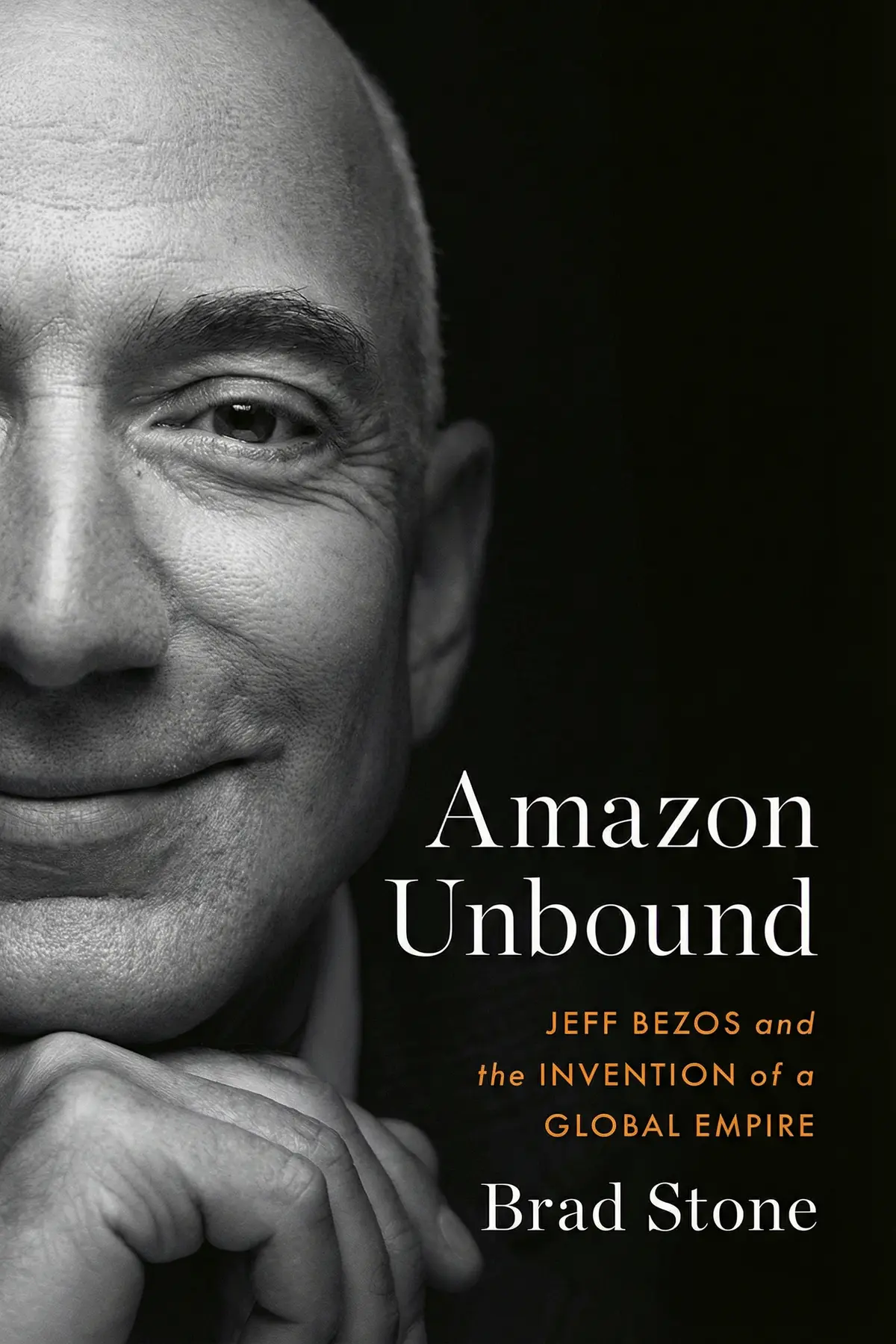
Be A Free Range Human: Escape the 9 to 5, Create a Life You Love,
Marianne Cantwell
AUDIO SUMMARY AVAILABLE
Listen to Bad Blood in 15 minutes
Get the key ideas from Bad Blood by John Carreyrou, plus 5,000+ more nonfiction titles.
- 5,000+ titles
- Listen as much as you want
- 7-day free trial
- Cancel anytime









