
14 min 25 sec
Available in: English
Amazon Unbound: Jeff Bezos and the Invention of a Global Empire
By Brad Stone
Brad Stone explains how Jeff Bezos turned Amazon from a booming online store into a web of self-reinforcing businesses between 2010 and 2021, and what that power has cost workers, rivals and public trust.
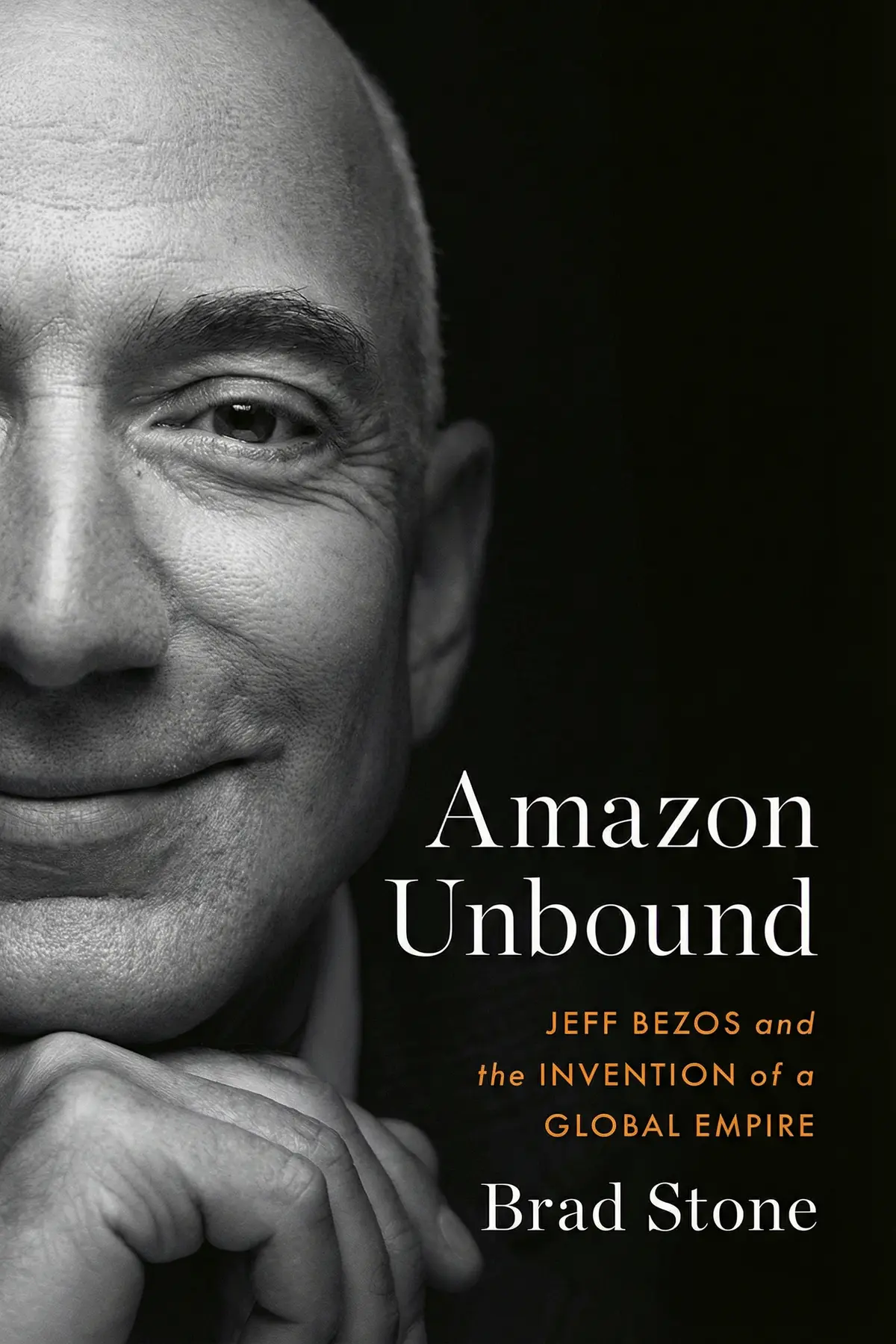
Table of Content
1. Introduction
1 min 06 sec
Most people know Amazon as the place where a package arrives tomorrow, but they never see the machine behind the parcel or what that machine costs. In Amazon Unbound, journalist Brad Stone shows how Amazon changed between 2010 and 2021. It stopped being a fast-growing online store and became a set of businesses that feed one another, from cloud computing to talking speakers. Over those years its workforce grew about five times larger and its value approached two trillion dollars.
Stone argues that Bezos built this power in two ways. He turned his own judgment into written systems, and he placed bold bets only after sorting them carefully. That same machine, and the billionaire who ran it, now face a reckoning over workers, rivals and rules. The evidence includes silent memo meetings, secret apartments full of hidden microphones and warehouses where robots carry the shelves. Managers and founders get decision tools they can try this week. Every shopper gets a clearer view of what sits behind the convenience.
2. Write the memo before you build anything
2 min 02 sec
Amazon’s executives sat in silence for half an hour before a meeting could begin, and a single punctuation mark could send them scrambling. The habits behind those rituals work surprisingly well for teams far from Seattle.
3. Size your bets for the rare thousand-run swing
1 min 55 sec
Bezos used a baseball lesson to defend bets most boards would refuse. He also asked two quick questions to decide which gambles were worth making, and they did not save him from every expensive miss.
4. Picture the magic first, then find the route
1 min 59 sec
A pizza search at lunch, an owner insulting a prototype and apartments full of hidden microphones all sit behind the Echo. It survived because of one instruction about where a stuck team should start.
5. See how every Amazon business feeds the others
2 min 06 sec
Bezos once claimed that a film award helps sell shoes. His reasoning explains how Amazon’s very different businesses hold one another up. It also explains a few choices that knowingly made shopping worse.
6. Count the human cost of faster delivery
1 min 56 sec
Robots ended the twelve-mile walks inside Amazon’s warehouses. What replaced them brought record profits, a senator’s pointed bill and a fear Bezos named openly about his own workforce.
7. Expect great power to draw a public reckoning
2 min 12 sec
A newspaper, a rocket company and a tabloid scandal turned a private founder into a global figure. At the same time, Congress was reading Amazon’s internal documents, and Stone found staff breaking one of the company’s own rules.
8. Conclusion
1 min 09 sec
Stone compares his two Amazon books to The Godfather and its sequel, and the comparison fits. The first told how a garage bookstore survived. This one tells what happened after it won. Amazon grew by writing its founder’s judgment into systems: six-page memos, reversible decisions, and a flywheel that turned every new business into fuel for the others. Those systems also made it very hard to stop. In Farhad Manjoo’s words, it became “perilously close to invincible.”
The useful lessons are in the machinery, and so are the warnings. Write your next proposal as the launch-day announcement and check whether the customer benefit holds up on paper. Before a big bet, ask whether it could grow large and whether waiting would cost you the chance. When you push for speed, notice who carries the weight. It might be the picker at the station, the seller whose data gets read or the colleague who will not argue with the boss.
Amazon rewrote how the world shops. Stone leaves one question open: whether the world will now write some rules for Amazon.
About this book
What is this book about?
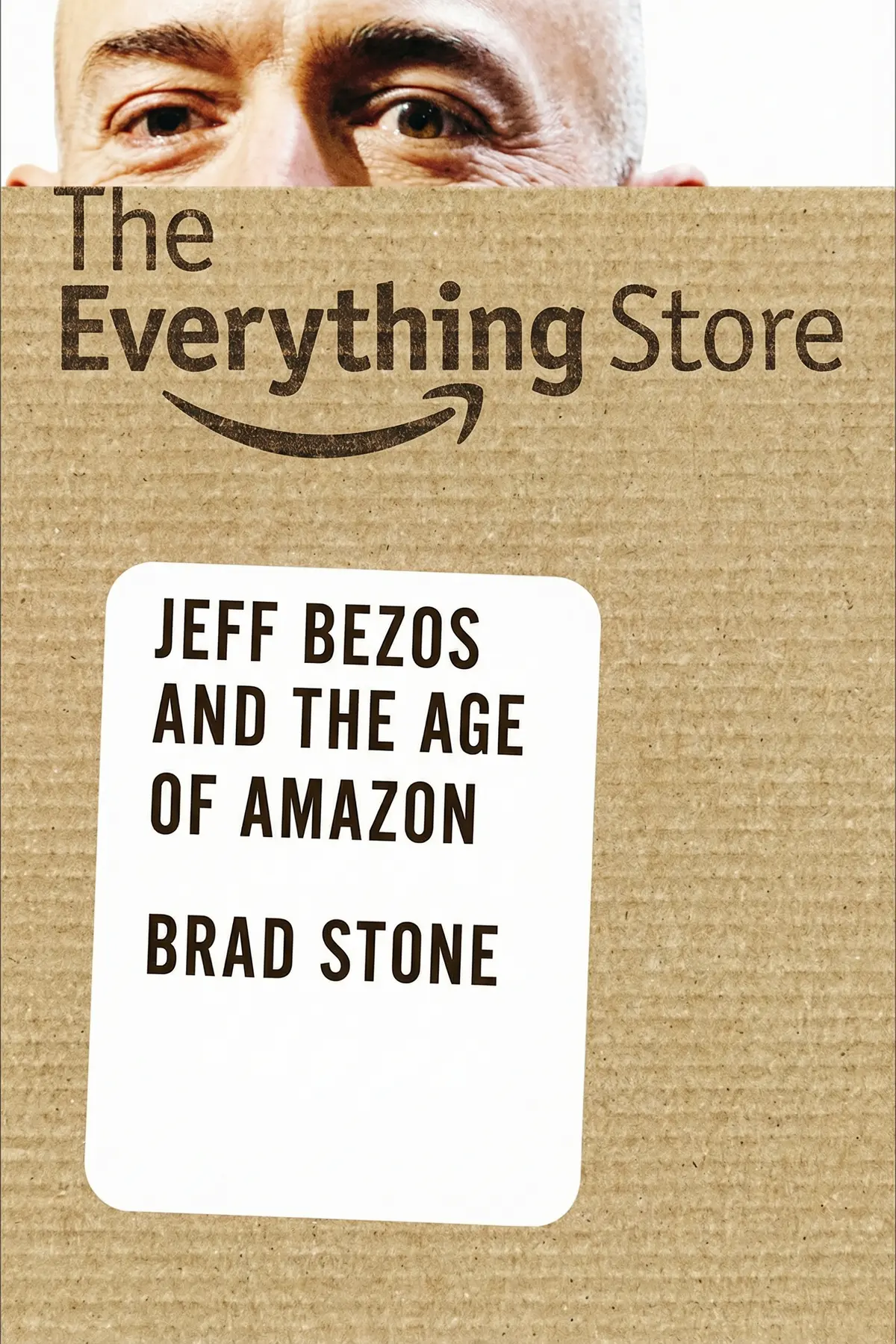
Amazon Unbound continues the story Brad Stone began in his earlier book, The Everything Store. In 2010 Amazon was a successful online retailer worth about $80 billion. Ten years later it was valued at $1.6 trillion and employed more than a million people. It also reached into homes through Alexa, into businesses through AWS and into entertainment through Prime Video. Stone had rare access to Amazon executives, and he uses it to show how the company actually runs. Bezos replaced slides with six-page narratives and asked for a press release before any product was built. He made reversible decisions fast and screened every bet for a huge possible payoff. Stone follows the secret creation of Alexa, the warehouse expansion led by Dave Clark and the way each business feeds the others. The book is also a portrait of Bezos himself, who goes from geeky founder to global billionaire with a newspaper, a rocket company and a very public divorce. Readers get decision tools from one of the most studied companies in business. They also get a sober account of the costs: grueling warehouse work, broken rules on seller data and growing pressure from regulators.
Book Information
Who it's for
Wanting Amazon's decision tools
Founders and operators who want Amazon's decision tools, from six-page memos to two-way doors.
Managers weighing team workload
Managers trying to balance speed and efficiency against what they ask of their teams.
Curious how Bezos rose
Readers curious how Jeff Bezos became one of the world's most powerful and most watched people.
About the Author
Brad Stone
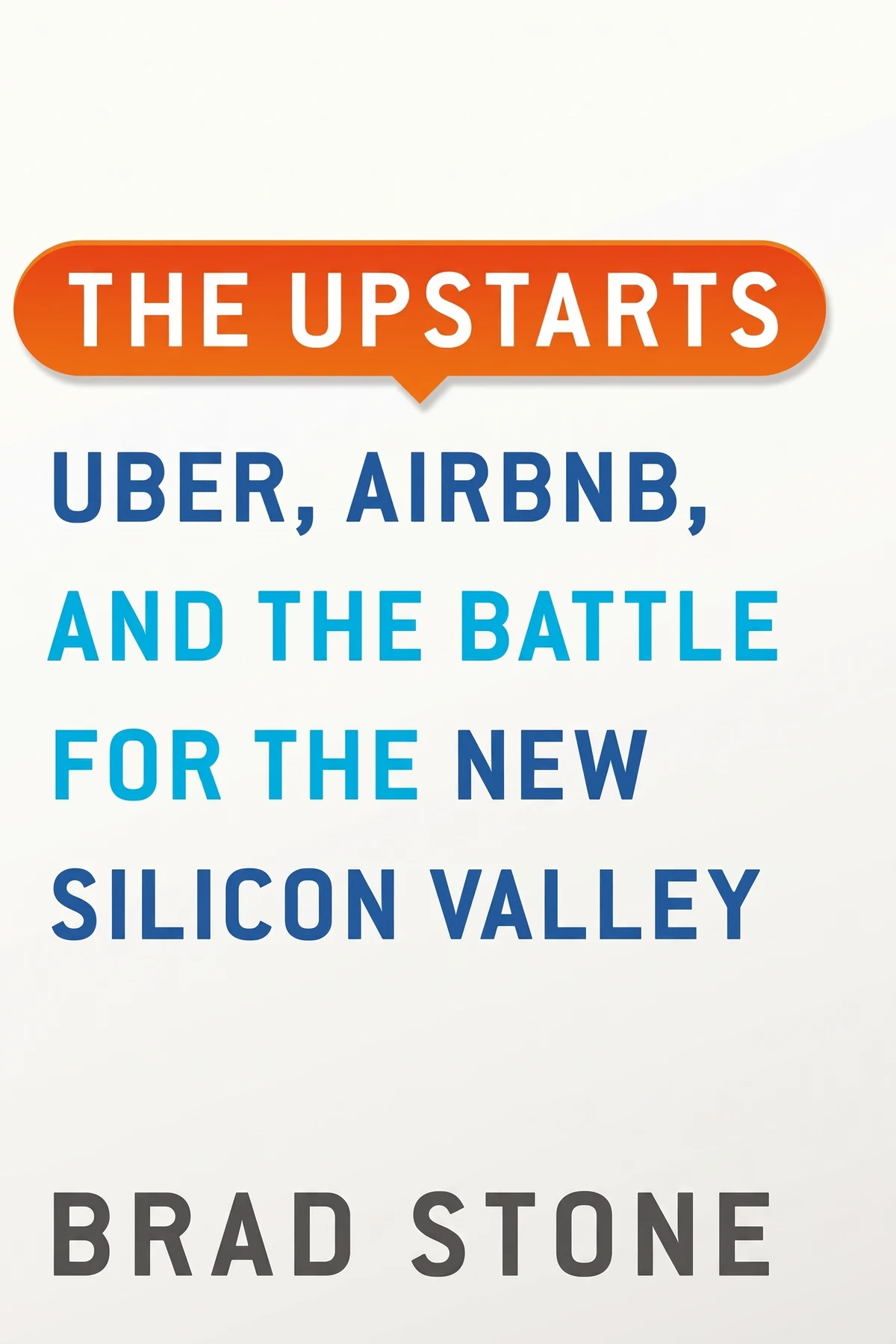
Brad Stone is an American journalist who became editor of Bloomberg Businessweek in January 2024. Before that he was senior executive editor for global technology at Bloomberg News. Earlier he covered Silicon Valley for the New York Times and worked as a reporter at Newsweek. His first Amazon book, The Everything Store, won the 2013 Financial Times and Goldman Sachs Business Book of the Year prize and has been translated into more than 35 languages. He also wrote The Upstarts, about Uber and Airbnb.
Ratings & Reviews
Ratings at a glance

What people think
Listeners find the work accessible and enjoyable, noting its well-composed content and objective tone. It offers a captivating examination of Jeff Bezos and the firm’s development, while one listener highlights the meticulous documentation of specific interactions and events. Furthermore, listeners value the high caliber of information, with one review praising the thorough overview of key company milestones. The business history is another highlight; one listener even labels it as one of the most incredible stories ever told about the technology industry. Nevertheless, the caliber of the writing draws varied reactions, as one listener points out that the book is riddled with typos and grammatical errors.
Top reviews
Chamlong
Brad Stone has done it again. After finishing 'The Everything Store' years ago, I didn't think there was much more to say, but 'Amazon Unbound' proves how much has changed since 2010. This isn't just a retail story anymore; it's a deep dive into how AWS and Alexa fundamentally reshaped the world. Stone’s writing is punchy and moves at a fast pace, making a 400-page business book feel like a gripping narrative. He captures the 'remorseless' standards Bezos expects from his engineers. Frankly, it’s a terrifying and impressive look at the infrastructure of our modern lives. Highly recommended for any tech enthusiast.
Show moreNew
The chapter on Alexa's development was worth the price of admission alone. I had no idea how close that project came to failing and how much Bezos personally pushed the engineers to their breaking point. This book captures the 'unbound' nature of the title perfectly—the company is no longer tethered to its original identity. Brad Stone writes with a clarity that makes even the most complex antitrust issues feel accessible. I’ve enjoyed this even more than 'The Everything Store' because the stakes feel so much higher now. Amazon is a different beast today, and this book is the definitive map of how they got there. Five stars.
Show moreMonthon
Picked this up to understand the 'Washington Post' era of Jeff Bezos and ended up learning so much more about the mechanics of global power. The way Amazon handled the HQ2 search was eye-opening and showed a startling insensitivity to local communities. Stone manages to balance the 'genius' of the innovations with the 'greed' of the corporate tactics. The book is very easy to read and entertaining, almost like a novel in parts. While it does get bogged down in the weeds of logistics occasionally, the overall narrative is powerful. It’s a balanced portrayal of a man who is both a visionary and a tremendously flawed human being.
Show moreChai
Ever wonder how your 1-click addiction actually works behind the scenes? This book provides a fascinating, albeit sobering, answer. Stone chronicles the evolution of Amazon from a struggling bookstore into a logistical behemoth that now rivals the US Postal Service. The detail regarding the 'S-Team' and executives like Andy Jassy and Dave Clark provides a clear picture of how the machine runs when Jeff is off playing with rockets. However, it’s not all praise. The author doesn't gloss over the 'wart' of fulfillment center conditions or the 'invisible robots' that monitor worker performance. It's a balanced narrative that highlights both the engineering brilliance and the ruthless culture.
Show moreOn
Finally got around to reading this and it's basically a tech-thriller masquerading as a biography. The sheer scale of the MGM deal and the HQ2 search is laid out with such precision that you can almost feel the tension in the boardroom. Stone has an incredible ability to make technical jargon about cloud computing and AI voice recognition easy to digest. Personally, I found the shift from Jeff-the-dork to Jeff-the-mogul to be the most intriguing part of the arc. It's an entertaining, well-written account of how one man’s obsessive 'customer-first' mantra built a $1.7 trillion empire. It’s one of the greatest stories in tech history, told with expert pacing.
Show moreSangduan
As someone who lives in the AWS cloud for work, I found the chapter on Andy Jassy particularly illuminating. Most people think of Amazon as a place to buy toilet paper, but this book shows that it’s actually a massive data company that happens to have a retail arm. Stone’s exploration of how AWS became the profit engine for the entire company is essential reading for anyone in business. The narrative moves quickly, though some of the jumps between different project areas feel a bit jarring. Truth is, Bezos’s management style is borderline abusive at times, but you can’t argue with the results. It's an even-handed look at a complicated legacy.
Show moreAnong
This is an expertly researched bit of non-fiction that doesn't shy away from the darker side of the Amazon experience. I was particularly struck by the sections on fulfillment centers and the intense pressure put on workers to meet impossible metrics. Stone contrasts the high-flying world of billionaire rocket launches with the reality of repetitive motion injuries and anti-union tactics on the ground. It’s a masterful bit of reporting that manages to be both analytical and occasionally emotional. The writing is simple in the best possible way, avoiding the flowery prose that ruins most business biographies. Even if you hate the company, you have to admit that the story of their growth is utterly incredible.
Show moreKevin
Not what I expected, but in a good way. I thought this would be a dry corporate history, but it's actually a very human story about ego, innovation, and the cost of progress. Stone does a great job of peeling back the 'customer first' bumper sticker to reveal a company that is often indifferent to its own employees and local governments. The awkwardness of Jeff's personal life is there, but the business history is what kept me turning pages. It’s a detailed coverage of events and conversations that usually happen behind closed doors. A solid read for understanding the 21st-century economy.
Show moreTern
To be fair, the information quality is top-tier, but the editing left me cold. I noticed quite a few grammatical errors and typos throughout the chapters, which really took me out of the flow. That being said, the coverage of critical milestones like the purchase of Whole Foods and the expansion into India is comprehensive. Stone is a solid journalist, and his ability to get inside the room for these high-level meetings is impressive. It’s a bit long-winded in the middle sections, but the insights into the 'Washington Post' turnaround make it worth the slog. A decent follow-up that captures the complexity of a global giant.
Show moreAnucha
Frankly, the smell of corporate sycophancy is strong here. Look, Bezos is clearly a genius at vacuuming up capital, but this book feels way too close to its subject for comfort. It tries to pretend it’s an objective look at the 'global empire,' but it reads like Stone is right up his ass most of the time. We get all these details about his mid-life crisis and horny texts, yet it still feels like a polished PR piece. It's a boring account of a high-functioning psychopath. If you want to worship at the altar of trillion-dollar greed, go ahead, but this didn't do it for me.
Show moreQuestions about this book
What is Amazon Unbound about?
Brad Stone follows Amazon from about 2010 to 2021. In that time it grew from a successful online retailer into a group of linked businesses spanning AWS, Alexa, Prime Video and Whole Foods, and by the end of 2020 it was worth $1.6 trillion. The book is also a biography of Jeff Bezos. It traces how he became a global billionaire and describes the political and legal scrutiny that followed.
How is Amazon Unbound different from The Everything Store?
Stone wrote the sequel because his first book, about a $100 billion company, was out of date once Amazon approached $1.5 trillion. He compares the two books to The Godfather and its sequel. The Everything Store tells how Amazon was founded and survived. Amazon Unbound covers Alexa, the warehouse build-out, Bezos’s public life and the antitrust pressure.
What management lessons does Amazon Unbound teach?
Bezos believed good intentions fail and mechanisms succeed. Amazon replaced slides with six-page narratives that everyone read silently at the start of meetings. Projects began with a mock press release called a PR FAQ. Reversible two-way door decisions were made fast, and staff were expected to disagree and commit. Bezos screened bets by asking whether an idea could become big and whether waiting would cost Amazon the opportunity.
Is Amazon Unbound critical of Amazon?
Largely, yes, though it also credits the company’s achievements. Stone describes ten-hour warehouse shifts under algorithmic monitoring and a harsh culture with stack ranking. He also shows employees breaking Amazon’s rule against using seller data for its private-label products. One reviewer found the book critical overall. Another asked whether some failures came from a culture that resists challenging Bezos.
Readers also enjoyed



A Bigger Prize: How We Can Do Better Than the Competition
Margaret Heffernan





A Year with Peter Drucker: 52 Weeks of Coaching for Leadership Effectiveness
Joseph A. Maciariello


AUDIO SUMMARY AVAILABLE
Listen to Amazon Unbound in 15 minutes
Get the key ideas from Amazon Unbound by Brad Stone, plus 5,000+ more nonfiction titles.
- 5,000+ titles
- Listen as much as you want
- 7-day free trial
- Cancel anytime









