
14 min
Available in: English
Quitter: Closing the Gap Between Your Day Job and Your Dream Job
By Jon Acuff
Shows how to move from a job you tolerate to the work you want without a reckless leap, by using your current job to find, practice and test your dream before you resign.
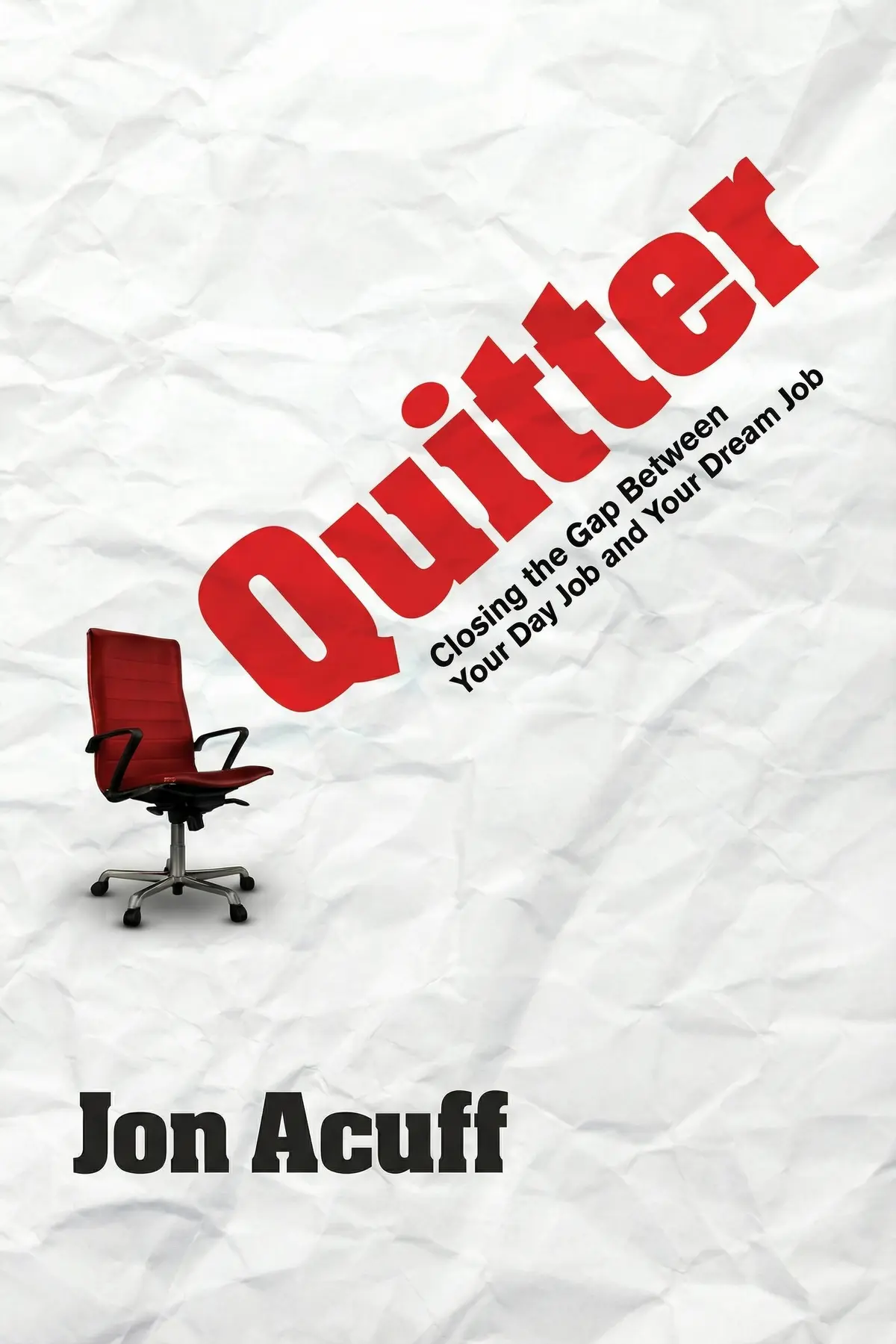
Table of Content
1. Introduction
52 sec
If you spend your days in a job you don’t care about while sketching a different life on the side, the tempting move is to quit tomorrow. In Quitter, bestselling author Jon Acuff argues for the opposite: keep the job and let it carry you toward the work you want. He speaks from his own path, through a series of dead-end jobs and a stint as a copywriter, to life as an author and speaker.
His case is that the gap between a day job and a dream job closes from the inside. You find the dream in your past, practice it while a paycheck covers the bills, work on it early in the day, decide in advance what success means, and leave only once the new life can hold you. Ahead is a working plan for that crossing, from the first question to ask yourself to the rules to set before your last day.
2. Keep your paycheck while you build the dream
1 min 38 sec
Walking out on a job you hate feels like freedom. Acuff argues it often hands your life to a different set of masters, and a terrible offer from a publisher shows what desperation can cost.
3. Find your dream in moments you have already lived
1 min 38 sec
Asking what you want to do with your life tends to produce a blank stare. A third grade project and a rock star’s trip to Ethiopia suggest a far better place to look.
4. Turn the job you dislike into a training ground
1 min 45 sec
Being told to stay in a job that drains you can sound like a sentence to serve. Acuff found a way to make that same job pay for, teach and even carry part of his dream.
5. Shrink your fears and practice instead of planning
1 min 57 sec
Fear can make a modest risk look like a wall, and a detailed plan can feel safer than it is. Acuff offers three lenses and a soccer match to show what to do instead.
6. Do your dream work early and measure only yourself
1 min 40 sec
Evening sessions on a side project feel heroic, yet they can slowly damage the job paying your rent. Acuff explains why the time of day matters, and why the wrong scoreboard can wreck your confidence.
7. Decide what enough means before success arrives
1 min 42 sec
Winning can be more dangerous than losing when it catches you unprepared. Acuff’s defense is a short email he sends to himself, and what it said surprised him a year later.
8. Quit only after the dream passes a test run
1 min 34 sec
Acuff turned down the right employer once and later spent seven weekends in a row away from home. Both moments shape his checklist for the day you finally hand in your notice.
9. Conclusion
1 min 14 sec
Quitter turns out to be a book about staying, at least for a while. Acuff’s argument is that the bridge to the work you want is built from the job you already have. Its paycheck lets you refuse bad deals, its routine keeps you disciplined, and its daily tasks quietly teach skills the dream will need. The resignation comes last, after the dream has been named, practiced, measured and tested.
That changes what tomorrow can look like. Instead of waiting for a perfect plan, you can look back for a hinge moment, the small event that once pointed you somewhere, the way a laminated third grade book pointed Acuff toward writing. You can claim the first hour of the day for your own work, before the excuses wake up. And you can write down what enough means while your head is clear, so success has a limit before it gets a grip on you.
The distance between a day job and a dream job rarely disappears in one jump. It shrinks through early mornings, small experiments and honest numbers, until the final leap is only a short step.
About this book
What is this book about?
Plenty of people sit in jobs they dislike or feel nothing for, dreaming of something better. The obvious move is to quit and chase it. Jon Acuff warns that quitting without a plan can backfire, because unpaid bills, money stress and desperation could push people into bad deals and bad moods. Drawing on his own path from dead-end jobs and a copywriting role to life as an author and speaker, Acuff argues that the day job is the best place to build the dream job. He shows how to uncover a dream through hinge moments in your past, how to see risks at a manageable distance, why steady practice beats a rigid plan, and why the morning is the best time to put in the effort. He also warns about what comes after the hard work: success that breeds arrogance, a definition of enough that never stops moving, and a resignation timed badly for the people who support you. Readers get a patient, step-by-step way to close the gap between the job they have and the work they want.
Book Information
Who it's for
Stuck in office jobs
Office workers stuck in a job they dislike who want to build something of their own without risking the rent.
Building a side project
Aspiring writers, makers and founders working on a side project before or after hours.
Deciding when to quit
Career switchers deciding when it is finally safe to hand in their notice.
About the Author
Jon Acuff
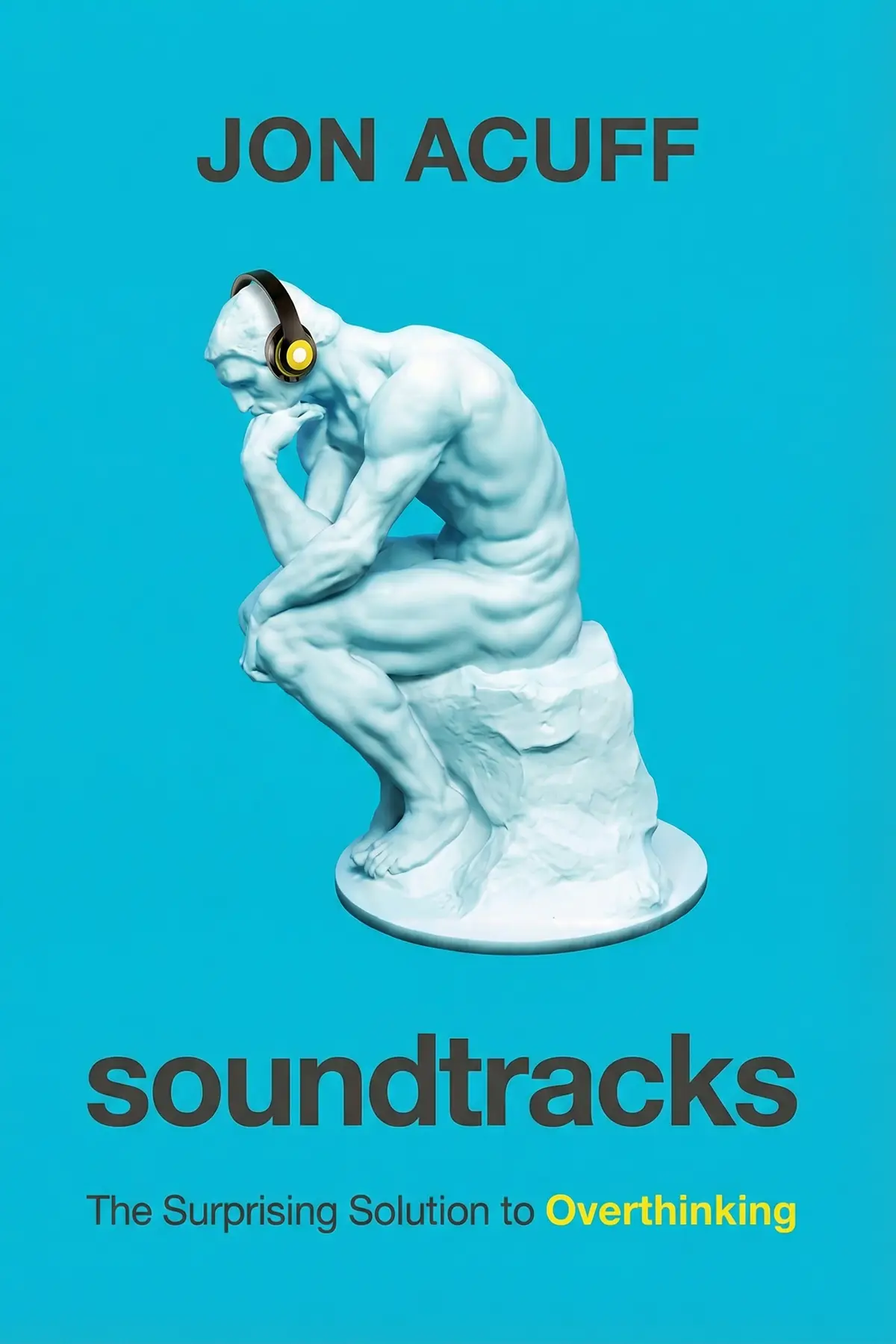
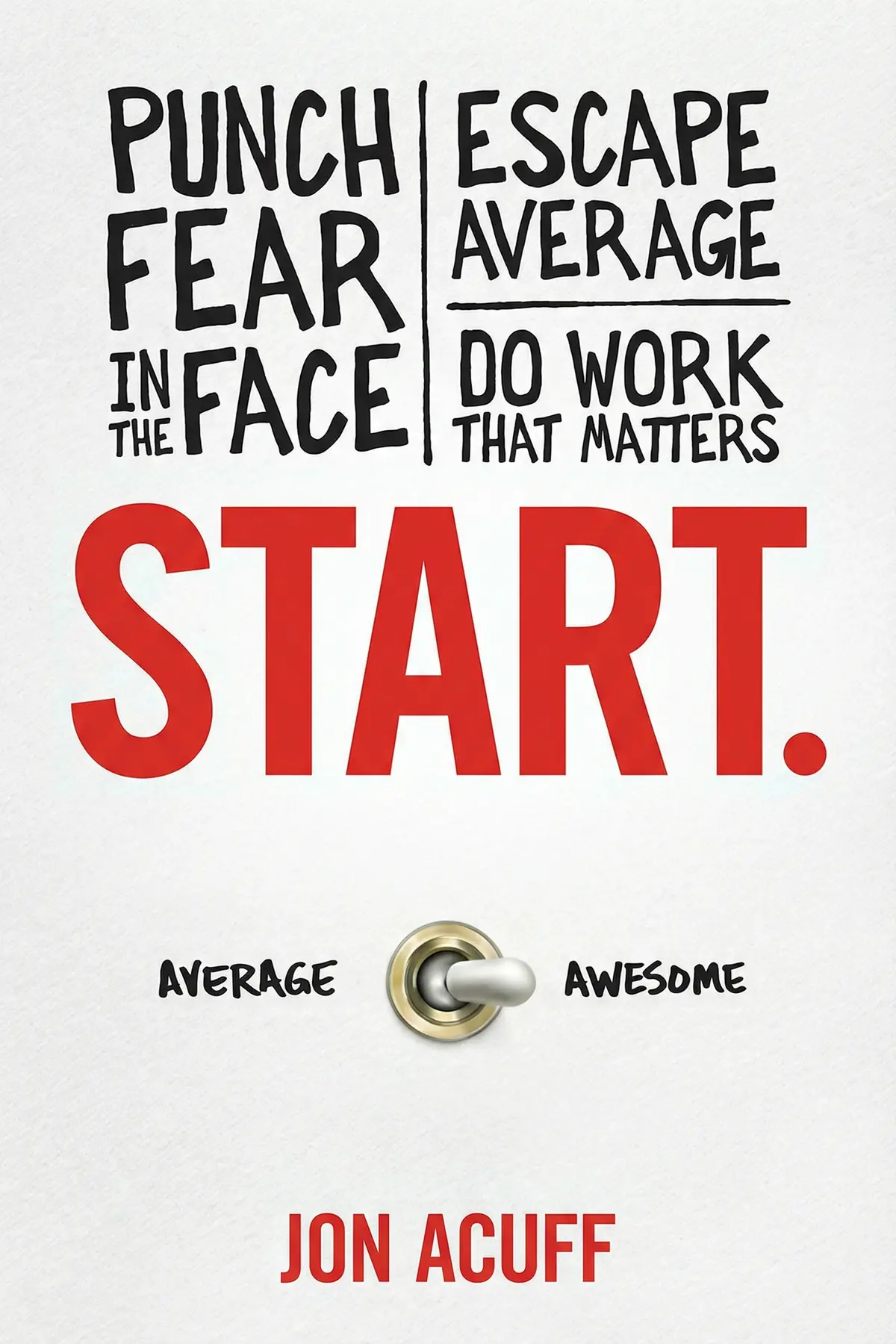
Jon Acuff is a New York Times bestselling author whose book Finish reached number one on the Wall Street Journal bestseller list; he also wrote Soundtracks. He hosts the podcast All It Takes Is a Goal. Inc. magazine named him one of its Top 100 Leadership Speakers, and he has spoken at companies including Microsoft and Comedy Central. For more than 20 years he has helped brands such as The Home Depot, Bose and Staples tell their stories. He lives outside Nashville, Tennessee.
Ratings & Reviews
Ratings at a glance

What people think
Listeners find the book encouraging and useful, including one who noted it prompted them to transform their life. The writing is skillfully done with a breezy, accessible tone, and listeners value the humor and entertainment provided. Listeners commend the book’s readability, with one describing it as an essential read for dreamers, while another emphasizes its ability to help people chase their ambitions.
Top reviews
Somchai
Jon Acuff turns the whole 'just follow your heart' advice on its head by being refreshingly realistic. Most career books tell you to burn your bridges and jump, but Acuff argues your day job is actually your greatest ally. It is the bank that funds your future. I loved the humor he weaves into every chapter, making it feel less like a lecture and more like a conversation over coffee. The concepts of Passion, Practice, and Plan were particularly helpful for me to organize my scattered thoughts. While some might find the style a bit too breezy, the practical steps are undeniable. It is a must-read for anyone who feels trapped in a cubicle but isn't quite ready to sleep on a park bench.
Show moreAnthony
After hearing Jon on Dave Ramsey's show, I knew I needed to grab this book immediately. It didn't disappoint. The book is incredibly motivating without being 'woo-woo' or unrealistic about the financial consequences of quitting. Acuff emphasizes that your current job provides the stability needed to take risks in your off-hours, which was a huge shift for me. I used to resent my boss, but now I see my paycheck as a seed for my own business venture. The humor is top-notch and kept me engaged from the first page to the very last. If you are serious about changing your life, this is your roadmap.
Show moreBunyarit
This book acts like a bucket of cold water to the face in the best possible way for those of us with big heads. We all want to be the 'rock star' immediately, but Jon reminds us that even the greats had to do the grunt work first. I love how he defines the difference between a dream and a hobby—it is about what you are truly willing to suffer for. The advice is incredibly practical and helps you identify the small steps you can take today. I’ve already started waking up an hour earlier to work on my project, and it is all thanks to this book. Simply put, it's essential reading.
Show moreTang
Finally got around to finishing this, and I’m already recommending it to three of my coworkers who are feeling burnt out. Jon Acuff has a way of making you laugh while simultaneously pointing out why you’ve been acting like a 'big dumb jerk' at your office. The book is packed with wisdom about timing and the reality that success takes much longer than the internet wants you to believe. It is an easy-to-understand guide that actually gives you permission to stay at your job while you build something better. Look, it is the most realistic career book I've read in years. Don't let the light tone fool you; this stuff works.
Show moreOrawan
Picked this up because I was feeling stuck in my 9-to-5 cubicle and needed a push. What I found was a very pragmatic guide that focuses on 'closing the gap' rather than making a reckless leap into the unknown. Acuff’s writing style is light and funny, which makes the hard truths about grit and preparatory work much easier to swallow. He really hits home on the idea that you shouldn't hate your day job while you're building your dream. Truth is, I did notice some of those editing issues people talk about—a few run-on sentences and odd punctuation—but the message shines through regardless. It is a solid resource for dreamers who need a bit of grounding.
Show moreSuthee
Ever wonder why some people make their side hustle work while others just crash and burn after three months? Acuff answers that by focusing on the 'middle' part of the journey that most people ignore. He talks about 'hinge moments' and the importance of practicing your craft while you still have the safety net of a salary. The book is very easy to read and I finished it in just two sittings because the tone is so conversational. My only real gripe is that it leans heavily toward writing and blogging examples since that is his background. I would have loved to see more variety in the success stories he featured.
Show moreNim
As someone who has struggled with resentment toward my current employer, I found this perspective incredibly refreshing and necessary. Acuff argues that you should 'fall in like' with your job so that you have the energy to pursue your dream at night. That one shift in mindset has changed my entire work week. The book is funny, relatable, and doesn't take itself too seriously, which I appreciated. I did find some of the advice a bit repetitive toward the end, but the core message is powerful enough to carry it through. It is a great kick in the tail for anyone who is currently procrastinating on their goals.
Show moreGung
The ideas here are solid gold, but the execution left me wanting a bit more polish in the final draft. Jon Acuff has a brilliant perspective on how to balance your current career with your ultimate aspirations without going bankrupt. I especially appreciated the chapter on the 'Plan Myth' and how success is rarely a straight line. However, the writing often feels like a collection of blog posts stitched together rather than a cohesive, structured book. There were moments where the lack of commas made me re-read sentences just to find the actual point. If you can look past the slightly messy editing, the advice is actually quite transformative and worth your time.
Show moreWacharapol
To be fair, many of these concepts aren't exactly revolutionary if you've read career coaching books before. The 'don't quit yet' mantra is pretty standard advice in financial circles, especially with the Lampo Group connection. That being said, Acuff's voice is unique and he makes the information very accessible to a general audience. The book is entertaining and light, which makes it a good 'entry-level' book for someone just starting to think about a career change. I think it serves as a great affirmation of things you might already know deep down. It's a quick, decent read but don't expect deep, academic analysis of the job market.
Show moreOrathai
Maybe I’m just not the target audience for this specific brand of breezy, Dave Barry-esque humor. I found the constant jokes a bit grating and they often distracted from the actual career advice being offered. While I agree with the core premise that you shouldn't quit your job without a plan, the book felt like it could have been a long essay rather than a full-length publication. There is a lot of filler here. Also, the Christian undertones, while not overly pushy, were more prevalent than I expected based on the cover. It isn't a terrible book, but I think there are more professional and concise guides available for career transitions.
Show moreQuestions about this book
What is the main idea of Quitter by Jon Acuff?
Acuff argues that you should not quit your day job to chase a dream job right away. Leaving too early hands control to bills, strains relationships and pushes you toward bad offers. Instead, use the job you have to fund, practice and test your dream, define what success and enough mean to you, and resign only when the dream can fill your schedule and your support network is ready.
What is a hinge moment in Quitter?
A hinge moment is an experience, happy or sad and often small at the time, that swings you toward a direction you did not expect. Acuff found his in third grade, when a teacher had him write a book that was laminated and bound. He suggests looking back for such moments by asking what you have already done and loved, since dreams are usually recognized on a second encounter.
Why does Jon Acuff recommend hustling in the morning?
Acuff says that early in the day the excuses have not started yet, since almost nobody returns calls or watches good television at 5 a.m. Getting a task done ahead of your job also lifts your energy for the remainder of the day. People who save their dream work for the night risk short-timer’s disease, drifting through the day job while counting the minutes until evening.
How do you know when to quit your day job, according to Quitter?
Acuff suggests quitting when the dream job can comfortably fill the schedule your old job leaves empty. Before that, give the dream a test run, as he did by waiting from 2008 to 2010 for the right role with Dave Ramsey. Confirm that your family and followers back you, write down the risks you can anticipate, and set ground rules, for instance never booking speaking engagements on consecutive weekends.
Who should read Quitter?
It suits people who feel stuck in a job they dislike or simply do not care about and who want to move toward work they love without a reckless leap. Side project builders, aspiring writers and future business owners get practical habits, from morning hustle to emailing a definition of enough to their future selves, along with a clear test for when leaving is finally safe.
Readers also enjoyed

60 Seconds & You’re Hired!
Robin Ryan



Be A Free Range Human: Escape the 9 to 5, Create a Life You Love,
Marianne Cantwell
Be the Unicorn: 12 Data-Driven Habits That Separate the Best Leaders from the
William Vanderbloemen
AUDIO SUMMARY AVAILABLE
Listen to Quitter in 15 minutes
Get the key ideas from Quitter by Jon Acuff, plus 5,000+ more nonfiction titles.
- 5,000+ titles
- Listen as much as you want
- 7-day free trial
- Cancel anytime









