Table of Content
1. Introduction
1 min 03 sec
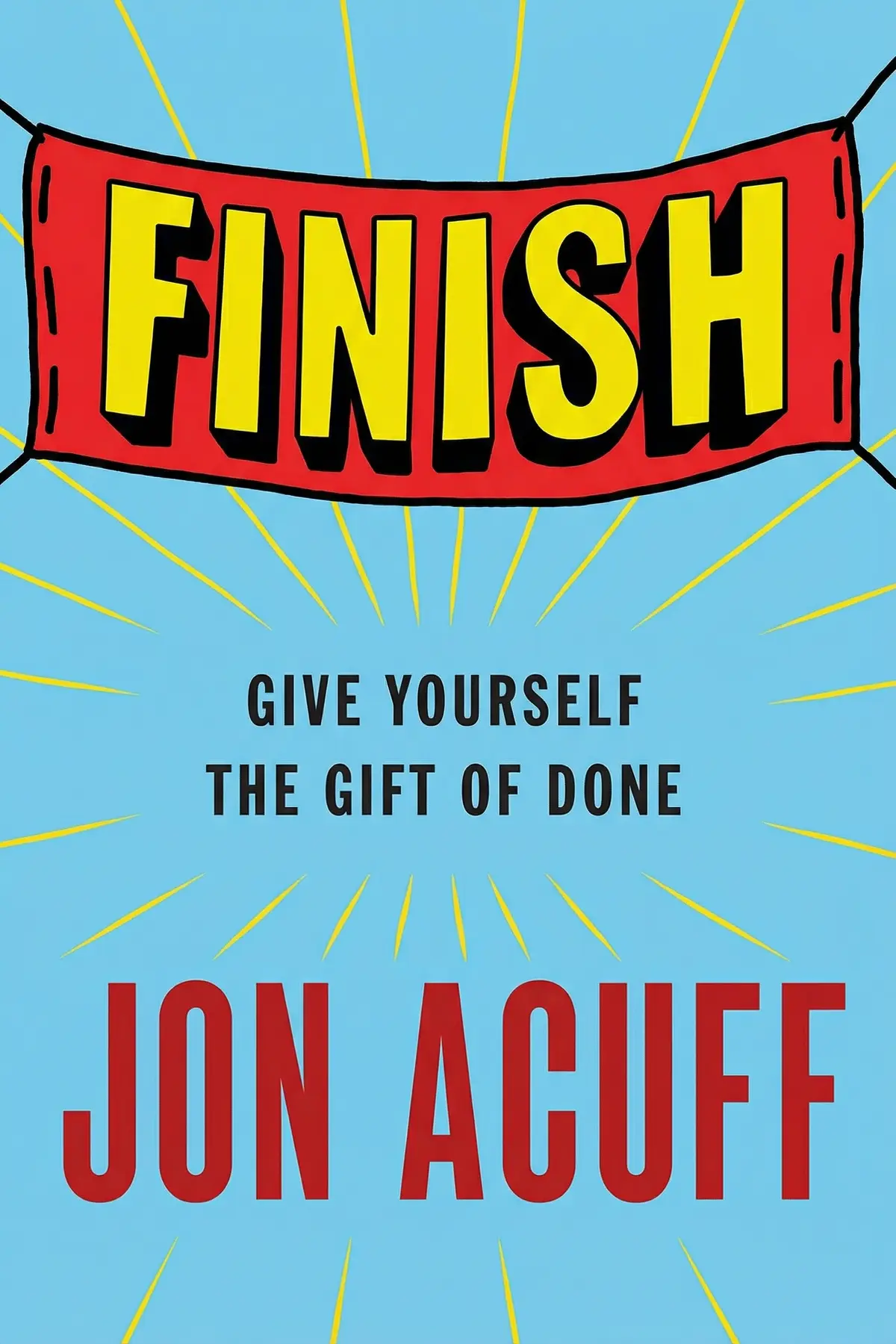
Most unfinished projects are not abandoned out of laziness. They die at the moment they stop being perfect. That is the claim at the center of Finish, by bestselling author and speaker Jon Acuff, and it changes how you see the half-written report or the fitness plan that faded in week ten.
Acuff names the enemy plainly: perfectionism, the voice that says anything flawed is a failure and any worthy goal must be huge and painful. His case is that finishing depends less on extra effort than on outsmarting that voice at each stage, from the first slip to the final step.
The tools he offers are modest and specific. Cut the goal in half. Pick things to do badly on purpose. Make the work enjoyable. Expose the private rules that push you to quit, and watch for the fear that arrives the day before you are done. Each one turns a project you keep restarting into one you can actually close.
2. Keep going on the day after you slip
1 min 58 sec
A runner logged more than 70 miles in three months, then dropped to almost nothing and gave up entirely. The streak was not what failed him. The moment that decides most goals comes later than you think.
3. Cut your goal in half and finish more
1 min 54 sec
Students guessed how long their thesis papers would take, and reality nearly doubled their numbers. That gap explains why most goals collapse, and a simple, slightly uncomfortable move can close it.
4. Pick what you are willing to do badly
1 min 52 sec
An overgrown yard, an unanswered inbox and a basket of wrinkled shirts all turn out to be deliberate choices. Being bad at some things on purpose may be what lets the important work get done.
5. Work that feels fun gets finished
2 min 04 sec
Most people picture goals as grind and discipline. Acuff’s own program data suggests that picture is costing them a large share of their results, and that a deadline can feel like a treat.
6. Spot your hidden rules so you stop quitting early
1 min 54 sec
A bird that tricks others into raising its chicks offers a sharp picture of how perfectionism works. Acuff’s own ten-day rule shows how one unspoken belief can end good projects far too soon.
7. Beat the fear near the finish line and get done
1 min 59 sec
You have done everything right, and the project is almost complete. That is exactly when perfectionism makes its final move, and it often looks like caution or even generosity toward the people around you.
8. Conclusion
1 min 10 sec
Finish moves the problem away from where most people look for it. The unfinished report and the abandoned training plan do not prove you are lazy or doomed. They show perfectionism at work, the voice that calls anything flawed a failure and insists that worthy goals must be enormous and miserable. Once you accept that nothing will ever be perfect, Acuff argues, the rewards of getting things done finally come within reach.
His tools follow the shape of a project. At the start, halve the goal and decide what you will let slide. Along the way, look for the enjoyable part and set small rewards. When you slip, judge yourself by what you do the next day. Near the end, ignore the what-ifs and count what you have actually achieved, in revenue earned or pounds lost.
According to Acuff, the reward is a private one: the satisfaction that comes from honoring a pledge you set for yourself, and he claims no praise from others compares to it. Choose one stalled project this week, cut it in half, and finish the smaller version.
About this book
What is this book about?
Plenty of people start strong. They write most of the report, run for three months straight or get ten weeks into a program, and then the project quietly stops. Jon Acuff argues that the usual explanations, laziness or a busy life, miss the real cause. The thing stopping us is perfectionism: the belief that anything flawed counts as failure and that only huge, painful goals are worth chasing. Acuff follows perfectionism through the life of a project. It shows up on the day after a slip, in goals inflated by the planning fallacy, in the urge to be good at everything, in the idea that goals must feel like a grind, in private rules we never examine and in the fears that appear just before the end. He draws on his own failures, a conversation with a woman trying to lose weight and results from his 30 Days of Hustle goal program. The reader gets small, testable tools: cut the goal in half, practice strategic incompetence, attach rewards and frequent deadlines, ask what you really want and track real progress with numbers.
Book Information
Who it's for
Professionals with unfinished work
Professionals with half-finished reports, side projects or courses they keep restarting.
Derailed by one miss
People whose fitness or diet plans collapse after the first missed day.
Busy parents and perfectionists
Busy parents and self-described perfectionists who feel they must do everything well before they can finish anything.
About the Author
Jon Acuff
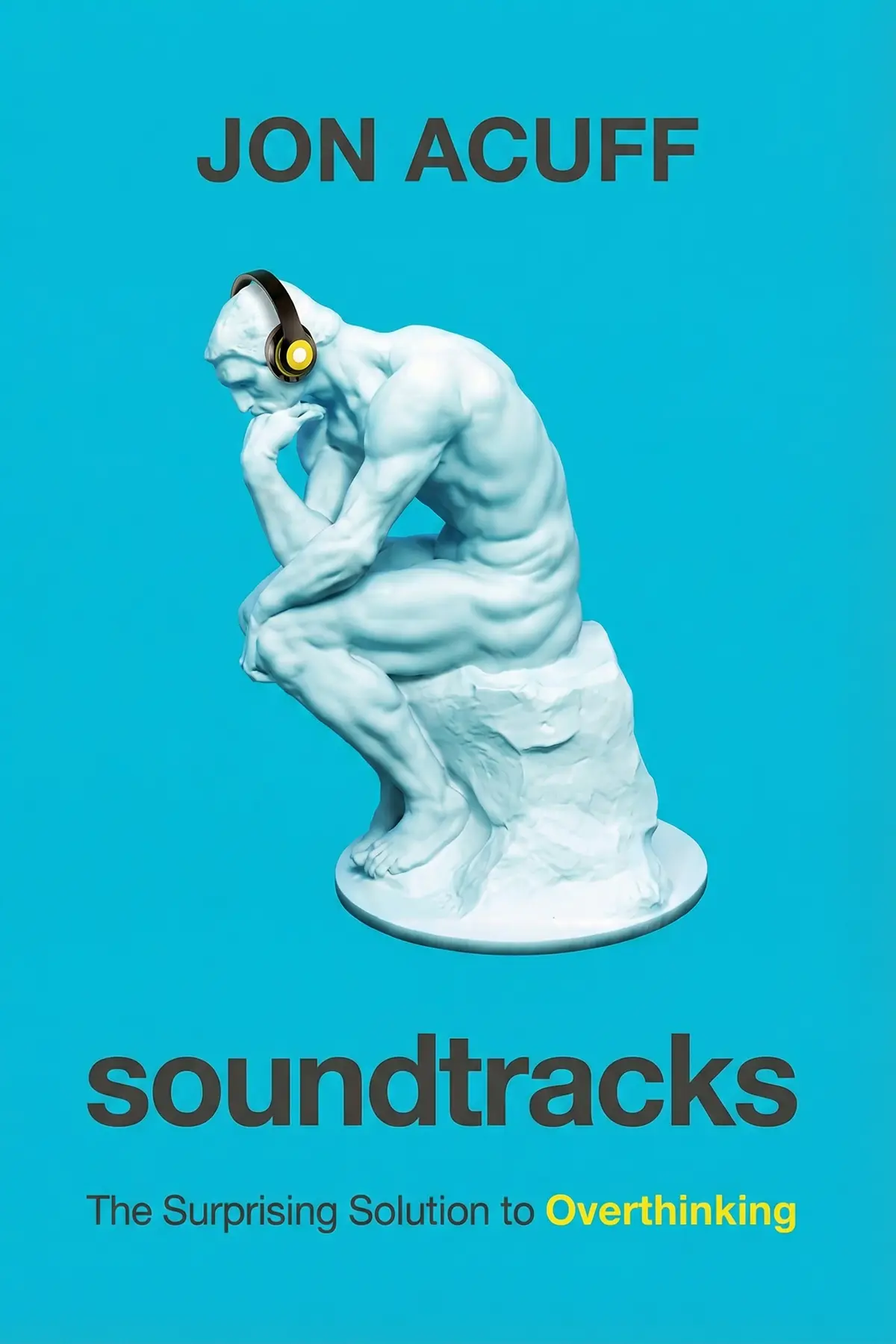
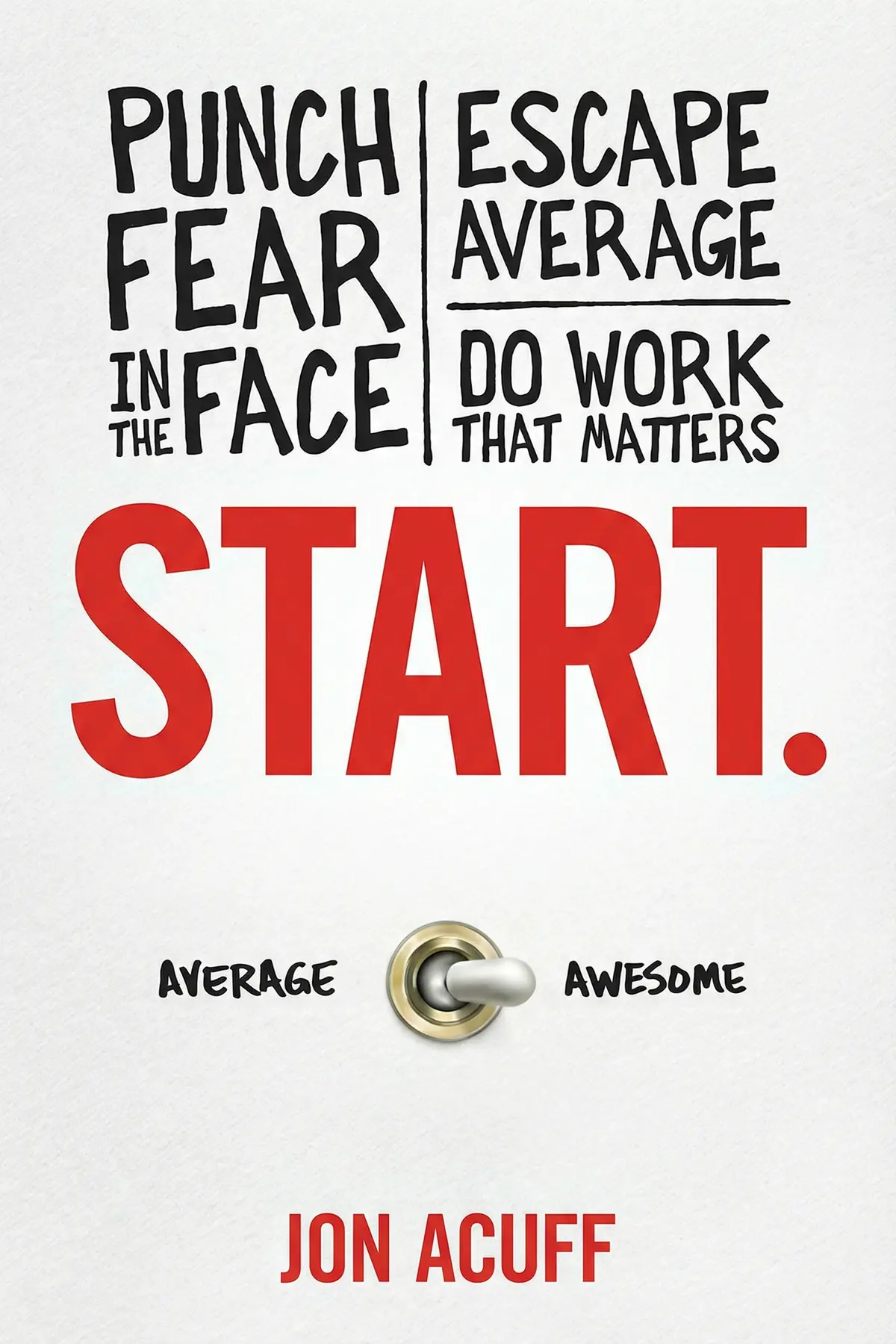
Jon Acuff is a New York Times bestselling author whose book Finish reached number one on the Wall Street Journal bestseller list. He also wrote Soundtracks and hosts the podcast All It Takes Is a Goal. Inc. magazine named him one of its Top 100 Leadership Speakers, and he has spoken at companies including Microsoft and Comedy Central. For more than 20 years he has helped brands such as The Home Depot, Bose and Staples tell their stories. He lives outside Nashville, Tennessee, with his wife and daughters.
Ratings & Reviews
Ratings at a glance

What people think
Listeners find the book exceptionally useful and wise, with one listener mentioning how it aids in dismantling self-imposed hurdles. The writer's comedy is balanced with evidence, resulting in a highly encouraging guide for sharpening personal targets. Listeners value the smooth delivery, particularly since the author narrates the audio version himself, considering it a manual for crossing the finish line. They prize its honesty, with one listener pointing out how it unmasks the lies of perfection.
Top reviews
Kwame
Picked this up because I’m a serial starter with a graveyard of half-finished projects. Jon Acuff hits the nail on the head regarding perfectionism being the ultimate saboteur of our productivity. Frankly, the idea of the "Day After Perfect" changed my entire perspective on my fitness goals. Usually, I miss one day at the gym and the whole month is ruined because I feel like I "failed." This book gives you permission to be messy. It’s a short, punchy read that prioritizes action over aesthetics. If you’ve ever felt like your own worst enemy when it comes to deadlines, just read it. The humor won’t be for everyone, but the logic is sound and the results are real.
Show moreNoah
Ever wonder why you start ten things and finish none? This book explains that it isn’t laziness; it’s a fear of being imperfect. I’ve spent years trapped by "noble obstacles"—those things that look like productive work but are actually just ways to avoid the hard part of finishing. Acuff’s concept of "choosing what to bomb" is revolutionary. You can't do everything perfectly at once. Something has to give. I decided to "bomb" having a spotless house so I could finally finish my professional certification course. It worked. This isn't just another pep talk; it’s a tactical manual for real life. Highly recommended for chronic starters.
Show moreFord
The chapter on "hiding places" was a total wake-up call for my workflow. I realized I was using "research" as a clever way to avoid actually launching my website. Jon Acuff cuts through the nonsense and identifies the psychological traps we set for ourselves. His writing style is breezy but the underlying principles are grounded in actual results. I loved the section on using data to celebrate imperfect progress. It’s not about being the best; it’s about being done. This book is a must-read for anyone who struggles with the "Day After Perfect" blues. It genuinely helps you refine your personal goals into something achievable.
Show moreNaomi
Stop trying to be perfect and just get it done. That’s the core message here, and it’s one I desperately needed to hear this year. Jon’s perspective on "noble obstacles" alone is worth the price of the book. We often trick ourselves into thinking we're being productive when we're just procrastinating with better branding. Personally, I found the humor well-integrated and the "secret rules" chapter to be a massive breakthrough for my personal goals. It’s an authentic, funny, and deeply practical guide. If you’re tired of starting over every Monday, this is the book that will actually get you across the finish line.
Show moreBank
Jon Acuff’s humor is definitely an acquired taste, but the strategies here are surprisingly data-driven for a mainstream self-help book. I particularly liked the advice to "cut your goal in half." It sounds like cheating, right? Actually, it just makes the goal realistic and sustainable for the long haul. Truth is, I actually finished a home renovation project using his methods! I’m knocking off one star because some of the anecdotes felt a bit like filler, dragging out points that were already clearly made in the first half. Still, it’s a solid guide for getting things done without the usual self-flagellation.
Show moreCharles
As a chronic overachiever, the idea of "making it fun" felt like a distraction at first. However, the more I read, the more I realized I’ve been making my goals unnecessarily miserable for no reason. Jon reads the audiobook himself, and his energy makes the 5-hour listen fly by. He exposes the lies we tell ourselves about why we can't finish. I did find some of the "secret rules" sections a little repetitive compared to his previous work like 'Start.' Despite that, the practical steps for tracking data to celebrate progress are incredibly helpful. It’s a quick read that packs a punch for anyone stuck in a creative rut.
Show moreWatcharee
Finally got around to finishing "Finish," and the irony is not lost on me. This book is a direct attack on the perfectionism that keeps us paralyzed and fearful. Not gonna lie, I was skeptical about the "cut it in half" rule, but it actually lowered the barrier to entry for my writing habit. The tone is casual and conversational, which makes the advice easy to swallow. Some might find the sarcasm cringey, but I found it refreshing compared to the dry, academic tone of most business books. It’s simple, actionable, and focused on the "gift of done." A solid 4-star tool for your personal growth kit.
Show moreHarper
After hearing Jon on a podcast, I grabbed the Kindle version to see if the hype was real. Most self-help books are 200 pages of "work harder," but this is 200 pages of "work smarter by caring less about being perfect." The statistics about New Year's resolutions were startling. Only 8 percent finish? That's wild. The book provides a clear path to being in that 8 percent. It’s incredibly readable and high-energy. I did feel like some chapters could have been combined, as the "reframing" of points got a little redundant toward the end. Still, it’s a highly motivational read that cuts through self-made obstacles.
Show morePlernpiriya
To be fair, there are some nuggets of wisdom hidden in here, but you have to wade through a lot of fluff to find them. The book is very "self-aware," which can get distracting when you just want the facts. I appreciated the emphasis on giving yourself grace, but I wish there were more diverse stories from the study participants to ground the theories. It felt very focused on Jon’s personal life and his specific brand of professional obstacles. It’s a decent motivational boost for a weekend, but it doesn't quite reach the level of some of the heavier hitters in the productivity genre. It's fine, just not life-changing.
Show moreIngrid
Look, I wanted to love this, especially after all the hype on social media. But by the middle of the book, the over-the-top sarcasm became exhausting. It felt like he was trying way too hard to be the "funny guy" rather than providing deep, academic insights. My experience was that the "study" he references felt a bit thin on actual data—it just didn't have the depth of other behavioral science books. He mentions a table tennis game that seemed to have zero relevance to the actual chapter. If you like light, fluffy motivation, you might enjoy it. For me, it lacked the substance I expected from a book about achieving big goals.
Show moreQuestions about this book
What is the main idea of Finish by Jon Acuff?
Acuff argues that most people fail to finish projects because of perfectionism, not laziness. Perfectionism treats any flaw as failure and insists that only huge, painful goals are worth pursuing. He shows how it strikes at each stage, from the day after a slip to the day before completion, and offers tools such as halving goals, strategic incompetence and making work fun to keep projects moving to the end.
Why does Jon Acuff tell people to cut their goals in half?
He points to the planning fallacy described by Daniel Kahneman and Amos Tversky: people consistently underestimate how long tasks take. Students in one study guessed 34 days for their thesis papers and needed 56. In Acuff’s 30 Days of Hustle program, participants who halved their goals improved their performance by 63 percent on average, and 90 percent felt more motivated.
What is strategic incompetence in Finish?
Strategic incompetence means deliberately choosing what to do badly or with minimal effort so time goes to what matters most. Acuff let his weedy front yard go to spend time with his kids and answered only about 10 percent of his e-mails while finishing a book. His friend Lisa skips ironing and folding some weeks, so her family wears wrinkled clothes.
How can I apply the ideas in Finish this week?
Pick one stalled project and write a version half its size. Choose one chore you will do badly on purpose. Attach a small weekly reward and a few daily mini deadlines to the work. Write down the hidden rule that makes you quit, then ask what you really want. Finally, track real numbers, such as revenue over 30 days or pounds lost, to silence vague doubt.
Who should read Finish?
It suits people who start many projects but complete few: professionals with unfinished reports or side ventures, people whose exercise or diet plans fall apart after a missed day, and parents who feel they must do everything well. Anyone who recognizes the thought that a flawed effort is not worth continuing will find practical tools for pushing through.
Readers also enjoyed

59 Seconds: Change Your Life in Under a Minute
Richard Wiseman







A Guide to the Good Life: The Ancient Art of Stoic Joy
William B. Irvine


A High-Performing Mind: Strengthen Your Mind and Live Your Best Life
Andrew D. Thompson
AUDIO SUMMARY AVAILABLE
Listen to Finish in 15 minutes
Get the key ideas from Finish by Jon Acuff, plus 5,000+ more nonfiction titles.
- 5,000+ titles
- Listen as much as you want
- 7-day free trial
- Cancel anytime