
ADHD an A-Z: Figuring It Out Step by Step
Leanne Maskell
 English
Explains burnout as a mismatch between your inner signals and your daily actions, then shows how body checks, better sleep habits, deliberate joy and a five-question decision test can rebuild your energy.
1 min 08 sec
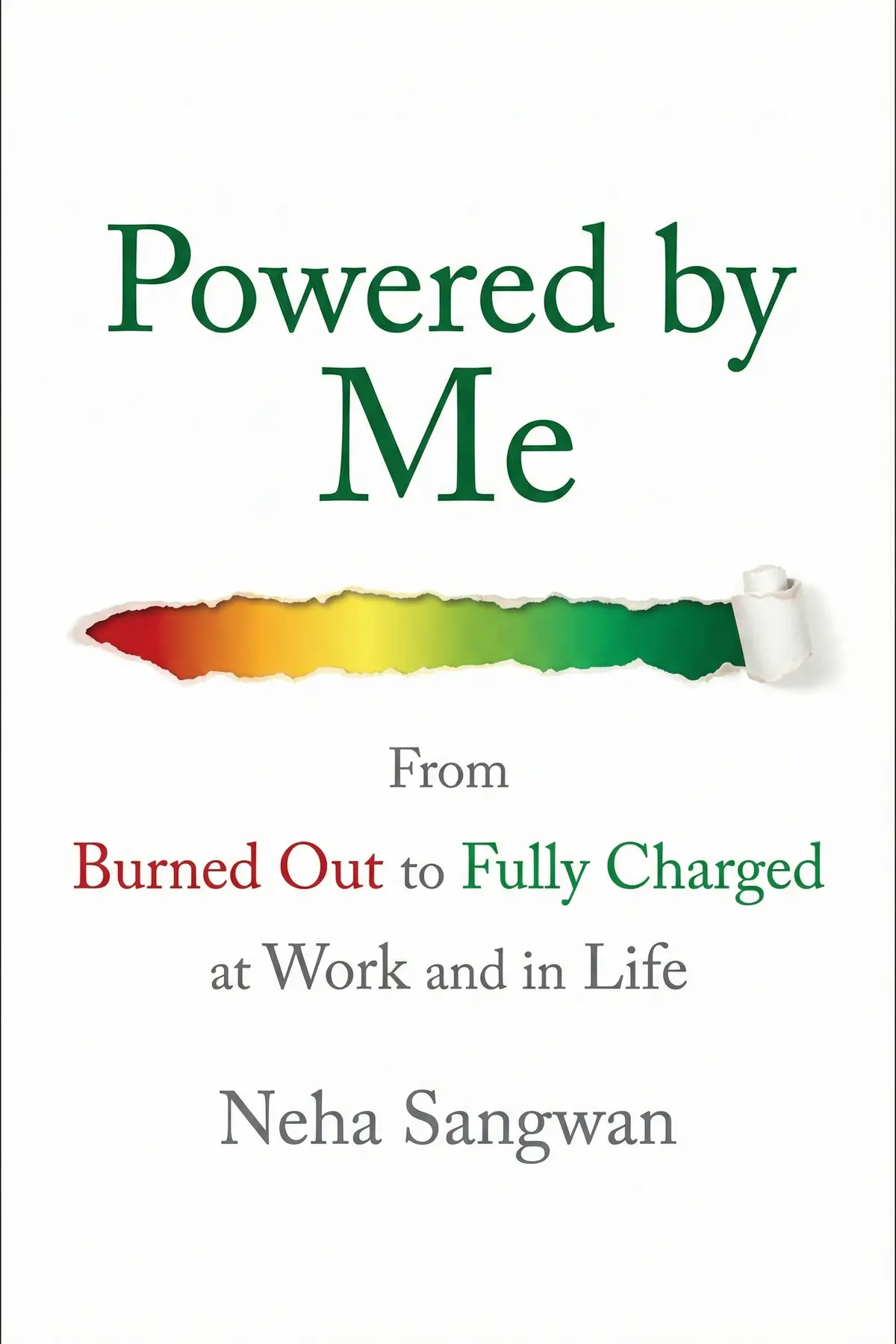
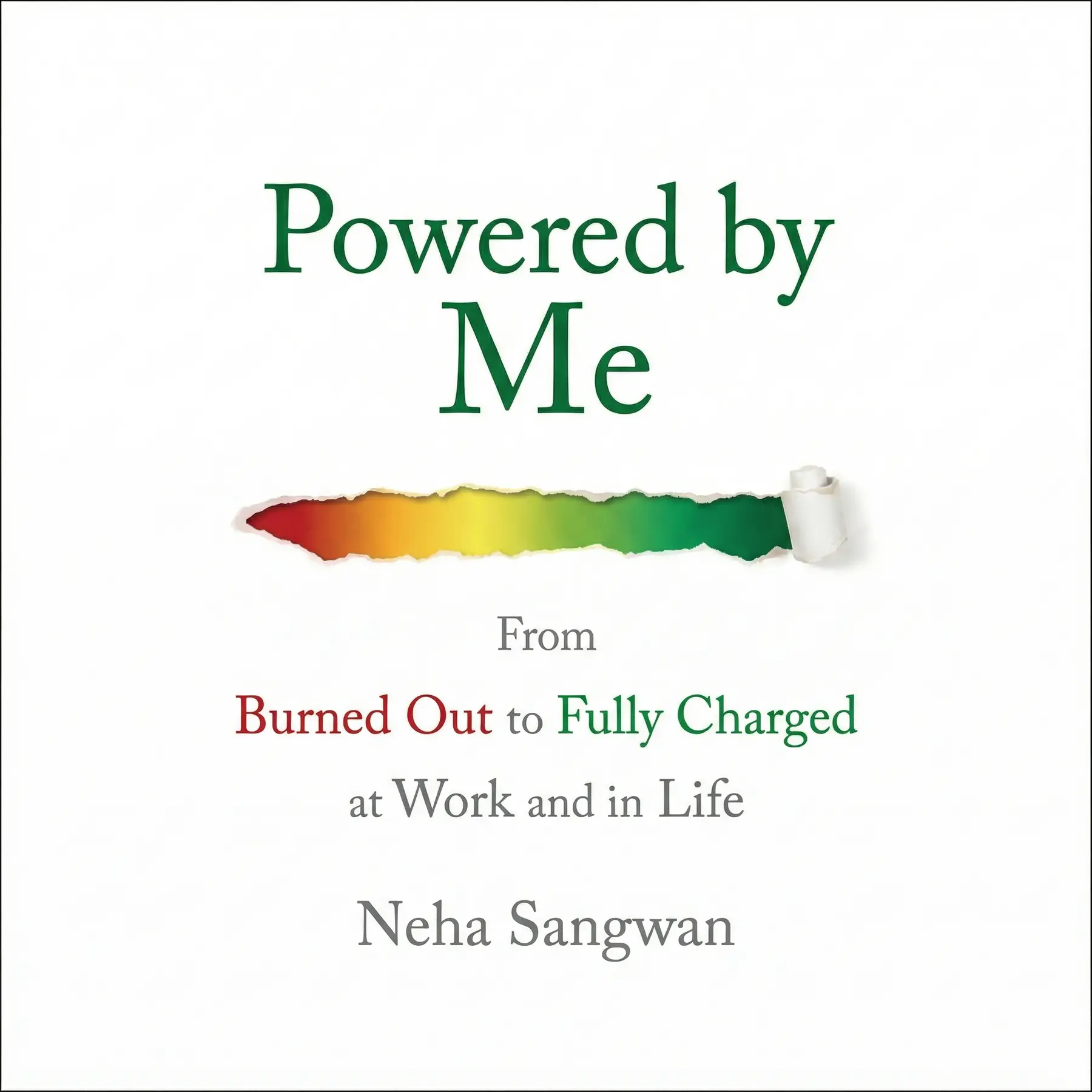
Burnout often feels like proof that you are not tough enough for your work. In Powered by Me, physician and executive coach Neha Sangwan argues it is something else: a mismatch between what your body, mind, heart, relationships and spirit are telling you and what you actually do each day. Exhaustion is the symptom. Ignored signals are the cause.
She points out that over 75 percent of working professionals run into this sort of exhaustion at some stage in their careers, which makes the problem widespread, and the remedy she offers is just as widely applicable. Her argument is that energy comes back when you listen inward and act on what you hear, rather than pushing harder or reaching for another coffee.
That means catching your body’s early warnings, protecting sleep, making room for joy and laughter, and testing big choices against your values. Each step is small enough to begin this week, and together they turn your own signals from background noise into a steady source of charge.
1 min 49 sec
Most people read burnout as a verdict on their character. Sangwan reads it as a set of warning lights, and she explains why so many capable people learn to stop looking at them.
1 min 50 sec
Long stress trains people to stop feeling their own bodies, which is exactly when the body most needs to be heard. A small object in a meeting room turns out to be a surprisingly good teacher.
1 min 59 sec
A short night feels like time gained, but Sangwan treats it as a loan with steep interest. Her surprise is where the fix lives: mostly in the hours long before you go to bed.
1 min 49 sec
When you are depleted, fun sounds like something to earn later. Sangwan argues the opposite order works better, and she explains why protecting yourself from hard feelings can leave you with fewer good ones.
1 min 39 sec
Some agreements leave you drained for months, and the reason is often visible before you say yes. Sangwan’s filter catches it, though it sets a bar higher than most people are used to.
1 min 12 sec
Powered by Me adds up to a reversal of the usual response to exhaustion. When energy runs low, the instinct is to find more fuel outside: another coffee, something sweet, a shorter night to get more done. Sangwan’s case is that the fuel was available all along, and that burnout grows from years of overriding the signals that say how to use it. The stiff wrists, the short nights, the missing laughter and the yes you regretted are one story told by five gauges you chose not to read.
That makes recovery less dramatic than people fear. It can begin in your next meeting, with a stone or a pen in your hand and a few slow breaths into the bottom of your lungs. It continues in daylight, with morning sun, coffee kept to the morning and an earlier dinner, because good nights are mostly made during the day. It needs an evening that holds something you enjoy, preferably with someone who makes you laugh. And at work it needs one more habit: running your next big request through the five checks before you answer.
None of this asks you to care less about your work. It asks you to look after the person doing it.
Many professionals keep pushing harder and still feel they are falling behind. Physician and executive coach Neha Sangwan argues that burnout is not a personal failure or simple tiredness. It is long-lasting stress that drains energy in five areas at once: physical, mental, emotional, social and spiritual. It happens when the signals from those areas are overlooked because people are busy, afraid of looking weak or trained to put output before care. Sangwan's answer is an inner dashboard. Instead of borrowing energy from coffee, sugar and lost sleep, you learn to read your own gauges and bring your actions back in line with them. She offers simple tools: a small object that prompts a body check during meetings, soft belly breathing, daytime habits that lead to better nights, small daily doses of joy and laughter, and a decision filter that tests every big yes against your values, your energy, your emotions, the long term and the people around you. Readers get a practical way to locate where their energy is leaking and a set of habits small enough to start the same week, at work and at home.
Professionals who work long hours, rely on coffee and short nights, and feel they can never catch up.
Managers and team leads who notice stress turning into short tempers and want simple daily tools.
Anyone facing a big decision who keeps saying yes out of pressure and regretting it later.
Neha Sangwan is a physician who also works as an executive coach and speaks to audiences around the world. Her work brings together traditional medicine and whole-person well-being. She founded Intuitive Intelligence and cofounded the Conscious Business Leadership Academy, both focused on bringing conscious capitalism into leadership, and she is the author of the best-selling book TalkRx.
Listeners find this guide life-altering, as it demonstrates how to put health first while supplying practical tools and tactics for progress. The use of storytelling is highly valued, with one listener pointing to the relatable real-life stories and another admiring its vulnerability. Listeners also commend its impact; one mentions it is effective for preventing burnout, while another characterizes the experience as a healing journey from the inside out.
Picked this up during a particularly brutal month at the office, and Neha Sangwan’s perspective as both a physician and coach really resonates. Unlike other self-help titles that offer surface-level platitudes, this book dives deep into the physiological roots of burnout. I loved the emphasis on how chronic stress is actually a misalignment of our mental and spiritual needs. The concept of the "internal dashboard" was a lightbulb moment for me because it makes the invisible signals of the body feel tangible. While some of the corporate-speak felt a bit heavy at times, the actual strategies for reclaiming energy are incredibly effective. It’s less about a quick fix and more about a healing journey from the inside out. If you’re tired of being tired, this is a roadmap worth following.
Show moreEver wonder why you’re still exhausted even after a full weekend of doing nothing? This book explains that burnout isn’t just about physical tiredness; it’s a profound depletion that happens when we ignore our emotional and social needs. I’ve started carrying a smooth stone to meetings as a reminder to check in with my body, just like the author suggests. It sounds silly, but it works to ground me when my heart starts racing. Integrating joy into my daily life has become a non-negotiable priority instead of an afterthought. Laughter and value-driven decisions are the real keys to resilience, and this book provides a beautiful roadmap for finding them. It’s a gift that keeps on giving, and I highly recommend it.
Show moreThis book is a perpetual resource that I keep on my nightstand to flip through whenever I feel my reactivity levels spiking. Dr. Sangwan’s anecdotes are brilliant and honestly the most meaningful part of the entire experience for me. Seeing how high-powered executives struggle with the same boundary issues as the rest of us makes the advice feel much more attainable. The way she describes the five dimensions of burnout—physical, mental, emotional, social, and spiritual—helped me realize I was only focusing on the physical. The writing is clear and the tone is encouraging without being overly sugary. It’s a premier guide for anyone who wants to live a life that is actually aligned with their inner wisdom.
Show moreAs someone who has struggled with chronic stress for years, this felt like a healing journey from the inside out. The truth is, most of us are acting out of fear rather than moving toward what actually inspires us. This book helps you flip that switch. The real-life stories are relatable and the strategies for managing interactions are surprisingly easy to apply to daily life. I loved the section on how burnout impairs productivity and makes us more reactive, as it gave me the data I needed to finally prioritize my health. It’s an impactful read that I’ll be recommending to my entire team. Truly a profound gift for anyone feeling drained.
Show moreAfter hearing so much about the "me-powered" movement, I finally delved into the specifics of Sangwan’s approach to stress management. The chapter on caffeine was a massive wake-up call; I had no idea how adenosine worked or that my 4 PM espresso was sabotaging my recovery. Truth be told, the most impactful parts for me weren't the diagrams but the focus on soft belly breathing and activating the vagus nerve. These small, physical interventions are much easier to implement than trying to overhaul my entire career overnight. My only gripe is that the audiobook version makes it hard to visualize the various charts and data points mentioned. Still, it’s a very practical guide for anyone needing to set boundaries before they spiral.
Show moreWow, the vulnerability displayed in these pages really sets "Powered by Me" apart from the sea of burnout literature available today. Sangwan doesn't just preach from a pedestal; she shares real-life stories that make the strategies feel grounded in reality. I particularly appreciated the focus on value-driven decisions because it shifted my perspective from seeking external validation to trusting my own intuition. The advice on sleep hygiene was a bit repetitive if you’ve read any health blogs lately, but the way it’s integrated into the larger "energy" framework makes sense. It’s a comprehensive approach that feels both scientific and deeply human. I’m walking away with actual tools instead of just a vague sense of "self-care" I'll never actually do.
Show moreThe chapter on soft belly breathing changed the way I handle high-stress meetings. We all know we need to breathe and sleep more, but Neha Sangwan explains the "why" behind it in a way that finally clicked for me. My only criticism is that the book can feel a bit repetitive at times, hammering home the same points about the "dashboard" in every chapter. However, the focus on the vagus nerve and physical signals like a tight stomach provided me with immediate ways to de-escalate my stress. It’s a very work-focused book, which might be a turn-off for some, but for a corporate professional, it’s exactly the right language. It helps you identify energy givers versus takers.
Show moreFinally got around to reading this, and I have to say, the emphasis on joy as a tool for resilience was exactly what I needed. So many books focus on the "grind" of recovery, but Sangwan makes a compelling case for laughter and connection as essential medicine. Personally, I found the "dashboard" concept a bit dry, but the actual exercises for tuning into your body’s signals are gold. Learning to recognize early signs of depletion has stopped me from spiraling into total dysfunction multiple times this month. It’s a practical, multidisciplinary approach that feels very modern. It isn't just about surviving your job; it's about actually thriving and feeling joy again.
Show moreTo be fair, I went into this hoping for a revolutionary breakthrough, but found quite a bit of generic advice that you’ve likely seen on LinkedIn. The author uses a "dashboard" metaphor to describe your hierarchy of needs, which feels a bit too "corporate productivity" for a book about finding joy. Look, the sections on identifying where your energy is being drained are helpful, but do we really need another book telling us to fix our sleep patterns? The writing style is professional and clear, yet it lacks the emotional spark I was looking for to feel truly inspired. It’s a solid 3-star work-focused manual for those who need a structured framework. It didn't quite show me how to be happy outside of being more productive.
Show moreNot what I expected, and frankly, I ended up putting it down halfway through because the tone felt too much like an executive coaching session. I’m sure it’s helpful for some, but I found the "dashboard" and "multidisciplinary care" terminology to be incredibly cold and uninviting. It felt like I was being treated as a machine that needed maintenance rather than a human being who is hurting. When I'm burnt out, the last thing I want to do is manage my "spiritual dimension" like a KPI on a spreadsheet. Maybe it's just the wrong time in my life for this specific brand of self-help, but I couldn't connect with the vulnerability Sangwan was trying to project. It felt overly polished.
Show moreSangwan argues that burnout is neither a failure nor just tiredness. It is prolonged stress that drains energy across five areas, physical, mental, emotional, social and spiritual, because people overlook the signals those areas send. Recovery means reading an inner dashboard of body, mind, heart, relationships and spirit, then bringing daily actions back in line with what it shows, so energy comes from within rather than from caffeine, sugar and lost sleep.
The book offers several simple habits. Hold a small object, such as a smooth stone, in meetings as a cue to check your body. Practice soft belly breathing to reach the lower lungs and calm the body through the vagus nerve. Build better sleep with morning sunlight, dim evenings, caffeine only in the morning and an early dinner. Schedule small sources of joy and laughter, and test big decisions against five questions.
She recommends deciding from the inside out, guided by your values rather than by approval or outside opinion. Her filter has five checks: whether the choice fits your highest values, whether it energizes or drains you, whether fear or genuine desire is driving it, whether it pays off over the long term, and whether it helps or harms the people around you. A choice should be a yes only when it passes all five.
Sangwan sees sleep as the body’s repair time: it produces hormones and proteins for cell repair and immunity, consolidates memories and processes the day’s emotions, so chronic short sleep builds a debt that is hard to repay. Joy matters because shielding yourself from hard emotions also dulls pleasant ones. Small pleasures, time in nature and shared laughter rebuild emotional energy and strengthen relationships.
Leanne Maskell






Alcoholics Anonymous World Services

Steven C. Hayes

AUDIO SUMMARY AVAILABLE
Get the key ideas from Powered by Me by Neha Sangwan, plus 5,000+ more nonfiction titles.









