
14 min 12 sec
Available in: English
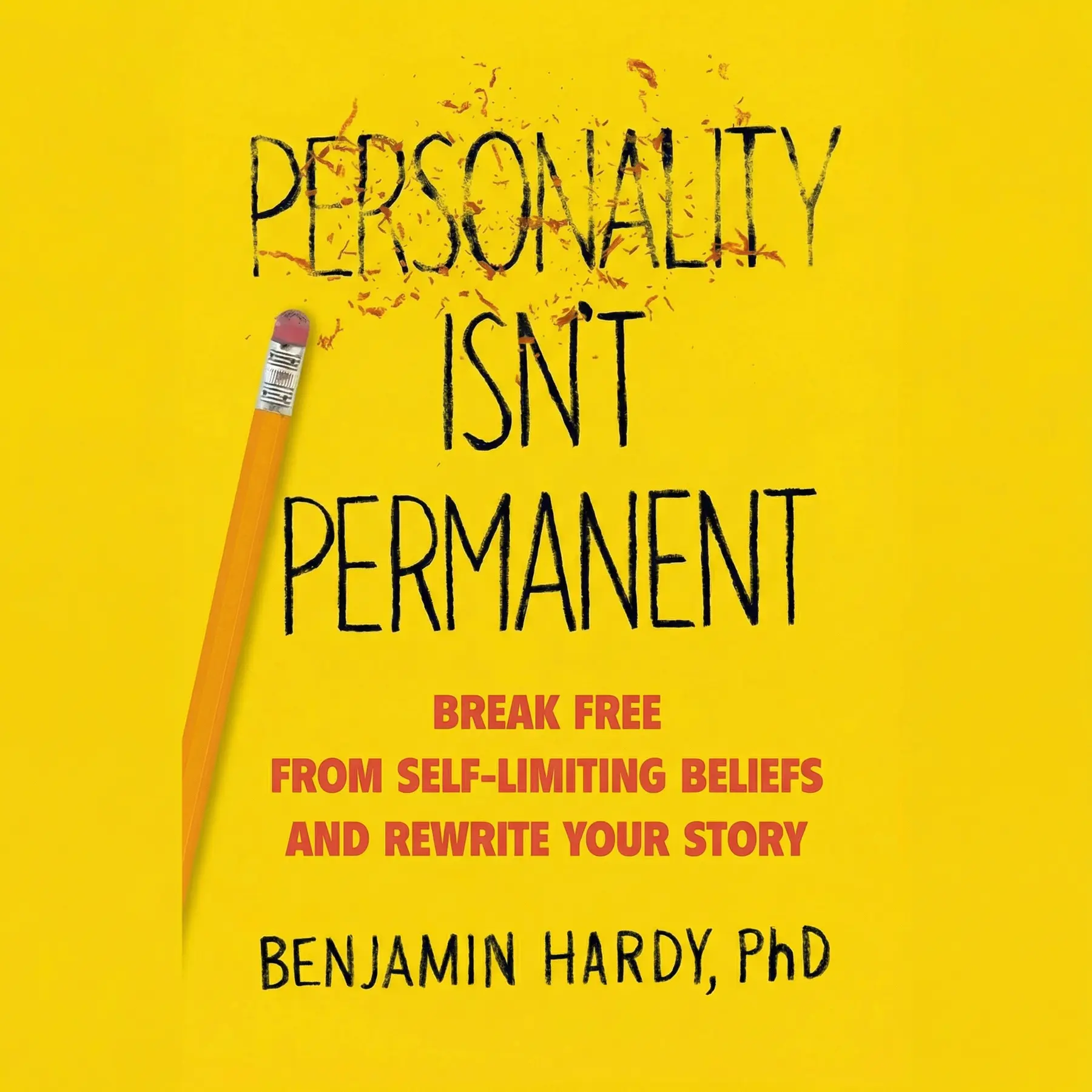
Personality Isn’t Permanent: Break Free from Self-Limiting Beliefs and Rewrite Your Story
Explains why personality tests and the idea of a fixed, authentic self keep people stuck. It then shows how to reshape who you are through one clear goal, daily learning and a retold life story.
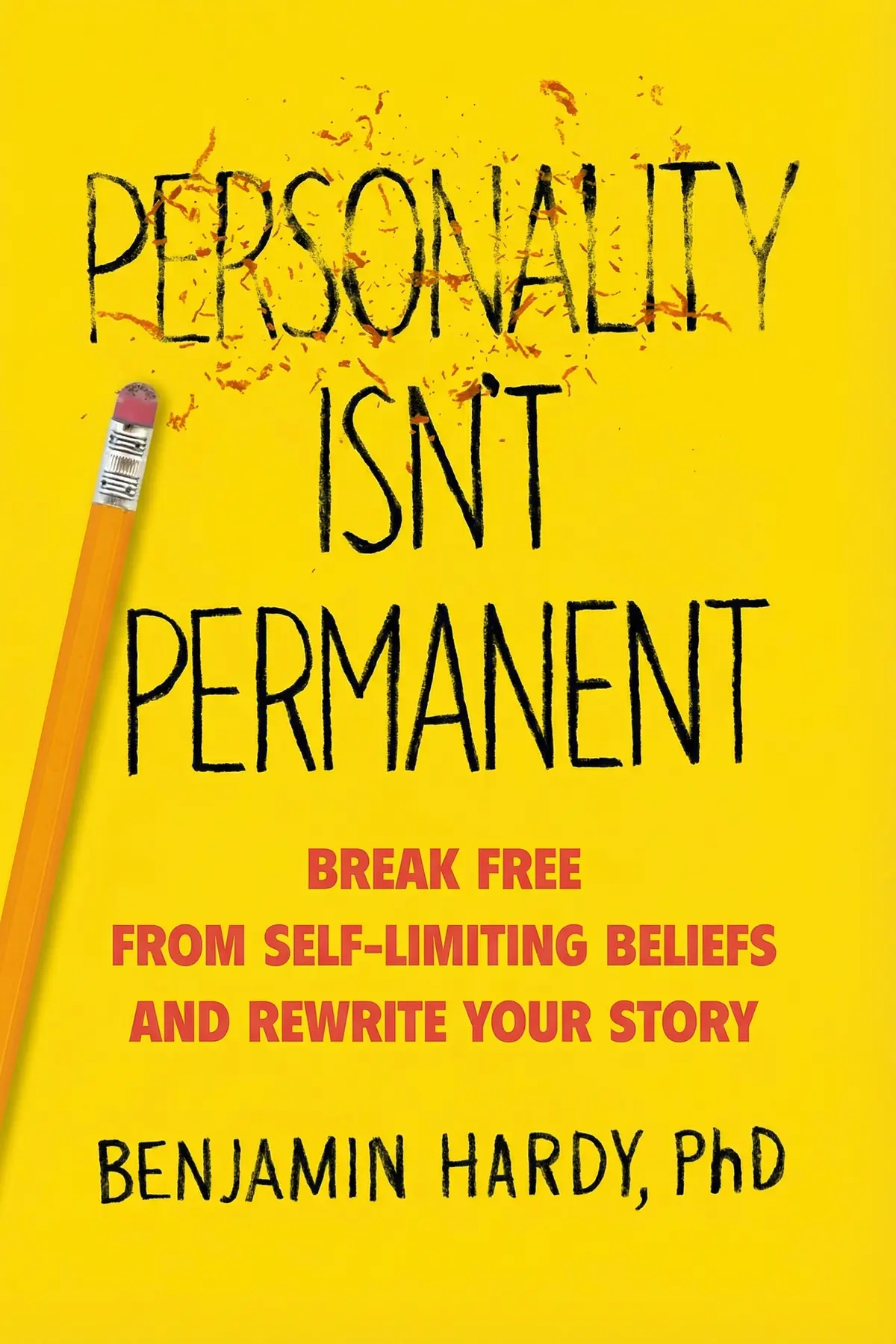
Table of Content
1. Introduction
1 min 08 sec
Plenty of people carry a label they picked up years ago, like introvert, impatient or hopeless at speaking, and quietly let it decide what they will try. In Personality Isn’t Permanent, organizational psychologist Benjamin Hardy argues that the label itself is the trap. People regularly score differently on the same personality test when they take it at another time or in another setting, because personality was never fixed to begin with.
Hardy’s claim is that personality is something you do. It takes its shape from how you spend your time, so it can be redesigned on purpose. He clears away three beliefs that keep people stuck: that tests reveal a true type, that we have finished changing, and that we should stay loyal to an authentic self. Then he lays out a method. Find the goals behind your behavior, retell the story of your past, commit to one goal and feed it an early hour of learning each day. The book gives readers evidence-backed permission to quit asking what kind of person they are and begin choosing what kind of person they will turn into.
2. Stop assuming the person you are is final
1 min 47 sec
Researchers followed a group of Scottish teenagers for six decades, expecting to prove that character holds steady. Their data said something else, and a Harvard psychologist explains why almost nobody sees it coming in their own life.
3. Treat personality labels the way you treat horoscopes
1 min 36 sec
One famous test says there are 16 kinds of people, another says six, others say three or thirty-three. The reason for the disagreement has more to do with a two-billion-dollar market than with any laboratory.
4. Grow past the self that feels natural
1 min 42 sec
Staying true to yourself sounds like wise, kind advice. Hardy thinks it can keep people small, and a professor who once left a whole lecture hall trembling shows what happens when you refuse it.
5. Find the hidden goals behind your daily choices
1 min 33 sec
Even half an hour of cat videos is aimed at something. A pen, a sheet of paper and a day’s worth of honest answers can tell you more about yourself than any personality quiz.
6. Rewrite the story you tell about your past
1 min 50 sec
A pack-a-day smoker who had failed to quit again and again stopped for good after one small, slightly untrue sentence to a stranger. His story shows how the way you describe yourself can outweigh your history.
7. Pick one goal that improves everything else
1 min 47 sec
A rowing crew facing nearly nine decades without Olympic gold judged every donut, beer and bedtime by a single question. Hardy turns their method into a way of choosing the one goal that spreads into the rest of life.
8. Give your goal the first hour of your day
1 min 40 sec
An alarm set sixty minutes earlier sounds like a small, ordinary fix. A Columbia neuroscientist’s work on how the brain learns explains why that hour matters, and why it will feel uncomfortable at first.
9. Conclusion
1 min 09 sec
One sentence to a hospital orderly says more about this book than any test score. Ken Arlen was a smoker by every measure, he described himself differently anyway, and the description won. Hardy’s argument lives in that moment. Test results shift with the setting, a Scottish study found almost no overlap across sixty years, and the authentic self mostly guards the comfort zone. What remains is a person defined by what they do and the story they tell, and both can be chosen.
The practice is ordinary. Sit down with the two-column page, think carefully about the deeper reasons behind each action, and see which goals actually run your day. Settle on one keystone goal and test small decisions against it, the way the British rowers checked whether something would make their boat faster. Set the alarm an hour earlier and use the time to learn, accepting the unease that comes with it. And when the old story about your past starts talking, ask what those years gave you.
You will change over the next ten years whether you plan it or not. Hardy’s offer is the chance to write that change yourself.
About this book
What is this book about?
Many people treat a test result or a familiar label as a final verdict: introvert, impatient, bad at speaking. Benjamin Hardy argues that this belief has weak foundations. People score differently on the same test at different times, a Scottish study found almost no overlap in personality across sixty years, and the famous Myers-Briggs test grew out of one family's observations at home, with no lab work behind it. Hardy's alternative is that personality is something you do. It follows from how you spend your time and from the story you tell about your life, and both can be changed on purpose. He takes apart the testing industry, the illusion that we have finished changing and the comfortable idea of an authentic self. Then he offers a method that starts with finding the goals behind your daily actions. From there you reframe the past the way a former chain smoker did, commit to a single keystone goal like Britain's Olympic rowers did, and spend an early hour each day learning. Readers get a clear case against fixed types and a practical routine for deciding who they will become.
Book Information
Who it's for
Defined by a label
People who have long defined themselves by a test result or a label like shy or impatient.
Career switchers, young professionals
Career switchers and young professionals who want to grow into skills that feel unnatural today.
Stuck in old stories
Anyone held back by an old story about their past who wants a practical way to retell it.
About the Author
Benjamin Hardy
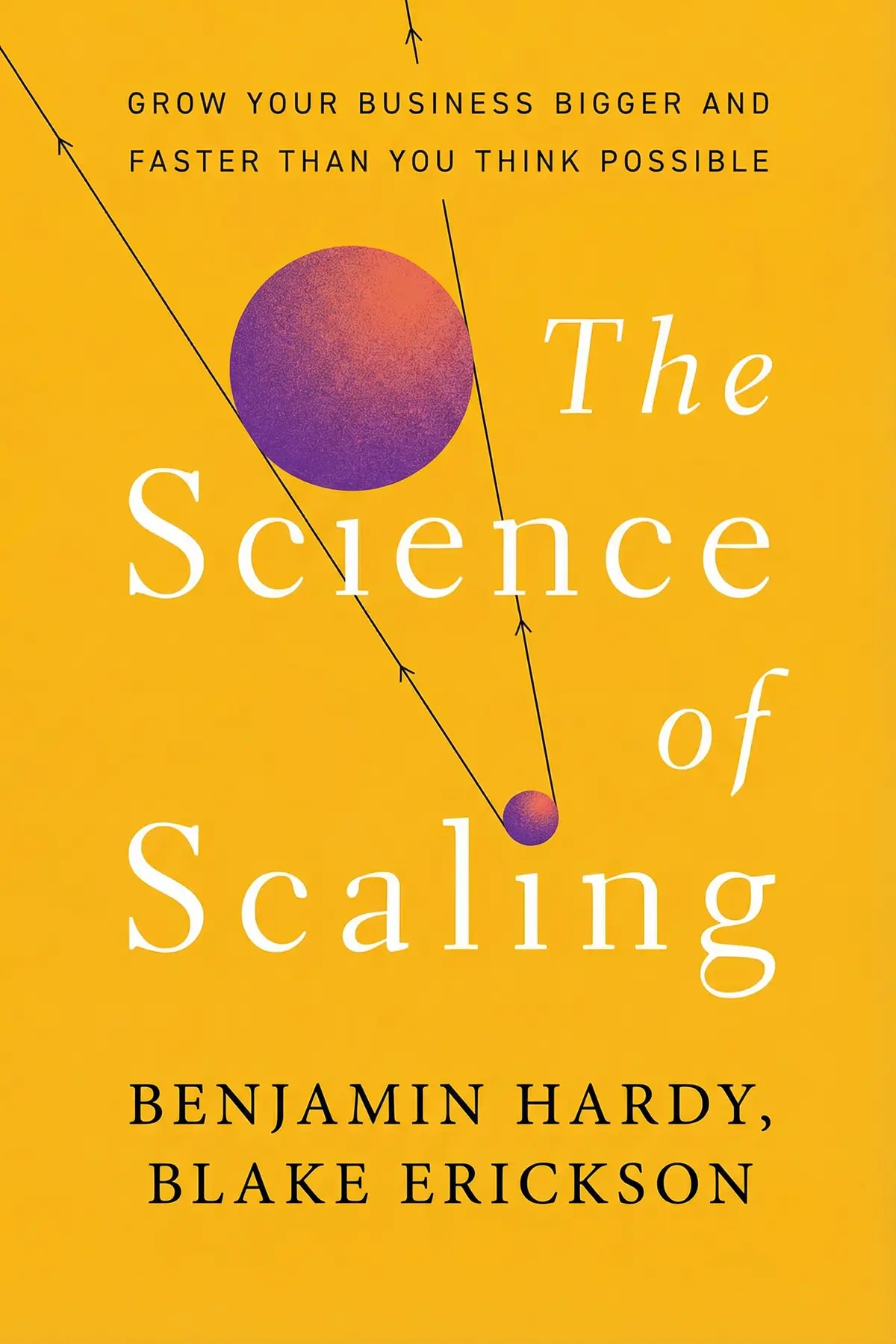
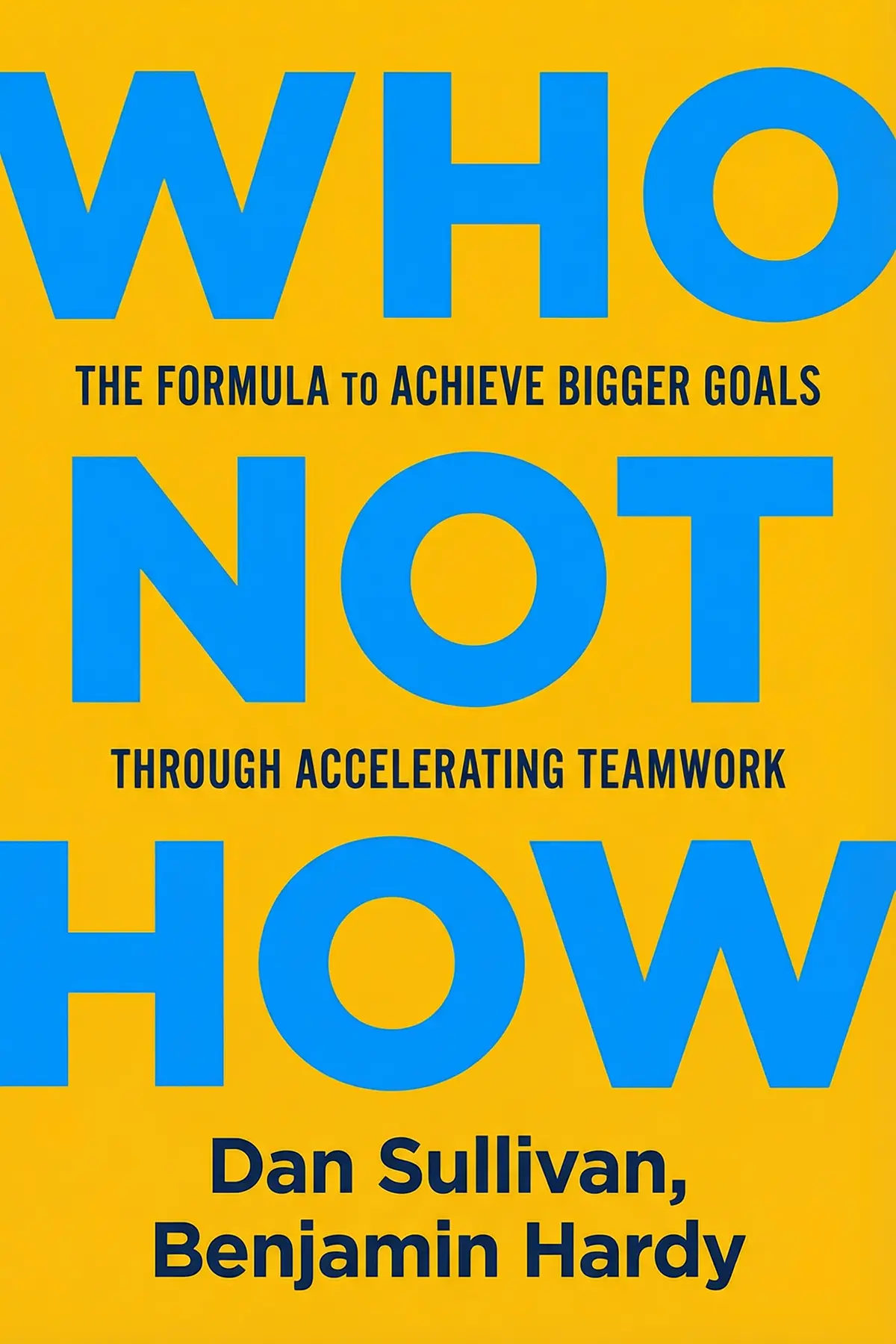
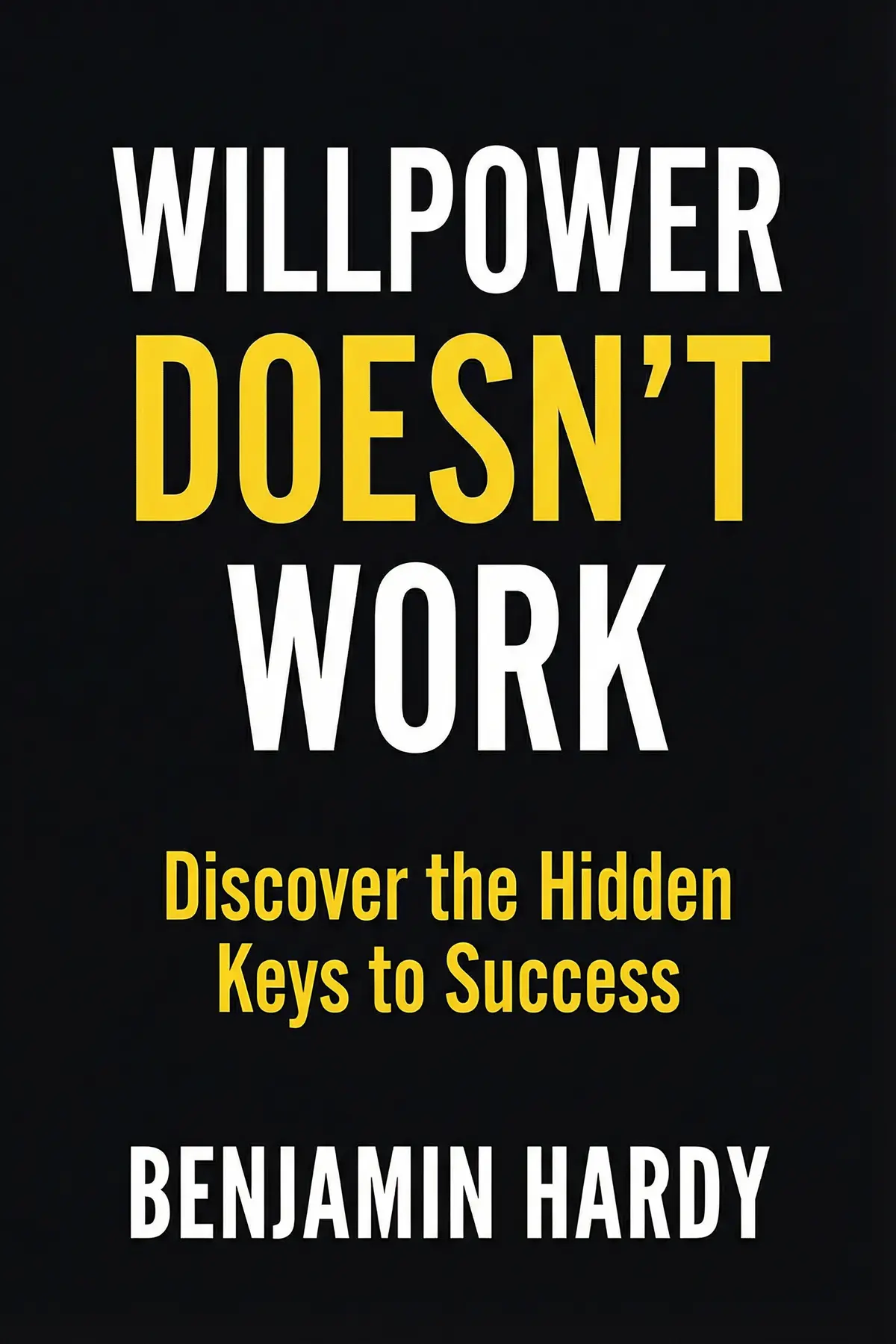
Benjamin Hardy is an American organizational psychologist with a PhD from Clemson University, where in 2019 he completed a doctorate on entrepreneurial courage. He co-founded Scaling.com, a performance-based scaling program, and his work has appeared in the New York Times and Harvard Business Review. His other books include The Gap and the Gain, Who Not How and The Science of Scaling.
Ratings & Reviews
Ratings at a glance
What people think
Listeners find this book life-altering, featuring well-supported concepts and stimulating questions throughout. Additionally, the material is straightforward to digest and worth reading multiple times, which makes it a vital resource for high school and college students. They also value the functional strategies, the active approach to self-guided personality shifts, and the work's powerful impact, with one listener specifically noting the 4 actionable paradigm shift prompts.
Top reviews
Somchai
Every student needs to read this before they start their career or commit to a specific life path. We are told from such a young age that we have a 'set' personality, but Hardy completely dismantles that limiting belief through well-researched concepts. The concept that purpose drives personality rather than the other way around is a total game-changer for anyone feeling lost. I love how he keeps the language simple and accessible for younger readers. It’s the kind of book you’ll want to read repeatedly because each pass reveals a new layer of insight. Some of the examples are a bit 'hustle culture' heavy, but the core message is too important to ignore. It really teaches you how to design your life rather than just letting it happen to you.
Show moreElias
The chapter on trauma was eye-opening and fundamentally changed how I view my own history. Hardy breaks down the four levers of change—trauma, identity narrative, subconscious, and environment—in a way that feels scientifically grounded yet easy to apply. I particularly appreciated the focus on how our environment shapes our choices more than our internal willpower does. It’s not just about 'thinking positive' but about creating a system that supports your future self. The book is incredibly well-researched, and you can tell he’s put a lot of thought into the psychological principles behind his claims. Frankly, it’s one of the most impactful books I’ve read in years. I’ve already started implementing the environmental changes he suggests, and the difference in my daily productivity is already noticeable. Highly recommended for seekers.
Show moreChaiwat
Wow, just wow. This book didn't just give me tips; it completely shifted my paradigm. I spent my whole life thinking I was 'born this way' and that my awkwardness and fear were permanent parts of my DNA. Hardy proves that you can rewrite your story at any age if you are willing to take purposeful action. The journaling questions are deep and sometimes uncomfortable, but they are necessary for real growth. I feel like I finally have permission to let go of the person I was yesterday and become the person I want to be tomorrow. This is a must-read for anyone who feels stuck in a cycle of self-limiting beliefs. It’s more than a book; it’s a roadmap for a total life transformation.
Show moreAkosua
Forget what you think you know about yourself and just read this book. Benjamin Hardy manages to take complex psychological theories and turn them into a clear, actionable guide for personal evolution. I loved the 4 actionable paradigm shift prompts and found the sections on the 'future self' to be incredibly motivating. It's rare to find a self-help book that is this well-researched while still being a page-turner. If you’re tired of being boxed in by personality tests and labels, this is the cure. It’s practical, direct, and potentially life-changing if you actually do the work. The concept of dynamic self-directed personality change is the future of psychology. Don't let the simplicity of the writing fool you; the concepts are profound.
Show moreFatima
As someone who has always felt defined by my past mistakes, this book was exactly what I needed to hear. The focus on your 'identity narrative' and how it shapes your subconscious behavior is fascinating and deeply helpful. Hardy explains that your personality is not a fixed thing, but a flexible tool you can use to achieve your purpose. I appreciated the specific strategies for overcoming trauma and how he relates them to our daily habits. Look, some of the 'mountain climber' analogies felt a bit distant, but the underlying psychology is sound. This book has given me the tools to stop being a victim of my history and start being the architect of my future. Truly a transformational read that I'll be gifting to several friends.
Show moreDarius
Picked this up on a whim during a bit of a mid-life crisis and found the practical strategies surprisingly effective. Hardy focuses on how our past trauma dictates our current identity, and he provides four actionable paradigm shift prompts that really made me think. The idea that we should act as our 'future self' rather than a repeat of our past is a powerful mental flip. I did find the writing a bit repetitive at times, and his 'just do it' attitude can be a little grating when you're having a bad day. That said, the journaling exercises are excellent for anyone feeling stuck in a rut. It’s definitely a book you need to read with a pen in hand to get the most value. It has genuinely changed how I view my potential for growth.
Show moreTang
After hearing about this on a podcast, I wasn't sure if I needed another self-help book, but I'm glad I grabbed it. To be fair, the author can be a bit insufferable with his focus on high-achievers, but the actual framework for change is solid. I’ve spent years thinking I was just 'anxious' by nature, and this book challenged me to see that as a temporary state rather than a permanent trait. The chapters on reframing your identity narrative are worth the price of admission alone. My only real gripe is that it feels a bit like he’s trying to sell you on his coaching throughout the first few chapters. Once you get past the initial sales pitch, the content is truly transformative and thought-provoking. It’s a dynamic approach to self-directed change.
Show moreJoseph
Finally got around to finishing this after it sat on my nightstand for months, and I have mixed but mostly positive feelings. On one hand, the advice on decision fatigue and willpower is brilliant and very practical for everyday life. I loved the idea that action kindles inspiration rather than waiting for motivation to strike first. On the other hand, Hardy’s disdain for personality tests feels a bit misplaced, as he ignores how they can be used for self-awareness rather than just pigeonholing. He tends to use extreme examples of success which might alienate readers who just want to be better parents. Despite the occasional lack of nuance, the core strategies for rewriting your story are compelling. It’s a solid 4-star read that will definitely challenge your assumptions about who you are.
Show moreTee
This book makes some bold claims about the $2 billion personality testing industry that don't always hold up under scrutiny. Hardy argues that tests like Myers-Briggs are harmful because they box us in, but he oversimplifies how most people actually use those tools for self-awareness. For me, the book felt less like a psychological deep-dive and more like a high-octane success manual for aggressive entrepreneurs. There is plenty of useful advice regarding productivity and identifying your 'future self' which I found quite helpful. However, I struggled with the constant anecdotes about millionaires and extreme athletes as if they are the only barometers for human growth. I wanted more stories about ordinary people making small, meaningful changes in their messy, daily lives. It’s a decent read for motivation, but take the 'science' with a grain of salt.
Show moreGrace
Stop before you buy this if you struggle with clinical anxiety or chronic depression. Hardy writes with a level of privilege that makes his advice feel dismissive of real, systemic obstacles people face daily. He suggests you can simply 'decide' to change your personality, which feels dangerous when discussing deep-seated trauma or actual mental health conditions. I found the sections on fasting to be particularly problematic and borderline fatphobic in their framing of what a 'successful' person looks like. While the journaling prompts have some value, the overall tone is incredibly condescending and lacks basic empathy. It reads like a long blog post from someone who has never truly hit rock bottom without a massive safety net. If you want a book that understands the complexity of the human mind, look elsewhere. This isn't it.
Show moreQuestions about this book
What is the main idea of Personality Isn't Permanent?
Benjamin Hardy argues that personality is not fixed at birth. It is something you do, shaped by how you spend your time and the story you tell about your life. He points to a Scottish study that found almost no overlap in personality ratings across sixty years, and he offers a method for changing on purpose: find your hidden goals, reframe your past, pick one keystone goal and spend time learning.
Are personality tests like Myers-Briggs accurate according to Benjamin Hardy?
Hardy calls personality testing pseudoscience and says tests deserve about as much weight as horoscopes. Different tests count 16, six, three or thirty-three types. Drawing on Merve Emre’s The Personality Brokers, he notes that the Myers-Briggs test came from a mother and daughter with no scientific training, and that the testing market is worth around 2 billion dollars.
What is the end-of-history illusion?
It is a finding from Harvard psychologist Daniel Gilbert. When asked, most people say their interests, goals and values changed a great deal over the past ten years, yet they expect only small changes in the next ten. Hardy uses it to explain why the belief in fixed personality persists, and he argues that future change can be anticipated and planned.
What is a keystone goal?
Hardy turns Charles Duhigg’s keystone habit into the keystone goal, meaning the single action you could take that would do the most to improve the widest range of your life. For many people it involves money, which can mean starting a family or ending arguments over bills. The British rowing team’s question, whether a choice would make the boat faster, shows how one clear goal guides daily decisions.
How can I apply Personality Isn't Permanent?
Start with a two-column page listing everything you did in the past day and the deeper reason behind each action. Choose one keystone goal. Wake one hour earlier and spend that time learning, since the neuroscientist Daphna Shohamy describes learning from prediction errors as how the brain changes. Finally, ask how you have grown over ten years and reframe painful experiences around what they gave you.
Featured in
Readers also enjoyed

59 Seconds: Change Your Life in Under a Minute
Richard Wiseman





A Guide to the Good Life: The Ancient Art of Stoic Joy
William B. Irvine


A High-Performing Mind: Strengthen Your Mind and Live Your Best Life
Andrew D. Thompson


Abundance: The Inner Path to Wealth
Deepak Chopra
AUDIO SUMMARY AVAILABLE
Listen to Personality Isn’t Permanent in 15 minutes
Get the key ideas from Personality Isn’t Permanent by Benjamin Hardy, plus 5,000+ more nonfiction titles.
- 5,000+ titles
- Listen as much as you want
- 7-day free trial
- Cancel anytime









