
13 min 35 sec
Available in: English
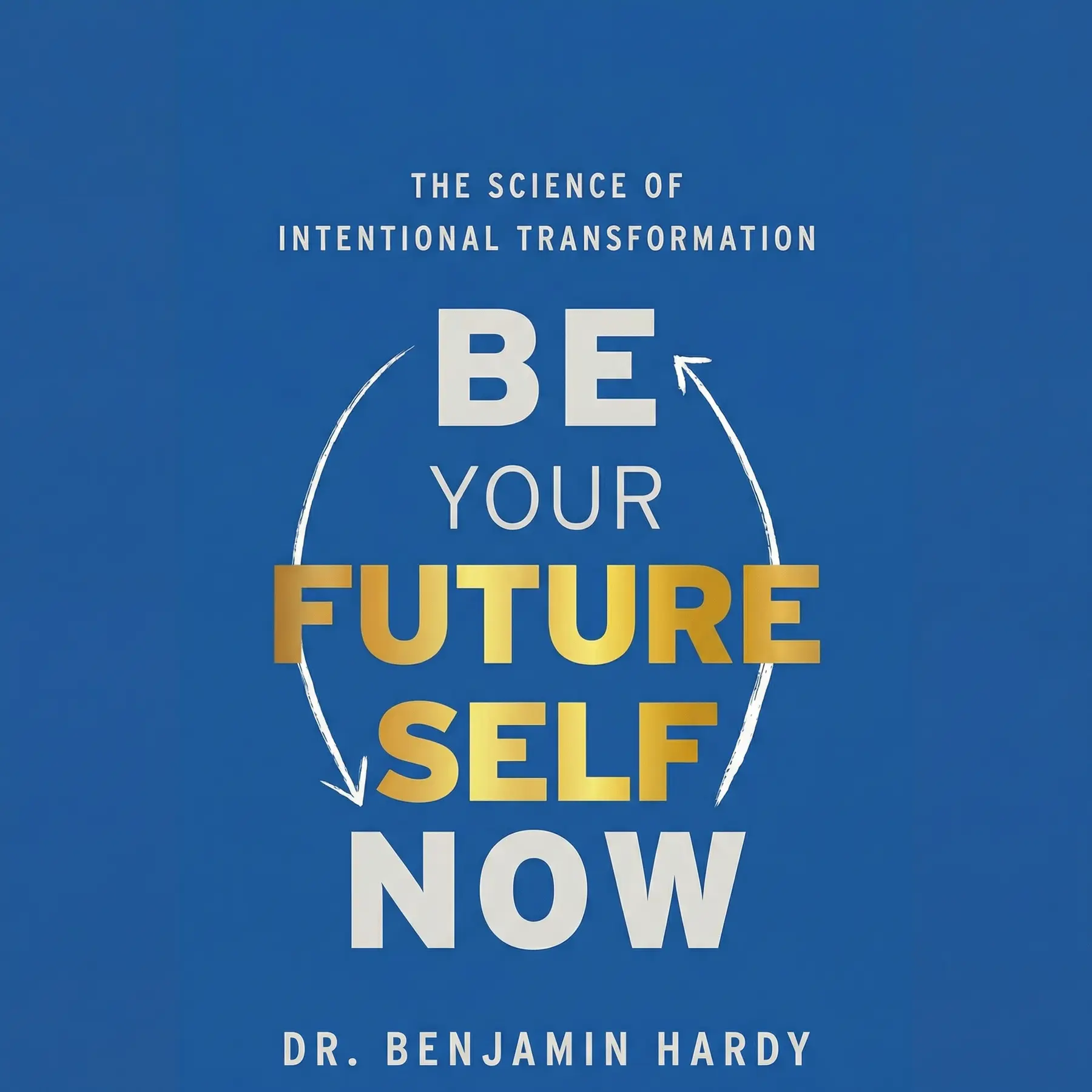
Be Your Future Self Now: The Science of Intentional Transformation
Shows how the future self you picture shapes today's choices. You learn to define that person clearly, remove the threats that shrink them, and turn their habits into automatic systems and finished work.
Table of Content
1. Introduction
1 min 06 sec
Most people set goals from who they are today, then watch those goals fade by February. In Be Your Future Self Now, organizational psychologist Benjamin Hardy argues that this gets motivation backward. Until the 1990s, psychology largely treated people like falling dominoes, moved by whatever came before. Then a group of researchers calling themselves positive psychologists proposed the reverse: we are drawn forward by the futures we picture.
Think about anything you did this morning, and you will likely find some hoped-for or feared outcome behind it. Hardy’s case is that the future self you imagine is already steering your choices, so you can shape that self on purpose and start acting as that person today. He builds the book around threats, truths and steps, seven of each. The ones that carry his argument are two traps that shrink your future, two beliefs that enlarge it, and two habits that turn it into a weekly practice you can begin before the week is out.
2. Turn your hardest moments into a better story
1 min 50 sec
A teenage driver, a dark construction zone and a mother in a coma for weeks. What she decided to make of that night says more about her next twenty years than the crash itself did.
3. Playing it safe is still a way to fail
1 min 48 sec
Choosing smaller goals feels like protection from disappointment. Hardy argues it is the one option that guarantees the outcome you fear, and he offers a short written exercise that makes the trade impossible to ignore.
4. Expect to become someone new in ten years
1 min 52 sec
Almost everyone admits they changed enormously over the past decade. Almost no one expects to change much over the next one. A Harvard psychologist’s favorite question exposes the error, and Hardy turns it into a planning tool.
5. Choose beliefs that widen what seems possible
1 min 50 sec
A potter and a pot, or an acorn and an oak. Hardy argues the image you hold about where people come from sets a ceiling on your future, whether or not you think of yourself as religious.
6. Put your future self's actions on autopilot
2 min 01 sec
Hardy made one small change after a meeting with his financial advisor, then stopped thinking about it. Three months later the result surprised him, and it shows why good intentions need less willpower than design.
7. Finish imperfect work and drop what no longer fits
1 min 53 sec
Even Leonardo da Vinci admitted his art was never truly done. Hardy explains why calling something finished too early beats waiting for perfection, and why an old saying about quitters gives bad advice.
8. Conclusion
1 min 15 sec
Hardy’s book turns the future from a place you wait for into a person you can consult. If the self you imagine already steers your choices, then leaving that self vague hands the steering to habit, fear and old wounds. His mother’s recovery shows the reverse is possible: one terrible night, retold as a lesson about purpose, became the start of a gentler and more grateful way of living.
The practice itself is modest. Sit down with a page and describe who you expect to be in ten years, in enough detail to surprise yourself. Then pick one action that person would take and make it automatic, the way a Monday transfer made investing effortless for Hardy. Guard one block of your week for that person’s work, before the urgent things arrive. And when something is nearly finished, finish it, knowing your future self will do it better because you did it now.
Near the end, Hardy quotes the author and activist Marianne Williamson, who put the stakes into one line: the world gains nothing when you shrink yourself and play small. The person you are becoming is already waiting for you to quit playing small.
About this book
What is this book about?
Most goals are set by the person we are today and dropped within weeks. Benjamin Hardy, an organizational psychologist, starts from a different idea in psychology: people are drawn forward by the futures they imagine more than they are driven by their past. If that is true, the self you picture deserves as much care as the self you are. Hardy organizes the book around threats, truths and steps, seven of each. Among the threats are a negative story about your past and the fear of failure. Among the truths are the end-of-history illusion, the belief that you are already finished, and the influence of how you see God on what you think is possible. Among the steps are systems and schedules that make your future self's actions effortless, and the habit of completing work before it feels perfect. Readers get stories from Hardy's own life, from a car crash that nearly killed his mother to a weekly automatic investment, plus exercises they can start this week: three goals you would chase if failure were impossible, a written portrait of yourself in ten years, and a calendar built around that person.
Book Information
Who it's for
Resolutions that don't stick
People whose New Year's resolutions fade within weeks and who want a clearer picture of who they are aiming to become.
Starting or switching careers
Young professionals and career switchers held back by fear of failure or by a painful past.
Perfectionists who rarely finish
Perfectionists who start many projects and finish few.
About the Author
Benjamin Hardy
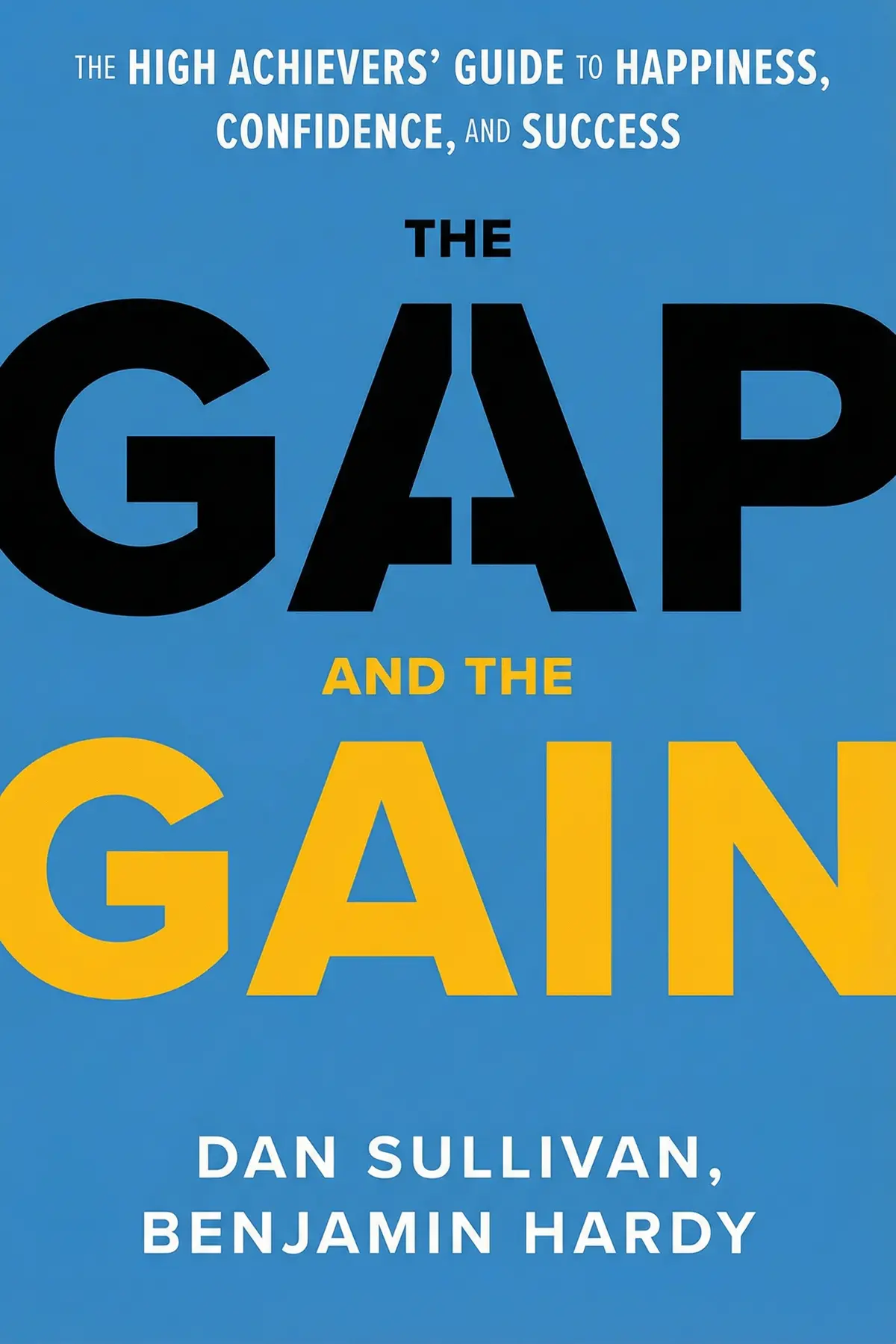
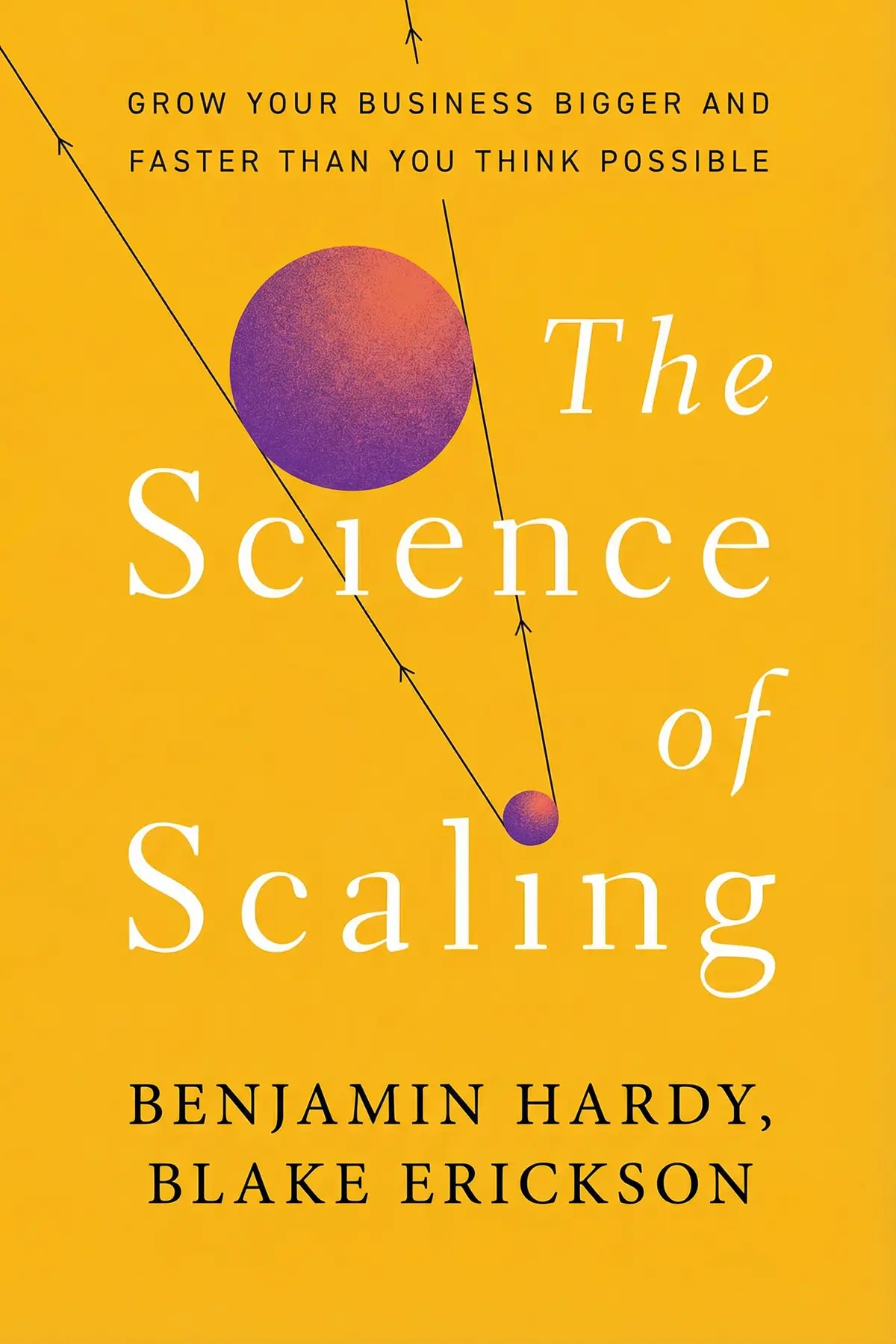
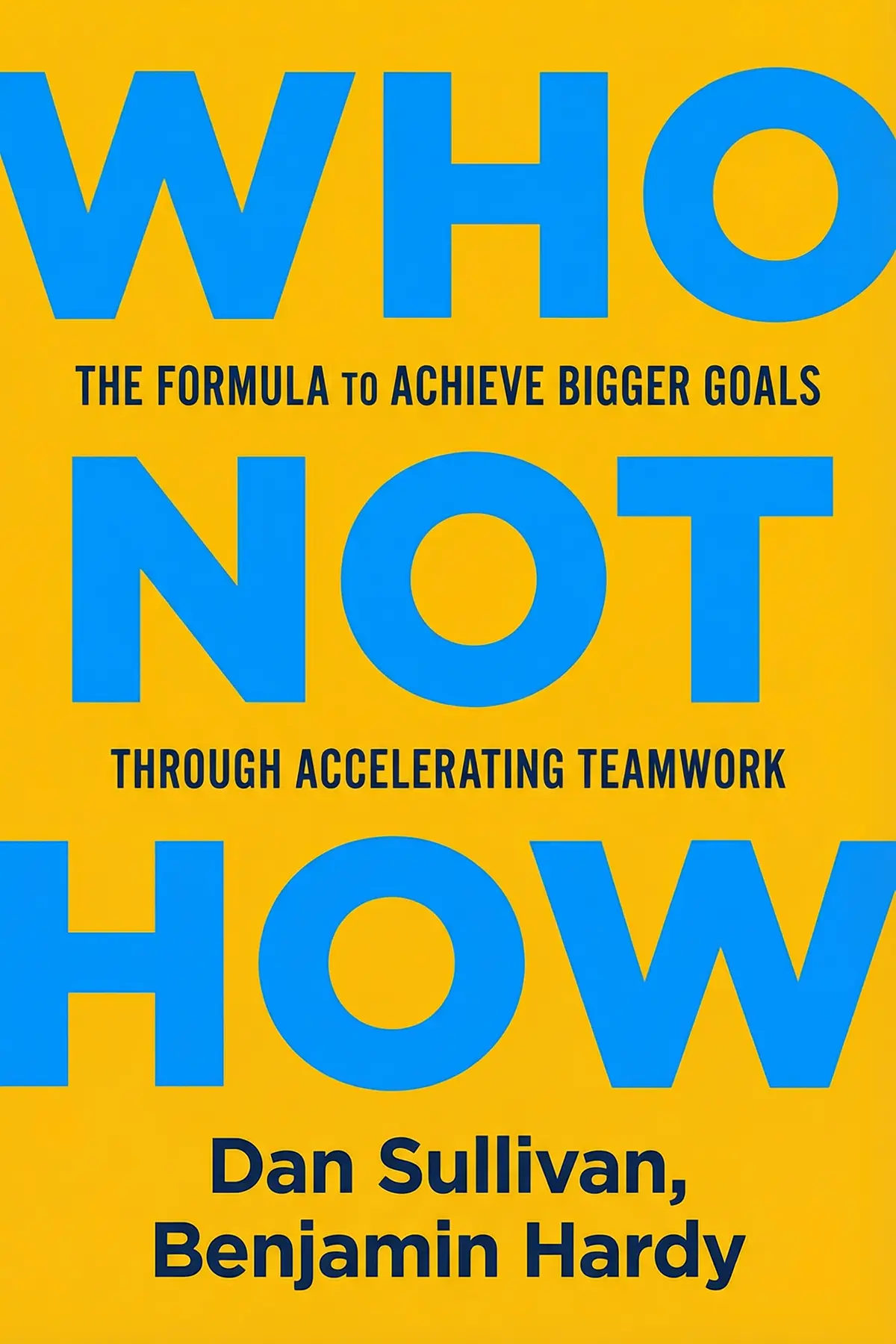
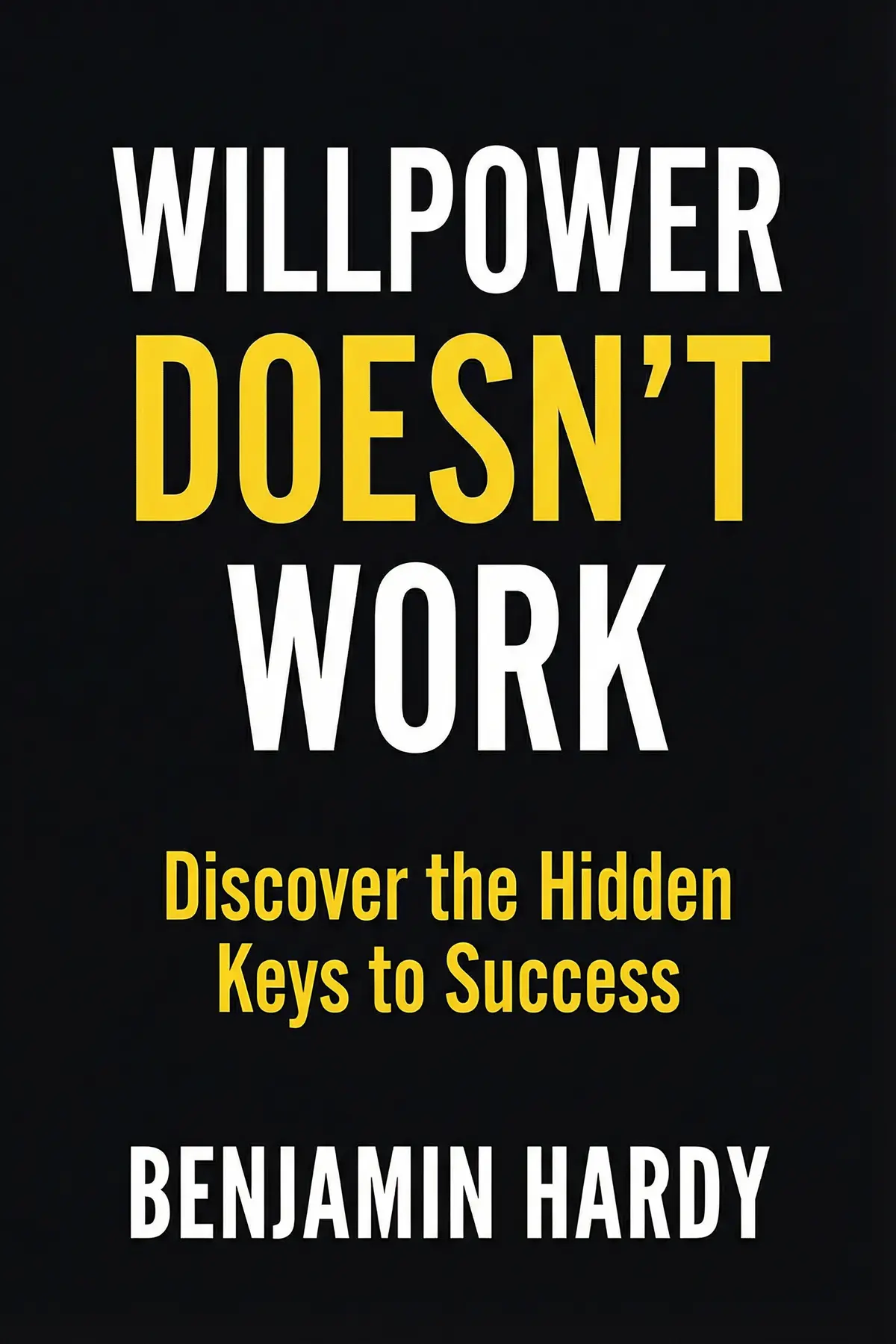
Dr. Benjamin Hardy is an American organizational psychologist with a PhD from Clemson University, where he completed his doctorate on entrepreneurial courage in 2019. He co-founded Scaling.com, a performance-based scaling program, and his work has appeared in the New York Times and Harvard Business Review. His other books include The Gap and the Gain, Who Not How and The Science of Scaling.
Ratings & Reviews
Ratings at a glance
What people think
Listeners find this work life-altering and deeply useful, featuring straightforward ideas rooted in scientific research. They value how accessible the material is, with one listener noting it can be enjoyed while exercising, and describe it as simple to put into practice, with one review highlighting the logical sequence. Listeners also enjoy the quality of the writing, with one pointing out the conversational tone, and they appreciate the motivational nature of the book, with one person saying it encourages them to pursue ambitious goals.
Top reviews
Jiraporn
Finally got around to reading this after seeing it everywhere, and it genuinely shifted my perspective on daily habits. As a retiree, I initially thought this was for the 'hustle culture' crowd, but the focus on purpose is universal. Hardy’s conversational style makes complex psychological research on prospection feel like a friendly chat over coffee. I especially appreciated the breakdown of the '7 threats,' which helped me realize how much I was letting my past dictate my current stagnation. It’s not just a pep talk; it’s a logical framework for reclaiming your agency. While some of the financial goals mentioned felt a bit out of reach for the average person, the core message about serving your future self is profoundly practical. I’ve already started making small 'deposits' for my future self to enjoy next year. Definitely a standout in the crowded self-improvement genre.
Show moreNadia
Ever wonder why you make choices that your morning self immediately regrets? Hardy uses the Seinfeld 'night guy' routine to illustrate a deep psychological truth about how disconnected we are from our future identities. The book is incredibly well-organized, moving from threats to truths to actionable steps in a way that feels like a science-based roadmap. I found the 'entering the arena' metaphor particularly stirring, reminding me that playing it safe is essentially failing by default. Personally, I think the advice on automating your future self is worth the price of admission alone. It’s a quick read, but the implementation requires real guts and consistency. This is easily one of the most practical and life-changing books I’ve read this year.
Show moreNarongrit
Dr. Hardy has a way of making high-level psychological concepts feel both urgent and easy to implement. I’ve read dozens of books on growth mindset, but this is the first one that gave me a clear, logical process for actually becoming a different person. The idea that your future drives your present—not the other way around—is a total game-changer for anyone feeling stuck in a rut. I loved the short, punchy chapters; I actually read most of this while on the stationary bike at the gym. It’s highly inspirational without being 'woo-woo,' grounding its claims in research about how the brain perceives time. Even if you don't agree with every religious or financial example, the core framework is undeniably effective. This book helped me stop making myopic decisions and start acting with a sense of bold aspiration.
Show moreRatchada
Wow, this was exactly the kick in the pants I needed to stop playing small with my career ambitions. The truth is, I was letting urgent battles and tiny goals keep me stuck in a loop of mediocrity. Hardy’s analysis of how our view of the future dictates our present behavior is both profound and deeply practical. He doesn't just tell you to 'dream big'; he shows you how to systemize your life so those dreams become inevitable. I found the section on the '7 Truths' to be the most impactful, especially the idea that your future self is a different person you must befriend. It’s an easy-to-read, science-based manual for anyone who is tired of failed New Year's resolutions. This book isn't just about 'success' in a shallow way—it's about the courage to actually live the life you want.
Show moreYui
Picked this up on a whim and was pleasantly surprised by how much it resonated with my current life transition. Frankly, I was skeptical of the title, but the '7 Steps' provided a very clear and logical process for personal transformation. I especially enjoyed the chapter on scheduling your future self—it’s such a simple shift, yet it changed how I look at my calendar every Monday morning. The author's personal story about his mother’s accident was moving and illustrated the power of narrative better than any textbook could. It’s a life-changing read if you’re willing to actually do the exercises instead of just nodding along. I’ve recommended it to three friends already because the concepts are just so easy to implement immediately. It’s inspirational, grounded, and written in a way that feels very accessible to the average reader.
Show moreDao
Look, I know the self-help market is saturated, but Benjamin Hardy actually brings something fresh and profoundly practical to the table here. By focusing on prospection—the act of looking forward—he flips the script on traditional therapy that dwells almost exclusively on the past. I found the 'Pied Piper' metaphor for our future selves to be a really effective way to visualize motivation and drive. The book is well-organized and the writing quality is top-notch, maintaining a conversational style that doesn't sacrifice intellectual rigor. While some might find his personal financial goals a bit lofty, the psychological tools he offers for closing the gap between who you are and who you want to be are genuinely powerful. It’s a great reminder to have bold aspirations and act on them today. This book will definitely be a gift for my team this year.
Show moreJib
As someone who struggles with staying focused on long-term goals, the concept of 'vicarious regret' mentioned in these pages hit me hard. The book provides a very masculine, achievement-oriented approach to self-improvement that focuses heavily on discipline and productivity. I really appreciated the specific steps for 'eliminating lesser goals' to make room for what actually matters in the long run. My only gripe is that the author can be a bit repetitive, hammering home the same points about 'entering the arena' multiple times. Still, the conversational tone kept me engaged throughout the entire weekend. It’s a very readable guide for anyone who wants to stop being a victim of their past experiences. Just be prepared for a few mentions of faith toward the end, which felt a little shoehorned in. Overall, a solid 4-star read.
Show moreKung
The concept of the 'Future Self' is fascinating, and for the most part, Hardy delivers a compelling case for changing your present through the lens of your future. I especially appreciated the sections on clarifying your contextual purpose, which helped me get my priorities in order during a chaotic time. While the writing occasionally drifts into abstractions, the core message remains powerful and easy to implement. To be frank, I wish there was more focus on emotional development rather than just career and material success, but the frameworks provided are undeniably effective. It’s a very readable guide that feels more like a coaching session than a dry academic text. If you can look past the heavy reliance on quotes from other authors, there is a lot of gold to be found here. A solid 4-star addition to my bookshelf.
Show moreVipawan
It’s hard to rate this one because while the core advice is solid, the delivery felt a bit 'off' at times. I loved the early chapters about the threats to our future self, particularly the part about how success can actually be a catalyst for failure. However, the last third of the book takes a sharp turn into religious territory that felt more like a sermon than a psychology book. Personally, I found the constant quoting of other famous authors to be a bit distracting; it felt like I was reading a summary of other people's better ideas. It’s a decent introductory text for someone new to the world of personal development, but seasoned readers might find it a bit thin. The '7 steps' are practical, but they aren't exactly revolutionary if you've already read books on habit formation or goal setting. A mixed bag for me.
Show moreRotjanee
To be fair, I expected something more grounded in day-to-day reality rather than what felt like a secular version of the prosperity gospel. The writing is often abstract and leans heavily on better works by people like Viktor Frankl or James Clear without adding much new depth. I also found it frustrating that several links to 'bonus materials' in the book were dead, which feels ironic for a book about planning for the future. Hardy speaks from a place of significant privilege, assuming we all have the bandwidth to just 'turn off' our current struggles and manifest wealth. The chapter on God felt out of place and alienating for a secular reader like myself. There are a few nuggets of wisdom about 'small goals' keeping you stuck, but they are buried under a lot of self-aggrandizing anecdotes. Not for me.
Show moreQuestions about this book
What is the main idea of Be Your Future Self Now?
Benjamin Hardy argues that people are pulled forward by the future they imagine more than they are pushed by their past. Because the self you picture already shapes your choices, you can define that person deliberately and start acting like them today. He organizes the book around threats to that future self, truths about it, and steps for becoming it, seven of each.
What is the end-of-history illusion?
It is a term from Harvard psychologist Daniel Gilbert for the belief that who you are today is basically finished. Gilbert found that people readily admit they changed a great deal over the past ten years but expect little change over the next ten. Hardy uses the idea to encourage readers to hold their current self lightly and to write a detailed picture of who they want to become.
How do I apply Be Your Future Self Now in daily life?
Start by describing yourself ten years from now: interests, values, circumstances and achievements. Then automate one action that person would take, as Hardy did with a weekly transfer into his investment account. Block fixed time in your calendar for future-self work, the way he reserves Mondays and Tuesdays for writing and filming. Finally, finish work before it feels perfect and quit what no longer moves you forward.
How does Benjamin Hardy deal with fear of failure?
Hardy argues that playing it safe is failure chosen in advance, since not acting rules out success. Drawing on Theodore Roosevelt’s speech about the man in the arena and a psychological definition of courage as committing to a worthy, risky goal, he suggests listing three goals you would chase if you could not fail, then naming the big action each would need within twelve months.
Who should read Be Your Future Self Now?
It suits people who keep setting goals that fade, those held back by a painful past or by fear of failing, and perfectionists who struggle to finish. Readers who want both a mindset shift and concrete habits, such as automated investing, protected calendar blocks and finishing imperfect work, will find practical steps they can start in a week.
Readers also enjoyed

59 Seconds: Change Your Life in Under a Minute
Richard Wiseman





A Guide to the Good Life: The Ancient Art of Stoic Joy
William B. Irvine


A High-Performing Mind: Strengthen Your Mind and Live Your Best Life
Andrew D. Thompson


Abundance: The Inner Path to Wealth
Deepak Chopra
AUDIO SUMMARY AVAILABLE
Listen to Be Your Future Self Now in 15 minutes
Get the key ideas from Be Your Future Self Now by Benjamin Hardy, plus 5,000+ more nonfiction titles.
- 5,000+ titles
- Listen as much as you want
- 7-day free trial
- Cancel anytime









