
13 min 07 sec
Available in: English
 ไทย
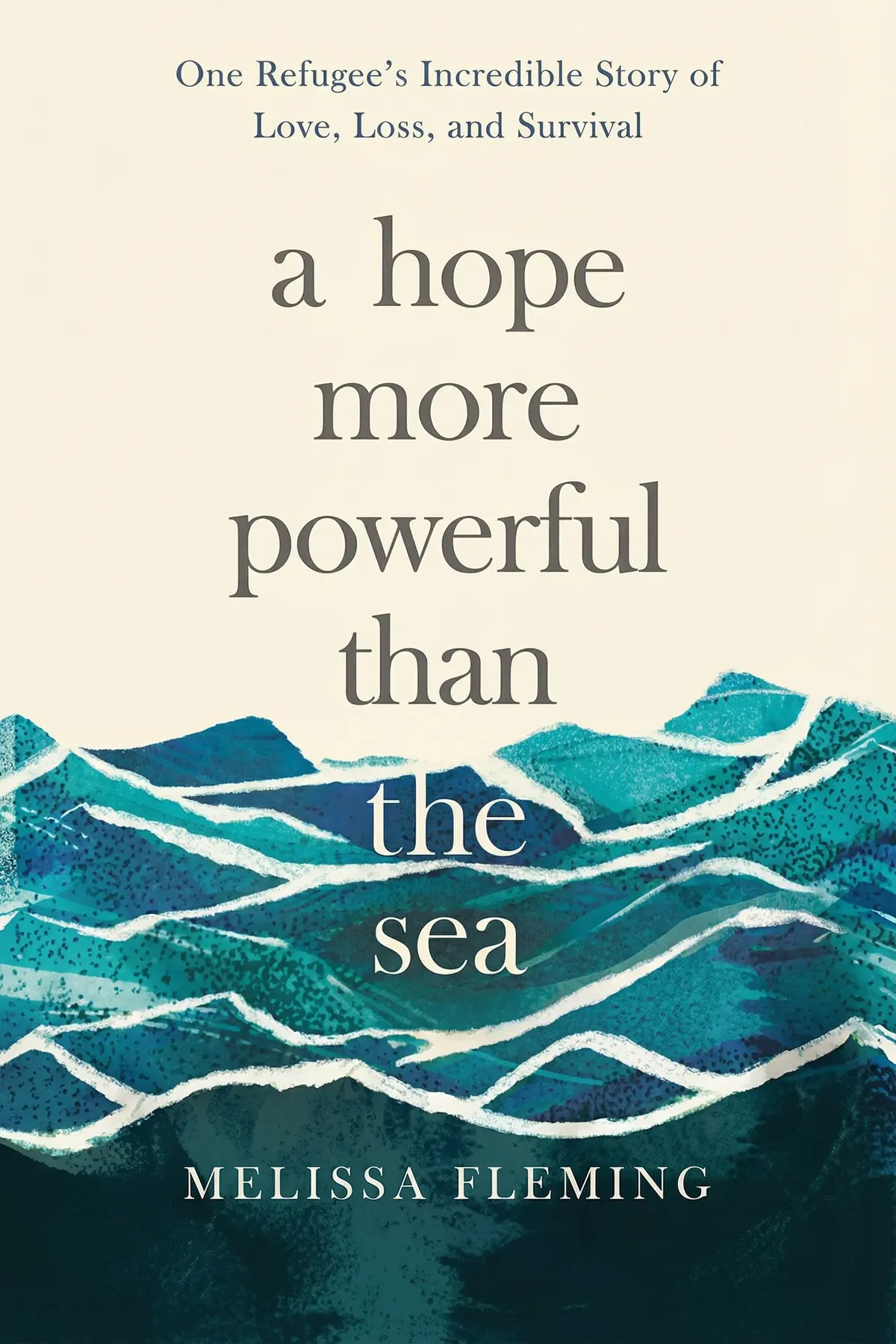
EnglishไทยPageboy: A Memoir
By Elliot Page
A trans actor's account of decades spent hiding to fit what family and Hollywood demanded, and of the honesty, first as a gay man and then as a trans man, that finally let him breathe.
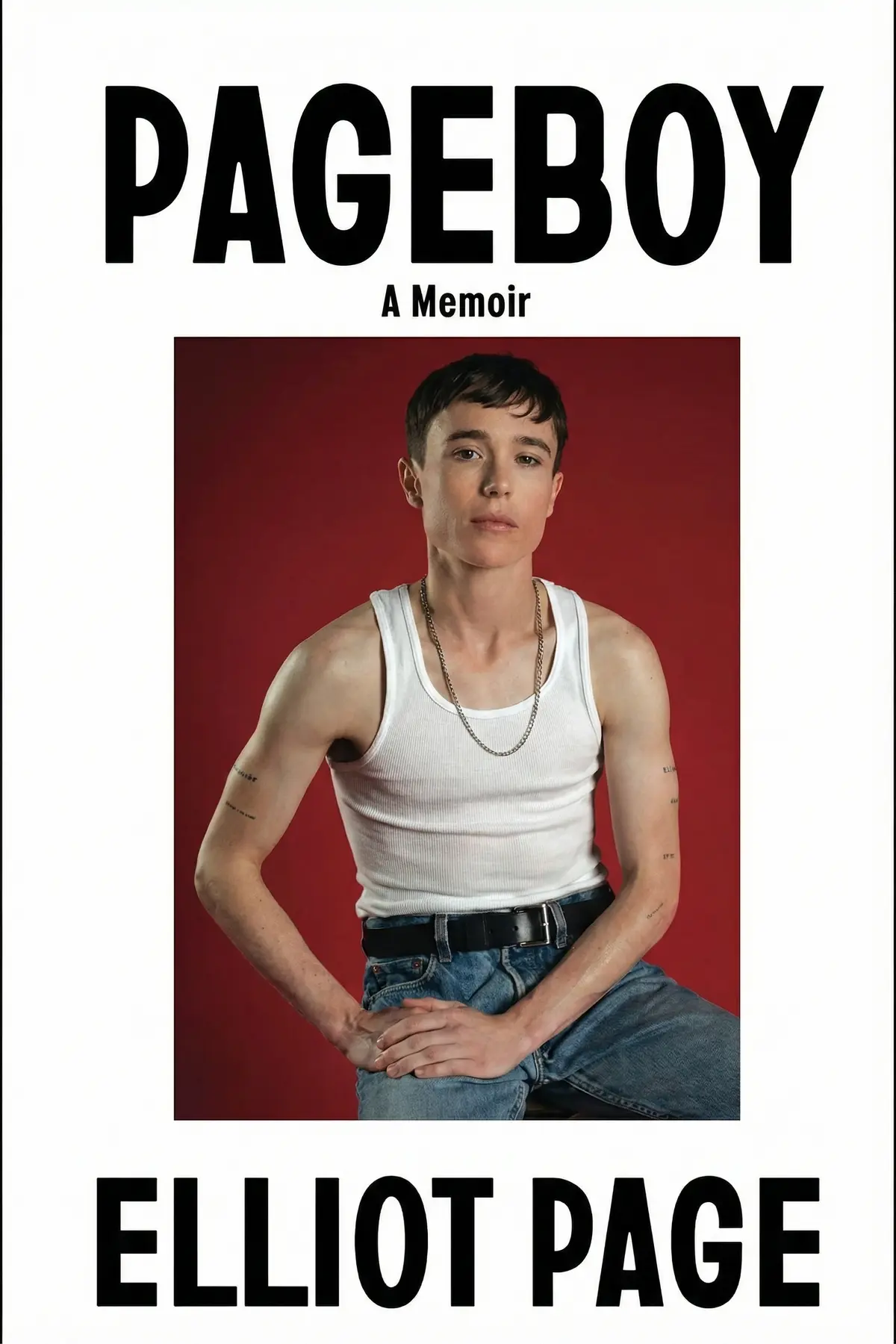
Table of Content
1. Introduction
1 min 03 sec
If you know trans lives mostly through headlines and hostile laws, the picture you have is probably flat. In Pageboy, the actor Elliot Page shows how little about his transition was sudden: at six he asked his mother if he could be a boy, and it took him decades to give himself the answer she would not.
Page, the star of Juno and The Umbrella Academy, tells how pretending to fit, first at home and then in Hollywood, turned into panic, self-harm and years of avoiding his own reflection. Every turn in his story points the same way. Hiding never ended the pain, and each act of honesty, however frightening, made more room to live.
The memoir touches on abuse, self-harm and an eating disorder, so listen with care. What follows is a clear view of one trans life from the inside, and a sharper sense of what family, friends and colleagues can do to help someone stop hiding, or to keep them hidden longer.
2. See how a child learns to hide himself
1 min 53 sec
A boy’s toys, a football team and a stack of love letters to an imaginary partner. Each small moment in a Halifax childhood carried a lesson that would take Page decades to unlearn.
3. What a young star needed instead of anger
1 min 50 sec
A child actor found a fan who seemed to understand him, and the messages felt like a lifeline. What happened next, and how the adults reacted, left marks that a hit show could not cover.
4. Understand the toll of playing straight for Hollywood
1 min 53 sec
Red carpets, designer gowns and a breakout hit looked like the dream. Behind them sat a double standard about who gets praised for queer stories, and a young actor paying for it every day.
5. A step away that shows you who you are
1 min 24 sec
Exhausted after a film shoot, a movie star went looking for something far from Los Angeles. A small community and one good friend helped him admit what years of dating had never changed.
6. Telling one truth can help you reveal another
1 min 51 sec
A speech in 2014 lifted a weight Page had carried since his teens. Yet the freedom it brought also exposed something he still could not name, even surrounded by people who understood him.
7. Trust the moment you finally recognize yourself
1 min 58 sec
A walk in a city park with a small dog, a stranger’s casual greeting, and a cabin in the woods. The final turn in Page’s story came from exhaustion as much as courage.
8. Conclusion
1 min 15 sec
Pageboy is, finally, a record of what hiding costs. The six-year-old already knew who he was. What held him back for decades was a chain of small corrections: a dress at a family party, a football team he had to leave, a gown at a premiere. Each one asked him to fit, and each one pushed the pain somewhere else, into panic, self-harm and a reflection in a shop window he could not bear.
Page is open about his luck. He is a wealthy actor who could get trans healthcare when he needed it. He also insists that the struggle behind his choices was as real as anyone’s. Today he uses his voice to challenge misinformation and to teach people about LGBTQ+ lives, though setting an example was never his goal.
The book supports a couple of practical habits. When someone tells you who they are, especially a child, listen before you correct, because Page’s story shows how long one no can echo. And when a trans person’s change seems sudden, assume a long history you have not seen.
A man walking his dog in a park, greeted as sir by a stranger, felt a rush of recognition. It took him most of his life to reach that path.
About this book
What is this book about?
Hostile headlines and new laws shape how many people picture trans lives, often without hearing from trans people themselves. Elliot Page, the actor behind Juno and The Umbrella Academy, answers with his own story, told from the inside. He begins with a six-year-old in Halifax who asked his mother if he could be a boy and was told no. From there he follows the cost of fitting in: a lonely childhood of private games, an adult fan who preyed on a child actor, panic attacks and self-harm in his teens, and a Hollywood that praised straight actors in queer roles while pushing him into gowns and heels. He describes coming out as gay in 2014, then realizing that one truth had uncovered another, and finally his transition during the pandemic. Readers get an honest picture of what gender dysphoria feels like over a lifetime, why a transition that looks sudden rarely is, and how the people around a child or colleague can either deepen the hiding or help end it.
Book Information
Who it's for
Curious about trans lives
Readers who want to understand trans lives from a first-person account rather than from headlines.
Supporting someone questioning gender
Parents, teachers and managers supporting a child, student or colleague who is questioning their gender.
Queer and trans community
Queer and trans people looking for a story about hiding, coming out and finally living openly.
About the Author
Elliot Page
Elliot Page was born in Halifax, Nova Scotia, in 1987 and began acting in television before Hard Candy and X-Men: The Last Stand brought wider attention. Juno earned him an Academy Award nomination, and his later work includes Inception, The Umbrella Academy and the documentary series Gaycation, which he hosted. He directed There's Something in the Water and has long spoken out for LGBTQ rights. He came out as a trans man in 2020, and in March 2021 he became the first openly trans man on a Time magazine cover. Pageboy, published in June 2023, is his first book.
Ratings & Reviews
Ratings at a glance
What people think
Listeners describe this memoir as gripping and deeply moving, with one person pointing out the way the story leaps across various periods and life events. The writing is considered courageous, candid, and high-quality, with one listener even calling the work a literal life saver. They value the book's deep perspective, as one listener praised its no-holds-barred look into the author's life.
Top reviews
Jom
The title alone is a stroke of genius, but the content within is what truly stays with you long after the final page. Elliot’s prose is surprisingly lyrical, clearly influenced by Maggie Nelson, which gives the heavy themes of gender dysphoria and Hollywood abuse a poetic, almost ethereal quality. It’s a no-holds-barred account that feels like a literal life saver for anyone struggling with their identity. While the non-linear structure might confuse some, it mirrors the fragmented nature of trauma and the slow process of piecing oneself back together. Frankly, the courage it took to publish this, especially regarding the family estrangement and the visceral homophobia he faced, is staggering. It’s a mesmerizing read that demands your full attention.
Show moreSing
Rarely does a celebrity memoir feel this raw and unshielded. Pageboy is an incredibly brave exploration of what it means to finally come home to yourself after decades of being forced to play a role. The way Elliot describes the 'picket fence' expectations of his childhood versus his internal reality was heart-wrenching. I found the non-linear narrative to be a perfect representation of how memory works—it isn't a straight line; it's a series of flashes and feelings. Look, it’s a difficult read because the homophobia is constant and exhausting, but the ending is so hopeful. It’s a courageous, life-affirming book that I’ll be thinking about for a long time. King behavior only!
Show moreJeeranan
Wow. Elliot really didn't hold back anything here. This is a gutsy, uncompromising look at the violence of the closet and the beauty of finally breaking free. I was moved to tears by his descriptions of the 'intense self-loathing' he felt before transition and how something as simple as a haircut could feel like a revolution. To anyone saying it's too 'graphic' or 'unstructured'—I think that's the point. Life isn't a tidy movie script with a clear three-act structure. It’s messy and painful and sometimes confusing. Pageboy is an essential, captivating piece of queer history that feels like a hand reached out to anyone still hiding. Absolute five stars for the vulnerability alone.
Show moreSiriphen
As someone who has followed Elliot’s career since Juno, I found this deeply moving but technically messy. The book provides a raw, emotionally engaging look at the cost of fame when you’re forced into a mold that doesn't fit. I was particularly struck by the descriptions of his physical transition and the relief of top surgery, though I wish these moments of joy weren't so buried under reams of trauma. The tea about his relationship with Kate Mara felt a bit out of place compared to the more philosophical sections, yet it added to the 'no-holds-barred' feel. Personally, I think this is a vital read for understanding the trans experience in the public eye, even if the timeline jumps around too much.
Show moreThongchai
Picked this up during a trans rights readathon and couldn't put it down despite the heavy subject matter. The writing is evocative and the descriptions of gender dysphoria are some of the most visceral I have ever encountered. I loved the honesty about family dynamics and the complexity of his relationship with his father. However, I did find the structure a bit distracting; jumping from 2021 to 2005 in the middle of a chapter can be jarring. I also would have loved to hear more about his time filming Gaycation, as that seemed like such a pivotal moment for his activism. Overall, it is a captivating and honest reflection on the struggle for authenticity.
Show moreClaire
After hearing so much buzz, I was surprised by how quiet and poetic the actual prose was compared to the 'tea' being discussed online. Elliot captures the claustrophobia of the closet with such precision that it’s often painful to read. I particularly appreciated the subtle way he acknowledges his privilege while still highlighting the universal struggle of being perceived as something you aren’t. My only real gripe is that the transition itself—the joy and the 'new fangled' feelings—gets much less page time than the years of suffering preceding it. It’s a brave, necessary addition to queer literature, even if the structure is a bit of a mess. Definitely listen to the audiobook if you can; his narration adds a lot of depth.
Show moreAey
Choosing to write a memoir in such a fragmented, non-linear way is a bold move that didn't always land for me. One minute we are at age 7, then 22, then 30, then back to 12; it felt like a jigsaw puzzle where half the pieces were missing. I appreciated the honesty regarding his eating disorder and the constant, crushing homophobia of the industry, yet I found myself wishing for more introspection. It felt like a list of events—some quite graphic, like the Kate Mara section—without enough deep analysis on how these moments shaped his current worldview. To be fair, the writing is beautiful in spots, but a more rigorous editor could have helped weave these threads into a stronger narrative.
Show moreWit
Truth is, I finished Pageboy feeling like I knew more *about* Elliot but didn't necessarily know *him* better. There is a startling lack of introspection for a book about such a monumental life shift. He recounts horrific incidents of violence and harassment but then moves on to the next story without really dissecting the impact. It feels like he is protecting himself by keeping the reader at arm's length. The section on his relationship with Kate Mara was surprisingly graphic, yet other major life events were barely a footnote. It’s well-written on a sentence level—very poetic—but as a memoir, it feels like a collection of disjointed notes rather than a fully realized journey.
Show moreNit
I really wanted to love this, but the stream-of-consciousness style felt more like a rough draft than a finished book. It’s a bummer because Elliot is such an icon, but I left the book feeling like I didn't actually know him any better. Major plot points, like his eating disorder or his marriage to Emma, are introduced and then just... dropped. The lack of a linear storyline makes it nearly impossible to follow his emotional growth. Instead of a cohesive memoir, it reads like a devastatingly sad Wikipedia entry filled with one-two punches of sexual assault and transphobia. It felt rushed, perhaps to hit a Pride month deadline, and desperately needed more thoughtful storytelling to tie the 'and then, but before' segments together.
Show moreKoi
To be fair, the level of trauma detailed here is harrowing, but the lack of a cohesive timeline made it a chore to get through. I found myself constantly flipping back to see how old he was supposed to be in certain chapters. It’s frustrating because there are flashes of brilliant, lyrical writing, but they get lost in the jumble. Why include so much about Kate Mara but almost nothing about his actual marriage? Why mention an eating disorder for three pages and then never bring it up again? It feels like he’s checking boxes of 'things that happened' rather than telling a story. If he wasn't already famous, I don't think this would have made it past an editor in this state.
Show moreQuestions about this book
What is Pageboy by Elliot Page about?
Pageboy is Elliot Page’s memoir of growing up trans in Halifax, becoming famous young and spending years hiding his identity to meet the expectations of family and Hollywood. He describes childhood dysphoria, an adult fan who preyed on him, panic attacks and self-harm in his teens, coming out as gay in 2014 and, during the pandemic, recognizing himself as a trans man and having gender-affirming surgery in November 2020.
What does Pageboy say about Hollywood?
Page describes a double standard. Hollywood, in his account, praises straight actors who play gay or trans characters but looks coldly on performers who live openly. After Juno he faced constant gossip about his sexuality, was pushed into gowns and heels at premieres, and dealt with paparazzi and depression. Working on Drew Barrymore’s Whip It was a rare exception, offering a supportive community of co-stars.
When did Elliot Page realize he was trans?
The feeling began early. At six, Page asked his mother if he could be a boy and was told no. Coming out as gay in 2014 brought relief, but even among queer women he still felt out of place in his body. During the pandemic, being greeted as sir while walking his dog in a New York park made him recognize his true self, and he finally sought expert care.
Who should read Pageboy?
It suits anyone who wants to understand a trans life from the inside, including parents, teachers and managers supporting someone who is questioning their gender. It also speaks to queer and trans readers who have hidden parts of themselves for work or family. The book discusses abuse, self-harm and an eating disorder, so some readers may want to approach it with care.
What can readers learn from Pageboy?
The memoir suggests that hiding who you are moves pain into the body and mind rather than ending it. It also shows how adults shape a child’s sense of safety, from a mother’s well-meant no to a father’s anger at a crisis. Page’s own lessons are compassion and acceptance, and his story is a reminder that a transition that looks sudden usually follows years of struggle.
Readers also enjoyed
Ali: A Life
Jonathan Eig

All About Love: New Visions
bell hooks

A Life Decoded: My Genome: My Life
J. Craig Venter


A Long Way Gone: Memoirs of a Boy Soldier
Ishmael Beah
All Creatures Great and Small
James Herriot


A Promised Land
Barack Obama

AUDIO SUMMARY AVAILABLE
Listen to Pageboy in 15 minutes
Get the key ideas from Pageboy by Elliot Page, plus 5,000+ more nonfiction titles.
- 5,000+ titles
- Listen as much as you want
- 7-day free trial
- Cancel anytime









