

14 min 47 sec
Available in: English
Ours Was the Shining Future: The Story of the American Dream
Explains why American prosperity was once widely shared and why that faded, tracing the rise and fall of democratic capitalism through unions, business culture, free-market ideas, immigration and public investment.
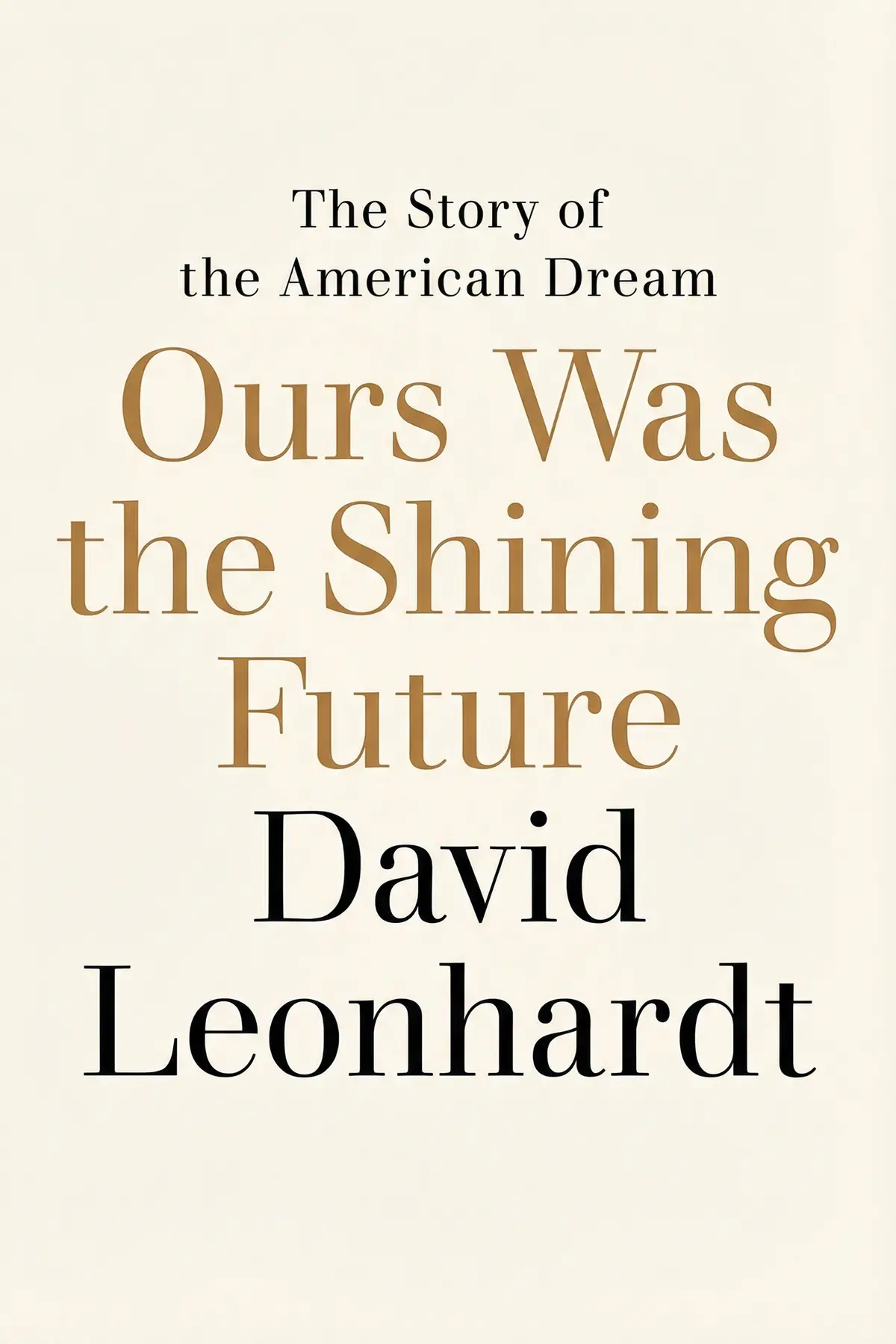
Table of Content
1. Introduction
1 min 05 sec
If the American Dream now sounds like a bitter joke, David Leonhardt wants to show you that it once worked, and why. In Ours Was the Shining Future, the longtime New York Times journalist traces what he calls the Great American Stagnation to two problems: growth slowed and inequality widened. Life expectancy has begun to fall, living standards have stalled, and Generation X and Millennials have watched their chances of earning more than their parents shrink.
Leonhardt’s explanation is that shared prosperity was never an accident of markets. It appeared when three forces lined up behind working people: power, culture and investment. It faded when they drifted apart and politics lost touch with the working class.
His story runs from a 1934 drivers’ strike to today’s arguments over immigration and public spending. Along the way it hands you a test for any economy, including the one you work in: who holds power, what business believes it owes, and what is being built for later.
2. Workers win when they have political allies
1 min 53 sec
A group of striking drivers in Minneapolis forced employers to give ground in the middle of the Depression. Leonhardt argues their courage alone would not have been enough, and what tipped the balance still decides most fights for change.
3. Good wages and healthy profits can grow together
1 min 45 sec
For decades, the business playbook said profit meant holding pay down. Then a generation of business leaders and one unexpected Republican president tried something else, with results that can be hard to imagine today.
4. Spot the moment a coalition loses its base
1 min 40 sec
In the 1960s, a hopeful new movement full of bright young people seemed set to renew liberal politics. Instead, it helped hand working-class voters to the other side. The reason had little to do with its goals.
5. See how a crisis lets waiting ideas take over
1 min 55 sec
A set of free-market ideas sat on the shelf for more than a decade, ignored by the people in power. Then the economy stumbled badly, and a new president turned them into national policy almost overnight.
6. Judge a boom by where the money goes
1 min 41 sec
The 1990s are often remembered as golden years for the economy. Look at who actually collected the gains, Leonhardt suggests, and a very different picture appears, one that a single percentage shows with uncomfortable clarity.
7. Win back workers without abandoning immigrants
1 min 49 sec
Few issues split voters as sharply as immigration, and Leonhardt thinks one side has been losing working-class support over it for years. His proposed fix rests on a distinction many immigrant voters already make themselves.
8. Build a better future by investing in it
1 min 48 sec
The United States is one of only a few countries lacking one particular family policy. Leonhardt reads that gap as a symptom of a much older retreat, and he borrows a famous economist’s balance to describe the way back.
9. Conclusion
1 min 11 sec
Leonhardt turns a tired slogan back into a history with causes. The American Dream, in his account, was something people built after the Depression. Government gave workers real power, business leaders decided national prosperity served them too, and public money went into the long term. When the 1970s crisis hit and Democrats seemed to stop listening to working people, a harsher capitalism returned, and the gains have flowed upward ever since.
That framing makes the stagnation less mysterious, and less permanent. If the dream came from choices, other choices can bring it back.
You can borrow his lens without sharing all of his politics. When an economy is said to be booming, check whether wages are rising along with profits. When a movement or a party claims to speak for working people, ask whether those people feel heard. And when a budget is drawn up, notice how much of it goes to the people who will live in the future it describes.
The shining future of the title once looked real to a coal driver on strike in Minneapolis. Leonhardt’s case is that it can look real again, once the people in power choose to stand beside him.
About this book
What is this book about?
The phrase American Dream now often comes with an eye roll. Living standards have stalled, life expectancy has started to fall, and younger generations have seen their odds of outearning their parents shrink. Journalist David Leonhardt calls this the Great American Stagnation and traces it to slower growth and wider inequality. His angle is historical. Broad prosperity, he argues, appeared after the Great Depression, when workers gained political allies, business leaders came to believe shared gains were good for them too, and government invested in the long term. He calls that balance democratic capitalism. It began to break in the 1960s, as unions grew complacent and the New Left lost touch with working-class voters, and it gave way in the Reagan years to a harsher, deregulated model. Readers get a clear story running from a 1934 strike in Minneapolis to today's fights over corporate profits, immigration and public spending, plus a way to judge any economy by who holds power and who shares in the gains.
Book Information
Who it's for
Workers facing flat wages
Professionals frustrated by stagnant pay who want to understand how the economy came to work this way.
History, economics, politics students
Students of history, economics or politics looking for one clear story from the Depression to today.
Business owners and leaders
Managers and founders weighing what a business owes its workers and its country.
About the Author
David Leonhardt
David Leonhardt is an American journalist who joined The New York Times in 1999 and has worked there as a magazine writer, economics columnist, Washington bureau chief, Op-Ed columnist and an editor of The Upshot, its section on politics, policy and economics. He also co-hosted the podcast The Argument and earlier wrote for Business Week and The Washington Post. He won the Pulitzer Prize for Commentary in 2011.
Ratings & Reviews
Ratings at a glance
What people think
Listeners find the work thoroughly researched and accessible, with one review mentioning how it deftly combines history and economics. Furthermore, they regard it as one of the most influential books, as one listener points out its practical suggestions for revitalizing the American Dream. The caliber of the writing also receives praise, with one listener specifically appreciating the author’s evenhanded approach.
Top reviews
Montri
Leonhardt has crafted a masterpiece of economic storytelling that manages to be both profoundly informative and surprisingly readable. By using the data-driven insights of Raj Chetty, the author demonstrates exactly how the American Dream transitioned from a reliable reality to a distant, farcical hope for many. His exploration of 'democratic capitalism' versus the 'rough and tumble' variety provides a vital framework for understanding why our current system feels so broken. I particularly appreciated the focus on the three pillars of power, culture, and investment as the drivers of mid-century prosperity. While some might find the historical vignettes a bit dense, they add a necessary human element to the cold statistics of wage stagnation. This book offers more than just a autopsy of the past; it provides a blueprint for a future where growth is shared once again. Frankly, it is the most essential reading on the US economy I have encountered in years.
Show moreEthan
Finally got around to reading this, and it’s a stunningly evenhanded look at how we lost our way. Leonhardt doesn't pull his punches when calling out the shortcomings of his own party, particularly regarding the shift toward elite identity politics. He illustrates how the 1973 oil embargo acted as a catalyst for a neoliberal turn that decimated the working class. The contrast between FDR’s investment-heavy government and Reagan’s deregulated 'rough and tumble' capitalism is painted with incredible clarity. I was particularly struck by the discussion on how corporations once restrained their greed for the sake of the broader community. It’s rare to find an economics book that balances such vast history with practical suggestions for revitalizing social cohesion. Even if you don't agree with every political conclusion, the data on life expectancy and earnings growth is impossible to ignore. This is a sweeping, brilliant view of our national trajectory.
Show moreSirirat
Rarely does a book about economics feel this urgent or this relevant to my daily life. The author masterfully connects the dots between union decline, corporate greed, and the feeling of directionlessness in modern America. I loved the deep dive into 'communalists' versus 'universalists' regarding immigration policy, as it moved past the usual partisan talking points. Leonhardt proves that the prosperity of the middle class wasn't an accident but the result of intentional policy choices. The way he integrates the work of Robert Gordon and Raj Chetty makes the evidence for his claims feel rock-solid. Some chapters are admittedly long, but the pay-off in understanding our current political divide is worth every minute spent. It’s an influential work that manages to stay optimistic despite the daunting nature of the problems it describes. We need more thinkers who are willing to look at the history of 'democratic capitalism' with this much nuance.
Show moreMichael
Ever wonder why the middle class feels like it’s drowning despite the record-breaking success of companies like Amazon and Google? Leonhardt provides a comprehensive answer by looking at the intentional dismantling of labor power over the last forty years. He shows how the shift from 'we're all in this together' to 'every man for himself' destroyed our social fabric. I found the sections on the importance of government investment in research and innovation to be particularly enlightening and persuasive. The author’s ability to weave together personal vignettes with large-scale economic trends makes for a truly engaging narrative. It’s a long book, but the clarity of the prose kept me turning pages even during the more technical sections. Personally, I think this should be required reading for anyone in Washington who actually cares about the future of the country. This book is a rare combination of rigorous data and deep human empathy.
Show moreMint
David Leonhardt managed to make sense of the last eighty years of American history in a way that feels both fresh and essential. He brilliantly illustrates how the 'shining future' we were promised was traded away for short-term corporate profits and tax cuts for the wealthy. The way he champions the 'blue-collar' perspective without falling into populist tropes is a testament to his skill as a journalist. I was particularly impressed by the discussion on infrastructure and how basic government spending once fueled a generation of unprecedented growth. The book manages to be deeply sobering about our current state while remaining hopeful about the possibility of reform. To be fair, some of the biographical sections peter off toward the end, but the overall thesis remains incredibly strong. This is a vital contribution to the conversation about wealth inequality and the future of the American experiment. Pick this up if you want to understand the real forces shaping our economy today.
Show moreZoe
As a Gen Xer who grew up seeing the shift in real-time, I found this analysis both nostalgic and deeply sobering. Leonhardt traces the trajectory of the American Dream from the post-WWII boom through the stagnation that began in the eighties. His writing style is accessible, avoiding the dense jargon that usually makes economic texts feel like a chore to get through. The book is most successful when it highlights the balance between labor, business, and government during the halcyon days of the fifties. Truth be told, there are moments where the prose becomes a bit dry, especially when he introduces a barrage of lesser-known figures. However, the overarching argument about the need for renewed public investment in education and infrastructure is incredibly compelling. It’s a well-researched guide for anyone trying to put current trends of income inequality into a broader historical context.
Show moreSurasit
The chapter on the 1965 immigration bill was a total eye-opener for me. Leonhardt explores how unintended consequences of legislation shaped the current cultural and economic landscape in ways few other authors have dared to touch. I appreciate how he avoids the typical 'liberal elite' coastal perspective by actually examining the blighted towns of the Midwest. The writing quality is top-notch, though the author is occasionally repetitive when hammering home his points about the Reagan revolution. In my experience, most books on this topic are either too academic or too partisan, but this one strikes a refreshing balance. He acknowledges the role of government in regulating the economy without calling for a complete state-run system. While he could have spent more time on the impact of gerrymandering, the focus on 'culture and power' is unique. It’s a solid four-star read for anyone interested in why the middle class is struggling to survive.
Show morePloy
Not what I expected from a New York Times columnist, as he is surprisingly critical of the Democratic Party's shift toward the educated elite. Leonhardt argues that the party has abandoned its working-class roots in favor of 'identity politics,' which has alienated a massive segment of the population. This evenhanded approach makes his call for a return to 'democratic capitalism' feel more credible and less like a partisan screed. I struggled a bit with the density of the middle chapters, which felt a bit like a name-dropping exercise of historical figures. Still, the core message about the necessity of strong unions and public investment is delivered with great power and conviction. The author is right to point out that material decline is often the root cause of our sociocultural dysfunction. It’s a thoughtful, if somewhat dry, exploration of how the American Dream became so distant for so many. This book really puts our current national anxiety into its proper historical context.
Show moreOrawan
While the historical research is undeniably thorough, the narrative occasionally feels lopsided and repetitive. Leonhardt’s thesis rests heavily on the breakdown of the New Deal consensus, but he spends an exhausting amount of time blaming 'dirty student protesters' and the New Left for our current woes. He seems to suffer from a serious addiction to political aestheticism, prioritizing the imagery of civil discussion over the actual results of social justice movements. It is frustrating to see the Civil Rights era and leaders like MLK or the Black Panthers sidelined in favor of white heteronormative labor history. To be fair, his explanation of complex economic concepts for a layperson is quite impressive and easy to follow. However, the book often ignores the influence of dark money in politics, which makes his 'grassroots' solutions feel somewhat naive. It is a decent history, but it lacks the radical perspective needed to address today’s extreme wealth inequality.
Show moreSienna
The truth is, this book feels like a eulogy for a version of America that only existed for a very specific subset of people. Leonhardt writes fondly of the New Deal era while largely glossing over the fact that that prosperity was mostly for white males. He seems to believe that if we just asked more nicely for equality, the system would magically fix itself. The focus on political aesthetics—looking good rather than doing good—is a recurring theme that I found quite annoying throughout the text. Not gonna lie, the micro-biographies of business leaders started to feel like filler about halfway through the book. Despite these flaws, his explanation of how manufacturing jobs moving overseas led to 'deaths of despair' is quite moving and well-supported. It’s a decent primer for laypeople, but more sophisticated readers might find the economic analysis a bit simplified. It is a long read that could have benefited from a much tighter edit.
Show moreQuestions about this book
What is the main argument of Ours Was the Shining Future?
David Leonhardt argues that the American Dream of broadly shared prosperity grew out of the decades after the Great Depression, when power, culture and investment all favored working people. He calls that balance democratic capitalism. It weakened in the 1960s and was replaced in the 1980s by a deregulated, rough-and-tumble capitalism, which he links to slower growth and widening inequality since then.
Why does David Leonhardt think unions mattered so much?
In Leonhardt’s account, unions gave workers the collective power to win higher wages and safer conditions, as the 1934 Minneapolis coal drivers’ strike showed. He stresses that they succeeded because leaders like Roosevelt and Perkins backed them, through laws such as the 1935 Wagner Act. He also argues that strong unions spread wealth more widely without harming the economy.
What caused the decline of the American Dream according to Leonhardt?
He points to several linked changes: complacent and sometimes corrupt unions, a New Left that alienated working-class voters, and the free-market ideas of Robert Bork and the Chicago School, which Reagan adopted after the 1970s slump. Tax cuts, deregulation and reduced public investment followed, and by the early 2020s corporate profits claimed more than seven percent of national income, compared with a postwar average of 5.5 percent.
What does Leonhardt say about immigration?
He describes a 1965 law whose loopholes raised legal immigration from about 290,000 a year to over one million by 2001. He credits immigrants with growing the economy and creating businesses, but cites a 2017 National Academy of Sciences report linking immigration policy to effects on wages, working-class jobs and union power. He urges liberals to stay pro-immigrant while being more flexible on immigration levels.
How can I apply the ideas in Ours Was the Shining Future?
The book offers a way to judge any economy or organization. Look at who holds power and whether working people have allies. Check whether wages rise along with profits instead of trusting headline growth. And examine budgets for how much goes to the young and the less powerful, since Leonhardt ties the country’s stagnation to a long decline in that kind of investment.
Readers also enjoyed
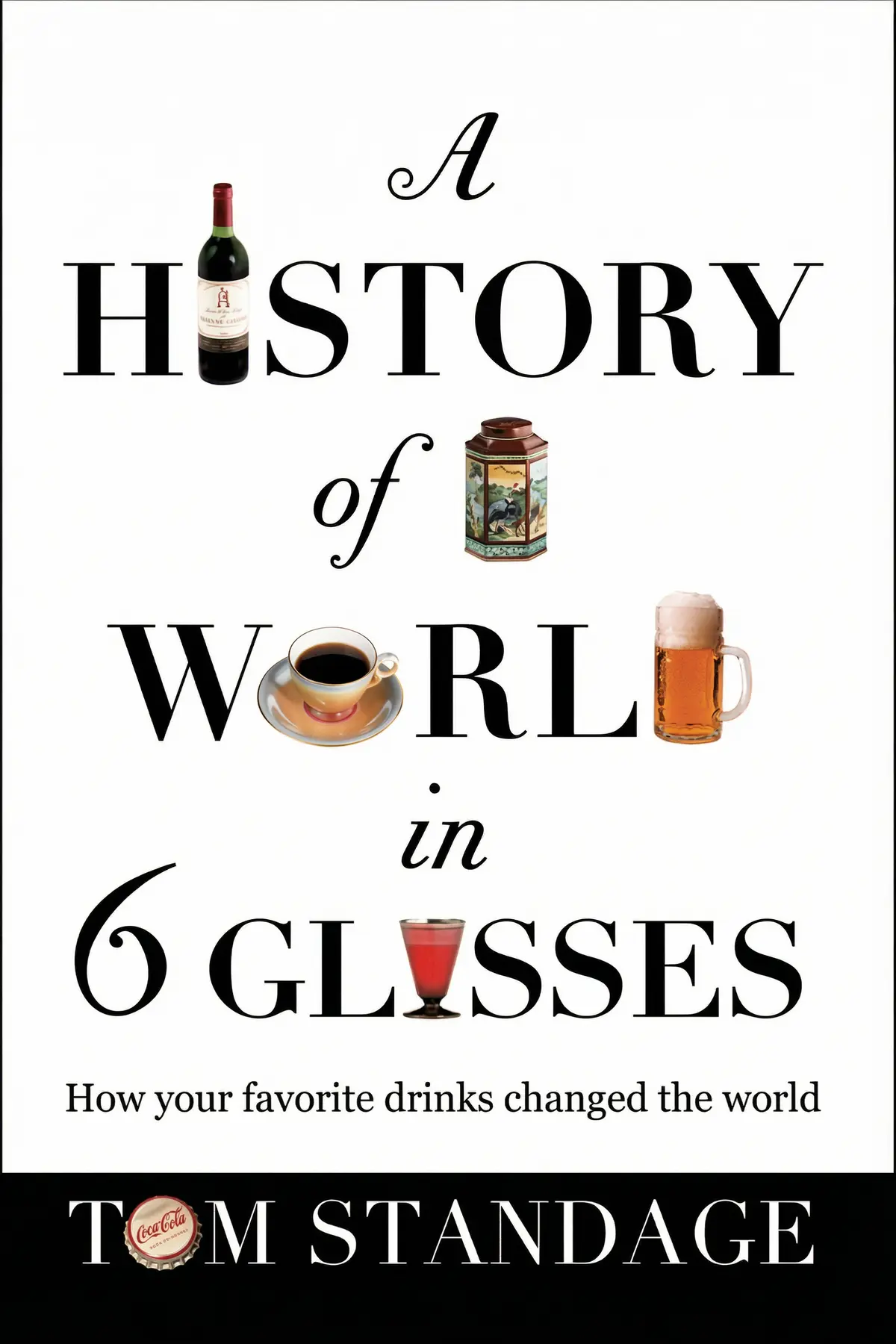
A History of the World in 6 Glasses
Tom Standage

A Splendid Exchange: How Trade Shaped the World
William J. Bernstein

A Long Way Gone: Memoirs of a Boy Soldier
Ishmael Beah






AUDIO SUMMARY AVAILABLE
Listen to Ours Was the Shining Future in 15 minutes
Get the key ideas from Ours Was the Shining Future by David Leonhardt, plus 5,000+ more nonfiction titles.
- 5,000+ titles
- Listen as much as you want
- 7-day free trial
- Cancel anytime









