
14 min 23 sec
Available in: English
 ไทย
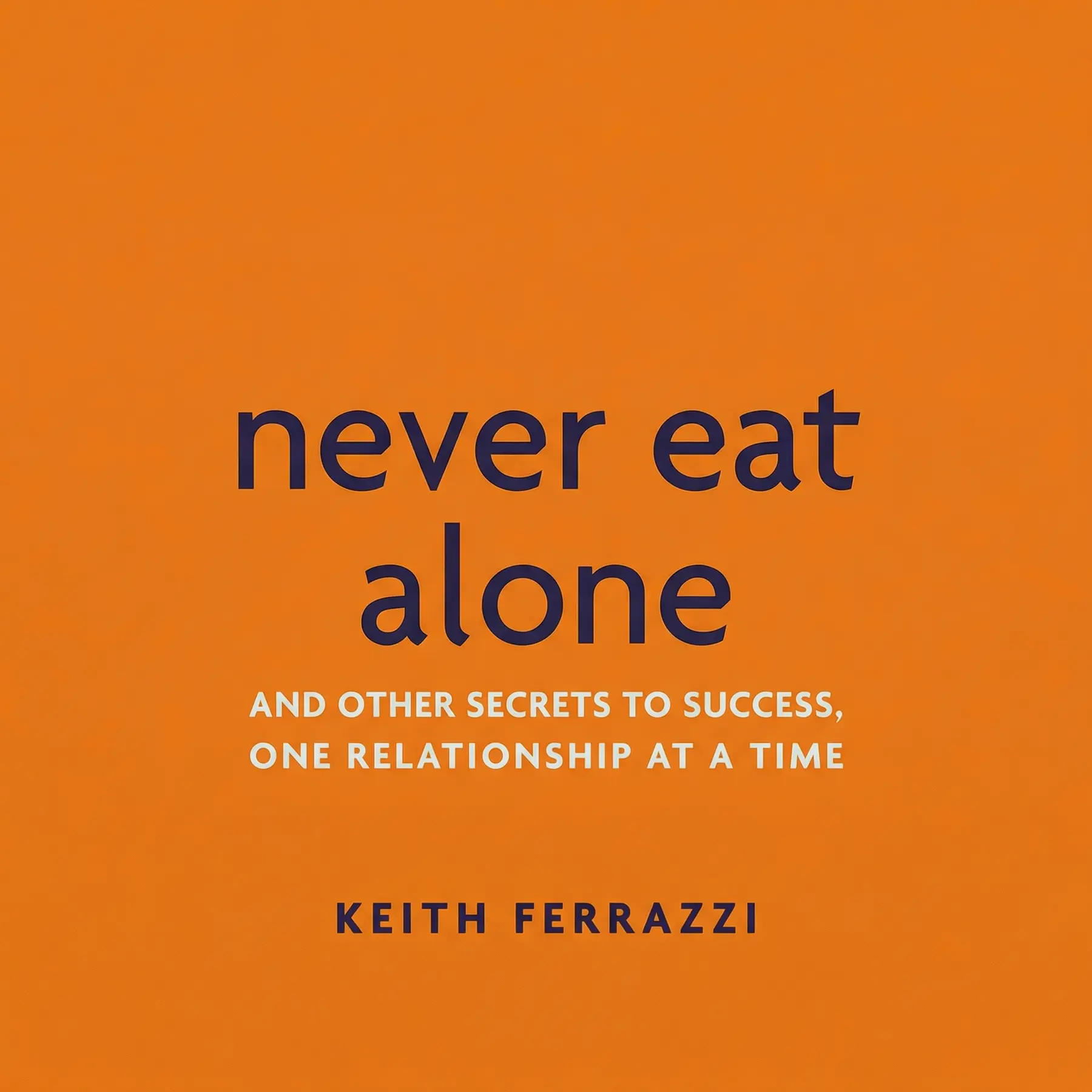
EnglishไทยNever Eat Alone: And Other Secrets to Success, One Relationship at a Time
Shows how to build a professional network that actually helps your career: give before you ask, deepen contacts through shared interests, stand for something clear and plan whom to meet for your goals.
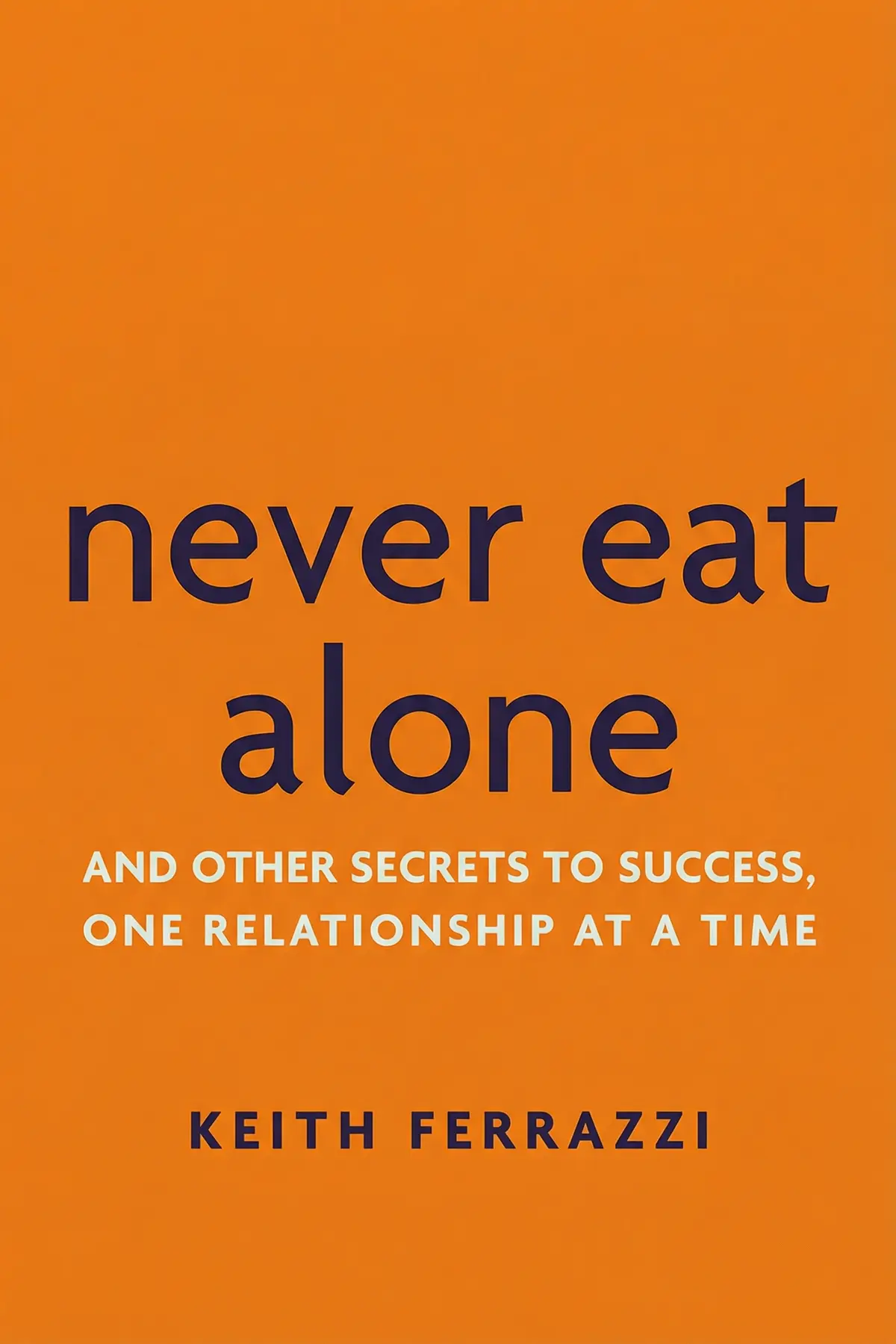
Table of Content
1. Introduction
52 sec
Most people start looking for allies on the day they lose a job or need a favor, and by then they are late. In Never Eat Alone, consultant and former Chief Marketing Officer Keith Ferrazzi argues that the people you know shape your career more than any job advertisement. One study he cites found that more than half of the men surveyed got their jobs through personal contacts, against fewer than one in five through ads.
Ferrazzi’s case is that anyone can build a strong network, and that it grows from generosity shown long before you need anything back. Shy people can learn it, and busy people can plan it. Ahead are the reasons helping first works, the moments that turn a contact into a friend, the way to become worth remembering, and a three-year plan that ends in a list of names you can call this month.
2. Find your next job through the people you know
1 min 38 sec
Most people send applications and wait. A study of 282 men found that the advertisements they trust delivered far fewer jobs than something they rarely plan for, and the gap matters most when the economy turns bad.
3. Turn fear of strangers into a practiced skill
1 min 31 sec
The fear of being rejected stops most people before they say a word. A laborer who walked into the office of a man four levels above him shows what one brave approach can change.
4. Help others first and they will help you back
1 min 54 sec
Asking what others can do for you seems sensible, yet it shrinks your network. A future president’s nightly habit at 22 shows the opposite approach, and why its timing matters as much as its kindness.
5. Make a contact a friend through shared fun
1 min 57 sec
Hours of meetings can leave two people strangers. Ferrazzi explains what bonds people instead, why ordinary small talk works against you, and what a First Lady’s 2,000 handshakes in one day reveal about effort.
6. Become someone people want at dinner
1 min 54 sec
People decide fast whether you are worth their time. Two qualities change that judgment, and a lesson borrowed from Adidas and Apple turns them into something you can write down tonight.
7. Reach far beyond your circle through super-connectors
1 min 51 sec
Milgram’s letters from Omaha found their target by many paths, yet most passed through the same few hands at the end. Knowing who those people are, and where they work, can stretch your reach.
8. A three-year plan that tells you whom to meet
1 min 46 sec
A network without a destination drifts. Two simple lists reveal where your passion and talent meet, and a plan built backward from three years shows which names belong in your calendar first.
9. Conclusion
1 min 00 sec
Never Eat Alone is easy to mistake for a manual on working a room. Its deeper claim concerns character: the people who get help when they need it are the ones who were useful, curious and loyal while nobody needed anything. A laborer knocking on the top executive’s door, a student filling cue cards each night and three people carrying most of Milgram’s letters all point the same way. Relationships grow with use, and they have to be started early.
So the first moves are small. Meet one new person a week and keep a record of who they were. Ask what you can do for someone before asking anything of them, and spend time together over something you both enjoy. Then write the two sentences that say what you stand for, and put names beside the goals of your next three years.
A network built this way is already there on the day you need it. The meal you share this week could be the one that opens the next door.
About this book
What is this book about?
Jobs, promotions and new opportunities reach people through other people far more often than through advertisements. Yet many professionals only start reaching out when they are already in trouble. Keith Ferrazzi argues that no career lasts on its own, and that the network everyone needs can be learned, even by the shy. His approach starts with generosity. Instead of asking what others can do for you, ask how you can help them, and do it long before you need anything back. From there he explains how shared interests turn contacts into friends and why honest conversation works better than polite small talk. He also shows how to become someone worth an hour of another person's time, and why a few super-connectors can carry you far beyond your own circle, as Stanley Milgram's letter experiment suggested. The book ends with method. Readers learn to find their blue flame, the point where passion meets ability. They write a two-sentence personal brand, choose mentors and peers with care and build a three-year Networking Action Plan that names the people who can help at each stage.
Book Information
Who it's for
Freezing when meeting strangers
Early-career professionals who want a stronger network but freeze when meeting strangers.
Tired of unanswered applications
Job seekers and career switchers tired of applications that go unanswered.
Managers and founders
Managers and founders who want relationships, mentors and a clear plan behind their next three years.
About the Author
Keith Ferrazzi
Keith Ferrazzi started Ferrazzi Greenlight, a team coaching and consulting firm based in Los Angeles, and he heads its research institute. He works with senior leadership teams on collaboration and on how work gets done. Before that he served as Chief Marketing Officer at Starwood Hotels and at Deloitte Consulting. He studied at Yale and holds an MBA from Harvard Business School. Never Eat Alone and Who's Got Your Back? both became New York Times bestsellers, and in 2025 Thinkers50 placed him among its top 50 management thinkers.
Ratings & Reviews
Ratings at a glance
What people think
Listeners find this book to be a fantastic resource that offers beneficial self-improvement strategies and great advice. They appreciate the focus on cultivating relationships by contributing value to every interaction, and one listener points out the framework for connecting with the right individuals. The title earns praise for its storytelling, high-quality concepts, and networking tips. Listeners prize the overall material, with one listener highlighting the book's emphasis on the importance of giving back.
Top reviews
Ten
Finally got around to reading this staple of business literature, and I’m genuinely surprised by how much I enjoyed the core philosophy. Ferrazzi moves beyond the transactional "card-swapping" stereotype of networking to focus on creating authentic, long-term bonds. The concept of finding your "blue flame"—that sweet spot where your passion meets your natural talent—was a total game-changer for my career planning. I used to think networking was just about what you could get from others, but this book shifts the focus toward what you can give. While the author’s background is clearly one of high-level privilege now, his stories about coming from a working-class family in Pennsylvania make the advice feel more grounded than your average CEO memoir. There is a lot of name-dropping, sure, but if you look past the ego, the "Relationship Action Plan" provides a very clear roadmap. I’ve already started "pinging" old contacts and the results are immediate.
Show moreAmara
Not what I expected from a business book, honestly. I went in looking for tips on how to "get ahead" and came out wanting to be a better friend and a more helpful colleague. The truth is, most of us are terrible at staying in touch with the people who matter, and Ferrazzi provides a beautiful framework for changing that. I particularly loved the section on helping people with the "three most important things": health, wealth, and children. By focusing on how we can serve others, the professional growth happens almost as a side effect. It’s a very empowering read that challenges the cynical view that networking is inherently dirty or shallow. If you apply even ten percent of what’s in here, your social life will improve drastically. Highly recommended for those who value authentic growth.
Show moreKoi
As someone who tends toward skepticism regarding professional self-help books, I expected another elitist guide to climbing the corporate ladder. Instead, I found a surprisingly human argument for vulnerability and kindness in a world that usually rewards a "flawless" image. Ferrazzi argues that being open about your weaknesses actually helps build deeper connections faster than acting like you have it all figured out. However, the sheer volume of tasks he suggests—maintaining a board of advisors, hosting dinner parties, and "never eating alone"—feels incredibly overwhelming for a normal person with a 9-to-5 job. To be fair, his advice on "warm calling" and researching people before meetings is pure gold for anyone in sales or business development. It’s not a perfect book, especially with the constant mentions of his famous friends, but the central message of generosity is worth the read.
Show moreJob
Look, if you want a structured way to meet the right people, this is the blueprint you've been searching for. The emphasis on reciprocity—giving without keeping score—is what separates this from those sleazy "how to win" manuals from the 90s. Ferrazzi’s advice on following up within 24 hours and using "anchor tenants" to bridge different social circles is incredibly practical and easy to implement. I do think he brushes over the difficulty of maintaining this lifestyle if you actually value work-life balance, but the results speak for themselves. This isn't just about business; it’s about becoming an indispensable part of your community by helping others succeed first. The quality of the advice outweighs the occasional moments of arrogance from the author.
Show morePop
Picked this up after a colleague mentioned the "Relationship Action Plan" during a workshop. I’ve read a lot of self-help, and this one stands out because it actually gives you a schedule and a method rather than just vague platitudes. The idea of "warm calling" by mentioning a mutual contact is so simple, yet I realize now how often I was doing it wrong. In my experience, the book is most valuable for its specific tips on following up and making yourself "indispensable" in your niche. My only real gripe is that it feels a bit dated in the era of social media, but the psychological principles of trust and reciprocity are timeless. Great for anyone entering a new industry or looking to expand their influence through genuine value.
Show moreWipawan
After hearing dozens of recommendations, I finally sat down with Ferrazzi's classic. It’s a high-energy guide that reframes networking as a form of generosity rather than a selfish pursuit. I appreciated his honesty about the "blue flame" and the need for a personal board of advisors to keep you on track. However, to be fair, he could have spent more time addressing how these strategies work for people without his specific background or level of privilege. Some of the advice on connecting with the "famous and powerful" feels a bit out of reach for the average reader. That said, the emphasis on building genuine friendships before clients is a philosophy I can get behind. It’s a well-written, motivating read for anyone willing to step out of their comfort zone.
Show moreSirinat
Wow, I wish I had read this ten years ago when I was first starting my career. The concept of "pinging" your network just to stay top-of-mind is such a low-effort, high-reward strategy that I’ve already implemented it. Ferrazzi’s storytelling keeps the pace moving, even when he’s talking about spreadsheets and contact lists. Some might find the dinner party advice a bit much, but it’s a great example of how to scale your social life effectively. In my experience, the chapter on "becoming a power broker" by helping others find jobs or health resources is the most inspiring part of the entire book. It’s an excellent read for anyone who wants to build a career based on meaningful relationships rather than just a resume. It turns networking into an act of service.
Show morePraepimon
Ever wonder how some people seem to know everyone in the room? This book attempts to pull back the curtain on that "superconnector" lifestyle, but it’s a bit of a mixed bag. On one hand, the storytelling is engaging and the advice on mixing different parts of your network together at dinner parties is brilliant. On the other hand, the constant name-dropping of world leaders and celebrities makes it hard to relate to his experiences. Not gonna lie, I found myself rolling my eyes at how every single interaction in his life seems to be a strategic move toward a goal. It’s a useful read for the "Relationship Action Plan" alone, but you’ll have to filter through a lot of fluff to get to the actionable parts. If you can handle the ego, there are some gems here.
Show morePlernpiriya
This book is essentially a manual for the ultra-extroverted. While I appreciate the core message about adding value to every connection, the sheer logistics of "never eating alone" sounds physically and mentally draining. Ferrazzi is clearly a master of his craft, but his lifestyle isn't for everyone. Personally, I found the chapters on finding your "blue flame" and the importance of showing vulnerability to be the most insightful parts. It's a solid 3-star read—great insights buried under a mountain of name-dropping and exhausting social demands. If you're an introvert, take this with a grain of salt and maybe just try one or two of his suggestions at a time instead of the whole system.
Show moreThongchai
The title alone should have been a warning sign for an introvert like me. Frankly, the idea of never eating alone sounds like a special kind of hell designed by someone who doesn't understand that some people need solitude to recharge. The first few chapters are heavily saturated with the author's self-congratulatory anecdotes about his rise to power, which got old very quickly. While he claims to value "genuine" connection, many of the strategies felt calculated and exhausting, like keeping a spreadsheet of friends to "ping" on their birthdays. If you are already a high-energy extrovert who loves being the center of attention, you’ll probably love this. But for those of us starting from scratch or struggling with social anxiety, the advice feels out of reach and somewhat tone-deaf to the reality of people without his specific brand of ambition.
Show moreQuestions about this book
What is the main idea of Never Eat Alone?
Ferrazzi argues that no career succeeds for long without the support of other people, and that a strong network grows from generosity. Ask how you can help others, keep doing it long before you need anything, and deepen contacts through shared interests and honest conversation. He supports the case with a study in which 56 percent of 282 men found their jobs through personal contacts.
Can shy people learn to network, according to Keith Ferrazzi?
Yes. Ferrazzi says fear of rejection is common and nothing to be ashamed of. He suggests watching skilled networkers and borrowing their methods, studying communication and rhetoric, and practicing with a small target such as meeting one new person a week. His own father, a laborer, approached the head of his firm, who then paid for young Keith’s schooling.
What is the blue flame in Never Eat Alone?
The blue flame is the point where your passions and your abilities overlap. To find it, list all your dreams and goals, then list everything you enjoy doing, and look for the overlap. Asking a trusted person about your strengths and weaknesses also helps. Ferrazzi argues that work built around your blue flame avoids the frustration of jobs that demand talents you lack.
What is a Networking Action Plan?
It is Ferrazzi’s tool for turning goals into relationships. Pick a goal three years out, then work backward to interim goals at one year and three months, and for each stage set a primary A-goal along with a fallback B-goal. Beside each goal, note the places to go, the tools to acquire and the people who could help. The plan then becomes a daily to-do list.
Who should read Never Eat Alone?
It suits job seekers, early-career professionals and anyone whose career depends on other people, which Ferrazzi argues is everyone. Shy readers get practical ways to start, ambitious readers get advice on personal branding and super-connectors, and planners get a three-year method that names whom to meet. It helps most those willing to offer help before asking for it.
Featured in
Readers also enjoyed








AUDIO SUMMARY AVAILABLE
Listen to Never Eat Alone in 15 minutes
Get the key ideas from Never Eat Alone by Keith Ferrazzi, plus 5,000+ more nonfiction titles.
- 5,000+ titles
- Listen as much as you want
- 7-day free trial
- Cancel anytime









