
14 min 18 sec
Available in: English
 ไทย
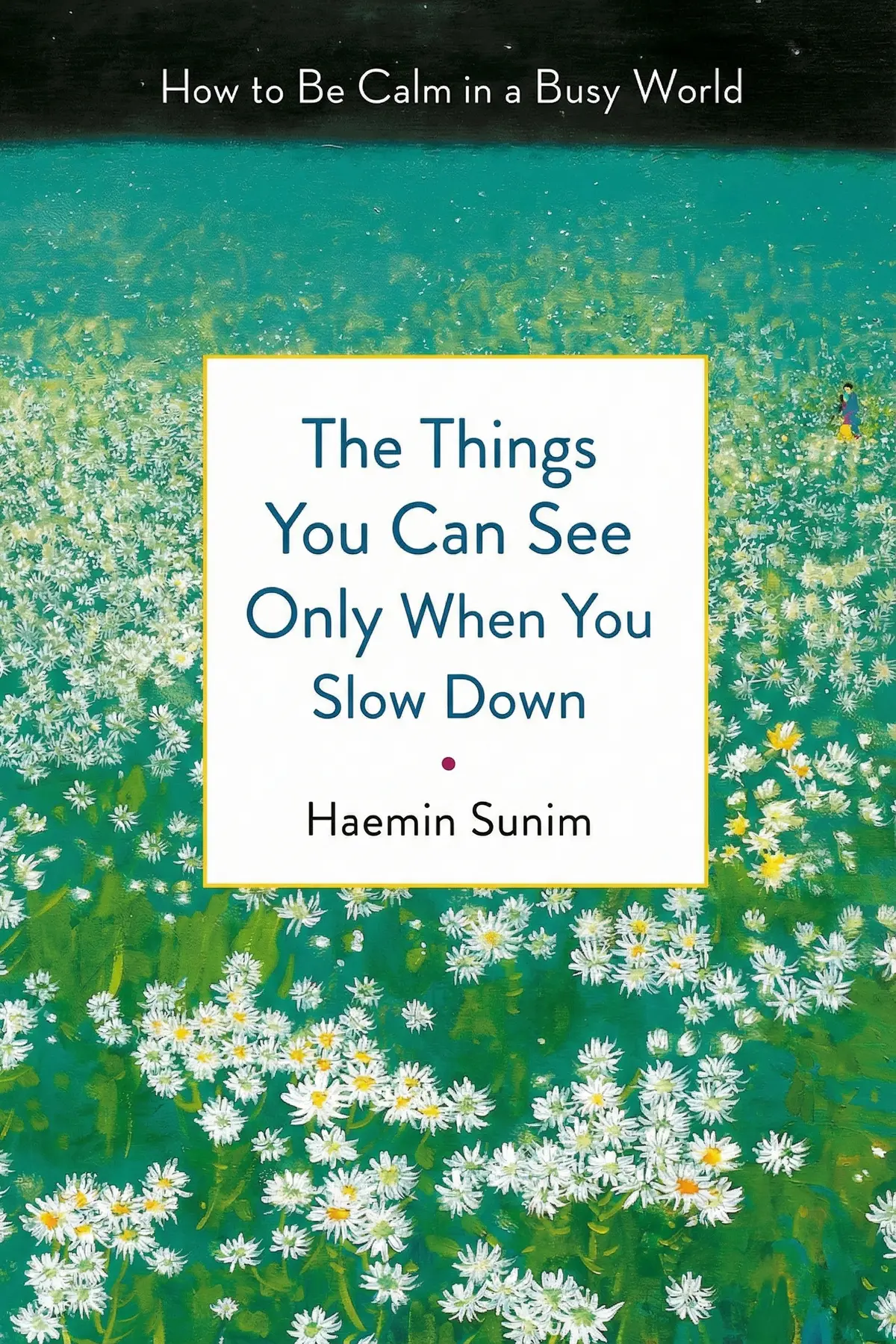
EnglishไทยLove for Imperfect Things: How to Accept Yourself in a World Striving for Perfection
By Haemin Sunim
A Korean Zen monk shows why the habit of earning love through achievement and pleasing others wears us down. He offers gentle practices for accepting yourself as you already are: honest speech, touch and stillness.
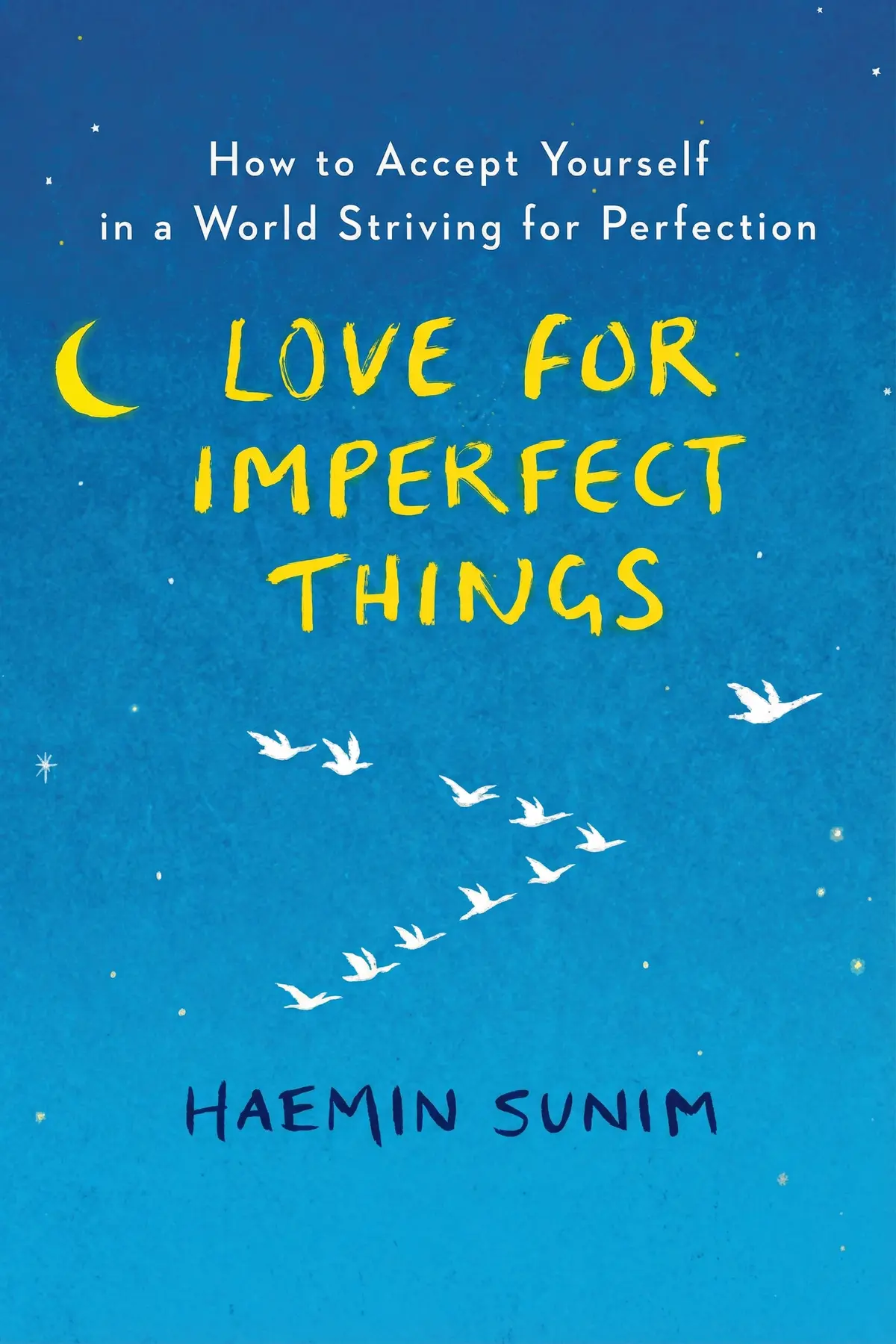
Table of Content
1. Introduction
1 min 07 sec
If you say yes when you mean no, and feel valuable only after a good week at work, Haemin Sunim has a plain message: your worth was never up for negotiation. In Love for Imperfect Things, the Korean Zen monk argues that we learn in childhood to earn approval. That drive slowly cuts us off from our own feelings, and the way back lies in acceptance, which no amount of effort can buy.
He points to the father from A River Runs Through It, a movie in which the man never grasped his son’s ruinous gambling but never stopped loving him either. Sunim asks what would change if we treated ourselves with that same steady love.
His answer runs through a handful of practices: speaking honestly, comforting the child who learned to perform, saying when we feel let down, letting others hold us, and resting in the silence between thoughts. Each one is a step away from proving yourself, toward being someone at ease with who you already are, and each can start this week.
2. Say what you want and watch friendships deepen
1 min 56 sec
Most people pleasers believe honesty will cost them friends. A small holiday decision between two friends suggests the opposite, and it shows what happens to the feelings we keep swallowing year after year.
3. Stop working to earn love you already have
1 min 58 sec
A friend with every outward sign of success could not stop working or worrying. One short exercise, done over a visit between old classmates, brought both men to tears and pointed to the real source of his anxiety.
4. Speak up about disappointment before it builds walls
2 min 00 sec
The hurts that seem too petty to mention are often the ones that do the most damage. Sunim uses a dashboard and a pebble to explain why silence costs more than an awkward conversation.
5. Couples who hug each morning have half the stress
1 min 57 sec
A monk raised with firm limits on physical contact found American hugging awkward at first. What changed his mind was partly experience and partly research on what twenty seconds of touch does to couples.
6. Find calm in the gaps between your thoughts
2 min 03 sec
At a retreat in France, people walked and ate so slowly that Sunim noticed at once. Watching his own mind there and elsewhere, he found something that had always been present and almost never noticed.
7. Let practice teach what words cannot
2 min 08 sec
A Korean teenager who enjoyed Buddha’s Birthday mainly as a day off school was stumped by a few visitors’ questions. The answer he eventually found did not come from a lecture hall.
8. Conclusion
1 min 09 sec
The father in A River Runs Through It never understood his son, and his love never depended on understanding. Sunim’s book asks you to turn that kind of love inward. The people pleasing, the overwork and the swallowed hurts all rest on one mistaken belief: that you must earn your place in the world. Speaking honestly, letting yourself be held and sitting in silence are simply ways of living as if that place were already yours.
The steps the book supports are small ones. The next time someone asks your preference, give the true one. When a disappointment starts to rub like a stone in your shoe, name it while it is still small and easy to talk about. Hug the people who welcome it, and hold on a little longer than you normally would. And once or twice a day, pause long enough to notice your breath and the quiet gap before the next thought arrives.
None of this asks you to become a better version of yourself first. The note Sunim left for his anxious friend is meant for every reader too: your existence is already enough.
About this book
What is this book about?
Many capable people say yes when they mean no, work past exhaustion and feel valuable only after a good result. Haemin Sunim traces that pattern back to childhood, to the gold stars and proud smiles that taught us approval comes from meeting other people's expectations. Over time, he argues, the habit cuts us off from our own feelings, and the feelings we push down return as anxiety, illness or distance in our relationships. Sunim's answer is acceptance, and it draws on his life as a monk and teacher. He tells of an old friend who was successful but always anxious and still working for a violent father's love. He describes learning to value hugs after arriving in the United States, and slowing down at Thich Nhat Hanh's Plum Village. He also recalls his first retreat at a Zen monastery. Readers get small practices they can use right away: giving their real preference, naming disappointment before it grows, a twenty-second morning hug and short pauses to notice breath and silence. Underneath them all is one claim: your existence is already enough.
Book Information
Who it's for
Professionals who overcommit
Professionals who say yes too often and feel worthy only after a good result.
Carrying small unspoken hurts
People carrying small, unspoken hurts in their friendships, families or teams.
Curious about Buddhist practices
Stressed readers curious about gentle Buddhist practices of breath, touch and stillness.
About the Author
Haemin Sunim
Haemin Sunim was born in South Korea in 1973 and studied at Berkeley, Harvard and Princeton. He completed formal monastic training at Haein monastery and spent seven years lecturing on Asian religions at Hampshire College in Massachusetts. He founded the School of Broken Hearts in Seoul, his base between teaching trips. His first book, The Things You Can See Only When You Slow Down, has appeared in more than thirty languages, and Love for Imperfect Things topped South Korea's bestseller list in 2016.
Ratings & Reviews
Ratings at a glance
What people think
Listeners find the material both beneficial and simple to digest, with one listener remarking that it has been life-changing. They value the book's aesthetic appeal and calming essence, with one review highlighting the way it instills a sense of peace. Listeners highly prize the subject matter, with one emphasizing its relatable real-world examples, while another values the profound insights into enlightenment. The storytelling format earns praise, with one listener portraying it as a series of short stories.
Top reviews
Ratthapong
This collection of wisdom felt like a warm hug during a particularly stormy season of my life. Haemin Sunim has this incredible gift for articulating the quiet anxieties we all carry but rarely voice. Truth is, I found myself highlighting nearly every other page because the insights on compassion and empathy were so resonant. While some might call the advice simple, there is a profound depth in its accessibility that many academic texts lack. It isn’t just a book you read; it’s a companion you keep on your nightstand for those moments when the world feels too loud. The way he structures each chapter starting with a personal story makes the subsequent advice feel earned rather than preached.
Show moreTeng
Ever wonder why we are so much harder on ourselves than we would ever be to a dear friend? This book tackles that specific brand of self-criticism with such grace and clarity that it actually changed my daily routine. I’ve started implementing the small acts of self-care Sunim suggests, and the shift in my mental state is tangible. Frankly, the relatable examples from everyday life make the grander concepts of enlightenment feel within reach for a normal person. It’s rare to find a writer who can discuss deep spiritual truths without sounding condescending or overly mystical. I found the section on healing after a breakup particularly moving and surprisingly practical.
Show moreSoontorn
Finally got around to reading this, and I can see why it has become such a staple in the mindfulness community. The chapter on self-care was a revelation for me, specifically the idea that we must first fill our own cup before helping others. I’ve read a lot of self-help, but Sunim’s voice is uniquely calming and lacks the aggressive 'hustle' tone found in many Western books. Every page feels intentional, and the way the text is laid out makes it easy to digest even when you're tired. Not to mention, the quality of the physical book with its vibrant colors makes it a joy to display. It truly is like drinking fresh water on a hot summer day.
Show moreSakura
Wow, what a gentle and restorative experience it was to spend my Sunday afternoon lost in these beautiful pages. This book doesn't demand anything from you; it simply offers a space to reflect and be still in a frantic world. The author's humility shines through in every story he shares, making his advice feel like a shared journey rather than a lecture. I especially loved the focus on 'imperfect things' because it gives us permission to be human and make mistakes without shame. It’s the kind of book that you want to buy for everyone you know who is going through a hard time. Truly a masterpiece of compassionate writing that I will return to often.
Show moreSophia
Picked this up because I was feeling overwhelmed with work, and its soothing nature was exactly the balm I required. The book functions almost like a series of short stories and poetic reminders rather than a dense self-help manual. Personally, I appreciated how the author encourages us to be kind to our own flaws instead of constantly striving for some unreachable standard of perfection. Some of the segments on meditation were a bit repetitive if you’re already familiar with the practice, but they serve as good reminders. The blue-themed artwork throughout creates a very specific, calming atmosphere that enhances the reading experience significantly. It’s the kind of book that makes you want to slow down and breathe.
Show morePranee
As someone who struggled through a very difficult year, Sunim’s words acted as a gentle guide back toward self-acceptance and peace. The way he discusses 'imperfect things' makes you realize that your perceived flaws are actually just parts of your unique human story. I did find the transition between the personal anecdotes and the aphorisms a bit jarring at times, though the sentiment remained consistent. It’s a very quick read, but the impact lingers long after you’ve closed the cover and set it back on the shelf. The advice on handling anger and resentment toward family members was especially helpful for me during the holidays. It isn't a revolutionary philosophical treatise, but it is a deeply kind book.
Show moreKan
After hearing so much about his first book, I decided to dive straight into this one to help manage my recurring anxiety. The narrative style is incredibly accessible, almost like sitting down for tea with a very wise and patient older brother. Sunim’s focus on empathy not just for others, but for our own struggling hearts, is a message that bears repeating. I noticed a few contradictions in the advice regarding when to step back and when to engage, which was slightly confusing. Regardless, the overall theme of embracing the messy parts of life is something I think everyone needs to hear. It’s a beautiful presentation of some very ancient and comforting truths.
Show moreNoppadol
The chapter on acceptance really resonated with me, especially since I’ve been dealing with some frustrations in my professional life recently. Sunim suggests that we should look at our difficulties as opportunities for growth, which is a perspective I desperately needed. Truth is, some of the metaphors about horses and nature were a little bit clichéd, but they still managed to land their point effectively. I appreciate how the book is divided into specific areas like relationships, work, and family, making it easy to find what you need. It’s a soothing read that I think would benefit anyone who feels like they’re constantly running a race. Definitely a solid addition to any personal library.
Show moreTanyaporn
Look, the illustrations are absolutely stunning and probably worth the price of admission alone, but the text itself left me wanting more. While the message of self-love is important, it’s delivered in such small, bite-sized fragments that it often lacks the necessary nuance for real change. I felt like I was reading a collection of very nice tweets rather than a cohesive exploration of the human psyche. In my experience, real healing requires a bit more 'teeth' than the gentle platitudes offered in these pages. It’s a lovely gift for someone who needs a quick pick-me-up, but don't expect it to replace therapy or deeper study. It's nice, but it didn't quite hit the 'life-changing' mark for me.
Show moreEli
To be fair, I really wanted to love this given the hype, but it felt like a rehashing of every 'live, laugh, love' Pinterest board I’ve ever seen. Most of the advice is so blindingly obvious that I wondered if the target audience was actually toddlers rather than adults seeking enlightenment. Not gonna lie, the sections on domestic strife felt a bit dated and oversimplified for the complexities of modern family dynamics. The illustrations are undeniably gorgeous, and the physical book itself is a tactile delight to hold. However, pretty pictures cannot compensate for a lack of original thought or substantial intellectual meat. If you’ve read any basic mindfulness blog in the last decade, you won't find anything new here.
Show moreQuestions about this book
What is the main idea of Love for Imperfect Things?
Haemin Sunim argues that self-worth is not earned through achievement or other people’s approval but is already part of simply existing. Many of us learn as children to please others, then lose touch with our own feelings. He suggests returning to ourselves through honest expression, physical connection, naming disappointment and noticing the stillness between thoughts.
Who should read Love for Imperfect Things?
It suits people pleasers, overachievers who cannot rest and anyone whose relationships carry unspoken resentments. Readers dealing with stress or burnout will find gentle practices, from a twenty-second morning hug to short pauses for breathing. Those curious about Buddhism get a personal account of how a Korean monk moved from cultural habit to real practice.
How does Haemin Sunim suggest dealing with disappointment in relationships?
He treats disappointment as a warning light that shows strain in a connection. Ignoring it is like walking with a stone in your shoe: small at first, then painful with every step. He recommends expressing it honestly and early, because silence denies the other person the chance to understand you and keeps you from accepting yourself as you are.
What does the book say about hugs and stress?
Sunim cites University of Sydney research which found that hugging reduces the stress hormone cortisol and also strengthens the immune system. He also mentions a University of North Carolina study in which couples who hugged and held hands for twenty seconds each morning had about half the stress of couples who did not.
How can I apply Love for Imperfect Things in daily life?
Give your real preference when someone asks what you want. When an old pressure to perform shows up, picture yourself as a child and offer that child kindness. Name small hurts before they grow. Through the day, pause to notice your breath and the quiet between thoughts, or close your eyes for one bite of a meal.
Featured in

Readers also enjoyed


A New Earth: Awakening to Your Life’s Purpose
Eckhart Tolle

A Return to Love: Reflections on the Principles of a Course in Miracles
Marianne Williamson

59 Seconds: Change Your Life in Under a Minute
Richard Wiseman

Aflame: Learning from Silence
Pico Iyer


Alcoholics Anonymous
Alcoholics Anonymous World Services



AUDIO SUMMARY AVAILABLE
Listen to Love for Imperfect Things in 15 minutes
Get the key ideas from Love for Imperfect Things by Haemin Sunim, plus 5,000+ more nonfiction titles.
- 5,000+ titles
- Listen as much as you want
- 7-day free trial
- Cancel anytime









