

14 min 27 sec
Available in: English
Hit Men: Power Brokers and Fast Money Inside the Music Business
An inside account of how big American record labels really worked in the 1970s and 1980s: star bidding wars, paid radio promoters with mob ties, and executives whose hunger for deals built empires and then destroyed them.
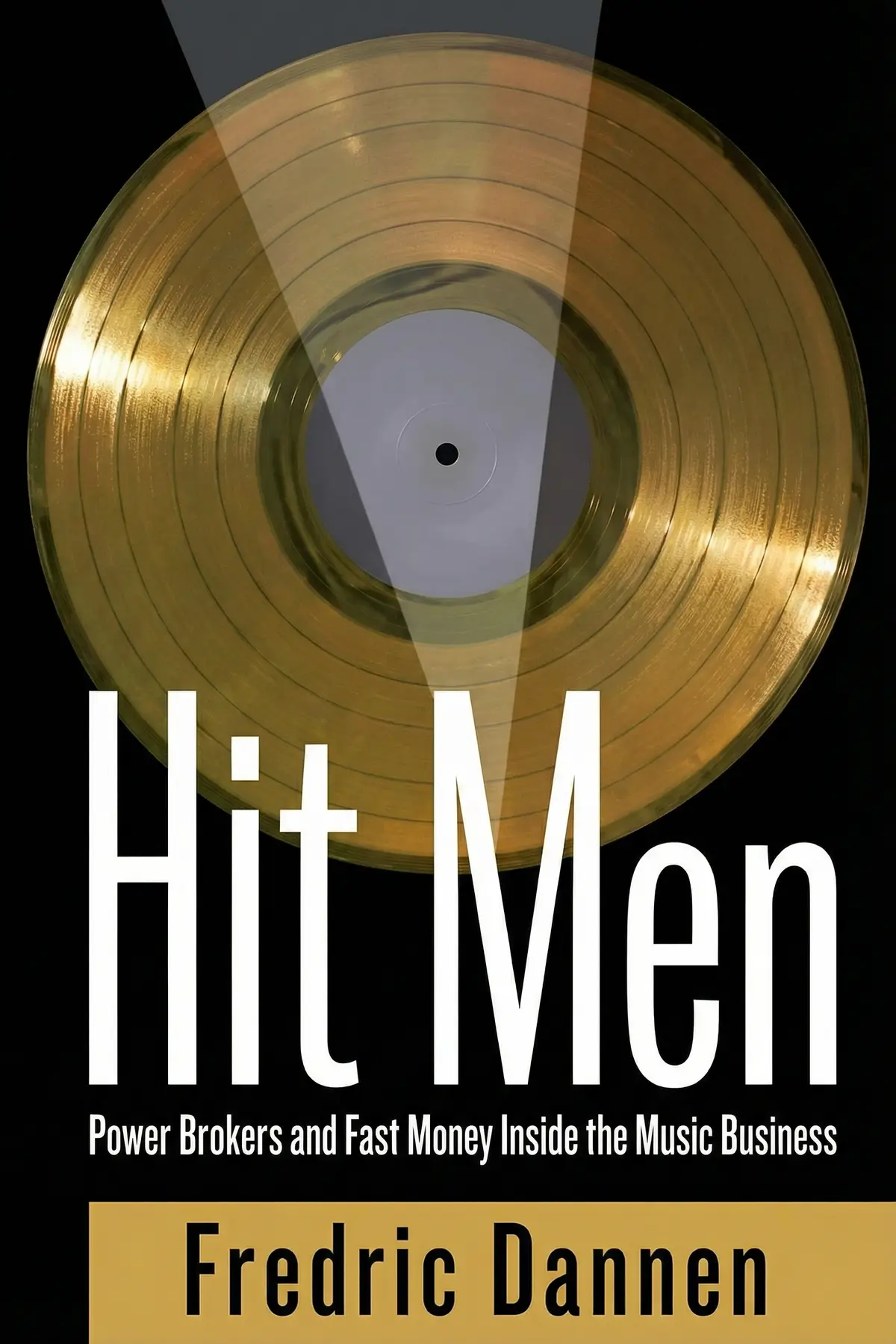
Table of Content
1. Introduction
57 sec
Most of us assume a hit song climbs the charts because people love it. In Hit Men, journalist Fredric Dannen tells a harder story. In the 1970s and 1980s, getting a record onto the radio often meant paying a ring of middlemen, and the giant labels did it by the millions.
Dannen follows the big American record companies across two decades, with CBS Records at the center. His account shows an industry that stopped developing artists and started buying them, and that stopped earning airplay and started paying for it. The same hunger for deals that built its empires also brought down the men at the top.
Follow Clive Davis, Walter Yetnikoff and Dick Asher through their wins and their falls, and the music business stops looking like luck and talent. It becomes a lesson in power: who holds the gate, what a bidding war really costs, and why a public scandal rarely ends a bad system.
2. Spot the cultural shift before your rivals do
2 min 05 sec
A label famous for show tunes became the most influential record company in America within a few years. The executive behind it saw something at a California festival that his peers missed, and success changed him too.
3. Know what a bidding war really costs you
2 min 08 sec
A star signing nearly collapsed at dawn with a $2.5 million check on the table. What followed was a feud between two giant labels that changed how the whole industry treated talent.
4. Find out who really controls the gate
2 min 07 sec
A Pink Floyd single was selling everywhere and the band’s tour was sold out in Los Angeles. Yet no big station in the city would touch the song, and the reason had nothing to do with the music.
5. Do the work, and guard the credit
2 min 09 sec
One executive rescued the company’s finances. Another took the bows at the Grammys. The story of how that happened inside CBS is a sharp lesson in office politics at the very top.
6. See how scandal moves a cost instead of ending it
2 min 00 sec
Hidden cameras caught radio promoters meeting a Mafia boss, and the major labels cut them off overnight. It looked like the end of paying for airplay, until someone checked who was paying now.
7. Spot the warning signs of a leader's fall
1 min 53 sec
A $2 billion sale made one executive rich and seemingly untouchable. Within two years he had insulted his new owners, wrecked his ties with his biggest stars and been shown the door.
8. Conclusion
1 min 08 sec
Hit Men is a story about a business that sold feeling and ran on leverage. Clive Davis showed what a clear eye for change could build. Walter Yetnikoff showed how far a hunger for deals could carry one man, and how fast it could bring him down. Dick Asher, the careful cost cutter, learned that being right is not the same as being safe. Beneath all three, the industry drifted from developing talent to buying it and from earning airplay to renting it. Even a scandal on national television only moved the bill onto the musicians.
The book supports a few habits for any working life. When your field shifts, move early, as Davis did after Monterey, but watch what success does to your judgment. Before you join a bidding war, ask who will pay for it later. When good work cannot reach its audience, look for the gatekeeper and what it charges. And when you fix something, make sure your name stays on the fix.
Remember that Pink Floyd single: selling everywhere, the tour sold out in town, and silence on the radio until someone paid. The music was never the whole story.
About this book
What is this book about?
A hit song seems to rise because people love it. Fredric Dannen shows a harder reality. In the 1970s and 1980s, the giant American record companies spent fortunes outbidding each other for established stars. They also paid a cartel of independent promoters millions to get songs onto the radio at all. Dannen tells the story mainly through CBS Records and three men. Clive Davis turned a label known for show tunes into a rock powerhouse. Walter Yetnikoff, a quiet lawyer, became the loudest deal maker in the business. Dick Asher, a careful cost cutter, tried to break the promoters' grip and later lost his job in a power struggle with Yetnikoff. The story runs through a failed Pink Floyd experiment, a television exposé linking promoters to the Mafia, a $2 billion sale to Sony and Yetnikoff's spectacular self-destruction. Readers get a clear picture of how power works in a business that sells taste. It shows who controls the gate, what bidding wars really cost, why exposing a bad practice can simply move its bill elsewhere, and how a leader's strengths can turn into the cause of his fall.
Book Information
Who it's for
Radio hit history fans
Music fans who want to know how hits really reached the radio in the 1970s and 1980s.
Managers and company founders
Founders and managers facing bidding wars, gatekeepers or a boss who takes the credit.
Business history buffs
Readers of business history drawn to big egos, corporate power struggles and scandal.
About the Author
Fredric Dannen
Fredric Dannen is an American journalist and author. He was a contributing editor at Vanity Fair, and his articles have appeared in The New York Times, Rolling Stone, Barron's and Channels. In 1986 he shared the Overseas Press Club's Morton Frank Award for reporting on business overseas. Hit Men, published in 1990, ranked second on a Billboard list of the greatest music books. He also co-wrote Hong Kong Babylon with Barry Long, about the overlap between Hong Kong's film business and Asian organized crime.
Ratings & Reviews
Ratings at a glance
What people think
Listeners find this book to be essential for music fans, offering compelling glimpses into the inner mechanics of the record industry. The research quality is exceptional, and one listener highlights that it serves as an excellent companion to the Morris Levy biography. Listeners also value the historical perspective on the music business included here. However, the dated nature of the content draws mixed reactions from listeners.
Top reviews
Bella
Anyone who considers themselves a serious music fan needs to pick this up immediately. Dannen doesn’t just scratch the surface of the industry. He performs a full autopsy on the record business during the 1970s and 80s. The way he details the rise of Walter Yetnikoff and his cutthroat rivalries is nothing short of cinematic. You get a real sense of the ego and insanity driving the corporate giants at CBS and Warner. Some readers will likely find the financial talk a bit too dense for their tastes. However, the stories of payola and mafia-linked promoters are too wild to ignore. It is an essential read for understanding how the charts were actually manufactured before the digital age changed everything.
Show moreOoi
The sheer amount of research that went into this exposé is mind-blowing. Dannen clearly spent years tracking down the power brokers who operated in the shadows of the major labels. He captures the ruthless energy of men like Irving Azoff and the chaotic reign of Yetnikoff with precision. It is a masterclass in investigative journalism that remains relevant even in the era of music streaming. Even though the technology has changed, the underlying themes of exploitation and greed still resonate today. This isn't just a book about music; it's a terrifying look at how any industry can be subverted. I honestly could not put this book down once I started the first chapter.
Show moreTim
Frankly, the level of corruption detailed here makes the old mafia movies look tame. Dannen paints a picture of a record industry fueled by ego, cocaine, and massive amounts of illegal cash. The personalities involved, particularly Walter Yetnikoff, are so abrasive and larger-than-life that they almost feel like fictional villains. It’s a fast-paced account of how a few powerful men decided what the entire world would listen to for years. While some of the specific business deals are a bit dated now, the general atmosphere of greed is timeless. I was engrossed by the 'hit men' who fixed the charts while the artists stayed in the dark.
Show moreTariq
Dannen's deep dive into the 1970s and 80s record business is as fascinating as it is depressing. For years, I had heard rumors about the mafia’s influence on pop music. Seeing the names and dates laid out like this is truly eye-opening. The book serves as a perfect companion to the Morris Levy biography, fleshing out the era of crooks and charlatans. I was particularly struck by the description of 'independent promotion' as a sophisticated form of old-school payola. It is a world of pure greed where the actual music felt like an afterthought to the lawyers. If you want to see the dark side of the Billboard charts, start here.
Show moreSaranya
After hearing about the legendary battles between Clive Davis and Walter Yetnikoff, I finally decided to dive in. The book is definitely 'inside baseball,' but if you are a music nut, that is exactly what you want. It tracks the evolution of the industry from the era of Alan Freed to the corporate conglomerates. I was shocked by how brazen the bribery was back then. Labels were essentially laundering money through independent promoters to secure radio play. The sections on Larry Tisch and the dismantling of CBS Records provide a fascinating, if tragic, end to an era. It’s a dense read, but the payoff in terms of industry insight is well worth the effort.
Show moreLook
This book provides a chilling look at the 'Network' of independent promoters and their ties to organized crime. I’ve always known the music business was 'slimy,' but Dannen proves it was effectively a mafia-controlled domain. The details on how payola evolved from simple cash envelopes to complex kickback schemes are thoroughly researched. You won't find many stories about your favorite singers here, as the focus remains on the men in suits. It’s a cynical read that will likely change the way you hear old hits on the radio. Despite being written decades ago, the corruption it describes feels disturbingly permanent. It is a seminal work for any fan.
Show moreNora
If you want a companion piece to the Morris Levy biography, this is the gold standard. Dannen captures the transition of the music world from independent hustlers to massive corporate entities with surgical precision. The book exposes how the 'independent promoter' system acted as a buffer for the labels. This allowed them to claim ignorance of the criminal activity happening on their behalf. It is a grim, sobering read that strips away any romanticism about the history of rock and roll. Seeing the way Paul Simon or other stars are treated as mere assets is quite a wake-up call. The sheer audacity of the scams described here is compelling.
Show moreTang
Ever wonder why certain mediocre songs dominated the airwaves back in the day? This book pulls back the curtain on the 'Network' of independent promoters who essentially held radio stations hostage for decades. It is a sobering look at how kickbacks and payoffs were simply part of the cost of doing business. While the subject matter is undeniably gripping, the narrative sometimes gets bogged down in the minutiae of corporate contracts. I found myself skimming some of the more technical business transactions to get back to the larger-than-life personalities. It is an informative read, though it definitely requires some patience from the reader.
Show moreHassan
To be fair, while the information is undeniably important, the writing can get incredibly dry during the financial breakdowns. I struggled with the middle section of the book where the focus shifted heavily toward corporate accounting. It feels a bit stale in parts, especially since the industry has shifted so dramatically since the rise of Napster. However, the chapters on the 1950s payola scandals and the 80s radio wars are still very engaging. It’s a mixed bag of fascinating anecdotes and tedious boardroom drama that didn't always hold my attention. If you love the minutiae of business history, you’ll love it; otherwise, it might be a slog.
Show moreSarocha
Not what I expected, as the book focuses almost entirely on corporate suits and lawyers rather than the artists. I went in hoping for tales of rock-star debauchery and backstage madness. Instead, I got endless chapters on CBS boardrooms and legal filings. The musicians are treated like mere line items on a spreadsheet throughout the text. I suppose that is the point Dannen is trying to make about the industry. Still, the writing is quite dry and the constant focus on litigation made it hard to stay engaged. It feels more like a textbook on corporate corruption than a thrilling exposé of the music world.
Show moreQuestions about this book
What is Hit Men by Fredric Dannen about?
Hit Men follows the big American record companies through the 1970s and 1980s, mainly CBS Records. Dannen shows labels moving from developing new artists to outbidding each other for established stars, and paying independent promoters millions to get songs played on the radio. The story centers on Clive Davis, Walter Yetnikoff and Dick Asher, whose rises and falls trace an industry built on deals and excess.
What was independent promotion in the music industry?
Independent promoters were middlemen whom record labels paid to get songs onto radio playlists. Dannen describes a group called the Network that acted like a cartel. CBS tried in 1980 to break a Pink Floyd single in Los Angeles without the Network, and none of the city’s four major Top 40 radio outlets would put it on the air. Once CBS hired the promoters, the song climbed the local charts within days.
What happened after NBC exposed the radio promoters?
In February 1986, NBC News showed hidden camera footage of promoters Joe Isgro and Fred DiSipio meeting Mafia boss John Gotti. The major labels cut ties almost overnight, and Isgro sued them for $75 million. Paying for airplay did not end, though. Labels sent the money through artist managers and tour support, so the cost was charged against the musicians’ own royalties.
Why did Walter Yetnikoff lose his job at CBS Records?
After arranging the $2 billion sale of CBS Records to Sony in 1988, Yetnikoff grew more erratic. His drinking led him to rehab in 1989, but his behavior did not improve. He made homophobic remarks about David Geffen, insulted his Japanese bosses, feuded with Sony’s film studio, and harmed his ties to Bruce Springsteen and Michael Jackson. Sony announced his departure in September 1990.
What lessons does Hit Men offer for business readers?
The book’s episodes carry practical warnings. Davis shows that spotting a cultural shift early can transform a company, but success can inflate judgment. The CBS and Warner feud shows that bidding wars often produce money-losing deals. Asher’s Pink Floyd test shows how to find the real gatekeeper in a market, and his firing shows that results do not always protect the person who delivered them.
Readers also enjoyed



Alibaba: The House That Jack Ma Built
Duncan Clark



7 Powers: The Foundations of Business Strategy
Hamilton Helmer

Bad Blood: Secrets and Lies in a Silicon Valley Startup
John Carreyrou
AUDIO SUMMARY AVAILABLE
Listen to Hit Men in 15 minutes
Get the key ideas from Hit Men by Fredric Dannen, plus 5,000+ more nonfiction titles.
- 5,000+ titles
- Listen as much as you want
- 7-day free trial
- Cancel anytime









