
15 min 30 sec
Available in: English
Finding My Virginity: The New Autobiography
Richard Branson tells how Virgin moved into phones, gyms, trains, banking, cable and space by fixing what customers only tolerated. He also covers the fires, forced sales and fatal crash that tested him along the way.
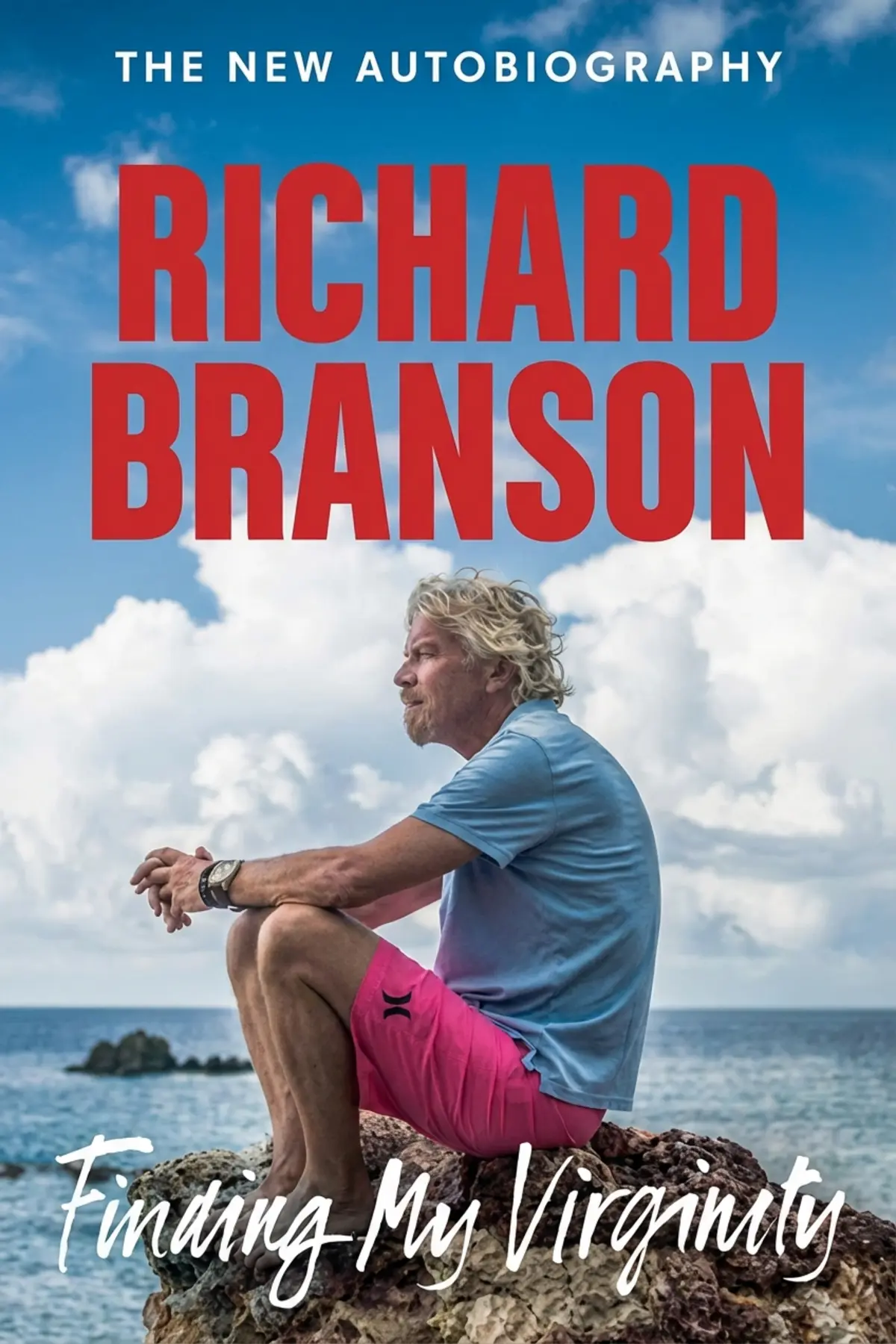
Table of Content
1. Introduction
1 min 07 sec
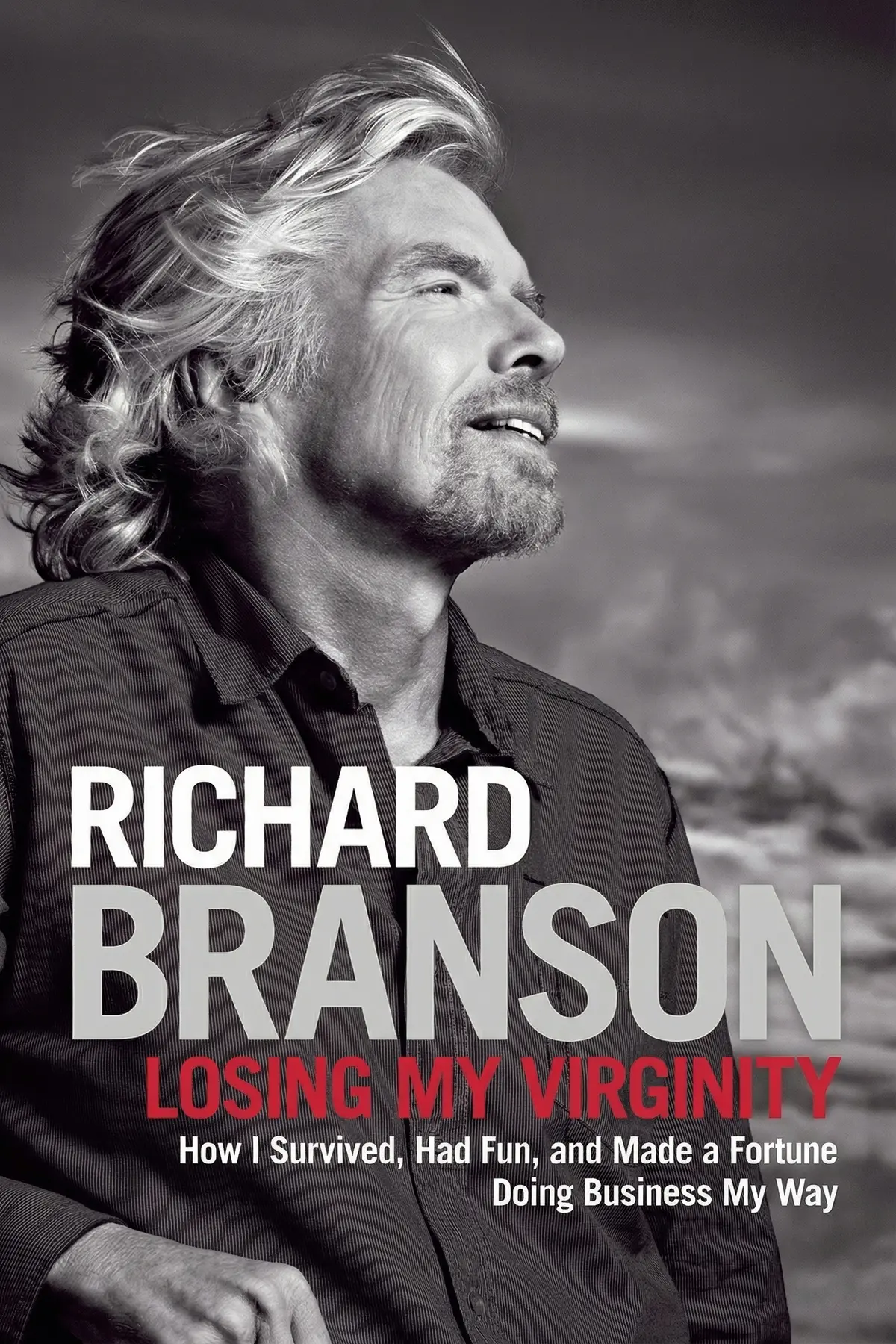
If you run a business or hope to start one, the big markets can look closed, owned by giants with deep pockets. Richard Branson’s career suggests the opposite: wherever customers grumble but keep paying, a door has been left open. In Finding My Virginity, the follow-up to his 1998 autobiography Losing My Virginity, Branson picks up his story around 1999 and tells how Virgin pushed into phones, gyms, trains, banking, cable television and finally space.
One pattern runs through all of it. Virgin grows by finding industries where people put up with poor service, offering something better with a dose of cheek, and then pointing that same restless instinct at problems far bigger than a phone bill. The stories include a blimp mocking British Airways, a spaceship sketched on a paper napkin, a fatal test flight and a £100 gift from his mother. They add up to a practical test for spotting your own opening, and an honest account of what happens when plans go wrong.
2. Find the market customers only put up with
2 min 18 sec
A colleague’s award for the most expensive phone bill in Britain looked like a joke. Branson saw something else in it, and the same way of seeing later led him into banking.
3. Beat a bigger rival with service and a joke
1 min 52 sec
British Airways fought Virgin Atlantic with lawyers and a smear campaign. Branson won in court, yet he insists the courtroom was never the battle that mattered, and his favorite weapons were far cheaper.
4. Fix a broken service by freeing your staff
2 min 16 sec
Customers called one cable company NT Hell, and it sat last in every survey. A quick look was enough for Branson to spot the cause right away, and it had nothing to do with cables or prices.
5. Survive the setbacks that come with building big
2 min 13 sec
A new gym caught fire when it was nearly ready to open, and a beloved airline went to a buyer who planned to erase its name. Branson’s account of both shows what actually carries a business through.
6. Learn how Branson turned a tragedy into fresh purpose
2 min 20 sec
A spaceship born on a paper napkin broke apart over the desert, and headlines blamed an explosion that never happened. What Branson did next says a lot about how leaders should handle failure.
7. Point your business instincts at bigger problems
2 min 06 sec
A £100 gift from his mother kept a broke teenager in business. Decades later, Branson is trying to hand that same chance to thousands of strangers, and to fix things no customer will ever pay for.
8. Conclusion
1 min 18 sec
On the surface, Finding My Virginity is a long list of companies, but it keeps telling one story. A shocking phone bill, a gym with a £300 joining fee, a call center reading from scripts and a dull airline meal were all, to Branson, signs that customers had stopped expecting better. Each time he moved in with something simpler, friendlier and a little cheeky. Later the same reflex pointed him at loans for young founders, broadband for people offline and drug laws he considers a failure.
The book is honest about the cost as well. Fires, forced sales and a test pilot’s death sit beside the wins, and his response each time is to question his reasons and then keep moving.
His story makes one habit easy to borrow: keep a running list of what your customers, or you yourself, simply tolerate, because that list is where his businesses came from. The second habit is plainer still. Carry a pen. Branson is baffled by executives who won’t take notes, and he finds the ones who do get more done, because they catch good ideas before those ideas slip away. His spaceship, after all, started life on a napkin.
About this book
What is this book about?
Big markets can look closed to newcomers, held by giants with deep pockets. Richard Branson's career suggests a different reading: wherever customers grumble but keep paying, a door has been left open. This follow-up to his 1998 autobiography, Losing My Virginity, picks up his story around 1999 and follows Virgin as it challenged British Airways, broke up expensive phone contracts, rebuilt a hated cable company and began a long bid to carry paying passengers into space. Branson tells it as a series of fights and lessons. Some came from wins, like pay-as-you-go phones sold through his record shops. Others came from losses: a gym that burned down before opening, an American airline he was forced to sell and a test flight that killed a pilot. Readers get a clear pattern they can apply to their own work, plus an honest picture of what ambition costs. The later chapters show the same instinct pointed at loans for young founders, a council of world leaders called the Elders, broadband for the unconnected and Branson's outspoken views on drug policy and AIDS treatment.
Book Information
Who it's for
Current and future founders
Founders and would-be founders looking for markets where customers are badly served.
Managers inheriting poor service
Managers who inherit a team with poor service and want to know where to start fixing it.
Curious how Virgin expanded
Readers curious about how Virgin moved from records to banking, trains and space.
About the Author
Richard Branson
Richard Branson was born in 1950 in Blackheath, South London, and started his first business, a magazine called Student, at sixteen. He sold records by mail order from 1970 and opened the Virgin Records shops in 1972. He went on to launch Virgin Atlantic, Virgin Rail Group and Virgin Galactic. He was knighted in 2000 for services to entrepreneurship, and Time magazine named him one of the world's most influential figures in 2007.
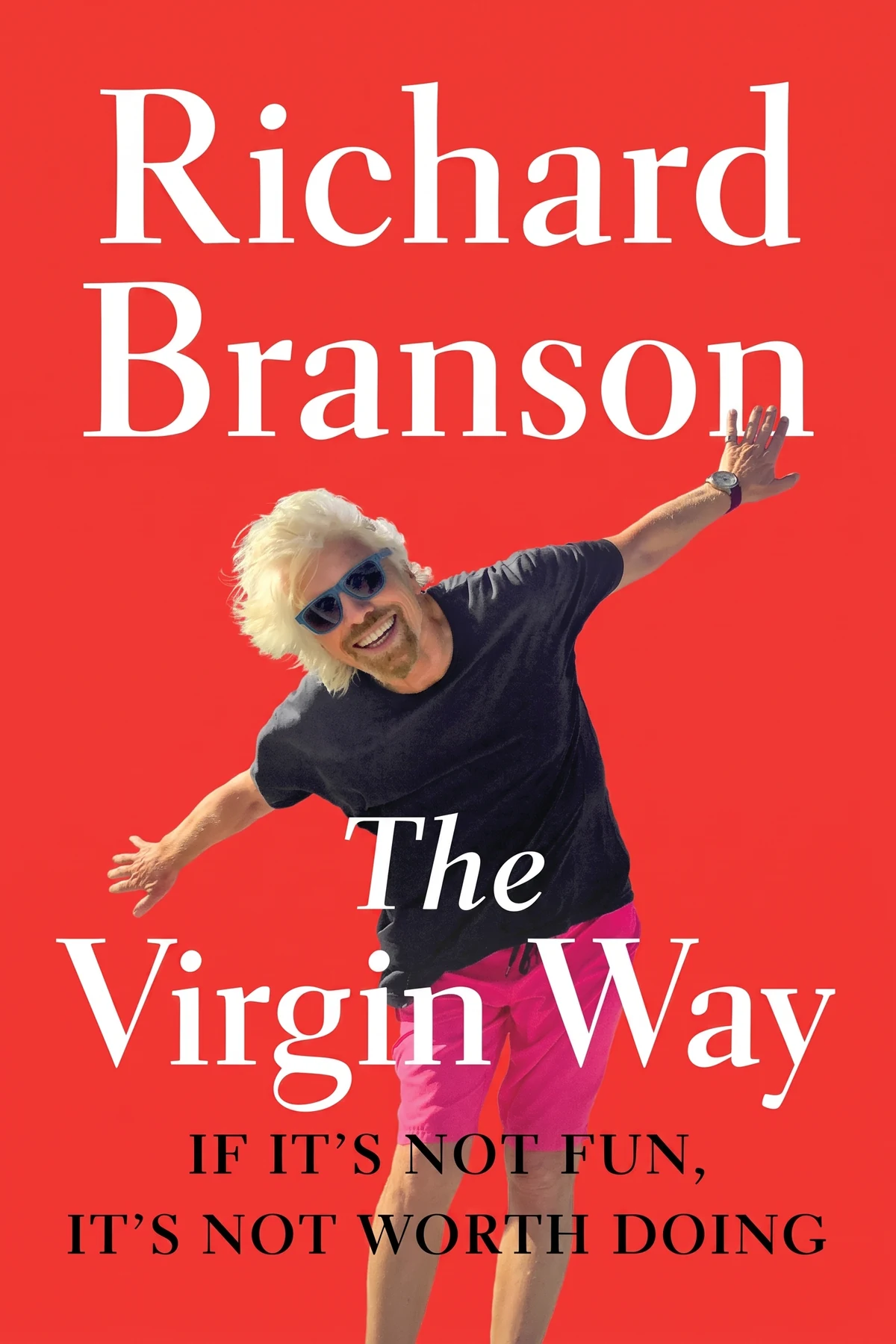
The Virgin Way: If It's Not Fun, It's Not Worth Doing
Richard Branson
Ratings & Reviews
Ratings at a glance
What people think
Listeners find this autobiography highly compelling and an essential read for business leaders, commending its depth of wisdom and professional perspectives. The work is packed with excellent narratives and is quite approachable, with listeners enjoying the portrayal of Richard Branson's personality. They admire the author’s drive for innovation, especially regarding space and aviation, and one listener highlights his knack for building relationships with people.
Top reviews
Surasit
Richard Branson has always been a figure of fascination for me, but this sequel to his first autobiography truly humanizes the legend. The book picks up right where the last one left off, detailing the expansion of the Virgin empire into space and social activism. I found the sections on Virgin Galactic particularly gripping, as it highlights the immense risks and emotional toll of pioneering commercial space flight. One actionable takeaway that stuck with me was his obsession with taking notes; it is a simple habit, yet he credits it for much of his success. While he definitely spends a lot of time name-dropping famous friends like Obama and Mandela, it never feels like mindless boasting. Instead, it offers a glimpse into how he leverages his network to tackle global issues through Virgin Unite. It is an incredibly easy read that left me feeling motivated to tackle my own business goals with renewed energy.
Show moreAna
Ever wonder what it feels like to juggle four hundred companies while simultaneously planning a trip to the edge of space? This book provides the answer in a way that is both exhilarating and deeply personal. Branson’s ability to connect with people is his true superpower, and it shines through in his stories about his employees and global leaders alike. Not gonna lie, I was mostly here for the Virgin Galactic updates, and they did not disappoint. The way he describes the setbacks and the sheer determination required to keep the dream alive is masterfully told. It’s rare to find a business leader who is so willing to be a 'rebel' while still maintaining a kind-hearted nature. This isn't just a book about making money; it's a manual for living a life filled with adventure and purpose. Every entrepreneur should have this on their shelf.
Show morePlernpiriya
Wow. The sheer amount of life this man has lived since his last book is enough to make anyone feel like they're standing still. From surviving catastrophic storms on Necker Island to negotiating with presidents, Branson’s life is a whirlwind of activity. I particularly enjoyed the focus on his philosophy of 'finding my virginity' by constantly seeking out new challenges and industries to disrupt. His emphasis on customer service as the ultimate differentiator remains a central theme that every business owner should take to heart. Personally, I found his stories about his family to be the most touching parts of the memoir. It shows that despite the fame and the fortune, he remains grounded in what matters most. It is an uplifting, high-energy read that reminds us all to say 'yes' more often than 'no'. Truly an incredible journey.
Show moreOat
Few books manage to capture the raw excitement of building a global empire without getting bogged down in dry corporate jargon. Branson writes exactly how he speaks: with passion, humor, and a touch of mischief. I was fascinated by his interactions with other tech giants like Elon Musk, and how they compare in their leadership styles. Branson seems to prioritize the human element of business, focusing on employee happiness and empowerment. This 'people-first' approach is what has allowed the Virgin brand to survive and thrive across so many different sectors. The book is also a great testament to the power of persistence. Even when faced with near-death experiences or massive financial losses, he keeps moving forward. It’s an infectious mindset that I found incredibly helpful for my own career. Definitely one of the better business memoirs out there.
Show morePaisley
Picked this up during a long flight and found myself gripped by the sheer scale of Branson’s ambition over the last two decades. To be fair, this isn't a traditional 'how-to' business manual, but the insights into his entrepreneurial spirit are invaluable. He navigates the transition from a scrappy underdog to a global titan with a surprising amount of transparency about his failures. I appreciated his reflections on the importance of family and maintaining a sense of play even when the stakes are worth billions. Some might find the constant mention of his high-profile lifestyle a bit much, yet it fits the persona he has built. The writing style is conversational and fast-paced, making the 450 pages fly by. It serves as a reminder that business should be about more than just profit; it’s about people and impact. I’d recommend it to anyone needing a spark of inspiration.
Show moreSamart
After hearing so much about the 'Virgin way,' I wanted to see how the brand evolved since the turn of the century. The book is essentially a collection of memories that showcase Branson's transition into philanthropy and political advocacy. I found his stance on drug law reform and environmental issues to be quite thought-provoking, even if I didn't agree with every political point he made. Truth is, he is much more opinionated here than in his previous writing, especially regarding Brexit and American politics. This might turn some readers off, but I found the honesty refreshing for a public figure of his stature. The chapters are short and punchy, which helps keep the momentum going through the more business-heavy sections. It’s a solid 4-star read that offers a unique perspective on what it means to be a modern visionary.
Show moreFilm
The chapter on Virgin Galactic alone is worth the price of admission for anyone interested in the future of commercial space flight. Branson details the technical hurdles and the heartbreaking tragedies of the program with a level of grit I wasn't expecting. In my experience, most billionaire memoirs are overly polished, but this one feels relatively authentic to his voice. He shares his affinity for risk-taking, which is both terrifying and admirable. Whether he is jumping off a casino or launching a new airline, his zest for life is contagious. My only minor complaint is that some of the business ventures are glossed over a bit too quickly. I wanted more of the 'nitty-gritty' details on the failures of things like Virgin Cars or his TV show. Still, it’s a must-read for those who admire his unconventional approach to leadership.
Show morePierre
Is it an autobiography or just a 450-page diary of a billionaire’s vacation schedule? Frankly, I struggled with the structure of this book compared to his first one, which felt much more grounded and relatable. In this installment, we are treated to endless anecdotes about kitesurfing with celebrities and rubbing shoulders with world leaders. While his work with prison reform and climate change is commendable, the narrative often feels like a surface-level Wikipedia entry rather than a deep dive into his psyche. Look, the man is undeniably successful, but the constant 'everything is amazing' tone started to grate on me after a while. I was hoping for more granular detail on how he manages 400 companies simultaneously. It is still an interesting read for fans of the Virgin brand, but don't expect the same 'rags-to-riches' charm found in his earlier work.
Show moreOrm
To be fair, I enjoyed 'Losing My Virginity' much more because it felt like there was more at stake in those early years. This book feels like a victory lap for someone who has already won the game. It’s hard to relate to the 'struggles' of a man who lives on a private island and spends his weekends with Peter Gabriel and Kate Moss. The writing is a bit disjointed, jumping from one adventure to the next without much of a cohesive thread. I also felt that some of his political commentary, especially regarding the Brexit vote, came across as a bit preachy and one-dimensional. He tends to lump people into categories rather than exploring the complexity of their views. It’s an okay read if you want to know what Branson has been up to, but it lacks the soul of his first autobiography.
Show moreChanpen
As someone who has followed the Virgin brand for years, I was hoping for more depth regarding the actual mechanics of his business successes. Instead, many of the stories feel like brief snapshots or highlights from a PR reel. One moment he is in a hot air balloon, the next he is starting a bank, and then he's at a party with the Clooneys. There isn't much reflection on the 'why' or the 'how' behind many of these decisions. Gotto say, the book is entertaining, but it feels a bit superficial at times. It’s more of a celebrity memoir than a business book. If you’re looking for a collection of fun stories about a billionaire’s life, you’ll love it. If you’re looking for a masterclass in strategy, you might find it a bit lacking in substance.
Show moreQuestions about this book
What is Finding My Virginity by Richard Branson about?
It is Branson’s second autobiography, continuing from Losing My Virginity around 1999. He tells how Virgin took on British Airways, launched pay-as-you-go phones, opened gyms, ran trains, rescued Northern Rock, turned the cable company NTL into Virgin Media and built Virgin Galactic. Later chapters cover his charity work, Virgin StartUp loans and his public views on AIDS treatment and drug policy.
What is the main business lesson in Finding My Virginity?
Branson’s recurring move is to enter industries where customers put up with bad service, such as long phone contracts, costly gym fees or scripted call centers, and to offer something simpler and friendlier. He pairs that better service with cheeky marketing, like his Heathrow sign mocking British Airways. Where people only tolerate a product, he sees an opening.
What happened to Virgin Galactic in the book?
In 2014, during the fourth powered test of SpaceShipTwo, a lever was pulled too early and the craft broke apart, killing pilot Mike Alsbury and injuring Peter Siebold. Branson says reports of an engine explosion were false. The crash made him examine his motives, but the team chose to continue, and a new SpaceShipTwo flew a successful fifth powered test in December 2016.
How can I apply Branson's ideas from Finding My Virginity?
List what your customers accept with a sigh, such as hidden fees or slow replies, and treat each item as an opening. Let front-line staff help people in their own words, as Branson did when he scrapped NTL’s scripts. And follow his practical advice to take notes, since he finds executives who write ideas down are more productive.
Readers also enjoyed


A Promised Land
Barack Obama


A River in Darkness: One Man’s Escape from North Korea
Masaji Ishikawa

A Spy Among Friends: Philby and the Great Betrayal
Ben Macintyre


A Year in the Life of William Shakespeare: 1599
James Shapiro



AUDIO SUMMARY AVAILABLE
Listen to Finding My Virginity in 15 minutes
Get the key ideas from Finding My Virginity by Richard Branson, plus 5,000+ more nonfiction titles.
- 5,000+ titles
- Listen as much as you want
- 7-day free trial
- Cancel anytime









