
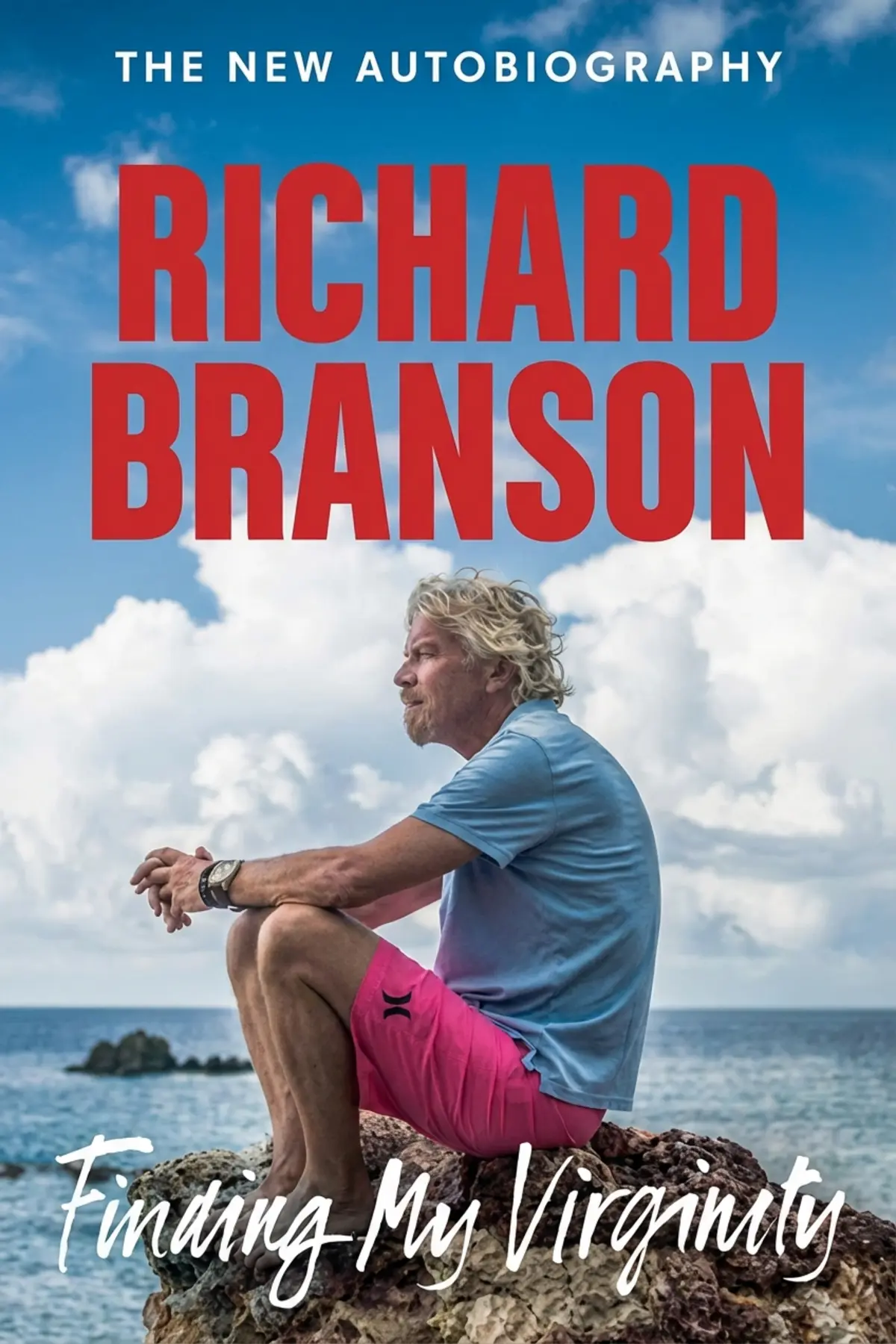
Finding My Virginity: The New Autobiography
Richard Branson
 English
Richard Branson explains how forgiving mistakes, listening closely, keeping work fun, slowing down big decisions and ignoring naysayers helped him build Virgin, with stories from record shops, airlines and one narrow escape from the subprime crash.
1 min 02 sec
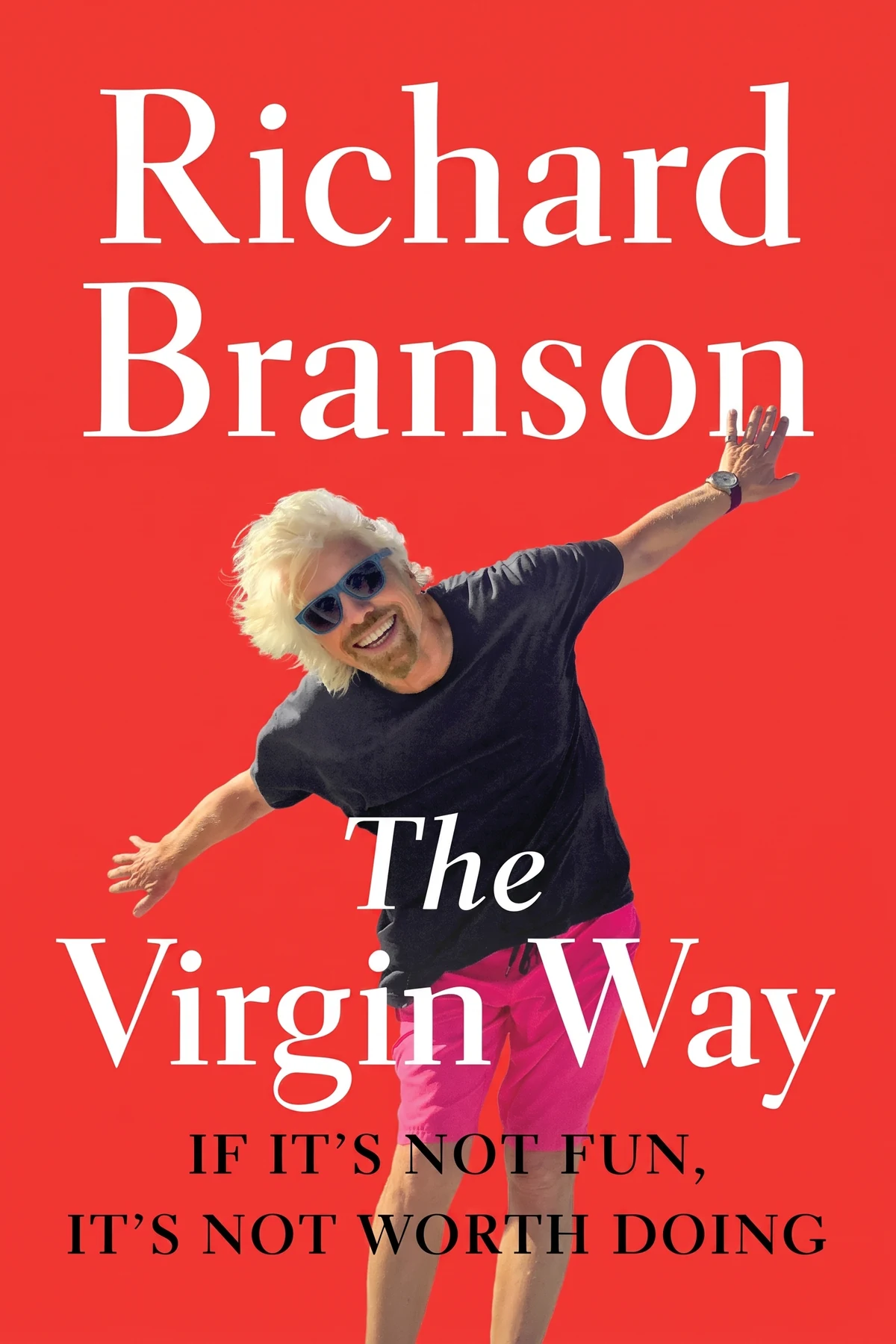
If you lead people, you may feel you have to look tough, speak well and decide fast. In The Virgin Way, Richard Branson, who built hundreds of Virgin businesses, argues that the leaders worth following often do nearly the opposite: they forgive, listen, play and wait. He learned the first of these as a boy, when his father answered a theft with nothing more than a day of silence. The boy never stole again.
The book collects four decades of wins and flops, from record shops and airlines to a cola that never made money. Its argument is simple. Mercy, curiosity, fun, patience and nerve are the qualities most bosses treat as soft, and they are what built Virgin. Doing things your own way usually beats copying the status quo. Along the way you will hear how a delayed answer kept Virgin out of the subprime disaster and why a stranger in a cinema queue turned out to be worth billions.
1 min 56 sec
A boy who stole coins for chocolate expected a harsh punishment and got something stranger. Decades later, the same choice faced him as a boss, and his answer helped launch a pop star.
1 min 52 sec
History remembers great leaders for their speeches. Branson suspects their real edge was the opposite skill, and a young man scribbling in a Greek audience proved how far it can go.
1 min 49 sec
An airline settled a legal threat with an arm-wrestling match and hid its crew in the luggage bins. It sounds like chaos, yet its record in a brutal industry is hard to match.
2 min 05 sec
A film director wandered into a record executive’s office at exactly the right moment. A student spent his car savings on a stranger’s idea. Neither stroke of fortune was as random as it looks.
2 min 04 sec
A famous bank offered Virgin a hot investment, and Branson’s own team urged him to say yes. His stubborn delay looked overly cautious at the time, until the global economy blew up.
2 min 02 sec
Leonardo da Vinci designed a bridge to join two continents, and the experts laughed it off. Five centuries later, Branson kept hearing the same kind of laughter, and kept proving it wrong.
1 min 38 sec
Teenagers are natural risk-takers and rule-breakers, which sounds like exactly what a future founder needs. Branson argues that schools spend years removing those traits, and he has a simple fix.
1 min 13 sec
At first, Branson’s leadership can look like a set of personal quirks: a billionaire who forgives a thief, carries a notebook everywhere, parties late and sits on decisions. Underneath sits one belief. Business rewards people who trust their own way of working over the accepted script, as long as they pair that nerve with hard work and the readiness to use a lucky break.
The habits are small enough to try this week. When someone on your team slips, start with a private conversation before any punishment, the way Ted Branson’s silence did more than any lecture could have. Bring a notebook to your next meeting and ask the follow-up question. When a deal arrives with pressure attached and terms you don’t understand, let your team dig until the downside is clear. And when experts call a place or an idea too risky, ask whether they are describing a fact or just a habit.
A record store in a neighborhood people avoided and airport lounges offering haircuts and massages had one thing in common. Sensible people said they would fail. Branson’s career suggests that warning deserves a hearing, and then quite often deserves to be ignored.
Many leaders believe they have to look tough, speak well and decide fast. Richard Branson, who has built hundreds of businesses under the Virgin name, thinks most of that is wrong. Looking back on four decades of wins and failures, he argues that the habits behind Virgin are ones most bosses undervalue: giving people a second chance, listening more than talking, taking fun seriously, waiting before big decisions and backing ideas that experts call foolish. Each lesson comes from a story. A childhood theft that his father answered with silence. A talent scout who stole records and then found Boy George. A delayed answer to Goldman Sachs that kept Virgin away from subprime mortgages. A Times Square record store that everyone said New Yorkers would avoid. Readers get a warm, practical picture of leadership built on people rather than fear, along with clear habits to try: carry a notebook, protect your team's enjoyment, slow down under pressure and treat early doubt as information. Branson also makes a case that schools should prepare young people for the risks and failures that come with starting something new.
Founders and small business owners who want a people-first way to lead.
Managers deciding how to handle mistakes, build team spirit and resist pressure to rush big calls.
Young professionals and students drawn to entrepreneurship who want lessons from both wins and flops.
Richard Branson was born in 1950 in Blackheath, South London, and started his first business, a magazine called Student, at sixteen. He sold records by mail order from 1970 and opened the first Virgin Records shops in 1972. He went on to launch Virgin Atlantic, Virgin Rail Group and the space tourism company Virgin Galactic. He was knighted in 2000 for services to entrepreneurship, and in 2007 Time magazine named him one of the world's most influential people.
Richard Branson

Listeners find this business title both captivating and accessible, offering impactful wisdom on company management. They enjoy Richard Branson’s individual charm, as one listener points out his sincere and modest nature, and they consider the work deeply motivating and practical. The text offers excellent advice on leadership, and listeners enjoy the humorous prose, with one person remarking that the book had them roaring with laughter.
Branson is the ultimate corporate rebel, and this book captures his iconoclastic spirit perfectly through a series of captivating tales. I was struck by his level of humility; despite owning 400+ companies, he writes with an honest character that makes his success feel attainable rather than intimidating. The "Guide" at the end is a goldmine of pragmatic mini-mission statements that act as a great call to action for any leader. Truth is, his focus on "scads of self-deprecating humor" to get a bigger bang for your buck is a marketing lesson everyone should study. I really enjoyed the story about the Steve Jobs prank—it’s those little glimpses into his personality that make the book worth the price. This isn't just about making millions; it's about the unique process of building something that matters while having a blast doing it. I’d recommend this to anyone who feels stuck in a sterile corporate environment and needs a reminder of why they started.
Show moreEver wonder what actually happens inside the boardroom of a global empire like Virgin? Branson pulls back the curtain with surprising tales that range from his legendary April Fool's pranks to the internal struggle of launching new ventures. He’s incredibly introspective and articulate about how he manages to lead without losing his soul in the process. I loved his take on "convenience having no soul" and his push to take retail back to its roots of intimacy and scarcity. In my experience, most business books are dry, but this one is remarkably easy to read and actually had me laughing out loud. The focus on listening and being a good steward of the environment is presented not as a corporate obligation, but as a core passion. It’s an inspirational read for young entrepreneurs who want to build a brand that stands for something. Every chapter feels like a personal conversation with a mentor who actually cares about your growth.
Show moreThe chapter on his April Fool’s pranks had me roaring with laughter in the middle of a crowded coffee shop. It’s rare to find a business leader who is so willing to be self-deprecating and emphasize the importance of a sense of humor in the workplace. Branson’s writing style is captivating, making you feel like you’re sitting on Necker Island listening to him tell stories. He’s a renegade icon, yet he stresses the importance of simple things like being empathetic and remembering people's faces. The advice to "wear laurels, don't rest on them" really resonated with me as I navigate my own career changes. Truth is, this book isn't just for CEOs; it's for anyone who wants to approach their life with more passion and creativity. It’s highly effective at making you want to go out and start something new immediately. Definitely one of the more inspirational books on my shelf right now.
Show morePicked this up on a whim during a layover and it’s easily the most motivating thing I've read all year. Branson’s take on how "indecision is not an option" really pushed me to make some changes in my own business approach. I love how he values "scads of creativity" over massive advertising budgets, proving that the newcomer can win by not playing on the big guys' level. Not gonna lie, I was surprised by how much he focuses on the "soul" of a business and the happiness of the employees. The stories about the early days of Virgin and his interactions with people like Steve Jobs are gold for any business history buff. It’s written with such a sense of fun and adventure that it makes the hard work of entrepreneurship seem like the best game in the world. This is a must-read for anyone who wants to lead with heart and a bit of a rebellious streak.
Show moreFinally got around to finishing this and I have to say, it’s a refreshing change of pace from typical business literature. Branson’s voice comes through so clearly; he is such a funny trouble maker who genuinely believes that work should be an adventure rather than a chore. I particularly loved the sections focusing on youth entrepreneurship and his unwavering belief that the next generation holds the keys to solving our biggest problems. The book is all about listening, collaboration, and building a culture where employees actually want to show up on Monday morning. While it occasionally feels like a Virgin promotional brochure, his insights on keeping management simple and human are invaluable. To be fair, some of the advice is basic common sense—like taking notes and being empathetic—but seeing it practiced at this scale is quite impressive. It’s an easy read that manages to be both informative and highly entertaining without taking itself too seriously.
Show moreAs someone who manages a small team, I found the chapters on hiring for "joie de vivre" and people skills quite refreshing. Branson emphasizes that happiness actually fuels success, rather than being a result of it, which is a philosophy I try to implement daily. The book provides several effective leadership tips, like the "Thou Shalt Not" list which warns against forcing fun or acting scripted. It’s a very pragmatic look at how to build relationships and give people your full attention in an age of constant distraction. My only complaint is that some of the "Virgin war stories" feel a bit polished, almost as if the bad parts were scrubbed for the sake of the brand. Still, the unique way he approaches decision-making—trusting his gut and acting quickly—is a great lesson in avoiding the trap of indecision. It’s an engaging read that offers a lot of "bite-size" wisdom for the modern professional.
Show moreThis isn't a typical dry business textbook filled with complex charts and boring graphs, which is exactly why I enjoyed it. Branson focuses on the human element of industry—things like being genuine, finding common ground, and building real relationships. The "The Guide" section at the back acts as a fantastic summary of his mini-mission statements that you can actually use. Personally, I found his advice on working from home to reduce stress levels very timely and relevant to today's work environment. While he does spend a lot of time praising his own people, his passion for great service is infectious and hard to argue with. The book is an excellent look into what makes a contemporary legend tick, even if it feels a bit like a PR piece at times. It’s a fast, engaging read that offers plenty of powerful insights for anyone looking to disrupt their industry.
Show moreWhile I admire Richard Branson's incredible journey and his undisputed status as a business legend, a huge portion of this book felt like a Virgin “puff piece.” It’s hard to ignore the fact that about 40% of the content is just high-level praise for his own management team and the brand’s history. Frankly, I was hoping for more grit and fewer clichés about the "humble bumblebee" or the importance of having fun. There are some sage pieces of advice buried in here, particularly regarding his hiring philosophy and the "Virgin Way" of decision-making, but they are often intertwined with over-the-top marketing. If you haven't read his previous work, you might find this revolutionary, but for long-time followers, it feels like he’s recycling well-known business stories. It isn't a bad book by any means, but it certainly isn't his best effort either. The layout is great for dipping in and out, yet the depth just isn't there for a seasoned entrepreneur.
Show moreLook, there is no denying that the Virgin brand is iconic, but this book feels like it's trying to cover too much ground with too little substance. It’s essentially a smorgasbord of management concepts that range from the deeply insightful to the incredibly cliché. I enjoyed the sections on how Southwest Airlines manages their fleet to simplify engineering, even though it wasn't a Virgin-specific story. However, I felt like the book was 20% war stories and 80% management ideas that have been covered more effectively elsewhere. To be fair, Branson is a legendary risk-taker, and his perspective on keeping a youthful spirit in business is motivating. But I couldn't help but feel that a lot of this was promotional material for his various companies. If you're looking for a light, easy-to-digest book on corporate culture, this will work for you. If you want a deep dive into business strategy, you might find it a bit lacking in technical detail.
Show moreNot what I expected given the hype surrounding his previous memoirs, especially since "Losing My Virginity" was such a masterpiece of storytelling. This felt like it was 'phoned in' with a lot of generic business filler that you could find in any airport bookstore. My biggest gripe is how he points to other companies as examples of failure while only using Virgin as the gold standard for success. It feels a bit one-sided and, at times, more like a marketing manual than an honest reflection on leadership. To be honest, I found myself skimming through the parts where he continuously praises his management team by name just to stroke their egos. I did appreciate the mentions of Sir Freddie Laker, as it sparked an interest in learning more about that era of aviation. However, the business concepts here are very basic—listen, take notes, be nice—and don't offer much for someone looking for deep strategic insights.
Show moreBranson argues that the qualities many bosses see as soft built Virgin: forgiving mistakes, listening carefully, keeping work fun, waiting before big decisions and ignoring people who say an idea can’t work. He backs each one with stories from his career, from a talent scout who found Boy George after being given a second chance to a Times Square store that critics said would fail.
It is Branson’s name for taking as much time as possible before a big decision. Early on he often acted on instinct, which worked for Virgin Atlantic but not for Virgin Cola or Virgin Brides. Later, when Goldman Sachs offered Virgin an investment his team liked, he made them keep digging and declined. The product was subprime mortgages, which helped cause the 2007 crash.
He follows his father’s example. When young Richard stole coins, Ted Branson punished him only with a day of silence, and the stealing stopped. At Virgin Records, Branson privately confronted a talent scout who was selling stolen records, then let him stay. The man never stole again and went on to discover hit acts, including Boy George.
Start with small habits from the book. Carry a notebook and write down what people tell you, as Branson has since he was a teenager. Protect what makes work enjoyable for your team. Slow down when someone pressures you toward a deal you don’t understand. Handle mistakes privately before punishing them. And when critics call an idea unrealistic, treat their doubt as information to weigh.
It suits founders, managers and team leaders who want a warmer, less authoritarian approach to leading people, and young people curious about starting a business. Readers who enjoy business stories will find plenty here, including Tubular Bells and The Exorcist, Southwest Airlines’ playful culture, and a Stanford student whose $10,000 bet on Google is now worth billions.



Margaret Heffernan





Joseph A. Maciariello


AUDIO SUMMARY AVAILABLE
Get the key ideas from The Virgin Way by Richard Branson, plus 5,000+ more nonfiction titles.









