

14 min 34 sec
Available in: English
 ไทย
EnglishไทยFinding Me: A Memoir
By Viola Davis
Viola Davis traces her path from poverty and violence in Rhode Island to Juilliard, Broadway and an Oscar. She shows why success alone could not heal the frightened girl she had once been.
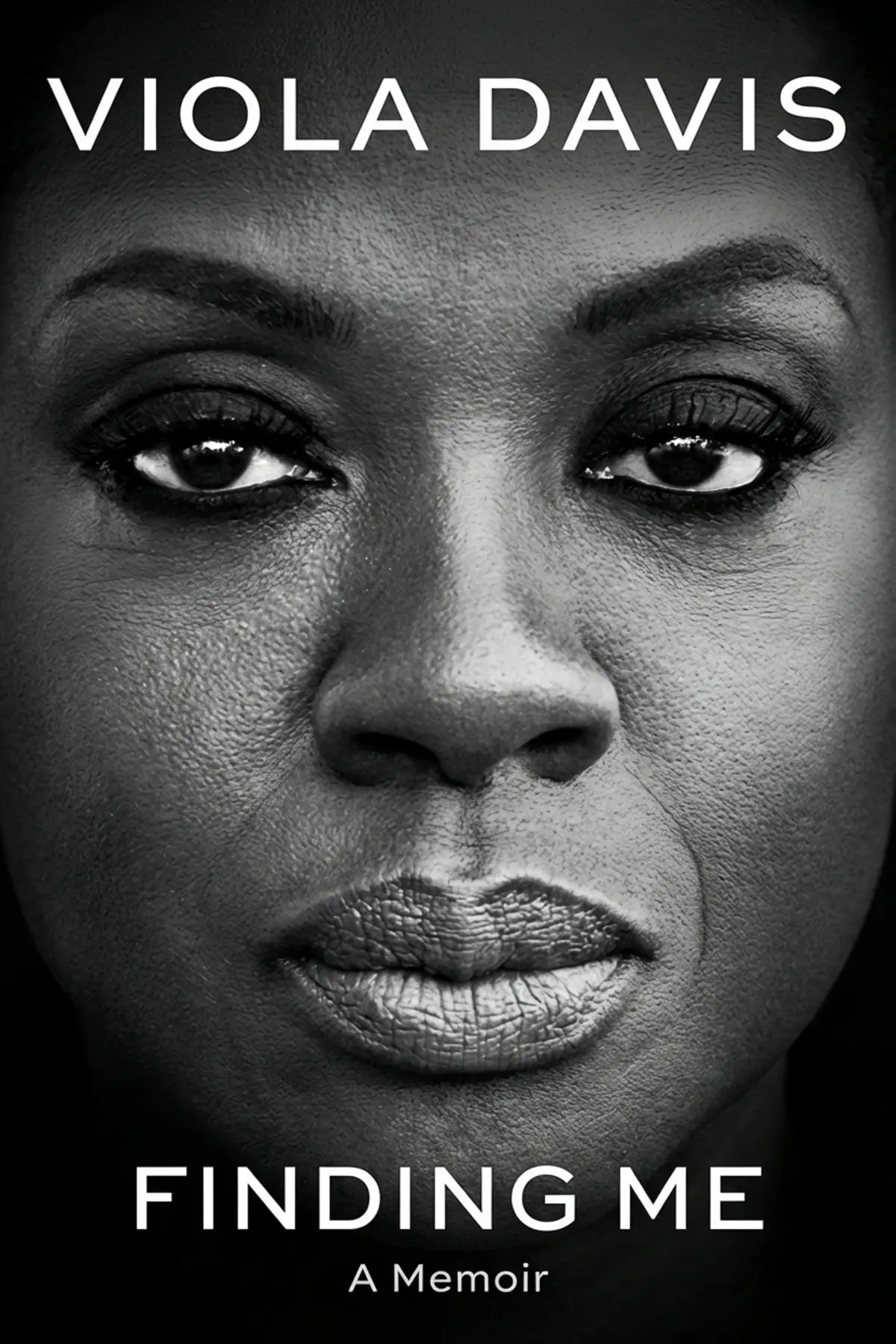
Table of Content
1. Introduction
55 sec
Reaching the top of your field does not erase what it took to get there, and old wounds can follow you all the way onto the stage. In Finding Me, actor Viola Davis shows this from the inside. In 2017 she stood at the Dolby Theatre in Los Angeles in a crimson gown, holding the Academy Award for best supporting actress for playing Rose Maxson in Fences. Almost no one watching knew about the cold apartment, the violence at home or the racist beatings behind that moment.
Her memoir makes one argument. Hardship gave her the drive to rise, but success never healed it, and peace came only when she turned toward the frightened child she had been. Following her from Rhode Island poverty to Juilliard, Broadway and television history offers a clear way to think about ambition, prejudice and the parts of yourself that no award can reach.
2. See how a frightened child learns to fight back
1 min 49 sec
A famous co-star asked Davis a simple question about who she really was. Her honest answer reached back to a crowded apartment, a drunken father and one night when a teenage girl refused to step aside.
3. A child's vow can drive a whole career
1 min 45 sec
A five-year-old made a promise to her older sister in a freezing apartment. It carried her further than anyone expected, yet it also set a test she kept failing, no matter how many trophies she won.
4. Seeing someone like you opens a door
1 min 54 sec
On a television stacked on top of a broken one, a young girl saw a face she recognized. What followed involved a game show skit, a cheap softball bat and a kitchen full of rats.
5. Keep rising even when home falls apart
1 min 47 sec
The same season that brought Davis national recognition also brought a machete, an eviction and the loss of the family’s welfare. How she kept going says a lot about what really sustains ambition.
6. Reclaim the voice your training tries to shrink
1 min 46 sec
Davis talked her way through a Juilliard audition with a timetable no applicant should have. Getting in turned out to be the easy part. Staying herself inside the school took a trip across an ocean.
7. Acclaim and acceptance are not the same thing
1 min 52 sec
Broadway applause, a Tony nomination and a Best Supporting Actress nomination for Doubt should have settled the question of whether Davis belonged. Hollywood had a different answer, until one showrunner and one wig changed it.
8. Make peace with the child who survived
1 min 43 sec
A therapist told Davis something about the girl in the snow that she believed right away and still could not act on for years. What finally let her do it is the quiet heart of the memoir.
9. Conclusion
1 min 03 sec
Finding Me ends far from the rat-filled rooms of Central Falls, yet it keeps returning to them, because Davis never stopped carrying them. Pain, her story suggests, can be fuel. A sister’s warning, a face on a foil-wrapped television and a fight over a glass pushed her to Juilliard, Broadway and an Oscar. Fuel is not healing, though. The awards left the eight-year-old in the snow exactly where she was, until Davis chose to turn around and hold her.
She also offers plain advice for anyone starting out in creative work. Do not take career lessons from well-paid stars who can afford to be choosy. If rent is due, book the insurance commercial; she names a Geico ad as her example. It pays, and it will not damage your talent.
And if success has not silenced an old fear, look at the younger self you have been running from and ask what she gave you. For Davis, it was the strength to keep running, this time toward joy.
About this book
What is this book about?
Most people assume that reaching the top of a field settles the past. Viola Davis, holding an Academy Award on a Los Angeles stage, knew otherwise. In Finding Me she tells the story behind that moment: a childhood of hunger, rats and a violent, drinking father, racist bullying at school, and a sister's warning that only relentless work would get her out. Davis follows the path from a talent contest in Central Falls, Rhode Island, to a Juilliard audition squeezed into under an hour, a trip to West Africa that gave her back her voice, and Broadway, film and television success. Along the way she shows how colorism in Hollywood kept limiting her roles, and how Shonda Rhimes and the part of Annalise Keating helped her break that mold. The heart of the memoir is what fame could not do. Awards never silenced the eight-year-old inside her. Readers get a candid account of how she finally made peace with that child, and some down-to-earth advice for anyone starting out in creative work.
Book Information
Who it's for
Still hurting after success
People who have reached a goal and found that old pain came along with them.
Young creatives facing rejection
Young actors and artists juggling day jobs, rejections and rent.
Facing prejudice at work
Readers facing prejudice at work who want an honest account of how one woman broke a narrow mold.
About the Author
Viola Davis
Viola Davis was born in 1965 and studied at Juilliard after starting out in small stage productions in Central Falls, Rhode Island. She made her Broadway debut in August Wilson's Seven Guitars in 1996, later won Tony Awards for King Hedley II and Fences, and won an Academy Award for the film version of Fences. She was the first Black actress to win the Emmy for best lead actress in a drama series, for How to Get Away with Murder. Her narration of Finding Me won a Grammy Award, and she runs JuVee Productions with her husband.
Ratings & Reviews
Ratings at a glance
What people think
Listeners find this memoir to be an absorbing life story that remains totally engaging from beginning to end. The book is celebrated for its unfiltered truth and profound feeling, with one listener noting it had them in bitter-sweet tears. Listeners value the caliber of the writing; one emphasizes how it mirrors the author's history, while others observe how it helps readers reflect on life's meaning. Listeners characterize the work as an impactful narrative about finding oneself, with one review mentioning how it provides hope to those struggling.
Top reviews
Diego
Wow. I am still processing the sheer weight of this narrative. Viola's voice—especially if you listen to the audio—is a force of nature that carries the scars of her upbringing in Rhode Island with such profound dignity. The descriptions of the rats and the constant hunger were visceral, yet she never asks for your pity. Instead, she offers a masterclass in survival and the radical act of self-love. It’s a compelling life story that is completely captivating from the first page to the last. She reminds us that our past doesn’t have to be a life sentence. Frankly, this should be required reading for anyone who thinks they know what "struggle" looks like.
Show moreYuki
Picking this up felt like a heavy commitment, but I couldn't put it down once I started. Davis is unapologetically real about the abuse she witnessed and the shame she carried for years. I was particularly moved by her reflections on her father and the complex evolution of their relationship; it takes a lot of maturity to write about a "villain" turning into a kind person. The writing quality reflects her artistic background—every sentence feels intentional and heavy with meaning. This book provides a lot of hope to those currently struggling with their own trauma. It’s a powerful memoir about finding yourself when the world tries to erase you.
Show moreDivya
Ever wonder what it actually takes to become an EGOT winner? This isn't a glamorous Hollywood tell-all; it's a gritty, beautiful autopsy of a life built from scratch. I loved the section on her trip to Africa and how that experience allowed her to finally see her dark skin as a source of power rather than a burden. She speaks about therapy with such transparency that it makes you want to book a session immediately. Davis dismantles the "gimmick" of celebrity memoirs by being brutally honest about the 400-year-old narrative Black women are fighting against. It’s a soul-generous gift of a book that I’ll be thinking about for a long time.
Show moreNarut
The chapter on the Juilliard audition had me holding my breath, even though I obviously knew how it ended. Viola’s descriptions of living in a home filled with rats and the smell of urine were so vivid they felt like a punch to the gut. It’s rare to see a public figure be this vulnerable about their "ugly" memories. Look, she doesn't hold anything back about the racism and misogyny she faced, and it makes her eventual success feel like a hard-won victory for all of us. This is a definitive guide on how to redefine your life. If you’re looking for a reflection on life’s meaning, you’ve found it here.
Show moreOscar
Viola Davis has written something that feels less like a book and more like a prayer for the misunderstood. Her "alchemical" process of turning childhood trauma into world-class art is nothing short of miraculous. I was floored by her honesty regarding her mother’s own history of abuse and how that cycle was eventually broken through forgiveness. Not gonna lie, I cried multiple times reading about her struggles with hunger and the feeling of unworthiness. This is the kind of book that helps readers reflect on their own paths. It’s a compelling life story that reminds us we are always "enough," no matter what we’ve been through.
Show moreManop
Not what I expected at all, in the best way possible. I went in expecting a standard celebrity biography but got a deeply philosophical exploration of race, poverty, and the American dream. The way she describes the "lioness" strength required to survive her household is breathtaking. Her journey to Africa was a standout part of the book for me; seeing her connect with a culture that worshipped Blackness was such a relief after the chapters on Juilliard’s rigid training. My only tiny complaint is that the timeline felt slightly rushed at the very end. Still, this is a five-star experience that provides hope to anyone currently in the trenches.
Show moreTakeshi
As a long-time fan of her work, I thought I knew Viola Davis, but this memoir proved me wrong. The way she details the systemic colorism in Hollywood—how she was told she wasn't "traditionally" beautiful enough—is gut-wrenching and eye-opening. Her journey from the extreme poverty of her childhood to the Juilliard stage is a testament to her iron will. While I felt the transition between her early career and her family dynamics got a little muddy toward the end of the book, the emotional depth kept me hooked throughout. She is so much more than an actress; she's a survivor who finally found her light in the darkest corners.
Show moreYuwadee
It’s rare to find a memoir that feels this grounded in reality while still offering such a soaring sense of inspiration. Viola Davis doesn't just list her achievements; she examines the scars she earned along the way. I found her discussion of the business side of acting—the fact that so few performers actually make a living wage—to be incredibly practical and necessary. Personally, I was most touched by her path to adoption and the way she’s building a family legacy that looks nothing like the one she grew up in. The prose is elegant yet accessible. It’s a gorgeous, heartbreaking, and ultimately triumphant look at what it means to be human.
Show moreYanin
After hearing everyone rave about the audiobook, I finally gave in, and boy, was it worth it. Hearing Viola recount the specific conversations she had with Shonda Rhimes about Annalise Keating was a highlight for me. It’s fascinating to see how that role helped her heal from her own perceived "ugliness." Truth is, I wish she had spent a little more time on the #MeToo movement given her influence, but the personal family history she shared was equally vital. She proves that memories are immortal and can either strangle you or give you perspective. It’s a sturdy, honest piece of work from a legendary artist.
Show moreWillow
To be fair, this was a difficult read for me because of how graphic the descriptions of domestic violence and poverty were. I have immense respect for Viola’s journey, especially her time at Juilliard where she felt forced to mask her true self to fit a "white" standard of acting. However, I found the middle section of the book a bit repetitive as it delved into her theater days. The honesty is raw, almost too raw at times, and it had me in bitter-sweet tears more than once. It’s an important book, but certainly not a light one. I appreciate her realness about the industry, though the pacing didn't always work for me.
Show moreQuestions about this book
What is Finding Me by Viola Davis about?
It is Viola Davis’s memoir of growing up poor in Rhode Island with a violent, drinking father, being bullied at school, and finding a way out through acting. She follows her path through Juilliard, Broadway, film and How to Get Away with Murder. Its central idea is that success did not heal her childhood trauma; peace came when she learned to embrace the frightened girl she had been.
What inspired Viola Davis to become an actor?
As a child she watched a television set balanced on top of a broken one. Most women she saw on screen were white and blonde, until Cicely Tyson appeared in The Autobiography of Miss Jane Pittman and she recognized her mother’s face. Davis saw that moment as her call to adventure. Years later, Tyson played opposite her in the first season finale of How to Get Away with Murder.
How did Viola Davis get into Juilliard?
She traveled from Providence, where she had a play to perform that night, not knowing Juilliard auditions lasted three days. She had planned only 45 minutes. Calmly, she requested to perform both of her monologues within an hour: Celie from The Color Purple and a selection from Moliere’s The Learned Lady. The committee rearranged its schedule, and she was admitted.
What is the main lesson of Finding Me?
Achievement and healing are different things. Davis won a Tony, an Oscar and an Emmy, yet still felt like the eight-year-old beaten by bullies in the snow. A therapist told her that girl was a survivor and the reason for her success. With time, family support and her own work, Davis learned to embrace her, and now runs toward joy rather than away from pain.
Readers also enjoyed

A Promised Land
Barack Obama


A River in Darkness: One Man’s Escape from North Korea
Masaji Ishikawa

A Spy Among Friends: Philby and the Great Betrayal
Ben Macintyre


A Year in the Life of William Shakespeare: 1599
James Shapiro



Agent Sonya: The Spy Next Door
Ben Macintyre
AUDIO SUMMARY AVAILABLE
Listen to Finding Me in 15 minutes
Get the key ideas from Finding Me by Viola Davis, plus 5,000+ more nonfiction titles.
- 5,000+ titles
- Listen as much as you want
- 7-day free trial
- Cancel anytime









