

13 min 38 sec
Available in: English
 ไทย
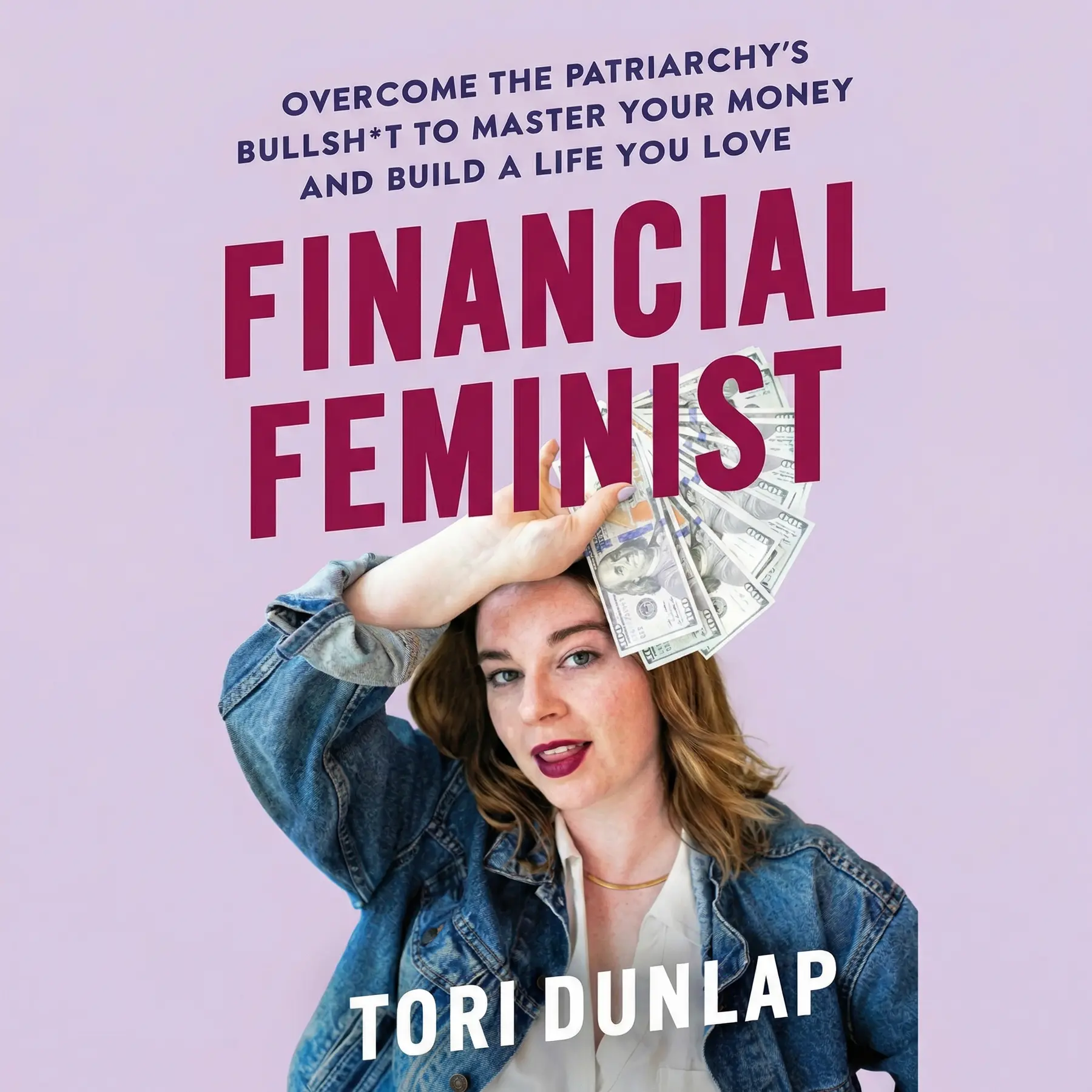
EnglishไทยFinancial Feminist: Overcome the Patriarchy's Bullsh*t to Master Your Money and Build a Life You Love
By Tori Dunlap
Shows how to stop blaming yourself over money, look at your real numbers, set a few clear goals and divide each paycheck so that savings give you the freedom to leave, negotiate and invest in your values.
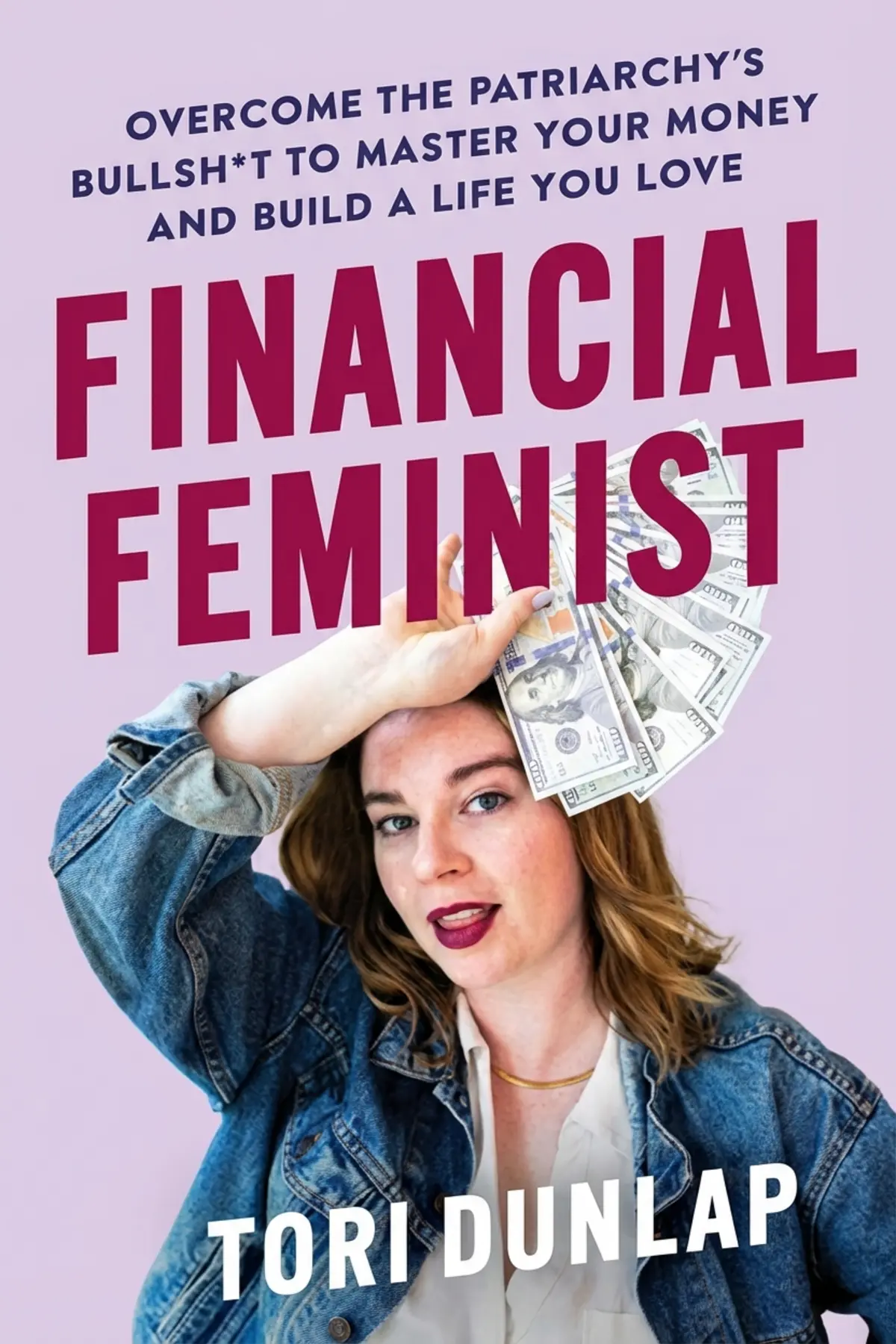
Table of Content
1. Introduction
1 min 09 sec
If money makes you anxious, or you blame yourself for debt you could not avoid, Tori Dunlap offers a better place to start. In Financial Feminist, the founder of Her First $100K argues that money cannot buy happiness, but it buys the freedom that leads there: leaving a toxic job or relationship without fear of going hungry, taking a vacation when you are burned out, paying for the dance class that lifts your week. Pay gaps, unfair lending and higher prices on products for women can cost women, people of color, disabled people and LGBTQ+ communities more than a million dollars in a lifetime. That makes personal wealth a feminist issue, because unjust systems survive when people are too stressed to fight them.
Dunlap’s throughline is that once you drop the shame, face the numbers and give each dollar a job, the security you build turns into power, for yourself first and then for others. Her steps run from an honest look at your feelings to investing in causes you believe in.
2. Drop the shame your money story taught you
1 min 49 sec
Long before your first bank card, you had already decided how money makes you feel. Dunlap traces where those feelings came from, and why the blame so many women carry was never fairly theirs.
3. Face your numbers without judging yourself
1 min 36 sec
Avoiding your bank balance feels safer than opening it. Dunlap explains why that comfort is expensive, and which few figures you need to gather before any plan can work.
4. Three goals, written as if already done
1 min 31 sec
Most money resolutions die on a long wish list. Dunlap limits you to a handful and adds an odd grammar trick that she believes convinces the mind the work is possible.
5. Split every paycheck into three baskets
1 min 29 sec
A budget that treats every dollar the same tends to collapse by the second week. Dunlap’s simple split protects your future and still leaves real room for the things you enjoy.
6. Pay for safety first, then expensive debt
1 min 41 sec
When rent, debt, retirement and dreams all compete for the same paycheck, everything feels urgent. Dunlap sets a fixed order, and a single number decides where your debt falls in it.
7. A cushion that lets you ask for more
1 min 28 sec
Savings look like a purely defensive move, something for bad days. Dunlap sees them as leverage, and she connects a few months of living costs in the bank to fighting the wage gap.
8. Make your money back the world you want
1 min 49 sec
A few dollars can feel too small to matter beyond your own account. Dunlap points to a lending program where tiny sums produced outsized results, and to a notebook habit that shows which spending is worth it.
9. Conclusion
1 min 06 sec
Dunlap’s book rests on one reframe. Money measures nothing about your character, and wanting more of it is not greed. It decides whether you can leave, rest, refuse or ask for more. Each of her steps follows from that: release the shame you absorbed as a child, look at the real figures, choose a few goals, give every dollar a basket and build safety before anything else. The security that results is personal at first. Then it becomes a way to shape what happens around you, the way a 60 dollar loan can turn into a business that repays its community.
To begin this week, write down one feeling you carry about money and where you think you learned it. Pick a single goal and phrase it in the past tense, as if you have already reached it. Set up an automatic transfer toward an emergency fund, however small, and keep the three-column diary for a month to learn which spending truly pays you back.
In Dunlap’s view, a woman who can afford to walk away is also a woman who can afford to change things.
About this book
What is this book about?
Many women feel anxious or ashamed about money, and many blame themselves for debt shaped by forces they never controlled. Tori Dunlap argues that pay gaps, unfair lending and higher prices on products for women can cost women, people of color, disabled people and LGBTQ+ communities more than a million dollars over a lifetime. She also argues that money is worth pursuing anyway, because it buys freedom: the freedom to leave a toxic job, to rest when burned out, to say no. Her method moves in a clear order. First, deal with the feelings about money you formed as a child. Then check your real income, debts and spending without judging yourself. Choose three goals and write them as if you had already reached them. Split your income into baskets for expenses, goals and fun, and fund your goals in a fixed order: emergency fund first, then expensive debt, retirement, and the big plans of your life. Readers get a practical plan and a reason to stick with it. Dunlap shows how a safety net gives you leverage at work, and how a secure future can become money that backs the causes you care about.
Book Information
Who it's for
Women anxious about money
Women who feel anxious or ashamed about money and keep avoiding their bank balance.
New professionals and freelancers
Early-career professionals and freelancers who want a simple order for savings, debt and investing.
Underpaid and wanting options
Anyone underpaid who wants enough of a cushion to negotiate or leave.
About the Author
Tori Dunlap
Tori Dunlap is an American entrepreneur, writer, podcast host and public speaker. She saved $100,000 by age 25, then left her corporate marketing job and founded Her First $100K, a financial education company that helps women with their money and fights financial inequality. Before that she spent almost five years in marketing, leading organic strategy for Fortune 500 companies and financial technology start-ups. She hosts the Financial Feminist podcast, co-created the investing education platform Treasury, and speaks and coaches on money, side hustles and confidence.
Ratings & Reviews
Ratings at a glance
What people think
Listeners find this personal finance book to be an exceptional resource that helps them master their money and gain a sense of financial empowerment. The writing is clear and easy to follow, offering detailed explanations, and one listener noted it contains many passages and tips worth highlighting. Listeners appreciate the practical, hands-on advice and find it life-altering, with one listener mentioning it helped them develop a plan that is easy to follow.
Top reviews
Anna
Tori Dunlap has created what I would call the modern woman’s financial manifesto. Frankly, this book is less about math and more about reclaiming your power in a system that wasn't built for us to succeed. I appreciated the thorough explanations regarding the gender pay gap and how that ripples into our long-term investing potential. The "brass tacks" sections provide actionable guidance that turned my vague anxieties into a concrete, followable plan for my thirties. It’s rare to find a finance book that feels this inclusive and encouraging without being condescending. Truly a life-changing read for anyone ready to stop living in fear of their credit card statement.
Show moreManika
As someone who has always felt excluded from the "boys' club" of Wall Street, this book was a breath of fresh air. Tori manages to demystify complex topics like index funds and compound interest without making the reader feel stupid. The truth is, most of us were never taught this stuff in school, so having it all in one place is incredibly empowering. I found myself highlighting dozens of passages that shifted my entire money mindset from "survival" to "growth." The mix of research-backed studies and personal anecdotes makes the advice feel grounded and achievable. I’m finally starting to see my bank account as a tool for freedom and a way to build a life I actually enjoy.
Show morePridi
After hearing Tori’s podcast for months, I wasn’t sure if the book would offer anything new, but I was pleasantly surprised by the depth here. It’s a comprehensive guide that tackles both the technical side of investing and the psychological side of spending. The way she explains the "shame" we feel around wanting money was a major "aha" moment for me. I’ve already started implementing her "money dates" and it’s completely changed how my partner and I discuss our future. This isn't just a book you read; it's a manual you keep on your desk to reference whenever you feel overwhelmed. It helps you take control of your financial destiny with confidence.
Show moreKaen
Picked this up on a whim during a particularly stressful month of bills, and I’m so glad I did. The writing style is conversational and punchy, making it feel like you're getting advice from a very smart (and slightly intense) older sister. I really appreciated how she simplifies investing so it doesn't feel like a gamble or a secret club. The book is full of highlight-worthy passages that I know I’ll be coming back to as I hit my next financial milestones. It truly helped me create a plan that I can actually follow without feeling like I'm depriving myself of joy. Highly recommend for any woman starting her journey toward financial empowerment.
Show moreUbolrat
Finally got around to reading this after seeing it everywhere on TikTok. To be fair, I expected another dry manual, but Tori makes the "boring" parts of money actually feel urgent and interesting. The advice on high-yield savings accounts and Roth IRAs is laid out so clearly that I actually felt capable of opening an account immediately. I love how she connects our spending habits to deeper emotional triggers rather than just scolding us for buying lattes. My only minor gripe is the constant pop culture references which might not age well. Still, it’s a solid resource for any woman who feels paralyzed by her bank account.
Show moreGift
The chapter on debt repayment was a total game-changer for my daily stress levels. Instead of the usual "don't buy coffee" rhetoric, this book focuses on the systemic barriers women face while providing a realistic roadmap to overcome them. I’ve read a few money books, but this one actually gave me the "how-to" steps I was missing regarding salary negotiation. Truthfully, the middle sections can get a bit long-winded and some of the jokes fall flat. However, the sheer amount of actionable tips makes it worth the slog through the more repetitive parts. It’s an excellent bridge between high-level theory and basic financial hygiene that actually sticks.
Show moreUraiwan
Ever wonder why finance feels like a foreign language designed to keep you out? This book breaks down those barriers with a sharp, feminist lens that I found incredibly refreshing. Not gonna lie, I was skeptical about the "get rich to fight the patriarchy" angle, but Tori makes a compelling case for financial independence as a form of protest. The advice is practical and easy to implement, especially the sections on automated savings. While I could have done without some of the repetitive "girlboss" energy at the end, the core message is vital. It’s a strong tool for building a life you actually love without the typical shame associated with spending.
Show moreEthan
This book provides a solid mix of high-level goals and basic financial fundamentals. Gotta say, the way Tori discusses the reality of the financial landscape for marginalized groups adds a layer of depth missing from most "expert" advice. I particularly loved the guest insight from Ramit Sethi about defining what a "rich life" actually looks like for you. Some of the meme references are already starting to feel dated, which is a bit of a bummer for the longevity of the text. Despite that, the actionable guidance on building an emergency fund is some of the clearest I’ve ever encountered. It’s a very helpful, if slightly cheesy, read that yields real results.
Show moreWyatt
While the core financial advice here is undeniably sound, the delivery often felt a bit grating to me personally. I found the constant "millennialisms" and Timothée Chalamet mentions to be incredibly cringey and distracting from the actual data. In my experience, the "Social Justice Lite" branding sometimes feels like it's masking the fact that a lot of this information is available via a quick Google search. She talks a lot about her own accolades, which can come off as a bit arrogant after the fifth or sixth time. It’s a decent primer for absolute beginners, but if you’re already financially literate, you might find it repetitive and lacking depth.
Show moreAlejandra
Look, I really wanted to love this because the mission is great, but the execution left me wanting much more. Most of the "groundbreaking" tips are just repackaged listicles from her Instagram, and I felt like I was being sold a brand rather than truly educated. There’s a strange lack of perspective regarding women who aren't middle-class or white, despite the frequent mentions of being inclusive. Negotiating rent or being "courageous" with money is a gain-only risk for some, but can be dangerous for others, and she doesn't really address that nuance. It felt more like an autobiography of her success than a practical guide for the rest of us.
Show moreQuestions about this book
What is the main idea of Financial Feminist by Tori Dunlap?
Dunlap argues that money cannot buy happiness but buys the freedom and choices that lead to it, such as leaving a toxic job or relationship. Because unequal pay, lending and pricing can cost women and marginalized groups more than a million dollars over a lifetime, she treats personal wealth as a feminist issue. Her plan moves from dropping money shame to checking your numbers, setting goals, budgeting in baskets and investing in your values.
What is the 50-20-30 rule in Financial Feminist?
Dunlap suggests dividing income into three baskets as a starting point. About 50 percent goes to expenses such as housing, food, transport, utilities and insurance. About 20 percent goes to goals, your investment in the future. The remaining 30 percent is for fun, the spending that makes life worth living. She notes that the split is only a starting point, and that you should adjust it if your own situation is different.
In what order does Tori Dunlap say to save and pay off debt?
First build an emergency fund, ideally three months of living costs, partly in a high-yield savings account with automatic transfers. Second, pay off high-interest debt, meaning anything above 7 percent, the stock market’s average long-term return. Third, invest for retirement while paying down cheaper debt such as a mortgage. Last, save for big plans like a house deposit, a business or a major trip.
Why does Financial Feminist say an emergency fund is a feminist issue?
Dunlap argues that savings give you leverage. Knowing you could leave any job and be fine while you look for a better one makes it far easier to push back against the wage gap, negotiate a raise or change roles. The confidence from having a plan also helps with other moves, like calling credit card companies to ask for a lower interest rate, which can save hundreds over time.
How can I apply Financial Feminist to my spending habits?
Dunlap recommends a spending diary with three columns: the expense, the situation, such as lunch with colleagues or new books, and how you felt, even as an emoji. As weeks pass, you can see which purchases give real rewards, such as time with friends or inspiring reading, and which ones give nothing. She also suggests writing your goals in the past tense and tracking large goals in monthly steps.
Readers also enjoyed





AUDIO SUMMARY AVAILABLE
Listen to Financial Feminist in 15 minutes
Get the key ideas from Financial Feminist by Tori Dunlap, plus 5,000+ more nonfiction titles.
- 5,000+ titles
- Listen as much as you want
- 7-day free trial
- Cancel anytime









