
15 min 34 sec
Available in: English
 ไทย
EnglishไทยExpecting Better: Why the Conventional Pregnancy Wisdom is Wrong and What You Really Need to Know
By Emily Oster
Economist Emily Oster shows how to replace vague pregnancy rules with real numbers, from coffee and sushi to prenatal tests and labor, so you can weigh risks against your own priorities and decide with your doctor.
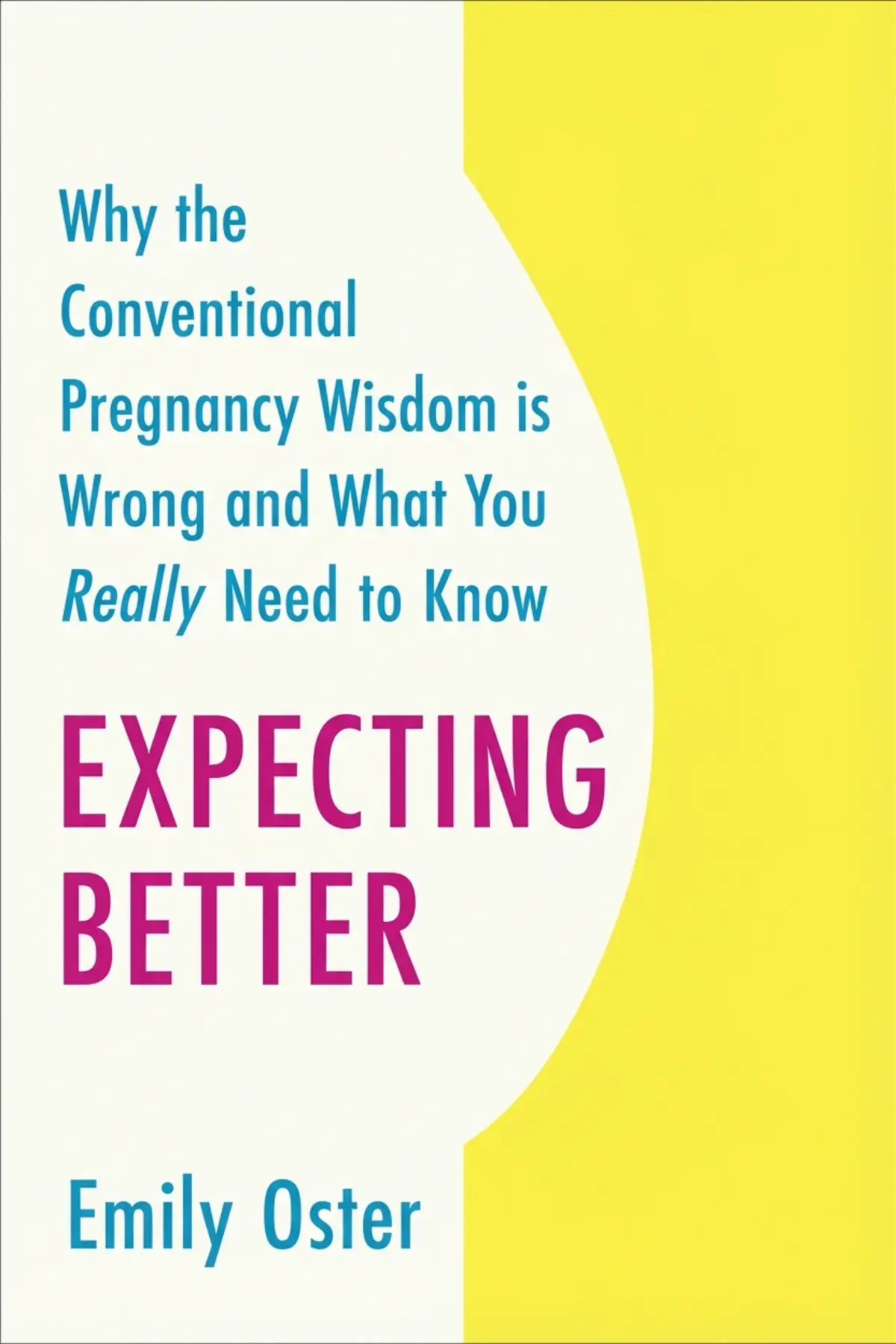
Table of Content
1. Introduction
58 sec
Pregnancy arrives with a long list of rules, and very few come with a reason or a number. In Expecting Better, economist Emily Oster went past the rules to the research behind them. She found that many rest on flawed studies and on overcautious readings of those same studies. Her own doctor answered questions with edicts, so she treated each choice the way an economist treats any big decision.
Her argument is that pregnancy choices belong to the woman making them. They improve when vague warnings become real odds, weighed against what she values. Some findings back the usual advice, and others overturn it. Oster stresses that these are her own readings of the data and may differ from standard medical guidance, so the aim is a sharper conversation with your doctor. Her method comes first, then what it reveals, from trying to conceive through coffee, sushi, prenatal tests, labor and the birth plan.
2. Ask for the number behind every rule
1 min 32 sec
Probably fine and risky sound like answers, yet they leave a pregnant woman with nothing to weigh. An economist’s habit of asking two plain questions turns them into something you can actually decide with.
3. Time conception with free, simple tools
1 min 42 sec
Popular warnings put a hard deadline on fertility and a ban on the two-week wait. A study of 2,000 women and a simple daily thermometer reading tell a calmer, more useful story.
4. Miscarriage risk falls steadily, not suddenly at twelve weeks
1 min 51 sec
Coffee, sushi and a glass of wine top most first-trimester ban lists. The week-by-week numbers on miscarriage suggest that the usual reason for staying silent rests on a date biology never agreed to.
5. Weigh prenatal tests by accuracy and risk
1 min 42 sec
One kind of test is close to certain but carries a small danger. Another is nearly harmless but can mislead. Oster lays out the odds so the choice fits the person making it.
6. Gaining too little weight is the bigger worry
1 min 37 sec
Doctors often frown at extra pounds, yet the weight risk that worries Oster more points the other way. Exercise, sleep aids and sleeping on your back get the same evidence check.
7. Read the signal that labor is near
1 min 49 sec
Doctors usually announce how open the cervix is. A different number, one many women never hear about, told one expectant mother exactly when to book her own mother’s flight.
8. Know what each stage of labor looks like
1 min 40 sec
Television gives labor a dramatic opening that most women never experience. A Hawaii study and a clearer three-stage map show what normal progress looks like, and when stepping in makes sense.
9. Write a birth plan that protects your choices
1 min 40 sec
Birth debates often force a choice between full intervention and none. A written plan, and one person Oster calls her best decision, opens a middle path backed by randomized trials.
10. Conclusion
1 min 03 sec
Oster started with a doctor who handed her rules and finished with something more useful: a way to turn each rule back into a question. The answers were mixed. Some warnings hold up, like avoiding raw meat and cat litter. Others, from giving up coffee entirely to the twelve-week silence and routine bed rest, rest on thin or overcautious evidence. A few hospital habits, such as episiotomy, are among the less safe options.
What changes is who holds the decision. A guideline is written for an average woman in an average case. A choice made with real odds fits the woman who lives with it.
No economics degree is needed. When a rule arrives without a reason, ask how often the harm happens and what kind of study found it. Take those numbers to your doctor, since Oster’s readings can differ from standard guidance. Then write your wishes down before labor, ideally with a doula beside you.
A pregnancy can have plenty of rules. Each one should come with its reason.
About this book
What is this book about?
Pregnant women get a long list of dos and don'ts: no coffee, no sushi, no wine, keep the weight down, wait twelve weeks to share the news. Rarely does anyone explain why, or say how big the risk actually is. When economist Emily Oster became pregnant and her doctor answered her questions with edicts, she went to the academic studies behind the guidelines. Her tools are the ones economists use for any decision. She finds good data, judges how strong each study is and watches for correlation posing as causation. Then she weighs costs and benefits against personal values. Applied to pregnancy, this method shows some conventional advice holding up and some resting on flawed studies or overly cautious readings. Readers get concrete numbers at each stage, from ovulation tracking and miscarriage odds by week to the accuracy of cell-free DNA screening, the real pace of labor and what randomized trials say about doulas. Oster presents these as her own readings of the evidence, which may differ from standard medical guidance. She offers them as a basis for better conversations with doctors.
Book Information
Who it's for
Pregnant women and couples
Pregnant women and couples tired of rules that come with no reason or numbers.
Trying to conceive
People trying to conceive who want to time ovulation and judge age-related odds calmly.
Expectant parents with questions
Expectant parents preparing questions for their doctor about testing, induction, labor and a birth plan.
About the Author
Emily Oster
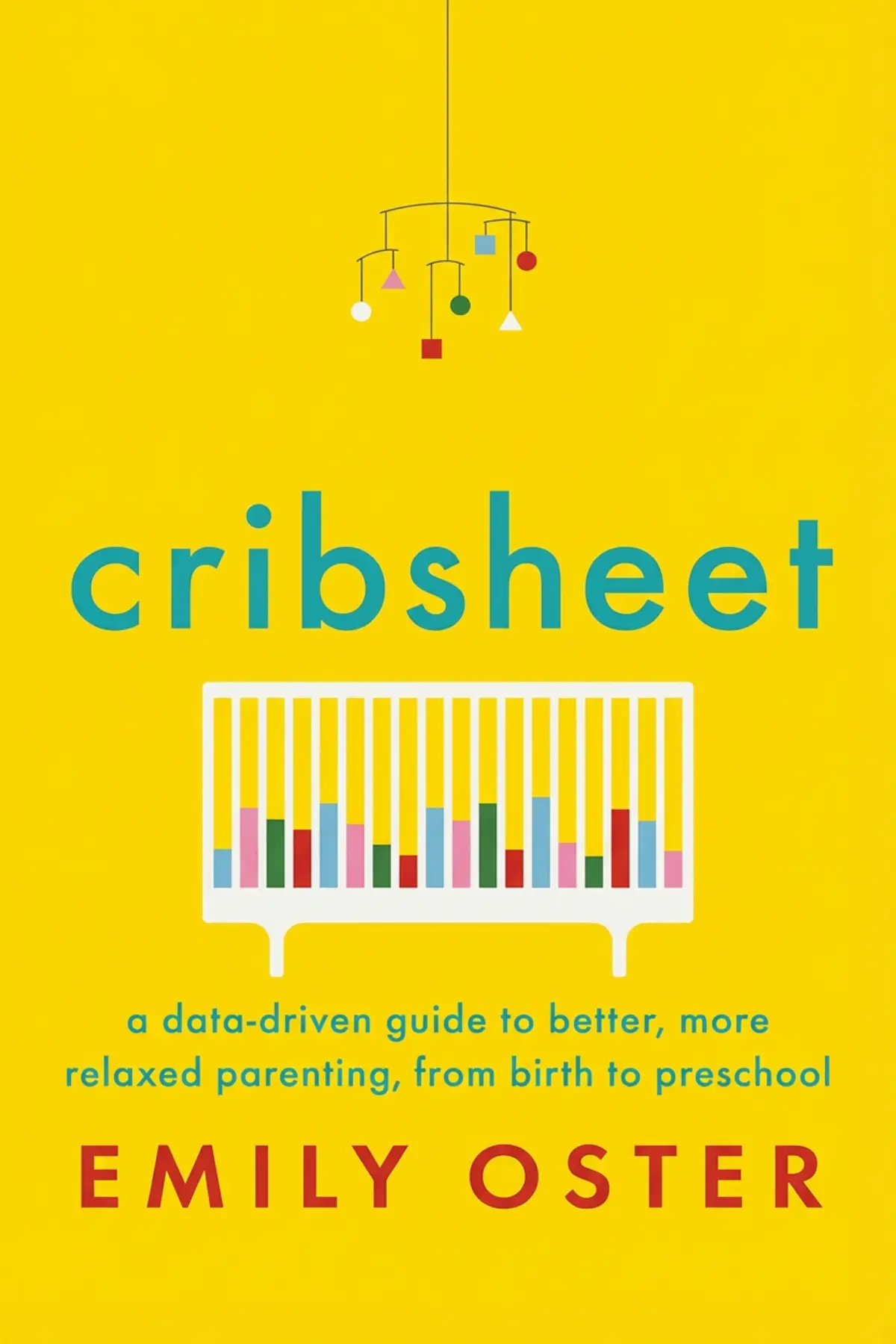
Emily Oster is an American economist and, since 2015, a professor of economics at Brown University. She earned her bachelor's degree and PhD at Harvard and earlier taught at the University of Chicago's business school. Her research covers development and health economics, research design and experimental methods, the toolkit she applies to pregnancy here. She is a New York Times best-selling author whose other books include Cribsheet and The Family Firm. She also founded ParentData, a data-based guide to pregnancy and parenting.
Ratings & Reviews
Ratings at a glance

What people think
Listeners describe this pregnancy guide as highly accessible and meticulously documented, citing the extensive research behind its evidence-based methodology. They value how the author distinguishes myth from reality and delivers data in a clear format, considering it essential listening for both expectant mothers and fathers. Listeners note that the material reduces worry and provides a sense of calm during gestation, while equipping them with the confidence to make informed decisions.
Top reviews
Sangduan
Finally, a pregnancy book that doesn't treat me like a child or a walking vessel of fragility. As someone who naturally gravitates toward spreadsheets and logic, Emily Oster’s approach was exactly what I needed to survive the overwhelming noise of the first trimester. She essentially looks at the 'rules'—no caffeine, no sushi, limited weight gain—and asks for the receipts. To be fair, some people find her economist background a liability, but I found it to be her greatest strength because she isn’t just repeating what she was told in med school thirty years ago. The truth is, many of the restrictions we face are based on incredibly shaky or outdated studies. Reading this felt like a massive weight lifting off my shoulders. I didn't feel 'permitted' to drink; I felt empowered to make my own risk-reward calculations. My only gripe is that the tone can occasionally feel a bit dismissive of traditional care, but the relief from anxiety is undeniable.
Show moreDek
The peace of mind this gave me during my first trimester is worth its weight in gold. Before I found this book, I was a nervous wreck, googling every single bite of food and feeling like a failure every time I felt a twinge of pain. Oster's evidence-based approach is refreshing because it relies on hard numbers rather than old wives' tales. I especially loved the breakdown of genetic testing options like NIPT versus amnio; it made a terrifying decision feel like a logical choice. Personally, I think every expectant mother deserves this level of transparency. The book empowers you to have a real conversation with your doctor instead of just nodding along to whatever they say. It’s not about being 'naughty' or ignoring health; it’s about understanding the actual probability of risk. If you’re a high-anxiety person, buy this immediately. It changed my entire perspective on what it means to be a 'good' pregnant woman.
Show moreMarasri
After hearing all the controversy surrounding the alcohol chapter, I wanted to see the numbers for myself. What I found wasn't a call to binge drink, but a nuanced look at how light consumption actually impacts development according to the best available studies. This book is a masterclass in risk assessment. Oster’s writing style is accessible without being patronizing, which is a rare find in the 'baby' genre. She tackles everything from the probability of miscarriage by week to the effectiveness of different labor induction methods. I found the section on epidurals particularly helpful because it cleared up so many myths about their impact on the 'cascade of interventions.' Honestly, it’s just nice to be talked to like a rational adult who can handle complex information. It helped me feel like I was in the driver’s seat of my own pregnancy. The graphs alone are worth the price.
Show moreGor
I picked this up for my wife, but I ended up reading the whole thing myself. As an expectant father, I felt pretty sidelined by most of the pregnancy literature out there, which is usually either overly sentimental or terrifying. This was different. It felt like a briefing. The way Oster explains Type 1 and Type 2 errors in the context of prenatal testing made total sense to me. It gave us a common language to discuss the choices we were making, from which tests to get to how we wanted to handle the delivery. The truth is, most books tell you what to do, but this one explains the statistical trade-offs of every decision. It turned our 'doctor's orders' into a collaborative plan. If you’re a guy who wants to actually be helpful and informed during these nine months, this is the book you need. It helps you be a partner rather than a spectator.
Show moreMadison
Every expectant parent needs to have this on their nightstand. Not what I expected at all—I thought it would be a dry textbook, but Oster is actually a very engaging writer who sprinkles in her own experiences. The chapter on 'The Labor Room' was particularly eye-opening for me, especially the data on continuous fetal monitoring and C-section rates. It gave me the confidence to ask my midwife specific questions about their practices. Look, at the end of the day, knowledge is power. This book doesn't tell you how to live; it gives you the tools to decide for yourself based on actual evidence rather than tradition or fear. It’s well-documented and thorough, making it an essential companion for anyone navigating the modern medical system. Whether you agree with her conclusions or not, you'll walk away feeling much more informed about your body and your baby's development.
Show moreAmara
As a data nerd, I absolutely loved how Oster broke down the research surrounding common pregnancy myths. Picked this up after my OB gave me a generic list of 'no-nos' that seemed largely arbitrary. The chapter on caffeine was a game-changer for me; seeing the actual statistics on coffee consumption vs. miscarriage risk allowed me to enjoy my morning cup without the crushing guilt. However, look, I do understand why some medical professionals are skeptical. She’s an economist, not a doctor, and that shows in how she sometimes glosses over the clinical nuances of things like listeria or bed rest. Not gonna lie, the section on alcohol felt a little biased toward her personal preferences, which might lead some readers to take unnecessary risks. Even with those minor flaws, it’s a must-read for anyone who wants to understand the why behind the advice. It makes the whole experience feel much more manageable and significantly less scary.
Show moreAudrey
Ever wonder why you're suddenly forbidden from eating a sandwich just because you're pregnant? This book finally provides some much-needed context on things like deli meats and listeria outbreaks. Oster points out that the risk from a turkey sub is often lower than the risk from bagged lettuce, yet no one tells you to stop eating salad. In my experience, doctors tend to give the most conservative advice possible to avoid liability, but that doesn't always lead to the best quality of life for the mother. My main criticism is that she occasionally leans too hard into her own lifestyle choices—it’s pretty clear she likes her coffee and wine! Still, the statistics on weight gain and exercise were incredibly enlightening and helped me stop obsessing over the scale every morning. It’s a fantastic resource for anyone who prefers logic over fear-mongering, even if you don't agree with every single conclusion she draws.
Show moreNoo
This book is a breath of fresh air compared to the 'What to Expect' style of fear-mongering. Instead of just listing a hundred ways things can go wrong, Oster uses data to show you the actual likelihood of those events occurring. It turns out that a lot of the things we're told to fear are actually incredibly rare. For example, the sushi thing? Totally overblown if you’re eating at a reputable place. I felt so much more relaxed after reading the chapter on miscarriage rates—seeing the numbers drop week by week was the only thing that kept me sane during the first trimester. My only real complaint is that she sometimes ignores the psychological aspect of risk; for some people, even a 1 in 1,000 chance is too much, and she can be a bit glib about that. Overall, though, it’s a brilliant way to cut through the noise and focus on what actually matters for a healthy baby.
Show moreClaire
While I appreciate the effort to deconstruct antiquated medical advice, I felt a bit uneasy about an economist overriding clinical consensus. Frankly, the methodology is fascinating, and I think it’s important to question why certain guidelines exist, but there is a certain 'privilege' to the tone that rubbed me the wrong way. She treats pregnancy like a series of math problems to be solved, which ignores the reality that biological systems don't always follow a linear regression. For instance, her take on smoking and alcohol seems to downplay risks if the data isn't 'statistically significant' to her personal standard. Is it helpful? Yes, for de-stressing over a piece of sushi. Is it dangerous? Possibly, if a reader uses it to justify behaviors that could have long-term impacts. I’d recommend reading this alongside a more traditional medical guide to get a balanced view. It’s a compelling read, but take the 'prescriptions' with a healthy dose of salt.
Show moreWoramet
Gotta say, the logic here is mostly sound, but the author’s personal preferences definitely leak through the data. I enjoyed the deep dive into the 'why' behind various pregnancy restrictions, but I noticed a pattern where she’s very forgiving of the things she likes—like caffeine—while being more dismissive of things she doesn't care for, like gardening or certain types of exercise. As someone with a background in science, I found her dismissal of some medical professional's concerns a bit arrogant. Economics is great for trends, but medicine involves individual biology that doesn't always fit into a neat chart. To be fair, she does provide the sources so you can check her work, which I appreciate. It’s a useful tool for lowering your stress levels, but I wouldn't use it as my only source of medical guidance. Some of the advice on alcohol and weight gain feels a bit 'too good to be true' for comfort.
Show moreQuestions about this book
What is the main idea of Expecting Better?
Emily Oster argues that many pregnancy rules are handed down without reasons or numbers, and some rest on flawed studies or overly cautious readings. Using an economist’s method, she finds good data, judges study quality and weighs costs and benefits against personal values. Some conventional advice holds up and some does not. She presents her conclusions as her own reading of the evidence, meant to support informed choices made together with a doctor.
What does Emily Oster say about coffee and alcohol in pregnancy?
On her reading of the research, two cups of coffee a day, 8 ounces each, showed no harm to the baby. Light drinking, one or two drinks a week in the first trimester, showed no effect on IQ, behavior or miscarriage risk. Oster notes that her conclusions may differ from standard medical guidelines, so she frames these numbers as the starting point for a personal decision and a conversation with your doctor.
Is the risk of miscarriage gone after 12 weeks?
Oster explains that risk does not stop suddenly at week 12, the point when many people share their news. It falls gradually: about 11 percent at 6 weeks, 6 percent at 8 weeks and 2 percent by 11 weeks. Age matters too, from 4.4 percent for women under 20 to 19 percent at 35, and IVF or a previous miscarriage raise the risk.
What does Expecting Better say about doulas and birth plans?
Oster recommends writing a birth plan so you can discuss choices with your doctor in advance, such as eating during labor or avoiding an episiotomy. She calls hiring a doula the best decision in her own plan. Randomized trials from 1991 and 2008 suggest a doula halves the chance of a C-section, makes an epidural less likely and shortens labor.
How can I use the approach in Expecting Better?
When you hear a pregnancy rule, ask how often the harm occurs and what kind of study found it. Watch for correlation posing as causation: women who exercise tend to have lower-risk pregnancies, yet they may have been healthier to start with. Then weigh the costs and benefits against what you value, and bring those numbers to your doctor so the decision becomes a shared, informed one.
Readers also enjoyed




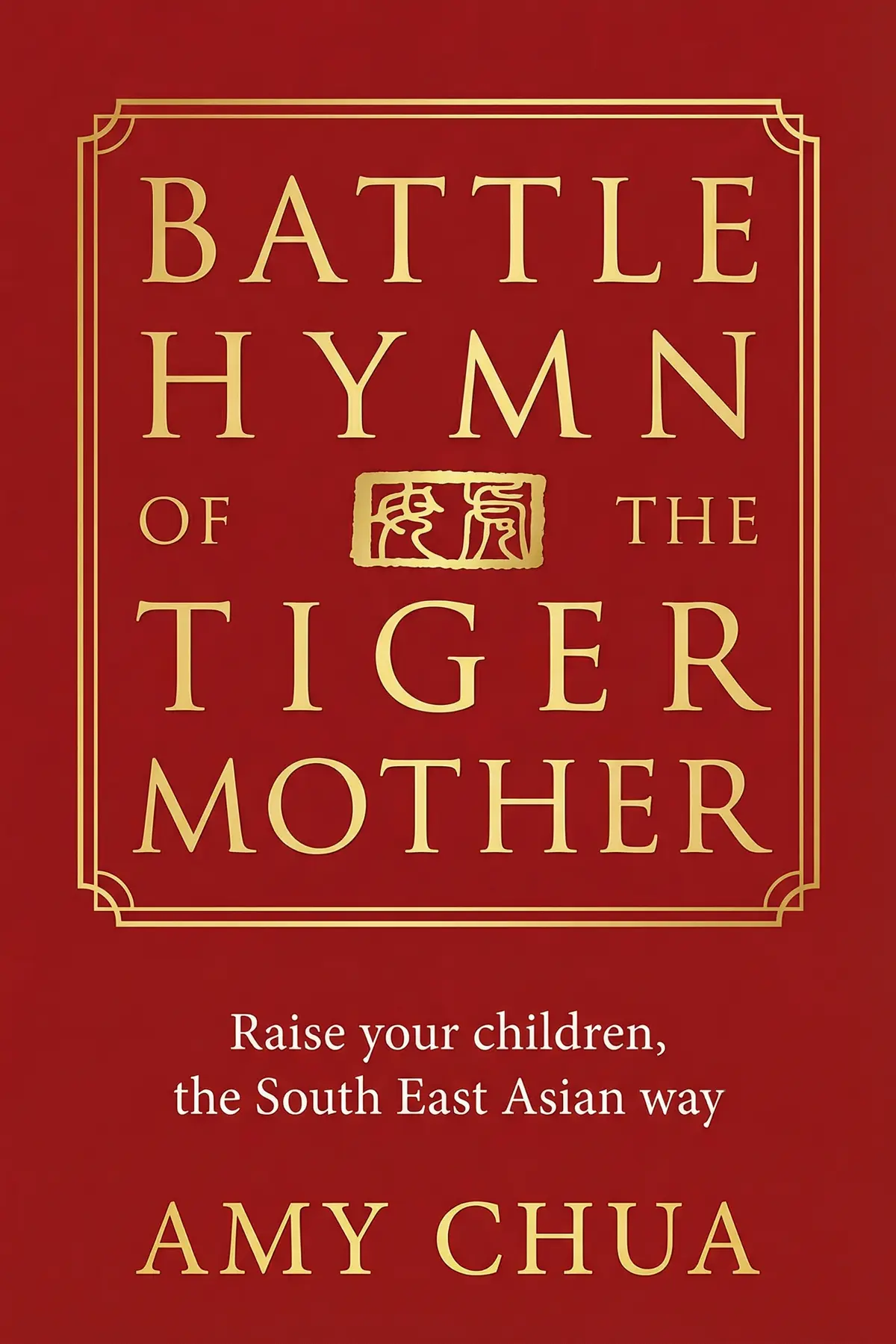
Battle Hymn of the Tiger Mother
Amy Chua
An American Sickness: How Health Became Big Business and How You Can Take
Elisabeth Rosenthal
AUDIO SUMMARY AVAILABLE
Listen to Expecting Better in 15 minutes
Get the key ideas from Expecting Better by Emily Oster, plus 5,000+ more nonfiction titles.
- 5,000+ titles
- Listen as much as you want
- 7-day free trial
- Cancel anytime









