
12 min 18 sec
Available in: English
 ไทย
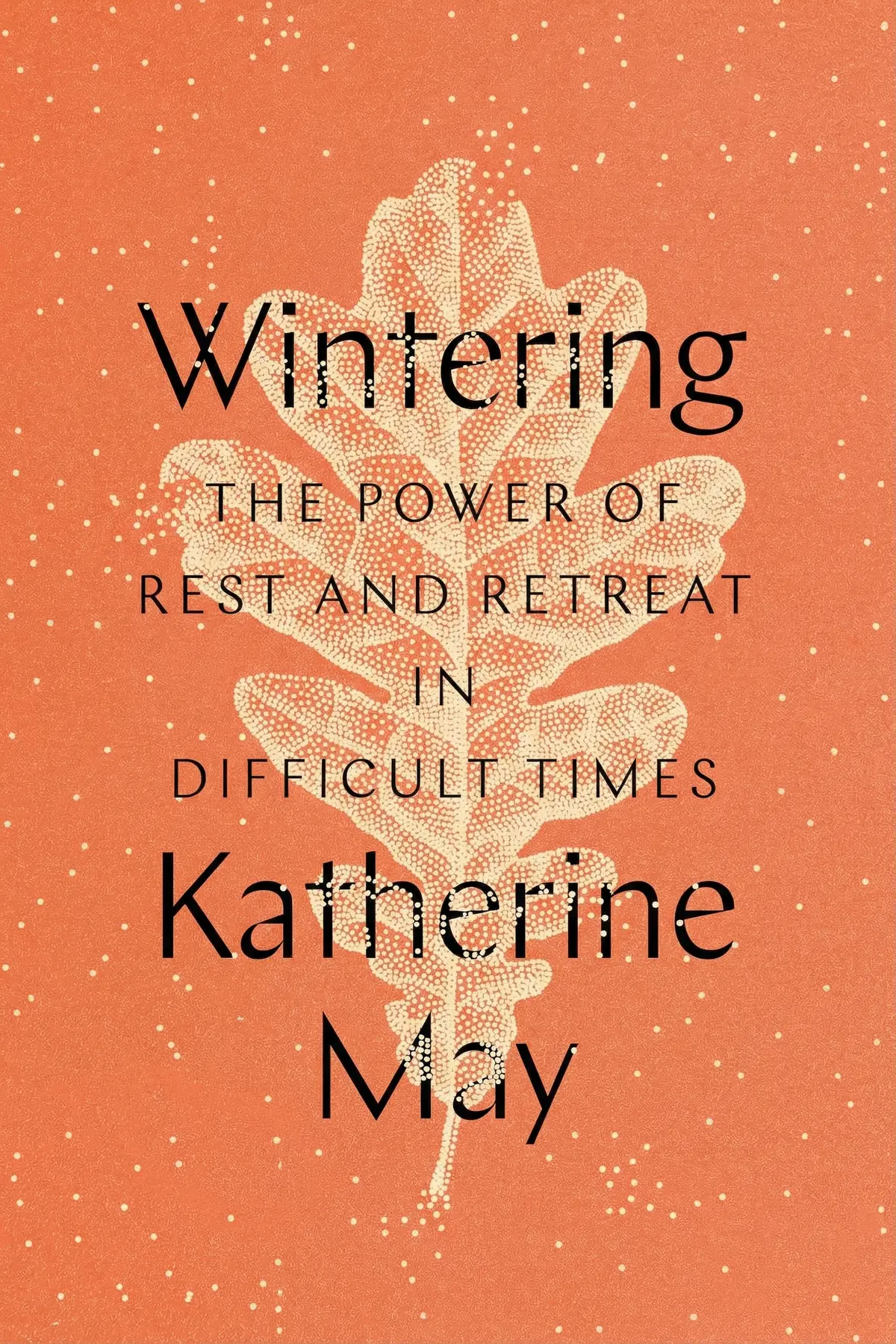
EnglishไทยEnchantment: Re-awakening Wonder in an Anxious Age
A burnt-out writer shows how to recover a lost sense of wonder through attention, small homemade rituals and closer knowledge of the earth, water, fire and air around you.
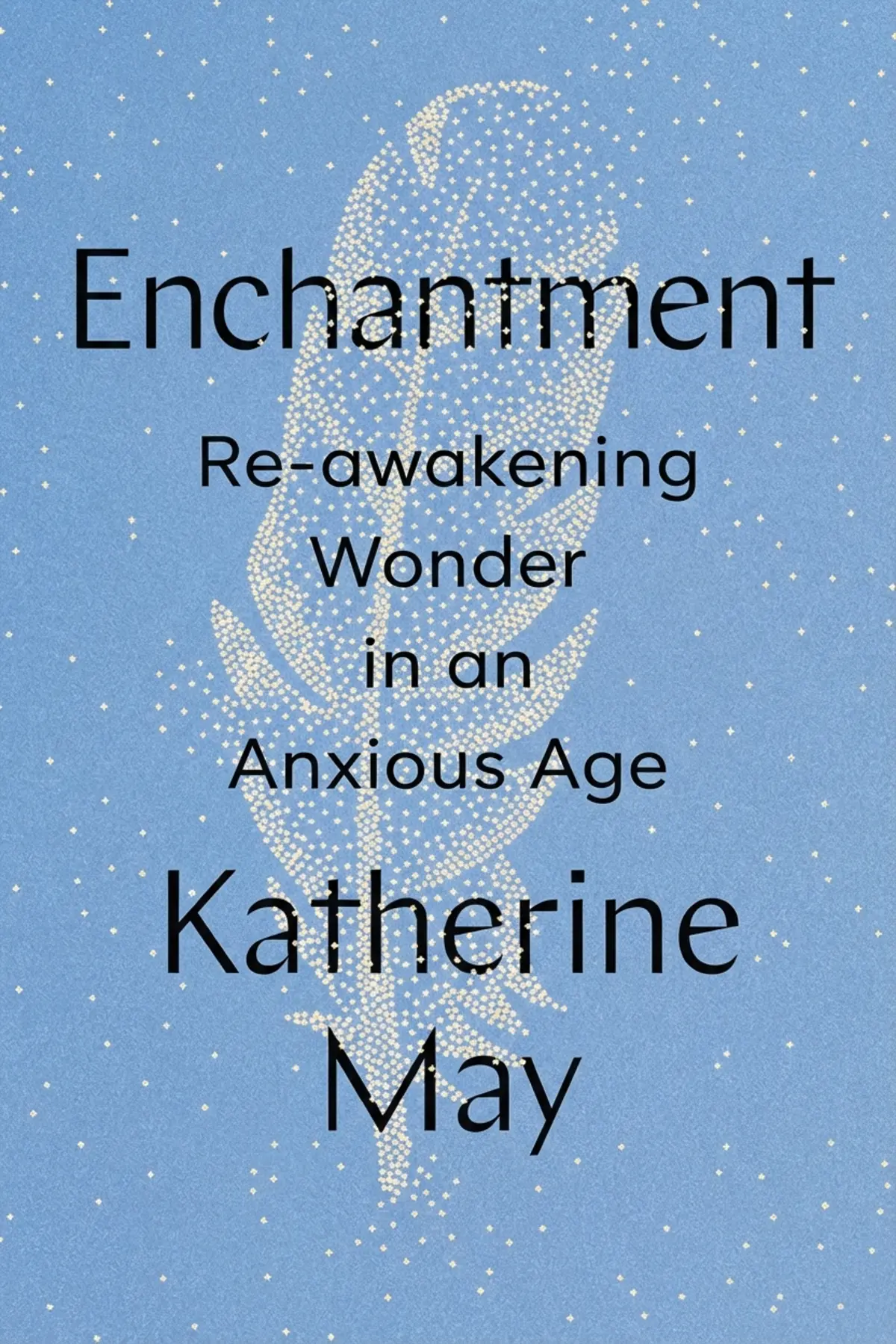
Table of Content
1. Introduction
1 min 00 sec
If your days have shrunk to screens, deadlines and worry, Katherine May suggests the missing thing may be wonder, and that wonder can be practiced like a skill. In Enchantment, the bestselling author of Wintering describes losing her own sense of magic during the pandemic, worn thin by work, parenting and endless scrolling. She found it again in ordinary places: a field of new stones near her seaside home, a forgotten well, a beehive.
Her argument is that enchantment means feeling connected to a world larger and stranger than our plans, and that it comes back through attention, homemade rituals and knowledge of where we live, without any need for religion. She organizes her search around the four old elements of earth, water, fire and air. Each offers a practice you can try close to home, along with permission to stop explaining away the parts of life that refuse to be explained.
2. Name the ache behind a busy, flat life
1 min 55 sec
A newly built art project in a field became the center of a burnt-out writer’s day, and she could not say why. An idea from the poet John Keats seemed to name what she had lost.
3. Make any walk sacred through the way you look
1 min 53 sec
A philosopher claimed that a shoe or a loaf of bread could become holy, given the right kind of gaze. May tested the idea in the woods and found a practice anyone can borrow.
4. Build your own ritual when tradition is gone
2 min 01 sec
An abandoned medieval healing well offered no sign, no story and no instructions. May’s response turned a confusing visit into a practice involving warm bread, silence and a request for permission.
5. Let the frightening parts of life stay in view
2 min 09 sec
One night in 1833, the sky over the American east coast seemed to fall apart. Terror came first. What people did with that night afterward shows why wonder never arrives with a single meaning.
6. Learn the names of what surrounds you
2 min 05 sec
A climber in German mountain fog saw a glowing giant, and a navigator in the Pacific read the sea through birds and stars. Together they challenge the belief that explaining a wonder destroys it.
7. Conclusion
1 min 15 sec
May’s search ends somewhere unexpected. She never left for a distant temple or a dramatic retreat. She changed how she paid attention to what was already there: a modern stone circle, a forgotten well, the tide, a beehive. Enchantment, as she describes it, is less a mood that happens to you than a relationship you tend, and the four elements gave her four ways to tend it.
She also refuses a trade most of us assume we must make. Knowing that the giant glowing in the Brocken mist is an optical illusion need not make it any less enchanting. If anything, understanding deepened the spell.
The book’s invitation is to begin small and close to home. Walk somewhere with long memory and look in layers. Keep a stone in your pocket. Make a ritual with your hands before you visit water or woods, even if nobody ever taught you one. Learn the real names of the plants and streets you pass every day.
Like a breeze turning, May’s life changed course without any grand decision. She simply looked more closely, and the world began to feel alive again.
About this book
What is this book about?
Many adults remember a childhood when ice cream or a sky full of stars felt like magic, and now find their days flat, anxious and spent on screens. Katherine May felt that loss sharply while working and parenting through the pandemic, and she set out to find what had gone missing. Her answer is enchantment: a felt connection to a world bigger and stranger than our plans. She argues it does not require religion or escape. It returns through attention, through rituals we invent when tradition has lapsed, and through learning the names and stories of the places we live. May organizes her search around the four old elements. Earth brings a modern stone circle and barefoot walks. Water brings tides and a forgotten healing well. Fire brings a night in 1833 when stars rained over America. Air brings a glowing figure in mountain mist and a Micronesian navigator. Readers get simple practices they can try near home, and a case that knowing more about the world deepens its magic.
Book Information
Who it's for
Burned out professionals
Professionals worn down by burnout and scrolling who feel something is missing but cannot name it.
Nonreligious but wanting ritual
Nonreligious readers who want ritual and a sense of the sacred in daily life.
Wanting connection to land
Walkers, swimmers and gardeners who want to feel more connected to the land around them.
About the Author
Katherine May
Katherine May is an internationally bestselling author and podcaster based in Whitstable in the UK. Her hybrid memoir Wintering became a bestseller in the New York Times, Sunday Times and Der Spiegel lists, was adapted by BBC Radio 4 as a Book of the Week and was shortlisted for the Porchlight and Barnes and Noble book of the year awards. She also wrote The Electricity of Every Living Thing, about her autism diagnosis in midlife. Her essays have appeared in The New York Times, The Observer and Aeon. She enjoys walking and sea-swimming.
Ratings & Reviews
Ratings at a glance

What people think
Listeners consider the text deeply stimulating, with one individual noting it provides a welcome escape from negative news, and they admire the author’s sophisticated, nearly lyrical prose. The work is praised for its elegance, with one review noting its dream-like quality, and listeners find the content both educational and magical, with one saying it captures many of their feelings. The ease of reading and overall length receive varying feedback from listeners.
Top reviews
Camila
Katherine May has a way of putting words to feelings I didn't even know I had until I saw them on the page. Her exploration of 'deep play' and the need for new stories to live by resonated with me on a profound level. This isn't your typical self-help book; it’s more of a poetic memoir that invites you to enter into its world completely. The sensory details are so vivid that I felt like I was right there with her at the sacred well. For anyone feeling burnt out or 'thin' from the demands of modern life, this book is a soothing balm. It’s an enchanting read that I know I will return to frequently.
Show moreLek
The chapter on her childhood notebooks and the 'perfect murder' of her own poetry was one of the most moving things I’ve read. As a fellow writer, I felt that struggle in my very soul. May’s honesty about her late autism diagnosis adds such a necessary layer of depth to her observations about the world. She isn't just telling us to go outside; she’s explaining how her specific brain processes the environment around her. This book has a dream-like quality that is hard to describe but wonderful to experience. It’s a masterpiece of sensory writing that captures the quiet, subtle magic of a life lived with intention.
Show moreSomkid
Picked this up on a whim and was immediately swept away by the warmth and humor in May’s voice. I found it deeply human and incredibly necessary for our times. In an age of blunt knowing and harsh certainties, her call to 'stay soft' and embrace the unknown is a radical act of hope that we all need. The way she describes the interconnection of the tides, the moon, and our own inner lives is truly breathtaking. This book is a rare and beautiful treasure for anyone seeking clarity. It helped me take my mind off the chaos of the world. It brought me a much-needed sense of peace.
Show moreIsabelle
Finally got around to reading this, and I’m surprised by the mixed reactions it's getting from the community. To me, the book felt like a gentle invitation to slow down and notice the small magic that still exists in our disenchanted world. I particularly loved the passages about her son, Bert, and their shared moments of quiet, focused observation. May’s writing is almost like a meditation; it’s less about a structured argument and more about a mood. The sections on swimming and the pull of the tides were especially beautiful. It’s not a 'how-to' guide for personal growth, but rather a vulnerable look at one person’s attempt to stay soft.
Show moreChee
Ever wonder how to find magic again after living through the collective trauma of the last few years? This book doesn't offer easy answers, but it does provide a lovely, sensory-rich exploration of the search for it. I appreciated how May didn't shy away from the messy reality of her writing process or her struggles with attention. Her prose is unfailingly elegant, turning even a simple walk or a meteor shower into something transcendent. It’s a meditative read that encourages you to look at the world with a bit more tenderness. While it’s not as tightly focused as her previous work, it still captures that specific sense of disconnection many of us are feeling.
Show moreTuck
This book feels like a conversation with a friend who is just as tired of the internet as you are. May captures the brain-fog of the post-pandemic era perfectly, describing that desperate need to 'merge into the wild drift of the world.' I found the chapter on beekeeping quite informative and a nice break from the more abstract spiritual themes. Personally, my only real complaint is that some of the analogies felt a bit repetitive towards the end. However, the sheer quality of the writing kept me engaged throughout the entire afternoon. It’s a short, beautiful book that reminds us that wonder isn't something we find, but something we cultivate.
Show morePita
As someone who struggles with overstimulation, I found parts of this book deeply relatable and quite moving. May's descriptions of her late-in-life autism diagnosis and the sensory overwhelm of the digital age are the strongest points of the book. However, the rest of the content is a bit hit-or-miss for me. Some chapters on nature were evocative and helped take my mind off the daily news, while others felt like filler meant to pad the word count. It’s a short read, and the dreamy quality of the prose makes it easy to digest, but it doesn't leave a lasting impact. It’s a decent companion for a quiet afternoon, though not necessarily a must-read.
Show morePornpimon
The structure here—divided into Earth, Water, Fire, and Air—feels incredibly forced and doesn't actually help the narrative flow at all. While Katherine May is undoubtedly a talented prose stylist, this particular volume lacks the grounding that made her earlier work so resonant. I found myself skipping through the beekeeping sections and the 'woo-woo' spiritualism that seemed to dominate the middle chapters. It’s a struggle to finish when the author herself admits in the acknowledgments to throwing away better ideas earlier in the process. Truth is, I wanted to love this, but it felt like a draft that needed a much firmer hand from an editor. The writing is beautiful on a sentence level, but the substance just isn't there for me.
Show moreNikolai
Frankly, I expected something more universal than this very narrow, autobiographical account of burnout. While I sympathize with the author's struggle to find wonder, the solutions offered—like swimming in the sea or visiting a sacred well—feel out of reach for anyone without her specific lifestyle. There’s a certain 'wealthy white lady' vibe that is hard to ignore throughout the narrative. Why do we need another self-improvement book from someone who lives by the sea while others are crushed by capitalism? The writing is undeniably poetic, but the lack of outward perspective makes it feel insular. I wanted to be enchanted, but I ended up feeling mostly irritated by the lack of practical depth.
Show moreThanit
Rarely have I felt so disconnected from a book that promises to help me reconnect. I wanted awe, but instead, I found a fragmented mess of essays. After the profound impact of Wintering, I expected a thoughtful meditation, yet May seems to be scrambling madly to meet a publishing deadline by tossing in unrelated anecdotes about meteor showers and sacred wells. It sadly lacks any real sense of cohesion. To be fair, the constant complaints about cell phones and the pandemic felt repetitive and privileged. If you're looking for deep insights into nature, you will be disappointed by the lack of original research. This felt like a complete and utter disaster.
Show moreQuestions about this book
What is Enchantment by Katherine May about?
It follows May’s effort to recover her sense of wonder after burnout during the pandemic. She defines enchantment as feeling connected to a world bigger and more mysterious than our plans. Working through the four elements of earth, water, fire and air, she shows how attention, homemade rituals and local knowledge can bring that feeling back, without requiring religious belief.
What is hierophany in Enchantment?
Hierophany is a term from the philosopher Mircea Eliade, which May borrows. It describes how looking at something with enough attention and reverence can make it feel sacred, whether a tree, a shoe or a loaf of bread. May practices it by walking in deep terrain such as forests and noticing her surroundings in layers, from branches against the sky to the sounds beneath the birdsong.
How can I create my own ritual like Katherine May?
May’s own example is baking bread before visiting an abandoned healing well, then silently asking the well’s permission, sitting, meditating and tearing into the warm loaf. Her guidance for building your own is simple: choose something you can repeat, that uses your hands, that helps quiet your mind and that connects you in some way with nature.
Does understanding science ruin the sense of wonder?
May argues it does the opposite. Knowing that the glowing giant climbers see in the Brocken mist is their own shadow makes it more astonishing, not less. After reading about the navigator Mau Piailug, she learned local plant names, the history of place names and traditional beekeeping, and found that her surroundings felt more magical the more she understood them.
Featured in
Readers also enjoyed






Alcoholics Anonymous
Alcoholics Anonymous World Services


A Force for Good: The Dalai Lama's Vision for Our World
Daniel Goleman


A Liberated Mind: How to Pivot Toward What Matters
Steven C. Hayes
AUDIO SUMMARY AVAILABLE
Listen to Enchantment in 15 minutes
Get the key ideas from Enchantment by Katherine May, plus 5,000+ more nonfiction titles.
- 5,000+ titles
- Listen as much as you want
- 7-day free trial
- Cancel anytime









