
13 min 54 sec
Available in: English
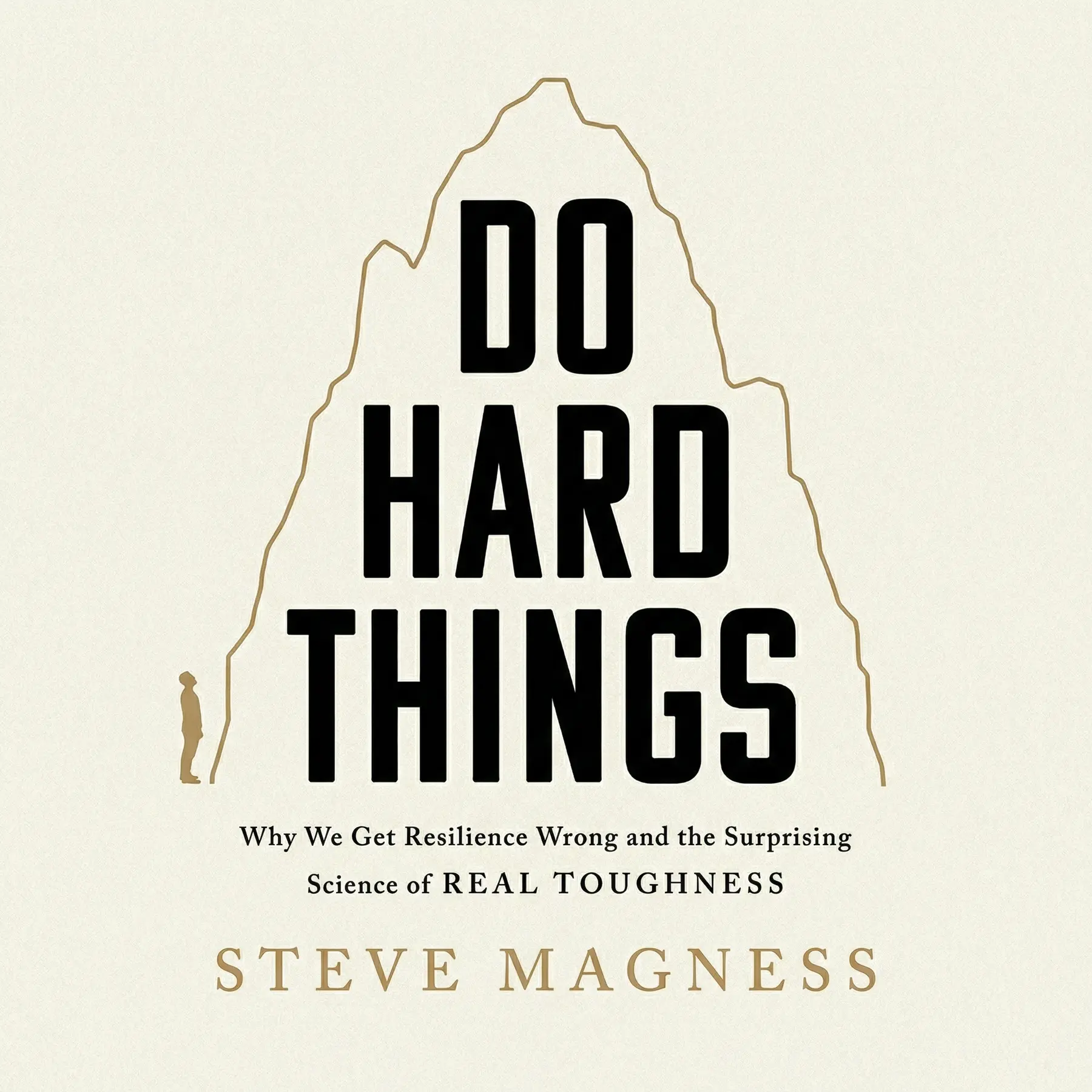
Do Hard Things: Why We Get Resilience Wrong and the Surprising Science of Real Toughness
Shows why the stoic, push-through-pain idea of toughness backfires. It also explains how honest goals, emotional awareness, calm self-talk and inner purpose build resilience that holds up under real pressure.
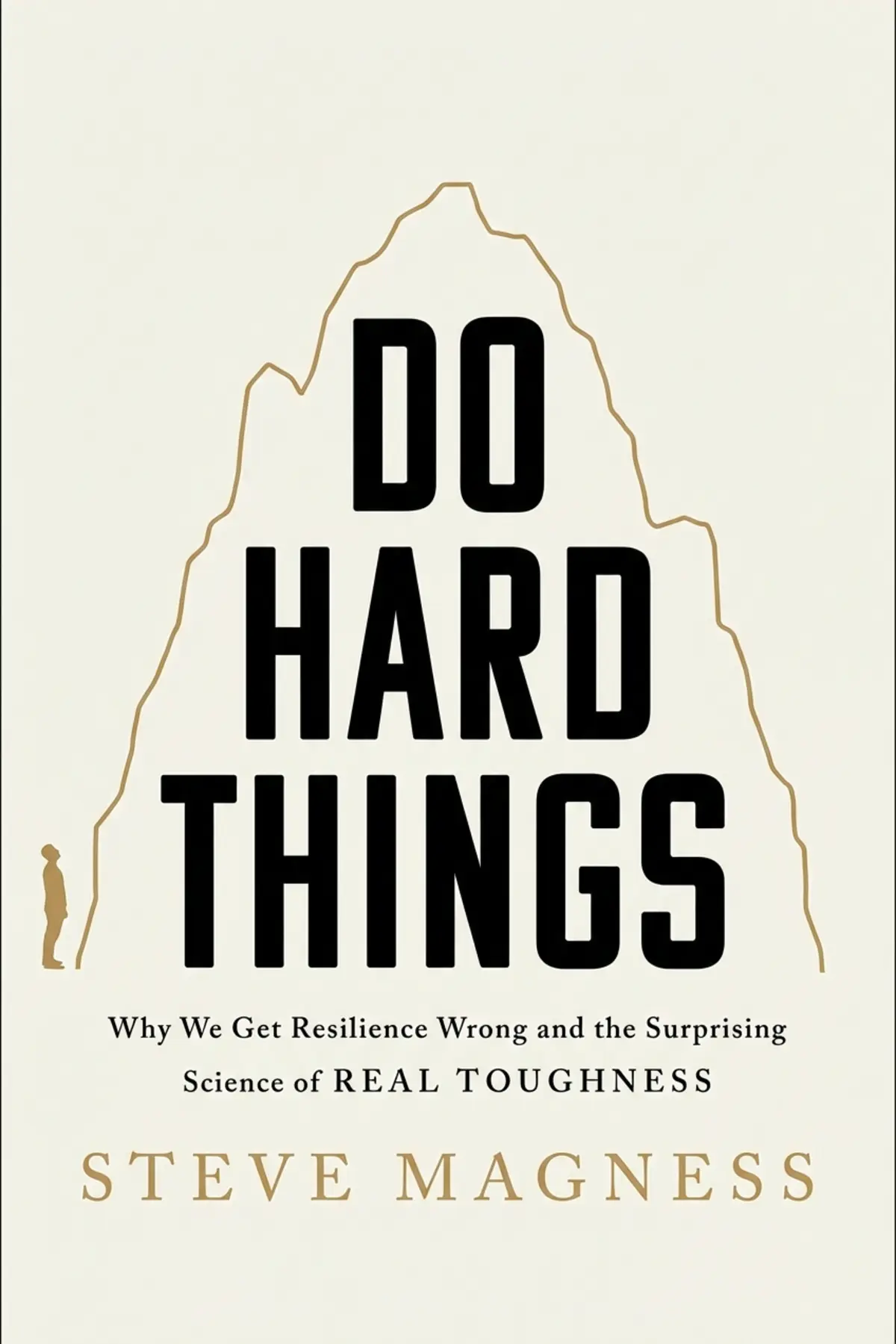
Table of Content
1. Introduction
1 min 03 sec
If you have ever put on a brave face, ignored pain until it got worse, or held in a feeling until it burst out at the worst moment, the problem may be the kind of toughness you were taught. In Do Hard Things, coach Steve Magness argues that the classic picture of the tough person, silent and stoic and untouched by feelings, works against real resilience. Acting tough and being tough are different things.
Magness has coached athletes to Olympic level and advised executives and the US military. He rebuilds toughness around four behaviors: being honest about what you can do, listening to your body and emotions, making space before you react, and drawing on a purpose that comes from inside. His evidence ranges from meditators under a hot probe to UK stockbrokers, Vietnam War prisoners and a sailor alone on a raft in the Atlantic. What you gain is a sturdier way to face a hard workout, a tense meeting or a bad year, and it starts with listening to what you feel.
2. Swap the brave face for honest expectations
1 min 55 sec
Announcing a bold timeline feels like strength. Yet children who overrated their own reading ability ended up reading less than their more modest classmates, and the same trap catches adults who promise themselves too much.
3. Set goals you can beat, then raise the floor
1 min 48 sec
A hundred push-ups a day sounds like the mark of a serious person. Magness explains why that kind of target often ends on the couch, and why a target that feels almost too easy can build stronger confidence.
4. Read your body's signals before they shout
1 min 53 sec
In a profession famous for burnout, some stockbrokers earned more and lasted longer than their colleagues. What set them apart was how well they noticed what was happening inside their own bodies.
5. Give each inner voice a job
1 min 55 sec
A sailor adrift in the Atlantic argued with himself every day about water, and that argument kept him alive. His odd method shows what to do with the voice that keeps tempting you to give in.
6. Put space between the sting and your reaction
2 min 04 sec
Two groups felt the same hot probe on their wrists and rated the pain as equally intense. One group still found the experience far less unpleasant, and what made the difference is something anyone can begin practicing within days.
7. Find the drive that outlasts any reward
2 min 06 sec
Paying people to build with blocks made them work harder, until the payments stopped. That simple experiment, and a study of prisoners of war, point to the fuel that keeps people going when everything else runs out.
8. Conclusion
1 min 10 sec
Do Hard Things ends up describing toughness as a form of honesty. Callahan did not pretend he wasn’t thirsty. He let the thirst speak and kept the captain in charge. The meditators felt the full heat of the probe and simply skipped the panic. The prisoners who grew most were the ones whose old certainties broke completely. Each time, strength came from facing what was real, inside and out, and then choosing a response.
That points to a few things to try this week. When a goal keeps beating you, lower it to a level you can reach on a bad day and build up from there. When your hands sweat before a big moment, call it excitement. When pain or anger rises, talk to yourself the way a calm coach would, naming the feeling before deciding what to do with it. And when a problem feels overwhelming, take a time-out and ask how it will look in six months, a year or ten years. Magness offers that question as a quick way to put distance around a problem and see its true size.
The toughest person in the room is often the one who listened first.
About this book
What is this book about?
Most people learn that being tough means looking confident, ignoring pain and keeping feelings to yourself. Many of them find that it doesn't work. False confidence collapses, ignored pain grows louder and buried emotions break out at the worst time. Steve Magness argues that the fault lies in the definition of toughness we were taught, not in the people trying to live by it. Drawing on psychology studies and survival stories, Magness rebuilds toughness around four key behaviors. You set expectations that match reality. You read the signals from your body and your inner voices. You open a gap between a painful stimulus and your reaction. And you find a drive that comes from inside. The evidence includes meditators tested with a hot probe, stockbrokers who read their own feelings well, a block-building experiment on rewards, prisoners of war who grew through trauma and a sailor who survived alone on a raft. Readers get practical tools to use right away: raising the floor on goals, relabeling nerves as excitement, giving their inner voices separate roles and asking how a problem will look in ten years.
Book Information
Who it's for
Pushing through pain
Athletes and ambitious professionals who push through pain and keep burning out.
Hiding doubt behind confidence
People who hide doubt and emotion behind a confident front and want a sturdier kind of strength.
Managers and coaches
Managers and coaches who want to build resilience in others without using toxic toughness.
About the Author
Steve Magness
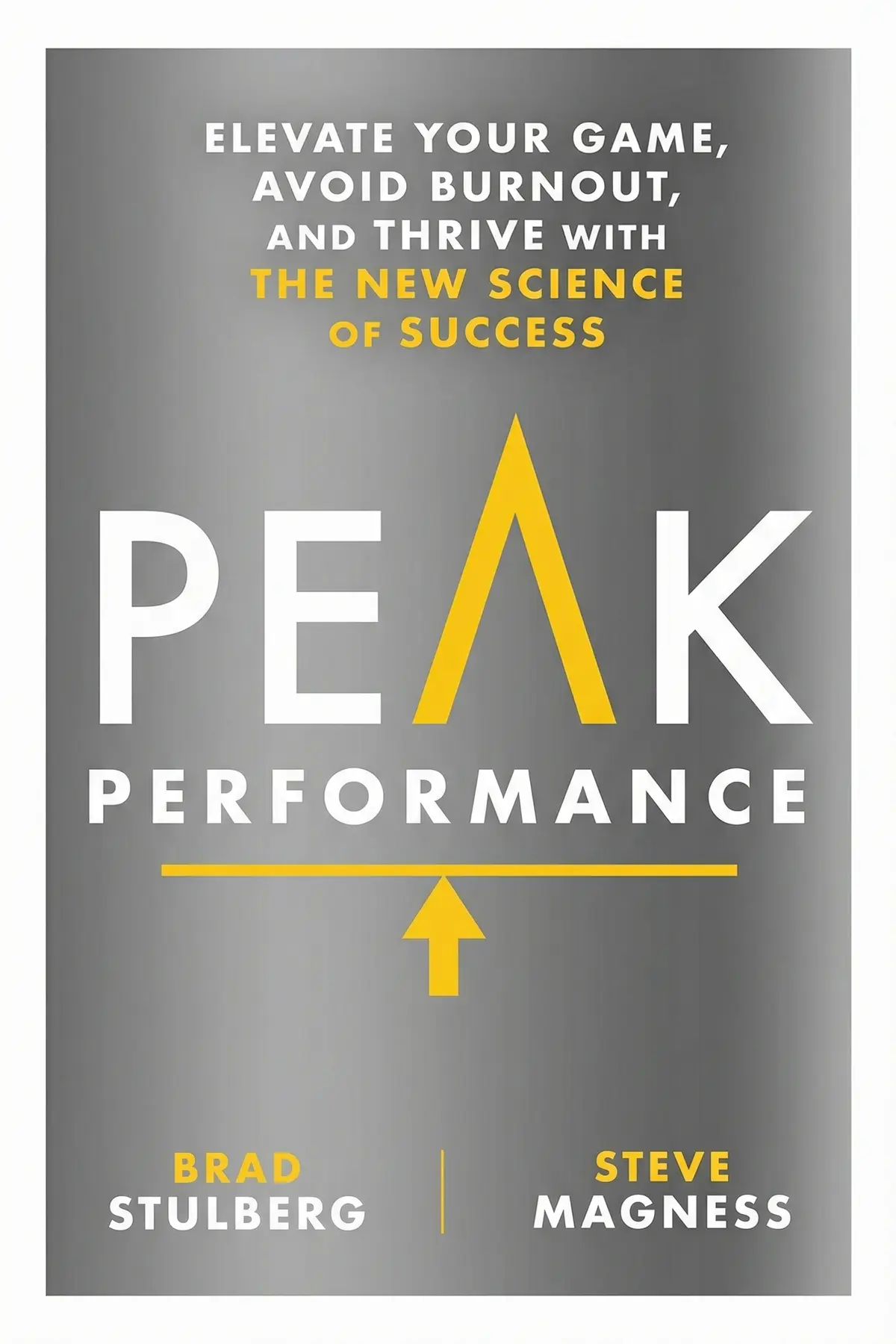
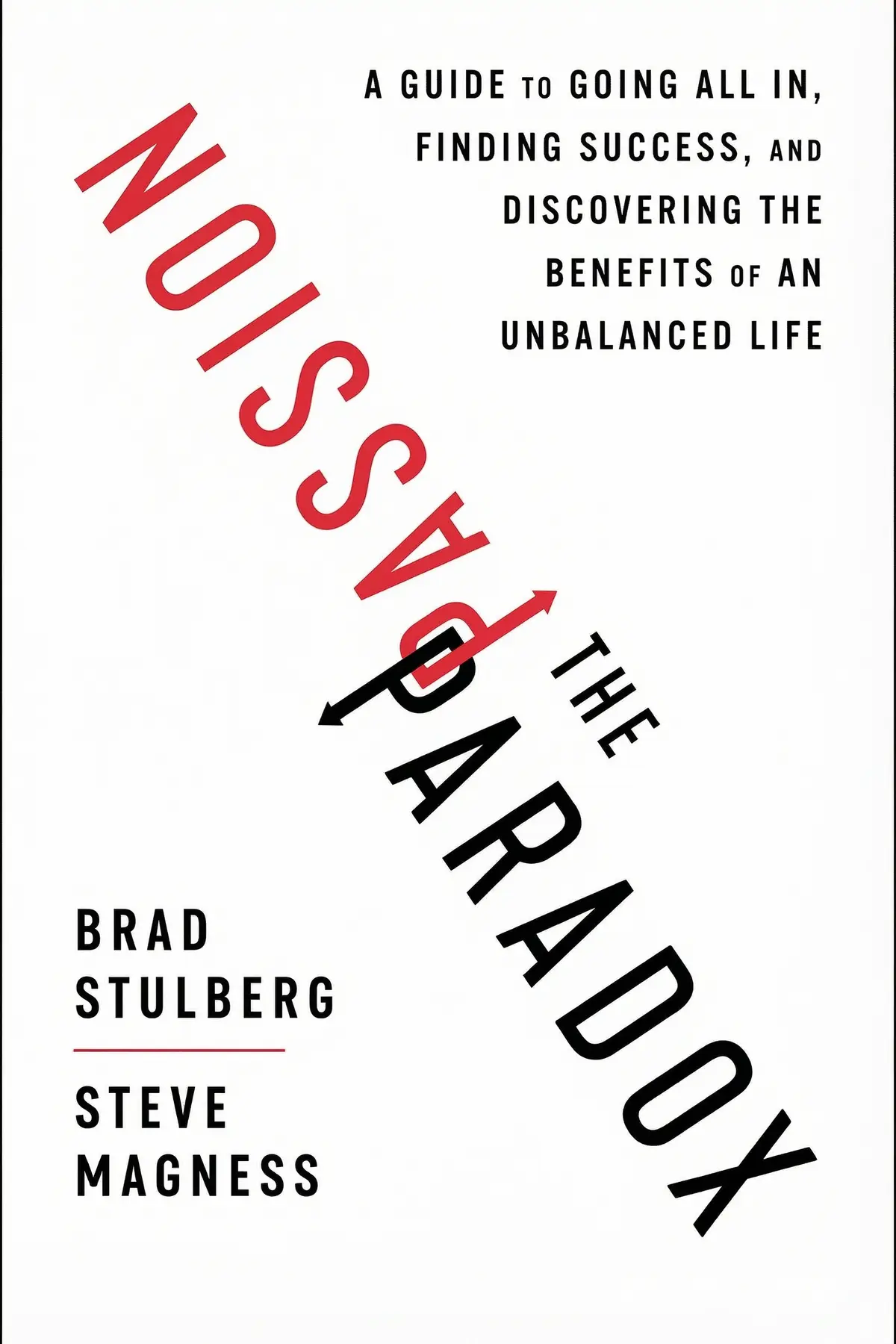
Steve Magness has coached athletes to Olympic and world championship level and has advised professional sports teams on mental skills. He has also worked with executives, entrepreneurs, artists and the US military. Besides Do Hard Things, he co-wrote Peak Performance and The Passion Paradox, and he co-hosts the podcasts The Growth Equation and On Coaching with Magness and Marcus. He studied at the University of Houston and George Mason University, and as a high school runner he ran a mile in 4:01.
Ratings & Reviews
Ratings at a glance
What people think
Listeners find this title immersive and stimulating, providing useful illustrations that help clarify challenging life events. It presents a redefined view of grit and details methods for long-term success, with one listener pointing out its treatment of performance anxiety. Listeners value the storytelling, with one review noting the work's logical and consistent structure.
Top reviews
Ott
As someone who has always struggled with performance anxiety in my career, I found this to be an incredibly refreshing take on what it means to actually be 'tough' in high-pressure situations. Magness successfully moves the conversation away from that toxic, old-school mentality of just 'grinding it out' and instead focuses on sustainable performance through self-awareness and emotional regulation. His storytelling is coherent and compelling, weaving together various case studies that make the psychological concepts feel grounded. I particularly appreciated the focus on creating space to take thoughtful action rather than just reacting blindly to stress. It is a re-conceptualization of toughness that feels necessary for the modern world. While some might find the sports metaphors a bit heavy, the underlying message is universal. This is a must-read for anyone looking to build a more resilient mindset without burning out.
Show moreAnawin
Look, the way we define 'grit' in this culture is fundamentally broken, and Magness actually has the receipts to prove it. This book is a masterclass in re-conceptualizing what it means to do hard things. It’s not about blind obedience or fear-based leadership; it’s about developing the internal resources to handle reality as it is. The truth is, most of us have been taught that being tough means being a robot, but Magness shows that vulnerability and awareness are actually our greatest strengths. I found the book deeply engaging and thought-provoking from the first page to the last. It’s rare to find a book that balances personal narrative with supporting research so effectively. This is one of those rare self-help books that I will actually keep on my shelf to reference whenever I feel my performance anxiety starting to creep back in.
Show moreA
Wow, I didn't realize how much I needed a new perspective on what it means to be resilient until I cracked this open. Magness does a phenomenal job of explaining how our traditional views of toughness actually hinder our ability to perform when it matters most. The book provides clear steps for sustainable performance that don't involve just beating yourself up. I especially loved the section on 'leaning in' to discomfort—it’s such a simple concept, but the way he explains the mechanics behind it is brilliant. The narrative is coherent and the pacing is perfect. It felt like a conversation with a very smart friend who wants you to succeed without losing your mind. If you want to understand the 'why' behind your performance anxiety, this is the book for you. Absolute five-star read.
Show moreLincoln
Ever wonder why the old-school 'drill sergeant' style of coaching often leads to burnout rather than long-term breakthroughs? Magness dives deep into this question, arguing that real toughness isn't about ignoring your emotions but learning how to navigate them. I loved the practical examples he provided for dealing with discomfort. The advice isn't about being weak; it's about being smart. My only minor complaint is that the book feels a bit male-centric at times, focusing heavily on male athletes and coaches like Bobby Knight. However, the core principles of sustainable performance and mental flexibility are solid. It’s a thought-provoking read that challenged my assumptions about what it takes to succeed in difficult environments. I've already started applying the 'leaning in' technique during my morning runs and noticed a difference in my mental state.
Show moreVarinee
Finally got around to reading Magness after following his perspective on the Nike/Salazar scandal for years. His integrity shines through in his writing, and he brings a much-needed nuance to the conversation about grit. This isn't just another 'rah-rah' motivational book; it’s a systematic deconstruction of how we handle stress. The chapter on navigating discomfort was particularly illuminating for me. He explains that toughness is about making the best decision possible when your body is screaming at you to quit. It’s a practical guide for anyone—not just athletes. While it is definitely sports-heavy, the lessons on performance anxiety and mental health are universally applicable. The narrative is engaging and flows well from start to finish. I’ll definitely be recommending this to my colleagues in the coaching world.
Show morePensri
The chapter on creating space between stimulus and response was a total game-changer for my perspective on stress management. Magness has a way of taking complex psychological research and turning it into something that feels immediately useful for a daily routine. Look, we’ve all been told to 'tough it out,' but this book actually explains why that strategy fails us in the long run. The storytelling is top-notch, though I do wish there was a bit more variety in the examples outside of the sports world. Sometimes the focus on elite runners felt a little alienating for a casual reader like myself. Still, the message about sustainable performance is powerful. It’s a solid 4-star read that offers a much more humane and effective version of what it means to be a resilient person.
Show moreUbolwan
Picked this up because I wanted more than just the usual 'grind harder' advice that fills up most of the business section. Magness delivers a very thoughtful and evidence-based approach to mental toughness that feels much more sustainable for the long haul. The book is full of practical examples that help you understand your own difficult experiences through a new lens. I appreciated how he challenged the 'tough love' types of coaches, showing that there is a better way to lead and motivate. To be fair, it does get a little repetitive toward the end, and he could have probably made the same points in fifty fewer pages. However, the core message is so important that I’m willing to overlook the fluff. It’s a great resource for anyone looking to build genuine, lasting confidence.
Show moreLadawan
This book is essentially a collection of performance studies hits from the last half-century, and while it's well-written, I'm not sure there is much truly 'new' here. If you’ve read a lot of Gladwell or Grant, you will recognize many of these anecdotes. It is a bit too focused on sports for my taste, though I suppose that is the author's background. To be fair, the writing style is highly conversational and easy to digest, which makes it a quick read for a weekend. I did feel like the science was a bit light in places, relying more on narrative than deep data. It’s a good introductory text for someone who hasn't explored the world of performance psychology, but seasoned readers in this genre might find it a bit repetitive. It's fine, just not groundbreaking.
Show moreKavya
Not what I expected based on the title, which feels like a bit of false advertising to sell copies to the 'hustle culture' crowd. Frankly, I felt the premise eventually devolved into telling the reader to 'lower the bar' and accept mediocrity. It felt like a rehash of other people's research without giving enough credit to the original scientists who did the heavy lifting. I struggled to get through the middle sections because the anecdotes felt repetitive and didn't seem to lead to any concrete, actionable steps. If you are a coach who likes real-world results from guys like Lombardi, you will likely find this approach laughable. It’s very heavy on the 'soft' side of psychology. Just wasn't for me, and I found the lack of scientific depth frustrating. DNF at 60%.
Show moreGabriel
Frankly, I found this way too male-centric and overly focused on the world of elite track and field to be truly helpful for my life. As someone who isn't a runner, I felt like I was eavesdropping on a conversation that wasn't meant for me. The style is very conversational, which is fine, but it often felt like it was lacking genuine scientific rigour in favor of long-winded anecdotes. It’s light on the science and heavy on stories about coaches I’ve never heard of. I was hoping for more concrete ideas for business or personal life, but it kept circling back to the track. If you’re a coach, you might love it, but for the average person on a Peloton, it’s a bit of a slog. It just didn't click for me at all.
Show moreQuestions about this book
What is the main idea of Do Hard Things by Steve Magness?
Magness argues that the popular image of toughness, with its projected confidence, silent suffering and ignored emotions, is flawed and often counterproductive. Real resilience rests on four behaviors: setting honest expectations, listening to your body and inner voices, creating space between a stimulus and your response, and drawing on intrinsic motivation and purpose. Acting tough and being tough, he says, are two different things.
What is raising the floor in Do Hard Things?
Raising the floor is Magness’s way to build real confidence. Instead of setting an unrealistic goal, such as a hundred push-ups a day when you are out of shape, and then lowering the bar each time you fail, you start with a manageable or even easy target. Hitting it and soon going past it builds confidence that rests on evidence, not on a confident front.
What does Steve Magness say about emotions and toughness?
He treats emotions as early warning signals from the brain, not weaknesses to ignore. The ability to notice and interpret inner states, called interoception, goes along with toughness. Elite athletes tend to have it, and a UK study found stockbrokers with stronger interoception were more profitable and lasted longer. Naming a feeling also helps you change it, for example by reading sweaty palms as excitement instead of anxiety.
How can I apply Do Hard Things to handle pain or stress?
Stop trying to push through and start a calm inner conversation: acknowledge the sensation, call it normal, and remind yourself to stay loose and breathe. Learn your usual thought patterns when triggered, and admit the urge to quit or explode before talking yourself past it. For overwhelming problems, Magness suggests asking how you will feel about them in six months, a year or ten years.
Who should read Do Hard Things?
It suits anyone who has tried to be tough by hiding doubt, ignoring pain or suppressing emotion and found it backfired. Athletes, professionals in high-pressure jobs, and managers or coaches who build resilience in others will find practical tools, from honest goal-setting and relabeling nerves to giving inner voices separate roles, as the stranded sailor Steven Callahan did.
Readers also enjoyed

59 Seconds: Change Your Life in Under a Minute
Richard Wiseman





A Guide to the Good Life: The Ancient Art of Stoic Joy
William B. Irvine


A High-Performing Mind: Strengthen Your Mind and Live Your Best Life
Andrew D. Thompson


Abundance: The Inner Path to Wealth
Deepak Chopra
AUDIO SUMMARY AVAILABLE
Listen to Do Hard Things in 15 minutes
Get the key ideas from Do Hard Things by Steve Magness, plus 5,000+ more nonfiction titles.
- 5,000+ titles
- Listen as much as you want
- 7-day free trial
- Cancel anytime









