
15 min 09 sec
Available in: English
 ไทย
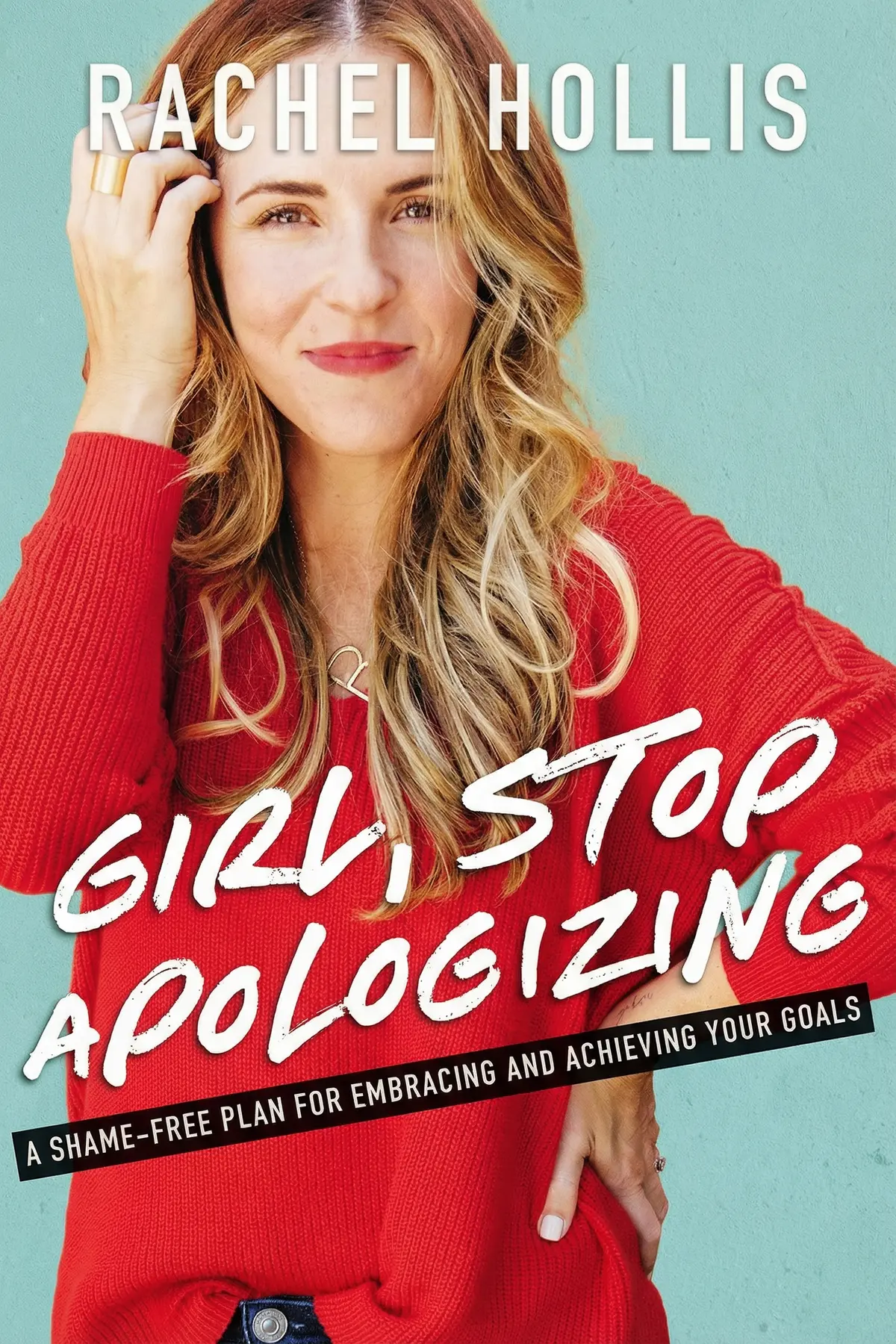
EnglishไทยDidn’t See That Coming: Putting Life Back Together When Your World Falls Apart
A practical guide to rebuilding after a breakup, a loss, a diagnosis or a self-made disaster: how to reclaim your identity, drop guilt, protect your habits and design a new future step by step.
Table of Content
1. Introduction
56 sec
When a job, a marriage or a person you love disappears overnight, the hardest loss is often one you do not notice at first: your sense of who you are. In Didn’t See That Coming, author and speaker Rachel Hollis argues that a crisis shakes your identity long after it shakes your schedule. She compares it to landing on another planet at the speed of light. Your body has arrived, but your mind still behaves as if you were back on Earth.
Her case, made from many angles, is that a crisis will change your life whatever you do, yet the way you rebuild is yours to choose. Identity, guilt, perspective, habits, humor and new goals each become a tool for moving from shattered to steady. What you get is a set of specific moves for the first dark weeks, and a method for designing the life that comes after them.
2. Keep the identity a crisis cannot take
1 min 41 sec
A widow, a woman facing infertility and a lawyer who finally made partner all lose their footing in different ways. Hollis argues each one needs a different answer, and only one person can give it.
3. Put down guilt once you have owned the damage
1 min 37 sec
Feeling terrible about what you did seems like the responsible response. Hollis argues it can become the very thing that keeps a self-made crisis going, especially when other people want you to keep paying.
4. Find the angle that makes a crisis bearable
1 min 40 sec
A famous tower in Italy disappoints many visitors in person, yet crowds keep coming for one particular photograph. That photo holds a lesson about the difference between what happened to you and what you see.
5. Learn your way through a hard season
1 min 36 sec
Two people suffer similar losses. One comes out broken, the other stronger. Hollis traces the difference to a belief about yourself, and she argues it is a belief anyone can train.
6. Protect your autopilot when stress takes over
1 min 36 sec
An extra donut or a glass of wine after a rough day seems harmless. Hollis explains why the same small comforts can turn against you when the stress never lets up.
7. Come back for the people who still need you
1 min 39 sec
Pulling away from calls, email and chores can feel like the only way to survive a loss. Hollis allows it, for a while, then makes a firm case about who you owe your return to.
8. Make room for laughter in the worst weeks
1 min 41 sec
Laughing while your life is falling apart can feel like betrayal. A grim scene from the history of public executions suggests otherwise, and Hollis turns it into two habits for the darkest days.
9. Build the next future from where you stand
1 min 34 sec
A bad investment or a diagnosis can erase the retirement or the family life you had pictured for decades. Hollis offers a way to design a replacement, and it starts much smaller than you might expect.
10. Conclusion
1 min 09 sec
Hollis’s book adds up to a plain promise: a crisis decides what happens to you, but it does not get to decide who you become. The tower in Pisa never changed size. The photographer moved, and the picture changed. Most of her advice works that way, shifting the angle, the habit or the goal while the hard facts stay where they are.
Start where you are. If guilt is following you, name what you did, then refuse to carry it as a life sentence, even when others want you to. When stress builds, close your eyes and breathe deeply before deciding anything, and watch which small comfort is quietly growing. Put something you enjoy in the calendar this week, because joy that waits to arrive on its own may never come. Then describe the person you want to be after this, and pick one small goal that moves you toward them.
Hollis also suggests borrowing courage from people who came through their own fears, in documentaries, books and talks. You may never be grateful for the crisis. You can still build something good on what it left behind.
About this book
What is this book about?
Some crises arrive like a storm: a marriage ends, a job disappears, a loved one dies, or a mistake of your own blows up your life. Rachel Hollis argues that the visible damage is only part of it. A crisis also shakes your sense of who you are, clouds your judgment and steals the future you had pictured. Her answer is that the crisis is not yours to choose, but the rebuilding is. Hollis walks through three kinds of identity crisis and how to answer each one. She explains why guilt keeps you stuck, and how a shift in perspective, borrowed from a famous tourist photo in Pisa, can make a hard season bearable. She also shows how a growth mindset can be learned. The second half is practical. Hollis explains why stress hands control to your habits, how to schedule self-care and joy, when to come back to the people who need you, and how to turn a written vision of your best self into one small goal at a time. Readers get concrete moves for the darkest weeks and a method for what comes after.
Book Information
Who it's for
Wanting daily life back
People reeling from a divorce, a job loss, a diagnosis or a death who need a way back to daily life.
Stuck in guilt
Anyone living with the fallout of a crisis they caused and stuck in guilt.
Showing up while grieving
Parents and professionals who must keep showing up while they grieve.
About the Author
Rachel Hollis
Rachel Hollis was born in Bakersfield, California, and began as a blogger before building a lifestyle brand and media company. She writes self-help books and gives motivational talks, hosts the RISE podcast and runs a YouTube channel. Two of her books, among them Girl, Wash Your Face and Girl, Stop Apologizing, have reached number one on the New York Times bestseller list. She is a mother of four.
Ratings & Reviews
Ratings at a glance

What people think
Listeners find this work to be a fast-paced guide that feeds the soul and motivates them to lead courageous lives. It also offers practical strategies for navigating difficult seasons, with listeners valuing the genuine transparency and humor that elicits both laughter and tears. Additionally, listeners characterize the writing as perceptive and easy to identify with, including one listener who points out how it helps them draw connections to their own life experiences.
Top reviews
Audrey
Wow. I finished this book in one sitting and immediately felt a sense of relief. During a season where everything feels like it's falling apart, Rachel’s words acted as a balm for my soul. She doesn't just offer fluff; she provides tangible advice for coping with the kind of hard times that make you want to stay in bed all day. I found myself laughing through tears at her honesty about life’s messiness. It’s a quick read, but it encourages you to live boldly despite the uncertainty of the future. The way she connects her own grief to the reader’s experience made me feel significantly less alone in my struggle. If you need a nudge to start moving forward again, this is it.
Show moreWipada
The chapter on the four different kinds of identity crises was a total lightbulb moment for me. Whether you had an identity taken away or you're stuck in one you no longer want, Rachel breaks it down in a way that is so easy to digest. I’ve been feeling lost lately, and this book gave me the permission I needed to stop questioning my suffering and start looking for hope. The advice on 'hacking your courage' and clinging to good habits even when life sucks is exactly the kind of practical help I enjoy. It’s a soul-nurturing book that doesn't shy away from the hard stuff. I finished it feeling like I could actually breathe again. Truly a beautiful, insightful read for a difficult year.
Show moreWit
Truth is, I needed a reminder that it's okay to be surprised by your own resilience. This book isn't about avoiding the pain; it’s about what you do when you’re standing in the middle of it. Rachel’s writing is so conversational that it feels like you're grabbing coffee with a friend who has been through the ringer and lived to tell the tale. I appreciated the specific tips on how to stop 'nibbling' at your problems and actually face them head-on. It made me laugh, it made me cry, and most importantly, it made me want to get back to work on myself. It’s a bold, honest look at what it means to hold on to hope when you're hurting.
Show moreKwame
Directly addressing her past struggles with her brother's suicide made this feel more grounded than her previous work. I’ve followed Rachel for a while, and this is the most vulnerable I’ve ever seen her. She admits she’s processing things in real-time, which might bother some people, but I found it incredibly authentic. The tactical tips on maintaining habits during a crisis were very useful for me. It’s about showing up for yourself even when you don't want to. This book encouraged me to look at my own 'identities' and decide which ones were actually mine and which were projects for other people. It’s an insightful, quick read that actually offers a path forward through the darkness.
Show morePat
Picked this up from the library because I was curious about how she would address the divorce after all the public drama. To be fair, she doesn't spend the whole time talking about it, which I actually appreciated. The book is much grittier than her previous ones, especially when she dives into the details of her brother’s suicide and her early business struggles. It’s incredibly short—less than five hours on audio—so it doesn't overstay its welcome. While some of the 'habits' chapters felt like repeats from her podcast, the sections on grit and resilience felt more authentic than her usual 'girl boss' energy. It’s not a perfect self-help book, but it’s a solid reminder that we can survive the things we didn't see coming. Some parts did feel slightly bitter, though.
Show moreBae
Finally got around to this one, and while it isn't a masterpiece of psychology, it provides some tangible tools for coping with life's unexpected curveballs. I loved the honesty in the chapters where she discusses the downside of her fame and the anxiety she feels when strangers approach her during family time. It made her feel like a real person rather than just a brand. The humor sprinkled throughout helps lighten the heavy topics like grief and financial loss. Is it groundbreaking? No. But it is relatable. I found myself making several connections to my own life as I read. It’s a helpful guide for anyone who feels stuck in a rut and needs a little motivation to reimagine their future.
Show moreDek
In my experience, this book is best suited for someone who is new to the self-help world and hasn't listened to every episode of the Rise podcast. Many of the 'things that helped me' sections felt like direct repetitions of things she has said a hundred times before. I’m giving it 3 stars because the writing style is engaging and it’s a very fast read, but I didn't get nearly as much out of it as I did her first two books. It felt a bit rushed, likely to capitalize on the 2020 chaos. If you're a die-hard fan, you'll enjoy the extra personal stories about her childhood. Otherwise, you might find it a bit repetitive and thin on new insights.
Show moreJonathan
To be fair, I’ve been a fan for years, but this felt like she was teaching from a fresh wound rather than a healed scar. The timing of the release feels off. It’s hard to take advice on resilience from someone who is currently in the middle of a massive personal and professional tailspin. I specifically struggled with the chapter on parenting through grief. As a mom who has lost a child, her suggestion to 'be strong' for your kids felt like it was encouraging us to wear a mask. My children became more compassionate when they saw me struggle, not when I pretended to have it all together. Authentic healing requires vulnerability, not just showing up and performing strength. This just wasn't the message I needed right now.
Show moreCherry
Personally, I found the advice on parenting through grief to be quite alienating and even a bit outdated. She tells parents to stay strong and show up, but that can lead to a lot of repressed emotions for everyone involved. My kids need to know that breakdowns are a normal part of life. I also found the section on finances to be a bit tone-deaf considering the current economic climate for most people. Rachel Hollis speaks from a place of significant privilege while telling people to just 'choose' their way out of a bad situation. It felt less like helpful coaching and more like a lifestyle blogger trying to be a therapist. There are some okay stories here, but the core message is just too shallow for real trauma.
Show moreSomboon
As someone who has navigated actual systemic trauma and profound loss, Rachel’s 'pick yourself up by your bootstraps' rhetoric feels dangerous and deeply out of touch. It is sinister to suggest that happiness is merely a choice when people are dealing with global instability and real grief. The truth is, Rachel Hollis is a fraud who marketed a perfect marriage for $800 a course only to announce a divorce weeks later. She is a lifestyle blogger, not a trauma expert. Telling people to just 'choose joy' is an empty message that ignores the reality of how the brain processes pain. We need actual therapy and professional support, not more white lady savior complex advice from someone who clearly hasn't done the work herself. Skip this and consult a real expert.
Show moreQuestions about this book
What is Didn't See That Coming by Rachel Hollis about?
It is a guide to rebuilding after a crisis such as divorce, bereavement, illness or a self-made disaster. Hollis argues that a crisis shakes your identity as well as your circumstances, and that while you cannot choose the crisis, you can choose how you rebuild: by claiming an honest identity, letting go of guilt, shifting perspective, keeping healthy habits, finding joy and designing a new future.
How does Rachel Hollis say to deal with guilt after causing a crisis?
Hollis sees guilt as proof that you already recognize your wrongdoing, which is the first step. After that, she says, holding on to guilt only prolongs the crisis, so replace self-punishment with self-love. She warns that partners or family may want you to keep feeling guilty, but you are not obliged to carry it for them. Move on with grace and let them catch up.
Why do bad habits get worse during a crisis?
According to Hollis, trauma uses up the mental capacity you normally rely on for decisions and problem solving. With little left, your brain falls back on automatic habits, so small comforts like wine, snacks or shopping can spiral out of control. She recommends simple healthy defaults instead: intentional deep breathing when overwhelmed and gentle, intuitive exercise chosen by how your body feels that day.
How can I find joy when my life has fallen apart?
Hollis argues that humor and joy matter more during a crisis, pointing to the origin of the phrase gallows humor. She suggests two practices. Keep a daily gratitude journal, even when it is hard to fill. And put joy on the calendar instead of waiting for it to arrive, by planning something you like, for example a trip to the beach or a date over ice cream.
How do I rebuild my future after a crisis, according to Hollis?
Accept that the future cannot be known and focus on what you control now. Decide consciously which parts of your old life to keep and which to leave behind. Write a detailed vision of the life your best self would lead, then turn it into one small, achievable goal. Each finished goal leads to the next and builds the confidence to keep going.
Readers also enjoyed

ADHD an A-Z: Figuring It Out Step by Step
Leanne Maskell







A Guide to the Good Life: The Ancient Art of Stoic Joy
William B. Irvine
AUDIO SUMMARY AVAILABLE
Listen to Didn’t See That Coming in 15 minutes
Get the key ideas from Didn’t See That Coming by Rachel Hollis, plus 5,000+ more nonfiction titles.
- 5,000+ titles
- Listen as much as you want
- 7-day free trial
- Cancel anytime









