
15 min 27 sec
Available in: English
 ไทย
EnglishไทยChasing the Scream: The First and Last Days of the War on Drugs
By Johann Hari
Explains why a century of drug prohibition made addiction, crime and violence worse, how trauma and isolation drive addiction, and what Portugal and Switzerland show about treating drug users as patients.
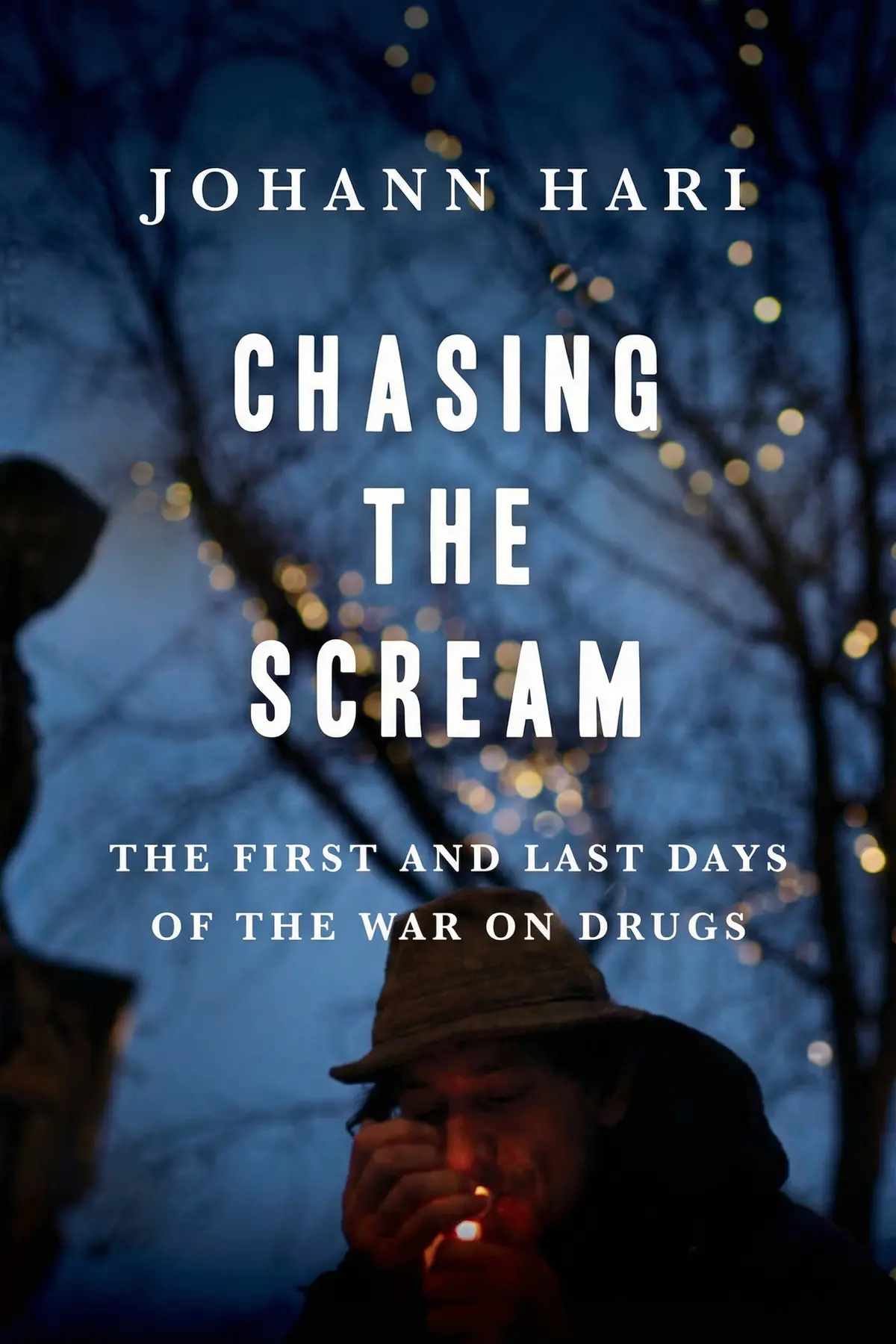
Table of Content
1. Introduction
1 min 00 sec
Most of us take the War on Drugs for granted, yet one finding behind it is hard to forget: hospital patients given strong opiates for pain were no more likely to become addicted than anyone else. In Chasing the Scream, British journalist Johann Hari builds on findings like this to argue that the war, now about a century old, was aimed at the wrong enemy.
His case fits in one line. The drug war grew out of fear and racism, it manufactured the crime and misery it promised to end, and it misread addiction, which feeds on trauma and isolation far more than on chemicals. Hari follows that thread from heroin sold in elegant British shops to a Manhattan street corner, and then to Portugal, where treating users as patients cut drug use.
By the end, you will be able to explain why arrests rarely shrink a drug market, and which policies he believes work better.
2. Trace today's drug laws back to one man
1 min 57 sec
Not long ago, respectable shops sold heroin to wealthy customers and nobody blinked. What turned an ordinary product into a global enemy had less to do with medicine than with fear, and with one determined official.
3. See how race drove the first drug war
1 min 49 sec
Two famous singers had the same addiction to the same drug. One was hounded by federal agents and the other was shielded by their boss. The gap between them reveals what the early crackdown was really for.
4. Spot how a ban creates its own criminals
1 min 47 sec
Officials expected drugs to vanish once they were outlawed. Instead the price of one painkiller jumped many times over, and a new kind of person appeared on city streets, one we still picture whenever drugs are mentioned.
5. Learn how arresting dealers can make streets bloodier
1 min 51 sec
A New York officer arrested most of the dealers on one notorious block in two weeks. What the block looked like a month later, and what happens when gang bosses fall, upends the logic of the crackdown.
6. Rethink what actually makes a person addicted
2 min 06 sec
If repeated use were enough to create addiction, hospitals would be producing addicts every day. They are not, and the reason points to forces in a person’s past and community that no police raid can touch.
7. Learn from Portugal how to treat addicts as patients
1 min 54 sec
One country stopped arresting people for carrying small amounts of any drug, and critics expected use to soar. The numbers that followed, set beside those of its neighbors, made the warning look badly mistaken.
8. Legal shops keep drugs away from teenagers
1 min 58 sec
Nobody sells beer outside school gates, yet pills and weed turn up there all the time. That simple contrast opens an argument about safety, billions of dollars and the future of the gangs that run the trade.
9. Conclusion
1 min 05 sec
A century after the first ban, Hari’s verdict is blunt: the war did nothing to stop addiction and made its violence and chaos worse. The deeper lesson is about choosing enemies. A frightened country picked something it could seize and burn, when the real causes were harder to see: poverty, racism, broken communities and childhood pain.
That lesson travels well beyond drug policy. When you hear that a drug sweep was a success, remember Levine’s Manhattan block, cleared of 80 of its 100 dealers and busy again within weeks. When someone you know struggles with a drug, a bottle or a betting habit, ask what connection is missing in their life before you ask what they took. And when the talk turns to decriminalization, you can point to Portugal, where police stopped arresting users and injecting fell.
Billie Holiday and Judy Garland shared the same addiction. One was hunted and the other was protected, and the difference between them was never the heroin.
About this book
What is this book about?
For about a hundred years, governments have fought drugs with arrests, seizures and prison. Johann Hari argues that this war was aimed at the wrong target from the start, and that it produced much of the harm it claimed to fight. Hari traces the policy to its roots: a fearful United States in 1914 and Harry Anslinger, the narcotics chief who pushed prohibition onto the rest of the world through the United Nations. He shows how race shaped enforcement, how a ban turned cheap medicine into a gangster's fortune, and why arresting dealers can bring more killing. He then challenges the common view of addiction, pointing to evidence that trauma, isolation and broken communities matter more than the drug itself. The book closes with alternatives already tested. Switzerland runs supervised injection centers. Portugal decriminalized possession in 2001 and saw drug use fall. Hari also makes a case for full legalization on grounds of safety, tax revenue and weaker gangs. Readers get a clear history of the drug war and a different way to think about addiction and the people living with it.
Book Information
Who it's for
Following drug policy debates
Readers who follow drug policy debates and want the history behind prohibition explained clearly.
Loving someone with addiction
Families and friends of people with addictions who want to understand its roots in trauma and isolation.
Students weighing decriminalization
Students of law, public health or politics weighing decriminalization and legalization.
About the Author
Johann Hari
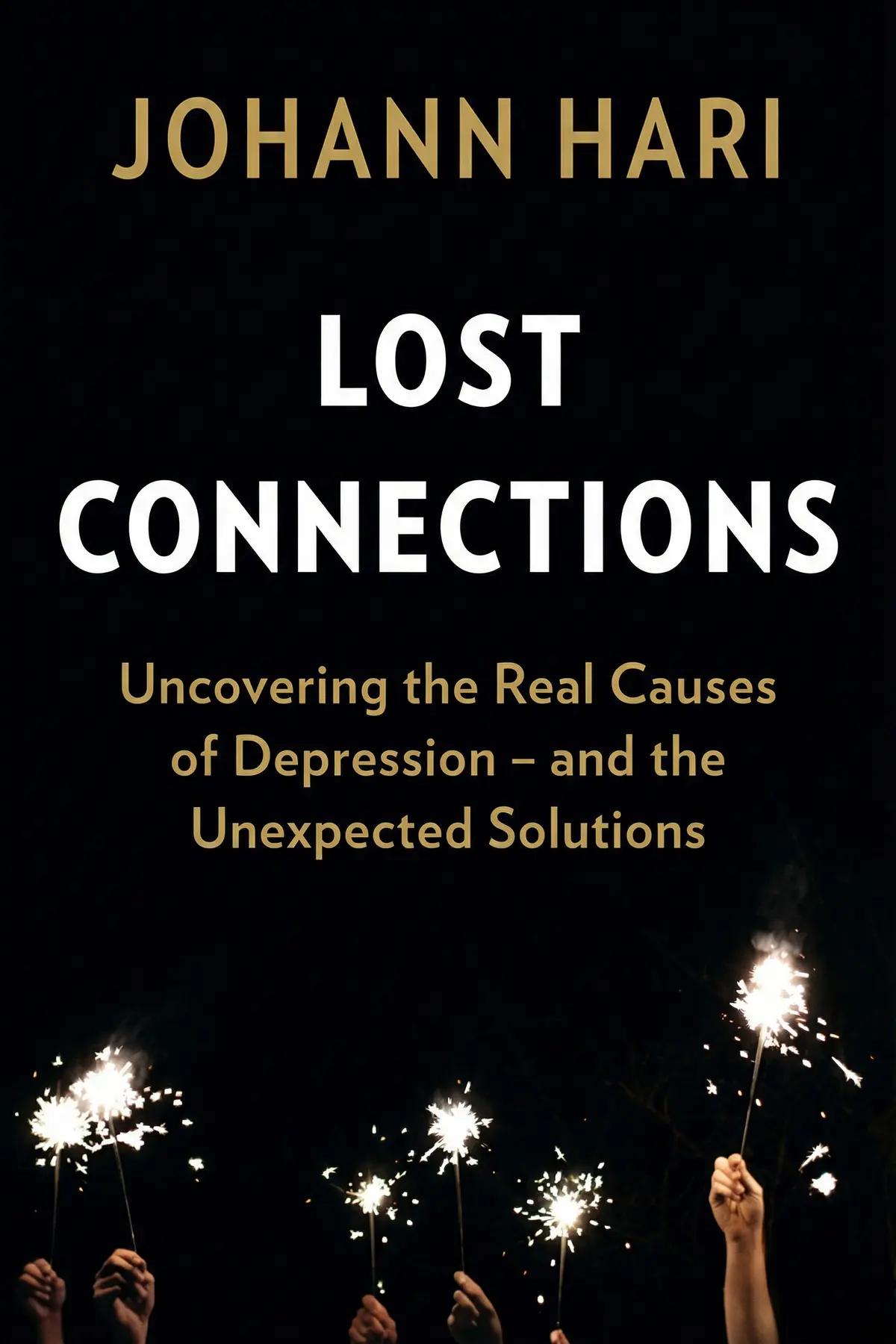
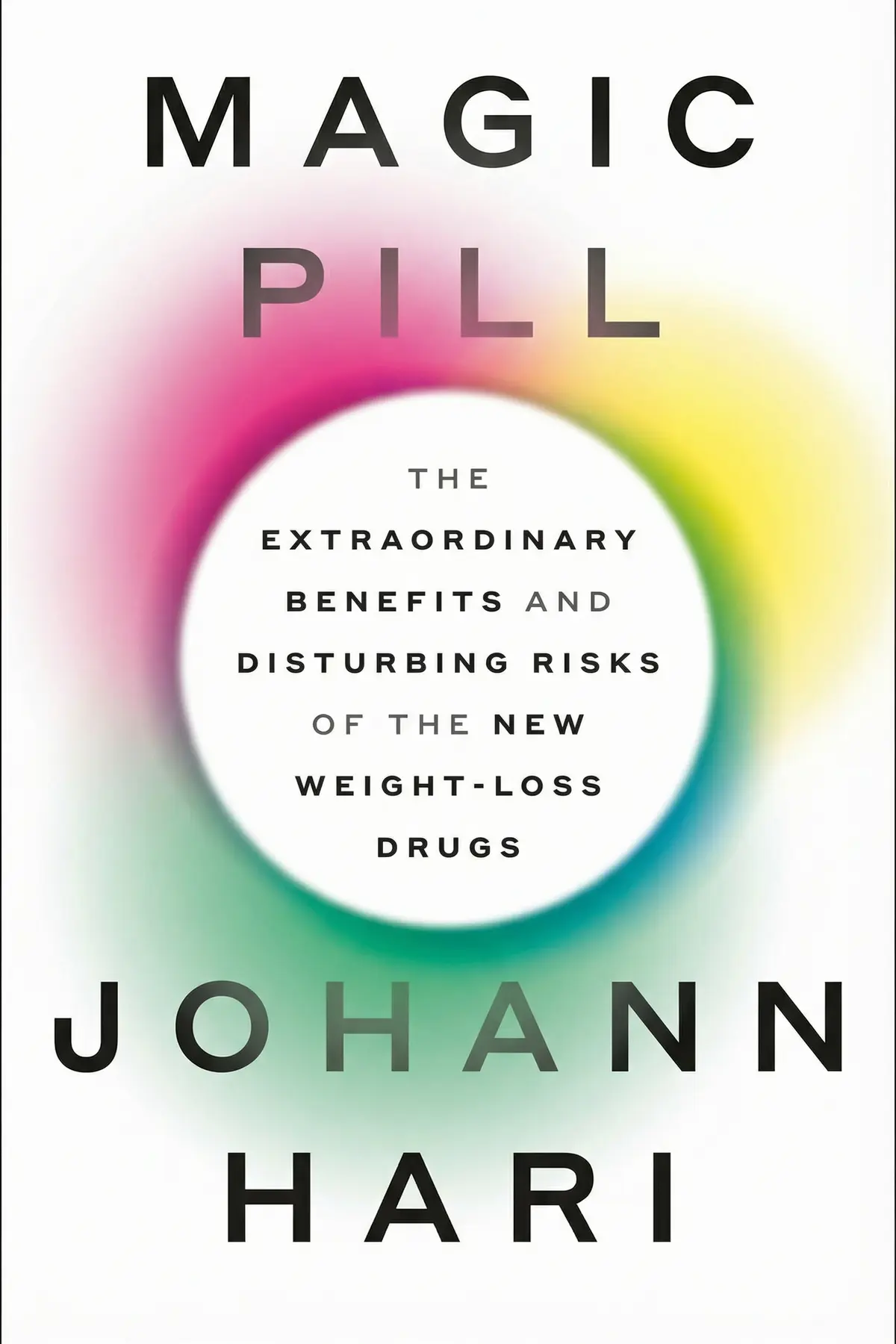
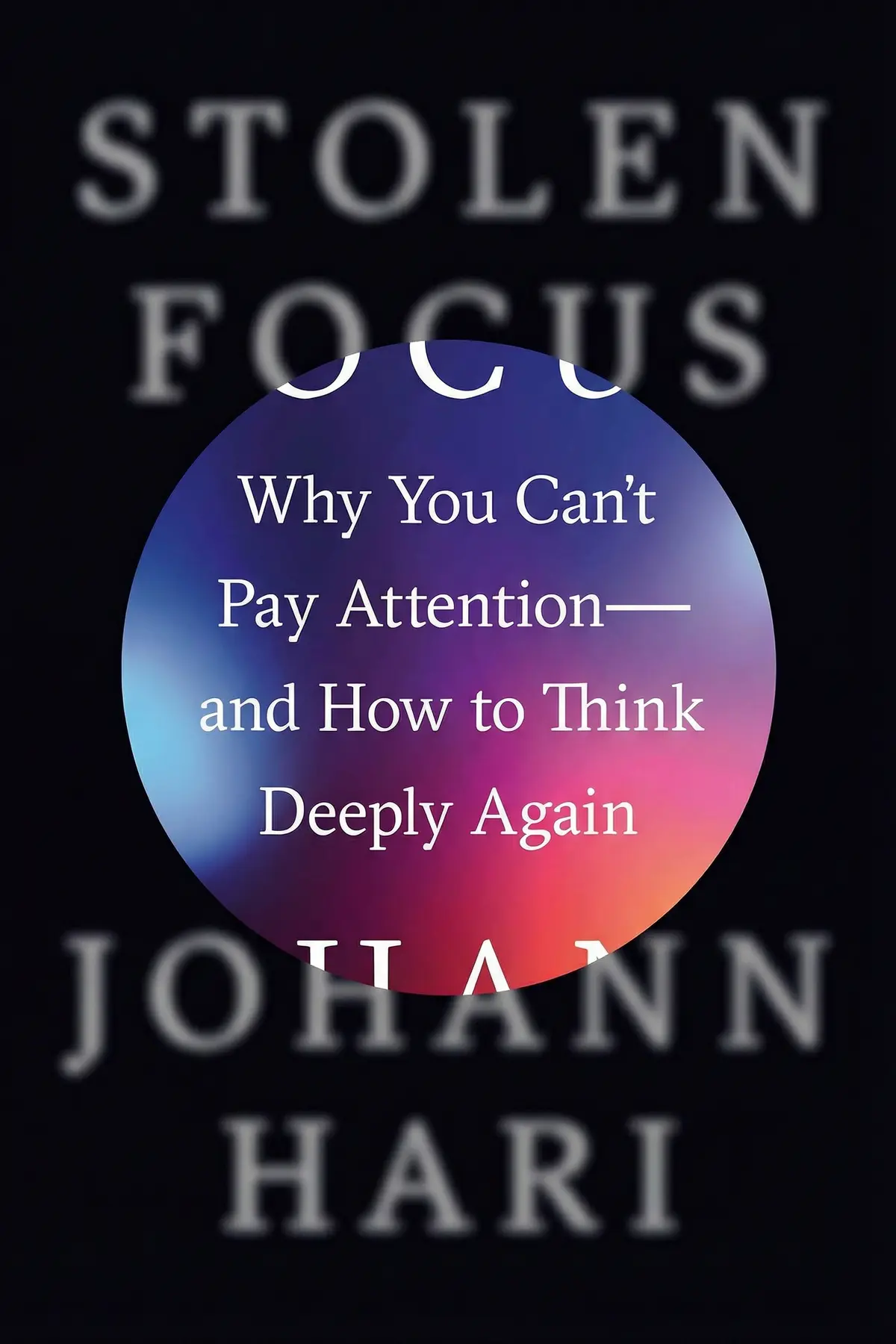
Johann Hari, born in 1979, is a British writer and journalist. He wrote for The Independent until 2011, when he resigned after admitting to plagiarism and fabrication in his work. His articles have also appeared in The New York Times, the Los Angeles Times, The Guardian and The New Republic. After leaving the paper he turned to books on subjects from depression to drug policy, and Chasing the Scream became a New York Times best seller. His other books include Lost Connections, Magic Pill and Stolen Focus.
Ratings & Reviews
Ratings at a glance

What people think
Listeners consider this work a highly accessible and enlightening investigation into the nature of addiction, underpinned by extensive research and solid documentation. The prose is captivating, as one listener points out the way it integrates individual narratives to reveal darker underlying motivations. They value the book's innovative viewpoint on substance abuse, with one review emphasizing its scientific evidence-based approach.
Top reviews
Eleni
Chasing the Scream is a haunting, deeply researched exploration that challenges every preconceived notion about why people fall into the trap of addiction. Johann Hari takes us on a global journey, from the streets of Vancouver to the labs of the famous Rat Park experiment, proving that the opposite of addiction isn't sobriety, but connection. Honestly, the way he weaves together the tragic history of Billie Holiday and the obsession of Harry Anslinger is nothing short of masterful. It is a heartbreaking reminder that our current policies are rooted more in fear and racism than in any actual science or desire for public safety. This book doesn't just ask for your attention; it demands your compassion for a population we have spent a century dehumanizing. It’s an essential, eye-opening read for anyone who cares about social justice or the future of our communities.
Show moreTeng
Ever wonder why the War on Drugs feels like a never-ending cycle of failure despite the billions of dollars we pour into it? Hari provides a staggering amount of evidence to suggest that our entire approach is fundamentally broken and based on a misunderstanding of human nature. By traveling across the globe, he documents how compassion-based policies are actually producing better results than the punitive systems favored in the United States. Personally, the stories about the 'rat park' and the Vietnam veterans who effortlessly quit heroin upon returning home were the most persuasive parts of the book. The writing is engaging and well-documented, making even the most complex sociological concepts feel relatable and urgent. This is not just a book about drugs; it is a profound look at how we treat the most vulnerable members of our society.
Show moreChamnong
As someone who grew up in the D.A.R.E. era, I found this book to be a radical departure from everything I was taught as a child. Johann Hari dives deep into the sociological roots of addiction, moving past the idea of 'chemical hooks' to look at the impact of trauma and social isolation. The examples of Vancouver’s harm reduction efforts and Switzerland’s heroin clinics offer a glimpse into a world where we treat addicts as patients rather than criminals. It is a deeply emotional read that doesn't shy away from the horrific violence of the drug cartels or the sinister motives behind early prohibition laws. Not gonna lie, I shed a few tears during the sections on Gabor Maté’s work with the marginalized populations of the Downtown Eastside. This is the kind of writing that doesn't just inform you; it changes the way you look at the person on the street corner.
Show moreAir
Wow, this was an incredibly powerful read that manages to add a layer of humanity to a topic that is usually buried in dry statistics. Johann Hari’s personal connection to the subject matter is evident on every page, which makes the narrative feel intimate rather than clinical. He successfully argues that the drug war is actually a war on people, particularly those who are already struggling with severe trauma and social dislocation. The scientific evidence he cites, especially regarding the 'Rat Park' experiments, provides a sturdy backbone for his more emotional appeals for decriminalization. Frankly, I think every politician and law enforcement officer needs to read this to understand why our current methods are failing so spectacularly. It is a rare book that manages to be both an intellectual powerhouse and a deeply moving call to action.
Show moreKatya
Picked this up on a recommendation and it’s easily the most eye-opening thing I’ve read this year regarding social policy and human psychology. The way Hari contrasts the brutal violence of the Mexican drug war with the peaceful, health-focused approach in Portugal is truly staggering. He highlights how the 'Iron Law of Prohibition' actually makes drugs more potent and dangerous, creating a vicious cycle of escalating harm that helps no one but the cartels. The stories of the undercover agents and the brave activists fighting for change are woven together in a way that keeps the pages turning effortlessly. I appreciated the extensive documentation and the way he gives voice to those who are usually silenced by the mainstream media. This is a brilliant piece of investigative journalism that offers a realistic path forward for a world that is currently drowning in addiction and violence.
Show moreTern
Look, the reality of addiction is far more complex than a 'chemical hook,' and Hari proves it beautifully in this expansive work. He argues that the environment—the cage we live in—is the primary driver of substance abuse, rather than the drugs themselves. This perspective is backed by scientific evidence and historical examples that make the traditional 'War on Drugs' look like a barbaric relic of the past. I was particularly struck by the success of Portugal’s decriminalization model, which prioritizes health and integration over punishment and isolation. While the writing can occasionally feel a bit breathless and sensational, the underlying message is too urgent to ignore. If we want to solve the overdose crisis, we have to stop chasing the scream and start building a society worth living in. It’s a transformative piece of journalism that stayed with me long after I turned the final page.
Show moreElena
Finally finished this mammoth journey through the history of prohibition and I must say it was an enlightening experience. Hari has a knack for finding the human element in policy, specifically by focusing on the 'villains' like Harry Anslinger who helped birth the modern drug war. The book is immensely readable, almost like a thriller at times, which helps make the dense history of narcotics laws feel accessible to the average reader. To be fair, some chapters felt a bit over-simplified, and I occasionally wondered if he was sacrificing scientific nuance for the sake of a more compelling narrative flow. Despite those minor gripes, the sheer volume of research and the personal stories from places like Mexico and Uruguay make this a vital contribution to the debate. It definitely provides a fresh perspective that challenges the status quo of criminalization.
Show moreRyan
The chapter on Billie Holiday stayed with me long after I closed the book because it exposed the dark, racist underpinnings of our drug laws. It turns out that Harry Anslinger wasn't just a bureaucrat; he was a man driven by a specific, terrifying vision of social control that targeted minority communities. While I found Hari’s prose a bit overly dramatic at certain points, the historical research he presents is undeniably thorough and eye-opening for those unfamiliar with the era. This book does an excellent job of synthesizing various dimensions of the drug war into one engaging tapestry of human suffering and potential hope. I think it serves as a great introduction to the topic, even if it occasionally feels like a 'best of' collection of drug policy arguments. I would recommend this to anyone looking to understand how we got into this mess in the first place.
Show moreMeen
Not what I expected from a book about drug policy, as it reads more like a collection of interlocking biographies than a standard non-fiction text. From the history of 'Mrs. Winslow’s Soothing Syrup' to the modern-day struggle of addicts in Arizona’s prisons, the breadth of this book is impressive. To be fair, Hari’s habit of 'discovering' truths that have been known in academic circles for decades can be a bit grating to some readers. However, for a general audience, this is a fantastic way to digest the complicated history and science of narcotics and prohibition without getting bogged down. It strikes a good balance between storytelling and information gathering, even if it leans a bit heavily on the emotional side of the spectrum. Overall, it is a solid read that will definitely spark some intense conversations at your next book club meeting.
Show moreMoon
To be fair, I approached this with a massive grain of salt because of Hari’s checkered journalistic history. There are moments where the 'journey of discovery' feels a bit too polished, almost like he’s shaping the facts to fit a pre-determined narrative. However, even if you question some of his dramatic flair, the core policy arguments regarding decriminalization in Portugal are incredibly difficult to ignore. Frankly, the world of addiction is far more nuanced than this book suggests, yet it serves as a powerful, albeit flawed, catalyst for change. It’s a compelling read for the choir, but skeptical readers might find the 'Noble Truth' approach a bit manipulative and sensationalist in its delivery.
Show moreQuestions about this book
What is the main argument of Chasing the Scream?
Johann Hari argues that the War on Drugs, begun in the United States in 1914 and spread worldwide through the United Nations, targeted the wrong enemy. In his account it grew from fear and racism, handed the drug trade to criminal gangs, raised violence and misread addiction, which he links to trauma and isolation more than to drugs themselves. He favors decriminalization and, ultimately, legal regulation.
Who was Harry Anslinger?
Serving from 1930 to 1962, Harry Anslinger was the inaugural head of the American agency known as the Federal Bureau of Narcotics. Hari presents him as the main force behind worldwide prohibition. Anslinger blamed rising addiction on Black Americans, believed communists were smuggling drugs into the country, and in the 1950s used American influence at the United Nations to persuade other nations to adopt bans.
What does Chasing the Scream say causes addiction?
Hari argues that no drug is addictive by itself. He cites a study in the Canadian Journal of Medicine showing patients with heavy opiate exposure were no more likely than others to become addicted. Addiction, in his view, comes from a substance meeting a vulnerable person, often someone with childhood trauma or who has lost connection to others. Two-thirds of people who inject drugs experienced childhood trauma.
What happened when Portugal decriminalized drugs?
In 2001 Portugal decriminalized possession of any drug in amounts under ten days’ worth. Police stopped arresting users and began directing them to safer practices and treatment, and employers who hire recovering addicts receive a tax break. According to Hari, drug use declined: injection fell from 3.5 to 2 per thousand people, while Spain and Italy, still enforcing prohibition, reported no such decline.
Why does Johann Hari support legalizing drugs?
Hari gives three reasons. Licensed shops have an incentive to refuse underage buyers, while street dealers do not, so legal sale protects teenagers better. In the United States, legalization would save $41 billion a year and raise $46.7 billion in taxes, $87.7 billion in all. And it would push gangs out of their most profitable market, weakening their hold on communities.
Readers also enjoyed

A Promised Land
Barack Obama

A River in Darkness: One Man’s Escape from North Korea
Masaji Ishikawa

A Theory of Justice
John Rawls



A Warning
Miles Taylor



A Biography of Loneliness: The History of an Emotion
Fay Bound Alberti

AUDIO SUMMARY AVAILABLE
Listen to Chasing the Scream in 15 minutes
Get the key ideas from Chasing the Scream by Johann Hari, plus 5,000+ more nonfiction titles.
- 5,000+ titles
- Listen as much as you want
- 7-day free trial
- Cancel anytime









