

13 min 50 sec
Available in: English
What Is the Bible?: How an Ancient Library of Poems, Letters, and Stories Can Transform the Way You Think and Feel About Everything
By Rob Bell
A guide to reading the Bible as its first audiences did. Historical context, poetic reading and curious questions turn its violence, contradictions and miracles into a story of moral progress with lessons for today.
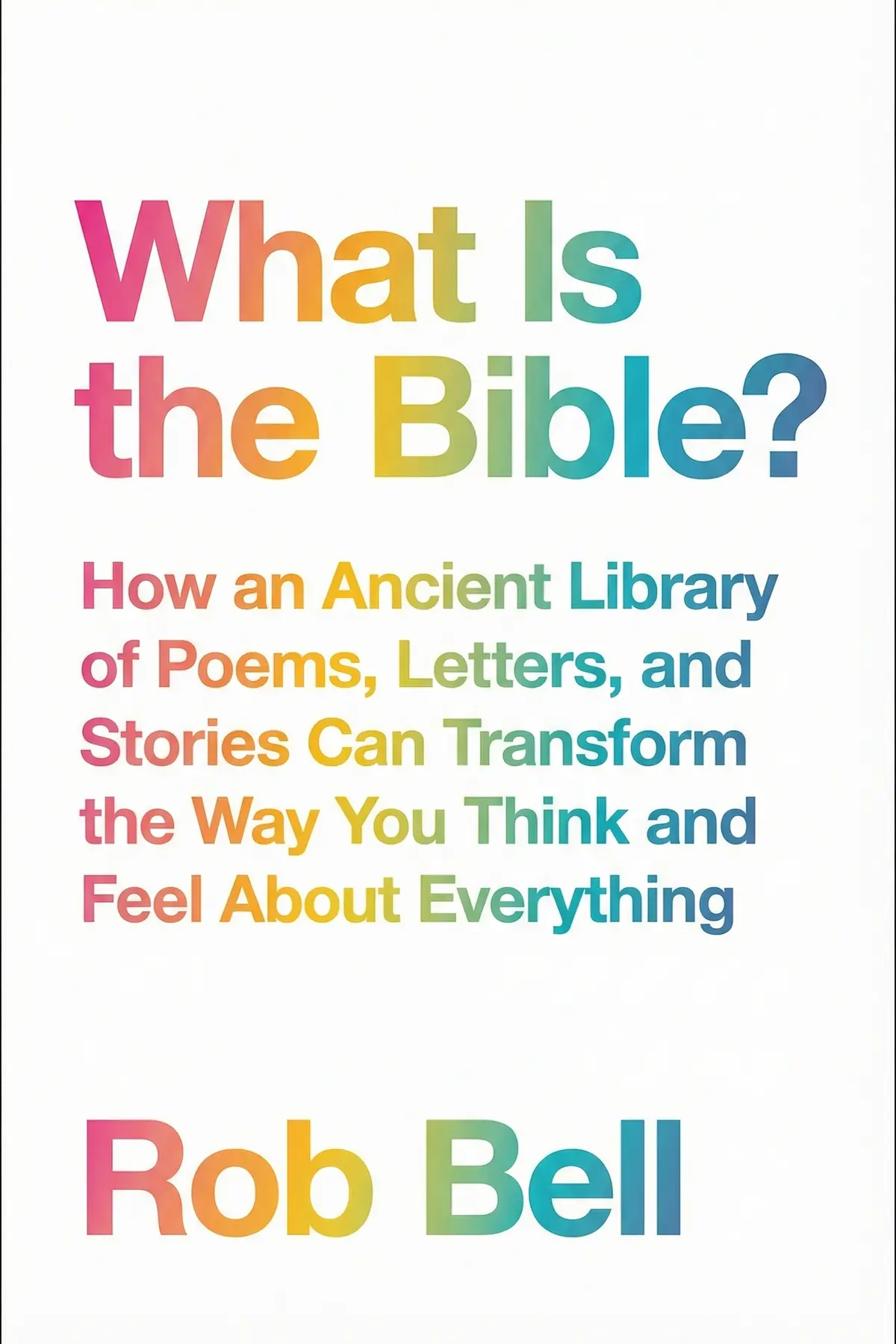
Table of Content
1. Introduction
59 sec
Maybe the Bible has always struck you as a jumble of violent tales, odd miracles and rules that contradict each other. If so, the problem may lie in how it is usually read. In What Is the Bible?, pastor and writer Rob Bell argues that the world’s best-selling book is really a library, collected and edited by some 40 people across 1,500 years. Most of those writers belonged to a people who spent centuries as an oppressed minority, and that fact changes how almost every page sounds.
Bell’s case is that the Bible tells a story of progress. Read in its own time, as poetry, and with the question of why each story was worth recording, it moves steadily away from violence and narrow tribal loyalty and toward peace, forgiveness and a wider love. Believer or doubter, you will learn to open a famous passage, see what its first readers saw and take something from it into your own week.
2. Hear the Bible as the voice of the oppressed
1 min 35 sec
History is usually written by the winners, yet the world’s most famous book came from people with almost no power. Knowing that changes the meaning of even an odd detail about Moses at the end of his life.
3. Spot the moments old gods get overturned
1 min 36 sec
A father told to sacrifice his son is a hard scene for any modern reader. Bell argues its first listeners heard something close to the opposite, and a forgotten king from Salem helps explain why.
4. See the Bible's violence as a path to peace
1 min 45 sec
Battles, slave labor and a seemingly furious God make many readers close the book. Bell reads the same pages as a long argument against force, written by people who knew violence firsthand.
5. Turn contradictions into a map of changing minds
1 min 39 sec
Two books of the Bible disagree about who told King David to count his people, and the difference is startling. Bell treats such clashes as evidence of how people’s moral thinking developed.
6. Awkward details that make the story credible
1 min 42 sec
The four Gospels disagree about who found Jesus’s tomb empty. That looks like a weakness until one fact about the ancient world is added, and then the mismatch starts pointing the other way.
7. Read Jonah as poetry and find its question
1 min 35 sec
A man survives three days inside a fish, and arguments about whether that could happen have run for centuries. Bell thinks the argument misses a far harder question the story puts to its readers.
8. Ask better questions and get more from an old book
1 min 43 sec
A Babylonian god builds the world from a torn body, and a city’s tower ends in a confusion of languages. Bell shows how one shift in what you ask turns these ancient stories toward today’s worries.
9. Conclusion
1 min 16 sec
Rob Bell’s Bible is a long argument among people who kept learning. An oppressed minority who knew violence and exile wrote it, and over fifteen centuries they moved their picture of God away from child sacrifice, tribal pride and the sword, toward forgiveness, outsiders and peace. Its clashes and awkward details record that growth as it happened.
The writers even kept their doubters in. In Matthew’s account, Jesus meets his followers in Galilee and the text reads, “they worshipped him; but some doubted.” Bell takes that moment as a prompt to ask how open your own mind is, and how you might live if the resurrection had really happened.
The method carries easily into daily life. Before you judge a passage, ask who wrote it, from what position, and why they thought it worth keeping. Read its miracles the way you would read a poem. And try the mantra that Bell borrows out of 1 Corinthians chapter 3, which says all things are yours. Write it on your hand or somewhere you will see it, repeat it when something moves you, and notice the beauty you had been walking past. Read like this, an ancient library stops being a rulebook to defend or attack and becomes a mirror for your own life.
About this book
What is this book about?
The Bible is the best-selling book ever written, and one of the most misread. Critics pull out passages that seem cruel or absurd. Many readers take its stories, miracles included, in a strictly literal way. Rob Bell argues that both sides miss the point, because they ignore who wrote these texts, when and why. His starting point is that the Bible is really a library: stories, poems, letters and Gospels gathered and edited by some 40 people over 1,500 years, most of them members of an oppressed minority. Read against their world, scenes like Abraham's near-sacrifice of his son, the bloodshed of Judges, the conflicting resurrection accounts and Jonah inside the fish start to make sense. They become steps in a long move away from violence and tribal loyalty and toward peace, forgiveness and concern for outsiders. Bell also gives readers practical tools. Ask who wrote a passage and from what position. Read myth as poetry. Ask why the writers thought a story worth keeping. Applied this way, an ancient text has things to say about power, technology, forgiveness and caring for the planet.
Book Information
Who it's for
Bible skeptics
Skeptics who dismiss the Bible as violent or contradictory and want a fairer way to read it.
Believers wanting context
Believers unsettled by hard passages who want context in place of easy answers.
Curious about the Bible
Curious readers who want to understand the world's most influential book.
About the Author
Rob Bell
Rob Bell founded Mars Hill Bible Church in Grandville, Michigan, in 1999 and led it until 2012. He studied at Wheaton College and earned a Master of Divinity at Fuller Theological Seminary. Time named him one of its 100 most influential people in 2011. Love Wins and What Is the Bible? are both New York Times bestsellers. He wrote and narrated NOOMA, a series of short spiritual films. Since leaving the pastorate he has focused on writing and speaking, and he hosts The Robcast. A 2018 documentary about him is called The Heretic.
Ratings & Reviews
Ratings at a glance
What people think
Listeners find the material both accessible and thought-provoking, with one individual highlighting how it provides a fresh framework for comprehending the scriptures. Furthermore, the narrative style is highly regarded; one listener depicts it as a skillfully composed manual for Bible study. The book also presents an innovative outlook on scriptural interpretation that clarifies the deeper meaning of stories, especially those within the Old Testament. Listeners value its connection to the modern world, with one noting how it links ancient texts to current events, and they find the overall experience encouraging and life-improving.
Top reviews
Kavya
Picked this up after years of hearing about Bell's shift in perspective, and frankly, it’s the breath of fresh air I needed. He challenges the reader to look at the Bible as a library of ancient books rather than a monolithic rulebook. By emphasizing a 'literate' reading over a strictly 'literal' one, he unlocks stories that previously felt stagnant or confusing, especially those odd narratives in the Old Testament. I found his enthusiasm for the text absolutely contagious, making me want to dust off my own Bible immediately. While his style—heavy on the line breaks and dramatic spacing—can feel a bit gimmicky on the page, the core message is deeply life-enhancing. It’s a guide that actually makes the ancient world feel relevant to our current cultural moment. This isn't just about religion; it's about the grit of being human.
Show moreNarumon
Finally got around to finishing this, and I feel like I've just sat through a masterclass on how to love a difficult book. Rob Bell doesn't try to sanitize the violence in the Bible; instead, he dives into the historical context of the Babylonian exile to show how these stories were radical protests against the surrounding culture. It’s refreshing to see someone treat the Israelites as real people with evolving views of the divine rather than static figures in a stained-glass window. My only real gripe is the total lack of footnotes, which makes some of his bold claims about Hebrew word meanings hard to verify independently. Still, the way he connects these ancient struggles to our modern pursuit of human flourishing is brilliant. It’s a hopeful, uplifting read that makes the Bible feel alive and dangerous in the best possible way.
Show moreAkira
After hearing so many conflicting things about Rob Bell, I didn't know what to expect, but I found this incredibly moving. The book is structured around the idea that the Bible is a record of people trying to understand what it means to be human in relation to a God who is for them. It’s an emotional journey that moves away from tribal divisions and toward a more inclusive, life-enhancing vision of faith. I particularly enjoyed the FAQ section at the end, which handles 'weird' questions with a level of grace and nuance that is often missing in religious circles. The prose is sparse and punchy, which might annoy traditionalists, but it kept me engaged from start to finish. It really opened up the Old Testament for me in a way that felt both ancient and shockingly modern.
Show moreBond
This book is dangerous in all the right ways because it forces you to stop using the Bible as a weapon and start using it as a mirror. Bell’s thesis is simple: the Bible is a human library about human beings, and that is precisely why it’s so powerful. Not gonna lie, I was skeptical of his 'literate reading' approach at first, but his breakdown of the Book of Revelation was a total game-changer for me. He pulls the text out of the realm of scary future predictions and places it firmly back in its original context of resistance against an oppressive empire. It’s insightful, provocative, and written with a rhythmic flow that makes it impossible to put down. Even if you don't agree with every theological conclusion, you'll walk away with a deeper appreciation for the mystery of faith.
Show morePriya
Wow. This is easily Bell’s strongest work since Velvet Elvis. He manages to turn the Bible inside out, transforming it from a 'religious' book into a deeply human one that vibrates with life. The conversational tone makes it incredibly accessible, even when he’s diving into complex Greek word studies or the politics of the Roman occupation. Personally, I found his take on the animal sacrificial system to be a highlight, as it reframed the whole concept of guilt and grace in a way that felt both radical and ancient. It’s a quick read but one that stays with you, prompting you to see the 'glory of God' in the flourishing of humanity. Whether you’re a seeker or a long-time believer, this book will change the way you see the Word.
Show moreSuthee
The chapter on King Eglon was worth the price of admission alone. Bell has this uncanny ability to take a grisly, bizarre story from Judges and peel back the layers until you see the cultural satire and political subtext buried beneath the surface. Truth is, I struggled initially with his casual writing style, which often feels more like a transcript of a sermon than a formal theological work. However, once you get into the rhythm of his 'writing as speaking' approach, the insights into the sacrificial system and its human origins are fascinating. He treats the text with a profound sense of wonder, even when he’s questioning traditional interpretations of Jesus' death. It’s a book that invites you to wrestle with God rather than just nodding along to Sunday school platitudes. Highly recommended for those who feel the old way of reading has run dry.
Show moreOoi
Ever wonder why the Bible is full of so much weirdness? This book tackles that head-on by treating the scriptures as an 'empowered mystery' rather than a set of clear-cut instructions. Bell is at his best when he’s explaining the 'haphazard humanity' of the authors, showing how their fallible perspectives actually make the Bible more reliable and relatable. I loved the section on Melchizedek and how the New Testament writers were essentially reinterpreting their own history on the fly. Some might find his dismissive attitude toward inerrancy a bit smug, yet it’s hard to deny that he respects the text enough to actually wrestle with its complexities. It’s a dense, layered, and ultimately insightful guide that refuses to give easy answers. It's the kind of book you'll want to discuss at a dinner party with your most skeptical friends.
Show moreRatthapong
Not what I expected, but exactly what I needed. Look, Bell has a very specific 'vibe' that can be polarizing, especially with all the italics and bold text for emphasis. But if you can get past the stylistic quirks, there is real substance here about how we perceive the divine. He moves through the evolution of thought in the scriptures, showing how the Israelites' view of God matured over time, which mirrors our own spiritual journeys. I found the section on the Book of Judges to be particularly insightful regarding our current global struggles with violence and peace. It’s not a perfect book—he can be a bit condescending toward more conservative viewpoints—but it’s an essential read for anyone who wants to rediscover the Bible as a source of liberation.
Show moreAlice
As someone who grew up in a very rigid church environment, this felt like being given permission to think for myself. Bell handles the 'ancient eastern stories' with a level of humility and respect that is often lacking in modern apologetics. He doesn't just give you the answers; he teaches you how to ask better questions. The way he frames the crucifixion as a historical event that the disciples had to process through their own cultural lens was challenging, but ultimately helped me understand the New Testament on a deeper level. To be honest, I missed the presence of footnotes to track his research, but the sheer energy of his writing makes up for it. It's a refreshing perspective that bridges the gap between ancient history and our daily lives.
Show moreHugo
To be fair, Rob Bell is a talented communicator, but this book ultimately feels like a detour into humanism disguised as biblical study. He focuses so heavily on the Bible as a 'human book' that the sense of divine revelation completely evaporates. He argues that the sacrificial system was just a human invention to manage guilt, which fundamentally undermines the orthodox understanding of the Gospel and why Jesus had to die. While his insights into the context of the Roman occupation are interesting, his conclusions feel driven more by modern progressive sensibilities than by the text itself. It’s a collection of sweeping statements with no academic citations to back them up. If you're looking for a book that affirms your own 'evolving' morality, you'll love it, but those seeking the Word of God might find it spiritually empty.
Show moreQuestions about this book
What is the main idea of What Is the Bible? by Rob Bell?
Bell argues that the Bible is a library of stories, poems, letters and Gospels, collected by some 40 people over 1,500 years, most of them an oppressed minority. Read in its historical context, it describes a gradual shift in how people understood God, away from violence and tribal loyalty and toward peace, forgiveness and care for outsiders.
How does Rob Bell explain the contradictions in the Bible?
He agrees they exist and treats them as evidence of thinking that developed over time. In 2 Samuel, God orders David’s census, while the much later Chronicles credits Satan, the Bible’s first mention of that figure. Bell reads the change as later writers deciding a good God would never ask for something evil. Different authors in different eras also disagreed, as with circumcision in Genesis and in Galatians.
Does Rob Bell think the Bible should be read literally?
No. He suggests reading its magic and myth as poetry. His example is Jonah, swallowed by a fish after refusing to preach to Nineveh, the Assyrian city whose people had exiled the Israelites. Whether that literally happened is beside the point, Bell says. The story asks whether Israel can forgive its enemies, and answers that God’s love reaches them too.
How can I apply What Is the Bible? to my own reading?
Ask who wrote a passage and from what position, compare it with what was normal at the time, and ask why the writers thought it was worth keeping. Bell also proposes a daily mantra drawn from 1 Corinthians 3, which says all things are yours. You write it somewhere you can see it and repeat it whenever something inspires you, as a way to notice the beauty around you.
Is What Is the Bible? only for Christians?
Bell argues the Bible is human enough to serve non-Christians as well. The parable of the father who welcomes home his wasteful younger son, despite the older brother’s protest, carries a universal lesson about forgiveness and about home as a state of being. Stories like Babel, in his reading, also warn anyone about the risks of unchecked power and technology.
Readers also enjoyed

A Force for Good: The Dalai Lama's Vision for Our World
Daniel Goleman


A New Earth: Awakening to Your Life’s Purpose
Eckhart Tolle

A Return to Love: Reflections on the Principles of a Course in Miracles
Marianne Williamson

Abundance: The Inner Path to Wealth
Deepak Chopra

Aflame: Learning from Silence
Pico Iyer

Alcoholics Anonymous
Alcoholics Anonymous World Services
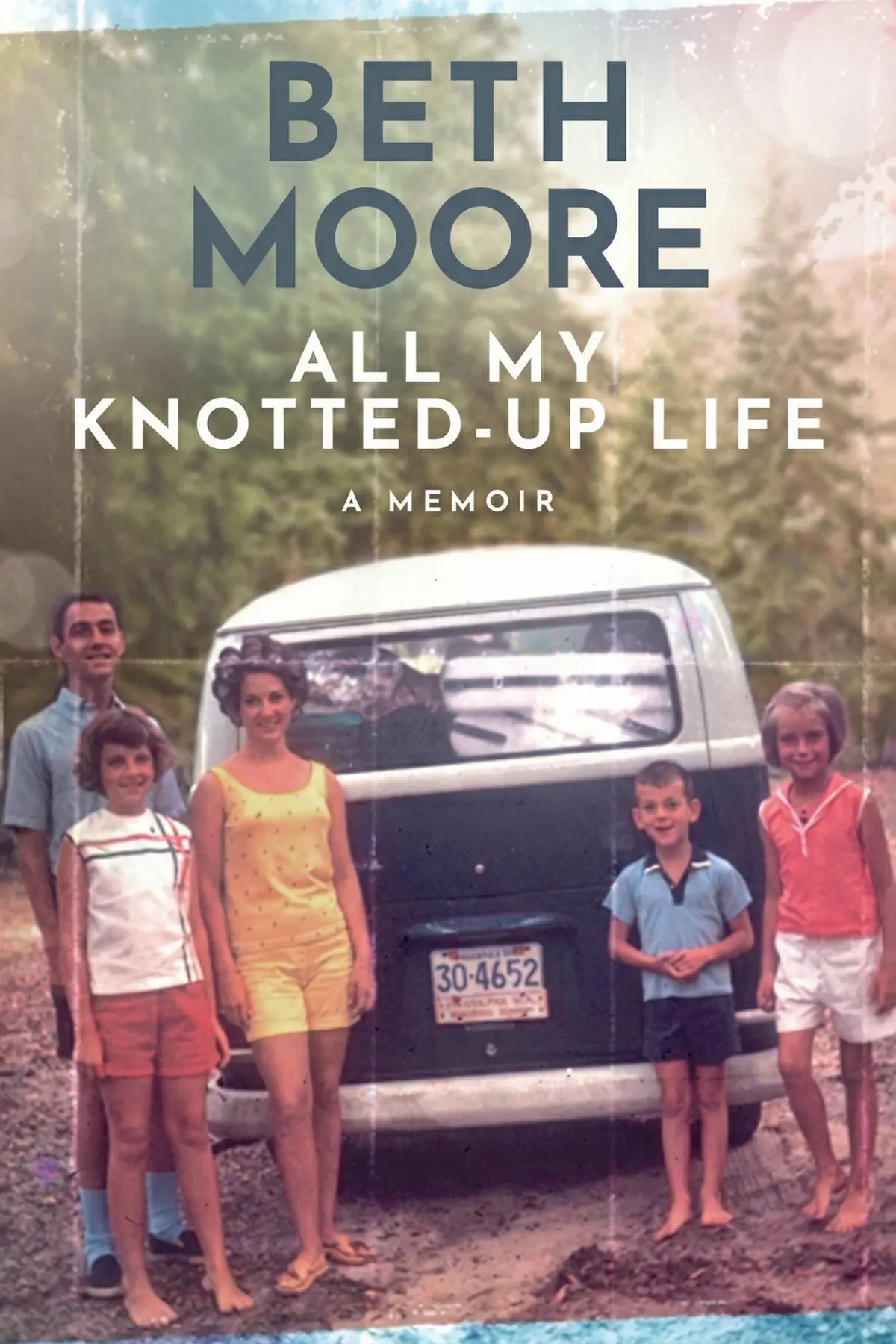
All My Knotted-Up Life: A Memoir
Beth Moore
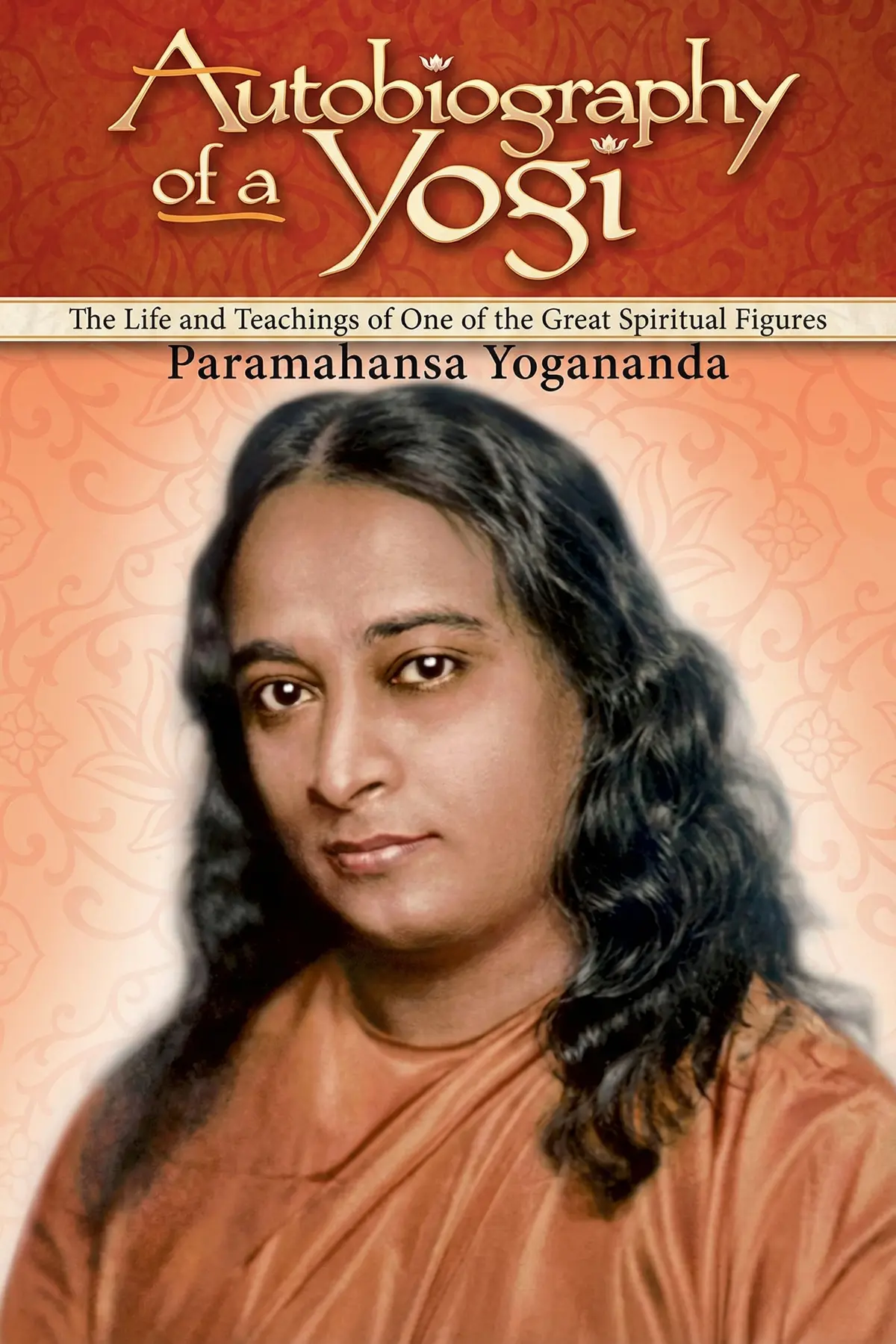
Autobiography of a Yogi
Paramahansa Yogananda
AUDIO SUMMARY AVAILABLE
Listen to What Is the Bible? in 15 minutes
Get the key ideas from What Is the Bible? by Rob Bell, plus 5,000+ more nonfiction titles.
- 5,000+ titles
- Listen as much as you want
- 7-day free trial
- Cancel anytime









