

11 min 49 sec
Available in: English
What Does It All Mean?: A Very Short Introduction to Philosophy
By Thomas Nagel
A short, plain introduction to philosophy's oldest puzzles: whether the world exists outside your mind, whether others feel what you feel, whether choices are free, why fairness matters and how to think about death.

Table of Content
1. Introduction
1 min 02 sec
Most of us live on assumptions we never check: that the room around us is real, that other people feel what we feel, that our choices belong to us. In What Does It All Mean?, philosopher Thomas Nagel takes those assumptions one at a time and shows how little of them can actually be proved. The one thing you can be sure of, he suggests, is your own mind and what passes through it. Everything else, your own body included, is a matter of belief.
That sounds unsettling, but the book’s purpose is practical. If you work through a handful of plain puzzles about reality, other people’s inner lives, free will, right and wrong, and death, you learn to hold your beliefs with humility and still live by them. The examples are everyday ones: an ice cream cone, a red fire engine, a choice between cake and a peach, a favor asked at a library. After them, ordinary moments look stranger, and your thinking about them gets sharper.
2. Separate what you know from what you assume
1 min 50 sec
You can touch the table, ask a friend, pinch yourself. Every test seems to confirm the world is there, until you notice where each test actually happens.
3. Respect the inner lives you can never see
1 min 48 sec
You and a friend share the same dessert and agree it tastes of chocolate. Nothing in the world can confirm you are tasting the same thing, and the doubt goes further than flavor.
4. Test whether your choices are really yours
2 min 02 sec
Picking a dessert feels like the freest act there is. Look closely and both possible explanations for that choice seem to leave no room for you to deserve credit or blame.
5. Find a reason to be fair without a rulebook
1 min 55 sec
A close friend asks you to help sneak a rare book out of the library without checking it out. The case against saying yes turns out to rest on something deeper than any law, and it starts with one familiar question.
6. Think about death without being ruled by dread
1 min 55 sec
Many people say they cannot even imagine not existing, and that blank feeling fuels much of the fear. It turns out to be a trick of the mind, and seeing through it changes the conversation.
7. Conclusion
1 min 17 sec
Nagel’s short book makes one move five times. Take something you lean on without thinking, the solid table, a friend’s smile, your own decision, the wrongness of a theft, the meaning of the end, and ask what holds it up. Usually the answer is less than you hoped. Proof runs out quickly, and belief has to carry the rest.
That could be a reason for despair. The book treats it as a reason for humility and for interest. You can keep acting as though the world is real, other people feel and your choices count, while knowing that each of these is still an open question.
The habits follow naturally. When you feel certain, check whether you hold proof or a strong belief, and leave room to be wrong. When someone reacts differently from you, remember that their inner world is closed to you and may be stranger than you think. When you are tempted to cut a corner, stand for a moment in the place of the person who would pay for it. And when death comes to mind, let it sharpen what you do with the days you have.
On this reading, philosophy needs no special training. It starts the moment you knock on a table and wonder what the knock really proves.
About this book
What is this book about?
Most of what we rely on every day goes unchecked. We trust that the room around us is real, that other people have inner lives like ours, that our choices are our own and that some acts are simply wrong. Thomas Nagel takes these everyday assumptions one at a time and asks what actually supports them. His starting point is that the only thing you can be sure of is your own mind and what passes through it. From there he works outward, through the puzzle of the outside world, the hidden experiences of other people, the clash between free will and determinism, the reason we owe others fair treatment, and the question of what death means for us. The examples are ordinary ones: a shared chocolate ice cream, a red fire engine, a choice between cake and a peach, a friend asking for a shady favor at a library. Readers get a clear first map of philosophy's central questions and a habit of mind they can use: treat confident beliefs with humility, imagine other people's inner worlds, and think about death in a way that makes life feel more valuable.
Book Information
Who it's for
New to philosophy
Curious professionals and students who want a clear first look at philosophy's big questions.
Catching their own overconfidence
Readers who catch themselves overconfident and want a habit of checking what they really know.
Wanting jargon-free reasoning
People thinking about fairness, free will or death who want plain reasoning instead of jargon.
About the Author
Thomas Nagel
Thomas Nagel, born in Belgrade in 1937, earned his doctorate at Harvard under John Rawls and taught at Berkeley and Princeton before joining New York University in 1980, where he is University Professor of Philosophy and Law Emeritus. He works mainly in philosophy of mind, ethics and political philosophy. His 1974 essay What Is It Like to Be a Bat? is a well-known critique of reductionist views of the mind, and he co-founded the journal Philosophy and Public Affairs.
Ratings & Reviews
Ratings at a glance

What people think
Listeners find the book to be both concise and well-crafted, serving as an engaging entry point into philosophy that introduces them to the discipline's core inquiries. Additionally, they value how readable it is, noting its clarity and brevity. Nevertheless, there is varied feedback concerning the educational level; some view it as a straightforward primer while others think it is too basic. Furthermore, views differ on the book’s size and overall worth, as some find the cost reasonable while others believe it is too expensive.
Top reviews
Ella
Finally got around to reading this tiny classic, and I must say it lives up to its reputation for clarity. Instead of burying the reader under a mountain of dates and dead names like Kant or Hume, Nagel dives straight into the raw philosophical material that actually puzzles us. The focus on nine core problems—like the mind-brain connection and the nature of free will—makes it feel incredibly accessible to a layperson. I loved how he treats philosophy as a natural instinct rather than a dry academic subject. My only gripe is that it ends just as it starts getting really deep, but maybe that's the point? It’s meant to be a springboard, not a destination. Truly a breath of fresh air for anyone tired of dense textbooks.
Show moreManop
The chapter on language alone is worth the price of admission. It’s rare to find an author who can explain why language is a philosophical puzzle without using fifty-cent words and circular definitions. Nagel has a gift for getting to the heart of why these questions are naturally puzzling to the human mind. This isn't a collection of old, dusty solutions, but a living, breathing exercise in argumentation. I loved that he doesn't feel the need to hide behind the authority of Kant or Hume. It makes the problems feel urgent and personal. This is a must-read for anyone who has ever stared at the ceiling and wondered what it all means. Absolutely brilliant and concise.
Show moreBond
Nagel takes a refreshing approach here by stripping away the usual historical baggage found in most philosophy primers. You won't find a catalog of "who said what," but rather a direct confrontation with the questions themselves. It is a power-packed short book that encourages you to argue back against the author’s own tentative conclusions. I particularly enjoyed the section on the meaning of life, even though the conclusion leans toward the absurd. Truth is, the book doesn't offer easy answers, which might annoy some readers looking for definitive truths. However, for a quick and clear read that gets your brain gears turning, it’s hard to beat. I have recommended it to friends who want to "do" philosophy rather than just read about it.
Show moreAhmed
Ever wonder if your mind is actually just your brain, or if there’s something more to consciousness? This book tackles that head-on without getting bogged down in "monsters of philosophy" or complex jargon. Nagel’s style is conversational yet precise, making it a very quick read that stays with you. I found the chapter on inequalities particularly interesting because it bridges the gap between abstract thought and social reality. Some might find it frustrating that he leaves many questions open-ended, but that’s the nature of the beast. Not gonna lie, I was a bit surprised by how fast I flew through it. It’s a great little volume to keep in your bag for when you have a few minutes to ponder the universe.
Show moreUbolwan
This little book is quite the gem if you're looking for an entry point into thinking about the world. I really liked how it doesn't try to be an encyclopedia of dead historical figures. Instead, it focuses on the internal logic of problems like the nature of death and how we know other minds exist. The writing is incredibly lucid—no metaphors, just straight argumentation. I found myself disagreeing with Nagel on several points, especially in the morality section, but that’s half the fun. It’s a short, power-packed encounter with the fundamentals of our fascination with philosophy. It’s a quick read, but you’ll likely spend more time thinking about it afterward than you did actually reading it.
Show moreSupaporn
While I appreciated the brevity and the clear prose, this felt a bit too elementary for someone who has even a passing acquaintance with the subject. The author presents nine problems, such as knowledge of the world beyond our minds and the basis of morality, but he barely scratches the surface before moving on. To be fair, it’s marketed as a very short introduction, so I shouldn't have expected a deep dive. Mentioning the "middleman" in the language chapter actually made me think of that old Bright Eyes song, which was a nice moment of connection. However, at the current price point, it feels a little overpriced for something you can finish in a single sitting. It is well-written and concise, but it lacks the "meat" I was looking for. If you’re a total beginner, this is perfect.
Show moreLaddawan
Not what I expected from a philosophy book, but in a mostly good way. Instead of a history lesson, it’s more of a guided meditation on the puzzles of existence. Nagel’s refusal to cite other thinkers is a bold move that keeps the focus on the logic of the arguments. Personally, I found the chapter on the meaning of life a bit depressing since it basically suggests that life is absurd. But hey, that's philosophy for you. It's definitely a simple introduction that doesn't demand any prior knowledge. My main issue is that some chapters feel a bit rushed, leaving you wanting more exploration of the counter-arguments. Still, it’s a solid way to acquaint yourself with major questions.
Show moreJin
As someone who usually finds philosophy intimidating, I found this to be a very approachable and readable guide. Nagel simplifies complex ideas without making them feel childish. He covers everything from the mind-body problem to the justice of social inequalities in just over 100 pages. Look, it’s not going to make you an expert, but it will certainly give you a lot to chew on during your morning commute. Some of the logic in the section on how language is possible was a bit over my head, but most of it was crystal clear. A bit overpriced for its size, perhaps, but the quality of the writing is high. It’s a solid introduction to the field if you want to know how concepts function.
Show moreViroj
Frankly, it's a bit of a mixed bag. On one hand, the clarity is unmatched—Nagel is a master of the simple sentence. On the other hand, it feels so brief that it borders on being an outline rather than a full book. I was hoping for more depth regarding the relation between mind and brain, but it was over before I could really settle into the argument. My library copy actually had a blue 'x' over the Chapter 5 title, which felt strangely appropriate given how much of a puzzle it was. It's an interesting introduction that definitely acquaints you with the major questions, but it leaves the formulated answers feeling a bit skeletal. If you’re looking for a quick, readable primer, this is it.
Show moreAna
To be fair, this is a very clear and well-written book, but I found it incredibly frustrating. It’s almost too simple. Nagel poses these big questions—like whether we have free will or how language is possible—and then just kind of leaves them hanging. I understand that the goal is to get the reader thinking, but I would have preferred a bit more engagement with the traditional solutions proposed over the centuries. It felt a bit like a teaser for a book that never actually starts. Honestly, it’s more of a pamphlet than a book, and I don't think it's particularly good value for money. If you want something with actual depth, look elsewhere. This is just too basic.
Show moreQuestions about this book
What is What Does It All Mean? by Thomas Nagel about?
It is a very short introduction to philosophy built around everyday puzzles. Nagel starts from the idea that your own mind is the only thing you can be sure of, then asks whether the outside world exists, whether other people have inner lives like yours, whether choices are free, what makes actions right or wrong and how to think about death. Each puzzle shows how much of ordinary life rests on belief.
What is solipsism in What Does It All Mean?
Solipsism holds that the only thing you can be sure exists is your own mind. Since everything reaches you through your senses and your brain, every test of the outside world, such as touching an object or asking a friend, is just another experience inside your mind. Few people believe solipsism, but it is hard to refute. A milder position, skepticism, says only that you cannot be fully sure anything exists beyond your mind.
What does Nagel say about free will?
The book presents free will as a puzzle that closes from two sides. If determinism is true, every choice, even picking cake over a peach, was fixed by earlier causes. If it is false and chance plays a role, a random choice does not seem free either. Either way, praise and blame become hard to justify, even though choosing feels real when you resist a temptation or push toward a goal.
How does What Does It All Mean? explain right and wrong?
Through a friend asking you to help sneak a rare book out of a library. The book argues morality goes deeper than law. Asking how you would feel if someone did this to you puts you in the victim’s place, where you would feel wronged and believe the thief should have considered you. Consistency then requires you to give others the same consideration you expect for yourself.
How can I apply the ideas in What Does It All Mean?
Use its puzzles as habits. When you feel certain, ask whether you have proof or a strong belief, and stay open to being wrong. When someone reacts differently from you, remember their inner experience may differ more than words reveal. Before taking a shortcut that costs others, imagine yourself in their place. And let thinking about death push you toward living with more purpose.
Readers also enjoyed

A Guide to the Good Life: The Ancient Art of Stoic Joy
William B. Irvine

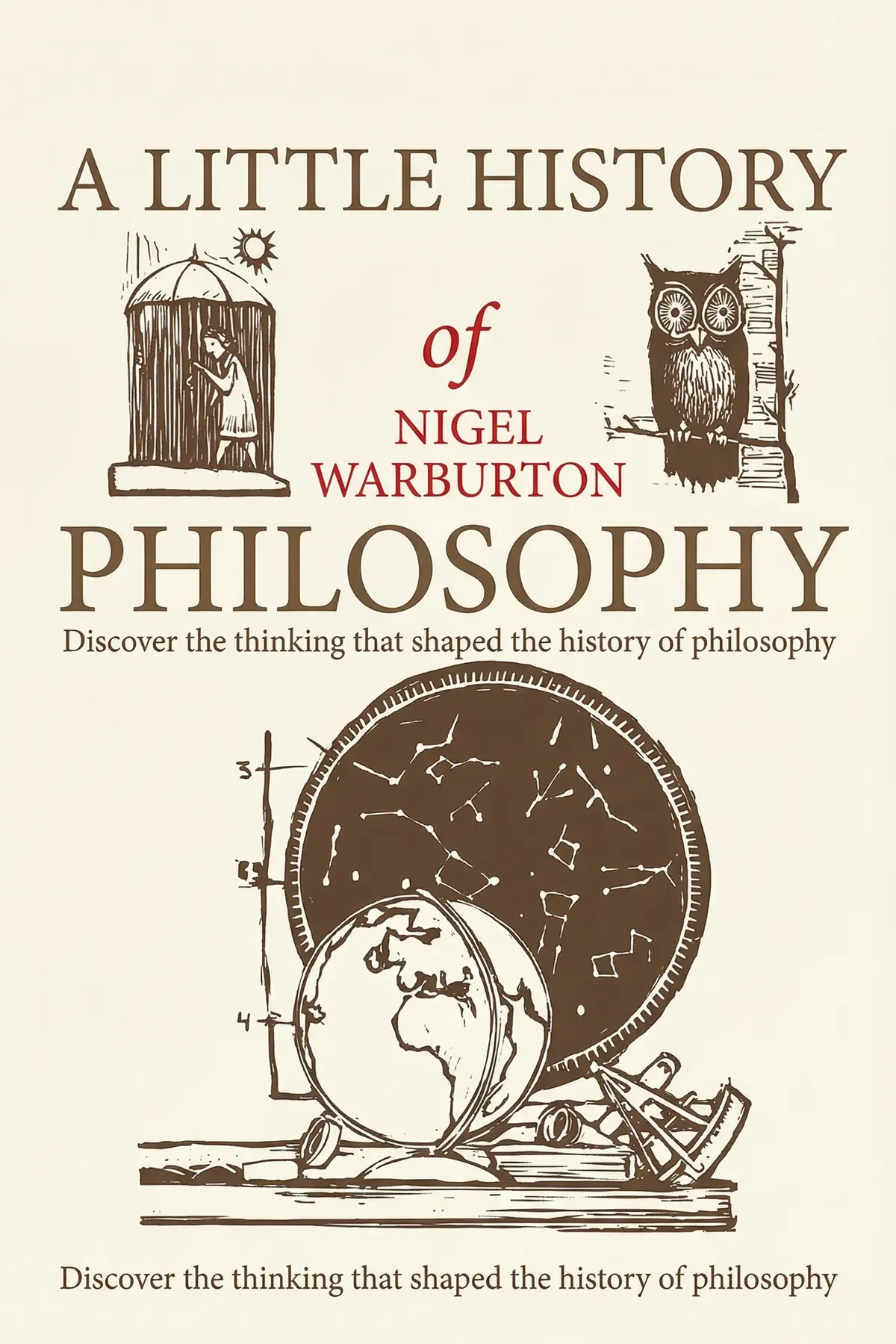
A Little History of Philosophy
Nigel Warburton

A Theory of Justice
John Rawls


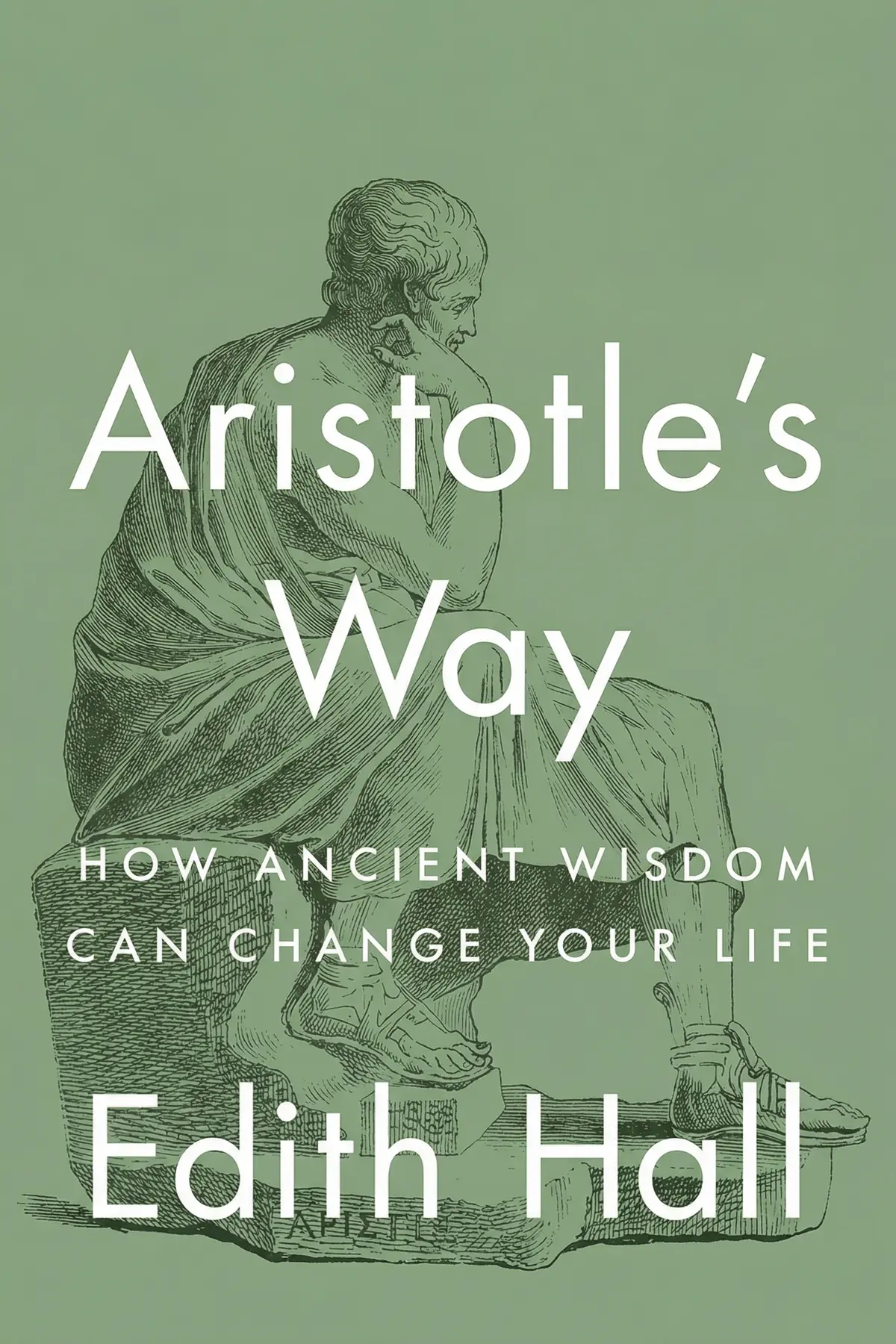
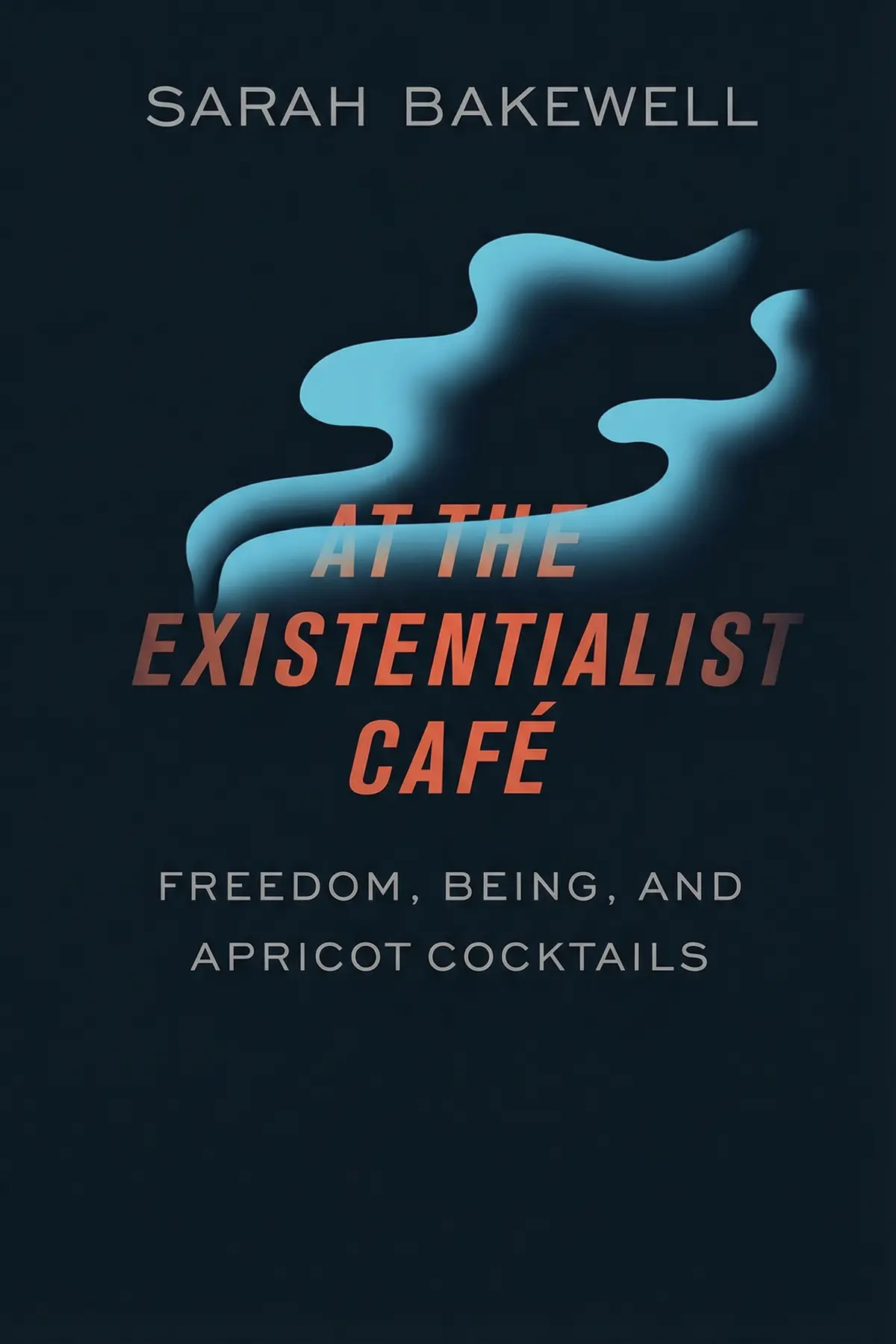
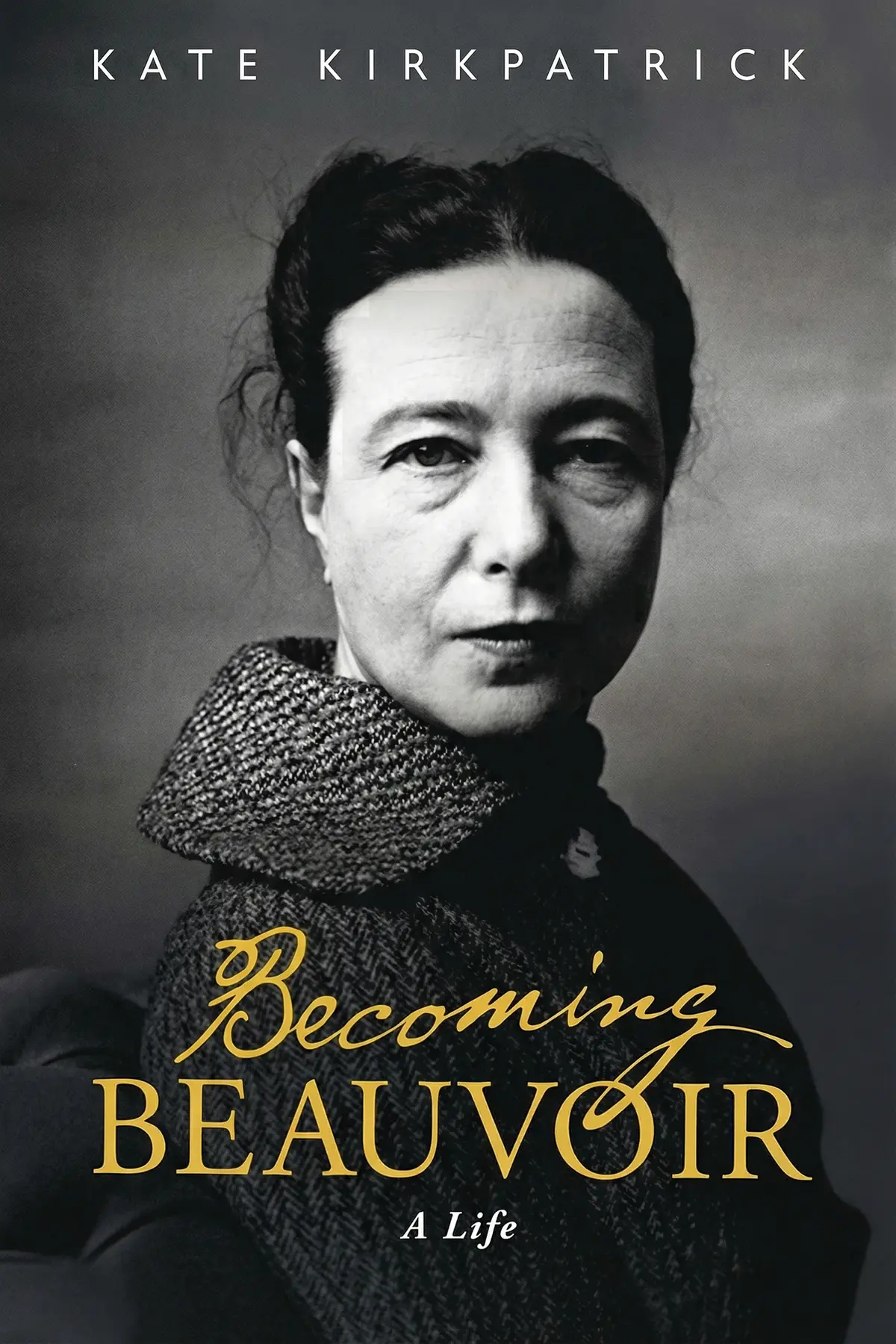
Becoming Beauvoir: A Life
Kate Kirkpatrick
AUDIO SUMMARY AVAILABLE
Listen to What Does It All Mean? in 15 minutes
Get the key ideas from What Does It All Mean? by Thomas Nagel, plus 5,000+ more nonfiction titles.
- 5,000+ titles
- Listen as much as you want
- 7-day free trial
- Cancel anytime









