

12 min 47 sec
Available in: English
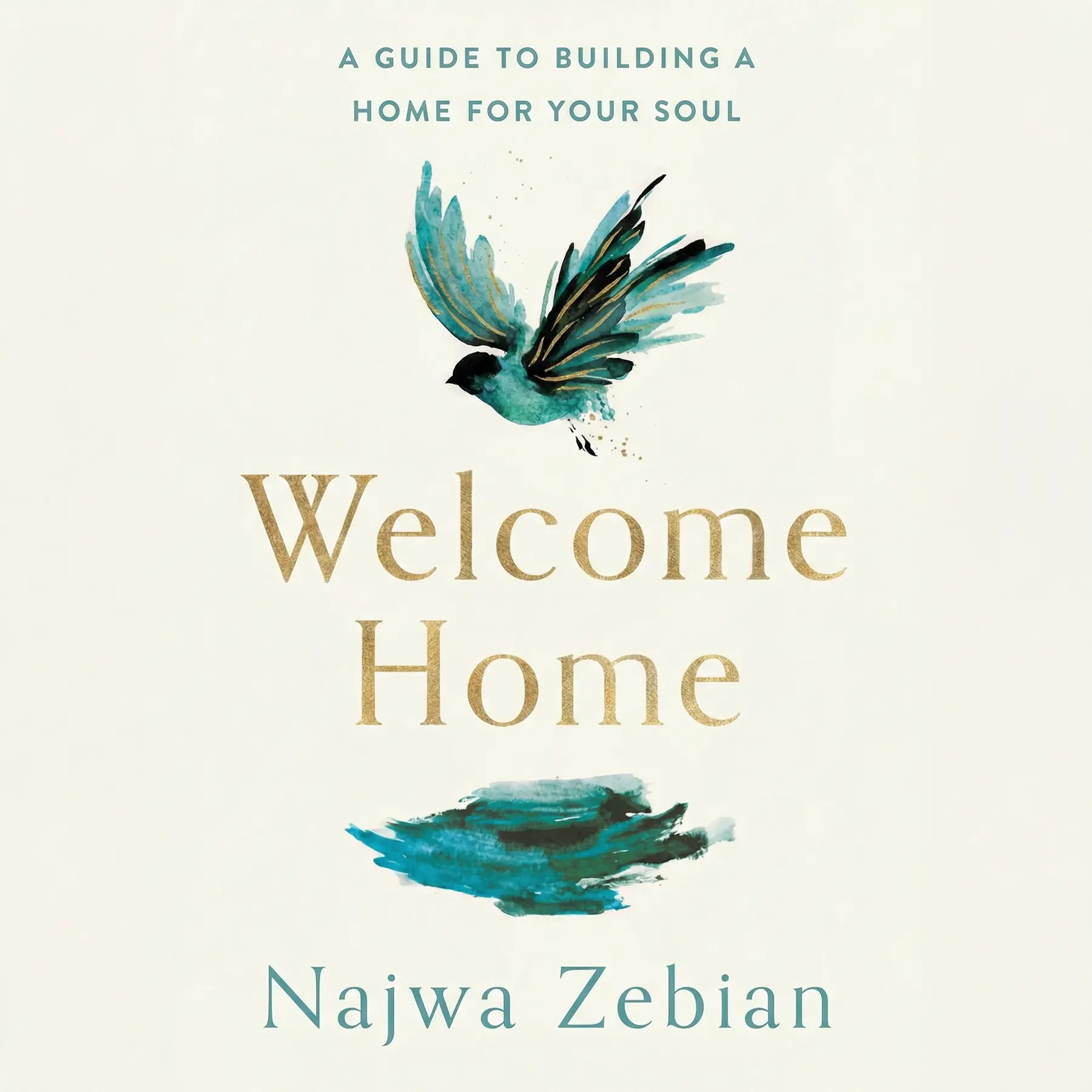
Welcome Home: A Guide to Building a Home for Your Soul
By Najwa Zebian
Najwa Zebian shows how to stop depending on other people's approval by building an inner home. Its rooms are self-love, clarity, forgiveness, surrender and compassion, and each one comes with a practical tool.
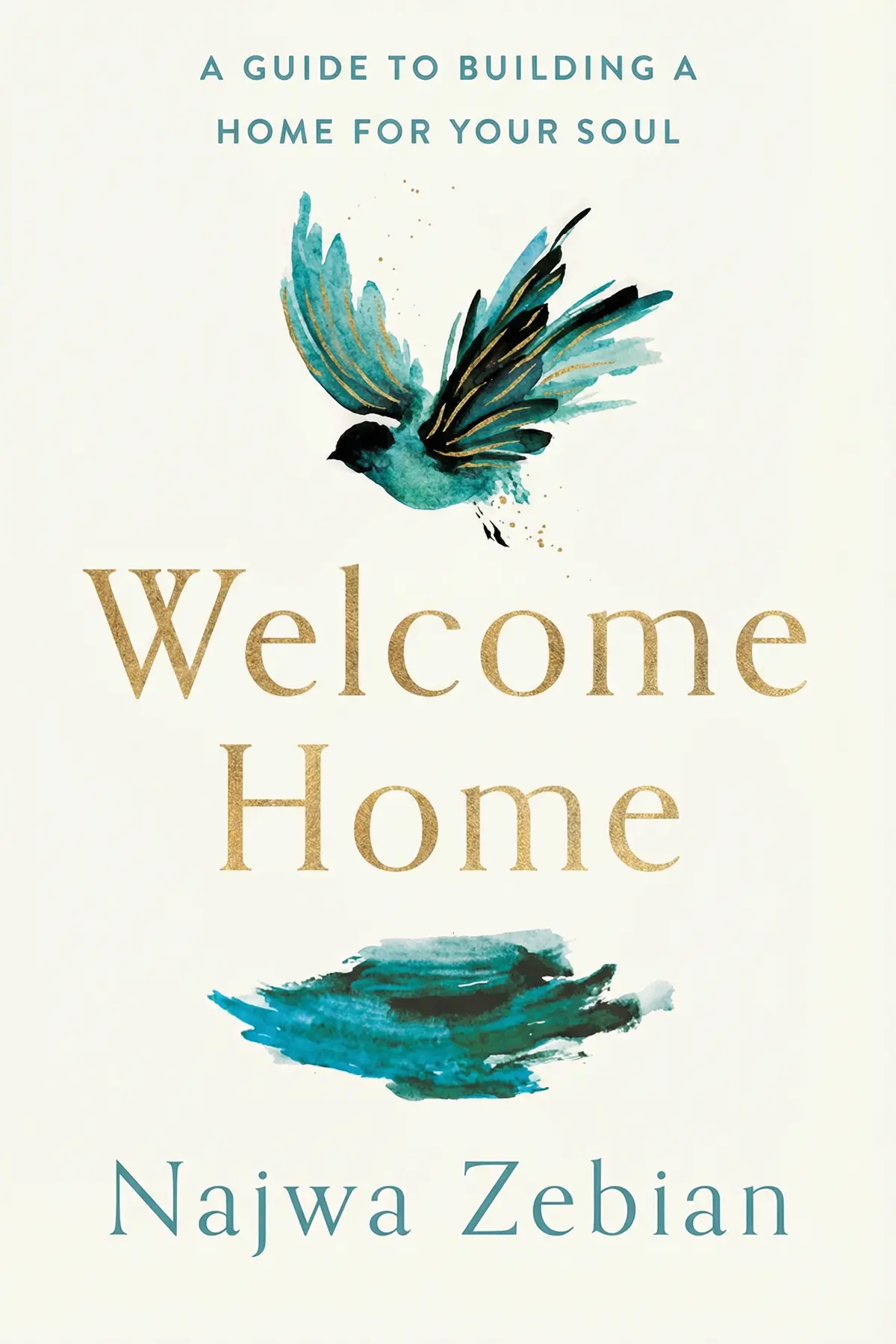
Table of Content
1. Introduction
1 min 17 sec
If you only feel okay when other people approve of you, you are living in a house someone else can lock you out of. In Welcome Home, poet and educator Najwa Zebian argues that we can build the safety, recognition and love we look for in others inside ourselves instead. When we make our home in another person, she writes, we cling to love when it arrives and feel abandoned when it leaves.
Her alternative is a house you imagine inside your own soul. You furnish its rooms one by one: self-love, clarity, forgiveness, surrender and compassion. Each room holds a specific tool. One is a morning sentence that trains you to notice love. Another is a three-part statement that separates your healing from whoever hurt you.
The idea running through all of it is simple. You cannot borrow your worth from outside yourself, so the work is to build a place within where you can live as yourself. Along the way, Zebian shows how to separate a pain from its cause, how to tell an emotion from a feeling, and how to decide who gets through your door.
2. Treat yourself like the friend you'd comfort
2 min 04 sec
Most people know how to care for a friend in pain. Few would give themselves the same care. Zebian’s first room starts with that gap and a short sentence you say before breakfast.
3. See yourself clearly in a room of mirrors
1 min 59 sec
It is easy to complain that nobody sees the real you. Zebian asks whether you see it yourself, and she gives you a set of mirrors that show what other people, and your own stories, have been hiding.
4. Heal from hurt without waiting for an apology
2 min 09 sec
Many people hold off on letting go until the person who hurt them finally understands. Zebian thinks that wait can last forever. Her answer is a short sentence structure first popularized for settling conflicts.
5. Let in the emotions you avoid, and find peace
2 min 01 sec
Have you ever felt anxious or angry without knowing why? Zebian explains how that happens, why ignoring it makes it louder, and why staying in a bad situation can start to feel safer than leaving.
6. A guest list that protects your peace
2 min 07 sec
You would never invite just anyone to dinner in your home. Yet many people let in every opinion, every pressure and every person who shows up. Zebian’s room of compassion puts you back in charge of who comes in.
7. Conclusion
1 min 10 sec
Zebian ends with an exercise that changes how everything before it looks. Sit somewhere quiet, alone, and listen to the voice inside your head. Most likely, she says, it is not really yours. It comes from your past experiences and from what other people have told you about yourself. Your true self is the one doing the listening, and it does not depend on anything outside you.
That is why the house matters. If your worth came from someone else, someone else could take it away. Zebian argues that your love, forgiveness and compassion are already yours, and that this power does not need the world’s approval.
The tools to start with are modest. Tomorrow morning, decide to look for proof that you deserve love, and count what you found before bed. The next time an old hurt comes back, put it into a sentence with three parts: I feel, when, because. When a story about yourself starts to hurt, ask whether it is true and whether believing it helps you.
Somewhere in your house, an emotion is probably still knocking. You no longer need anyone’s permission to open the door.
About this book
What is this book about?
Many people build their sense of safety in someone else. They feel whole when a partner, friend or family member approves of them, and lost when that person pulls away. Poet and educator Najwa Zebian argues that this arrangement always fails sooner or later. When love arrives we cling to it, and when it leaves we feel abandoned. Her alternative is a home built inside your own soul. You furnish it one room at a time, and each room has its own purpose and tool. Self-love teaches you to notice the love already around you. A room of mirrors helps you see who you really are. Forgiveness frees your own recovery from whoever caused you pain. Surrender helps you meet the emotions you have been avoiding and makes an unfamiliar future feel less frightening. Compassion, the one room built for other people, gives you a way to decide who comes in. Readers get small, concrete practices: a sentence to say each morning, a three-part statement for old hurts, honest questions to ask in the mirror, and a guest list for their own life.
Book Information
Who it's for
Lost when relationships end
People who feel lost when a relationship ends or when approval from others disappears.
Waiting for an apology
Anyone carrying an old hurt and still waiting for an apology that may never come.
Hoping to set boundaries
People-pleasers who want a gentle, practical way to set boundaries and stick to them.
About the Author
Najwa Zebian
Najwa Zebian was born in 1990. She moved to Canada at sixteen and felt unsettled in an unfamiliar place. She became a teacher and a doctoral candidate in educational leadership. Her first students were young refugees, and teaching them brought her back to writing, which also helped her heal. She self-published her first book of poetry and prose in 2016. Her work draws on her own experiences of displacement, discrimination and abuse. She also founded a digital school, Soul Academy, and hosts the podcast Stories of the Soul.
Ratings & Reviews
Ratings at a glance
What people think
Listeners find this book empowering and insightful, with one review calling it a wonderful guide to the journey of self-discovery. The author’s prose is eloquently written, and listeners appreciate how the message resonates with their souls. They find the material helpful and healing, and one listener mentions it led them to a life of perfect peace. Listeners praise the quality of information and its relatability, with one noting it's not just for women.
Top reviews
Palm
Ever wonder what it feels like to finally stop searching for validation in others? Najwa Zebian’s writing is a masterclass in soul resonance, acting as a gentle guide through the often-painful journey of self-discovery. Truth is, I have spent most of my adult life building rooms for myself in people who didn’t even want to be hosts. This book taught me how to reclaim those materials and build a sanctuary within my own heart instead. It is eloquently written and feels like a warm hug for your spirit. While some might find the prose a bit flowery, the insightful lessons on self-worth are indispensable. It leads you toward a life of perfect peace by shifting the power of 'home' back into your own hands. I found myself highlighting nearly every page because the wisdom felt so personal and immediate. It’s not just a book for women; it’s for anyone who has ever felt homeless in their own skin.
Show moreKanokwan
As someone who has spent years trying to fit into spaces where I wasn't welcome, this book was the mirror I needed to see my own value. The way Najwa describes the emptiness of being 'homeless' when a relationship ends is so relatable it actually hurt to read at first. But the healing that follows is even more powerful. I love that this isn't just a collection of quotes; it’s a structured journey through different 'rooms' of the self, like self-love and forgiveness. The writing is incredibly eloquent, and you can feel the author’s heart in every sentence. Not gonna lie, I cried through the first three chapters because it felt like someone was finally putting words to my unspoken pain. It is a transformative piece of work that I will be gifting to all the women in my life. It truly offers a path to internal stability that isn't dependent on anyone else’s approval.
Show moreIsabella
Finally got around to finishing this, and I can say my internal architecture is completely different now. The idea that we give others the power to make us homeless by building our lives around them was a total lightbulb moment for me. Zebian’s tone is incredibly soothing, and the book functions as a wonderful guide for anyone navigating the wreckage of a broken heart or a lost identity. It is insightful and deeply resonant, offering coping mechanisms that feel organic rather than forced. I’ve read a lot of self-help, but the way she frames self-worth as a physical structure you inhabit is unique. Frankly, it’s a life-changing perspective. I didn't mind the repetitive nature because I felt I needed those points hammered home to break my old habits. It is an empowering, beautiful read that I’ll be returning to whenever I feel my 'home' needs a bit of maintenance.
Show moreTang
This isn't just a book; it's a blueprint for anyone who has ever felt like they were drifting without an anchor. Najwa Zebian’s words find roost in your heart-marrow and whisper that you can dare to be happier than you ever thought possible. I found the concept of 'Welcome Home' to be a beautiful, transformative way to look at healing from trauma and rejection. The writing is so resonant and filled with gems of wisdom that I ended up filling my copy with highlighters and sticky notes. Personally, I didn't find the repetition annoying; I found it meditative, like a mantra helping me unlearn years of self-neglect. It truly leads you to a life of perfect peace by teaching you that your value is not a revolving door for others to walk through. This is a must-read for anyone on a journey of self-love and internal reconstruction.
Show morePui
After hearing Najwa speak in a video, I knew I needed the full text, and it did not disappoint. The way she explains how we give others the power to make us homeless is one of the most insightful things I’ve ever read. This book is a wonderful guide that is not just for women, but for anyone looking to find stability within themselves. The relatability of her stories makes the lessons stick, and her eloquent writing style makes even the painful parts feel beautiful. It’s an empowering journey toward building a home that no one can take away from you. I felt a deep sense of peace after finishing it, like I finally had the tools to start my own construction. It’s a warm, healing, and deeply necessary book for our times. I will be coming back to these pages over and over again for wisdom.
Show moreOm
Najwa Zebian has a way with words that feels like a quiet conversation with a wise friend during a storm. I found the central concept—that we shouldn't build our homes in other people—to be incredibly empowering and a perspective I desperately needed. The prompts are helpful for deep reflection, and the overall sentiment is one of healing and profound empathy. To be fair, the book does get quite repetitive in the middle sections, and I felt like the author was going in circles to drive home the same points. I probably could have finished it much faster if it were a bit tighter. However, the 'gems' you find while scanning the chapters are absolutely worth the effort. It’s a beautiful resource for young girls especially, teaching them to value their own internal foundations before looking for love externally. A solid, insightful read despite the wordy delivery.
Show moreDarawan
Younger readers will find this particularly life-changing if they haven't yet hit those rock-bottom moments that force self-reflection. The book coaches girls and women on how to act through self-love rather than self-destruction, which is a vital lesson in today's world. I found the information quality to be high, though the writing style is definitely on the wordy side. Sometimes the author uses her own experiences repeatedly to make very similar points, which can make the pace feel slow. However, the resonance it has with the soul is undeniable. It’s a great tool for building healthy mental health habits and learning how to stand your ground. Even though it took me a while to get through the more redundant sections, the core message is too important to ignore. It’s a warm, healing experience that encourages you to be your own safest place.
Show moreDylan
The prose is eloquently written, though the author's specific lens on spirituality might not land perfectly for every reader. I noticed the way Islam was woven into the journey of healing felt a bit more liberal than traditional, which is something to keep in mind if you are looking for a strictly authentic religious representation. That said, the universal themes of self-discovery and reclaiming one's power are handled with great care. It’s an empowering read that offers a lot of useful behavior tips for anyone struggling with their self-esteem. The book is a bit circular, often returning to the same metaphors, but the insights are genuine. I appreciated the prompts that force you to look at where you've been 'squatting' in other people’s lives. It’s a solid 4-star read that offers a lot of comfort, even if it could have been edited down for more impact.
Show moreTuck
To be fair, the central metaphor of 'building a home' within yourself is undeniably powerful, but the execution felt stretched a bit thin for a full-length book. Personally, I appreciated the vulnerability Zebian shares, but I found myself panting and sweating just to get through the redundant chapters towards the end. It felt like she had a handful of very strong insights that were then repeated in different ways to fill the pages. The lack of professional psychological research or outside opinions made the advice feel a bit unnuanced at times, relying solely on one person’s subjective experience. In my experience, self-help is most effective when it balances emotional resonance with structured methodology. There are definitely true gems of wisdom scattered throughout the text, but you have to scan thousands of words to find them. It’s a decent guide for beginners in self-love, but seasoned readers might find it a bit scattered and overly long.
Show moreIsaiah
Look, I really wanted to love this because the snippets I saw online were so moving, but the actual reading experience was a struggle for me. The thesis that we should only make a home in ourselves is a bit too unnuanced; humans are social creatures, and we need to find homes in communities and others too. My biggest issue was that the book felt incredibly repetitive, with the same few life events being rehashed in every chapter to make the same points. It felt more like a very long series of blog posts than a cohesive, researched book. To be honest, I felt the tone was a bit too heavy and the writing was scattered toward the end. Without professional or psychological backing, it felt like I was just reading one person’s diary. I gave it my everything, but I ended up skimming the last 20% just to be done with it.
Show moreQuestions about this book
What is the main idea of Welcome Home by Najwa Zebian?
Zebian argues that we often build our sense of home in other people and depend on their approval to feel safe and loved. That leaves us clinging when love comes and feeling abandoned when it goes. She offers an imagined house inside your own soul. Its rooms are self-love, clarity, forgiveness, surrender and compassion, and each one comes with a practical tool for feeling at home in yourself.
How does Welcome Home suggest practicing self-love?
Every morning, tell yourself that today you will find evidence that you deserve love. During the day, collect small signs of it, such as a smile, a friendly conversation or a kind text. In the evening, look back at what you found. Zebian says the point is not to take your worth from these moments. Being able to see love around you is already the proof.
What are I statements and how does Zebian use them?
I statements became popular in the 1960s as a way to resolve conflict. They have three parts: I feel, when, because. Instead of saying a friend broke your trust, you might say you felt sad when she lied because it made you feel you did not deserve the truth. Zebian uses this form to separate forgiveness from the person who hurt you, and to set personal boundaries.
In Welcome Home, how does an emotion differ from a feeling?
According to Zebian, a feeling is the meaning you attach to an emotion, and you are always aware of it. Emotions can work unconsciously, which is why you can feel anxious or angry without knowing why. Those unacknowledged emotions press hardest for attention. She suggests stopping your resistance and figuring out what the emotion is and where it came from. Then you can accept it and let it go.
Who should read Welcome Home?
It suits readers whose self-worth rises and falls with other people’s approval. It also helps people struggling to forgive, people who stay in familiar but painful situations, and anyone who finds boundaries hard to set. The book offers gentle, concrete exercises rather than theory, from a morning sentence to a guest list for deciding who gets into your life.
Featured in
Readers also enjoyed

A High-Performing Mind: Strengthen Your Mind and Live Your Best Life
Andrew D. Thompson


Abundance: The Inner Path to Wealth
Deepak Chopra


59 Seconds: Change Your Life in Under a Minute
Richard Wiseman




AUDIO SUMMARY AVAILABLE
Listen to Welcome Home in 15 minutes
Get the key ideas from Welcome Home by Najwa Zebian, plus 5,000+ more nonfiction titles.
- 5,000+ titles
- Listen as much as you want
- 7-day free trial
- Cancel anytime









