
14 min 14 sec
Available in: English
 ไทย
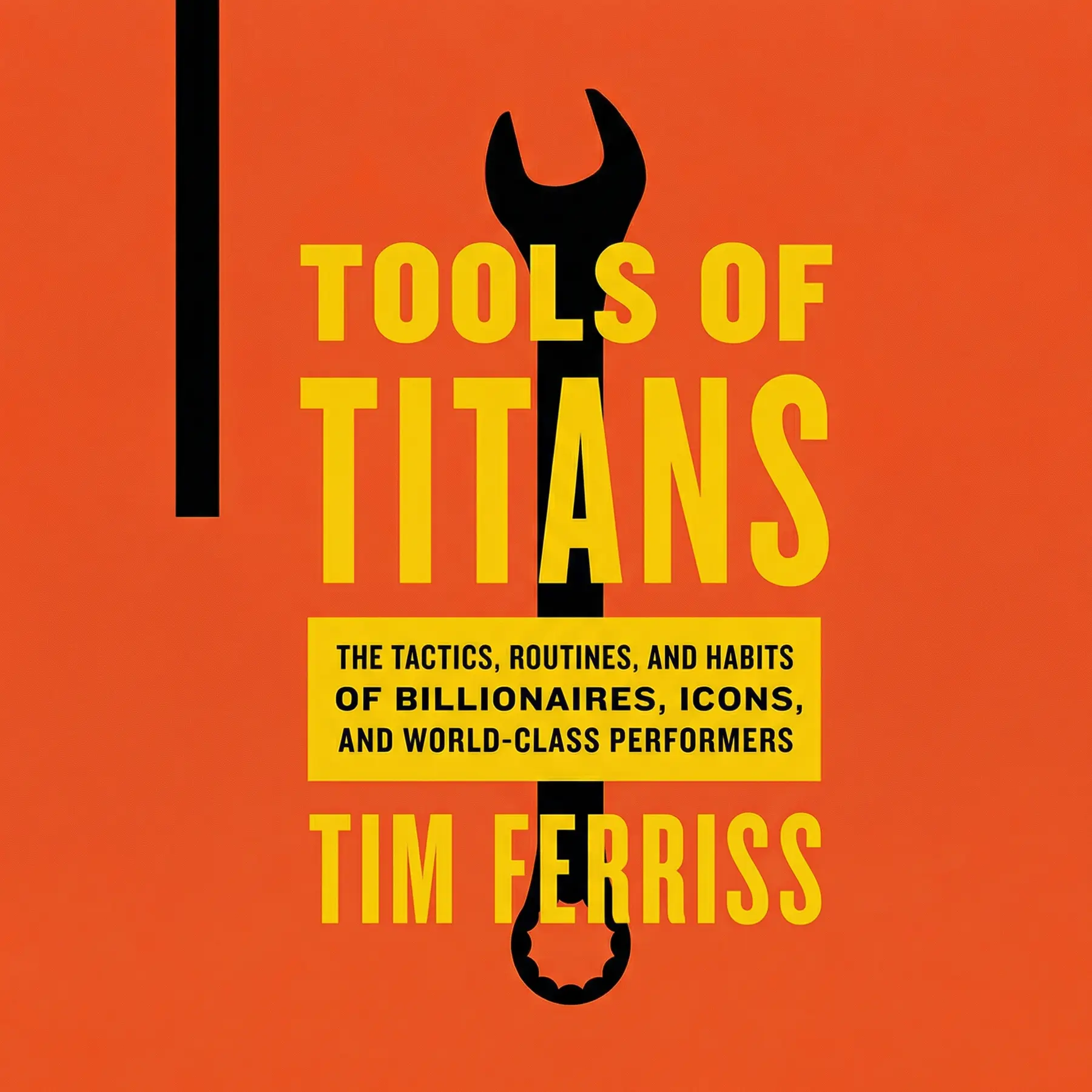
EnglishไทยTools of Titans: A Comprehensive Guide To High-Performance Tools And Tactics For Success
By Tim Ferriss
Tim Ferriss gathers tactics from the athletes, investors, cartoonists and comedians he interviewed, showing how to test health habits, grow through systems instead of goals, resist peer pressure and feed creative work with real life.
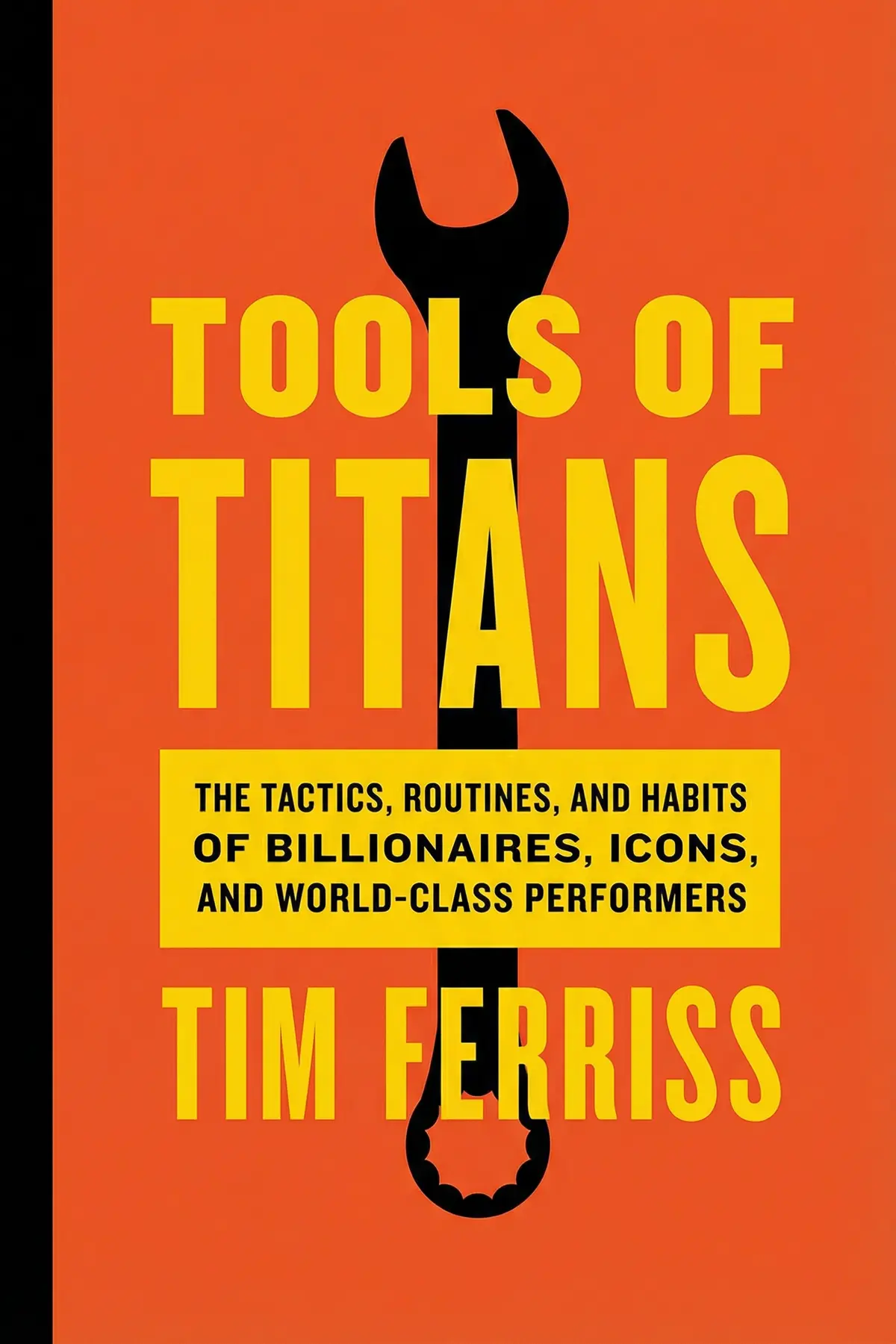
Table of Content
1. Introduction
59 sec
Most people looking for a better routine or a stronger career want one proven formula, and keep not finding it. In Tools of Titans, Tim Ferriss collects tactics from the athletes, investors, comedians and entrepreneurs he interviewed on his podcast, The Tim Ferriss Show, and the first thing they teach is that no single formula exists. What exists instead are small, testable habits, like ending your daily shower with half a minute to a minute of cold water.
The idea running through the book is simple: success is a set of experiments you run on yourself, borrowed from people further along. You try a tactic, keep what works for your body, your work and your temperament, and drop the rest. The people here range from an obstacle-course champion to the creator of Dilbert, a teenage snowboarder and two comedy writers. Each offers a tool for health, for building a career or for thinking more creatively, and most of them can be tried within a day.
2. Borrow recovery habits from the toughest athletes
1 min 54 sec
One athlete raced for 24 hours without a break; another climbed Everest in shorts. Their recovery routines are surprisingly ordinary, and one of them fits into the last minute of your morning.
3. Test health advice on your own body first
1 min 50 sec
Most people assume that if something is bad for you, its opposite must be good. A doctor who coaches Olympians has found cases where that logic breaks down completely.
4. Turn a miserable job into lasting drive
1 min 41 sec
During one summer, a boy of twelve attended sessions with congressional representatives as an observer. Weeks later he was hauling buckets of waste. His parents planned both, and the contrast shaped his career.
5. Build systems that pay off when goals fail
1 min 44 sec
A photography project about rotting leaves will probably never hang in a gallery. The creator of Dilbert explains why that kind of failure can be exactly the right investment.
6. Refuse the crowd's easy deal and take smart risks
1 min 41 sec
A group of hungover professionals agreed to split the prize instead of competing. A fifteen-year-old said no. Then a prize founder bet the half he had raised on one big fundraising event.
7. Write from what you know and what you feel
1 min 40 sec
Two comedy writers turned their most embarrassing teenage obsession into a hit film. Their mentor gave them a rule about emotion that works far beyond comedy.
8. Live fully and face fear to boost your creativity
1 min 42 sec
A comedy writer was stuck repeating herself until she changed something outside her work. A sociologist found her own turning point on a stage, admitting what most speakers hide.
9. Conclusion
1 min 03 sec
Tools of Titans does not hand over one plan. It lays out a workbench of borrowed tools from people as different as an obstacle racer, a cartoonist and a comedy writer, and it trusts you to test them. What links them is an attitude: they treat their bodies, careers and creative work as ongoing experiments, keep score of what goes right and accept fear and failure as part of the cost.
The book’s own closing advice concerns ideas. When you want to turn a dream into something real, do not judge your ideas as they arrive. Write every one down, including the wild and unlikely ones, and read the list later; a few will usually be worth keeping. Then add a cold finish to your shower, a short nightly note of what went well, or a small regular slot for one skill you want in five years, and see which of these earns a place in your week.
None of these people followed the same path. What they shared was a willingness to try the next tool and keep only the ones that worked.
About this book
What is this book about?
Most people who want a healthier body, a better career or sharper creative work go looking for one proven plan. Tim Ferriss argues that no such plan exists. On his podcast, The Tim Ferriss Show, he spoke with people at the top of very different fields: extreme athletes, physicians, investors, publishers, a cartoonist, comedians and a sociologist. Each had found tactics that worked for them. The book gathers those tactics around three themes: health, wealth and wisdom. Readers meet an obstacle-course champion with a simple recovery drink, a doctor who distrusts rigid diet rules, an investor whose childhood summers included cleaning septic tanks, and the creator of Dilbert, who explains why systems beat goals. A teenage snowboarder refuses a lazy deal, a prize founder gambles half his funds, two comedy writers share their creative habits and Brené Brown makes the case for facing fear. The promise is practical. Instead of one rigid program, you get a set of small, testable habits, from a cold finish to your shower to a nightly note of what went well, and the mindset to try each one and keep only what works for you.
Book Information
Who it's for
Hoping to test advice
Professionals collecting productivity and health advice who want a way to test it instead of following rules.
Young workers feeling stuck
Young people stuck in dull first jobs who need drive and a long-term plan.
Discouraged by early setbacks
Writers, founders and creators whose work feels flat or who give up when early goals fail.
About the Author
Tim Ferriss
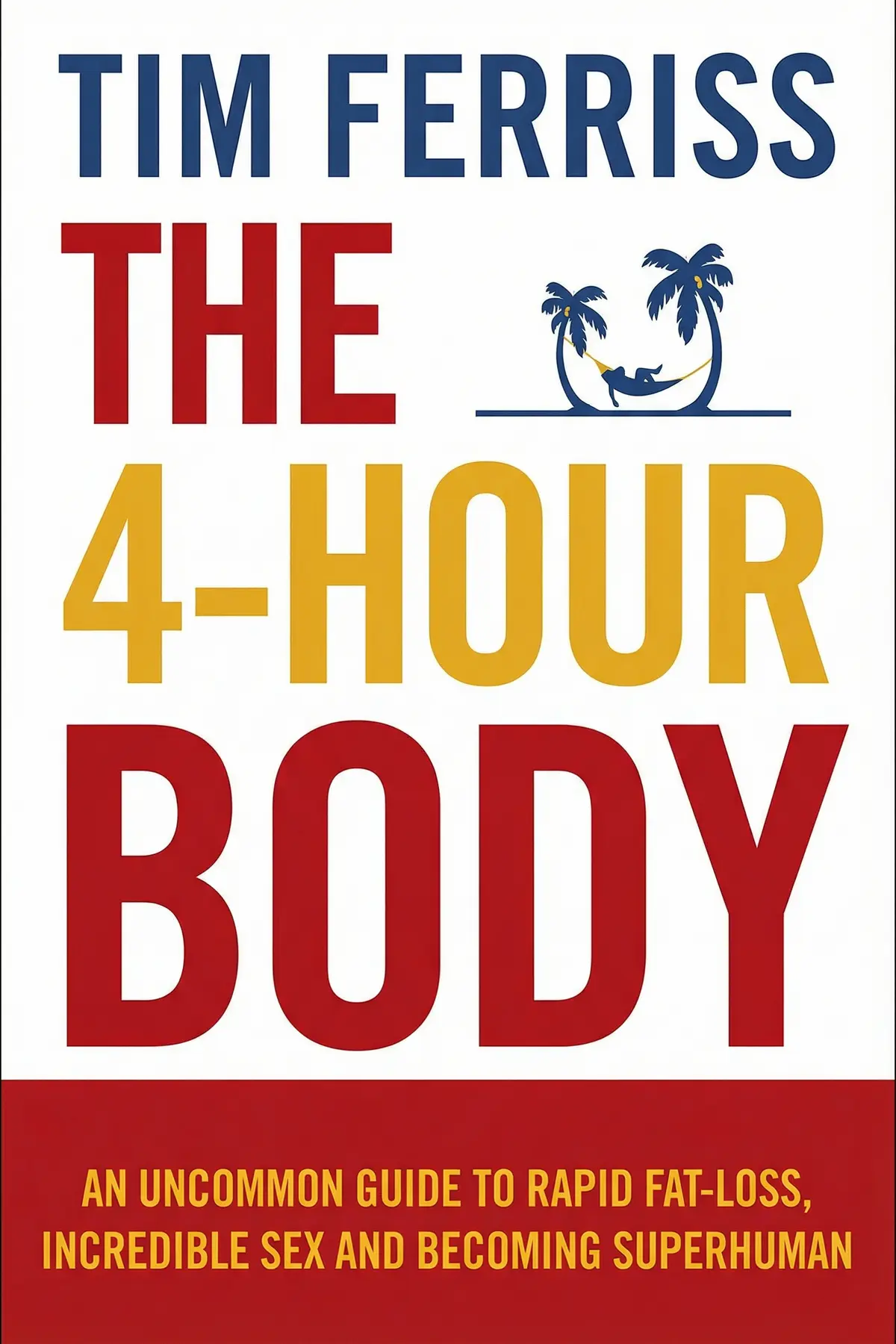
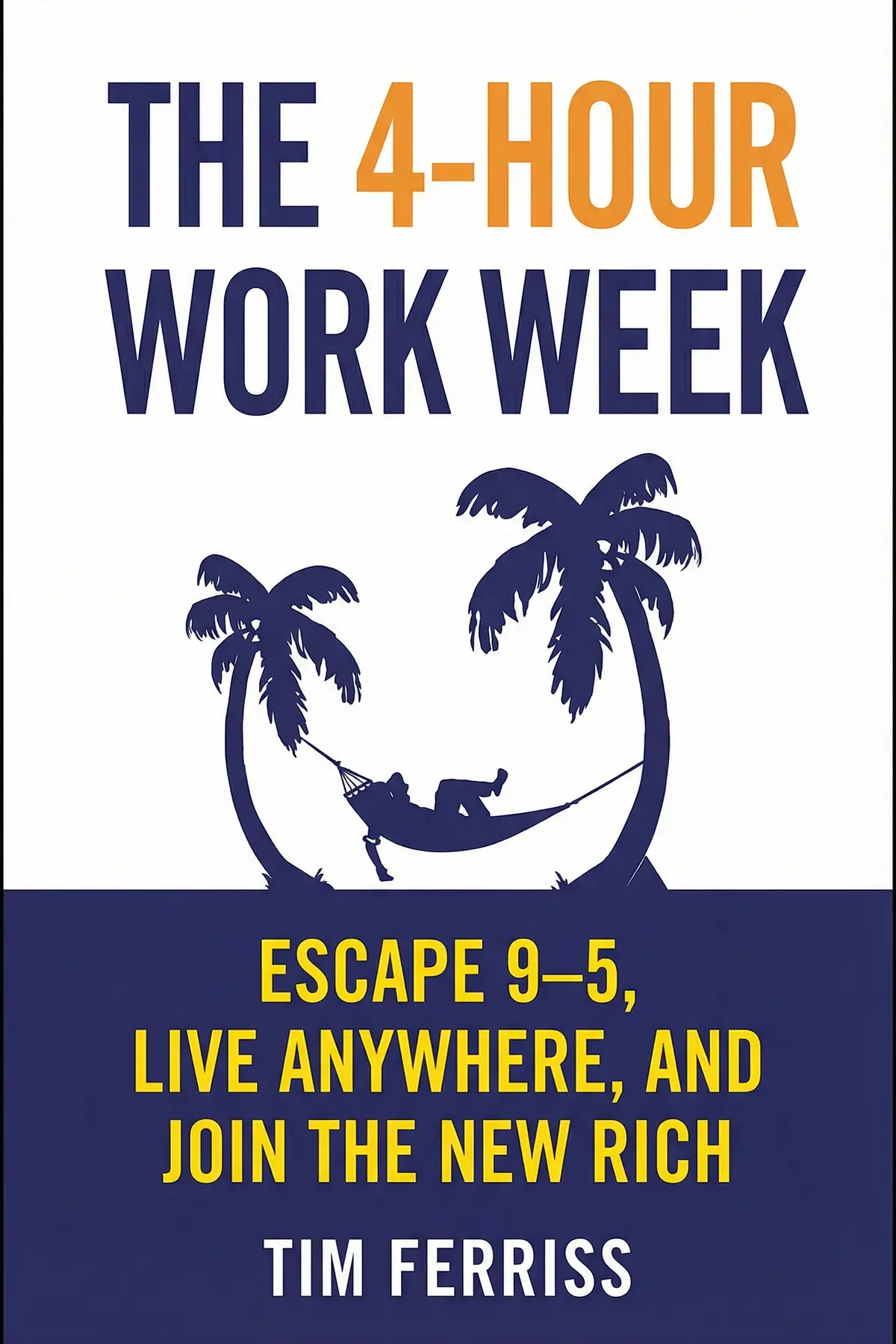
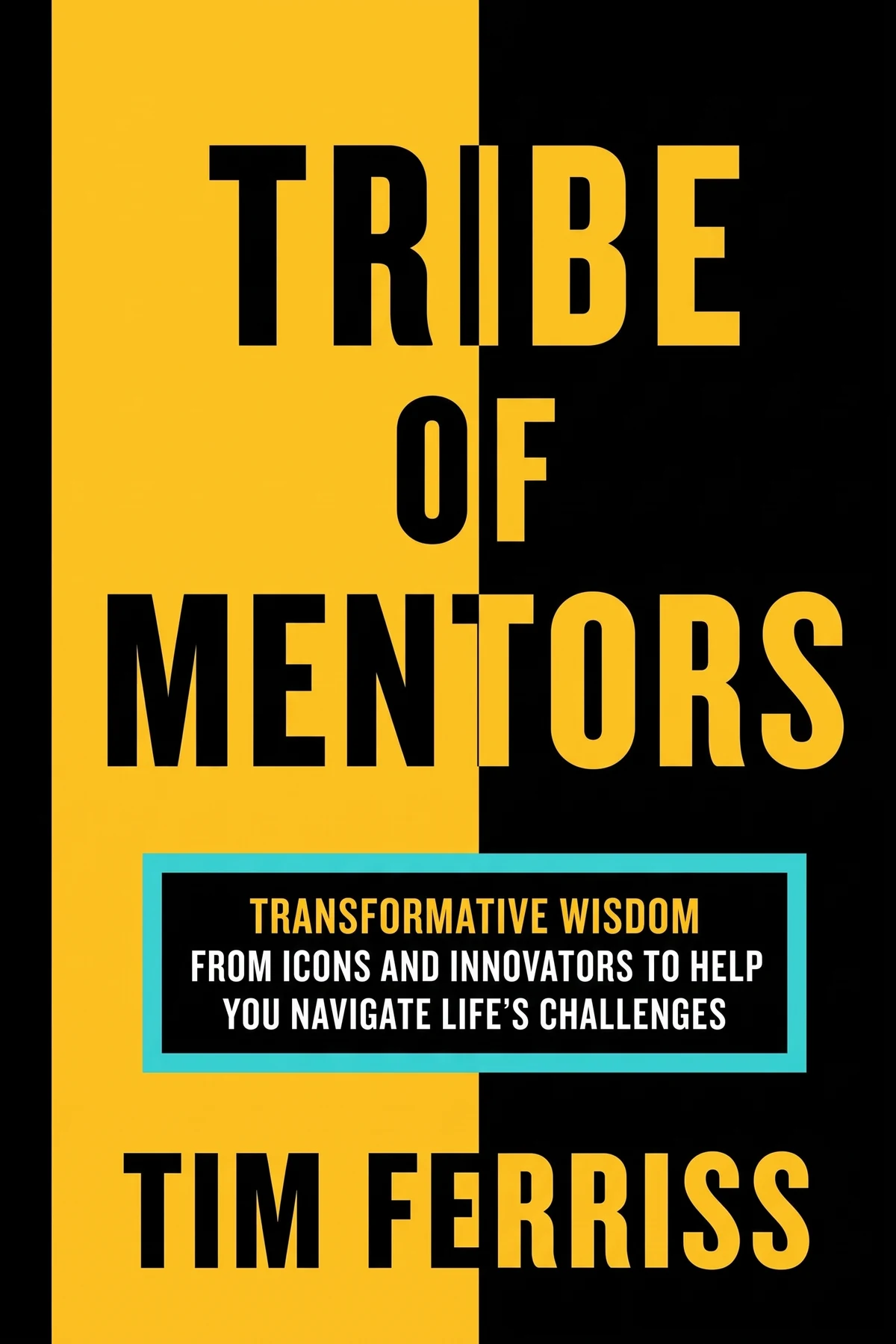
Tim Ferriss is best known for his 4-Hour books, including The 4-Hour Workweek and The 4-Hour Body, which focused on lifestyle optimization, an approach he has since reconsidered. He also wrote Tribe of Mentors. He hosts The Tim Ferriss Show, a podcast that passed one billion downloads in 2023. He is an early-stage technology investor and advisor who has backed or advised companies including Uber, Shopify and Duolingo, and he supports scientific research into psychedelic treatments.
Ratings & Reviews
Ratings at a glance
What people think
Listeners find this work loaded with valuable insights and actionable tips, making it a superb and accessible reference. Furthermore, the material is quite thorough, offering hundreds of beneficial articles alongside an extensive table of contents. They also value its ability to inspire, delivering a wealth of life lessons that produce significant results. Listeners feel it is a great investment, with one noting it serves as a definitive playbook for personal optimization.
Top reviews
Isabelle
Finally got around to tackling this beast of a book, and it's basically a masterclass in life optimization. Ferriss has essentially curated the ultimate cheat sheet by distilling hundreds of hours of his podcast into three digestible pillars: Health, Wealth, and Wisdom. I found the section on morning rituals particularly transformative, specifically the bit about prioritizing the most uncomfortable task first to stop the 'busy-ness' trap. While it's over 600 pages, you don't have to read it linearly; it’s more like a reference manual you can dip into whenever you need a mental reset. Some of the advice is definitely out there—like the specific tea blends or the extreme sauna habits—but the overall density of 'gems' makes it worth every penny. If you’re looking for a definitive playbook to upgrade your daily routine, this is it. It’s rare to find a book that feels this comprehensive without being a total slog.
Show moreChamp
Wow, this is probably the most practical 'self-help' book I've ever purchased. It isn't just theory; it’s a massive collection of actual tools and tactics used by people who are actually at the top of their fields. I particularly appreciated the emphasis on sleep and the critique of 'hustle culture' as a form of lazy thinking. It’s refreshing to hear high-achievers admit that being busy is often just an excuse to avoid the truly difficult, uncomfortable work. The formatting makes it incredibly easy to read in short bursts, which is perfect for a morning routine. I’ve already started implementing the five-minute journal and some of the mobility exercises mentioned in the Health section. Even if you only find five ideas that work for you, the ROI on this book is astronomical. It’s a definitive resource for anyone obsessed with personal growth and marginal gains.
Show moreJong
Picked this up after a friend recommended the podcast, and I’m blown away by the sheer volume of actionable advice. The way Tim categorizes everything into Health, Wealth, and Wise makes it easy to navigate based on what you need at the moment. I’ve been struggling with burnout, and the sections on 'lazy' busy-ness really hit home for me. It’s not just about doing more; it’s about doing the right things and having the courage to say no to the rest. I also loved the specific book recommendations from the guests—it’s like getting a curated reading list from a hundred geniuses. Sure, some of the bio-hacking stuff is a bit extreme, but you just take what works and leave the rest. For the price of a single meal, you’re getting the distilled wisdom of some of the most successful people on the planet. Best investment I’ve made this year.
Show moreRoydao
Truth is, I wasn't sure if I'd like this because I found 'The 4-Hour Workweek' a bit too gimmicky, but Tools of Titans feels much more grounded. It’s less about 'shortcuts' and more about the rigorous habits and mental frameworks that sustain high performance over time. I found the interviews with the athletes especially fascinating, particularly the focus on injury prevention and recovery. There is a lot of 'noise' to filter through, but the 'gems' are truly top-tier once you find them. My only real gripe is the physical size of the book—it’s a literal brick that’s hard to read in bed! But as a reference guide for personal optimization, it’s hard to beat. It’s a great way to see how 'exceptional' people handle the same anxieties and hurdles we all face. Highly recommended for the curious mind.
Show moreDream
After hearing so much hype, I finally dived in and found it to be a surprisingly exhaustive resource. The book functions like a high-end encyclopedia of success, covering everything from ketosis to high-stakes negotiation. I appreciated the inclusion of people like Brene Brown, which added some much-needed emotional intelligence to a book that can sometimes feel overly clinical. Some of the interview questions are a bit odd—like asking about bathroom habits—but they often lead to surprisingly revealing answers about a person's character. It’s definitely a bit of a 'men’s club' vibe for the most part, but the quality of the advice that is there is undeniable. It’s a great book to keep on your desk and flip to a random page whenever you need a spark of inspiration. Definitely worth the read if you can filter the signal from the noise.
Show morePiyanart
Ever wonder what billionaires and Olympic athletes actually do in the first hour of their day? This book gives you the exact blueprints, and the results I’ve seen from implementing just a few of them have been enormous. I started the 2-hour 'deep work' block Ferriss recommends, and my productivity has skyrocketed while my stress levels have actually gone down. The book is packed with these little 'force multipliers' that seem small but make a massive difference over time. I love that it doesn't try to be a cohesive narrative; it’s just a raw data dump of what works for the best in the world. It’s motivational without being cheesy, and practical without being boring. If you’re serious about self-actualization and want a definitive playbook to guide you, you need this on your shelf. It’s a massive, life-changing collection of lessons.
Show moreAnthony
As someone who struggles with focus, the 'eight-step process for maximizing efficacy' mentioned in the Wealth section was a total game-changer for me. Ferriss manages to pack an incredible amount of diversity into these pages, even if the gender balance is admittedly skewed toward men. I love the 'choose your own adventure' layout because it allows you to skip the parts that don't resonate—like the intense athletic training—and jump straight to the philosophy. The chapter with Arnold Schwarzenegger was surprisingly motivating, despite what the critics say about his personal life. You have to take some of the more 'Silicon Valley' advice with a grain of salt, but the core message of investing in yourself is solid. It’s a heavy book, literally and figuratively, but it provides a fresh blueprint for anyone feeling stuck in a rut. Definitely a solid addition to my shelf.
Show moreAva
Look, there is no denying that Tim Ferriss knows how to curate interesting people, even if the book feels like a bit of a dense mountain at times. While it’s true that the gender balance is heavily skewed toward men, the quality of the insights from the women who are included, like Brene Brown, is absolutely top-tier. I found the 'Wisdom' section particularly grounding, offering a nice counterpoint to the more aggressive 'hustle' advice found in the wealth chapters. Some of the Silicon Valley-specific talk about startups and ROI can feel a bit like a bubble, but the core principles of discipline and curiosity are universal. It’s a fantastic resource to leaf through when you need a new perspective on an old problem. Even with its flaws, it’s a modern encyclopedia of success that I find myself returning to constantly for its practical tips.
Show moreYindee
This book is essentially 700 pages of Tim Ferriss talking about how successful Tim Ferriss is. I wanted a deep dive into the routines of world-class performers, but instead, I got a bloated collection of podcast transcripts peppered with the author's constant humble-bragging. The health section is particularly frustrating, filled with 'experts' recommending questionable supplements and even hallucinogenics as a shortcut to success. To be fair, there are some decent insights buried in the noise—like Brene Brown’s distinction between shame and guilt—but you have to dig through mountains of 'nonsense' to find them. It feels like a giant cross-promotion for Tim’s wealthy friends and the various startups he’s invested in over the years. Why do I need to know the exact temperature of a billionaire’s sauna? It feels very disconnected from the reality of someone who doesn't have 120k in cash just lying around to play with. Disappointing.
Show moreCharlotte
Not what I expected at all. I thought I was buying a book about success strategies, but it’s really just a 700-page advertisement for Tim Ferriss’s personal brand and his friends' companies. The opening foreword by Arnold Schwarzenegger set a bad tone for me right away; I’m not sure why we are looking to him for moral or life guidance. Most of the 'tools' are either too expensive for the average person or so specific that they’re completely useless. Do I really need to buy a specific brand of expensive mushrooms to be more productive? It’s all very 'upper-class Princetonian' nonsense that ignores the reality of people working actual jobs. Save your money and just listen to a couple of supportive friends or go for a walk outside. There’s more wisdom in a good night’s sleep than in this entire overpriced pile of paper. Total hype with very little substance.
Show moreQuestions about this book
What is the main idea of Tools of Titans?
Tim Ferriss argues that there is no single path to success. Drawing on people he interviewed for his podcast, including athletes, investors, a cartoonist and comedians, he gathers small tactics for health, career and creativity. The common thread is experimentation: try what worked for others, notice how it works for you and keep what fits. Their stories are meant to widen your options and keep you trying when early efforts fail.
What health tips does Tools of Titans share?
Obstacle racer Amelia Boone drinks beetroot powder mixed with hydrolyzed gelatin before training and rolls her feet over a golf ball. Wim Hof uses ice baths, and Ferriss suggests a gentler start: end your shower with 30 to 60 seconds of cold water. Physician Justin Mager adds that health rules are not universal, since the same diet can help an athlete and not an office worker, so experiment.
What does Scott Adams say about systems versus goals?
The Dilbert creator argues that success comes from systems, meaning skills or relationships you build steadily, rather than short-term goals you either hit or miss. People who miss a goal often quit. Adams kept blogging even though it brought little extra money, because the practice made him a skilled writer with an online audience. Many years later he became a best-selling author.
How can I apply Tools of Titans in daily life?
Start with small tests. Finish your shower with a short blast of cold water. Keep track of every good thing that happens, as publisher Seth Godin advises, instead of replaying failures. Give one long-term skill a regular slot with no target. Ask daily whether you left your comfort zone, following Brené Brown. And when brainstorming, write down every idea, even wild ones, before judging any of them.
Who should read Tools of Titans?
It suits readers who want practical tactics from many fields at once rather than one rigid program. People in early or unglamorous jobs will find drive in Chris Sacca’s summers cleaning septic tanks. Founders who face stalled projects can learn from Peter Diamandis and his XPRIZE gamble. Writers and creators can borrow the habits of Seth Rogen, Evan Goldberg and Whitney Cummings.
Readers also enjoyed





A Guide to the Good Life: The Ancient Art of Stoic Joy
William B. Irvine


A High-Performing Mind: Strengthen Your Mind and Live Your Best Life
Andrew D. Thompson


Abundance: The Inner Path to Wealth
Deepak Chopra

AUDIO SUMMARY AVAILABLE
Listen to Tools of Titans in 15 minutes
Get the key ideas from Tools of Titans by Tim Ferriss, plus 5,000+ more nonfiction titles.
- 5,000+ titles
- Listen as much as you want
- 7-day free trial
- Cancel anytime









