
11 min 41 sec
Available in: English
The Way Forward: Master Life's Toughest Battles and Create Your Lasting Legacy
Two decorated veterans turn combat lessons into everyday rules: repeat the basics until they become automatic, use fear without sliding into panic or complacency, and question rules and systems that fail a simple common-sense test.
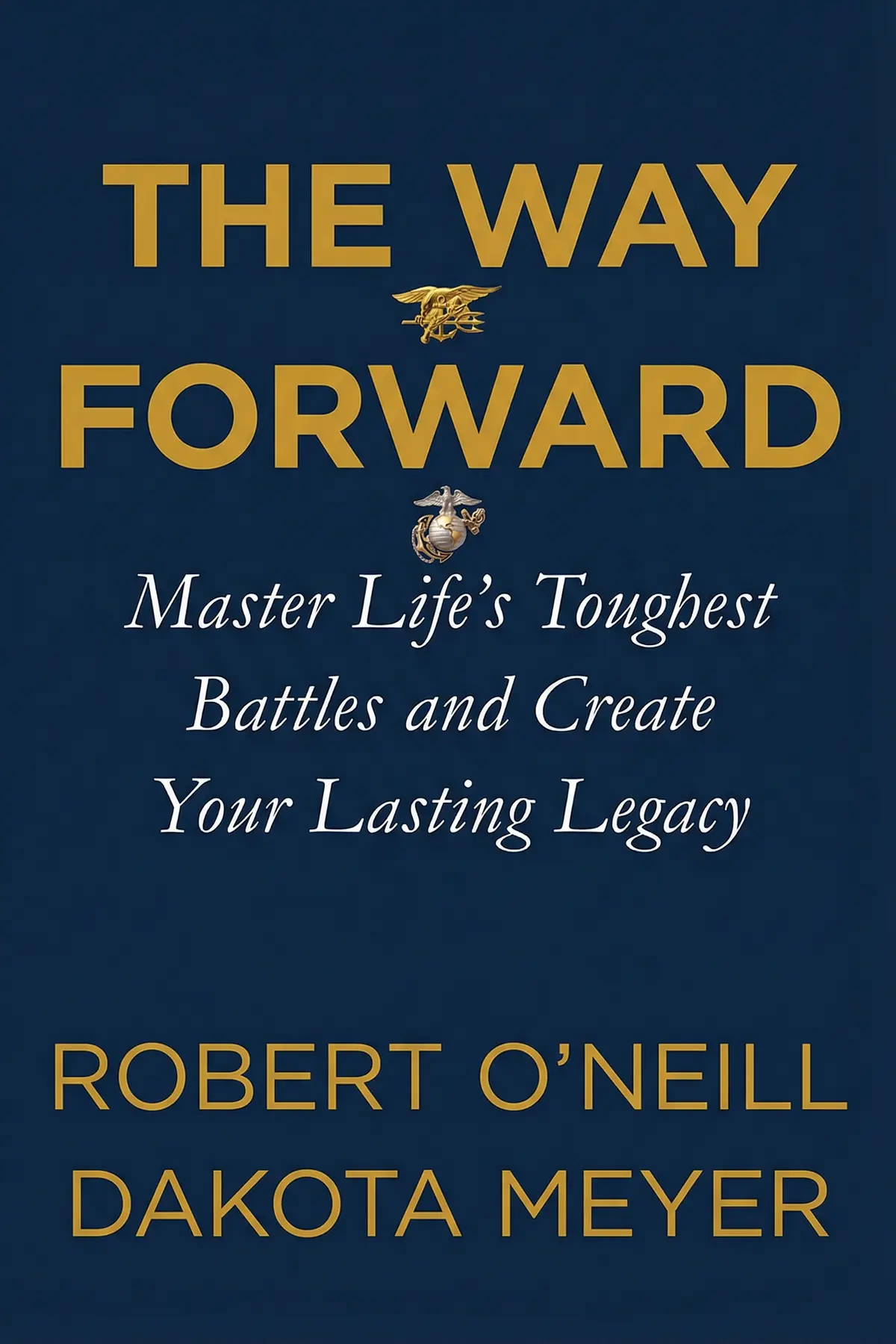
Table of Content
1. Introduction
1 min 02 sec
When pressure hits, most people either panic or coast, and the two veterans behind this book have seen both get people killed. In The Way Forward, Robert O’Neill and Dakota Meyer argue that the habits which kept them alive in combat are plain enough for anyone to use. O’Neill is the Navy SEAL who fired the shot that killed Osama bin Laden. Meyer is a Marine who received the Medal of Honor after driving into a Taliban ambush in Afghanistan against orders.
Their case rests on a handful of disciplines. Drill the basics until they run on their own. Treat fear as useful information while refusing both panic and complacency. And question any rule that fails a common-sense test, a lesson they apply even to recovering from war. Along the way come a boy shooting baskets long past dinner, a brutal swimming pool test, a raid that nearly went wrong and a frank account of trauma and an unusual treatment.
2. Build real skill through boring repetition
1 min 52 sec
Asked how he became such an accurate shot, or how he keeps his marriage happy, a famous SEAL gives the same odd two-word answer. It sounds like a joke until he explains where it came from.
3. Use fear without letting panic spread
1 min 50 sec
Recruits jumped fully clothed into a crowded pool while instructors shouted orders that made no sense. The drill was designed to find one specific weakness, and most people carry it into every crisis.
4. Stay alert when nothing seems to happen
1 min 49 sec
A SEAL platoon grew tired of careful raids that kept finding empty houses, and it went back to an easier method. What happened next shows when the urge to relax is most dangerous.
5. Know when a rule deserves to be broken
2 min 02 sec
Pinned down in an ambush, a squad begged for help over the radio while the answer from base kept coming back the same. One Marine had to choose between his orders and his friends.
6. Take charge of your own recovery
1 min 57 sec
A SEAL with 400 missions behind him came home and was never once checked for mental health. His search for help eventually led him to a treatment that sits outside the law.
7. Conclusion
1 min 09 sec
What ties these stories together is judgment that holds up under strain. A boy shooting baskets past dinnertime, recruits shoved under the water, a platoon tempted by an early night, a Marine told to wait while his friends were trapped: each moment asks whether you can think clearly while instinct, boredom or authority pulls you the other way. O’Neill and Meyer’s answer is that clarity is built long before the moment arrives, through repetition and through an honest relationship with fear.
The practice can start small. Pick one skill and hold yourself to a standard before you stop each day, the way father and son refused to leave the gym. When a crisis comes, let fear sharpen your attention and keep panic from reaching the people around you. And when a careful routine starts to feel pointless, or a rule plainly fails common sense, treat that feeling as a signal to look harder and think for yourself.
Meyer drove into Ganjgal because the rule in front of him no longer matched the lives at stake. Most of our choices are far smaller, but his test fits every one of them.
About this book
What is this book about?
Pressure exposes people. Some freeze, some panic, some relax at exactly the wrong moment, and some follow orders they know are wrong. Robert O'Neill, the Navy SEAL who fired the shot that killed Osama bin Laden, and Dakota Meyer, a Marine who received the Medal of Honor for his actions in Afghanistan, have watched all of these failures up close. Their book turns what they learned into a few plain disciplines. O'Neill traces his skill to boyhood free throws with his father and to endless repetition. A brutal pool drill from SEAL training separates healthy fear from contagious panic, and a raid in Iraq shows how complacency can be just as deadly. Meyer's decision to defy orders during an ambush at Ganjgal makes the case for breaking rules that fail common sense. The book also follows both men home, through PTSD, substance abuse and O'Neill's frustration with veterans' health care, to an unconventional treatment he credits with his recovery. Readers get concrete stories and a usable test for staying sharp and thinking for themselves under strain.
Book Information
Who it's for
Professionals under pressure
Professionals who freeze or coast under pressure and want a soldier's way to stay alert.
Stuck behind outdated rules
People stuck behind rules or systems that no longer make sense, at work or in health care.
Curious about returning veterans
Readers curious about veterans, PTSD and the road from combat back to civilian life.
About the Author
Robert O’Neill
Robert O'Neill grew up in Butte, Montana, and joined the Navy in 1996. He deployed as a SEAL more than a dozen times, led a team within the Naval Special Warfare Development Group and earned more than fifty decorations, including two Silver Stars and four Bronze Stars with Valor. He later co-founded Your Grateful Nation, a nonprofit helping Special Operations veterans start new careers, and wrote the bestselling memoir The Operator. Dakota Meyer served in the US Marine Corps Reserve and fought in Afghanistan. His actions at the Battle of Ganjgal in 2009 earned him the Medal of Honor, making him the first Marine in 38 years to receive it while still alive.
Ratings & Reviews
Ratings at a glance
What people think
Listeners find the narrative's quality to be high, and one listener points out how the accounts of perseverance are skillfully woven together. Furthermore, the work is lauded for its authenticity, as listeners describe the story as real. Listeners also appreciate its encouraging nature, with one mentioning that it triggers a full spectrum of emotions.
Top reviews
Phichai
Picked this up after finishing O’Neill’s other book and was struck by the raw perseverance on every page. Meyer and O’Neill don’t sugarcoat the transition back to civilian life, which makes their advice feel grounded and earned. I appreciate the way they interweave their different military backgrounds to show that while the missions change, the mental grind remains identical. Some parts are heavy, moving through a full spectrum of emotions from anger at the bureaucracy to hope for new treatments. Frankly, it’s refreshing to read something this authentic in a sea of military memoirs that ignore the aftermath of war. It isn’t just about the combat; it's about the internal battle that continues long after the uniform comes off. Highly recommended for anyone struggling with their own uphill climb.
Show moreFrida
Ever wonder how two of the most decorated guys in recent history actually handle the mundane struggles of normal life? This isn't just a highlight reel of their biggest missions; it's a gritty look at the grit required to simply keep going. I loved the section on why you should embrace fear as a "heightened sense of awareness" rather than trying to suppress it entirely. It’s an authentic take that many self-help books miss by focusing too much on being fearless. The authors are incredibly blunt about their failures, which makes the successes feel much more attainable for the average reader. Not gonna lie, I was moved to tears by some of the descriptions of their fallen brothers. It’s a powerful, raw, and ultimately motivating collection of wisdom.
Show moreLucas
Robert O'Neill and Dakota Meyer have managed to capture the full spectrum of emotions that come with serving at the highest level. This isn't a book that tries to make them look like superheroes; instead, it highlights their humanity and their mistakes. The focus on mastering the basics—the "free throws"—is a lesson that applies to any career path, not just the military. I found the sections on the stealth raids in Iraq to be incredibly tense and well-written, illustrating the dangers of complacency perfectly. There is a lot of profanity, but it feels authentic to the environment they came from. It’s an uplifting read because it shows that no matter how far you fall, there is always a path back if you’re willing to do the work.
Show moreChan
The chapter on PTSD and the lack of support for returning soldiers was absolutely gut-wrenching to read. As the daughter of a veteran, I saw so many of my father's struggles mirrored in the stories Dakota and Rob shared. This book is a testament to the power of perseverance and the importance of finding a community that understands your trauma. They talk about the "emotional damage" of war with a level of honesty that you rarely see from men in their position. I especially appreciated the advice on cutting through the bureaucracy and taking charge of your own mental health journey. It’s a real, raw, and deeply moving book that I think everyone should read to better understand the cost of our freedom.
Show moreMia
Finally got around to reading this and I’m glad I did because it’s much more than just a "war story" book. The central theme of finding your way forward after hitting rock bottom is something that will resonate with anyone, regardless of their background. Meyer and O'Neill are honest about their substance abuse and the mistakes they made while adjusting to civilian life, which gives their advice real weight. I loved the practical tips on avoiding panic and how they used "endless repetition" to become the best in the world at their craft. It’s an uplifting message that emphasizes personal responsibility and the need to keep moving, no matter what. In my experience, this is one of the more authentic military books out there today.
Show moreNathan
This book offers a fascinating look at the "free throws" philosophy of mastering the basics to achieve excellence. I found the alternating perspectives between a SEAL and a Marine to be a clever way to keep the pacing brisk, though sometimes the transitions felt slightly jarring. Each chapter serves as a lesson in distinguishing between productive fear and paralyzing panic. While I’ve seen some of these stories on their social media, having them collected here with added context provides a much deeper level of insight. The truth is, the writing is straightforward and punchy, exactly what you’d expect from two guys who lived through the events described. It’s an uplifting read, even when they’re diving into the darker aspects of their service.
Show moreWilliam
After hearing Robert O'Neill speak on a podcast, I wanted to see if the book lived up to his storytelling ability. It’s a solid manual on perseverance that manages to touch on everything from elite training to the deep flaws in the VA system. The discussion regarding alternative treatments like MDMA for PTSD was particularly eye-opening and brave to include in a mainstream book. Personally, I think the "free throws" analogy for repetition is something every young athlete or professional needs to hear. My only gripe is that it occasionally feels like they’re trying to ride the coattails of 'Extreme Ownership' without quite reaching that level of organizational application. Still, it’s a very real and uplifting look at overcoming the types of trauma most of us can’t even imagine.
Show moreSebastian
Look, this is a well-written book that doesn't pull any punches when it comes to the difficulties of military life. I enjoyed the way it distinguishes between panic and fear, providing a mental framework that I've already started using in my own high-stress job. The stories about the VA were frustrating to read but absolutely necessary to hear if we're ever going to fix how we treat our veterans. My only minor complaint is that the structure can feel a little repetitive toward the end, hitting the same themes of discipline over and over. However, the authenticity of their voices shines through on every page. It’s a great addition to the genre, even if it doesn't quite reinvent the wheel.
Show moreHazel
To be fair, I went into this with high expectations because I loved 'The Operator,' but this one felt a bit like a retread of old ground. The profanity was a bit much at times and felt unnecessary for the points they were trying to make. I also struggled with the structure; it felt more like a compilation of anecdotes than a cohesive narrative path forward. Dakota’s sections on the VA and the struggle for mental health were the highlight for me, as they felt the most "real" and vulnerable. Rob’s parts are fine, but they occasionally come off as a bit repetitive if you follow him online. It's a decent read for die-hard fans of military history, but it lacks the fresh punch of their individual debut books.
Show moreYaowares
Not what I expected at all, and unfortunately, not in a good way. I really wanted to like this, but Rob O'Neill’s constant insertion of his political opinions really distracted from the actual message of the book. It felt less like a guide to "The Way Forward" and more like a platform for his personal grievances with various administrations. Also, the alternating stories made the whole thing feel disjointed, as if neither man had enough material for a full book on their own. Dakota Meyer’s story is incredible, but his humble tone clashes oddly with O'Neill's more "look at me" style. Frankly, if you want a great military memoir, stick to Marcus Luttrell or Tim Kennedy instead. This one just felt like a missed opportunity.
Show moreQuestions about this book
What is the main idea of The Way Forward?
Robert O’Neill and Dakota Meyer argue that the habits that kept them alive in combat apply to everyday life. Repeat the basics until they become automatic, treat fear as a useful signal while avoiding both panic and complacency, and question rules that fail common sense. They illustrate each idea with stories from SEAL training, raids in Iraq and an ambush in Afghanistan, then turn the same thinking to their own recovery from PTSD.
How are foul shots connected to success in The Way Forward?
Free throws are O’Neill’s shorthand for mastering the basics. As a boy, he and his father could not leave the gym until one of them made twenty in a row, and the standard kept rising until Rob made 105 straight. He later used the same endless repetition at the shooting range and in SEAL drills. The point is that skill comes from disciplined practice over months or years, never overnight.
What is the difference between fear and panic according to Robert O'Neill?
O’Neill treats fear as a healthy instinct that supplies adrenaline and sharpens judgment, which SEALs call a heightened sense of awareness. Panic is irrational and contagious: one panicking SEAL can endanger a whole squad. He also warns that too much calm turns into complacency, which almost got his team killed in Iraq when they went back to a louder, easier raid method.
Does The Way Forward say you should break rules?
Not as a habit. Meyer accepts that most rules have good reasons behind them. His test is whether a rule passes common sense in the situation at hand. At Ganjgal, when his requests to help an ambushed squad were refused, he drove in against orders and was later awarded the Medal of Honor. He applies the same test to corporations and governments, and urges people to question authority.
What does the book say about PTSD and MDMA?
Both authors developed PTSD and substance abuse after returning from war. O’Neill says the Department of Veterans Affairs never evaluated his mental health despite 400 missions. He sought illegal MDMA therapy at a private clinic, outside the clinical trials the authors describe as promising, and says the relief has lasted. He argues such treatments should be easier to access with less bureaucracy.
Readers also enjoyed

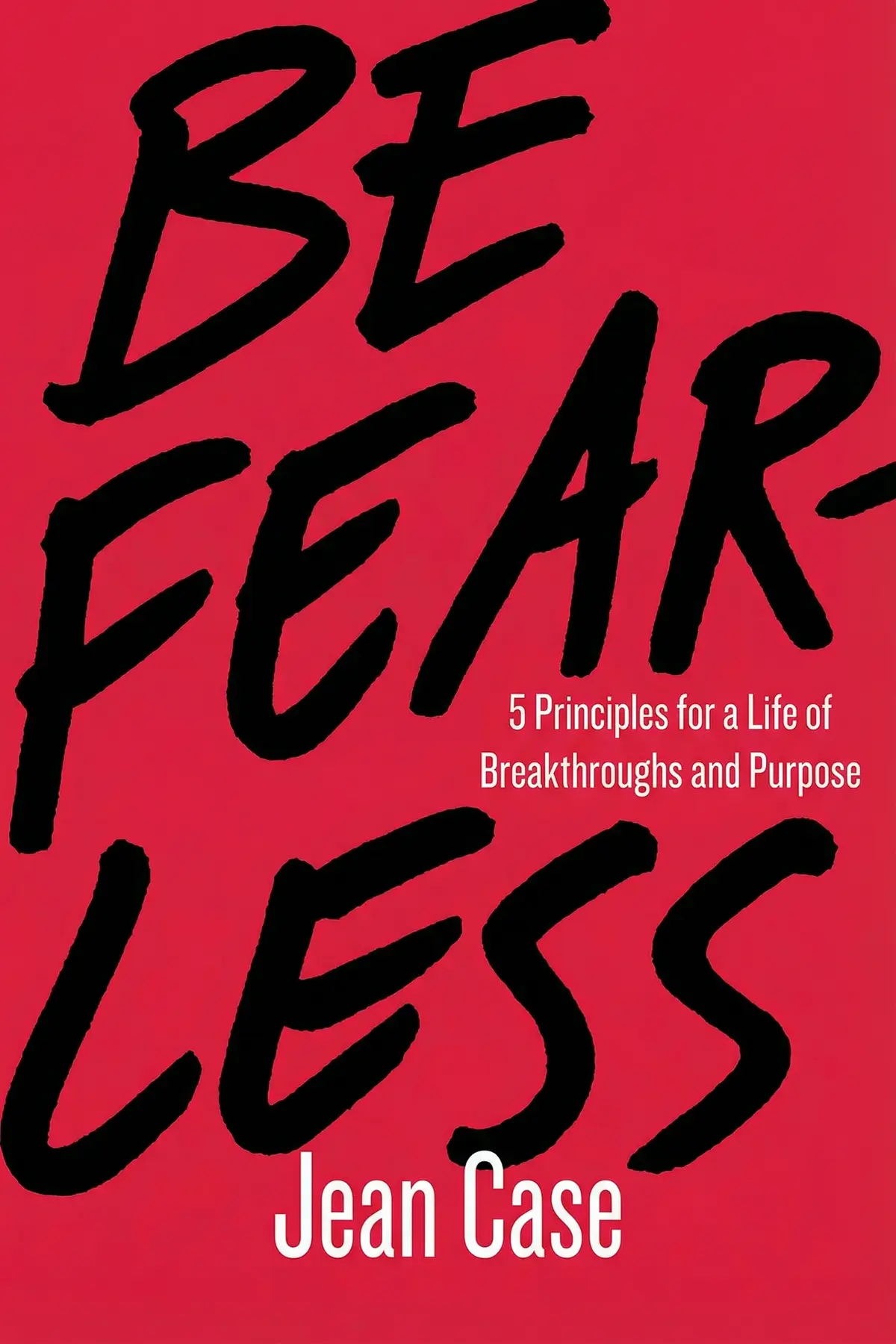
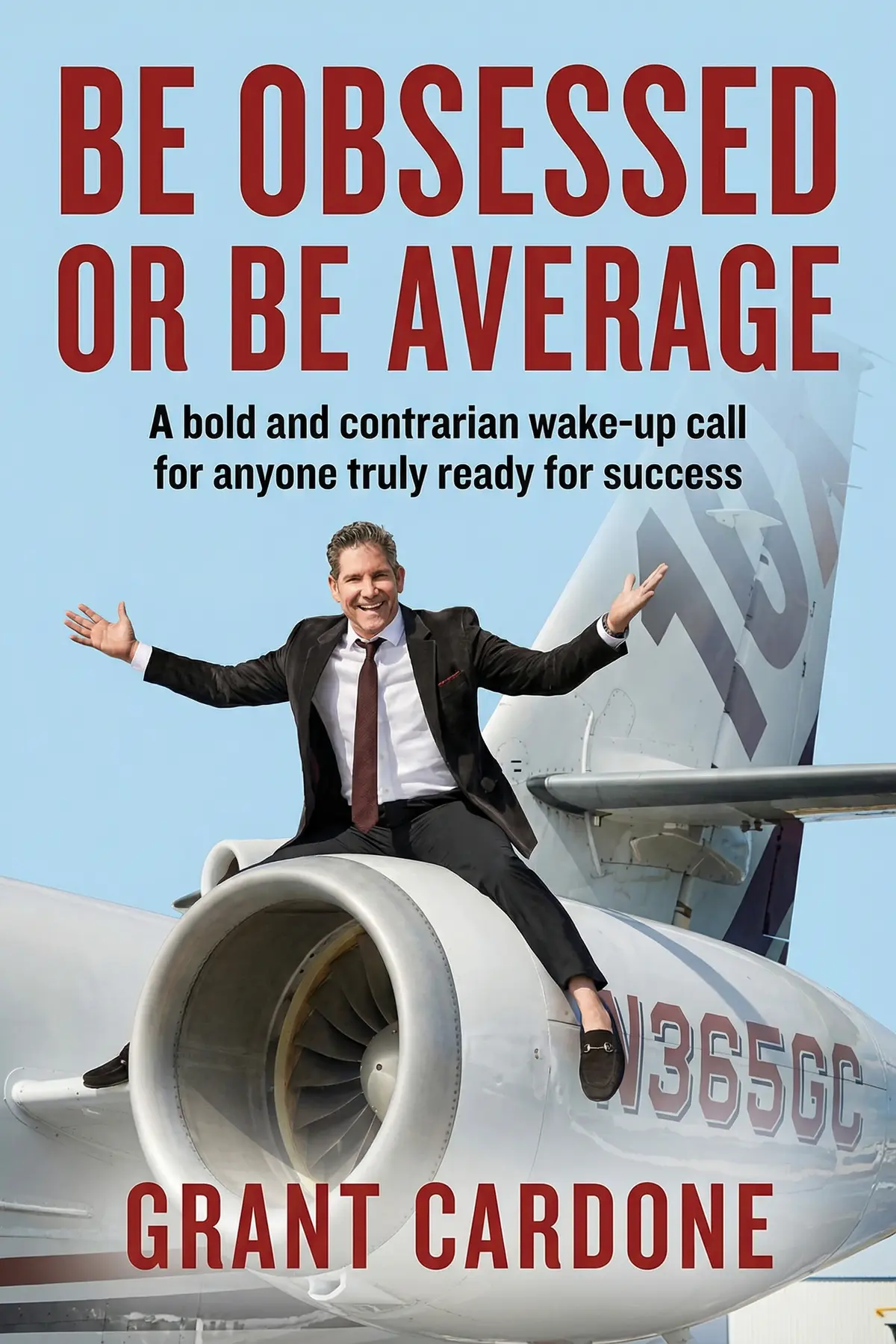
Be Obsessed or Be Average
Grant Cardone
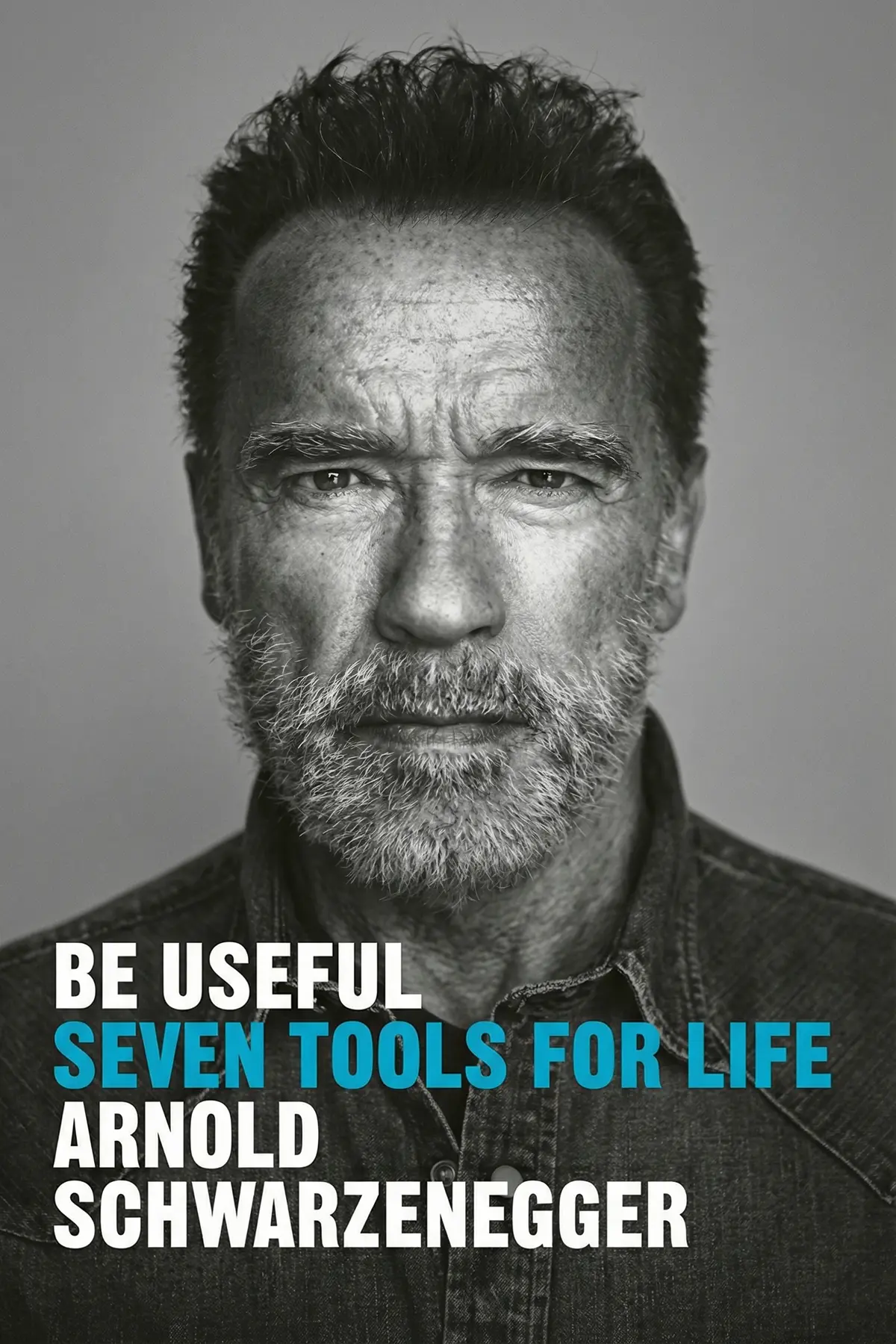
Be Useful: Seven Tools for Life
Arnold Schwarzenegger
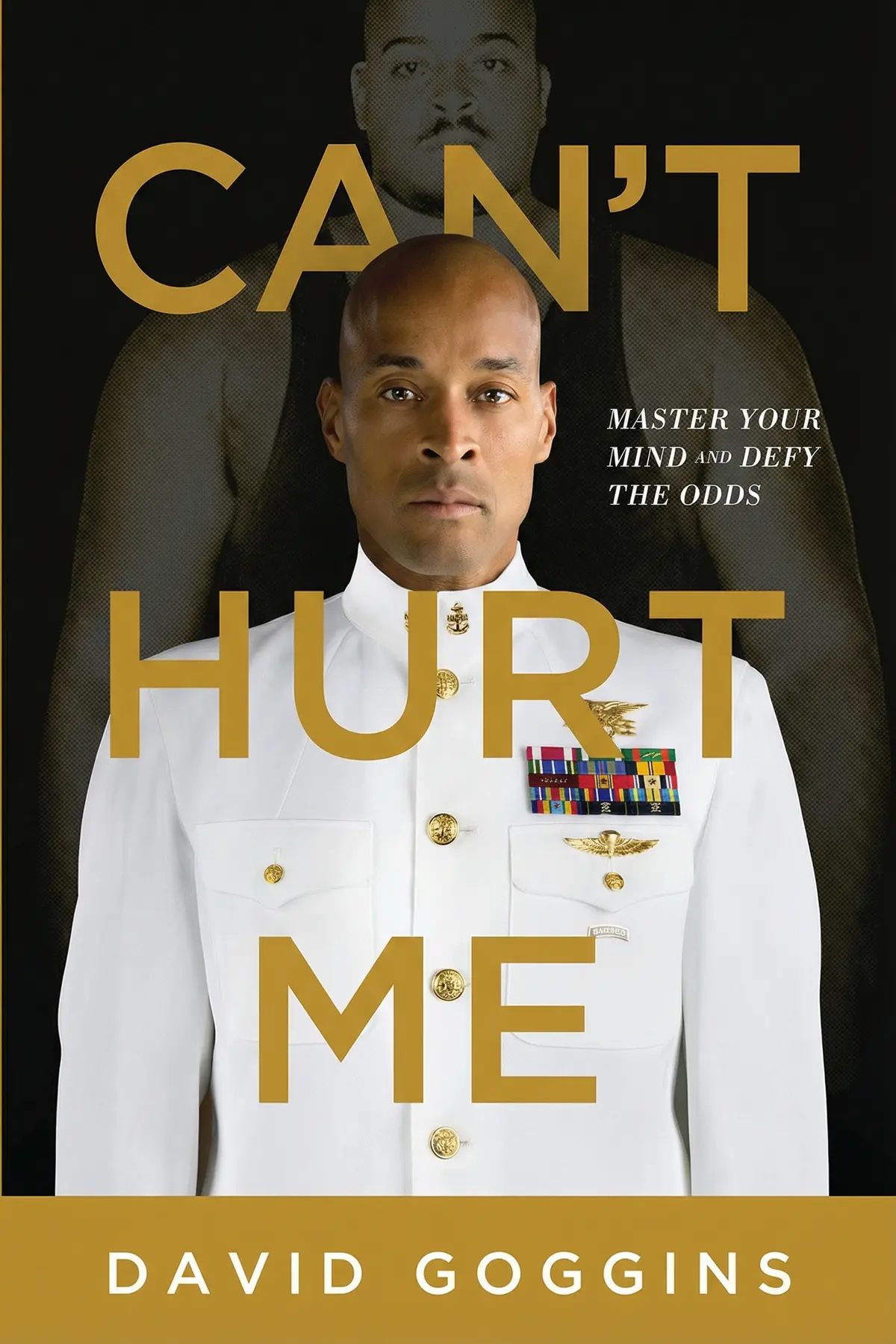
Can’t Hurt Me: Master Your Mind and Defy the Odds
David Goggins
Discipline Equals Freedom: Field Manual
Jocko Willink
AUDIO SUMMARY AVAILABLE
Listen to The Way Forward in 15 minutes
Get the key ideas from The Way Forward by Robert O’Neill, plus 5,000+ more nonfiction titles.
- 5,000+ titles
- Listen as much as you want
- 7-day free trial
- Cancel anytime









