

14 min 46 sec
Available in: English
The Vagina Bible: The Vulva and the Vagina: Separating the Myth from the Medicine
A gynecologist's evidence-based guide to the vulva and vagina: what is normal, which hygiene products and myths to drop, how to prevent infections, and how to get an accurate diagnosis when something feels wrong.
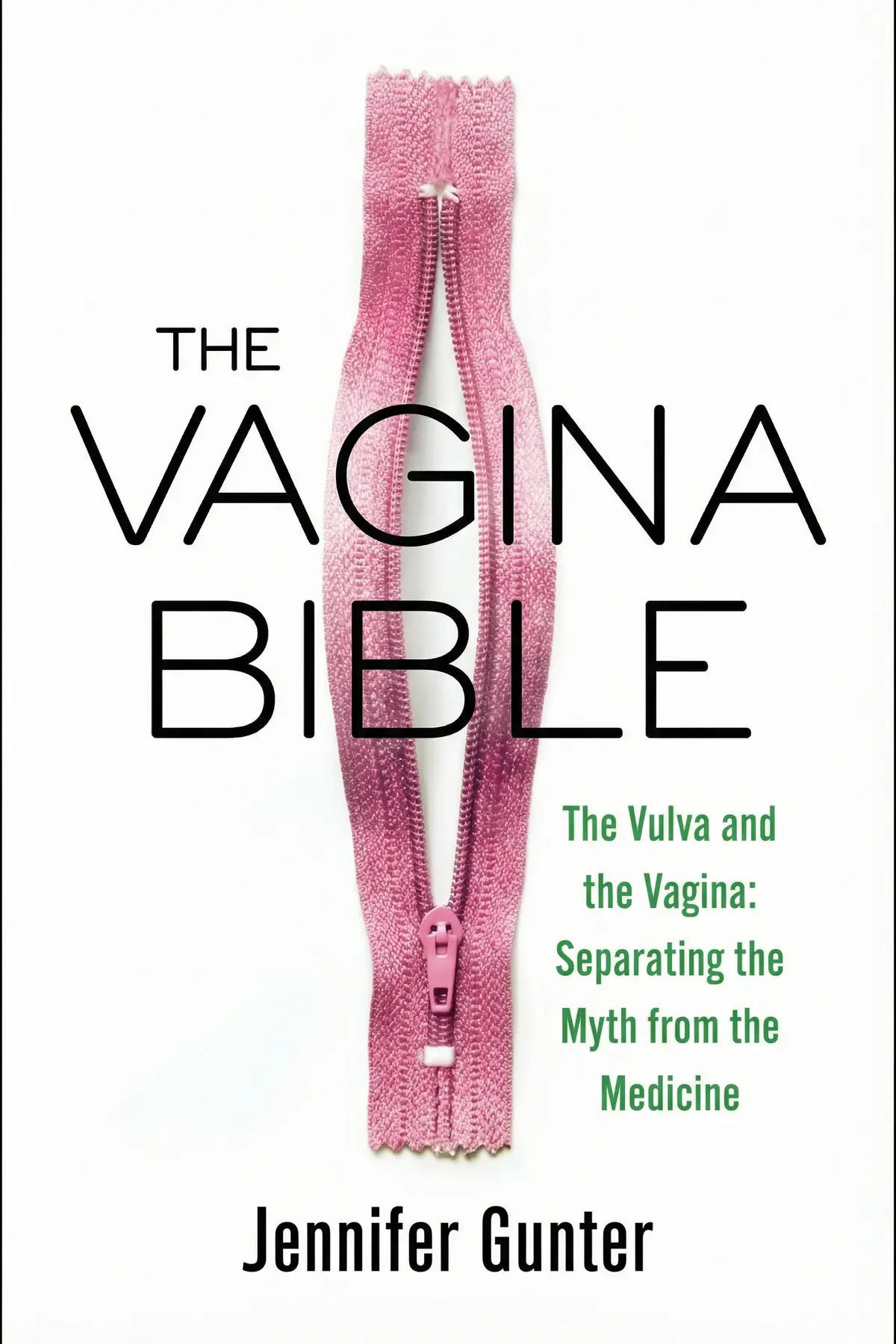
Table of Content
1. Introduction
1 min 05 sec
Much of what women are told about their own bodies, from the need to douche to the hunt for a hidden G-spot, began as guesswork by men who rarely examined a woman. In The Vagina Bible, gynecologist Jennifer Gunter replaces that guesswork with evidence, and her first finding is a relief: the vagina cleans itself, and most products sold to freshen it do more harm than good.
As late as the 1930s, most doctors still believed the vagina was full of dangerous bacteria. Shame filled the silence, and later a market of washes and wipes grew inside it. Gunter’s case is that the vulva and vagina are tougher and more self-sufficient than that history suggests, and that accurate knowledge is the best care you can give them. Follow her through anatomy, sex, periods, birth, menopause and infection, and you will know what is normal, what to stop buying and exactly what to tell a doctor when something feels wrong.
2. Know the parts and what normal looks like
1 min 31 sec
Most people use one word for everything between the legs, and it is the wrong word. The correct map reveals an organ far larger than it looks and a daily sign many women worry about for no reason.
3. Save your money on intimate washes and wipes
1 min 41 sec
Companies earn millions selling products that promise a cleaner, fresher vagina. A gynecologist explains which habits are harmless, which one doctors once recommended and now warn against, and what a famous fruit really does.
4. Find more pleasure by understanding the clitoris
1 min 51 sec
Many women wonder whether something is wrong with them in bed. Comparing two groups of women reveals that the problem is usually the method, and that some famous ideas about female pleasure rest on very little.
5. Make sense of your period and choose products calmly
1 min 54 sec
A period looks like a simple event, yet it is the last step of a timed conversation between brain and ovaries. And the fear many women still feel about tampons traces back to one specific product.
6. Be ready for the changes of birth and menopause
1 min 52 sec
Pregnancy, delivery and menopause all reshape the vulva and vagina, yet few people talk about it beforehand. Knowing what is normal, and which preparation actually works, turns shock into something you can plan for.
7. Protect yourself from STIs without the shame
1 min 47 sec
Almost every sexually active woman will catch an STI at some point, and many common ones cause no symptoms at all. A laboratory number and a real-world number about condoms show where protection actually fails.
8. Get the right diagnosis instead of guessing
1 min 55 sec
When something itches, the pharmacy shelf feels like the quickest answer. Yet most women who treat themselves for the most common vaginal complaint are treating the wrong problem, and the internet often makes it worse.
9. Conclusion
1 min 10 sec
The Vagina Bible ends up being a book about trust. For centuries, women’s genitals were described by men who seldom looked, and the silence was filled first by shame and then by companies selling cures for problems that did not exist. Gunter’s evidence points the other way. The vagina keeps its own acid balance, the clitoris explains what Freud’s followers treated as mysteries, and the big changes of birth and menopause are normal and mostly treatable.
None of this means ignoring symptoms. It means meeting them with facts. Clear the fragranced washes off the shelf and never douche. Keep up regular STI and cervical screening, and when something itches or hurts, see a doctor before buying a remedy, ready to say where it hurts, when and how. Gunter adds one step that helps far beyond the vagina: stop smoking, since it is linked to more BV, more painful periods and harder menopause symptoms.
In her view, nothing serves your health better than knowing how your own body works. A body you understand is a body far harder to sell fear to.
About this book
What is this book about?
For most of medical history, women's genitals were described by male doctors who rarely examined them, and the gaps were filled with rumor and shame. As late as the 1930s, many doctors thought the vagina was full of dangerous bacteria. Today a profitable industry sells washes, wipes and creams on the same fears. Jennifer Gunter, an obstetrician and gynecologist with more than 20 years of practice, sets out to replace that fog with evidence. She explains how the vagina keeps its own healthy balance, why douching does harm, what the clitoris really looks like and why penetration alone rarely leads to orgasm. She walks through the menstrual cycle, the changes of pregnancy, childbirth and menopause, and the most common infections, from HPV and herpes to yeast and bacterial vaginosis. Readers get a clear picture of what is normal, a short list of things to stop doing, practical advice on condoms, screening and period products, and a way to describe symptoms so a doctor can help. Her guiding rule is simple: for the vulva and vagina, use as little as possible, and know your body well.
Book Information
Who it's for
Women wanting plain facts
Women tired of conflicting advice and intimate-care marketing who want plain medical facts.
Facing pregnancy or menopause
Anyone facing pregnancy, birth or menopause who wants to know what changes are normal.
Self-treating a recurring itch
People who keep treating the same itch at home and want to talk to a doctor with confidence.
About the Author
Jennifer Gunter
Jennifer Gunter is a board-certified obstetrician and gynecologist who is also board certified in pain medicine. Her work focuses on women's health, including conditions that cause pain in the vulva, vagina and cervix. Through columns, blog posts and writing for the New York Times, she corrects misconceptions about women's bodies with evidence, covering where health meets sex, science and popular culture. Her other books include The Menopause Manifesto and The Preemie Primer.
Ratings & Reviews
Ratings at a glance
What people think
Listeners find this book educational and accessible, commending its scientific foundation and factual responses. They enjoy the clear prose, wit, and overall writing caliber, with one listener highlighting that it is written from a female point of view. Listeners see significant value in the health insights provided; one listener emphasizes the thorough exploration of female anatomy, while another appreciates how it corrects misconceptions regarding alternative gynecological treatments.
Top reviews
Manop
This book is the owner's manual every woman should have been handed at puberty, but unfortunately, most of us were left to figure things out through rumors and glossy magazine ads. Dr. Gunter is a force of nature, and her "vagenda" to provide evidence-based facts is exactly what the medical world needs right now. Frankly, I was stunned to learn that so many of the things I believed—like cranberry juice being a cure-all for UTIs or that peeing after sex is the only way to stay safe—are actually just persistent myths. The writing is incredibly accessible while remaining grounded in hard science, and she doesn't pull any punches when it comes to calling out the patriarchy for its role in vaginal shame. It is a vagina, not a piña colada, and the sooner we all realize that, the better off we will be.
Show moreNam
Picked this up after seeing Dr. Gunter’s advocacy all over social media and I was completely blown away by the sheer volume of evidence-based information packed into these pages. It is rare to find a non-fiction book that manages to be this informative while maintaining a tone that is genuinely entertaining and frequently hilarious. She tackles everything from the 'illusory truth effect' of repeated misinformation to the specific health realities of trans men and women, which I found deeply impressive and inclusive. Personally, I think this should be required reading for people of all genders because everyone benefits from understanding female anatomy without the filter of shame or 'snake oil' salesmanship. It’s an empowering, beautifully researched piece of work that finally gives the vulva the recognition it deserves as a separate and important entity.
Show moreSomkid
As a healthcare professional, I find myself recommending this to patients constantly because it cuts through the 'illusory truth effect' of internet misinformation with surgical precision. Dr. Gunter manages to explain complex biological processes—like the delicate pH balance of the vaginal ecosystem—without ever sounding condescending or overly academic. Not gonna lie, I even learned a few things myself, particularly regarding the history of how the medical system has historically ignored 'women's worries' as trivial. The book is organized brilliantly, allowing readers to jump to specific concerns like menopause or STIs while still providing a cohesive narrative about bodily autonomy. It is a refreshing, fact-based antidote to the pseudoscience that dominates so much of the wellness industry today. Every household needs a copy of this on the shelf.
Show moreArm
Jennifer Gunter has written a masterpiece of empowerment that refuses to apologize for speaking plainly about the parts of our bodies we are taught to hide. Look, the medical system has been steeped in patriarchal bias for centuries, and this book serves as the long-overdue antidote to that systemic silence. I was particularly struck by the discussion on the etymology of our anatomy, like how 'vagina' essentially means 'sheath' for a sword. Why should our bodies be defined only in relation to men? It’s a powerful realization. The writing is sharp, witty, and unapologetically scientific, making it an essential read for anyone who wants to reclaim their bodily autonomy from the clutches of misinformation and shame. Five stars aren't enough for the service this book provides to women's health.
Show morePierre
Finally got around to reading this and I am honestly shocked at how much I didn’t know about my own body despite being in my thirties. Dr. Gunter takes all those embarrassing questions you're too afraid to ask your OBGYN and answers them with clear, evidence-based science. I loved that she included specific information for trans men and women right from the start, as that kind of inclusivity is often missing from mainstream medical books. The way she dismantles the 'wellness' industry and its obsession with 'purifying' women is just brilliant. It turns out we don't need expensive steams or special soaps; we just need to leave our bodies alone to do what they do best. This book is a massive relief and a total joy to read.
Show moreDavid
Not what I expected at all—in the best way possible! I thought this would be a boring medical textbook, but it’s actually a hilarious and fierce defense of women's health. The quote about it being a vagina, not a piña colada, had me laughing out loud, but the message behind it is so important. We are constantly sold products to fix problems that don't even exist, and Gunter is here to put an end to that nonsense. In my experience, this is the most helpful book I've ever owned. Learning is fun when the teacher is this smart and funny. If you have a vagina, or know someone who does, just buy this book already.
Show moreDen
Ever wonder why we're so obsessed with 'cleaning' an organ that is literally a self-cleaning oven? Dr. Gunter breaks down the science in a way that feels like you're having coffee with a very smart, very blunt friend who has zero time for nonsense. Truth is, I found the chapters on the microbiome fascinating, especially the parts about how predatory marketing plays on our insecurities to sell us products we simply do not need. The "Bottom Line" summaries at the end of each section are a godsend for anyone who gets overwhelmed by clinical terminology or dense data sets. My only tiny gripe is that the book gets a bit repetitive in the middle, but her humor keeps the momentum going through the more technical sections.
Show moreKwan
After hearing so many conflicting things about UTIs, I finally feel like I have some actual answers that aren't just old wives' tales. This book is basically an owner’s manual for anyone who has a vulva, and it is written with a wonderful mix of clinical expertise and wit. I was particularly surprised to read that sitting in a wet bathing suit doesn't actually cause yeast infections—that's a myth I've believed for my entire life! While the middle sections on various infections can get a bit dry and clinical, the humor sprinkled throughout keeps you engaged. It’s a bit of a dense read, but the knowledge you gain is worth the effort. Gotta say, I feel much more empowered to talk to my own doctor now that I have the right vocabulary.
Show morePia
Wow, there is a lot of information to digest here, and most of it is genuinely vital for anyone with a vagina. I appreciate the deep dive into sociocultural factors and how medical myths are born, but I did find some of the language a bit jarring. To be fair, for a book that opens with such a strong commitment to discussing trans experiences, using 'heterosexual sex' as the catch-all for penetrative PIV sex felt quite reductive and strange. It felt like a minor contradiction in an otherwise very inclusive and forward-thinking manual. Still, the myth-busting about diet's impact on smell and the reality of yeast infections was truly wild to read about.
Show moreSebastian
The chapter on anatomy was okay, but frankly, the tone of this book felt incredibly dismissive toward anyone who prefers a more holistic approach to their health. While I certainly agree that putting garlic or jade eggs in your vagina is a dangerous idea, Gunter’s approach seems to attack the very concept of natural wellness as if it’s all one big scam. It felt less like a helpful medical guide and more like a lengthy, aggressive rant against the patriarchy. I was looking for a supportive health book, but instead, I found the delivery to be way too combative and clinical for my taste. It felt like being lectured in a classroom rather than being guided through a personal health journey.
Show moreQuestions about this book
What is the main idea of The Vagina Bible?
Jennifer Gunter argues that the vulva and vagina are far more resilient and self-maintaining than centuries of male-led medicine and modern hygiene marketing suggest. The vagina cleans itself and keeps its own healthy acidity through lactobacilli. Most harm comes from myths and unnecessary products, so the best care is knowing your anatomy, expecting normal change and getting real symptoms properly diagnosed.
Does The Vagina Bible say you should wash your vagina?
No. Gunter says the vagina should not be cleaned at all and warns strongly against douching, which studies link to bacterial imbalance and a higher STI risk, even with plain water. The vulva only needs washing for people with incontinence. If you prefer to wash it, she suggests a gentle cleanser with a pH around 5.5 and avoiding fragranced or high-pH soaps.
What does Jennifer Gunter say about the G-spot and orgasm?
Gunter describes orgasm as a reflex of the pelvic floor muscles triggered by clitoral stimulation. She says no high-quality study has shown that a separate vaginal orgasm or a G-spot exists; what doctors described was likely the clitoris, which is much larger than it looks. She notes that 86 percent of lesbian women usually or always orgasm during sex, against 65 percent of heterosexual women.
How can I tell if I have a yeast infection or something else?
According to Gunter, you often cannot tell on your own: over half the women who diagnose themselves with a yeast infection turn out to have some other condition. She advises seeing a doctor and getting tested, then describing symptoms precisely, including where the pain is, when it happens and whether it stings or burns. Confirmed yeast infections respond well to azole drugs.
Who should read The Vagina Bible?
It suits women who want evidence instead of rumor about their bodies, people preparing for pregnancy or menopause, and anyone confused by intimate-care products or online health claims. Its practical advice covers period products, condom technique, STI screening, the HPV vaccine and how to judge health information online, so it is useful well beyond a single health question.
Readers also enjoyed




AUDIO SUMMARY AVAILABLE
Listen to The Vagina Bible in 15 minutes
Get the key ideas from The Vagina Bible by Jennifer Gunter, plus 5,000+ more nonfiction titles.
- 5,000+ titles
- Listen as much as you want
- 7-day free trial
- Cancel anytime









