
14 min 59 sec
Available in: English
 ไทย
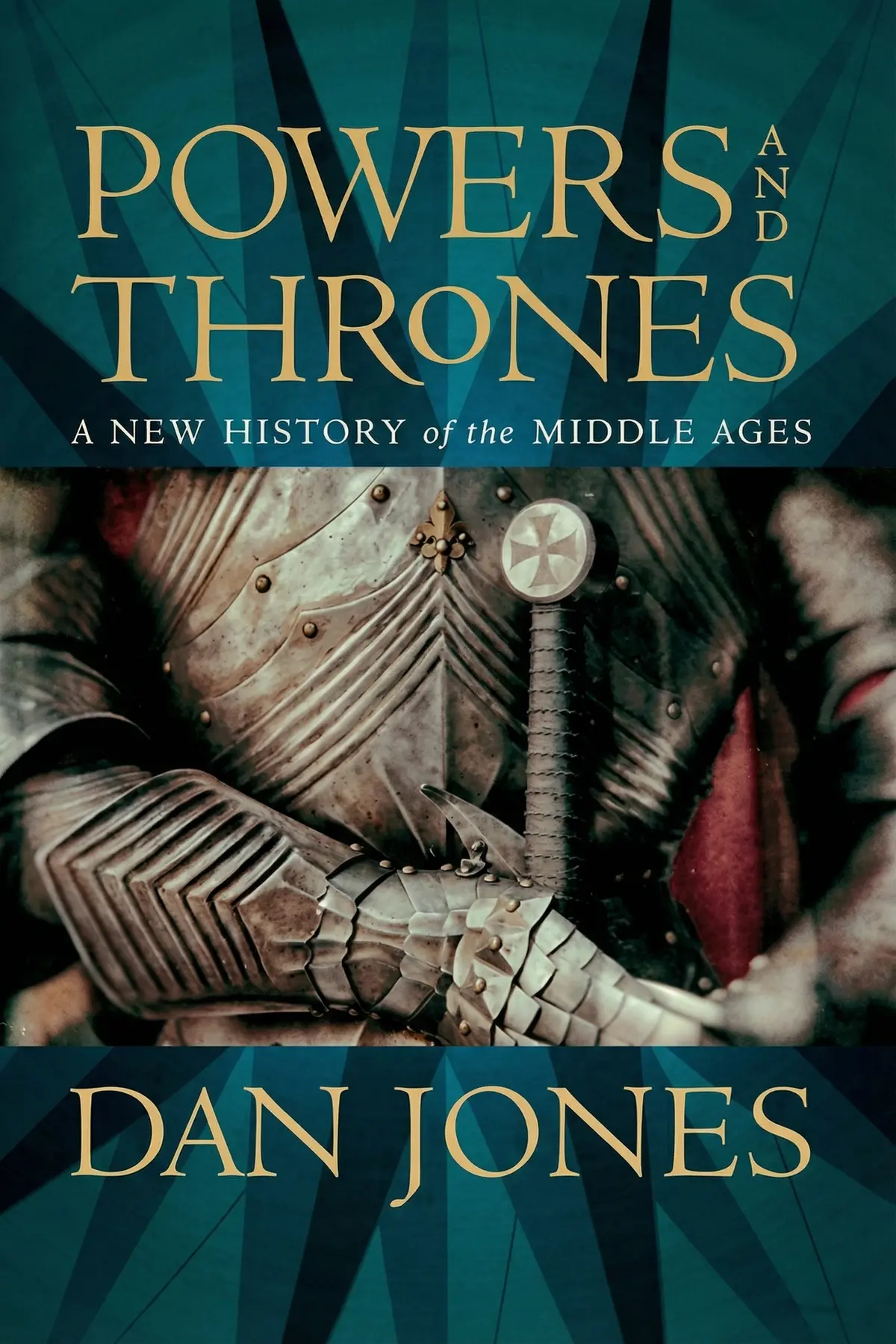
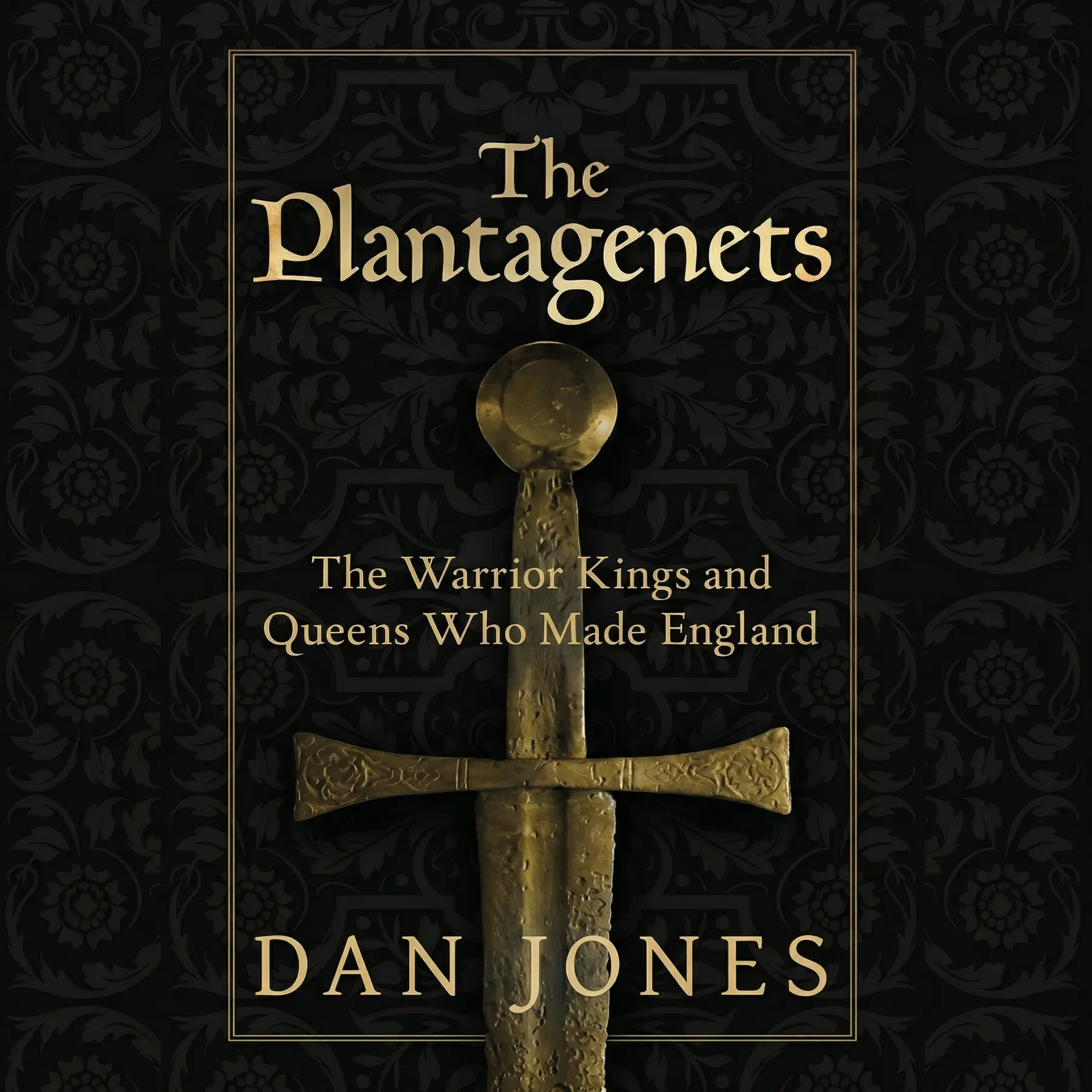
EnglishไทยThe Plantagenets: The Warrior Kings and Queens Who Made England
By Dan Jones
Follows eight Plantagenet kings across 250 years of feuds, crusades and rebellions. It shows how their broken loyalties with wives, sons and barons forced the English crown to accept consultation and the rule of law.
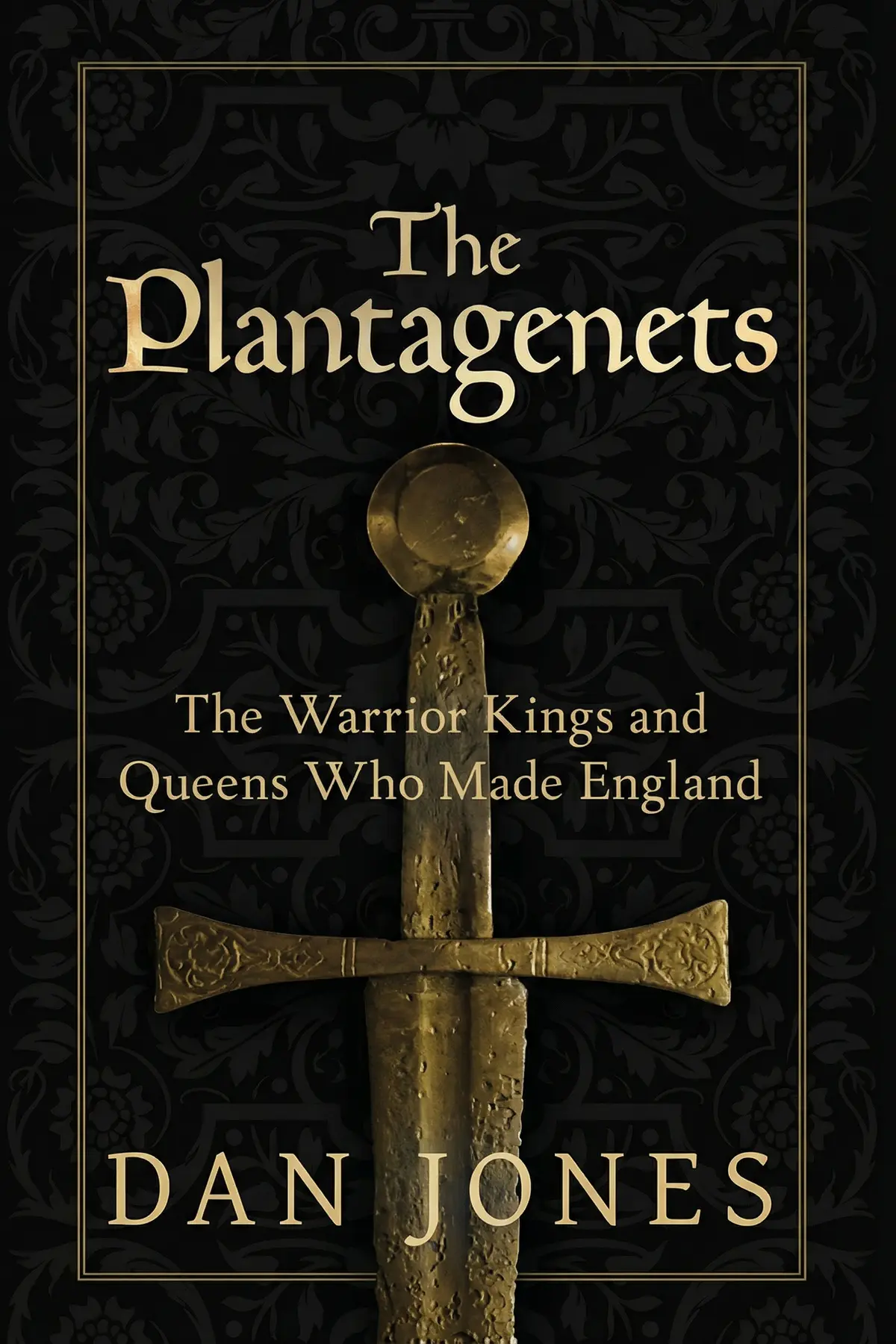
Table of Content
1. Introduction
1 min 01 sec
Medieval English history can sound like a blur of Henrys, Edwards and battles. In The Plantagenets, historian Dan Jones turns it into one clear story: eight kings who held England for more than 250 years and changed a war-torn island backwater into an organized European power run by law. Even the family name has a story, borrowed from the yellow broom flower, planta genista in Latin, that a dapper nobleman called Geoffrey of Anjou wore in his hair.
Beneath the drama, one pattern repeats. These kings rose or fell on how they treated the people closest to them, their wives, sons and barons, and each time one broke faith, the backlash bound the crown with new rules. Follow that thread and two and a half centuries line up in order, from a drowned heir in 1120 to a king locked in the Tower in 1399, with a sharp lesson about power for anyone who leads.
2. What an uncertain heir costs a whole country
1 min 48 sec
A prince drowns at sea, and a kingdom spends years tearing itself apart over who comes next. Out of that ruin steps a red-haired teenager with a grudge and an unexpected ally.
3. Closest allies can become your nearest threat
1 min 50 sec
Henry II gave his best friend the most powerful church post in England, expecting gratitude. What followed shocked all of Europe and turned the king’s own family against him.
4. Spot the ruler who squanders a century's work
1 min 51 sec
One brother won glory in the Holy Land and a king’s ransom in loyalty. The other plotted behind his back, then lost in months what three generations had built.
5. Learn how a cornered king gave England its rules
1 min 47 sec
Bad King John grew rich by squeezing everyone around him, then gambled it all on one battle. The barons he had bled dry finally wrote down what a king may not do.
6. See when supporters finally turn on a leader
1 min 52 sec
Four armed men walk into a king’s private rooms and tell him he no longer runs the country. His son must win it back, and then discovers what force alone cannot do.
7. Favorites and a slighted spouse can topple a king
1 min 55 sec
A coronation banquet hung with the wrong coat of arms insulted two royal houses in one evening. Years later, the queen it humiliated came back from France to settle the account.
8. Glory fades fast when the next heir is unready
1 min 52 sec
Edward III captured a French king and made England feared across Europe. Before long, his grandson was screaming when displeased, losing power to Parliament and handing a rival cousin the perfect opening.
9. Conclusion
1 min 03 sec
The Plantagenet story opens with a drowned prince and closes with a king who left no son, and between those empty cradles England changed shape. Jones’s kings were brave, charismatic and often brutal, yet the country was made less by their conquests than by the reactions they provoked. A murdered archbishop, a murdered nephew, a favorite’s arms on a banquet wall: each broken trust brought barons, a queen or Parliament to set limits, until the idea that a king must consult and obey the law had taken root.
That gives the dates a use. When you watch someone with power, at work or in public life, look first at how they treat the people nearest them, because that is where the Plantagenets’ trouble always started. And remember that rules we take for granted were often written by people who had simply run out of patience.
Edward III kept his nobles close and ruled in glory. Richard II trusted no one and ended in the Tower.
About this book
What is this book about?
For a quarter of a millennium in the Middle Ages, one family ruled England, and it produced both the country's greatest kings and some of its most terrible. Dan Jones tells the story of the Plantagenets, from Henry II, who ended a ruinous civil war, to Richard II, locked in the Tower of London in 1399. His kings are restless, charismatic and quick to violence, and the drama never lets up: an archbishop murdered in his cathedral, a crusader king held for ransom, a boy killed by his own uncle, a queen who sails home from France with her lover and an army. Beneath it runs a pattern. Again and again, a king fell out with his wife, his sons or his barons, and at times the backlash put new limits on the crown, from Magna Carta to a committee of barons. Readers get eight reigns in one clear line, the reasons behind famous turning points, and a durable lesson about how power is won, shared and lost.
Book Information
Who it's for
History buffs
History lovers who want England's medieval kings in one clear, connected story.
Students meeting medieval England
Students meeting Magna Carta, the crusades or the Hundred Years' War for the first time.
Curious about holding power
Managers and leaders curious about how loyalty, family and broken promises decide who keeps power.
About the Author
Dan Jones
Dan Jones is a British popular historian, born in 1981, who studied at Pembroke College, Cambridge. His history books, including The Templars, Henry V and Powers and Thrones, have appeared in 23 languages, and he also writes novels such as the Essex Dogs trilogy. He hosts the weekly podcast This Is History, has presented dozens of television documentaries, and is a fellow of the Royal Historical Society and, since 2025, a trustee of Historic Royal Palaces.
Ratings & Reviews
Ratings at a glance
What people think
Listeners find this account a gripping experience that flows like a mystery novel, offering meticulously researched details in a relatable tone that is easy for general audiences to follow. The narrative provides a thorough history of the Plantagenet dynasty’s incredible influence on England, keeping a quick tempo that keeps them hooked. Listeners value the way this detailed storytelling makes history clearer and admire the author’s skill in portraying the specific personalities of these historical individuals.
Top reviews
Maja
Dan Jones writes history like it’s a high-stakes thriller. Most historians get bogged down in the minutiae of tax records, but Jones focuses on the pulsating heart of the dynasty: the people. From the chilling tragedy of the White Ship to the deposition of Richard II, the narrative never loses its momentum. You really get a sense of the sheer grit required to hold onto power in the Middle Ages. I particularly enjoyed the sections on Edward III and his tactical brilliance with the longbow. It’s a massive book, yet it reads faster than many novels I’ve picked up this year. Truth is, I walked away feeling like I actually knew these kings as human beings, not just statues in a cathedral.
Show moreSven
Ever wonder how a single shipwreck could spark decades of civil war? The opening account of the White Ship disaster is masterfully told, setting the stage for a family saga that is truly stranger than fiction. I was completely swept up in the life of Eleanor of Aquitaine; she was clearly a force of nature who outmaneuvered nearly every man around her. Dan Jones manages to make the signing of the Magna Carta feel like a tense political standoff rather than a dry legal event. His writing style is punchy and modern, which helps bridge the gap between our world and the 1100s. It’s rare to find a history book that you actually look forward to picking up every night. Highly recommended for fans of epic storytelling.
Show moreJulian
After hearing so much about the Tudors, it was refreshing to dive into the dynasty that actually built the foundation of England. These weren't just monarchs; they were empire builders who dealt with everything from the Crusades to the Black Death. King John comes across as a truly loathsome character, yet his failures inadvertently led to some of the most important rights we hold today. Jones doesn't shy away from the darker side of these "warrior kings," including the systemic persecution of the Jewish community under Edward I. It's a balanced, if fast-moving, account that prioritizes personality over dry dates. Frankly, the sheer scale of their ambition is staggering to read about in the modern day. This is how history should be taught.
Show moreRodrigo
Wow, the drama in this book makes modern politics look like a playground dispute. I was particularly struck by the transition from the glorious reign of Edward III to the disastrous tenure of Richard II. Jones highlights how quickly a legacy can crumble when a weak leader takes the reins. The descriptions of the Peasants' Revolt were particularly gripping, providing a rare glimpse into the boiling tensions of the 14th century. I loved how the author balanced military history with the internal psychology of the Plantagenet family. It’s a wild ride through two centuries of blood, gold, and betrayal. If you think history is boring, this book will definitively prove you wrong.
Show moreWacharapol
Finally got around to this after it sat on my shelf for months, and I’m kicking myself for waiting so long. The book is structured so logically that you never feel lost, despite the centuries it covers. Jones has a gift for describing the sheer physicality of these people, like the towering presence of Edward "Longshanks." You can almost feel the spray of the English Channel and the mud of the French battlefields. It’s a comprehensive look at how a family of French counts became the architects of the English nation. The writing is incredibly vivid, particularly during the chapters on the Third Crusade. This isn't just a book about kings; it's a book about the messy, violent birth of a country.
Show moreJames
Trying to keep track of every Matilda and Edward felt like a full-time job. Seriously, the naming conventions of the 12th century were a nightmare for future readers! Thankfully, the family trees and maps included in the text are absolute lifesavers. Jones has a real talent for distilling complex political shifts into conversational prose that doesn't feel condescending. I was fascinated by the contrast between "Longshanks" and his ineffectual son, Edward II. The rumors of the hot poker might be apocryphal, but they speak volumes about the era’s brutality. My only gripe is that the ending felt slightly abrupt, cutting off before the Wars of the Roses really kick off. Still, it’s a fantastic entry point for anyone intimidated by medieval history.
Show moreYothaka
As someone who usually finds medieval history dry, this was a revelation. Picked this up on a whim and was immediately hooked by the "devil's brood" mythology. The way Jones connects the planta genista nickname of Geoffrey of Anjou to the entire identity of the dynasty is a great touch. I also appreciated how he didn't just focus on the men; the Matildas and Isabellas of the era are given their due as significant political players. The shift toward the English longbow as a game-changer on the battlefield was another highlight for me. My only real issue was the occasional blurring of characters during the more rapid chronological jumps. However, the overall narrative flow is so strong that you quickly find your footing again.
Show moreTanyaporn
Not what I expected from a 500-page history tome. Instead of a slog through dusty archives, I got a front-row seat to the most chaotic family reunion in history. The rivalry between King John and his nephew Arthur of Brittany was particularly haunting, especially the mysterious disappearance of the young heir. Jones does an excellent job of showing how the personality of a single man could determine the fate of millions. I did find the early sections a bit slow as the dynasty was finding its feet, but once Henry II enters the scene, it’s non-stop action. The focus on the "warrior" aspect of the queens, like Eleanor, was a welcome perspective. Definitely a must-read for any history buff.
Show moreKomsan
While the narrative zip is undeniable, I found the focus on the elite a bit stifling after five hundred pages. Jones paints a vivid picture of the "warrior kings," but the faceless masses of England remain almost entirely in the shadows. It’s history as a highlight reel of palace intrigue and bloody executions. Don't get me wrong, the descriptions of Hugh Despenser’s gruesome end were vividly horrifying. However, I wanted more on how the Black Death truly reshaped the social fabric beyond the royal court. It’s an entertaining ride, but it feels a bit like a premium cable drama where only the beautiful people matter. To be fair, if you want a fast-paced overview of the dynasty, this is it. Just don't expect a deep sociological study.
Show moreSin
Look, I appreciate the accessibility, but the "cool historian" vibe sometimes borders on the sensationalist. There are moments where Jones seems more interested in the "ew-inducing" details of medieval executions than the actual administrative evolution of the realm. The chapter on Richard the Lionheart felt a bit like a hagiography, glossing over how much his crusading actually bankrupted the country. It’s certainly a page-turner, and I can see why it’s a bestseller, but I found myself wanting more citations for some of the more colorful anecdotes. It feels designed for the television audience rather than serious students of history. It’s a fun read, but take the more salacious rumors with a grain of salt.
Show moreQuestions about this book
What is The Plantagenets by Dan Jones about?
Dan Jones tells the story of the family that ruled England for more than 250 years in the Middle Ages, from Henry II, crowned in 1154 after a long civil war, to Richard II, deposed in 1399. Across eight kings, the country grew from a war-torn island backwater into an organized European power. Jones shows a dynasty of great and terrible rulers whose feuds with wives, sons and barons kept reshaping the crown.
Why is the dynasty called Plantagenet?
The name comes from Geoffrey of Anjou, the powerful landowner whom Henry I chose as husband for his daughter Matilda. Geoffrey liked to wear a yellow broom flower in his hair, and the Latin name for that plant is planta genista. Geoffrey and Matilda’s son became Henry II, the first Plantagenet king of England.
How did Magna Carta come about, according to Dan Jones?
King John lost the family’s French lands, taxed his subjects heavily and charged his barons arbitrary fees, then suffered a crushing defeat at Bouvines in 1214. The barons rebelled, and once they captured London, John agreed to negotiate at Runnymede. The settlement required the king to consult the barons before sweeping action and to act according to the law. John broke it almost at once, but the charter came to define relations between kings and subjects.
Who was the greatest Plantagenet king?
Jones presents Edward III as the pinnacle of Plantagenet kingship. He took power from his mother and her lover Roger Mortimer in 1330, kept his nobles loyal by creating a new class of them, and beat the Scots at Halidon Hill. He then claimed the French crown, launching the Hundred Years’ War, and won at Sluys, Crécy and Poitiers, where the French king was captured.
What lesson does The Plantagenets offer modern readers?
The book shows that the kings’ biggest dangers came from the people closest to them. Henry II’s friend Becket and his own sons turned on him, Edward II was undone by his favorites and his neglected queen, and Richard II drove away every ally. Several of these breakdowns pushed barons or Parliament to limit royal power. For anyone who leads, it is a vivid case for keeping faith with those nearest you.
Readers also enjoyed

A History of the World in 6 Glasses
Tom Standage

A Long Way Gone: Memoirs of a Boy Soldier
Ishmael Beah




A Splendid Exchange: How Trade Shaped the World
William J. Bernstein

A Spy Among Friends: Philby and the Great Betrayal
Ben Macintyre


1491: New Revelations of the Americas Before Columbus
Charles C. Mann
AUDIO SUMMARY AVAILABLE
Listen to The Plantagenets in 15 minutes
Get the key ideas from The Plantagenets by Dan Jones, plus 5,000+ more nonfiction titles.
- 5,000+ titles
- Listen as much as you want
- 7-day free trial
- Cancel anytime









