
12 min 41 sec
Available in: English
 ไทย
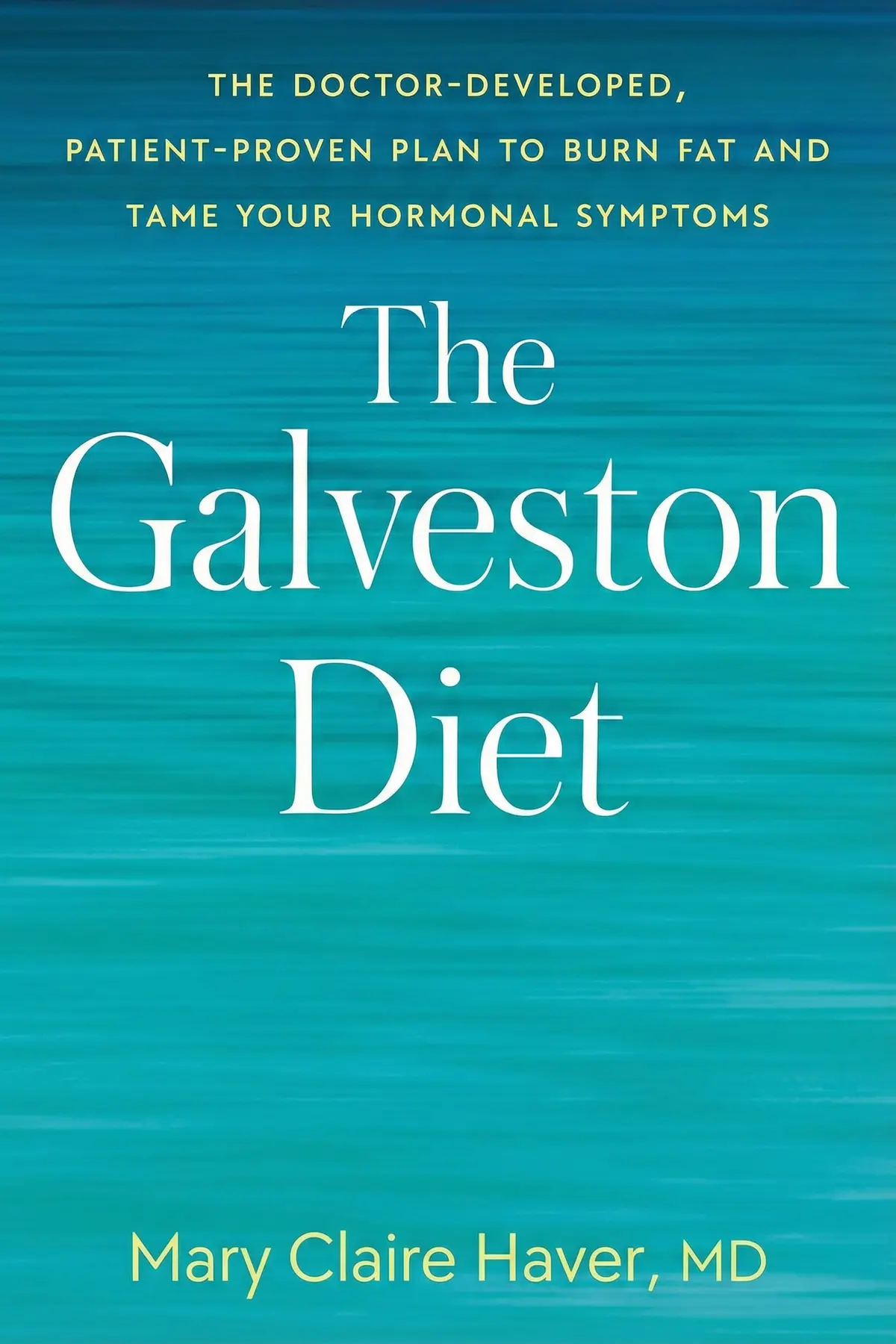
EnglishไทยThe New Menopause: Navigating Your Path Through Hormonal Change with Purpose, Power, and Facts
A plain guide to perimenopause, menopause and the years after: what causes the symptoms, which daily habits help, what hormone therapy really risks, and how to get a doctor to take you seriously.
Table of Content
1. Introduction
1 min 08 sec
Many women reach their 40s with night sweats, broken sleep or sudden irritability, and nobody has told them why. In The New Menopause, obstetrician-gynecologist Mary Claire Haver argues that what you don’t know about this last phase of reproductive change can hurt you, and that plain facts are the first treatment. Her starting point is simple. Perimenopause usually begins in your 40s, as the ovaries slowly make less estrogen and progesterone, and that one shift explains the hot flashes, mood swings and erratic periods.
For centuries, Haver notes, menopause was discussed in whispers and barely studied. Her book replaces the whispers with a map. Her case is that a woman who understands her stage, knows her real options from food to hormone therapy, and walks into the doctor’s office prepared can take charge of this change. Ahead: how to tell which stage you are in, what each symptom means, the habits Haver recommends, the honest risks of hormone therapy, and how to be taken seriously.
2. Know which of three stages you are in
1 min 34 sec
Menopause is often spoken of as one event, yet it unfolds in distinct phases with different risks. Where you are, and when you got there, decides what you should be watching for next.
3. Your period history hints at what lies ahead
1 min 42 sec
Two friends of the same age enter the same phase of life and have completely different experiences. Haver explains what might have predicted the gap, and why neither woman should doubt herself.
4. Practical fixes for sleep, dryness and bones
1 min 37 sec
Some of the most disruptive symptoms of this change have simple first answers that many women never hear about. A cool bedroom is only the start of what Haver recommends trying before anything else.
5. Build daily habits that ease every stage
1 min 54 sec
Food, movement and stress get dismissed as generic advice, but Haver treats them as the foundation of any menopause plan. She also names one piece that women overlook more than any other.
6. Weigh hormone therapy with its real risks
1 min 58 sec
No menopause treatment carries more fear than hormone therapy. Haver lays out what the risks actually are, who faces more of them, and which forms and alternatives may change the picture.
7. Arrive at appointments ready to be heard
1 min 39 sec
Too many women leave the doctor’s office feeling dismissed, with their questions still unasked. Haver’s remedy starts days before the visit and includes knowing when it is time to walk away.
8. Conclusion
1 min 09 sec
The New Menopause rests on one conviction: menopause is a natural transition, and it becomes far less frightening once you can name what is happening. Haver’s two friends in their late 40s show why. One struggled and one barely noticed, and both were normal. Facts let each of them stop doubting herself and start acting.
From there, the book asks women to work on several fronts at once. Learn your stage and your family’s timing. Treat sleep, food, movement, stress and friendship as the daily base. Look at hormone therapy with its real risks in view, the slight breast cancer risk with long-term combined use and the higher clot risk with pills, and keep the nonhormonal options in mind too. Then walk into each appointment with a written list and a symptom journal, and look for another doctor if you are not heard.
A good first step this week is to start that journal and ask your mother or sisters when their menopause began. The years after 40 can be planned for like any other stage of life, with facts in hand and people beside you.
About this book
What is this book about?
For a long time menopause was discussed in whispers and studied too little, so many women meet hot flashes, broken sleep, mood swings and erratic periods with no idea what is happening. OB-GYN Mary Claire Haver argues that this ignorance can do real harm, and that plain facts are the place to start. She explains the three stages of the change: perimenopause, menopause and post-menopause. She also covers what sets their timing, from family history to chemotherapy, and why your own period history hints at how hard the transition may be. She then lists the common symptoms and the first responses to each, sets out the daily habits she considers the base of any plan, and weighs hormone replacement therapy openly, covering breast cancer and blood clot risks alongside nonhormonal options. Readers get a clear map of what to expect, practical fixes for sleep, vaginal dryness and bone health, and a method for preparing for medical appointments. They also learn when to ask for a second opinion.
Book Information
Who it's for
Women facing midlife symptoms
Women in their 40s and 50s facing hot flashes, poor sleep or erratic periods without clear answers.
Weighing hormone therapy
Anyone weighing hormone therapy who wants its real risks and alternatives explained plainly.
Family and friends
Partners, daughters and friends who want to understand and support someone through menopause.
About the Author
Mary Claire Haver
Mary Claire Haver is a board-certified obstetrician-gynecologist from the Houston area, where she has delivered babies, taught residents and cared for patients. After her own menopause showed her that eating less and exercising more did not work, she developed The Galveston Diet, an anti-inflammatory nutrition program. She was certified in Culinary Medicine in 2019, founded the menopause clinic Mary Claire Wellness in 2021 and has hosted the podcast UnPAUSED on women's midlife health.
Ratings & Reviews
Ratings at a glance
What people think
Listeners find this guide very educational and simple to follow, especially for those over age 35, with one listener highlighting that it’s authored by an ObGyn. The content offers thorough breakdowns and actionable advice, allowing people to comprehend their symptoms and gain the confidence to manage their wellness. Listeners characterize the work as a revelation that leaves them feeling acknowledged and understood.
Top reviews
Mingkwan
Every woman over 35 needs to grab a copy of this immediately. For far too long, our medical system has basically ignored the midlife transition, treating it as some inevitable decline rather than a manageable biological phase. Dr. Haver writes with the authority of an ObGyn who actually listens to her patients, and it shows on every page. I finally feel like I have the vocabulary to talk to my own doctor without being brushed off. The practical tips for joint pain and sleep issues are worth the price of the book alone. Seriously, it is such an eye-opener. I feel seen, heard, and finally equipped to handle what is coming next. This isn't just a book; it's a manual for taking your power back during a time when many of us feel like we're losing it.
Show moreKom
Wow, this is the first time I haven't felt like I was losing my mind while reading about perimenopause. Dr. Haver breaks down everything from neurological shifts to musculoskeletal issues with such clarity. I especially loved the focus on how these changes affect our brains, not just our reproductive systems. The A to Z guide of symptoms made me realize that my recent anxiety wasn't just 'in my head.' It’s all connected to the hormonal shift. I’ve already started implementing the nutritional changes she suggests to protect my bone and heart health. This book makes me feel like I’m graduating into a new phase of life rather than just fading away. It is truly the 'bible' for women’s health that we have been missing for decades.
Show moreRatthapong
The chapter on musculoskeletal symptoms was a total game-changer for my daily routine. Frankly, I had no idea that my joint pain was linked to my hormones until I read this. Dr. Haver provides science-backed options that go beyond the standard 'just lose weight' advice most doctors give. She treats the reader like an intelligent adult who deserves to understand the 'why' behind her symptoms. The book is incredibly detailed and easy to understand, even when diving into complex endocrine functions. I’m currently 49 and felt like I was in the dark about my own body. Now, I have a clear plan and the confidence to ask for exactly what I need at my next physical. It’s a must-read for anyone who wants to thrive, not just survive, through menopause.
Show morePawinee
Pick this up if you're tired of being dismissed by your primary care doctor about your 'normal' aging symptoms. This book is a radical act of clinical education for the average woman. I was blown away by the detailed explanations of how menopause affects everything from our skin to our digestive systems. It’s an empowering read that moves the conversation away from 'suffering in silence.' The author's personal journey with night sweats and weight gain makes her feel like a trusted friend rather than just a distant expert. I feel so much better informed and ready to take charge of my health. Every woman in her 40s should have this on her shelf. It's an absolute eye-opener that changed how I view my future.
Show moreSuthinee
Ever wonder why nobody talks about the musculoskeletal and neurological side of aging for women? This book finally pulls back the curtain. Dr. Haver’s A to Z guide is the most comprehensive resource I’ve found yet. It’s not just about hot flashes; it’s about heart health, bone density, and cognitive function. I love that an actual ObGyn is leading the charge for better medical education for women over 40. The practical tips are easy to implement, and the tone is incredibly encouraging. Menopause isn’t the end of the world, and this book proves it can be a time of vitality. I feel empowered to make personalized healthcare choices for the first time in years. This is easily the best investment I've made in my health recently.
Show moreSven
Finally got around to reading Dr. Haver's latest work, and it feels like a massive weight has been lifted. I’ve been struggling with weight gain and weird heart palpitations that my GP just dismissed as 'stress.' This book explains the science of estrogen in a way that actually makes sense to a non-medical professional. Not gonna lie, the sections on HRT were a bit dense, but the advocacy is so important. My only gripe is the flow; it’s a bit choppy and jumps around quite a bit between symptoms. However, having all this data in one place is way better than trying to piece it together from random blog posts or TikTok clips. It’s a solid resource for anyone entering their 40s who wants to be proactive.
Show moreArm
As someone who has followed the author on Instagram for years, I found this to be a helpful consolidation of her best advice. It saves so much time to have all the studies and symptom lists in one place instead of scrolling through endless reels. I really appreciated the comments from her followers included throughout; it makes you realize you are definitely not alone in this. The medical expertise is top-notch, though the writing style is a little dry in certain technical sections. I would recommend the print version over the audiobook, though, because there are so many charts you’ll want to reference later. It's a great tool to keep on your nightstand as you navigate the changes. My daughters will definitely be getting copies when they hit their 30s.
Show moreVipawan
Honestly, while the information is top-tier, the audiobook version was a bit of a struggle for me. The narrator—who is actually the author—keeps referencing various charts and indexes that just don't translate well to an audio format. I found myself wishing I had the physical print copy so I could highlight sections and actually see the data she was discussing. That being said, the science-backed options for managing night sweats and brain fog are excellent. To be fair, she does promote her previous book a bit too much, but the actual medical advice is so valuable I can overlook it. It’s a very informative listen if you can get past the tedious reading of lists. Just buy the hard copy instead.
Show moreGrace
To be fair, I had high hopes but found the structure a bit disjointed and hard to follow at times. It felt like I was constantly being told to flip back to page 50 or wait until a later chapter for the actual 'meat' of the advice. I also wasn't a fan of the constant mentions of 'The Galveston Diet.' It started to feel like a long advertisement for her other products rather than a standalone guide. There is definitely some solid evidence-based info in here, but you have to dig through the repetitive 'helpers' to find it. If you prefer a more fluid narrative, this might frustrate you. Personally, I think other books on the market cover the same ground with a much better editor and less self-promotion.
Show moreNutnicha
Look, I appreciate the science, but the heavy-handed push for HRT felt a little like fear-mongering to me. The author almost intimates that choosing not to take hormones is a death sentence for your heart and bones. That kind of rhetoric isn't helpful when many women have valid medical reasons to avoid certain medications or simply prefer a different path. While the information on estrogen's role in the body is fascinating, the tone felt less like an 'empowering guide' and more like a high-pressure sales pitch. I wanted a balanced look at all my options, but this didn't quite hit the mark for me. It’s too one-sided for my taste, and the disjointed organization made it a chore to get through the chapters.
Show moreQuestions about this book
What is The New Menopause by Mary Claire Haver about?
It explains perimenopause, menopause and post-menopause in plain terms, with the aim of replacing myths with facts. Haver covers what drives each stage, which symptoms are common, the daily habits that help, and the benefits and risks of hormone replacement therapy alongside nonhormonal options. She also shows women how to prepare for medical appointments so their symptoms are taken seriously.
When does perimenopause start, according to The New Menopause?
Haver says perimenopause typically begins around the 40s, as the ovaries gradually make less estrogen and progesterone. Menopause is reached once periods have been absent for a full year, usually in the early 50s. Timing varies with family history, births and breastfeeding, and treatments like chemotherapy or a hysterectomy. Menopause before 45 counts as early and raises the risk of osteoporosis and heart disease.
What does Mary Claire Haver say about the risks of hormone therapy?
She describes hormone therapy as highly effective but not right for everyone. Some studies suggest long-term combined estrogen and progesterone may slightly raise breast cancer risk, which appears lower with estrogen alone and fades after stopping. Blood clot risk is higher with pills and for women who smoke, are overweight or have had clots, while patches and gels may carry less risk.
How can I apply the ideas in The New Menopause?
Start a menopause journal that tracks symptoms, triggers and treatments, and bring a written checklist of questions to each appointment. Ask the women in your family when their menopause began. Keep a cool bedroom and avoid late caffeine and alcohol, combine cardio with strength training, and seek a second opinion or a menopause specialist if you feel dismissed.
Who should read The New Menopause?
It suits women in their 40s and 50s who are noticing hot flashes, night sweats, mood changes or irregular periods and want to understand them. It also helps anyone deciding whether hormone therapy is right for them, and those who feel their doctor has not taken their symptoms seriously and want a better way to ask for help.
Featured in
Readers also enjoyed





AUDIO SUMMARY AVAILABLE
Listen to The New Menopause in 15 minutes
Get the key ideas from The New Menopause by Mary Claire Haver, plus 5,000+ more nonfiction titles.
- 5,000+ titles
- Listen as much as you want
- 7-day free trial
- Cancel anytime









