
13 min 19 sec
Available in: English
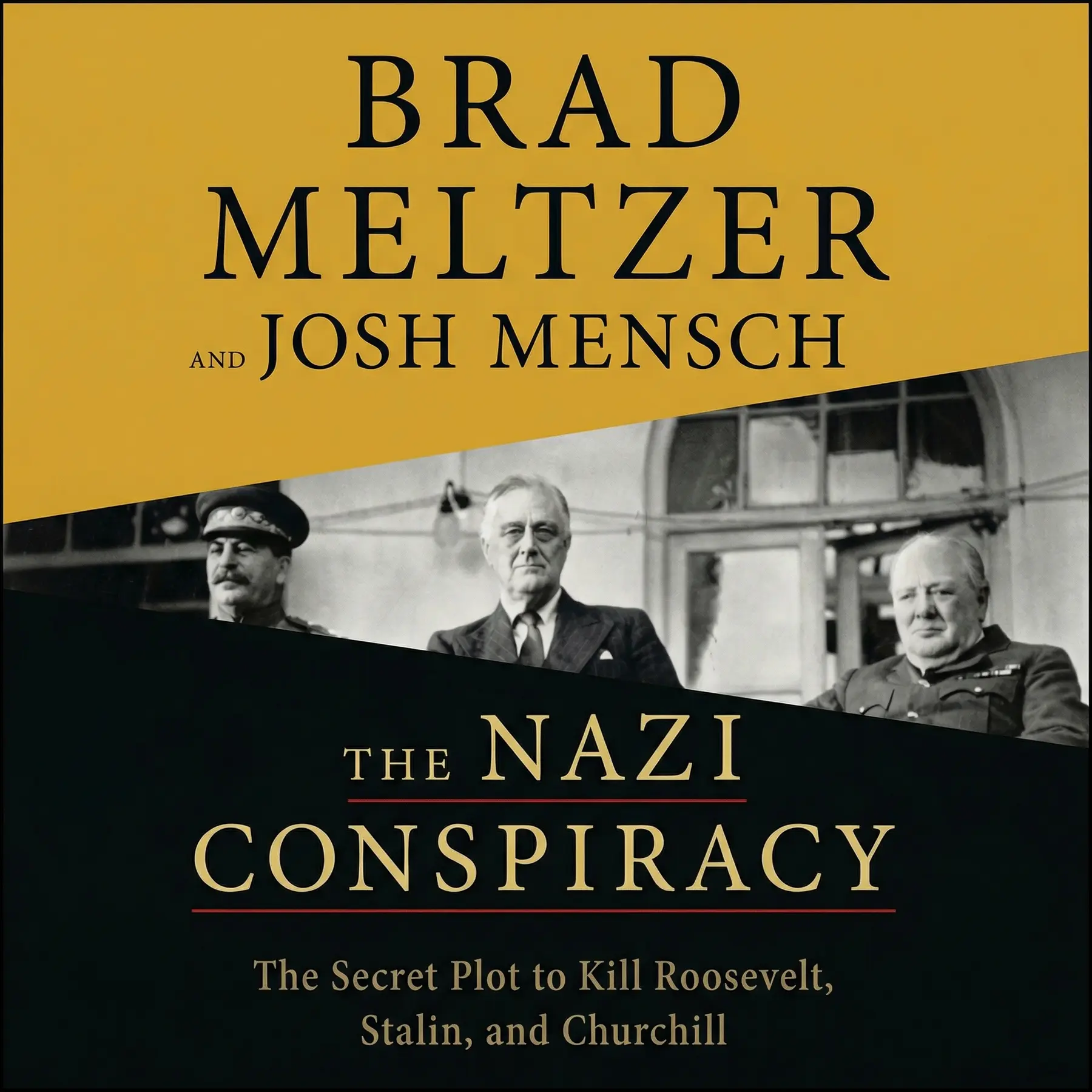
The Nazi Conspiracy: The Secret Plot to Kill Roosevelt, Stalin, and Churchill
The true story of how Roosevelt coaxed Churchill and Stalin into their first meeting in Tehran in 1943, and how Soviet agents broke up a Nazi plan to kill all three before it could strike.
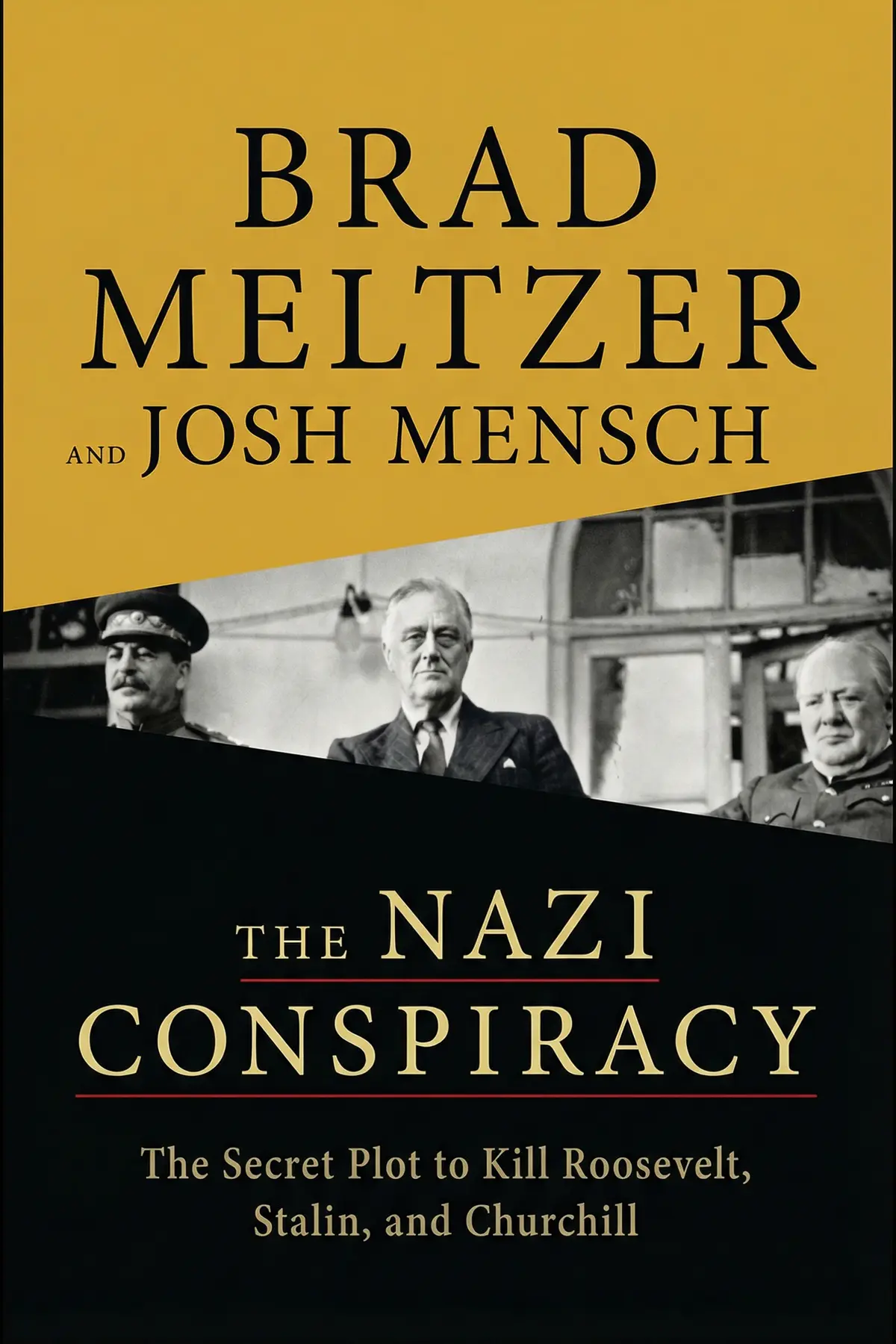
Table of Content
1. Introduction
1 min 00 sec
Most people know how World War II ended, but few know how close its turning point came to being cut short in a single city. In The Nazi Conspiracy, Brad Meltzer and Josh Mensch tell the story of the first meeting of Franklin Roosevelt, Winston Churchill and Joseph Stalin, held in Tehran in late 1943, and of the Nazi plan to kill all three while they were there. The plan was real, and its agents were inside the city.
The authors’ larger case is that Allied victory rested on an alliance built by hand. Three leaders with different fears and different wars had to be coaxed into one room and one plan, while enemy spies worked to make that room a trap. Following the story shows how a partnership between people who barely trust each other gets made, why a hidden threat can outlast its apparent defeat, and how one morning in Iran led straight to the beaches of Normandy.
2. Learn how three leaders came to share one room
1 min 53 sec
Roosevelt and Churchill left Morocco with a bold public pledge and a stronger plan. Roosevelt still called the meeting a failure, and his reason explains everything that followed in Tehran.
3. Patient letters that brought Stalin to the table
1 min 45 sec
Stalin wanted one thing and Churchill kept delaying it. Roosevelt had no power to order either man, so he had to find another way to get the two rivals in the same city.
4. One stranded spy rebuilt a hidden network
2 min 02 sec
Cut off from home, with enemy troops in every street, a lone German agent had every reason to run. What he built instead turned the Allies’ chosen meeting place into dangerous ground.
5. A plot that outlived its own collapse
1 min 46 sec
Disease, arrests and a gruesome mistake seemed to finish the German network in Tehran. Then the president landed and heard news that turned an apparent victory into a fresh alarm.
6. Keep talking when partners walk out in anger
1 min 43 sec
The leaders finally shared a table, and within hours one of them had stormed off over a joke. Meanwhile, in the room where the president rested, the walls themselves were listening.
7. A birthday morning that set D-Day in motion
2 min 05 sec
Young Soviet agents had a chance to capture the most feared commando in Europe. Their decision about whether to take it shaped the final day in Tehran and much of the war after it.
8. Conclusion
1 min 05 sec
The Nazi Conspiracy is a spy story wrapped around a story about partnership, and the two halves explain each other. The plot to kill the three leaders failed because a rival service, holding a chance at a famous prize, chose caution. The alliance held because one man kept writing letters, absorbing slights and offering each partner what he needed until all three agreed on a single plan. Either thread could have snapped. Had the spies kept their radio, or had Churchill stayed angry, the road to Normandy might have looked very different.
The story leaves a few things worth noticing in your own work. When a group can only move together, the missing voice at the table often decides whether a deal holds, so the effort to bring it in is rarely wasted. When a problem seems solved because its leader is caught, look for the small pieces still operating. And when a partner walks out, the meeting ends only if you let it.
The image worth keeping is one the leaders never saw: a decision by Soviet agents to raid a nearby safe house, which made their sunny morning possible.
About this book
What is this book about?
By 1943 the Allies were fighting on three fronts, and their leaders disagreed about how to win. Stalin, whose armies were taking the heaviest losses, demanded an invasion of France. Churchill preferred to push through Italy. Roosevelt believed only a face-to-face meeting of all three could produce a single plan. Brad Meltzer and Josh Mensch tell the story of that meeting in Tehran and of the Nazi effort to turn it into a massacre. They follow Franz Mayr, a stranded German spy who built a secret network in Iran, and Operation Norma, a mission linked to Otto Skorzeny, the commando who had freed Mussolini. Running alongside is Roosevelt's slow diplomacy: letters, flattery and arms shipments to win over Stalin. Readers get a fast, concrete account of how a decision that led to D-Day was reached under the threat of assassination, and what it shows about holding difficult partners together when the stakes could not be higher.
Book Information
Who it's for
Listeners curious about D-Day
History listeners who want the hidden story behind D-Day in one sitting.
Leaders curious about Roosevelt
Managers and team leads curious how Roosevelt held stubborn, mistrustful partners together.
Fans of real espionage
Fans of true spy stories, from stranded agents to decoy motorcades.
About the Author
Brad Meltzer
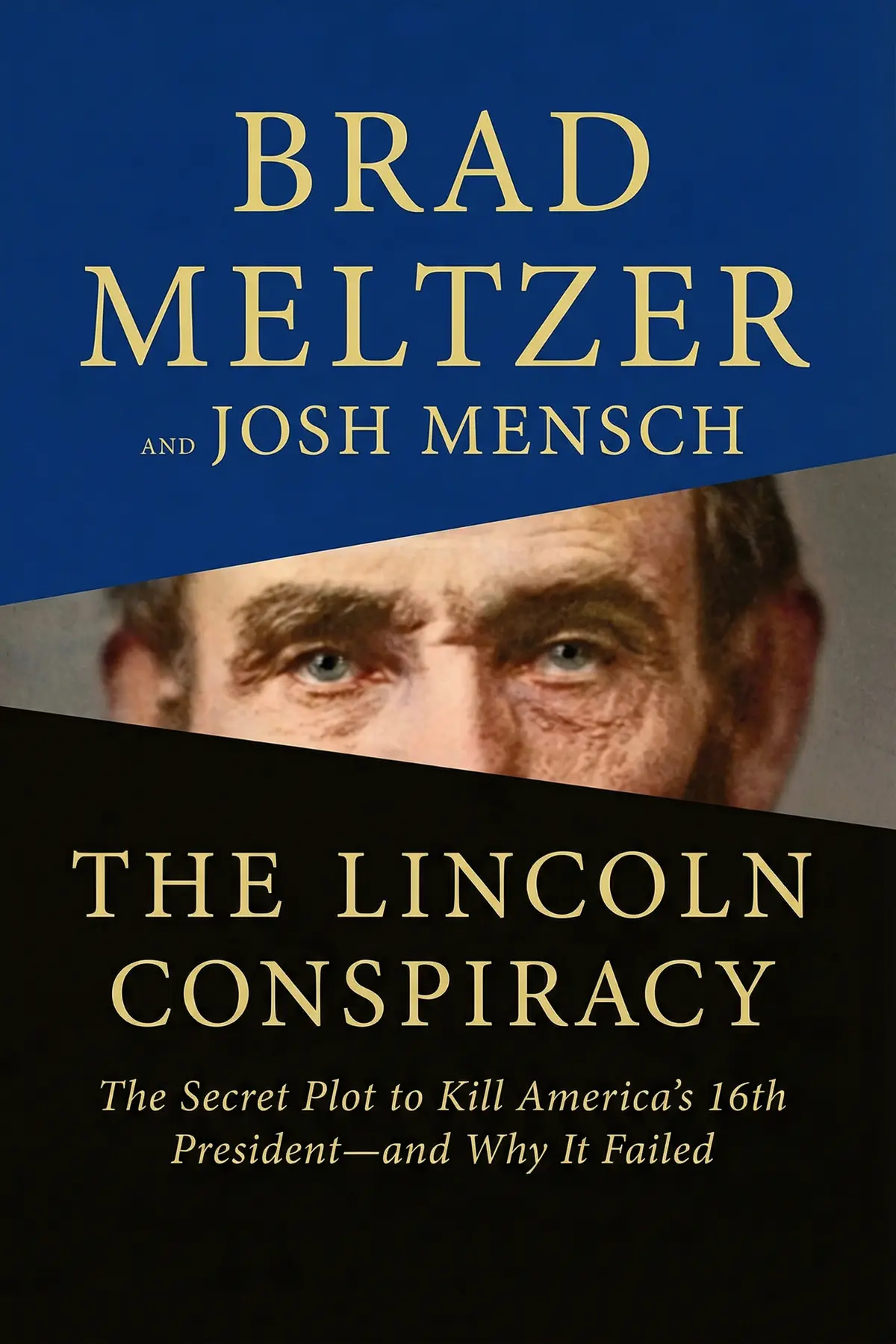
Brad Meltzer studied at the University of Michigan and Columbia Law School and began as a thriller writer with the bestseller The Tenth Justice. His history books include The First Conspiracy and The Lincoln Conspiracy, and he hosted the History Channel show Brad Meltzer's Decoded. Josh Mensch, a Princeton graduate, writes historical nonfiction and produces documentary television about history and culture. The two have co-written four books about pivotal moments in American history, most recently The JFK Conspiracy.
Ratings & Reviews
Ratings at a glance
What people think
Listeners find the book to be gripping and expertly written, reading much like a detective thriller while providing thorough historical facts. Furthermore, listeners appreciate the narrative from this pair of master storytellers, noting the extensive detail and historical accuracy of the content. They also value the authors' methodology, with one listener highlighting how their presentation style truly makes the history come alive.
Top reviews
Ford
Wow. I didn’t expect a nonfiction book about the 1943 Tehran Conference to read like a high-octane political thriller, but Meltzer and Mensch absolutely nailed the pacing. They take the dry facts of history and inject a level of suspense that makes you forget you already know how World War II ends. The narrative focus on Mike Reilly and the Secret Service’s efforts to protect FDR was particularly fascinating to me. I had never heard of the specific Nazi spy networks operating in Iran, like the one run by Franz Mayr. While some might argue the 'plot' itself is based on thin evidence, the authors do a great job laying out why the threat was perceived as real at the time. It’s a masterclass in making history accessible and exciting for a general audience. If you enjoy detective stories with a historical backdrop, this is a must-read for your collection.
Show morePruet
Brad Meltzer and Josh Mensch have done it again by shining a light on a 'little known' corner of the Second World War. The way they weave together the different threads—the Nazi agents in Tehran, the internal politics of the Allies, and the sheer physical toll on FDR—is nothing short of brilliant. This book reads like a detective novel where the stakes are the fate of the entire free world. I was particularly gripped by the descriptions of the security measures taken during the conference. You can really feel the paranoia and the weight of the moment in every chapter. Some critics say it’s too dramatic, but I think that’s exactly what makes it so readable. It brings these historical figures to life as actual human beings rather than just names in a textbook. I couldn't put it down and finished it in just two sittings.
Show moreNannapat
The depth of research here is staggering, especially regarding the Secret Service logs and the German intelligence reports. Meltzer and Mensch have a gift for finding the human elements in these massive historical events. I was fascinated by the logistical details of how they got a paralyzed FDR halfway across the world in total secrecy. The threat from the Nazi underground network in Tehran felt very real through the authors' vivid descriptions. Even if the assassination plot was ultimately foiled or exaggerated, the bravery of the men protecting the Allied leaders is worth documenting. The book moves at a breakneck speed and the short chapters make it very hard to find a stopping point. It’s a fantastic look at the intersection of diplomacy and danger. I would highly recommend this to anyone who loves a good spy story or WWII history.
Show morePhu
Finally got around to this one, and it didn't disappoint. I've always been a fan of Meltzer's fiction, so I was curious to see how he handled a true story. He and Josh Mensch have a great rhythm, blending hard facts with a narrative drive that is rare in history books. The chapters focusing on the Nazi paratroopers and the ruthless Otto Skorzeny were absolutely chilling. It’s terrifying to think how differently the 20th century could have turned out if those three men had been killed in Iran. The book does a wonderful job of exploring that 'what if' scenario without losing sight of the actual events. I found the ending to be quite moving, especially the reflections on Roosevelt's declining health. It’s a powerful, well-written book that proves truth is often just as exciting as fiction. A definite five stars for keeping me hooked from start to finish.
Show moreYaowaluk
As a history enthusiast, I went into this expecting a dense academic text, but what I got was a very polished piece of pop-history. The book spends a significant amount of time setting the stage—the rise of Hitler, the friction between Churchill and Stalin, and the logistical nightmare of meeting in Iran. Some might find the build-up a bit slow, but I appreciated the context because it made the eventual summit feel much more consequential. The details regarding Otto Skorzeny and the German intelligence operations were the highlight for me. To be fair, the 'conspiracy' mentioned in the title feels a bit secondary to the general history of the Big Three's relationship. It’s a bit sensationalized in parts, using a present-tense style that feels very cinematic, but it kept me turning pages. It’s a solid four-star read that offers a unique perspective on a well-documented era.
Show moreNong
The tension in these pages is palpable, even if the historical record is a bit thin on the actual assassination attempt. Meltzer uses his thriller-writing expertise to structure the chapters in a way that keeps you on edge. I found the sections on the German 'Abwehr' and the operations of Walter Schellenberg to be the most compelling parts of the narrative. It’s interesting to see how close the Nazis actually came to infiltrating the Allied communications. Look, is it 100% factually certain? Probably not, and the authors are relatively honest about that in the final chapters. However, the atmosphere they create is incredibly immersive. The short, punchy chapters make it a breeze to move through, and the inclusion of photos adds a nice touch of authenticity. It’s a great pick for a weekend read if you want something that is both educational and entertaining without being overly dry.
Show moreWorawit
Ever wonder what really happened in Tehran back in '43? This book attempts to answer that by diving into the murky world of wartime espionage and the alleged plot to kill the Big Three. Personally, I think the strongest parts of the book are the character studies of Roosevelt and Churchill. Their friendship was so vital to the war effort, yet this book shows the cracks and the stress they were under. The authors do a great job of making the reader feel the heat and the dust of Iran during that pivotal week. While the 'conspiracy' might be more legend than fact, the context provided about the Nazi presence in the Middle East was eye-opening. It’s a fast-paced, enjoyable read that makes history feel alive. It might not satisfy the most hardcore academic historians, but for a casual reader like me, it was exactly what I wanted.
Show moreHannah
Not exactly what I was expecting from the title, but I ended up enjoying it anyway. The book functions more as a dual biography of the Big Three leaders leading up to their first meeting than a focused study of a single conspiracy. To be fair, the authors do eventually get to the Nazi plot, but it takes a while to get there. The writing is very accessible—it's definitely 'pop-history' in the vein of Bill O'Reilly's 'Killing' series. I think the highlight was learning about the friction between the British and American intelligence agencies. They didn't always trust each other, and that added another layer of complexity to the story. While I agree with other reviewers that the evidence for the plot is mostly circumstantial, the book still succeeds as a gripping narrative. It’s well worth the effort for the insights into the Tehran summit alone.
Show moreNikolai
I’m torn on this one because the writing is undeniably engaging, yet the core premise feels a little shaky. The book is titled 'The Nazi Conspiracy,' but by the end, even the authors admit there is no smoking gun proving the assassination plot actually existed. It feels like a bit of a bait-and-switch when you spend ten hours on an audiobook only to find out the 'plot' might have been Soviet misinformation. Frankly, the middle section drags as it retells standard WWII history that most people already know. I did enjoy the insights into the personal dynamics between Roosevelt, Churchill, and Stalin, though. Their petty arguments and the tension of the 'Eureka' meeting provided the real drama. If you want a fun, fast-paced story and don't mind a lot of conjecture, you'll probably like it. Just don’t expect a definitive historical revelation that changes everything we know about the war.
Show moreNiramai
This should have been a long-form article at most. I found the book to be incredibly verbose and repetitious, often circling back to the same points just to maintain a sense of drama. The present-tense writing style was distracting and made the whole thing feel more like a screenplay for a History Channel special than a serious work of non-fiction. There’s a lot of 'what if' and 'could have been,' but very little concrete evidence to support the sensationalist title. Most of the book is just a general summary of WWII events that I’ve read a dozen times before in better books. By the time I reached the end, I felt frustrated by the lack of a real climax. The narrator of the audiobook was fine, but even he couldn't save the repetitive nature of the prose. It’s a disappointing entry from authors I usually respect much more.
Show moreQuestions about this book
What is The Nazi Conspiracy by Brad Meltzer and Josh Mensch about?
It tells the true story of the first meeting of Roosevelt, Churchill and Stalin, held in Tehran in late 1943, and the Nazi plot to assassinate them there. The authors follow Roosevelt’s long effort to bring Stalin to the table, a German spy network built in Iran by Franz Mayr, and Operation Norma, a mission linked to the commando Otto Skorzeny, until Soviet agents broke it up.
How was the Nazi plot to kill the big three stopped?
Soviet intelligence arrested most of Mayr’s network before the conference and then found the last six spies in a Tehran safe house, radioing Berlin. The young Soviet agents considered letting the plot continue so they could catch Skorzeny, but decided the risk was too great. They raided the house during the first two days and let one operator warn Berlin the mission was blown.
Why was the Tehran Conference so important?
It was the first time all three Allied leaders met in person. Stalin had long demanded an invasion of northern France to ease pressure on the Eastern Front, while Churchill preferred Italy. On the final day, Churchill’s 69th birthday, he fully backed the channel crossing. That decision led directly to the Normandy landings of June 6, 1944.
What lessons does The Nazi Conspiracy offer beyond history?
The story shows how to hold difficult partners together: Roosevelt kept writing, used good news to shift the mood, and gave each leader something he valued, even after Churchill stormed out over a joke. It also warns that a threat is not over just because its leader is caught, as six spies remained after Mayr’s arrest.
Readers also enjoyed


A History of Iran: Empire of the Mind
Michael Axworthy

A History of the World in 6 Glasses
Tom Standage

A Long Way Gone: Memoirs of a Boy Soldier
Ishmael Beah




A Splendid Exchange: How Trade Shaped the World
William J. Bernstein

A Spy Among Friends: Philby and the Great Betrayal
Ben Macintyre

AUDIO SUMMARY AVAILABLE
Listen to The Nazi Conspiracy in 15 minutes
Get the key ideas from The Nazi Conspiracy by Brad Meltzer, plus 5,000+ more nonfiction titles.
- 5,000+ titles
- Listen as much as you want
- 7-day free trial
- Cancel anytime









