
13 min 22 sec
Available in: English
The Education of Millionaires: Everything You Won't Learn in College About How to Be Successful
Shows why the classic route of good grades, a top college and a secure job no longer protects you, and which skills self-made people build instead: personal branding, selling, smart risk-taking and ownership.
Table of Content
1. Introduction
1 min 05 sec
Many people still follow the plan they were handed at school: good grades, a respected college, a steady job. In The Education of Millionaires, writer Michael Ellsberg argues that this plan, sold as the safe one, has become the risky one as technology and global competition reshape work. His interviews with self-made millionaires point to a different set of skills, almost none of them taught in a classroom.
The people he profiles built reputations anyone could find online, learned to sell, took small risks again and again, and treated every result as theirs to own. That is the case the stories here make: in a fast-changing economy, security comes from what you can create and how well you make it known.
Along the way you meet a graduate who found her industry with a $100 ad, a carpet cleaner rescued by one blunt sentence, and a founder who lost a million before building a company earning $30 million a year. Each one leaves a move you can try this week.
2. Own every outcome, even the worst ones
1 min 55 sec
School trains us to follow instructions, avoid blame and wait for a grade. A man told he would never walk again shows what happens when someone drops that habit completely.
3. Make your Google trail your real resume
2 min 02 sec
A graduate who could not get a single interview stopped applying altogether. What she did with a hundred dollars had insiders at every major publisher asking her to send them her details.
4. Learn marketing skills to thrive in any career
2 min 04 sec
A former fast-food worker became one of the best-paid consultants in the world. The skill that got him there is one most schools ignore, and it matters even if you never sell a product.
5. Chase a big purpose without going broke
1 min 49 sec
A future rock legend once ended up in hospital from malnutrition. His story frames a hard question about passion and money, and a Facebook cofounder shows a way to come out ahead either way.
6. Fail fast and cheap, then try again
1 min 39 sec
One entrepreneur made and lost a million dollars before he turned thirty, then started over with almost nothing. His comeback rests on a habit Ellsberg compares, of all things, to dating.
7. Fix yourself first, then the business
1 min 37 sec
A struggling carpet cleaner expected advice about his company. His mentor pointed somewhere far more uncomfortable, and the answer turned a near-bankrupt business into a multimillion-dollar practice.
8. Conclusion
1 min 11 sec
Ellsberg’s education happens almost entirely outside school. A graduate finds her industry with a $100 ad. A fast-food worker learns to write copy that sells. A carpet cleaner reads his way back from the brink of bankruptcy. A man told he would never walk turns a crash into a career. None of them waited for permission or a certificate, and Ellsberg’s point is that the economy now rewards exactly that.
His closing case is that security comes from calculated risks, value created without being asked, and influence built through a voice and a body of work that are clearly yours. That applies to employees as much as to founders.
The book supports a handful of moves you can start on now. Search your name and make sure the results show something you made. Spend an evening studying a master copywriter, then rewrite one of your own pitches. Shrink your next idea into a small, cheap test you can run within weeks. And when something fails, ask first what was missing in your own skills.
A diploma tells people where you studied. Your trail of work tells them what you can do.
About this book
What is this book about?
Most people were told that good grades, a respected college and a steady job add up to the safe choice. Michael Ellsberg argues that as technology and globalization reshape work, that plan has turned risky, and that the skills which now decide careers are almost never taught in a classroom. Drawing on interviews with self-made millionaires and conversations with figures such as PayPal founder Peter Thiel, Ellsberg sets out what they learned on their own. They built personal brands that anyone could find online. They studied marketing and direct-response selling. They took small, calculated risks over and over, and they treated every setback as theirs to own and learn from. The stories range from a graduate whose $100 Facebook ad got publishing insiders urging her to apply, to a carpet cleaner who read his way back from the edge of bankruptcy, to a founder who lost a million before building a company earning $30 million a year. Readers get a clear argument against relying on credentials, and practical moves for building influence, selling ideas and testing new ventures cheaply, whether they work for someone else or for themselves.
Book Information
Who it's for
Students and graduates
Graduates and students who suspect a degree alone will not get them the career they want.
Stuck sending resumes
Employees stuck sending resumes who want a reputation that brings opportunities to them.
Future founders
Would-be founders with a passion project who need a sane way to take risks and sell.
About the Author
Michael Ellsberg
Michael Ellsberg was born in San Francisco in 1977. He published The Education of Millionaires in 2011, building it on interviews with self-made millionaires and conversations with figures such as PayPal founder Peter Thiel. He is also the author of The Last Safe Investment.
Ratings & Reviews
Ratings at a glance
What people think
Listeners find this book offers excellent perspectives and real-world instances, making it an essential resource for those aspiring to wealth. Furthermore, the material is full of useful tools and advice, featuring engaging anecdotes about high achievers. The content is both entertaining and thought-provoking, and one listener notes it offers specific tactics for success in business. However, opinions on the prose are divided, as some describe the writing as high quality while others consider it poorly written.
Top reviews
Jun
Picked this up because I was feeling stuck in my 9-5, and it was exactly the kick in the pants I needed. Michael Ellsberg doesn't just give you vague motivation; he breaks down specific tactics for success that schools completely ignore, like how to actually build a world-class network without a degree. The chapter on 'making your meaning work' resonated deeply with me. It’s a referendum against the idea that you need a diploma to be a mover and shaker. While he does reference a lot of other experts and blogs, I found that list of resources to be one of the most valuable parts of the book. It’s like a curated curriculum for a self-taught MBA. Some might find his tone a bit much, but if you want to become the author of your own life, you need to hear this stuff. Truly a page-turner for anyone looking to rely more on their creative faculties and less on a resume.
Show moreMint
Finally got around to reading this after hearing so much hype about 'the new education,' and it lived up to the promise. As someone who considers the day I dropped out of college the first real day of my learning journey, this book spoke my language. Ellsberg interviews a wide variety of personalities—not just tech CEOs, but musicians and fashion designers too. This variety proves that the 'entrepreneurial mindset' isn't just for Silicon Valley types. The section on bootstrapping and investing in yourself is worth the price of the book alone. It’s a refreshing take that challenges the mandatory nature of the traditional path. It’s an empowering read for anyone who wants to take their career into their own hands. I finished it on a single flight and immediately passed my copy to a friend who was struggling with student debt. This is essential reading for the modern economy.
Show moreNadia
Wow, I wish I had read this before I signed my life away for student loans. This book is a masterclass in 'practical intelligence.' Ellsberg breaks down the wall between the 'elites' and the rest of us by showing that success is largely a matter of mastering soft skills like sales, marketing, and relationship building. The stories are inspiring and the seven success categories provide a clear roadmap for anyone looking to transition out of an employee mindset. I found the advice on how to navigate social and business networks with grace to be particularly helpful. It’s not just about greed; it’s about having the initiative to create value in the world on your own terms. Whether you're a dropout or a PhD, there is something in here that will challenge your assumptions about what it takes to thrive. Definitely a must-read for the modern era.
Show moreKiattisak
The chapter on finding mentors really changed my perspective on how to approach high-level people in my industry. To be fair, Ellsberg is incredibly bold—sometimes bordering on arrogant—especially when he talks about his fellow Brown graduates licking envelopes for non-profits. However, if you can get past his Ivy League chip-on-the-shoulder, the advice on soft skills and 'practical intelligence' is gold. He highlights seven key categories that are essential for anyone trying to build a brand. I particularly liked the focus on sales and marketing as foundational skills rather than something to be looked down upon. It’s not a traditional business book with deep case studies, but more of a guidebook for self-education. I would have given it five stars, but I wish he had compiled all his external resource recommendations into a single index at the back. Still, it is a very stimulating read.
Show moreTar
Ever wonder why some people with no formal training end up running circles around MBA graduates? This book attempts to answer that by focusing on soft skills like charisma, persistence, and social navigation. I gotta say, the stories of self-made millionaires are genuinely interesting and well-organized. Ellsberg makes a compelling argument that your drive and initiative matter more than the letters after your name. My only real gripe is that the author hasn't actually achieved the millionaire status he's preaching about, which makes some of his advice feel a bit secondary. However, his honesty about his own failures and his willingness to direct readers to better teachers like Zig Ziglar or Keith Ferrazzi is appreciated. It’s a solid resource for anyone who wants to understand the psychology of success without sitting through a four-year lecture. The writing is snappy, though at times it feels a bit like a collection of blog posts.
Show moreWorawit
As someone who actually enjoyed college but felt woefully unprepared for the 'real world,' I found this incredibly stimulating. The book is essentially a referendum on the current state of higher education. Ellsberg uncovers what he calls the 'seven key self-education categories' that are missing from university curricula. I found the section on 'building the brand of you' to be particularly relevant in today’s gig economy. While the author’s tone is definitely aggressive and he occasionally stoops to insulting opposing views, the practical advice on networking and bootstrapping is hard to ignore. It’s a page-turner that forces you to question the ROI of your own education. I appreciated the specific tips for finding mentors, as that’s something nobody ever teaches you. It’s not a perfect book, and some of the examples feel a bit 'get rich quick,' but the underlying message about self-reliance is vital for survival today.
Show moreRungrat
After hearing Ellsberg on a podcast, I decided to give his book a shot, and I'm glad I did. It’s a fantastic collection of insights for anyone who feels that their formal education failed to prepare them for business. The focus on direct-response marketing and sales is a breath of fresh air compared to the 'fluff' usually found in career guides. Personally, I didn't mind that he isn't a millionaire himself; his role is more of a journalist uncovering the secrets of those who are. He provides a wealth of resources and blog suggestions that I’ve already started diving into. My only complaint is that the writing is a bit immature and confrontational in the early chapters, but the quality of the interviews makes up for it. It’s a practical, entertaining, and highly useful guide to taking control of your own professional development.
Show moreIngrid
Frankly, this feels like a long-form sales pitch for a specific corner of the internet marketing world. I went in expecting detailed case studies of various billionaires, but instead, I got a lot of name-dropping and mentions of people like Frank Kern. While I don't disagree with the core thesis that the higher education system is broken, I think Ellsberg's delivery is often confrontational and immature. He makes broad statements about the worthlessness of degrees without providing much empirical evidence or actual statistics to back them up. Look, there are some great nuggets here regarding networking and the entrepreneurial mindset, but you have to sift through a lot of fluff and 'shyster' energy to find them. If you’ve already read Tim Ferriss or Seth Godin, you might find this a bit redundant. It’s a decent overview of business skills, but it lacks the depth of the books it frequently recommends.
Show moreVarinee
Look, the core message here is solid: college isn't the only path to success. But Ellsberg’s tone can be incredibly grating at times. He seems to have a personal vendetta against the academic system, which makes the writing feel angry and biased rather than objective. I personally found the name-dropping of people like Seth Godin and Victor Cheng a bit excessive, although the resources he points to are admittedly high-quality. The book boils down to five or six simple ideas about networking and sales that could have been covered in a long essay. That said, the interviews with self-made entrepreneurs are interesting enough to keep you turning the pages. It’s a good 'meta-book'—a book that tells you which other books to read—but don't expect it to be the only resource you'll ever need. It's useful but definitely not earth-shattering.
Show morePor
Not what I expected from a book titled 'The Education of Millionaires.' I was looking for substance, but what I found was a self-absorbed narrative that relies heavily on survivorship bias. Ellsberg spent the whole time brow-beating anyone who values a traditional path, yet he constantly reminds us of his own Ivy League pedigree. It’s a bit hypocritical. The advice is watery and mostly consists of telling you to go read other, better books like 'SPIN Selling' or 'The 4-Hour Work Week.' To be honest, I felt like I was being sold a 'prosperity lifestyle' that doesn't exist for 99% of people. His dismissive attitude toward those working in non-profits or traditional jobs is incredibly off-putting and shallow. If you want real business tactics, look elsewhere. This is more of a minimalist’s guide to selling out than a serious educational resource. Save your money and just browse a top-10 list of marketing blogs online instead.
Show moreQuestions about this book
What is The Education of Millionaires about?
Michael Ellsberg argues that the traditional safe path of good grades, a top college and a secure job has become risky as technology and globalization change work. Drawing on interviews with self-made millionaires, he describes the skills they learned outside school: building a personal brand people can find online, marketing and selling, taking small calculated risks repeatedly, and owning every outcome instead of waiting for instructions.
What does Ellsberg mean by Google is your new resume?
He means your personal brand, what people find and think of when they hear your name, matters more than a polished resume that sits in a pile with hundreds of others. His examples include Marian Schembari, who bought $100 of Facebook ads aimed at New York publishing staff and soon had insiders urging her to apply. The method is to create something original and leave an online trail leading to it.
What is iteration velocity?
Iteration velocity is Ellsberg’s term for trying new things quickly and cheaply, collecting feedback and improving fast. Because most businesses fail, he argues, the winners are those who make many small attempts. He compares it to dating: no single date is likely to work out, yet each one teaches you something. Starting a low-overhead service business is one way he suggests keeping the cost of each attempt small.
Why does Ellsberg say everyone should learn marketing?
He believes formal education ignores the language of money, sales and influence, which the information economy rewards. Even employees need people to support their ideas and act on them. He favors honest direct-response marketing, which asks for one specific action such as a purchase or a sign-up, over costly image-building, and suggests learning by studying master copywriters and practicing their techniques.
Who should read The Education of Millionaires?
It suits students and recent graduates questioning whether a degree is enough, employees who want to stand out without relying on credentials, and aspiring entrepreneurs weighing passion against money. Its stories, from Hal Elrod’s recovery to Joe Polish rescuing his carpet-cleaning business, show readers how to take ownership, build a findable reputation and test ideas without risking everything.
Readers also enjoyed

60 Seconds & You’re Hired!
Robin Ryan




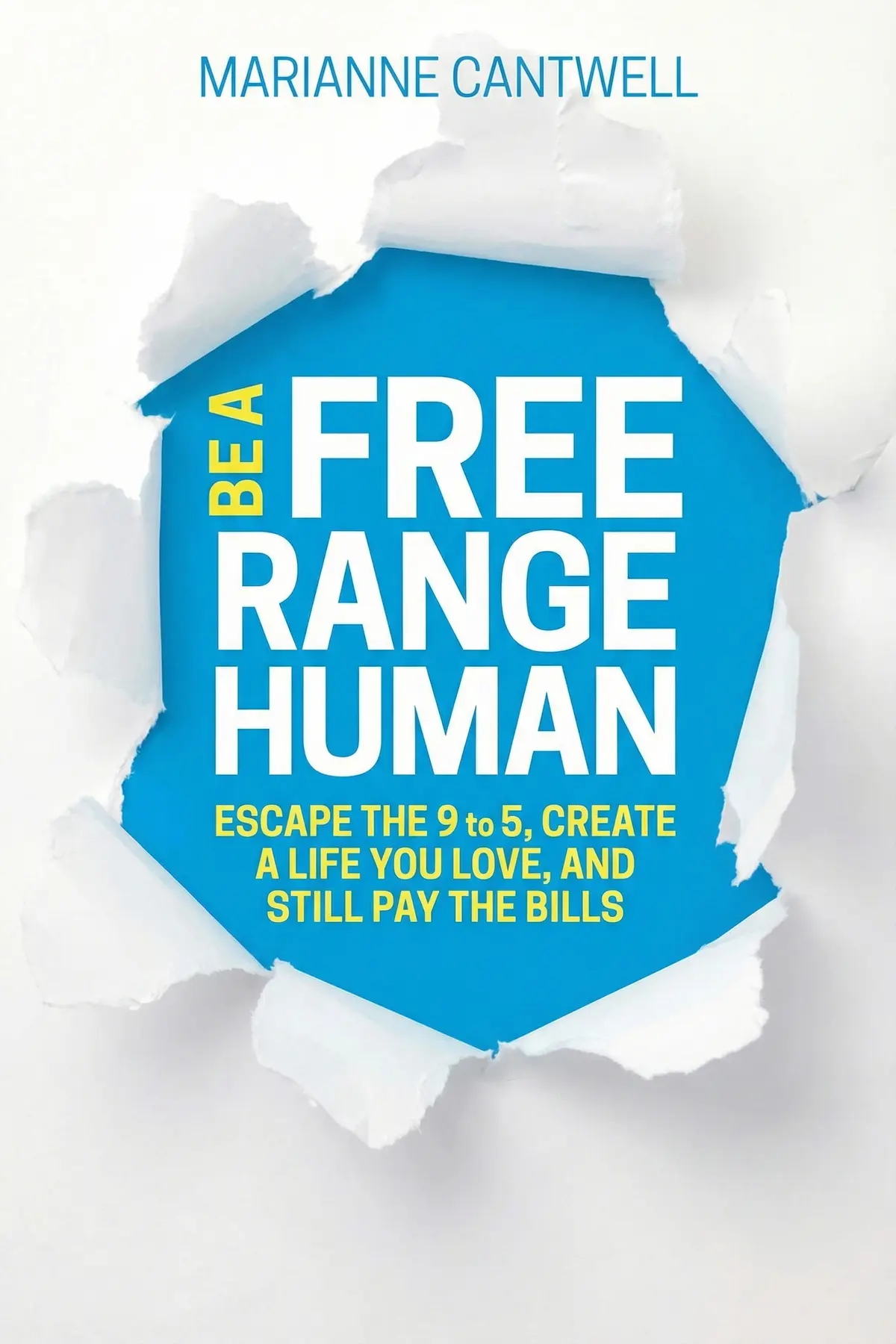
Be A Free Range Human: Escape the 9 to 5, Create a Life You Love,
Marianne Cantwell
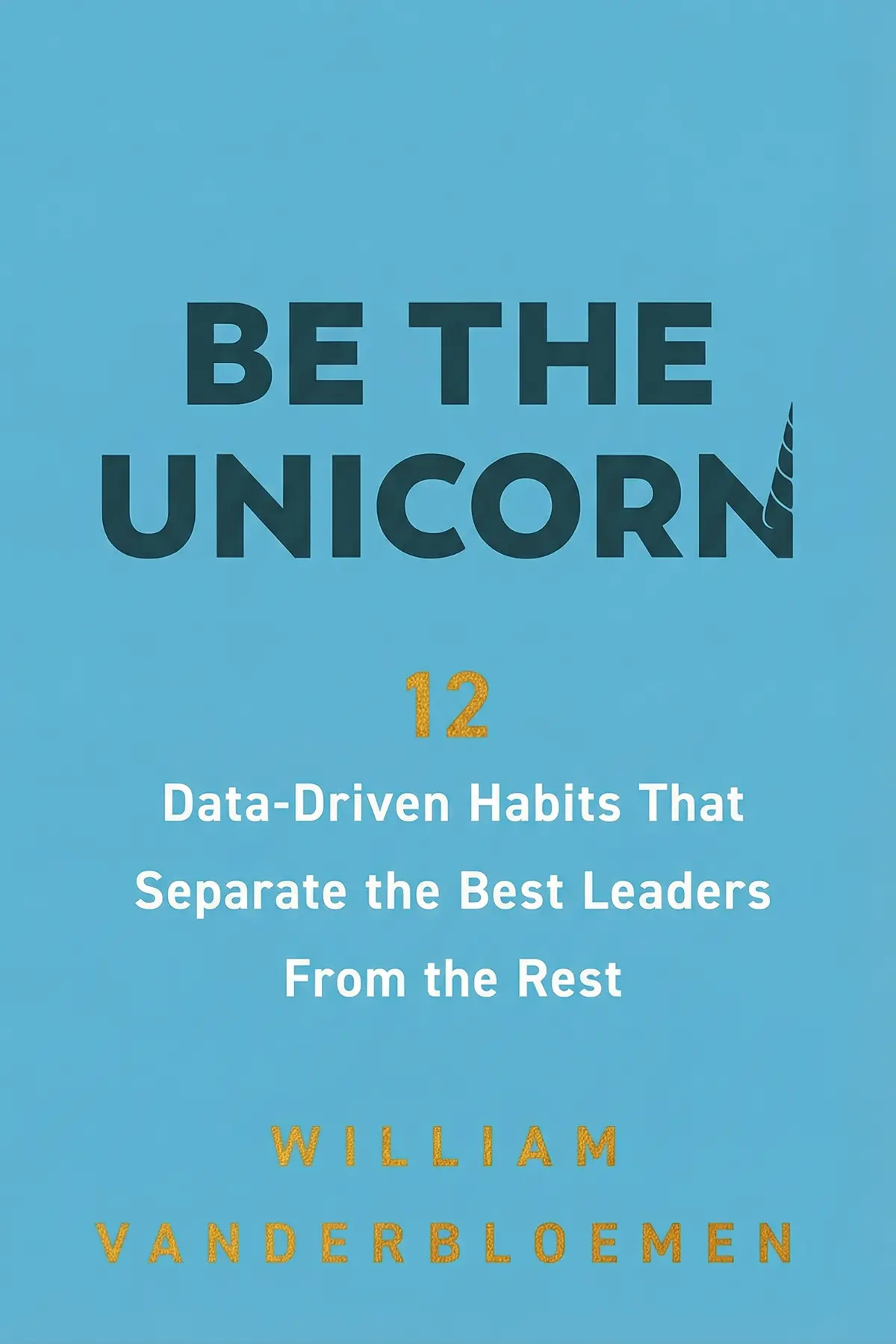
Be the Unicorn: 12 Data-Driven Habits That Separate the Best Leaders from the
William Vanderbloemen
AUDIO SUMMARY AVAILABLE
Listen to The Education of Millionaires in 15 minutes
Get the key ideas from The Education of Millionaires by Michael Ellsberg, plus 5,000+ more nonfiction titles.
- 5,000+ titles
- Listen as much as you want
- 7-day free trial
- Cancel anytime









