
14 min 38 sec
Available in: English
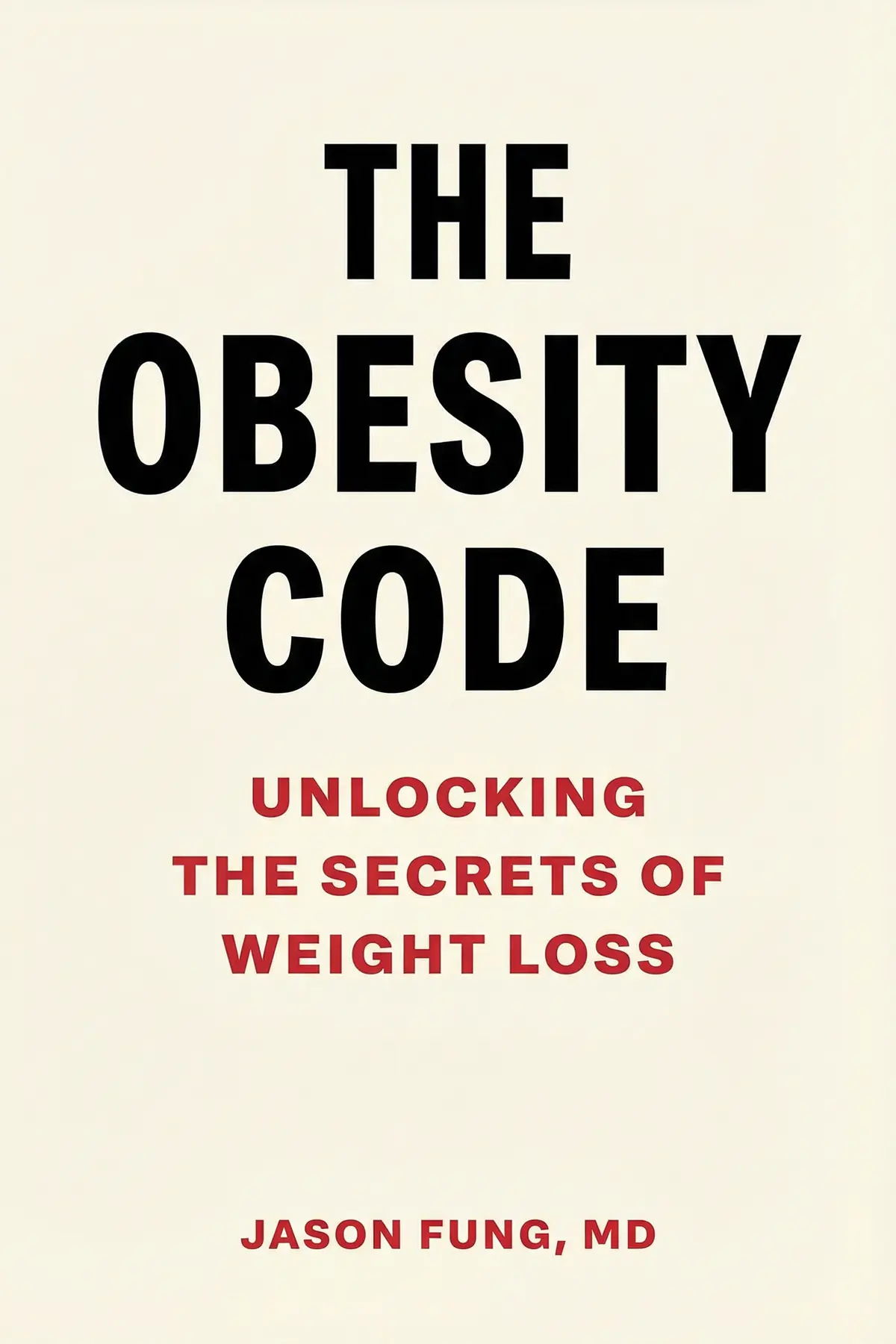
The Diabetes Code: Prevent and Reverse Type 2 Diabetes Naturally
By Jason Fung
Explains why type 2 diabetes comes from too much insulin and a fatty liver, and how cutting fructose and refined carbohydrates and fasting intermittently can prevent and reverse it.
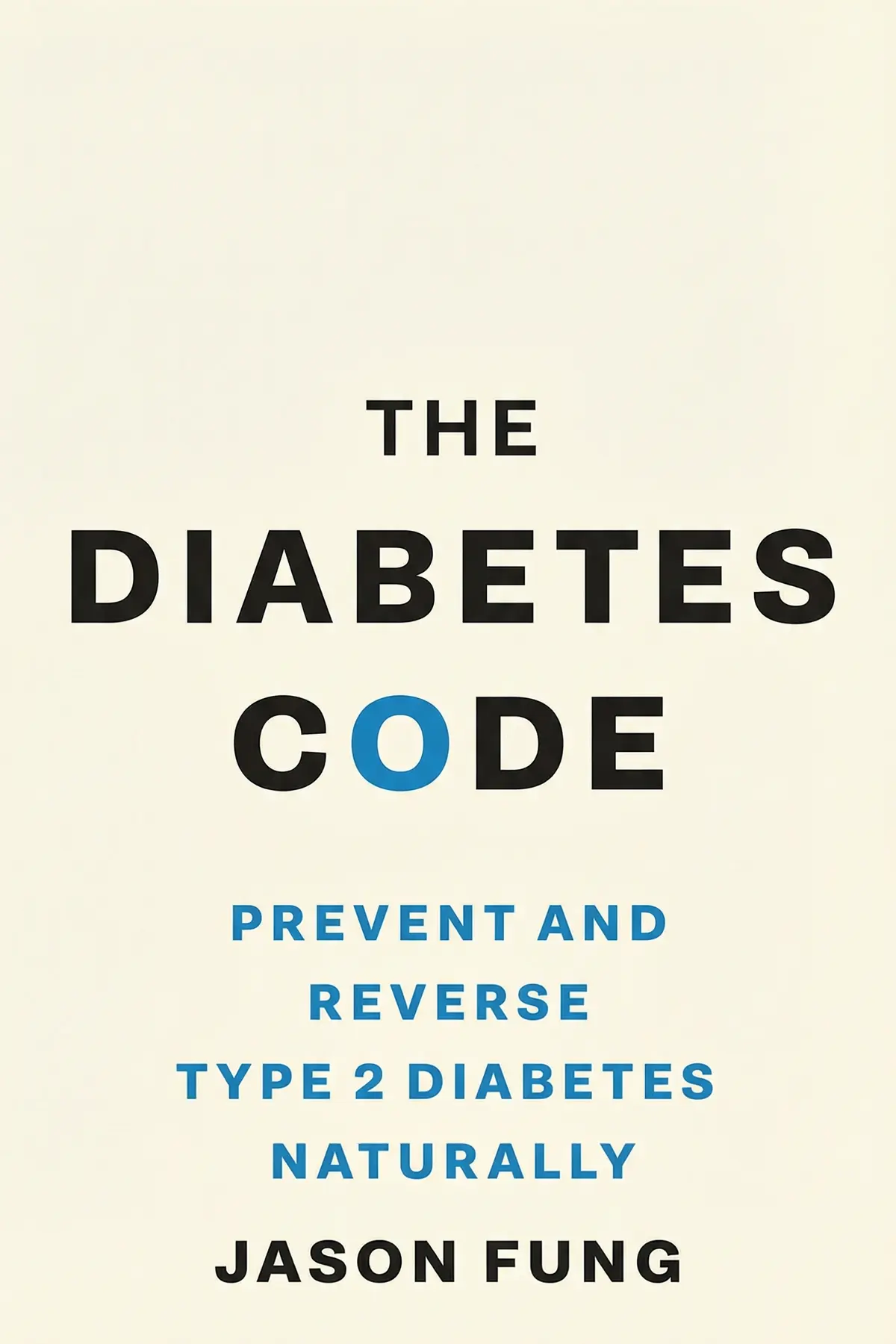
Table of Content
1. Introduction
57 sec
If you or someone you love has type 2 diabetes, the usual story is a slow decline managed with ever larger doses of medicine. In The Diabetes Code, Toronto kidney specialist Jason Fung argues that this story has the disease backwards: type 2 diabetes is a problem of too much insulin, not too little. That single reversal changes everything that follows. If the body is already drowning in insulin, injecting more makes little sense, and the real goal becomes bringing insulin down.
Fung builds his case from the liver outward. He shows how sugar and refined carbohydrates clog the liver with fat, why one sugar does the most harm, what failed drug trials and successful surgery reveal, and why short bursts of fasting beat daily dieting. The payoff is a clear picture of what drives the disease and a set of food and fasting choices worth taking to your doctor.
2. See type 2 diabetes as an insulin overload
1 min 26 sec
Two diseases share one name, yet they move in opposite directions inside the body. Treating them the same way, with insulin shots, can backfire for type 2 patients, and the trouble starts with a simple misunderstanding.
3. Stop fighting weight with calorie cuts alone
1 min 25 sec
Eating less seems like the obvious answer to weight gain and the diabetes that follows it. A Harvard researcher proved the link, but the body has a stubborn way of defeating the standard fix.
4. Understand how a fatty liver sets off insulin resistance
1 min 34 sec
Three weeks of sugary snacks barely changed people’s weight. Inside their bodies, though, something had shifted dramatically, and it was the beginning of the road to diabetes.
5. Find the sugar that lands on your liver
1 min 36 sec
One kind of sugar slips past most of the body and heads for a single organ. Its share of the average diet has climbed steadily since the nineteenth century, helped along by one cheap ingredient.
6. Learn the risks of extra insulin for type 2
1 min 40 sec
A major trial tried to save lives by pushing blood sugar down harder and faster. The outcome was so alarming that researchers had to stop early, and it reshapes how insulin injections should be seen.
7. Learn the lesson hidden in weight loss surgery
1 min 34 sec
An operation makes type 2 diabetes vanish in almost every patient who has it. Its price and risks are steep, but the reason it works points toward something anyone could try.
8. A plate with less sugar and white flour
1 min 42 sec
Sugar turns up in places few people think to check, from bread to meat. Cutting it, along with one other food group, does not mean giving up the dishes you love most.
9. Fast in bursts instead of starving every day
1 min 42 sec
Nearly everyone who followed standard portion advice in one study failed. A different pattern, eating normally most days and nothing on others, produced a result that matters far more for diabetes than the scale.
10. Conclusion
1 min 02 sec
Fung’s case rests on one reversal with practical consequences. Once type 2 diabetes is seen as an excess of insulin, the puzzling findings line up. Calorie cuts stall because the body slows down. Injections can raise heart risk because they add to the overload. Surgery cures most patients because it empties a fatty liver. And that same emptying is open to anyone through food and timing.
The daily choices turn out smaller and clearer than a lifetime of medication suggests. Read labels for the sugar hiding in bread, sauces and drinks, and trade white rice and white pasta for whole-grain versions, letting fish, nuts, avocados and good oils fill the gap. Then, with a doctor’s guidance, try a fasting pattern that fits your life, whether an eighteen-hour stretch from dinner to breakfast or a few days every couple of months.
The three-year-old in Texas shows how early the overload can begin. Fung’s message is that it can also be undone, one emptied liver at a time.
About this book
What is this book about?
Type 2 diabetes affects nearly 400 million people worldwide, and the usual treatment is more medication, often insulin injections. Kidney specialist Jason Fung argues that this approach misreads the disease. Type 1 diabetes is a shortage of insulin. Type 2, he says, is the opposite: years of sugar and refined carbohydrates flood the body with insulin until the liver turns fatty and stops responding. From that starting point, Fung explains why daily calorie cutting rarely works, why one sugar, fructose, is especially hard on the liver, and why studies such as the ACCORD trial found that pushing blood sugar down with more insulin raised the risk of death. He also shows what weight loss surgery reveals: it cures most patients because it empties an overloaded liver, a result he believes can be reached without an operation. Readers get a clear model of how the disease develops and a practical plan built on two food strategies and intermittent fasting, with concrete examples of where sugar hides and how to start a fasting routine safely with medical guidance.
Book Information
Who it's for
Newly diagnosed adults
Adults recently told they have type 2 diabetes or prediabetes who want to understand the cause.
On insulin or medication
People on insulin or diabetes medication curious about what diet and fasting could change.
Stuck counting calories
Dieters stuck after years of calorie counting who want an approach built on insulin.
About the Author
Jason Fung
Jason Fung is a Canadian nephrologist, or kidney doctor, who studied medicine at the University of Toronto and completed a nephrology fellowship at the University of California, Los Angeles, before practicing in Toronto. Treating patients whose type 2 diabetes had damaged their kidneys, he noticed a link between insulin medication and weight gain, which led him to prescribe intermittent fasting and low-carbohydrate eating. He co-founded The Fasting Method and wrote The Obesity Code, which sold over 2 million copies.
Ratings & Reviews
Ratings at a glance
What people think
Listeners find this guide to diabetes highly accessible and thoroughly researched, presenting clear scientific data that assists them in managing and understanding their health. The content is easy to digest, especially for laypeople, and offers practical strategies. Listeners mention substantial results regarding blood sugar control and weight reduction, with one listener noting their BMI dropped from obese to overweight. Characterizing the book as life-changing, listeners explain that it encouraged them to focus on their well-being and saved their lives.
Top reviews
Takeshi
Finally found a resource that treats type 2 diabetes like the dietary disease it actually is rather than a progressive death sentence. For years, I watched my father follow the standard medical advice—taking his insulin, eating his 'healthy' carbs—only to watch his health enter a brutal downward spiral. Dr. Fung explains with crystal-clear logic why adding more insulin to a body already overflowing with sugar is like trying to put out a fire with gasoline. The realization that this condition is reversible through fasting and carb restriction was a massive weight off my shoulders. I followed the protocols for just four months and watched my fasting glucose drop from 115 down to 88. It works. The technical explanations of hormonal pathways might be a bit dense for some, but for me, they provided the 'why' I had been missing for over a decade. This isn't just another diet book; it’s a blueprint for taking your life back from a system that seems content to just manage your decline.
Show moreErn
The science behind insulin resistance is presented here in a way that just makes sense, even for someone without a medical degree. I previously believed that a calorie was just a calorie, but Fung totally dismantled that myth by showing how our bodies react differently to broccoli versus pasta. Truth is, I was terrified of the complications like blindness or kidney failure that run in my family, and this book provided a path out of that fear. My BMI has already shifted from the obese category into merely overweight, and for the first time in years, I don't feel like a slave to my next snack. The emphasis on intermittent fasting was a bit intimidating at first, but once you understand the biology, it becomes much easier to implement. I’m incredibly grateful for the practical advice on natural fats. It’s a life-changing read that I’ve already recommended to three people in my support group.
Show moreMadison
Wow, what a wake-up call this was for my entire family. I’ve been on a health kick lately, trying to undo the damage of years of processed food, and Fung’s writing style really drove the point home. He doesn’t sugarcoat the reality of T2D complications, and honestly, that’s exactly what I needed to hear. The section on how the liver becomes 'clogged' with fat was a lightbulb moment for me. While the author does use some pretty eccentric metaphors—comparing things to Rocky Balboa or grizzly bears—the core message remains powerful and scientifically grounded. I’ve shifted my eating habits to a more Mediterranean-style approach with limited windows of eating, and the energy levels I have now are night and day compared to six months ago. If you are pre-diabetic or just want to understand how your metabolism actually functions, you need to pick this up immediately.
Show moreNan
This book put the fear of God in me regarding what happens if you don't take insulin resistance seriously. Dr. Fung strips away the medical jargon and exposes the flaws in how we currently treat this disease. It’s simple. We are over-prescribing insulin for a problem caused by too much insulin. It’s like trying to cure an alcoholic by giving them more booze. I followed the intermittent fasting advice and my results have been nothing short of miraculous. My fasting glucose went from 101 to 85 in less than a year. No more brain fog. No more mid-afternoon crashes. This should be required reading for every GP in the country. It’s a shame that so much of our medical industry is built on treating symptoms rather than fixing the underlying dietary cause. This book saved my health.
Show moreThanit
After struggling with prediabetes for years, I finally feel like I have a handle on my health thanks to this book. I’ve spent thousands on different programs, but Fung’s explanation of the hormonal basis of weight gain was the first thing that actually clicked. I love all the specific studies he cites, even if some of the science talk gets a bit heavy in the middle chapters. It’s not just about what you eat, but when you eat. That distinction has made all the difference for me. I’ve adopted a low-carb, high-natural-fat routine and the weight is just falling off without me feeling like I’m starving. To be fair, you have to be disciplined to make it work, but the results are undeniable. My last blood panel was the best I’ve had in twenty years. This is a must-read for anyone serious about longevity.
Show moreDao
Dr. Fung makes a compelling case for why our current medical approach is backwards and potentially dangerous. Using insulin to treat a disease of insulin resistance is logically inconsistent, and this book explains why with great clarity. I was particularly interested in the discussion on how different foods affect the liver. I’ve switched to a diet rich in avocados, nuts, and olive oil while cutting out the refined grains I used to rely on. The results were almost immediate. My blood sugar stabilized, and the constant hunger I used to feel has completely vanished. It’s empowering to realize that you aren't just a victim of your genetics. You can actually change your biology through the choices you make at the dinner table. This book is a beacon of hope for anyone tired of the 'progressive' nature of T2D.
Show morePensuda
If you’ve already read 'The Obesity Code,' you might find some of the material here a bit repetitive since the two books share a lot of the same DNA. That being said, this is still an excellent deep dive into the specific mechanics of type 2 diabetes. Dr. Fung is a master at debunking the 'calories in, calories out' model which has failed so many people for so long. I do think the book could have been about fifty pages shorter if he didn't repeat the same points about insulin levels quite so often. However, the 'Quick Start' guide at the end is worth the price of admission alone. It’s practical, no-nonsense, and avoids the fluff you find in most wellness books. I’m currently down 20 pounds and my doctor is actually talking about reducing my medication. It’s a solid 4-star read that offers real hope where the standard medical establishment usually only offers more prescriptions.
Show moreTan
Look, the central message is vital, but the writing style is... unique, to say the least. The author loves a good simile, and while some are funny, others are just plain weird, like comparing a lack of weight loss to humility in a grizzly bear. It can be a little distracting when you're trying to absorb serious medical information. Beyond the quirks, the core argument about fatty liver and insulin resistance is incredibly compelling and well-researched. I appreciate that he challenges the 'low fat' dogma that dominated the 90s and clearly isn't working for the general population. It's a bit long-winded in the middle sections and repeats the same conclusions multiple times, but the information is too important to ignore. I’m definitely a believer in the fasting protocol now. I just wish the editing had been a bit tighter to make the reading experience smoother.
Show moreMuk
As someone who has seen the ravages of this disease first-hand, I found this book to be both terrifying and inspiring. The author explains that obesity and diabetes are essentially two sides of the same coin, which was a real eye-opener for me. While he admits that some people can be diabetic without being obese, the link he establishes is very strong. Gotta say, the intermittent fasting part was a tough sell at first, but it really is the most effective way to burn off stored glucose. My only real gripe is that he relies quite heavily on Occam's Razor to prove his theories, which feels a bit like a shortcut in a scientific text. Still, the practical results I've seen in my own life are hard to argue with. I feel better, look better, and my lab results finally look normal. It's an essential guide for the modern era.
Show moreJavier
Not to be a total skeptic, but I found the endorsements in this book incredibly problematic and scientifically questionable. When I saw Steven Gundry and Nina Teicholz on the cover, my alarm bells started ringing immediately given their controversial reputations in the nutrition world. Frankly, Fung’s definition of 'reversing' diabetes seems to be nothing more than a clever way of saying 'avoiding carbs so you don’t need a shot.' If you eat a piece of fruit and your blood sugar spikes, you are still diabetic! I much prefer the approach in 'Mastering Diabetes,' which focuses on restoring the body's actual ability to process carbohydrates through a plant-based, low-fat lifestyle. This book promotes a high-fat, animal-based diet that many studies link to increased heart disease and other chronic issues. It feels more like a manifesto for the ketogenic crowd than a balanced medical guide. I wouldn't trust the 'science' here without doing a lot of outside research first.
Show moreQuestions about this book
What is the main idea of The Diabetes Code?
Jason Fung argues that type 2 diabetes is caused by too much insulin, the reverse of type 1. Diets heavy in sugar and refined carbohydrates overload the liver with fat, and the body pumps out more and more insulin until cells stop responding. Because the problem is excess insulin, he believes the cure is lowering it through diet and intermittent fasting rather than adding injected insulin.
Why does Jason Fung say insulin shots are wrong for type 2 diabetes?
He points to studies suggesting that extra insulin harms people who already have too much. Animal research from 1949 linked high insulin to hardened arteries. In the ACCORD study, patients given higher doses to lower blood sugar faster died 22 percent faster, and the trial was called off. According to a 2010 study, type 2 patients who used insulin had a 279 percent higher chance of developing coronary disease.
What foods does The Diabetes Code say to avoid?
Fung’s two food rules are to cut fructose and refined carbohydrates. That means removing table sugar and high-fructose corn syrup, and checking breads, pastas, sauces, condiments, meats and drinks such as smoothies for added sugar. It also means avoiding white rice, refined bread and pasta, fries, chips and popcorn. He suggests brown rice and whole-wheat pasta instead, plus fats like fish, nuts, avocados and good oils.
How do you start intermittent fasting for type 2 diabetes?
Fung advises beginning with a doctor or nutrition expert, then experimenting to find a regimen that suits you. Some people do better with longer, rarer fasts, such as three or four days every two months. Others prefer shorter, frequent ones, like skipping dinner and fasting eighteen hours until breakfast. Stay well hydrated throughout, and stop if you feel sick.
Can type 2 diabetes be reversed according to Jason Fung?
Yes, in his view. He notes that bariatric surgery clears type 2 diabetes in 95 percent of patients because it lets the liver burn off the fat that made it insulin resistant. He argues the same effect can be reached without surgery by avoiding fructose and refined carbohydrates and by fasting intermittently, which lowers insulin and keeps the body sensitive to it.
Featured in
Readers also enjoyed





AUDIO SUMMARY AVAILABLE
Listen to The Diabetes Code in 15 minutes
Get the key ideas from The Diabetes Code by Jason Fung, plus 5,000+ more nonfiction titles.
- 5,000+ titles
- Listen as much as you want
- 7-day free trial
- Cancel anytime









