

15 min 59 sec
Available in: English
The Burnout Fix: Overcome Overwhelm, Beat Busy, and Sustain Success in the New World of Work
Shows why toughing it out leads to burnout and how to build resilience through small stretch goals, calmer thinking, real rest, honest connection and a personal mission, with guidance for leaders on fixing the workplace itself.
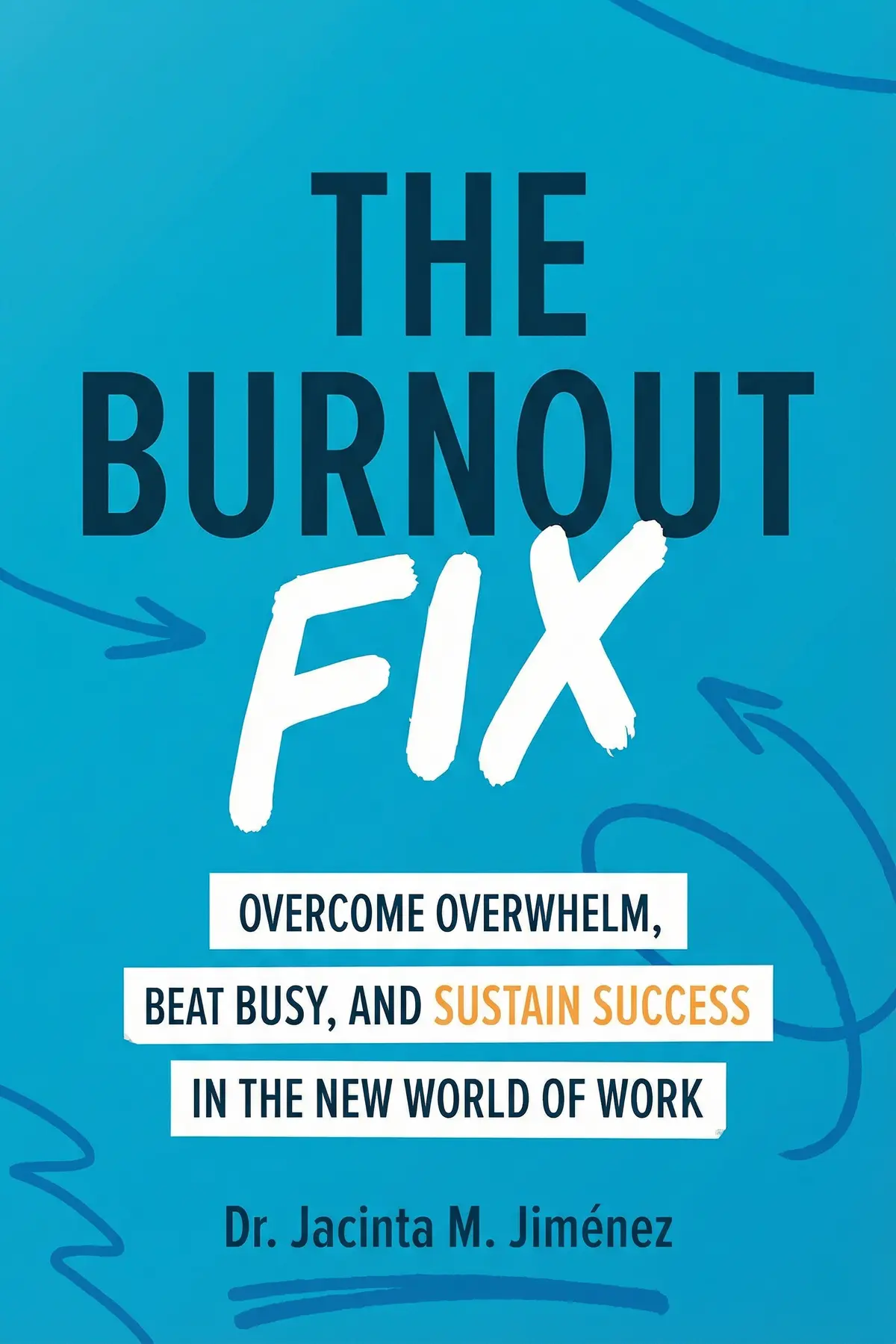
Table of Content
1. Introduction
1 min 06 sec
If you keep working longer hours and enjoying them less, more effort is probably not the cure. In The Burnout Fix, psychologist and leadership coach Jacinta M. Jiménez argues that grit, the belief that you can tough out any bad stretch, is exactly what breaks down under modern work pressure. She points to a Deloitte workplace study in which 77 percent of the employees surveyed reported going through burnout, so it deserves a place on every career plan as a known risk.
Jiménez has spent more than 15 years coaching leaders, and she treats resilience as a set of habits anyone can practice: growing in small steps, questioning anxious thoughts, resting on purpose, asking for help and knowing why your work matters. Leaders, she adds, carry just as much responsibility as the people they manage. By the end there is a way to read your own energy, an exercise for writing a personal mission, and a clearer idea of what to ask from the people you work for.
2. Stop relying on grit to outlast the pressure
1 min 30 sec
A Stanford student who believed effort could fix anything hit a family crisis and kept pushing. What happened to her, and to millions of workers like her, changes how you should plan a career.
3. Grow steadily with goals that stretch just enough
1 min 40 sec
Rowling, Beyoncé and Disney all failed early, and a start-up executive who tried to prove himself in one bold move failed too. What separates them comes down to the size of each step.
4. Break the spiral of worst-case thinking with mindfulness
1 min 42 sec
An executive sent her best work to a mentor and heard nothing back, and her mind soon filled the silence with the harshest verdict possible. A short sequence of steps changes how such spirals end.
5. Find what drains your energy and fix it
1 min 45 sec
You can come home exhausted from a day of normal length without knowing why. A week of simple notes can reveal the rooms, the noises and even the colleagues that keep wearing you down.
6. Recharge with time offline, outdoors and alone
1 min 42 sec
Oprah Winfrey tends a garden and Bill Gates takes reading retreats, and neither treats it as slacking. Most of us cannot do either, yet the same kind of recovery can fit into an ordinary day.
7. Asking for help makes your team stronger
1 min 46 sec
A law partner caring for his sick husband told no one, convinced that needing help would look weak. What happened when he finally spoke up surprised his whole team, and the data points the same way.
8. Write a mission statement that steadies your choices
1 min 41 sec
A motel housekeeper found deep satisfaction in stripping beds that others would call thankless work. Her reason points to a simple exercise for any career pulled in too many directions at once.
9. Self-care alone cannot fix an unfair workplace
1 min 56 sec
Sending a burned-out employee to a mindfulness seminar sounds caring, yet it can leave the real problem untouched. Jiménez names what leaders must change instead, and why fairness turns out to pay.
10. Conclusion
1 min 11 sec
The Burnout Fix ends up redefining strength. Jiménez’s own collapse at Stanford came from the very qualities she had been taught to admire: endurance, toughness, refusing help. What actually protects people looks softer and asks for more honesty, like admitting a limit, naming a feeling precisely or letting colleagues bring dinner. It is also shared work, because no amount of personal discipline can outlast a job that is unfair or impossible.
One small tool from the book makes this concrete. Most of us keep to-do lists. Jiménez suggests keeping a to-don’t list as well, naming the habits that drain your time and energy, such as calls with your mother during work hours that leave you frustrated, or online shopping that eats the time you could spend outdoors. Hang it above your desk. Pair it with a week of energy notes, and swap your next heroic leap for one modest stretch goal.
Her grandmother never needed a different job to find meaning in hers. She needed to know what each paycheck was for, and that knowledge carried her through work that others overlooked.
About this book
What is this book about?
Many professionals respond to pressure the way they were taught: work longer, work smarter, push through. Psychologist and leadership coach Jacinta M. Jiménez argues that grit alone is not enough to survive the pressures behind today's widespread burnout. She points to a Deloitte study where 77 percent of the employees surveyed said they had gone through it. Jiménez draws on her own burnout as a Stanford graduate student and on more than 15 years of coaching leaders, and she presents resilience as a set of learnable habits. She shows how to set stretch goals with the right tension and calm anxious thought spirals with curiosity and self-compassion. She explains how to audit your energy and emotions, protect time offline, outdoors and alone, and ask for help without shame. A short exercise combines your values, skills and sense of purpose into a personal mission statement. The book also speaks to leaders, arguing that no mindfulness seminar can fix a job with unbearable conditions. Readers get practical steps for their own days and a clear picture of what fair, healthy workplaces provide.
Book Information
Who it's for
Professionals working longer hours
Professionals who work longer hours, enjoy them less and suspect more effort is not the answer.
Managers and team leads
Managers and team leads who want to prevent burnout on their teams through fair, clear structures.
Achievers struggling to rest
High achievers who struggle to rest, ask for help or say what their work is really for.
About the Author
Jacinta M. Jiménez
Dr. Jacinta M. Jiménez, known as Dr. J, is a psychologist and board-certified leadership coach. She has worked with leaders for more than 15 years as a speaker, consultant and coach. A Stanford University graduate, she holds a certificate in diversity and inclusion from Cornell University. She previously served as Global Head of Coaching at BetterUp and has contributed to CNN, Business Insider and Forbes.
Ratings & Reviews
Ratings at a glance

What people think
Listeners find this book incredibly helpful, with one mentioning it offers tangible tactics and real-world implementations. Furthermore, the prose is highly polished; one listener characterizes it as a must-read for professionals in the current workforce, while another highlights its excellent job of communicating science-backed research. Listeners also value the easy-to-understand material, the author's touching personal anecdotes, and the book's effectiveness in helping them remain successful while navigating mentally stressful situations.
Top reviews
Rung
Finally got around to reading this, and the timing couldn't have been better. I was struggling with a heavy dose of cynicism at work and couldn't figure out why my usual 'grit' wasn't working anymore. Dr. Jiménez explains that burnout isn't just being tired; it’s a cocktail of exhaustion, cynicism, and inefficiency. This realization was a total lightbulb moment for me. Her personal stories are incredibly heartwarming and make the dense research feel much more human and relatable. I loved the "Three Cs" for mental clarity because they provided a concrete way to talk myself down when work stress felt insurmountable. Not gonna lie, I’ve spent way too much money on self-help books that ended up gathering dust, but this one is covered in post-it notes. It’s a must-read for anyone in today’s hyper-connected workforce who feels like they’re running on fumes.
Show moreOwen
Picked this up on a whim during a particularly stressful quarter, and I'm so glad I did. Jacinta Jiménez has managed to blend rigorous academic research with deeply personal, heartwarming stories that make you feel seen and understood. The concept of "habit stacking" for mental clarity was a game-changer for me. It’s so much easier to remember to breathe and reflect when I’m already doing something routine like brushing my teeth. This book does an amazing job of helping readers maintain success while battling mentally stressful situations without suggesting you just "work harder." I found the "To-Don't" list suggestion particularly liberating—it’s amazing how much energy we leak into things that don't actually matter. It’s rare to find a book that feels both like a warm hug and a serious scientific lecture, but she nails it. Definitely a permanent addition to my office bookshelf.
Show moreMax
Wow. As an analyst who usually avoids the "woo-woo" side of self-help, I was pleasantly surprised by the logicality and scientific rigor found here. Dr. Jimenez doesn't just tell you to "be mindful"; she explains the neurological default mode network and why solitude is essential for cognitive performance. The book is a masterful extension of her speaking talents—articulate, persuasive, and deeply practical. I specifically appreciated how she broke down the difference between grit and resilience, showing that "toughing it out" is actually a recipe for disaster. The worksheets are actually useful, not just filler, and they help translate the science into real-life changes. If you are serious about protecting your mental health while maintaining a high-performance career, you need to read this. It’s easily one of the most comprehensive guides on the subject I’ve encountered in years.
Show moreLena
As a project manager constantly juggling deadlines, I found Jiménez’s approach to sustainable performance incredibly refreshing. This isn't just another cheerleader manual; it’s a science-backed blueprint that challenges the toxic "grind" culture we've all been conditioned to accept. I particularly appreciated the PULSE framework, especially the section on 'Pacing' and the 'Three Ps' of deliberate practice. To be fair, some of the advice on nature and silence felt a bit elementary for anyone who's already deep into wellness blogs, but the way she connects these to neurological health is where the book shines. The writing is warm yet professional, making complex psychological concepts accessible without stripping away their importance. I’ve already started my 'to-don’t' list to reclaim some mental real estate during my morning commutes. If you’re feeling that creeping sense of cynicism, this is a solid tool to help you recalibrate before you hit a wall.
Show moreEye
This book is a vital tool for the modern worker who feels like the world is moving too fast. Jacinta M. Jiménez offers more than just fluff; she provides concrete strategies that can be integrated into a busy schedule without causing more stress. I was particularly impressed by the "Three Ps" of deliberate practice—Plan, Practice, and Ponder. It’s a much more sustainable way to view career growth than the "overnight success" myths we usually hear. Not gonna lie, I was skeptical about the section on "sanctuary" and spending time in nature, but the data on cortisol reduction is hard to argue with. The writing style is articulate and dynamic, which is exactly what I expected after seeing her speak online. My only minor criticism is that the focus on individual "fixes" sometimes overshadows the need for organizational change, but it’s still incredibly empowering.
Show moreTantipat
Is this book the ultimate 'fix' its title promises? In my experience, the answer is a bit complicated. The book is remarkably well-written and does an excellent job of grounding its advice in psychological research, which I appreciated. However, much of the content feels more like a guide to general well-being rather than a targeted intervention for those already in a state of clinical burnout. The worksheets and exercises are definitely the highlight, providing a structured way to evaluate how you spend your energy versus your values. But if you’re looking for something that addresses the systemic issues of toxic workplaces, you might find the focus on personal resilience a bit one-sided. To be fair, the section on leading healthy teams via the ABC model was a nice touch, but it felt a bit brief compared to the individual exercises. It's a useful resource for prevention, but perhaps not a radical paradigm shift.
Show moreErn
The chapter on social wellness really opened my eyes to how isolated I’d become, but the rest of the book didn't quite hit the same heights. We often think of burnout as a personal failing of stamina, but Jiménez argues that our "circles of support" are just as vital as our sleep schedules. However, once you move past the social mapping, many of the other strategies felt like common sense repackaged in new acronyms. Truth is, I usually roll my eyes at "loving kindness" meditations, and the science she presents here is decent but not revolutionary. While the writing is clear, the middle sections drag quite a bit, making it a struggle to stay motivated to finish. It's a helpful resource if you're specifically looking for worksheets, but for a general reader, it might feel a bit redundant. A solid middle-of-the-road guide that offers some value if you’re willing to dig for it.
Show moreMarco
Ever wonder why you still feel exhausted even after a full weekend of sleep? This book explains that phenomenon through the lens of cognitive fatigue and the "Three Cs" of mental clarity. While the insights are useful, I wouldn't call them ground-breaking if you've already read a lot in the productivity space. I’ve seen similar concepts about "deep work" and "nature therapy" elsewhere, though Jiménez does a decent job of packaging them into the PULSE framework. Personally, I found the tone a bit too academic at times, which made it hard to stay engaged after a long day of meetings. The intent is definitely helpful, and the research is solid, but the execution felt a little repetitive toward the end. It's a fine introduction to the topic for beginners, but veterans of the self-help genre might find themselves skimming a significant portion of the text.
Show moreLucia
Direct and informative, though perhaps a bit too focused on prevention for someone currently in the thick of it. Frankly, I found some of the "actionable advice" like making a "to-don't" list to be helpful, yet some other sections felt like general wellness advice you'd find in a lifestyle magazine. I would have loved to see more depth on the specific causes listed by Dr. Maslach and how they correlate more directly with the PULSE practices. To be fair, the scientific references are top-notch, and the author clearly knows her field. The book does an excellent job of relating research to real-world scenarios, but I sometimes felt the "fix" part of the title was a bit of an overpromise. It’s a good read for those who want to build resilience before they break, but it might feel a little light for those seeking a profound overhaul.
Show moreOlivia
Not what I expected after seeing so much hype on LinkedIn. Look, the intent is clearly noble, but I felt like I was drowning in a sea of corporate-speak and "self-help" fluff that I've seen in a dozen other places. By the time I reached the halfway mark, the irony of getting burned out by a book about burnout wasn't lost on me. It felt repetitive, and while the worksheets were okay, they didn't offer anything truly groundbreaking for a seasoned professional. Frankly, the scientific references felt like a thin veneer over basic common sense like "get more sleep" and "spend time in nature." If you are in the middle of a severe crisis, I don’t think a few acronyms like the ABCs are going to be the life raft you need. It might work for some, but I just couldn't bring myself to invest the eight hours required for the audiobook version.
Show moreQuestions about this book
What is the main idea of The Burnout Fix?
Jacinta M. Jiménez argues that grit, the habit of toughing out hard times, cannot protect people from the pressures of modern work. Burnout is so common that she suggests treating it as a known career risk and building resilience early. That resilience comes from habits: small stretch goals, curious and compassionate responses to anxious thoughts, regular rest, support from others and a personal mission. Leaders, she adds, must also fix the conditions people work in.
How does Jacinta Jiménez suggest handling stressful thoughts at work?
She describes three steps. First, become curious about the thought and look for evidence behind it, as an executive named Rebecca could have done when her mentor never replied about her presentation. Second, respond with self-compassion, speaking to yourself as you would to a close friend. Third, review what you learned about the thought and choose an action, such as simply asking the mentor for his feedback.
How do you write a personal mission statement from The Burnout Fix?
Jiménez’s method has three parts. Choose the five values that matter most to you, such as integrity or family. Identify three skills people rely on you for, like storytelling or negotiation. Then describe your meaningful pursuit, the impact you make or want to make through your work. Combine them into one statement, place it where you will see it every day, and check important decisions against it.
What does The Burnout Fix say leaders should do about burnout?
Jiménez argues that self-care cannot rescue employees from unbearable job conditions, so leaders must change the system. She asks them to give people agency through clear expectations, reasonable demands, proper training and resources, honest feedback and freedom from micromanagement. She also asks for equity: tackling bias in hiring, publishing salaries, making promotion criteria explicit and offering safe ways to raise concerns. Fair workplaces, she says, build psychological safety and tend to be profitable.
Readers also enjoyed

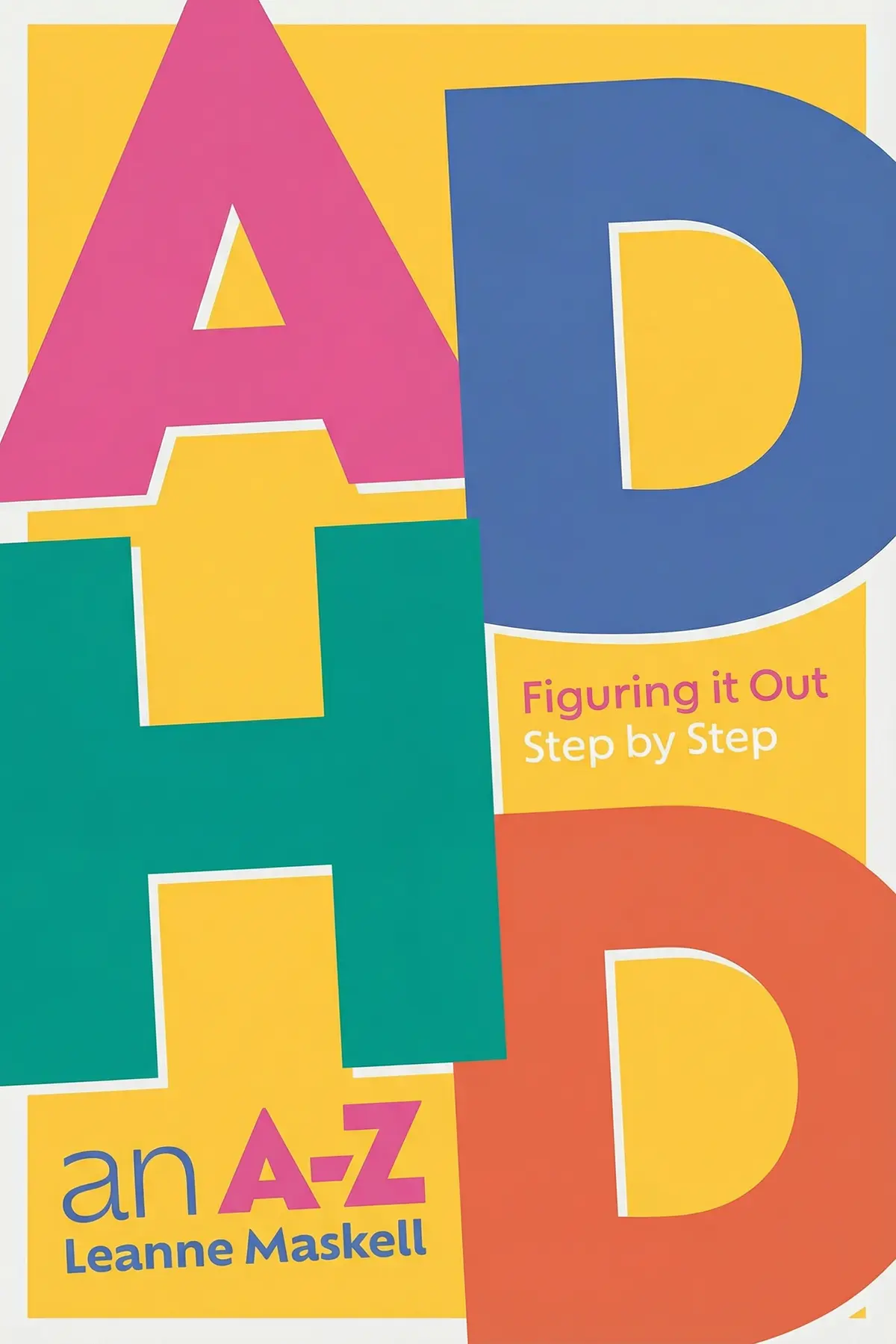
ADHD an A-Z: Figuring It Out Step by Step
Leanne Maskell






A Bigger Prize: How We Can Do Better Than the Competition
Margaret Heffernan
AUDIO SUMMARY AVAILABLE
Listen to The Burnout Fix in 15 minutes
Get the key ideas from The Burnout Fix by Jacinta M. Jiménez, plus 5,000+ more nonfiction titles.
- 5,000+ titles
- Listen as much as you want
- 7-day free trial
- Cancel anytime









