

A Life Decoded: My Genome: My Life
J. Craig Venter
 English
 ไทย
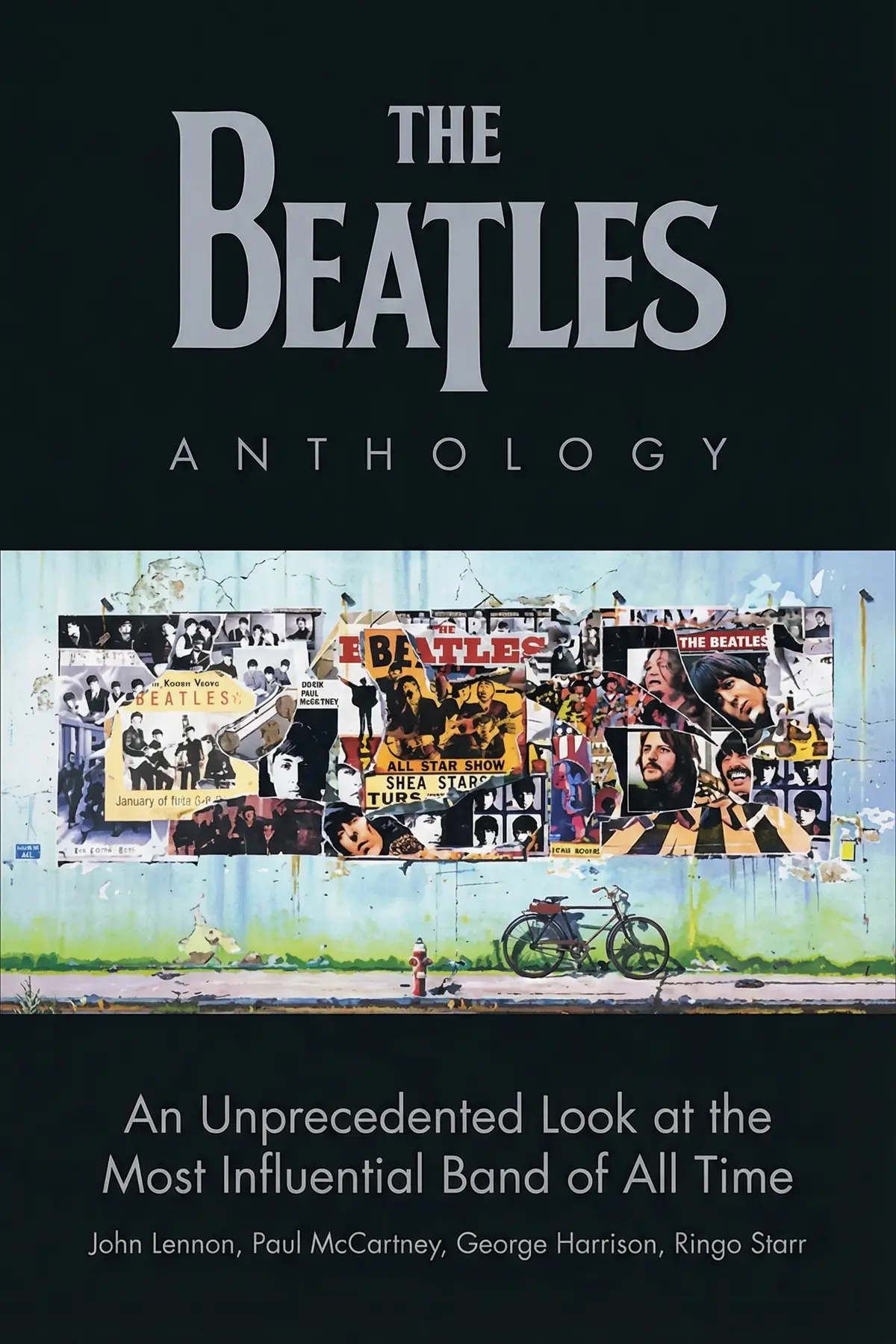
The Beatles tell their own story, from grief-bound Liverpool teenagers and grueling Hamburg nights to Beatlemania, studio experiments and a breakup they all saw coming. It shows how the band was made and how it came apart.
54 sec
Most people know the Beatles as a finished legend of haircuts, album covers and screaming crowds. The men who lived it tell a rougher story, in which three teenage guitarists couldn’t read a stripper’s sheet music and only became a band by playing endless nights in a German club. The Beatles Anthology is that inside account, assembled from long interviews with Paul McCartney, George Harrison and Ringo Starr, collected words from John Lennon, who died in 1980, and voices from the people around them.
Its story runs on one line. Relentless work made the Beatles, and constant reinvention kept them ahead of the fame that work brought, until the independence that freed them as artists pulled them apart as a band. By the end you can retell their decade from the inside and see what success at that scale costs the people in the middle of it.
1 min 35 sec
Two Liverpool boys lost their mothers as teenagers, and a third kept getting on the same school bus. What brought them together also left them with a problem no band can ignore for long.
1 min 28 sec
The early Beatles embarrassed themselves in a strip club and recruited a drummer mainly because he owned drums. Then a German promoter took a chance, and the long nights that followed changed everything.
1 min 46 sec
Within two years the Beatles went from a number 17 single to 73 million television viewers. The band insisted they stayed normal, but the crowds around them were turning into something far stranger.
1 min 33 sec
A cheerful hit hid a real plea, and a lunch invitation nobody accepted turned an entire country against the band. By the end of 1966, the Beatles had to decide what all the touring was for.
1 min 31 sec
Once the screaming stopped, the band had time to experiment, and one album took nine months to make. Not everyone in the group agreed on what they had made, and Ringo found an unexpected hobby.
1 min 24 sec
A meditation course in Wales was interrupted by terrible news, and a trip to India ended with the four leaving one by one. Their songwriting was reaching its peak just as the group began to scatter.
1 min 31 sec
The band started a company that funded idle artists and a radio-equipped toilet. Then came tense sessions, a walkout, a rooftop concert and a new manager one member fought hard against.
1 min 24 sec
Their last recording sessions were among their happiest, yet the split left one Beatle hiding on a Scottish farm. Years later, each of them summed up the whole decade in one word.
58 sec
The Anthology adds up to a portrait of a group that kept outgrowing its own conditions. Three Liverpool guitarists who could not read music became a band by playing until the songs lived in their hands in a Hamburg club. Fame gave them almost everything except the chance to hear themselves, so they left the stage for the studio and made their boldest records there. The same independence that produced the White Album and Abbey Road meant that, once Brian Epstein was gone, nobody held the center.
If you want to get truly good at something, find your own Hamburg: long, repeated practice in a place where mistakes are cheap. And when success starts to drown out the work, the way the screaming did at the Hollywood Bowl, changing the setting may help more than pushing harder.
The Beatles ended in arguments over managers and release dates, yet when each was asked what it had all meant, he reached for a single generous word.
Everyone knows the Beatles' songs, haircuts and album covers. Far fewer people know how four young men from Liverpool lived through it. The Beatles Anthology was a multimedia project that ran from 1995 to 2000, made up of a documentary series for television, a trio of compilation albums and a book. The book works as the band's autobiography, built from detailed interviews with Paul, George and Ringo, collected quotations from John, who died in 1980, and contributions from the people closest to them. The story runs from childhood losses and a trio of teenagers who all played guitar, through long nights in Hamburg clubs, to number one hits, screaming stadiums and the frightening trip to the Philippines that helped end their touring. The band then turned the studio into their instrument, lost their manager Brian Epstein, founded the chaotic Apple, and drifted apart as each member found his own direction. The result is the decade told from the inside, with the funny details and the hard ones side by side. It also gives a clear picture of how skill is built through repetition, what fame at that scale costs, and why a group of strong individuals needs someone holding the center.
Music fans who know the songs and want the band's own account of how they were made.
Creative teams and managers curious how talent grows and how strong groups fall apart.
Readers who enjoy rock memoirs full of humor and hard moments.
The Beatles Anthology is told by the four Liverpool-born members of the Beatles. John Lennon formed the Quarrymen in 1956 and wrote with Paul McCartney in one of history's most successful songwriting partnerships. McCartney played bass and keyboards and shared lead vocals. George Harrison, the lead guitarist, brought Indian instruments such as the sitar into the band's sound and wrote Something and Here Comes the Sun. Ringo Starr joined as drummer in August 1962, replacing Pete Best, and wrote Octopus's Garden. All four went on to solo careers after the band split.
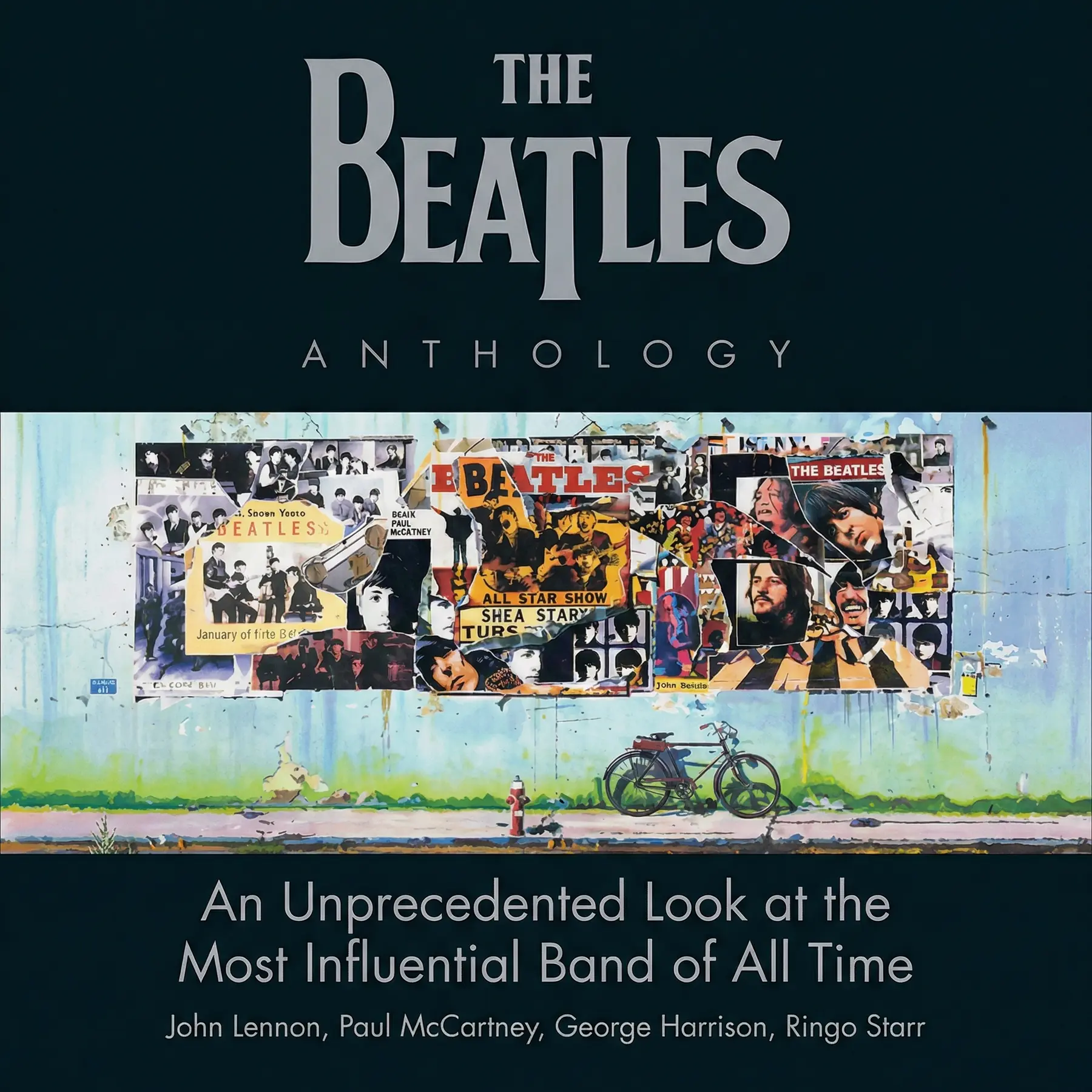
Listeners find the Beatles Anthology well worth the purchase, with one noting it provides great insight into the band's phenomenon. Furthermore, the book serves as a must-have for fans, offering comprehensive information and beautiful photography, with one listener highlighting never-before-published images. They also appreciate the volume's readability, with one listener describing it as producing pure bliss in the reader. However, the item's physical condition receives mixed reviews, as one listener reported scuff marks on the cover.
Wow. This is the definitive holy grail for anyone who has ever hummed along to 'Let It Be' or 'Eleanor Rigby.' The sheer volume of never-before-published images is staggering, offering a glimpse into their private world that feels almost voyeuristic. Frankly, the experience of flipping through these oversized pages is pure bliss for a fan. You get to see the transition from the leather-clad rockers in Hamburg to the psychedelic pioneers of the late sixties. While the book is physically massive and heavy enough to be its own piece of furniture, the content is worth every ounce. It captures the phenomenon of the band with an authenticity that no third-party biographer could ever hope to replicate. Some of the layouts are a bit busy, but the richness of the history provided here makes those minor design quirks easy to overlook.
Show morePicked this up after years of hesitation, and it’s like sitting in a room with the band as they reminisce about their journey. The narrative flow is surprisingly smooth despite being cobbled together from various sources and years. I particularly loved the sections on their time in India and how it influenced the White Album’s eclectic sound. It’s fascinating to see Paul’s work ethic contrast with John’s more erratic, avant-garde inspirations. The book doesn't shy away from the darker moments either, charting the gradual dissolution of their friendship with heartbreaking clarity. To be fair, you need a sturdy desk to read this because it’s far too heavy for a lap. Every page feels like a piece of art, and the quality of the paper is top-notch. If you want to understand the Beatles' musicianship and chemistry, look no further.
Show moreAs someone who just finished a music history course, I found this to be the most comprehensive primary source imaginable. It’s organized beautifully, tracking the meteoric rise and the eventual slow-motion car crash of their 1970 split. Reading their own words about the 'bigger than Jesus' scandal and the chaos of touring provides a layer of empathy that regular biographies lack. The humor of the lads shines through on every page, especially Ringo’s dry wit and George’s blunt honesty. Not gonna lie, I spent hours just staring at the candid photos from the Sgt. Pepper era. It provides great insight into how four distinct personalities managed to stay together as long as they did. This book is a monumental achievement that honors John’s memory while giving the surviving members a chance to set the record straight.
Show moreThe chapter on the later years is particularly poignant, highlighting how the balance of power shifted from John to Paul as the decade waned. You really sense the tension in the Get Back sessions where George feels overlooked and Ringo just wants to keep the peace. I love how the book includes perspectives from George Martin and Brian Epstein to round out the story. It’s a gorgeous production that feels like a labor of love from everyone involved. The imagery is stunning, featuring handwritten lyrics and postcards that I’ve never seen in other collections. Personally, I found the section on their experimental studio work to be the most enlightening part of the whole volume. It’s a dense, heavy, and beautiful tribute to the greatest band to ever do it. Every Beatles fan needs this on their shelf, provided the shelf is reinforced.
Show moreTo me, the most striking thing about this anthology is the humility that shines through even at the peak of Beatlemania. These four lads from Liverpool were just trying to navigate a world that had gone insane around them, and their commentary reflects that confusion. The book is organized in a way that feels very organic, moving from childhood memories to the final roof-top concert. It’s a wonderful experience to read their internal thoughts on songs like 'A Day in the Life' or 'Strawberry Fields Forever.' To be fair, the book is massive, but the quality of the printing justifies the size. It serves as a must-have for anyone who wants the 'official' version of the story directly from the source. It’s a beautiful, complicated, and deeply moving record of four lives that changed the world forever. I can't recommend it enough for the photography alone.
Show moreEver wonder what it felt like to be inside the eye of the hurricane? This massive volume provides that insight by letting the Fab Four speak for themselves in a unique, chronological interview format. It is a must-have for any serious collector, though I have to say the lack of interviewer questions makes some transitions feel a bit abrupt. You are essentially reading a long, curated conversation between John, Paul, George, and Ringo. The truth is, the layout can be quite difficult on the eyes because the font is tiny and sometimes printed over dark photos. I noticed some scuff marks on the cover upon delivery, which was disappointing for a book of this price. However, the depth of the anecdotes—especially regarding the tensions during the 'Let It Be' sessions—makes it an essential archive of pop culture history.
Show moreFinally got around to clearing off my coffee table for this behemoth, and I'm mostly impressed by the level of detail regarding the early Liverpool days. Seeing the transition from a rough skiffle group to the polished icons of Beatlemania is a trip. The book feels authentic because it doesn't try to polish over the cracks in their relationships. You can see the shift in power as McCartney takes the reins in the later years while Lennon drifts toward Yoko. One minor gripe is that some of the quotes feel a bit sanitized compared to other biographies I've read. Still, the sheer volume of information and the high-quality images make it a compelling purchase. It’s a fascinating look at the cultural shift of the 1960s through the eyes of the men who were leading the charge.
Show moreLook, if you're a casual listener, this might be overkill, but for the diehards, it's an essential archive. I was lucky enough to get a copy without the scuff marks some others have mentioned, though the physical weight alone makes it hard to handle. The interview format takes some getting used to, but once you find the rhythm, it's like an oral history of the 20th century. I especially enjoyed the parts where they disagree on who wrote which melody; it makes them feel human rather than deities. The book is stuffed with incredible pictures that capture the sheer madness of their fame. My only real complaint is the layout of the text, which is cramped and sometimes hard to follow across the columns. Despite that, the insight into their creative process is unparalleled and provides pure bliss for any music nerd.
Show moreThe content itself is gold, but the physical reading experience is an absolute chore. This is less of a book and more of a literal slab of paper that requires a gym membership to lift. My copy arrived with several scuff marks on the spine, which is frustrating for a coffee table centerpiece. Furthermore, the design is often style-over-substance; the small type is frequently superimposed over colored backgrounds, making it nearly illegible in low light. I appreciate the 'primary source' approach, but without captions on many of the photos, I found myself guessing who was in the background. It’s a wonderful collection of trivia and rare snapshots, but it isn't reader-friendly at all. Only the most dedicated Beatle maniacs will have the patience to get through it cover-to-cover. It’s a nice object to own, but a difficult one to actually enjoy.
Show moreNot what I expected at all, and in my experience, I found the lack of a narrator incredibly frustrating. Without an interviewer’s questions to ground the responses, it often feels like a series of disconnected soundbites floating in space. It’s mind-numbingly boring to read through page after page of fragmented dialogue without any context for why they are saying what they’re saying. The book is way too large to be practical, and the lack of photo captions is a major oversight for a historical document. Honestly, Ringo’s own photo books or the Bob Spitz biography are much more engaging and readable than this collection. It feels like a missed opportunity to tell a cohesive story. Unless you just want a heavy status symbol for your living room, I’d suggest looking for a more traditional narrative biography.
Show moreIt started as a multimedia project running from 1995 to 2000, made up of a documentary series for television, a trio of compilation albums and a book. The book reads as the band’s autobiography. It combines detailed interviews with Paul McCartney, George Harrison and Ringo Starr, collected quotations from John Lennon, who died in 1980, contributions from other key people and a large amount of archive photography.
In 1960 a Hamburg promoter booked them, and the club demanded very long sets night after night. Playing the same material over and over is how they learned to play together properly. The band later said Hamburg, more than Liverpool, was where they matured as musicians and as young men, and it is also where they first met Ringo.
Touring had become exhausting and even dangerous. At the Hollywood Bowl they could not hear themselves over the screaming. In 1966 a misunderstanding in the Philippines made it look as if they had snubbed the first family, and the trip to the airport turned hostile. After a final American tour ending at Candlestick Park, they decided it was not worth it and turned to the studio.
In their telling there was no single cause. Brian Epstein’s death left their business in chaos, Apple became a free-for-all, and the members were thinking more independently. John said meeting Yoko Ono changed his attitude so that nothing else mattered. The Get Back sessions were tense, George walked out at one point, and Paul strongly opposed hiring Allen Klein. By 1970, moving on simply felt natural.
The band’s story shows that skill comes from long, repeated practice, as in their Hamburg club nights. It suggests that when a routine starts to drown out the work, changing the setting can bring out better results, as the move from touring to the studio did. It also shows how a group of strong individuals can drift apart once the person holding the center is gone.
J. Craig Venter


Ishmael Beah

James Herriot


Barack Obama


Masaji Ishikawa

Ben Macintyre
AUDIO SUMMARY AVAILABLE
Get the key ideas from The Beatles Anthology by John Lennon, plus 5,000+ more nonfiction titles.









