

14 min 47 sec
Available in: English
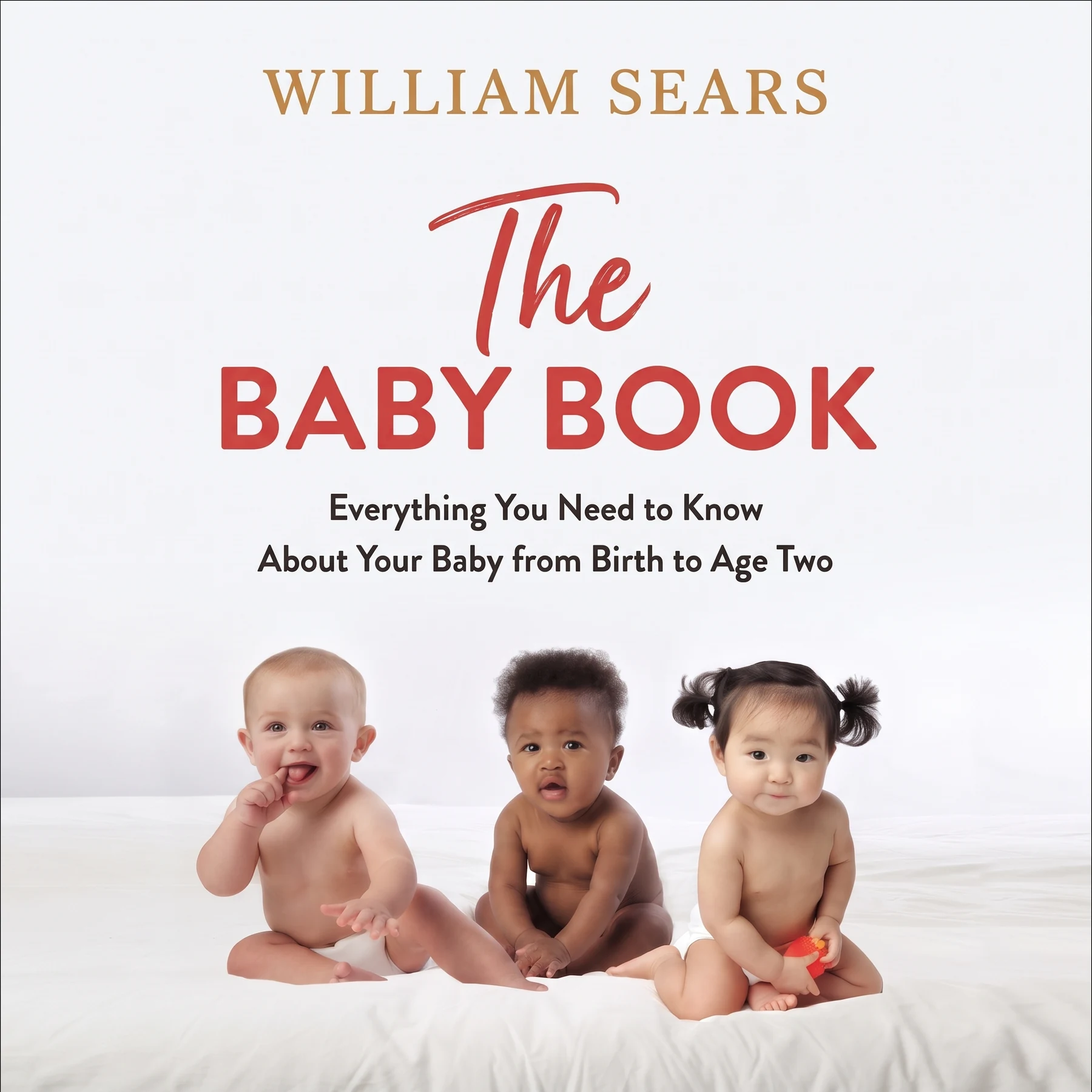
The Baby Book: Everything You Need to Know About Your Baby from Birth to Age Two
Pediatrician William Sears shows how steady closeness and quick responses to a baby's cues, from the first hour after birth to toddler tantrums, help babies feed, sleep and develop well, and help parents trust themselves.
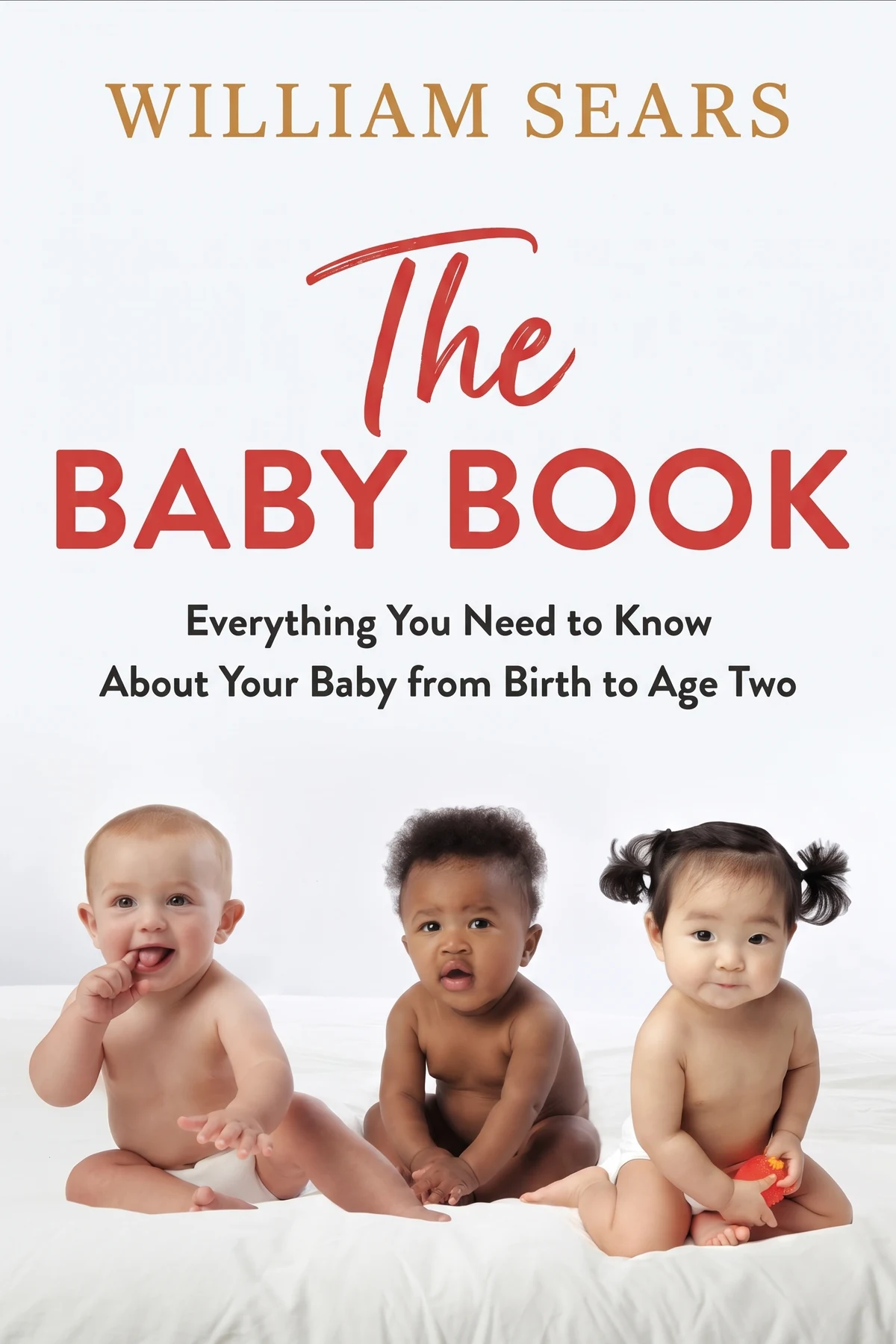
Table of Content
1. Introduction
1 min 04 sec
New parents are often handed a pile of rules and a fear of getting them wrong, yet William Sears argues that what a baby needs most is simpler: a parent who notices and answers. In The Baby Book, the veteran pediatrician makes the case that an infant flourishes when a parent reliably meets its needs for closeness, comfort and connection, and that doing so strengthens the parent’s confidence too. This is attachment parenting, the approach Sears champions. It rests on early bonding, quick responses to a baby’s cues and staying physically close.
He follows that idea from the first hour after birth through feeding, carrying and sleep, and on to the restless energy of a toddler. One claim ties it together: responsiveness is the care itself, and it shapes how a child grows. Along the way come answers to the worries that keep new parents awake, from which spit-up is harmless to how to settle a baby without leaving them to cry.
2. Give your newborn a calm first hour
1 min 45 sec
Hospitals have routines for the minutes after birth, and some of them can wait. Sears explains what a newborn’s first hour should hold, and what parents can still do when a delivery takes an unplanned turn.
3. Tell normal newborn quirks from warning signs
1 min 37 sec
Pauses in breathing, black stools and sudden spots can send any new parent reaching for the phone. Most are harmless, Sears says, but a few deserve a call to the doctor, and knowing which is which changes everything.
4. Breastfeeding that fits your body and your job
1 min 47 sec
Many mothers worry that nursing will drain their bones, limit their medicine or end the day they return to work. Sears takes each fear in turn, with answers that may surprise anyone who has heard the usual warnings.
5. Carry your baby to calm crying and spark learning
1 min 53 sec
In one part of the world, babies spend their first months without ever being set on the ground. Sears argues the habit does more than soothe, and a single study puts a striking number on it.
6. Gentler nights without leaving your baby to cry
1 min 53 sec
The phrase about sleeping like a baby gets infant sleep almost exactly backward. Sears explains why babies wake so often, what crying it out may cost, and a simple timing trick for putting a baby down.
7. Your responses shape your baby's growing brain
1 min 47 sec
Milestones can look like a timetable a baby follows alone. Sears describes a thriving baby who suddenly withdrew, and what brought the child back, as evidence that parents are part of the program.
8. Guide a busy toddler toward confident independence
1 min 49 sec
Emptied drawers, half-formed words and sudden meltdowns arrive together in the second year. Sears shows what drives each one, and why a toddler pushing away still needs a parent within reach.
9. Conclusion
1 min 12 sec
What Sears offers, in the end, is a new way to hear a baby. A cry at three in the morning, a fuss in the stroller, a toddler’s tears in the kitchen: each is a signal, and his case is that answering signals, again and again, is how trust gets built. The answering changes the parent too. Cues become readable, instincts sharpen, and confidence grows out of practice.
None of it asks for perfection. Early worries fade and night waking passes. What lasts is the pattern of response a child learned to count on.
The practices Sears supports can start small. Protect the first hour after birth for skin-to-skin contact, and ask for weighing to wait until after the first feed. Carry your baby for part of each day, face always in view. At night, give a sleeping baby those twenty extra minutes, and treat waking as a call to answer. When tantrums arrive, keep routines steady and your voice calm.
A baby who is answered learns that the world can be trusted, and a parent who keeps answering learns to trust themselves.
About this book
What is this book about?
New parents get plenty of rules and very little reassurance. Feeding schedules, sleep methods and milestone charts can leave them worried that they are getting everything wrong. William Sears, a pediatrician with more than thirty years of practice, offers one simpler principle: babies do best when their need for closeness, comfort and connection is met consistently. That principle is the base of attachment parenting, and Sears applies it to each stage of the first two years. He starts with the golden hour after birth and the strange but normal quirks of the first weeks. He then covers breastfeeding in a busy life and carrying a baby through the day. He argues for gentle ways of handling night waking that do not involve leaving babies to cry. He ends with the walking, talking and tantrums of toddlerhood. Readers get concrete guidance. They learn which newborn signs are harmless and which call for a doctor, how to keep breastfeeding after going back to work, how to carry a baby safely and how to help sleep come more easily. Underneath all of it is a steady case that answering a baby builds trust in the baby and confidence in the parent.
Book Information
Who it's for
Parents-to-be
Expecting parents who want a calm plan for birth and the first weeks at home.
Sleep-deprived new parents
New parents worn down by night waking and unsure whether to try crying it out.
Working mothers, toddler parents
Working mothers who want to keep breastfeeding, and parents of toddlers facing daily tantrums.
About the Author
William Sears
William Sears, born in 1939, trained in pediatrics at Harvard Medical School's Children's Hospital and at the Hospital for Sick Children in Toronto. He worked as a pediatrician for more than thirty years and has written or co-written many books on parenting. A supporter of attachment parenting, he advocates breastfeeding, co-sleeping and babywearing. He and his wife Martha, a registered nurse, raised eight children.
Ratings & Reviews
Ratings at a glance
What people think
Listeners find this baby guide helpful for its functional details on all topics concerning infants, regarding it as a necessary read for parents. The writing gets high marks for being user-friendly, and one listener mentions that it is easy to comprehend. Listeners hold differing perspectives on the book’s flow, with some suggesting it is now outdated. The author's take on breastfeeding also draws a range of reactions.
Top reviews
Leila
This book is effectively a comprehensive manual for anyone navigating the chaotic first year of parenthood. I appreciated how Dr. Sears organizes complex medical information into digestible sections that don't require a PhD to understand. While some of the breastfeeding advice feels a bit militant, the core philosophy of responding to a baby's cries resonated deeply with my partner and me. We found the 'Seven B's' to be a fantastic framework, even if we didn't follow every single one to the letter. It is a thick volume, but the table of contents makes it easy to jump straight to what you need. Every new parent should have this on their nightstand for quick reference during those long, sleepless nights.
Show moreJoshua
After hearing so much about the Sears method, I was prepared to be annoyed, but I actually found his perspective incredibly validating. As someone who naturally wanted to pick up my crying infant, being told that I wasn't spoiling them was exactly the permission I needed. Truth is, the book might feel slightly dated in its gender roles, assuming the mother is the primary caregiver in almost every scenario while the father remains in a supportive background position. However, the practical tips on soothing a colicky baby were lifesavers for us when nothing else seemed to work. It is a warm, encouraging read that prioritizes the baby’s emotional security above all else during those formative early months.
Show moreNong
Picked this up on a whim after a friend recommended it, and I have to say it changed my entire outlook on the newborn phase. We were struggling with a baby who would not sleep, and the emphasis on bedding close really helped us find a rhythm. The writing style is very accessible, which is a blessing when you are too tired to focus on dense academic texts about development. I did find the sections on breastfeeding a bit overwhelming, as they do not leave much room for mothers who might be using formula. Despite that, the general vibe of the book is one of compassion and understanding for the baby’s perspective. It is a massive resource that functions perfectly as a baby bible for those who prefer a gentler approach.
Show moreFinn
Not what I expected at all, but in the best possible way for our growing family. This book is less about strict rules and more about learning to listen to your own instincts as a new parent. The advice on baby-wearing was a total game-changer for us, allowing us to keep our daughter close while actually getting things done. Some people might find the tone a bit too hippie, but to me, it felt like common sense parenting that prioritizes love. It is a truly massive and comprehensive guide. The formatting allows you to find specific topics like teething or fevers without much fuss or wasting precious time while the baby sleeps. It feels deeply empathetic toward both the baby and the parents, even if it sets a very high bar.
Show moreWyatt
Dealing with a high-need baby is something this book handles better than almost any other resource I have found on the market. Sears coins the term and explains that these babies are not bad, they just have higher requirements for touch and interaction. This framing was a massive relief for my mental health, as I finally felt like someone understood our daily struggle with soothing. Look, the book isn't perfect—it's definitely dated in its social outlook and can feel a bit repetitive—but the core message is timeless. I loved the sections on balance and boundaries, which reminded me that the parents' needs do eventually matter too. It is a must-read for any parent who feels like the standard schedule-based advice just isn't working for their child.
Show moreSawit
Ever wonder why some parenting guides feel like they were written by robots instead of actual humans with emotions? Sears avoids that trap by focusing on the bond between parent and child, though he definitely leans heavily into attachment parenting styles. To be fair, the medical sections on illnesses and safety are incredibly thorough and provided us with much-needed peace of mind during that first scary fever. I do think the book can be a bit repetitive regarding baby-wearing, almost as if it’s the only way to exist. Still, the readability is high, and the layout is intuitive enough for a sleep-deprived brain to navigate. It’s a solid resource if you can filter out the preachy bits and take what works for your specific family.
Show moreThanakorn
The chapter on the signal value of a baby's cry is probably the most important thing I have read in a parenting book. Dr. Sears argues convincingly against the cry-it-out methods, emphasizing that communication is the foundation of trust between a child and their caregiver. While I find the prose a bit wordy at times, the information is largely practical and covers everything from developmental milestones to diaper rashes. Some of the nutrition advice feels like it belongs in the nineties, so I would suggest cross-referencing those specific chapters with a modern pediatrician. Regardless of those minor quibbles, the book serves as a fantastic foundational text for anyone wanting a gentler approach to raising their child.
Show moreSavannah
As a first-time dad, I was looking for a book that gave me more than just a list of growth milestones, and this delivered. Dr. Sears provides a lot of the why behind the how, which helped me feel more connected to the daily process of caregiving. I agree with critics that the book relegates the father to a secondary role, which can be frustrating if you are trying to be an equal parent. The practical information on common ailments and first aid is top-tier and saved us a few unnecessary trips to the clinic. It is a very readable book, though I found myself skimming through the more preachy sections about specific lifestyle choices. Overall, it is a great companion piece to have on the shelf for the first two years.
Show moreAnchalee
Finally got around to finishing this behemoth, and my feelings are definitely mixed but leaning toward the positive. On one hand, the medical advice is incredibly practical and the descriptions of baby behavior are spot-on for our current situation. On the other hand, the pressure to breastfeed exclusively and for a long duration felt a little out of touch with modern professional realities. In my experience, you have to approach this book with a take what you like and leave the rest mentality or you will worry. Some sections drag on and feel significantly out of date compared to modern parenting blogs or recent medical journals. It is a helpful resource for the fourth trimester, but do not feel obligated to follow every single suggestion.
Show moreDao
Wow, I really wanted to like this, but the level of guilt this book heaps onto working mothers is absolutely staggering. It feels like if you aren't wearing your baby twenty-four hours a day and co-sleeping until they are toddlers, you are failing. Frankly, the expectations are just not realistic for a dual-income household where the partner wants to be an equal participant rather than just support. I will give it two stars because the actual medical advice on childhood illnesses is helpful and clearly explained for a layperson. But the philosophy behind it feels incredibly sexist and assumes the mother has zero needs of her own. It is an exhausting read that left me feeling more anxious and insecure than I was before I opened it.
Show moreQuestions about this book
What is the main idea of The Baby Book by William Sears?
Sears argues that an infant does best when its needs for closeness, comfort and connection are consistently met. This is the basis of attachment parenting, which focuses on early bonding, quick responses to a baby’s cues and physical closeness. He applies it from the golden hour after birth through breastfeeding, babywearing, sleep and toddlerhood. He also says it builds the parent’s confidence along with the baby’s trust.
What does William Sears say about letting babies cry it out?
Sears rejects sleep training that leaves babies to cry. He argues that night waking is normal, because babies have short sleep cycles of about an hour and wake to signal for warmth, comfort or food. He cites studies showing that long distress raises stress hormones that can affect brain development. He says babies who are soothed when they wake build healthier sleep habits over time.
Why does The Baby Book recommend carrying your baby?
Sears cites a study in which babies who were held for three or more hours daily fussed 43 percent less than babies who were not. He says being carried mimics the womb, helps regulate mood, sleep and digestion, and keeps babies in a state of quiet alertness that suits learning. He recommends sling-style carriers, with the baby’s face always visible and close enough to kiss.
How can I apply The Baby Book's advice to newborn sleep?
Wait about twenty minutes after a baby falls asleep before laying them down, because babies start in light sleep and wake easily if moved too soon. Sears also suggests holding the baby often during the day, feeding on demand and keeping a regular bedtime routine. Rocking, nursing to sleep, white noise, a warm bath, or having the baby sleep nearby can all help.
Who should read The Baby Book?
It suits expecting and new parents who want practical guidance from birth to age two, especially those drawn to a responsive, close style of care. It covers the first hour after birth, normal newborn quirks and warning signs, breastfeeding after returning to work, babywearing, gentle sleep and toddler tantrums. Parents who prefer strict schedules or crying it out will find Sears argues against those approaches.
Readers also enjoyed
AUDIO SUMMARY AVAILABLE
Listen to The Baby Book in 15 minutes
Get the key ideas from The Baby Book by William Sears, plus 5,000+ more nonfiction titles.
- 5,000+ titles
- Listen as much as you want
- 7-day free trial
- Cancel anytime









