
14 min 02 sec
Available in: English
The Addiction Inoculation: Raising Healthy Kids in a Culture of Dependence
A practical guide for parents who cannot shield their kids from a culture full of alcohol and drugs, showing how to make children far less likely to start, through home rules, confidence, conversation and rehearsed refusals.
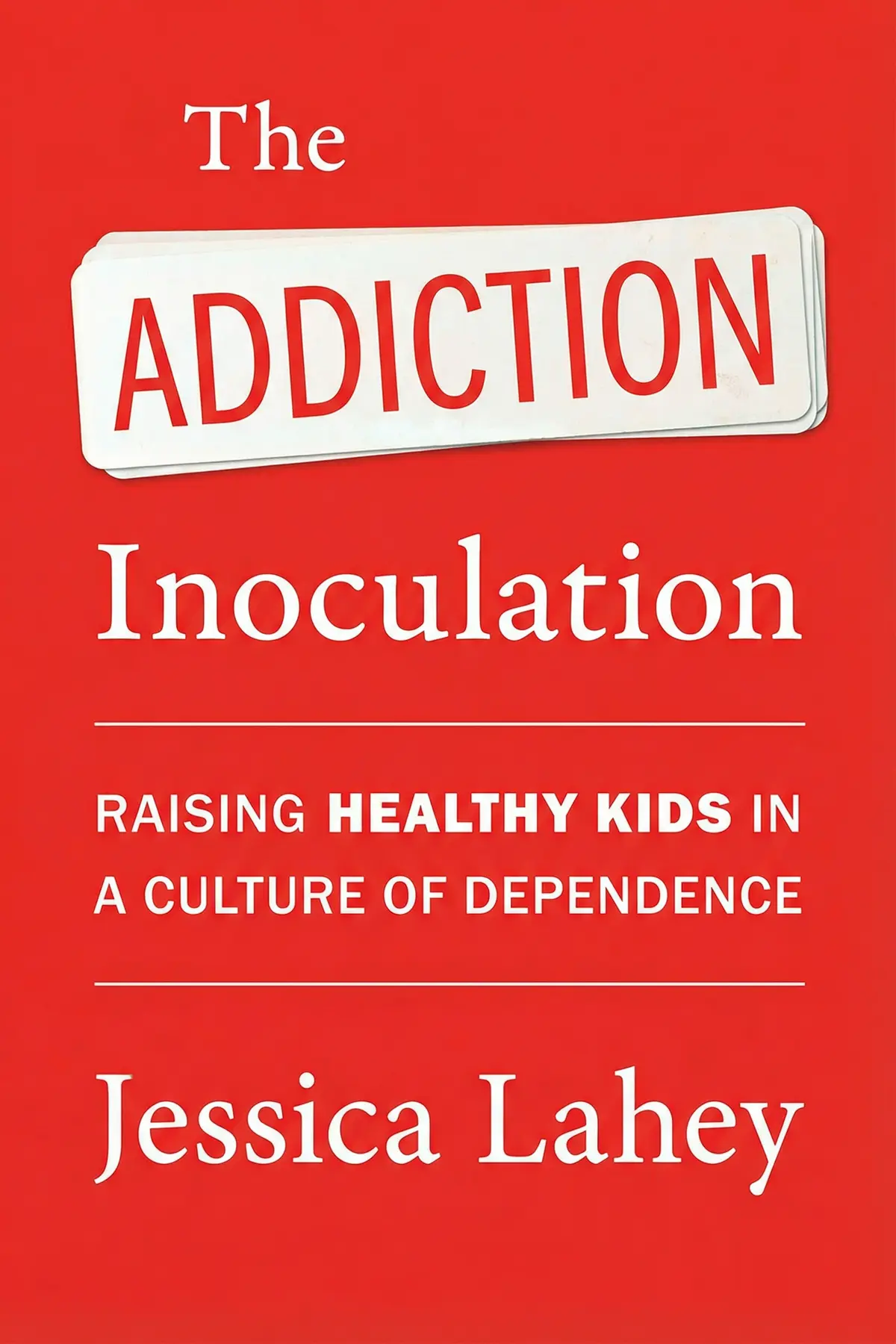
Table of Content
1. Introduction
1 min 07 sec
Most parents cannot keep their children away from a culture full of beer ads, songs that celebrate drugs and friends who offer a drink, but they can make those children far less likely to say yes. In The Addiction Inoculation, teacher, writer and addiction recovery coach Jessica Lahey argues that protection works like a vaccine rather than a wall. You cannot isolate a child from substances, she says, yet you can build resistance before the exposure arrives.
Her case begins with a surprising point. Most underage drinkers and drug users are not chasing thrills. They are trying to feel better: to calm anxiety, to sleep, to cope with problems.
That changes the whole job. If substances are mostly a form of self-medication, a parent’s best defenses are ordinary ones: a home with less harm in it, clear rules, real competence, honest talk and a ready answer for the moment a friend holds out a bottle. Each step ahead turns worry about what your kids might do into something you can say and do at home this week.
2. Read your teenager's risky choices more clearly
1 min 58 sec
A sensible child can become a reckless teenager almost overnight, and the cause is not character. The same feature of the growing brain that invites the risk also decides how much damage it does.
3. Lower the pain that makes substances appealing
1 min 58 sec
Many parents are sure their own children are too sensible to get into trouble. The numbers say otherwise, and the reasons kids give for using point to a form of protection that has little to do with drugs.
4. Skip the home sip and let life teach
2 min 03 sec
Plenty of parents believe a small taste of wine at the family table will make their kids sensible drinkers later. A study suggests the opposite, and a better teacher than punishment is already in the house.
5. Build the confidence that keeps kids from using
2 min 00 sec
The thrill a child feels the first time they ride a bike alone turns out to matter for far more than bikes. Three everyday parenting habits can grow that feeling into something that protects them.
6. Keep the family conversation going for years
1 min 52 sec
Busy evenings make dinner in front of the television tempting, yet one addiction expert ranks the family meal among the best defenses parents have. The harder part is what to do once everyone sits down.
7. Give your kids the words to say no
1 min 49 sec
Parents worry that a single lunch break can undo years of good advice. Lahey’s answer is preparation, including a simple signal that lets a child ask for rescue without anyone around them knowing.
8. Conclusion
1 min 15 sec
Lahey’s book adds up to a different picture of prevention. The familiar image is a fence: warnings, rules and the hope that the world stays outside. Hers is closer to an inoculation, building resistance to that culture rather than sheltering kids from it. A teenage brain is drawn to risk and badly hurt by substances, and most young users are trying to ease pain. Protection therefore comes from lowering that pain and building strength before anyone makes an offer.
Much of the work happens in ordinary moments. Skip the holiday sip, and when a mistake brings its own sore head, help your child see the link. Say you can’t do something yet, and praise the exact thing your child did well. Keep eating together and keep listening, starting years before the first party. Then rehearse the refusals and agree on the code word, so your child never has to choose between staying safe and saving face.
No family can remove every risk, and Lahey, who still spends Sunday nights in that Vermont church basement, has heard how many of those stories begin. Her hope is that more of them can begin differently, at a kitchen table, long before anyone pours the first drink.
About this book
What is this book about?
Children grow up surrounded by beer-sponsored sports, songs that celebrate getting high and friends who offer a drink. Parents cannot raise them in a bubble. Jessica Lahey, a teacher, writer and addiction recovery coach who is herself in recovery, argues that they can do something better: inoculate them, building resistance before the exposure comes. Her case rests on two findings. The teenage brain is still developing, so substances are both more tempting and more damaging at this age. And most underage users are not thrill seekers. They drink or use drugs to feel better, to calm anxiety, sleep or cope. Prevention therefore starts with a child's well-being, not with warnings. From there Lahey offers concrete steps. Stop letting kids sip alcohol at home, because a study found it raises the odds of regular drinking. Let natural consequences teach. Build self-efficacy through modeling, real skills and specific praise. Keep talking from elementary school onward, and listen more than you lecture. Finally, prepare children for peer pressure with a sense of perspective, ready-made scripts and a code word that brings a parent to pick them up.
Book Information
Who it's for
Parents worried about drugs
Parents of children and teens who worry about alcohol, drugs and peer pressure.
Families with addiction history
Families with a history of addiction who want to protect the next generation.
Educators and counselors
Teachers and counselors looking for prevention ideas that work at home as well as at school.
About the Author
Jessica Lahey
Jessica Lahey is a teacher, writer and addiction recovery coach. She has taught high school English and writing in Vermont, and her work on education, parenting and child welfare has appeared in The Atlantic, the New York Times and on Vermont Public Radio. She holds a law degree from the University of North Carolina School of Law, where she focused on juvenile and education law. Her other book, The Gift of Failure, was a New York Times bestseller.
Ratings & Reviews
Ratings at a glance
What people think
Listeners find the material well-documented and accessible, viewing it as a vital read for parents. They appreciate the encouraging message, calling it hope-giving, and one listener notes that it speaks from the heart. The book’s tempo earns praise, with one listener describing the experience as very engaging.
Top reviews
Olivia
Finally sat down with this after hearing so much about it. Jessica Lahey managed to weave her own vulnerability as a recovering alcoholic into a deeply scientific look at how we protect our children. It’s a rare book that feels both like a clinical study and a heartfelt letter from a friend. I found the sections on brain development particularly gripping because it explains the biological 'why' behind the dangerous allure of substances for teenagers. Some might find her stance on zero-tolerance a bit extreme, but the logic is sound. We need to aim for the ceiling if we want our kids to land safely on the floor. It is easily one of the most hopeful guides I’ve encountered for such a terrifying topic.
Show moreMattanee
As a middle school educator, I was already a fan of Lahey’s previous work, but this feels even more urgent. The book functions as a roadmap through the messy intersection of genetics, environment, and adolescent rebellion. Frankly, the practical tips—like establishing a family code word for emergency pickups—are worth the price of admission alone. It’s incredibly well-researched yet remains accessible for parents who don’t have a medical degree. While she does spend a fair amount of time on her own backstory, it adds a layer of credibility that a dry academic text would lack. This isn't just theory; it's a battle plan for keeping kids safe and healthy.
Show moreTod
What a relief to find a parenting guide that doesn't just lecture you from a high horse. Lahey speaks from the heart about her own struggles, and that makes the research-backed advice feel much more attainable. Truth is, the statistics on adolescent substance use are scary, but this book provides a sense of agency rather than despair. I loved the emphasis on building a 'trusting dialogue' rather than just laying down the law without explanation. The section on adverse childhood experiences was eye-opening for me. If you want to understand how to actually talk to your kids about hard things, this is the manual you’ve been looking for. Truly engaging and necessary.
Show moreRungrat
Every parent needs to read the chapter on setting boundaries and the 'code word' system immediately. It is such a simple, actionable piece of advice that can literally save a child's life in a high-pressure social situation. I was struck by how Lahey manages to be so authoritative yet so humble at the same time. She doesn't pretend to be a perfect parent, which makes her advice on 'inoculating' our kids feel much more grounded in reality. The book is easy to read and flows naturally from her own story into the broader research. I walked away feeling equipped rather than terrified, which is a massive achievement for this genre.
Show moreOn
Picked this up because I was terrified of the 'teen years' and what they might bring. This book is a godsend for anyone worried about the hereditary nature of addiction. It’s an absolute must-read because it shifts the focus from punishment to preparation. Jessica Lahey writes with such empathy and clarity that you feel like you're having a conversation over coffee. The focus on 'inoculation' through communication and trust is exactly the kind of modern parenting I subscribe to. It’s well-researched, deeply felt, and provides a clear path forward for families who want to break cycles of substance abuse. Highly recommended for every parent's shelf.
Show moreNuk
The data on brain development is what sold me on this entire approach. Jessica Lahey makes a compelling case for why we have to wait until age 25 for full brain formation before substances enter the picture. This isn't just about 'just saying no'—it’s about understanding the biological vulnerability of our children. Personally, I appreciated the hard stance against permissive parenting because the evidence shows that 'safe' drinking at home often backfires. The book is incredibly well-paced and avoids the typical dry tone of most research-heavy titles. It gave me the vocabulary to have real, unsensationalized conversations with my teens about their future and their health.
Show moreSurasit
Ever wonder why some kids fall into addiction while others walk away? This book tries to answer that question with a mix of history, science, and personal experience. I found the 'anchoring' concept particularly useful; by setting the bar high, we give our kids a better safety net. The writing is incredibly clear and moves along at a great clip, never getting stuck in the weeds for too long. My only gripe is that it feels a bit geared toward a very specific type of suburban family and the advice on divorce didn't quite sit right with me. Still, the core message about fostering self-efficacy and resilience is universal. It’s a very hopeful read.
Show moreSamroeng
Lahey balances her personal history with hard data surprisingly well in this follow-up to her bestseller. Not gonna lie, I was skeptical about how she would blend memoir with a 'how-to' guide, but it works. The emphasis on 'gateway drugs' and the specific damage caused by early-onset use is backed by solid research that is hard to argue with. She provides actual scripts for parents to use, which is helpful when you’re staring down a difficult conversation with a fourteen-year-old. While her views on certain lifestyle factors felt a bit narrow, the overarching logic is hard to ignore. It’s a comprehensive look at prevention from a voice you can trust.
Show morePhu
There’s a lot of good here, but I found the structure a bit jarring at times. The author shifts between a deeply personal memoir and a dense parenting manual without much warning. Look, the science about the prefrontal cortex is fascinating and the advice on building self-efficacy is solid. However, some of the 'hot tips' felt a bit superficial, like the suggestion that getting a pet can serve as a deterrent for future substance abuse. To be fair, her honesty about her own addiction is brave and provides much-needed context. It’s a decent resource for parents, but I preferred the more focused approach of her first book. Not perfect, but definitely contains some gems.
Show moreParichat
I really wanted to like this after her first book, but I struggled to stay engaged. While the science of addiction is certainly important, the narrative kept getting bogged down in political tangents that felt out of place. One specific paragraph about her own privilege and societal advantages felt like it was checking a box rather than helping me parent my kids. To be honest, the memoir portions were compelling, but the transition into a 'zero-tolerance' parenting manual felt a bit disjointed. It's a very conservative approach that might not work for every family dynamic, especially if you believe in more moderate education over absolute restriction. It just wasn't for me.
Show moreQuestions about this book
What is the main idea of The Addiction Inoculation?
Jessica Lahey argues that parents cannot shield children from a culture full of alcohol and drugs, but they can build resistance before exposure. Since most underage users take substances to feel better, prevention starts with protecting a child’s well-being. It continues with clear rules, a strong sense of self-efficacy, open conversation from an early age and practical preparation for peer pressure.
Should parents let kids sip alcohol at home?
Lahey says no. Between a fifth and a half of parents believe a supervised sip will prevent reckless drinking later, but she cites a study that found home sipping did not lower teenage drinking. It actually raised the odds that a child would become a regular drinker. Her advice is to ban sipping and avoid mixed signals about when drinking is acceptable.
Why do teenagers use drugs and alcohol, according to Jessica Lahey?
Some experiment or enjoy the high, but Lahey reports that they are a minority. Most underage users say they drink or use drugs to relax, sleep, reduce anxiety or cope with problems, which she treats as self-medication. She links this to adverse childhood events, from abuse and neglect to divorce, and recommends counseling when a child has already been exposed to harm.
How can I help my child resist peer pressure?
Lahey recommends two tools. First, perspective: correct the belief that everyone drinks or uses drugs, because most kids do not. Second, scripts: rehearse convincing refusals, such as offering to be the designated driver or saying parents test them for drugs and alcohol. She also suggests a code word or emoji your child can send when they want to be picked up.
Who should read The Addiction Inoculation?
It suits parents of children from elementary school through the teenage years, especially those worried about drinking, drugs or the influence of friends. Families with addiction in their history will find it relevant, since Lahey writes as a recovered alcoholic and recovery coach. Teachers and school counselors can also use its ideas on self-efficacy and early, age-appropriate conversation.
Readers also enjoyed


Alcoholics Anonymous
Alcoholics Anonymous World Services

A Liberated Mind: How to Pivot Toward What Matters
Steven C. Hayes





ADHD an A-Z: Figuring It Out Step by Step
Leanne Maskell

AUDIO SUMMARY AVAILABLE
Listen to The Addiction Inoculation in 15 minutes
Get the key ideas from The Addiction Inoculation by Jessica Lahey, plus 5,000+ more nonfiction titles.
- 5,000+ titles
- Listen as much as you want
- 7-day free trial
- Cancel anytime









