Drama Free: A Guide to Managing Unhealthy Family Relationships
Nedra Glover Tawwab
 English
 ไทย
Shows how to spot where your needs keep coming second, state a limit in one calm sentence and enforce it when it is ignored, with yourself, your family, your boss and your partner.
59 sec
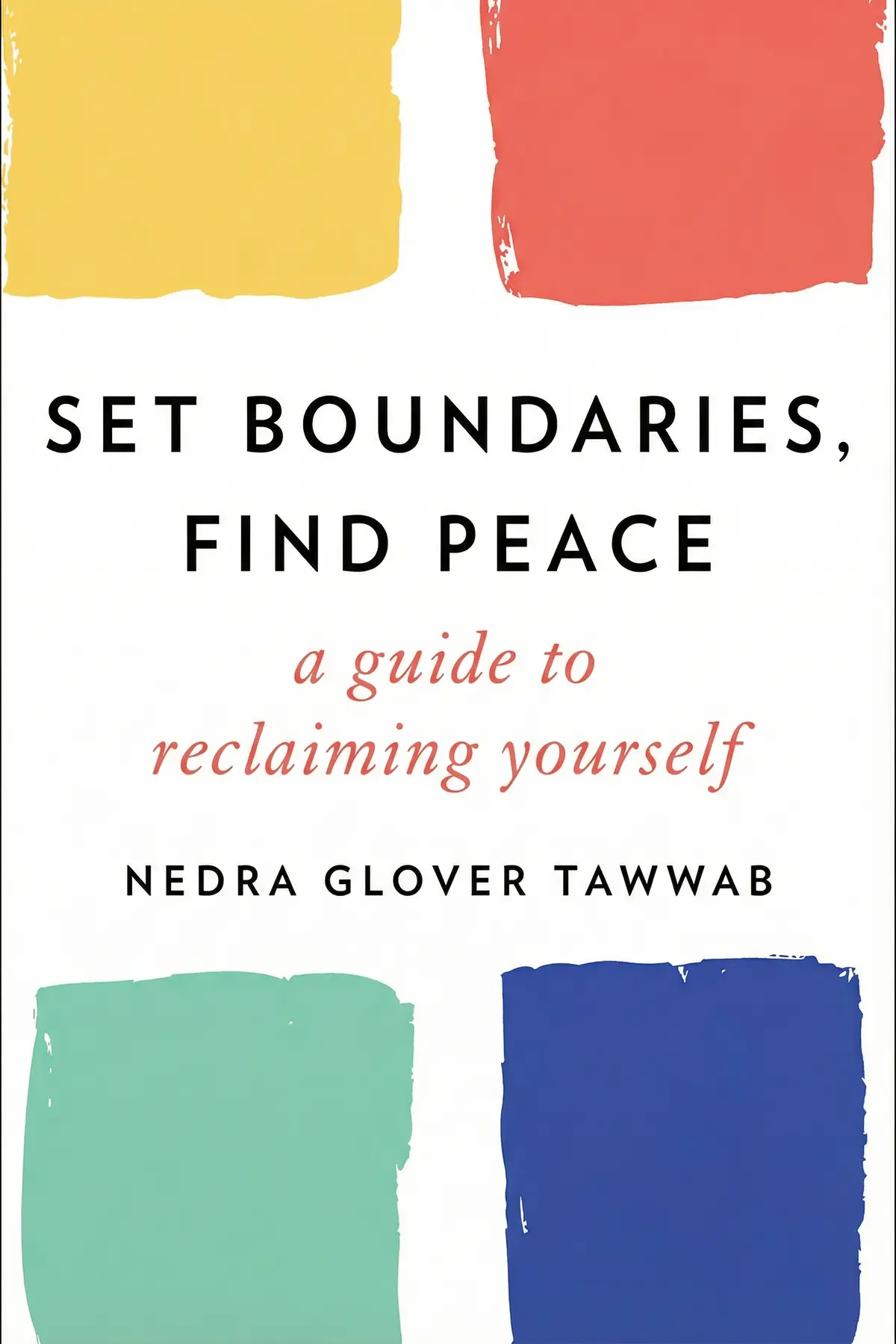
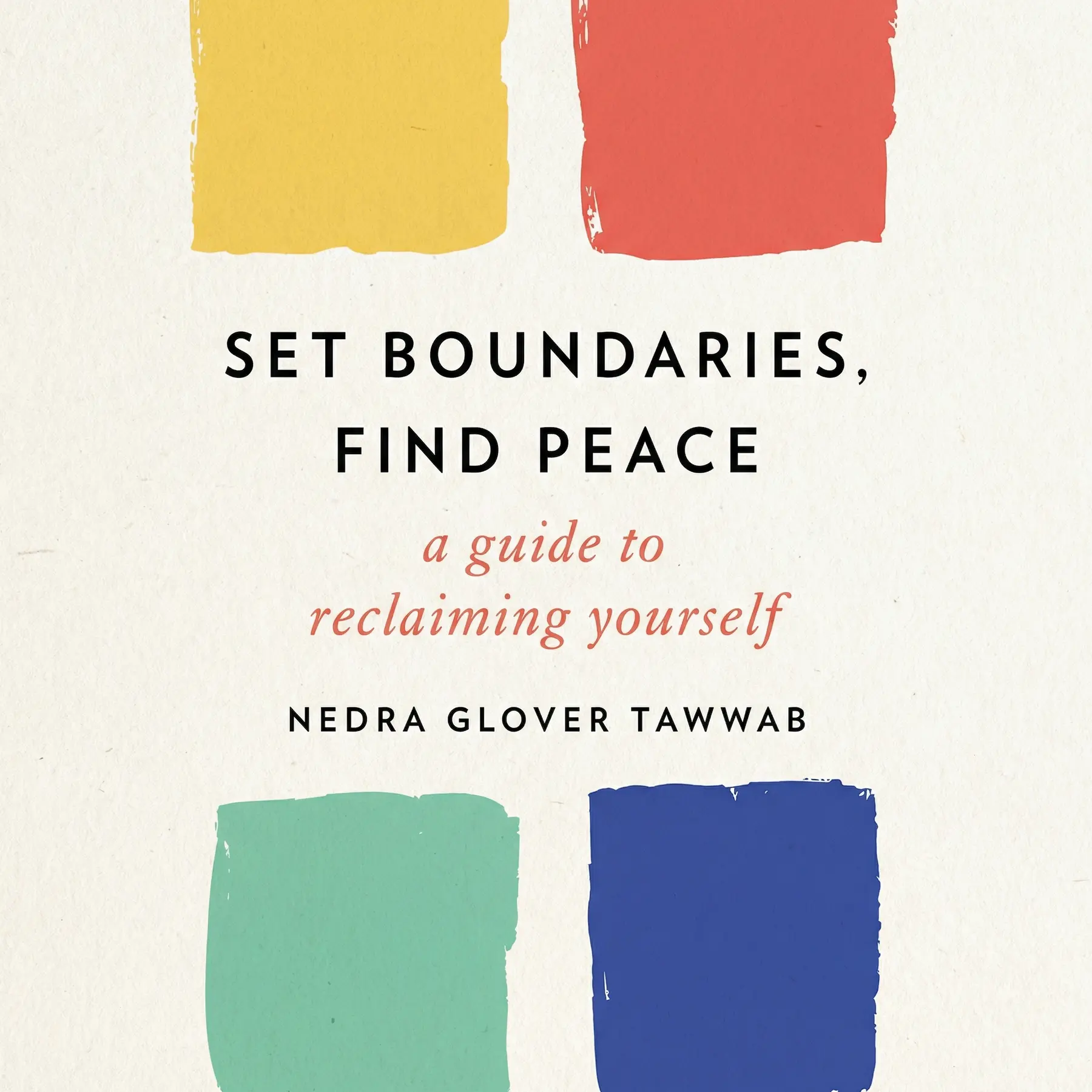
If you keep saying yes when you mean no, then stewing about it later, therapist Nedra Glover Tawwab has a name for what is missing: a boundary. In Set Boundaries, Find Peace, drawing on almost 20 years of relationship therapy, she makes a claim that sounds backward at first. Limits do not push people away. Stated clearly, they make it safe to open up, and that brings people closer.
Her throughline is simple. Much of the strain in a life, from overwork to family friction to a partner’s sulking, comes from needs nobody said out loud, and it eases when you state them plainly and back them with action. She shows how to find your own weak spots, put a boundary into one sentence, enforce it when it is ignored, and use it with yourself, your family, your boss and your partner. The payoff is a set of exact words for the conversations you have been avoiding.
1 min 44 sec
Burnout, trouble refusing friends and avoiding certain relatives look like three different problems. A therapist with two decades of practice sees one shared root, and it shows up in at least six areas of daily life.
1 min 44 sec
Some people absorb everyone’s moods as their own. Others vanish the moment someone gets close. Both feel like personality, yet Tawwab treats them as two settings of the same dial, and each has its own repair.
1 min 43 sec
The sigh, the cold reply and the slammed door all try to send a message, and they almost always fail. Tawwab explains what they are really attempting and the short form of words that works better.
1 min 41 sec
You asked politely, and the same person did it again. Tawwab separates the slips worth shrugging off from the patterns that slowly damage a relationship, and she lays out what to do once asking is no longer enough.
1 min 41 sec
Giving everything to others is often praised as the mark of a good partner or parent. Tawwab points to what that ideal tends to produce, and to a kind of self-care that costs almost nothing.
1 min 47 sec
A husband who checks every decision with his mother put his marriage at risk. Tawwab uses cases like his to show why limits with parents matter, and why parents owe the same respect to their children.
1 min 42 sec
In a single year, American workers let hundreds of millions of paid vacation days go unused. Tawwab explains why people with firm limits at home often lose them at the office, and what that costs the work itself.
1 min 51 sec
Many couples avoid certain topics for years, afraid that raising them will scare a partner off. Tawwab reports what usually happens in therapy when couples finally speak plainly, and which conversations are worth having before it is too late.
1 min 08 sec
What Tawwab offers is one small skill with a wide reach. Overwork, family friction, a partner’s sulking and a slow slide into burnout often trace back to the same missing sentence, a need nobody said out loud. Say it, and each relationship starts running on stated terms rather than guesses.
The work can begin on paper. Divide a sheet into three columns. In the first, write a boundary you want, perhaps fewer calls from your parents. In the second, draft a polite but firm way to say it, such as asking to keep your chats to once a week because life is busy. In the third, note a consequence you could really carry out, like answering only calls you planned together.
Then say the sentence and sit through the awkward moment after it; in Tawwab’s view, it stays awkward only if you make it so. If the line is crossed again, restate it first, and if that fails, follow through with a consequence.
A good boundary works like that cell membrane: it keeps you whole, so the right people can come closer.
Many people say yes when they mean no, then carry the resentment into every conversation. They bicker over problems that could be solved, take on work that is not theirs and let relatives decide for them. Therapist Nedra Glover Tawwab sees a single cause under all of it: boundaries that were never stated, or that were set too loose or too tight. Drawing on almost 20 years of relationship therapy, she argues that limits bring people closer, because they make it safe to open up. She names six kinds of boundaries, explains the difference between porous and rigid ones, and shows why passive-aggressive behavior is really a boundary nobody said out loud. Readers get a practical method: name the need, say it with I want, I need or I expect, restate it once, then follow through with a consequence. Tawwab applies it to self-care, to parents and children, to overwork and to romance, and closes with a simple three-column exercise for planning the conversations you have been avoiding.
People-pleasers who say yes to friends, family and colleagues, then resent it later.
Professionals working past their contracted hours and skipping vacation out of guilt.
Adults whose parents still shape their decisions, and couples stuck repeating the same argument.
Nedra Glover Tawwab is an American therapist, social worker and writer who has practiced relationship therapy for almost 20 years, specializing in helping people build healthy boundaries. Set Boundaries, Find Peace became a New York Times bestseller and has been translated into more than 35 languages. She has written seven other books, including Drama Free, and was named to the TIME 100 list for influence in global health. She lives in Charlotte, North Carolina.
Nedra Glover Tawwab
Listeners find this book to be an essential read that explains the concept of boundaries through actionable advice and clear scenarios. The text is highly organized, and listeners value the way it fosters individual development. They describe the experience as transformative and emboldening, with one listener highlighting its particular effectiveness for professional dynamics.
Wow. I didn’t realize how much I needed a literal script for my life until I opened this book. Nedra Glover Tawwab takes the abstract concept of 'boundaries' and turns it into a concrete, actionable roadmap that anyone can follow. The sections on workplace relationships were particularly eye-opening for me, especially regarding how to handle those colleagues who don't respect off-hours. Frankly, I’ve spent years feeling guilty for saying 'no,' but this guide provides the psychological permission to prioritize my own mental well-being. It is written in a very straightforward, accessible style that feels more like a coaching session than a dry textbook. While some might find the advice blunt, I found the directness refreshing and necessary for someone who usually beats around the bush. This is truly empowering work that has already started to change how I interact with my family.
Show moreFinally got around to finishing this, and my only regret is not reading it sooner. As a chronic people-pleaser, I’ve often felt like a victim in my own relationships, but this book helped me realize that I am the one responsible for teaching people how to treat me. The chapter on family dynamics was particularly moving and hit close to home, especially the discussion about 'parentification' and emotional confidants. Nedra’s tone is firm yet compassionate, providing the exact push I needed to start setting limits with my parents. I appreciate that she doesn’t just tell you to 'set a boundary' but actually explains the fallout you should expect and how to survive the inevitable guilt. It’s life-changing if you’re actually willing to do the work and have those uncomfortable conversations. I’ve already recommended this to three friends who struggle with saying no.
Show moreDirect and to the point. This book doesn't hide behind academic jargon, which I think is why it resonates with so many people. It identifies the root of so many of our internal conflicts—a simple lack of limits. I found the self-assessment quiz at the end to be a great way to reflect on my progress. The advice on 'I-statements' might seem basic to some, but seeing them used in specific scripts for difficult family situations was incredibly helpful. In my experience, most self-help books are too vague, but Nedra gives you the exact words to say. This book is empowering because it puts the power back in your hands. You don't have to wait for other people to change to find peace. You just have to change how you respond to them. Truly a must-read for anyone feeling unappreciated.
Show moreAs someone who has always struggled with people-pleasing, this felt like a lifeline thrown to me in a sea of obligations. I loved how Tawwab categorized boundaries into different types—physical, sexual, intellectual, emotional, etc.—because it helped me see exactly where I was falling short. The writing is engaging and the stories she shares from her practice make the concepts feel very real and relatable. Not gonna lie, I cried a little during the chapter on childhood trauma because it explained so much about why I feel the need to keep everyone happy. This isn't just a book about saying 'no'; it's a book about self-respect and building a life that doesn't leave you exhausted. It is a mandatory addition to any mental health toolkit. I've already bought copies for my sisters because the message is just that important.
Show moreThis book should essentially be required reading for anyone entering adulthood! We are taught so many things in school, but how to set healthy limits with our friends and family is rarely one of them. Nedra Glover Tawwab has a gift for taking complex psychological principles and making them feel like common sense. The book is incredibly well-structured, moving through every area of life including work, romance, and even the relationship we have with ourselves. I particularly appreciated the distinction between 'requests' and 'boundaries'—it changed my entire approach to communication. While the focus is very much on the individual, I think that's exactly what most readers are looking for when they pick this up. It’s life-changing, empowering, and provides the clear steps needed to move from resentment to peace. I can't recommend it enough for those feeling burnt out.
Show morePicked this up after seeing Nedra's Instagram for months, and it’s essentially a much deeper, more structured version of her social media content. The book is packed with lists and 'scripts' which are incredibly helpful when you’re in the heat of a difficult conversation. For instance, the way she breaks down the difference between a boundary and a request was a lightbulb moment for me. To be fair, some of the examples feel a bit simplistic—like the one about the grocery cashier—and I think it glosses over some of the more complex power dynamics in lower-wage jobs. However, the core message about self-discipline and finding peace through limits is undeniable. It’s a very quick read, though I suggest taking your time with the journaling exercises at the end of each chapter. Not every scenario applied to my life, but the ones that did were hits.
Show moreThe truth is, this book isn't a magic wand, but it's a very solid blueprint for personal growth. I appreciated the modern focus on technology and social media, which is a boundary area many of us ignore until we are completely burnt out. The structure is very logical, moving from the 'why' to the 'how' with plenty of case studies to illustrate the points. My only minor gripe is that it feels a bit repetitive in the middle sections, as if some of the chapters were expanded Instagram posts. Also, while she mentions trauma, a deeper dive into how abuse complicates these steps would have been welcome. Regardless, the scripts provided are gold and make the daunting task of confrontation feel much more manageable. It’s a practical, modern guide for a very common problem. Definitely worth a spot on your shelf.
Show moreAfter hearing several coworkers mention it, I decided to dive in to help manage my mounting stress at the office. This book is exceptionally useful for the professional world, especially if you work in a traditional 9-5 setting where 'scope creep' is a constant threat. I’ve started using her phrases to redirect conversations and it’s been incredibly effective at keeping me focused on my actual job duties. Gotta say, the section on 'rigid' versus 'porous' boundaries helped me identify why I was so unhappy—I was letting everyone else’s emergencies become my own. It is a bit list-heavy, which makes for a choppy reading experience at times, but it serves as a great reference guide that you can flip back to. It’s clear, concise, and doesn't waste much time on fluff. A solid 4-star read for anyone feeling overwhelmed by their daily obligations.
Show moreEver wonder why you feel so drained after a day of doing absolutely nothing? This book argues it's because of the 'invisible' boundary violations we allow every single day, from late-night texts to unwanted emotional dumping. I liked the focus on self-boundaries, like how we spend our time and manage our health, because we are often our own worst boundary violators. Some of the scripts felt a bit stiff and I can't imagine saying them exactly as written without sounding like a robot. However, the sentiment behind them is what matters, and it gave me the confidence to start being more assertive. It’s a very practical, if slightly repetitive, guide to taking your life back. If you struggle with guilt, this book will be a very challenging but rewarding read. It forces you to look at your own role in your unhappiness.
Show moreLook, I really wanted to love this given the hype, but the lack of nuance regarding systemic issues is staggering. The author suggests that things like living paycheck to paycheck are simply 'boundary issues' where we fail to say no to ourselves, which completely ignores the reality of inflation and stagnant wages. It feels very aimed at a wealthy, neurotypical audience who can afford to hire housekeepers or tell their boss they only take clients three days a week. Some of the examples, like the man telling his alcoholic father to just 'stick to a drink maximum,' felt dangerously oversimplified and not at all trauma-informed. I also found the tone a bit condescending toward service workers in certain scenarios. While there are a few decent communication tips buried in here, the overall philosophy is far too individualistic for my taste. It ignores the community care aspect of life.
Show moreNedra Glover Tawwab argues that many relationship problems, from overwork to family conflict, come from needs that were never stated. Healthy boundaries let you count on people to treat you in ways you are comfortable with, and they make closeness safer. Her method is to identify where you need a limit, state it directly, handle the brief discomfort, then restate it or apply a consequence if it is ignored.
Tawwab lists physical boundaries around your body and personal space, sexual boundaries around jokes, topics and behavior, intellectual and emotional boundaries that protect your opinions and feelings, material boundaries about how others use your belongings, and time boundaries about how others value your hours. Some are already set by culture, like personal space, while personal ones, such as preferring a handshake to a hug, need to be said.
Tawwab suggests letting minor slips go and focusing on persistent patterns. First give the person the benefit of the doubt and restate the boundary. If they keep crossing it, issue a consequence, as with a mother who keeps arriving unannounced and is not let in until she calls ahead. In some cases you may choose to distance yourself from the relationship or end it.
Tawwab advises dropping the belief that a good employee accepts every request, since overload means doing everything halfway. Plan your work so it fits within working hours, delegate when you have too much, and ask chatty colleagues to save conversation for lunch. If the workload is still too heavy, tell your boss. She argues this beats suffering in silence and usually brings relief.
It suits people who struggle to say no, feel burned out, avoid certain people or keep having the same argument with a partner. It also helps adults whose parents still sway their decisions, parents learning to honor their children’s limits, and anyone who wants precise phrasing for difficult conversations, such as statements that open with I need, I expect or I want.







AUDIO SUMMARY AVAILABLE
Get the key ideas from Set Boundaries, Find Peace by Nedra Glover Tawwab, plus 5,000+ more nonfiction titles.