


13 min 51 sec
Available in: English
 ไทย
EnglishไทยSelf-Compassion: The Proven Power of Being Kind to Yourself
By Kristin Neff
Shows why harsh self-criticism backfires, where it comes from, and how to replace it with self-compassion: noticing your pain, comforting yourself and remembering that every mistake is part of being human.
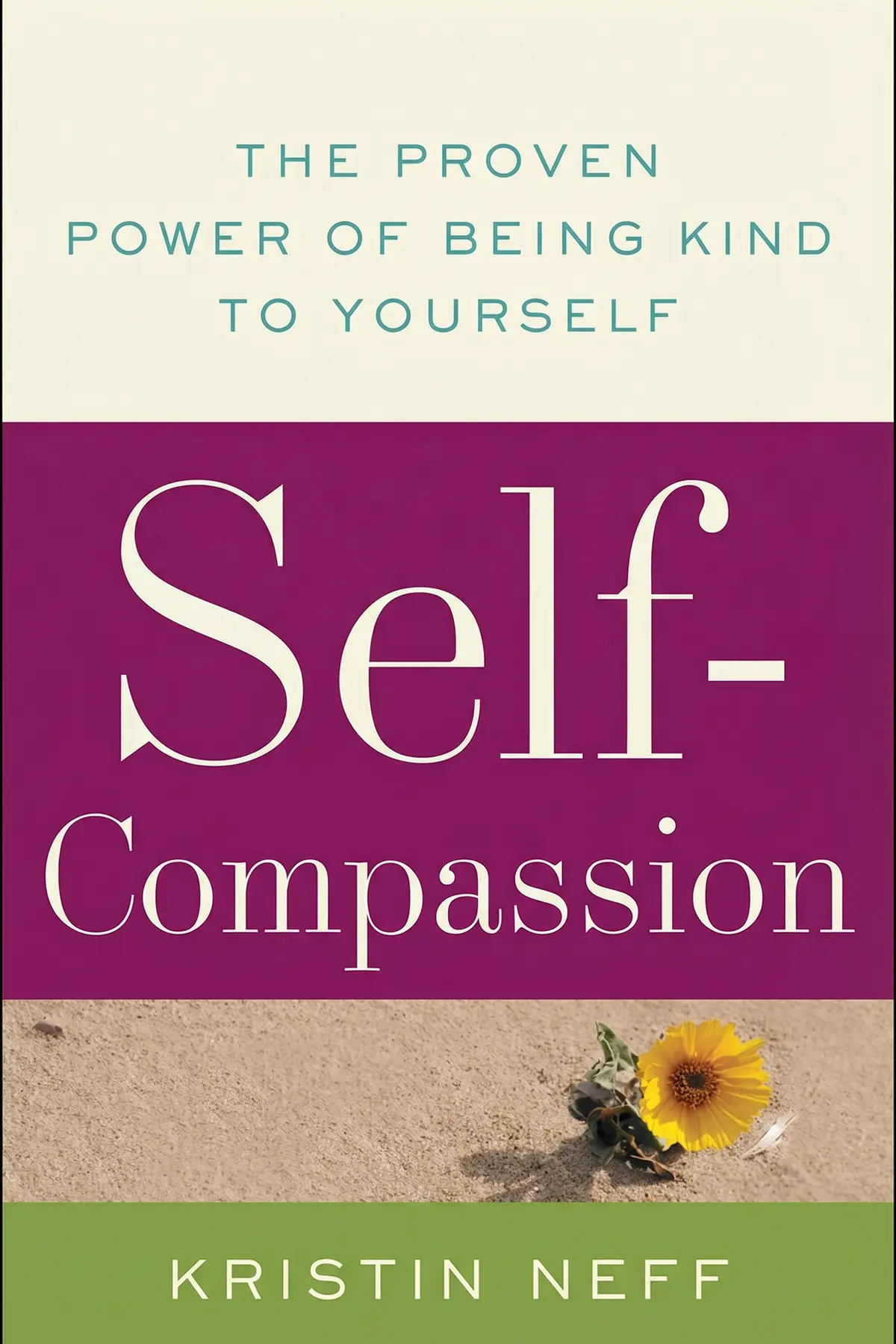
Table of Content
1. Introduction
57 sec
Most people who are hard on themselves believe the harshness is what keeps them improving. In Self-Compassion, researcher Kristin Neff of the University of Texas at Austin argues that the opposite is true: self-criticism drives you through fear, and fear leaves you anxious, avoidant and less able to do your best. We are often called a self-centered age, she notes, yet most of us treat our own mistakes with a severity we would never show anyone else.
Her alternative is to answer your own setbacks the way you would answer a friend who slipped on an icy street. Notice the hurt, offer comfort, and remember that falling is part of being human. Neff presents this as the more practical path to change. By the end, you will know where your inner critic came from, what it costs, and how to talk back to it the next time a glass slips from your hand or a deadline is missed.
2. Find where your harsh inner voice came from
1 min 46 sec
The sharp voice that scolds you over a dropped glass rarely starts out as your own. Neff follows it back to two places, and one of them surrounds you every single day.
3. Fear is a poor coach, so drop it
1 min 32 sec
Being hard on yourself does make you try harder, up to a point. Look closely at what powers that effort, and it explains stage fright, self-sabotage and the report you keep postponing.
4. See self-criticism for the damage it does
1 min 42 sec
You would never speak to a fallen friend the way you speak to yourself. Neff shows what that habit does over the years, including to the confidence that real achievement depends on.
5. Notice your pain before you try to fix it
1 min 32 sec
Many people were raised to brush pain aside and keep moving. Neff argues that the first step toward treating yourself better is precisely the one they were taught to skip.
6. Comfort yourself even when it feels silly
1 min 50 sec
Giving yourself a hug sounds ridiculous to most adults. Neff explains why it feels that way, and why your body may respond to it very differently than your pride does.
7. Remember that every flaw is a human one
1 min 40 sec
A fear you believe is yours alone feels far heavier than the same fear shared. Neff turns that simple relief into a defense against the perfectionism that feeds self-criticism.
8. Use your inner critic as a starting point
1 min 39 sec
Scolding yourself for being self-critical just adds one more layer of attack. A sink full of forgotten dishes shows a way out that leaves the actual problem solved.
9. Conclusion
1 min 13 sec
Neff’s book turns a familiar belief upside down. The voice many people credit for their drive turns out to be borrowed, mostly from childhood and from a culture that ranks everyone, and it works through fear, which leaves people tense, avoidant and less capable. What replaces it is the ordinary care you would give a friend who fell on the ice, turned toward yourself: noticing the hurt, answering it warmly and remembering that everyone falls.
Neff ends with an exercise worth trying this week. Write down five ways you are above average, five ways you are average and five ways you are below average. Then step back and look at the whole list as one wide picture of a person. Ask whether you can accept all of it, and even be glad of it, since being human means holding strong, weak and middling traits together.
After that, listen for the critic in small moments, the late arrival, the forgotten dishes, the dropped glass, and treat each one as a chance to practice. The aim is not a lower standard. It is a voice in your head you would trust to help someone you love.
About this book
What is this book about?
Many people are much harder on themselves than they would ever be on anyone else. They attack every mistake, measure themselves against impossible standards and carry a steady sense of not being good enough, often believing that this harshness is what keeps them improving. Kristin Neff argues that the belief is mistaken. Self-criticism, she explains, is usually learned in childhood from critical parents, teachers or coaches, and it is reinforced by competitive cultures that tie self-worth to being above average. It motivates only through fear, and fear brings anxiety, procrastination and self-handicapping, along with longer-term links to depression and a weaker belief in your own abilities. Her alternative is self-compassion: treating yourself the way you would treat a friend who fell. It rests on three skills, mindful awareness of your pain, kindness toward yourself and the reminder that every flaw is shared by other humans. Readers get simple practices, from a calming self-hug to a step-by-step way of answering the inner critic, and a clear case that kindness is the more practical route to change.
Book Information
Who it's for
Self-critical professionals and students
Professionals and students who push themselves with harsh self-talk and still wonder why they procrastinate.
Still hearing childhood critics
People who grew up with critical parents, teachers or coaches and still hear those voices today.
Perfectionists shaken by setbacks
Perfectionists who feel anxious or low after setbacks and find the idea of comforting themselves awkward.
About the Author
Kristin Neff
Kristin Neff is an associate professor at the University of Texas at Austin. After completing a PhD on moral development at the University of California, Berkeley, in 1997, she turned to self-compassion, a central idea in Buddhist psychology that had never been studied empirically, and carried out some of the first studies of it. She has meditated in the Insight tradition since her doctoral years. With Chris Germer she developed the eight-week Mindful Self-Compassion program and co-founded the nonprofit Center for Mindful Self-Compassion.
Ratings & Reviews
Ratings at a glance
What people think
Listeners view this as an excellent resource that blends scholarly research with hands-on exercises at the conclusion of each chapter. They value the way it differentiates self-compassion from self-esteem and its ability to better one's life perspective. Listeners characterize the text as thought-provoking, with one listener highlighting its power to transform many lives, and they appreciate the author's prose, with one remarking on how it is divided into logical sections.
Top reviews
Noah
Wow. This book arrived exactly when my internal critic was screaming the loudest, offering a gentle but firm hand to lead me out of my own head. Kristin Neff breaks down self-compassion into three digestible core components: self-kindness, common humanity, and mindfulness, which feels much more attainable than just "loving yourself." While some might find the "poor darling" self-talk a bit much, the underlying research really solidified the concepts for me. I’ve spent years trying to boost my self-esteem, but realizing that my suffering is a shared human experience changed my entire outlook. It isn't just fluffy positive thinking; it’s a rigorous psychological shift supported by actual data. If you’ve ever felt isolated by your own failures, this book serves as a necessary reminder that you are not alone in your struggle. It’s a rare read that manages to be both intellectually stimulating and deeply, practically soothing.
Show moreNim
Picked this up on a whim after a particularly brutal week at work. I’ve always been my own worst enemy, but Neff’s "three chair" exercise helped me actually visualize the different voices in my head for the first time. The truth is, I never realized how much energy I wasted on self-criticism until I started implementing the mindfulness techniques described here. Each chapter flows into the next with a clear, research-backed logic that makes the "woo-woo" aspects of self-help feel grounded in science. I particularly valued the sections on how self-compassion affects our relationships with others, showing that being kind to ourselves isn't selfish at all. While the writing can be a bit repetitive in the middle chapters, the practical takeaways are life-changing if you actually do the work. This isn't a quick fix, but a total rewiring of how you relate to your own humanity.
Show moreHang
Finally got around to reading this after my therapist recommended it for the third time. In my experience, most self-help books are either too clinical or too "vibe-based," but Neff strikes a perfect balance that feels both authentic and authoritative. The way she discusses her son’s autism diagnosis was particularly moving, as it highlighted the messy reality of trying to be compassionate while feeling totally overwhelmed. I loved how the book defines self-compassion as a dynamic tool for coping with pain rather than a way to avoid it entirely. The exercises aren't just "tricks"; they are foundational shifts in how you perceive your internal world. It’s one of the few books that I keep on my nightstand to revisit whenever I feel myself slipping back into old patterns of self-judgment. If you are struggling to break free from childhood conditioning or abusive pasts, this might be the most important book you read this year.
Show moreChanikarn
As someone who has always equated self-criticism with motivation, this book was a total shock to my system. Not gonna lie, I used to think being hard on myself was the only way to get things done, but Neff proves that kindness is actually a much better fuel for growth. The distinction between performance goals and learning goals really stuck with me and changed how I approach my career. To be fair, some of the stories are a little dated, but the core psychological principles are timeless and incredibly well-supported by various studies. I found the logical breakdown of the chapters to be very helpful for navigating the complex emotions that come up during the exercises. This isn't just about feeling better; it’s about seeing yourself with clarity and honesty without the dark cloud of negativity. It has genuinely transformed the way I speak to myself on a daily basis.
Show moreTeng
Direct and deeply insightful, Neff has written what I consider to be the definitive guide on the subject. The three core components—self-kindness, common humanity, and mindfulness—are explained with such clarity that they immediately felt applicable to my life. I particularly appreciated the research comparing self-compassion to self-esteem, as it finally explained why my previous efforts at "confidence" felt so fragile. The writing style is respectful and easy to comprehend, even when she’s diving into complex topics like Maslow’s hierarchy or attachment theory. Not every anecdote landed for me, but the overarching message is one of profound hope and practical action. It’s a rare book that manages to be both intellectually stimulating and emotionally soothing at the exact same time. If you want to improve your outlook on life and your relationships with others, start here. It is worth every minute of your time.
Show moreEarn
After hearing several mentions of Neff in my meditation group, I decided to see if the hype was real. To be fair, the distinction she makes between self-esteem and self-compassion is the most valuable part of the whole text. We often chase self-esteem by trying to be better than others, whereas self-compassion allows us to be okay with being average or even failing. The book is organized into very logical sections, making it easy to digest the heavy academic studies alongside more personal stories. Look, some of the anecdotes about her travels to Mongolia felt a bit disconnected from my own reality, but the core message remains powerful. I especially appreciated the practical exercises at the end of each chapter, which turn abstract concepts into actual habits. It’s a solid resource for anyone looking to build a more resilient mindset without the typical self-help fluff.
Show moreRapee
Ever wonder why you're so much nicer to your friends than you are to yourself? Neff explores this phenomenon with a mix of academic rigor and personal vulnerability that I found quite refreshing for the genre. Gotta say, the phrase "poor darling" took some getting used to, but the logic behind it—treating ourselves with the warmth we’d offer a child—is sound. The book avoids the trap of being too "waffly" by including concrete exercises that help you move beyond just reading about change. I did feel like some of the chapters on "common humanity" were a bit protracted, yet the overall impact on my mental health has been undeniably positive. It’s a thought-provoking read that challenges the societal pressure to always be "the best" at everything. Highly recommended for those who struggle with a relentless internal critic and need a permission slip to finally be human.
Show moreKet
This book provides a much-needed bridge between Eastern mindfulness and Western psychology. While I acknowledge the concerns regarding cultural appropriation, Neff does a great job of explaining how these ancient concepts apply to our modern, achievement-obsessed society. The section on social comparison and how we use others' flaws to boost our own ego was especially eye-opening for me. It’s a very practical guide, filled with exercises like the self-compassion journal that help integrate the lessons into real life. I did find the writing a bit repetitive towards the end, and the focus on her personal life sometimes felt a little self-indulgent. Nevertheless, the central thesis—that we need to acknowledge our shared human fragility—is a powerful antidote to the isolation of modern life. It’s a logical, well-structured read that offers more than just empty platitudes. It definitely helped me understand myself better.
Show moreUdom
The information presented here is undeniably important, but the delivery left me feeling a bit frustrated. To be fair, Neff is a pioneer in this field, and her research on the biological benefits of self-compassion is absolutely fascinating to read. However, the book felt significantly longer than it needed to be, with several chapters repeating the same core arguments in slightly different ways. I also struggled with the tone at times, as it oscillated between dense psychological data and overly saccharine personal anecdotes. Personally, I think I would have gained just as much from a long-form article or a short video summary of her main points. If you are in a place of deep crisis, you might appreciate the hand-holding and slow pace, but for me, it was a bit of a slog. It's a good book, just one that requires a lot of patience to get through.
Show morePooja
Is this book written for everyone, or just for people with a massive financial safety net? Frankly, I found Neff’s constant references to her extreme privilege—like taking her son to Mongolia for horse therapy—to be incredibly alienating for the average reader. Not gonna lie, the way she glosses over the cultural appropriation of Buddhist mindfulness practices felt like a massive oversight in a modern psychology text. It feels like she’s telling us to just "be kind to ourselves" while ignoring the systemic issues that cause much of our suffering. When she talks about her own affair and subsequent "self-forgiveness," it comes across more like a rejection of accountability than actual emotional growth. If you're looking for something that acknowledges the realities of poverty or systemic struggle, keep moving, because this isn't it. This is essentially a manual for the comfortable to feel even more comfortable while ignoring the world's actual pain.
Show moreQuestions about this book
What is the main idea of Self-Compassion by Kristin Neff?
Neff argues that harsh self-criticism, often learned from critical adults in childhood and reinforced by competitive cultures, motivates only through fear and ends up hurting both well-being and performance. She proposes self-compassion instead: responding to your own mistakes and pain the way you would respond to a friend who fell, with awareness, kindness and the reminder that struggling is part of being human.
What are the three elements of self-compassion?
Neff describes three. Mindfulness means noticing and naming your pain instead of brushing it off, which also gives you some distance from it. Self-kindness means comforting yourself with gentle words or even a hug, which she notes can release the calming hormone oxytocin. Shared humanity means remembering that mistakes, flaws and setbacks happen to everyone, so you are not alone with them.
Doesn't self-criticism help you improve?
Only to a limited extent, according to Neff. It works because it hurts, so people change to avoid the pain. But that fear brings anxiety, as with an actor’s stage fright, along with self-handicapping and procrastination. Over time, she says, research links self-criticism to depression and anxiety and to a weaker belief in your own abilities, which undermines achievement.
How can I practice self-compassion when my inner critic is loud?
Neff advises working with the critic instead of scolding yourself for it. First, notice the harsh words you are using, such as calling yourself a slob over forgotten dishes. Then identify the feeling and the unmet need underneath, perhaps a need for order. Ask what you could request of yourself or others to meet it, and finally speak to yourself supportively and act on it.
Who should read Self-Compassion?
It suits people who are much harder on themselves than on anyone else: perfectionists, chronic procrastinators, people who grew up with critical parents or teachers, and anyone who feels a constant sense of not being good enough. It is especially useful for readers who suspect harshness keeps them productive and want a kinder approach that still gets problems solved.
Readers also enjoyed

59 Seconds: Change Your Life in Under a Minute
Richard Wiseman



ADHD an A-Z: Figuring It Out Step by Step
Leanne Maskell





AUDIO SUMMARY AVAILABLE
Listen to Self-Compassion in 15 minutes
Get the key ideas from Self-Compassion by Kristin Neff, plus 5,000+ more nonfiction titles.
- 5,000+ titles
- Listen as much as you want
- 7-day free trial
- Cancel anytime









