

13 min 48 sec
Available in: English
 ไทย
EnglishไทยSecrets of the Millionaire Mind: Mastering the Inner Game of Wealth
By T. Harv Eker
Eker argues that money beliefs absorbed in childhood set an inner thermostat for your income. He shows how to trace that programming, rewrite it with new habits and manage what you earn so it grows.
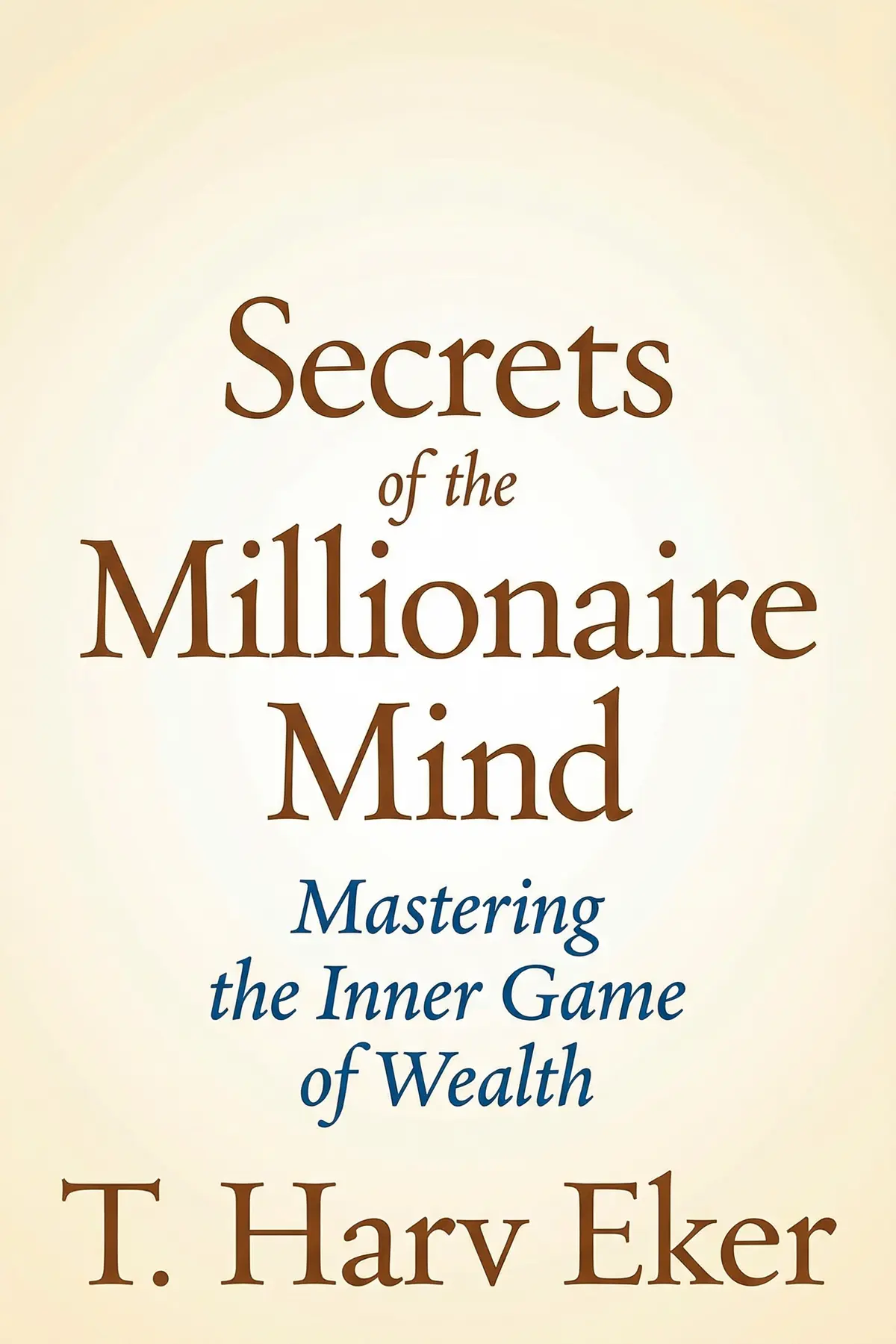
Table of Content
1. Introduction
56 sec
If your savings keep sliding back to the same level no matter what you earn, T. Harv Eker has an explanation. In Secrets of the Millionaire Mind, the author and seminar leader argues that income depends less on skill or luck than on a money blueprint written into us as children. Like a thermostat, that inner setting pulls your finances back toward its preset level, so a windfall gets spent and a shortfall gets repaired.
Everything else in the book follows from that picture. If the setting was installed, it can be changed. You trace where it came from, overwrite it with new words and habits, and adopt the attitudes Eker sees in wealthy people. Along the way you will learn to read your bank balance as a clue and which inherited phrases deserve suspicion. You will also see how Eker divides every paycheck so part of it starts working for you.
2. Read your bank balance as a mental setting
1 min 44 sec
Some people quickly spend any extra cash that comes their way while others always regain their wealth after a loss. Eker traces the difference to something installed long before anyone earned a paycheck, and explains why fighting it head-on often backfires.
3. Spot the money habits you copied at home
1 min 36 sec
A builder who kept making fortunes and losing them left his son more than a business example. The way your parents handled money may still be running your accounts without your permission.
4. Rewrite your money program with words and deeds
1 min 37 sec
Knowing how the wealthy think changes surprisingly little on its own. Eker’s fix borrows the very method that installed your old beliefs, and it gets tested at a mall, in front of a discounted handbag.
5. Take the wheel instead of blaming others
1 min 30 sec
Blaming an employer or the economy feels reasonable when money runs short. Eker sees it as the habit that keeps people stuck, and he offers a plain review that turns regret into something useful.
6. Learn to like money and rich people
1 min 53 sec
Many people distrust money and those who have it, often for decent reasons. Eker argues that suspicion carries a cost, and that a modest upbringing may be holding back your pay in ways you never notice.
7. Get paid for results that hours cannot limit
1 min 50 sec
A skilled masseur and the owner of a chain of studios may work equally hard. Eker explains why their incomes end up worlds apart, and what one question about your audience reveals.
8. Keep more of what you earn and grow it
1 min 37 sec
A large salary can sit alongside an empty account. Eker’s answer starts with how wealth is measured and ends with a way of splitting every paycheck that includes money meant purely for enjoyment.
9. Conclusion
1 min 05 sec
Eker’s book adds up to a single, demanding claim: the number in your account reflects a program, and programs can be rewritten. Strategy and luck matter less, in his telling, than the voice from childhood that says money is scarce, suspect or someone else’s job. His father’s cycle of fortunes made and lost, repeated by the son until he saw it and broke it, is the book’s own proof of how strong that voice is. It also shows that it can be overruled.
The work he describes is ordinary and daily. Write down the money sayings you grew up with and compare them with what your bank balance tells you. Choose one declaration to say each evening, and keep one rule ready for the moment you usually overspend. When something goes wrong, review your own part in it before naming anyone else. And give each paycheck a structure, with a share for investing and a share for feeling rich.
None of it requires a better business idea first. It starts with hearing the old program clearly enough to answer it.
About this book
What is this book about?
Some people seem to attract money, others earn well and lose it, and many never get ahead at all. T. Harv Eker argues that the difference rarely comes down to knowledge, skill or luck. It comes from a money blueprint: beliefs and habits absorbed in childhood from what parents said about money and how they earned and spent it. Like a thermostat, that blueprint keeps pulling income back toward a familiar level. Eker's method has two stages. First comes an honest inventory of the sayings and behaviors you inherited, checked against your bank balance and your investment record. Then comes the rewriting: nightly declarations, prepared rules for moments of temptation and deliberate changes in habit, which Eker says he used to escape his father's cycle of boom and bust. The book also sets out the attitudes he links to wealth. These include taking responsibility instead of blaming others, liking money and rich people, believing you deserve to earn and committing fully. He adds aiming at large markets over hourly pay, and managing money through net worth, passive income and separate accounts.
Book Information
Who it's for
Spending every raise
Earners who spend every raise and want to understand why their savings never grow.
Young professionals, future founders
Young professionals and would-be founders who grew up hearing that money is scarce or suspect.
Wanting concrete money habits
Readers drawn to a mindset approach to money who want concrete daily habits to back it up.
About the Author
T. Harv Eker
T. Harv Eker is an author, businessman and speaker, born on June 10, 1954, in Toronto, Canada. He built his own business and became a millionaire in about two and a half years. He has taught financial success through his Millionaire Mind Intensive seminars and developed further courses, including Life Directions, Wizard Training and Train the Trainer. Secrets of the Millionaire Mind was published by HarperCollins.
Ratings & Reviews
Ratings at a glance

What people think
Listeners find this book compelling and accessible, filled with reliable observations and useful suggestions that assist them in adopting a wealth-oriented mentality. The material is life-altering, supporting listeners as they better their financial circumstances and reframe their views on capital and living. Listeners value the content, pointing out that it aids them in becoming more proficient at both conserving and earning money.
Top reviews
Seksan
This book completely flipped my perspective on how wealth is actually generated and maintained over time. T. Harv Eker dives deep into the 'financial blueprint' we all carry from childhood, which was a massive eye-opener for me personally. I realized I was subconsciously sabotaging my success because of old family scripts about money being the root of all evil. While the constant invitations to his seminars can get a bit repetitive, the core message about mindset is undeniably powerful. You have to be willing to do the exercises, even the ones that feel a bit silly or awkward at first. If you can get past the high-energy 'salesman' tone, there is genuine gold in these pages. My savings rate has already improved since I started implementing his account management system.
Show moreAey
Wow, Eker's approach is punchy, direct, and exactly the kick in the pants I needed to stop playing small. The chapter regarding net worth versus working income was a total revelation that changed how I track my personal finances. Most people focus on the wrong numbers, but this book teaches you to look at the big picture of financial freedom. Not gonna lie, the style is very 'in-your-face' and he doesn't hold back on criticizing middle-class mentalities that keep people stuck. It is a life-changing resource if you are actually ready to take responsibility for your current situation instead of blaming the economy. I’ve started using his 10% play account rule, and it has made the journey toward wealth feel much less like a sacrifice. This is a foundational text for anyone serious about upgrading their lifestyle and their outlook.
Show morePor
As someone who struggled with debt for years, this book provided the mental shift I didn't know I was missing. It’s not just about the math of money; it’s about the emotional energy we attach to our bank accounts. The 10% jars system for money management is brilliant in its simplicity and has helped me become much better at saving. I used to feel guilty about spending money on myself, but now I have a designated 'play' fund that allows me to enjoy life while growing my net worth. Frankly, the declarations at the end of each chapter are a bit intense, but they do help in refocusing your brain on your goals. Since reading this, my income has actually increased because I finally had the courage to ask for what I’m worth. This is a must-read for anyone who feels stuck in a financial rut.
Show moreWanida
Truth is, I didn't think a book could change my actual behavior until I sat down with this one. I’ve read dozens of finance books, but most focus on the 'how' without ever addressing the 'why' behind our spending. Eker forces you to confront your own BS and realize that you are the primary obstacle to your own financial success. The distinction between 'positive thinking' and 'power thinking' was a particularly helpful nuance that I haven't seen elsewhere. It’s about entertaining only those thoughts that support your happiness and success rather than just being delusional. My outlook on life has improved drastically, and I find myself spotting opportunities where I used to only see problems. I’ve already bought copies for my siblings because the message is just too important to keep to myself.
Show moreEllie
The chapter on net worth vs. income was the exact reality check I needed during a period of career stagnation. This book isn't about picking stocks or real estate; it's about preparing your mind to handle the money when it comes. I found the exercises on identifying childhood money memories to be deeply therapeutic and surprisingly accurate for my current habits. Eker makes a compelling case that your income can only grow to the extent that you do as a person. While the 'universe' talk is a bit 'new age,' the underlying message of being a 'money magnet' through value creation is solid. It’s an engaging, easy read that makes complex psychological concepts feel very accessible to the average person. I feel much more empowered to take control of my financial destiny after finishing this.
Show moreMats
Picked this up after seeing it on several 'must-read' lists and I found the content surprisingly practical for a mindset book. Eker focuses heavily on the psychology of wealth, arguing that your internal settings determine your external results. I particularly appreciated the distinction between 'rich' and 'poor' mindsets, even if he uses very broad strokes to make his point. To be fair, some of the affirmations—like touching your head and shouting declarations—felt pretty cringe-worthy in a public setting. However, the logic behind changing your thought patterns to drive better actions is sound and backed by basic psychology. It’s an easy, engaging read that you can finish in a weekend, though I wish there were fewer advertisements for his live events. Overall, it provides a solid foundation for anyone looking to fix their relationship with money.
Show moreDao
Ever wonder why some people just seem to 'get' money while others struggle despite working twice as hard? This book attempts to answer that by looking at our internal programming rather than just external strategies or market luck. The writing style is very conversational and fast-paced, making it accessible even if you aren't a big reader of business books. I found the 'Wealth Files' section extremely helpful for identifying specific habits I needed to break immediately. Look, the spiritual stuff about the universe sending you money through vibrations is a bit much for my analytical brain to handle. But if you ignore the pseudo-science, the behavioral advice is incredibly solid and easy to apply to everyday life. It’s a great companion piece to 'Rich Dad, Poor Dad' but with more focus on the internal game.
Show moreYui
Finally got around to reading Eker and I see what the hype is about, even if the tone is a bit dated. The book is essentially a manual for Cognitive Behavioral Therapy but applied specifically to your wallet and career. I loved the section on how we model our parents' behaviors, as I saw my own father's fear of risk reflected in my career choices. The author is very harsh on those who complain, which might rub some people the wrong way, but it’s a necessary perspective for growth. My only real gripe is the repetitive nature of the 'Millionaire Mind' slogans and the constant push for his other products. However, the core principles of seeking abundance and serving others to create value are timeless and effective. It's a quick read that packs a significant emotional punch if you're open to it.
Show moreA
After hearing several entrepreneurs recommend this, I have mixed feelings about the final product. On one hand, the insights into the psychology of success are quite profound and helped me identify some major limiting beliefs. On the other hand, the delivery is so over-the-top that it sometimes feels like a late-night infomercial. The constant reminders to touch your head and say 'I have a millionaire mind' are frankly embarrassing to do, even when you're alone. I also found the author's dismissal of luck or external circumstances to be a bit reductive and overly simplistic for the real world. Still, the advice on focusing on net worth instead of just a paycheck is something everyone needs to hear. It’s a decent book if you have a strong filter for the 'get rich quick' vibe.
Show moreSoontorn
Not what I expected given the high ratings this book usually receives on various platforms. While there are a few decent nuggets about saving and taking responsibility, they are buried under mountains of self-promotion and 'woo-woo' nonsense. Eker spends way too much time trying to convince you to sign up for his expensive 'Millionaire Mind' seminars. It felt like I was reading a 200-page sales pitch rather than a transformative financial guide. Also, the idea that you can just 'declare' wealth into existence by shouting at the universe is scientifically questionable at best. He treats the rich as inherently virtuous and the poor as inherently flawed, which ignores a lot of systemic reality. If you want practical investment advice, look elsewhere, because this is mostly just motivational fluff mixed with aggressive marketing.
Show moreQuestions about this book
What is the main idea of Secrets of the Millionaire Mind?
T. Harv Eker argues that your level of wealth is preset by beliefs and habits you absorbed as a child, from what your parents said about money and how they earned and spent it. This money blueprint works like a thermostat, pulling income back to a familiar level. To change it, he says, you must recognize it, overwrite it with new declarations and behavior, and adopt the attitudes he associates with millionaires.
What is a money blueprint according to T. Harv Eker?
It is Eker’s name for the inner program that governs how you think about and handle money. It forms in childhood through repeated phrases, such as money not growing on trees, and through copying how parents earn and spend. Eker’s own example is his father, a builder who repeatedly made fortunes and lost them, a pattern Eker repeated in his first businesses.
How does Eker suggest dividing your income?
He recommends separate bank accounts. Half of your income covers everyday costs. Ten percent goes into an account reserved for investments that produce passive income, such as stocks or investment funds. Another ten percent goes into a pleasure account, spent on something that makes you feel rich, like the most expensive dish at an exclusive restaurant. He also urges keeping living costs as low as possible.
How can I apply Secrets of the Millionaire Mind?
Start with an inventory: write down the money sayings and habits you inherited and compare them with your bank balance. Say a few declarations aloud each evening, and prepare a rule for moments when you usually overspend, such as buying nothing new while in debt. Review money decisions that went badly to find your own part in them, and split each paycheck into dedicated accounts.
Readers also enjoyed





Cashing Out: Win the Wealth Game by Walking Away
Julien Saunders
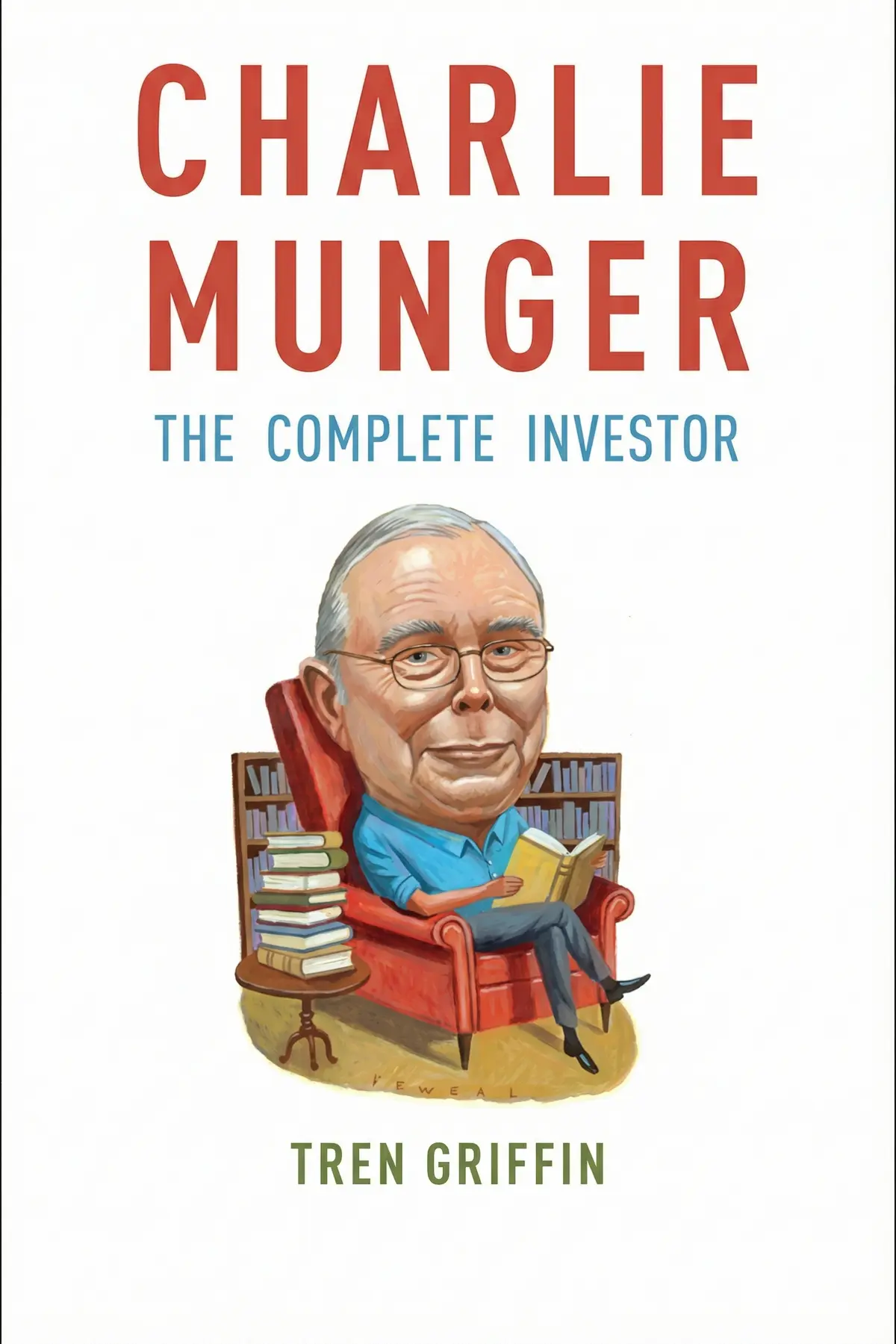
Charlie Munger: The Complete Investor
Tren Griffin
Big Mistakes: The Best Investors and Their Worst Investments
Michael Batnick
AUDIO SUMMARY AVAILABLE
Listen to Secrets of the Millionaire Mind in 15 minutes
Get the key ideas from Secrets of the Millionaire Mind by T. Harv Eker, plus 5,000+ more nonfiction titles.
- 5,000+ titles
- Listen as much as you want
- 7-day free trial
- Cancel anytime









