

12 min 39 sec
Available in: English
Reach Out: The Simple Strategy You Need to Expand Your Network and Increase Your Influence
By Molly Beck
A practical method for growing your professional network: short daily messages to people you barely know, built around small gifts and one specific request, that lead to jobs, clients, press and mentors.
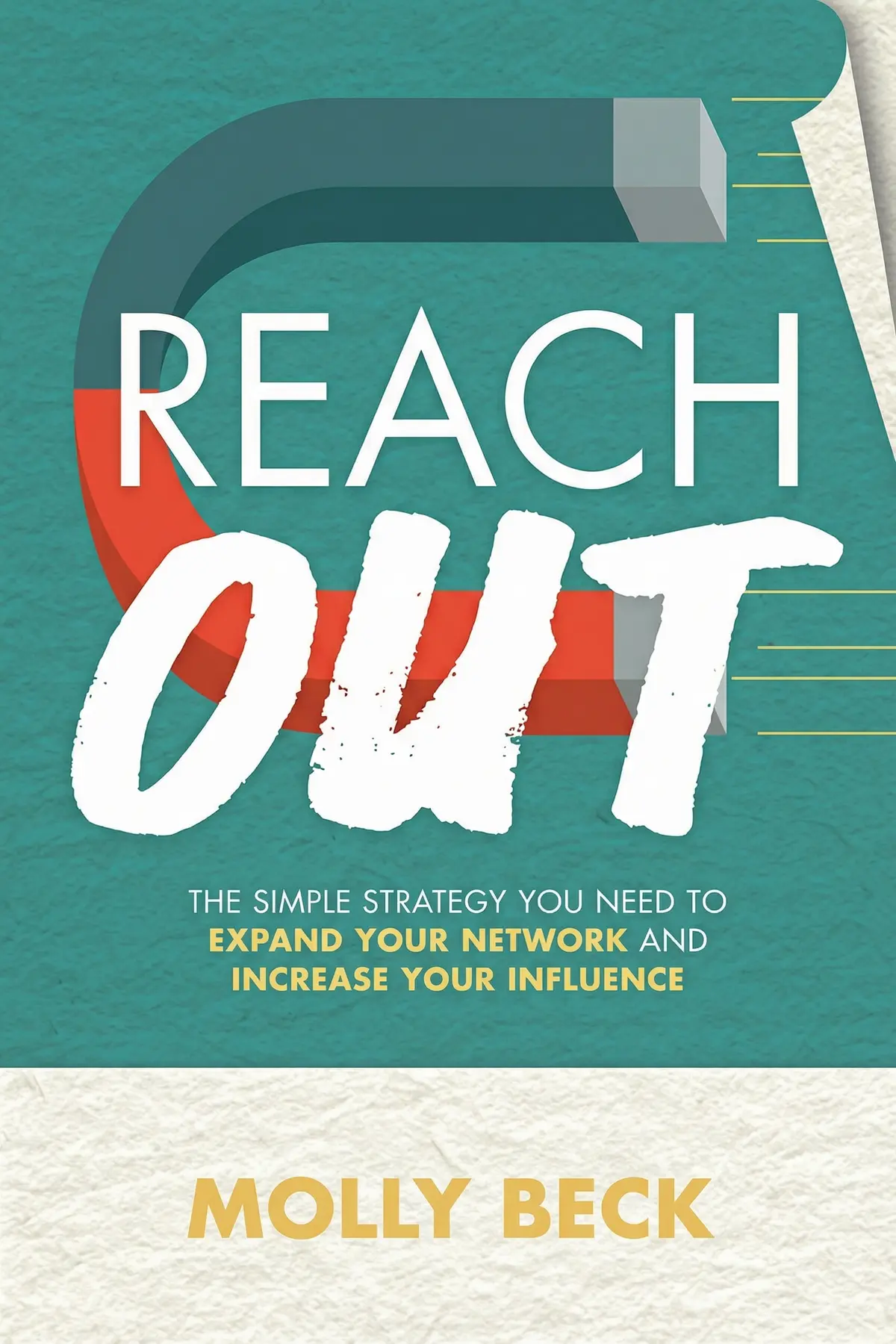
Table of Content
1. Introduction
59 sec
Losing out on a job to someone with an inside connection can make a career feel rigged. In Reach Out, Molly Beck, creator of the lifestyle blog Smart, Pretty and Awkward, argues that you can build those connections yourself. The people most likely to help, she says, are the ones you barely know. Close friends tend to hear the same news you do. Loose acquaintances hear about openings you never would.
Beck’s method for reaching them is modest by design. Send one short message a day to someone outside your inner circle. Offer them something small before you ask for anything, and keep going whether or not they reply. Done steadily, that habit grows the kind of network that recommends people for jobs, clients and projects.
Along the way you’ll learn which gifts a message should carry and which kinds of contacts answer most often. You’ll also learn how to write an email a busy person will actually read, and how to treat silence as useful feedback.
2. Find your next opening through people you barely know
1 min 43 sec
Your closest friends tend to move in the same circles you do, so they often know the same things you already know. Yet Beck argues they are rarely the ones who can change your career, and the reason has to do with what they already know.
3. Open every message with two small gifts
1 min 48 sec
Long, rambling emails and vague requests are unlikely to earn a reply. A nonprofit author landed a session with a famous entrepreneur by doing the reverse, and it cost her almost nothing.
4. Match your message to how well you know them
1 min 41 sec
A note to a former colleague and a note to a stranger you admire cannot sound the same. The gap in how often each one gets answered should shape where you spend your time.
5. Turn old contacts into jobs, clients and mentors
1 min 44 sec
A law graduate mentioned her interests to a former boss and soon had a new job. Beck shows the same kind of message can bring customers, press coverage and even a mentor.
6. Write a short email a busy person will answer
1 min 51 sec
Most people freeze at the blank message, then write far too much. Beck offers a fixed structure, and a small formatting detail in the subject line seems to make people likelier to reply.
7. Make one daily message a habit that outlasts fear
1 min 47 sec
Unanswered emails feel like rejection, and rejection makes people stop. A psychotherapist and a blogger and author each built the habit into a fixed routine, so there was no daily decision for nerves to weigh in on.
8. Conclusion
1 min 06 sec
Beck’s book turns networking from an event you dread into a small daily task with clear parts. The friend of a friend who got the job was not necessarily better qualified. They were known to the right person at the right moment. Beck’s method is a way to be that person more often: give before you ask, keep the request small and keep sending.
The practical start is modest. Choose one weak tie, perhaps a former colleague. Write a short note that offers two gifts, such as a real compliment and something useful, with one specific question at most. Thank whoever answers. When no reply comes, you may drop the matter, or wait a minimum of four weeks and then follow up with a revised note that serves as a polite reminder.
Before any of that, Beck suggests bringing your LinkedIn or other profiles up to date. Make them show the work you do in the field you want, because a link to them can close every email you send.
Each message is a small bet. Sent once a day, those bets add up to a network that hears about opportunities first and thinks of you when it does.
About this book
What is this book about?
Plenty of people do everything right on paper and still lose the job to someone with an inside connection. Molly Beck's response is practical. Instead of resenting those connections, build your own, one message at a time. Her method, which she calls Reaching Out, rests on a simple observation. Close friends and family tend to know what you already know, while former coworkers, old professors and people you met once hear about openings you never would. Beck shows how to contact these weak ties with short emails or social media messages. Each message carries at least two small gifts and, at most, one specific favor, and its tone changes with how well you know the person. Readers get a clear structure for writing these messages, response rates that show where effort pays off, stories of people who found jobs, expert crowdfunding advice and mentors this way, and a routine that makes the habit stick. That routine covers how to handle silence, when to follow up and why a thank-you matters.
Book Information
Who it's for
Passed over for insiders
Job seekers and early-career professionals who keep losing roles to candidates with inside connections.
Switching fields without contacts
Career switchers who need contacts in a field where they know almost no one.
Freelancers and business owners
Freelancers and small business owners who want clients, press or mentors but freeze at writing to strangers.
About the Author
Molly Beck
Molly Beck wrote Reach Out as a guidebook to networking. She created the lifestyle blog Smart, Pretty and Awkward. She also founded Messy Bun, a site for making, editing and releasing podcasts. Building a blog and a podcast business from scratch is the kind of work that depends on contacting people you do not yet know. That is the skill her book teaches.
Ratings & Reviews
Ratings at a glance

What people think
Listeners find this book to be a practical manual that strikes a perfect balance between theoretical explanations and concrete steps. The text is accessible and considered essential for those early in their careers, with one listener highlighting how small tasks become a full-fledged strategy. Furthermore, they value the engaging nature of the interactive insights provided, and one listener points out its effectiveness in building strong momentum in one's career. The guide earns praise for its focus on interpersonal abilities, with one listener emphasizing how it empowers readers to find ways to connect, and listeners ultimately view it as required reading for millennials starting their professional lives.
Top reviews
Pierre
As someone who has always struggled with networking and finds the whole process incredibly daunting, I found this book to be a total game-changer. Molly Beck takes the 'scary' out of professional outreach by breaking it down into tiny, manageable daily tasks. I love the concept of offering 'gifts' first; it makes the interaction feel much more like a genuine connection rather than just asking for a favor. Frankly, the advice on peripheral contacts—the ones on the edge of your network—was worth the price of the book alone. It’s helped me build a surprising amount of momentum in my career over the last few months. If you’re an introvert who needs a push, this is exactly what you need.
Show moreSai
Wow, the 'Reach Out' strategy actually works if you’re willing to put in the work. I’ve been following the plan for three weeks now, and the response rate I’m getting from cold contacts is significantly higher than before. The book hits that sweet spot between explaining the 'why' and giving you the 'how' through actionable advice. I particularly liked the section on updating your online presence to raise visibility—it's those small details that make a huge difference. Not gonna lie, I was skeptical at first, but this is a must-read for young professionals. It turns what used to be a stressful chore into a simple, daily habit that feels totally sustainable.
Show moreSaranya
Required reading for any recent grad! I wish I had this book when I first started out. It takes the abstract concept of 'networking' and turns it into a full-fledged, step-by-step strategy. The author doesn't just tell you to meet people; she shows you how to identify targets, what to say, and how to follow up without being annoying. I especially appreciated the Appendix B summary which makes it so easy to go back and find specific action items. It’s a very practical guide that avoids the usual self-help fluff. If you want to get more stuff done by knowing more people, this is the blueprint you’ve been looking for.
Show morePensuda
I picked this up hoping for some practical tips to help with a career pivot, and it delivered exactly what I needed. The book is incredibly easy to read and serves as a fantastic manual for anyone who feels stuck. What I liked most was how Molly Beck emphasizes that you don't need 'white-hot ambition' to make this work; you just need a bit of consistency. The advice on using social media to raise visibility was particularly relevant for the digital landscape we’re in now. Personally, I found the 'Love/Don't Love' list-making exercise surprisingly clarifying for my own goals. It’s an empowering read that makes you feel like your dream job is actually within reach.
Show moreManee
Molly Beck provides a solid framework for anyone looking to systematically grow their professional circle. The 'Love/Don't Love' career test at the beginning was a useful exercise for me to figure out who my 'targets' should even be. While some of the instructions on how to address an email felt a little pedantic, the overall structure of the book is very user-friendly with great summaries at the end of each chapter. It’s a practical guide that doesn't rely on hyperbole. My only real complaint is that it’s clearly aimed at millennials or entry-level workers. Still, for that demographic, it’s probably the best resource out there for building a network from scratch.
Show moreMalee
Ever wonder why your LinkedIn is just sitting there gathering dust? This book explains exactly why: we tend to stick to our 'strong ties' who only give us redundant information. Beck’s focus on reaching out to distant contacts is brilliant. It’s a very easy read, almost conversational, which makes the advice feel accessible rather than preachy. I found the specific templates and the appendix of action items to be incredibly helpful for getting started immediately. The book is a bit simplistic in parts, but the entertainment value of the interactive reader insights kept me engaged. It’s a solid 4-star read that I’ll definitely be passing on to my younger siblings as they start their careers.
Show moreFelix
Gotta say, the chapter on gift-giving changed my perspective on what networking actually means. It’s not about 'freeloading' or asking for help; it's about providing value first. Beck comes across as a very relatable guide, and her writing style is punchy and direct. Some might find it a little too 'basic white girl' in its tone, but the strategy itself is undeniably effective for building career momentum. I appreciated that the chapters were short enough to read during a morning commute. It’s a practical, no-nonsense guide that empowers you to take control of your professional trajectory. A few sections felt like filler, but the 'golden nuggets' are definitely there.
Show moreWararat
Finally got around to reading this after seeing it everywhere on LinkedIn. Truth be told, I felt like the core message—that reaching out to one person a day can change your life—could have easily been a long-form blog post or a series of tweets. It’s quite corporate and very American in its approach, which might not resonate with everyone. However, if you can get past the 'basic' vibe, there are some decent nuggets here about finding contact info and managing your digital presence. I appreciated the emphasis on discipline, but for a seasoned professional, much of this will feel like common sense. It's a quick read, but I was left wanting deeper, more nuanced networking strategies beyond just sending a cold email.
Show moreWan
The initial concept is brilliant, but the execution feels a bit thin. I really liked the idea of the Reach Out plan as a way to maintain discipline in your career growth. However, the level of detail regarding things like how to find an email address felt unnecessary for anyone who grew up with the internet. In my experience, the book works best as a motivational tool rather than a technical manual. It’s thoughtful and reasonable, but I think it could have been condensed into a much shorter format without losing the core message. It's a good 'beginner' book, but if you’ve already read Keith Ferrazzi, you might find this a bit redundant.
Show moreJun
To be fair, I think I was the wrong audience for this book. It’s very 'corporate girl in the big city' and assumes a certain level of privilege and access that doesn't apply to everyone. I was looking for deeper insights into building meaningful professional relationships, but instead, I got a very basic tutorial on how to use social media and write emails. It felt a bit repetitive after the first few chapters. Look, the idea of daily outreach is sound, but do we really need a whole book to tell us to be consistent? I would have preferred to see more diverse case studies or strategies for people in non-traditional career paths.
Show moreQuestions about this book
What is the main idea of Reach Out by Molly Beck?
Beck argues that careers advance through people, and that your loose acquaintances, or weak ties, matter most. They move in other circles and hear about opportunities your close friends never do. Her method is to contact these people regularly with short, generous emails or social media messages. Over time, the habit builds a network that can recommend you for jobs, projects and clients.
What should a networking email include, according to Reach Out?
Beck says every message needs at least two gifts, such as a sincere compliment, a book recommendation or information the person would value. A favor is optional. If you include one, make it specific and quick to answer by email, such as which events to attend or which trends to follow. Keep the email short, use a clear subject line and a one-sentence bio, add your contact details and proofread.
What are the four types of Reach Out?
Beck groups them by closeness. A Re-RO goes to someone you already know a little. A Follow-up RO goes to someone you met once or twice. A Borrowed Connection goes to a stranger you share a contact with, after checking with that contact. A Cool RO goes to someone with no link to you. Re-ROs and Follow-ups get replies 60 to 80 percent of the time, while Cool ROs average about one in four.
How do you handle people who don't reply?
Beck treats non-responses as normal and useful. You can let them go, or wait at least four weeks and send an updated message. A low response rate is a signal to review your subject line, the length of your email and how specific your request was. Sending a new message every day also helps, because you have little time to dwell on any single silence.
How can I start applying Reach Out this week?
List people you know loosely, such as former coworkers, classmates and teachers, and sort them by how well you know them. Decide what you want, whether that is an interview, a client or advice. Then send one message a day, or a weekly batch if that suits you better, each with two gifts. Thank everyone who replies, and keep your LinkedIn profile current, since your emails can link to it.
Readers also enjoyed




60 Seconds & You’re Hired!
Robin Ryan



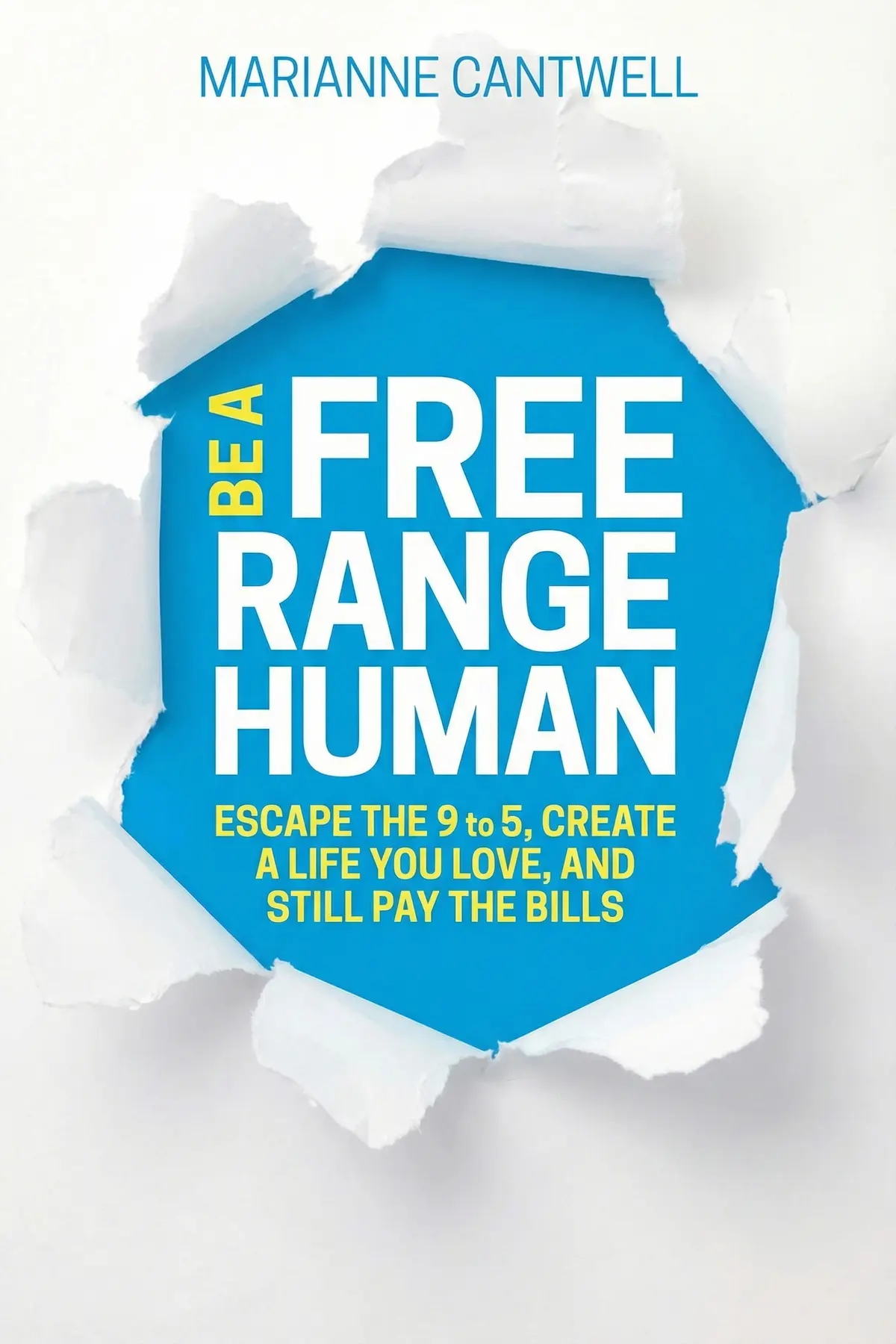
Be A Free Range Human: Escape the 9 to 5, Create a Life You Love,
Marianne Cantwell
AUDIO SUMMARY AVAILABLE
Listen to Reach Out in 15 minutes
Get the key ideas from Reach Out by Molly Beck, plus 5,000+ more nonfiction titles.
- 5,000+ titles
- Listen as much as you want
- 7-day free trial
- Cancel anytime









