
12 min 25 sec
Available in: English
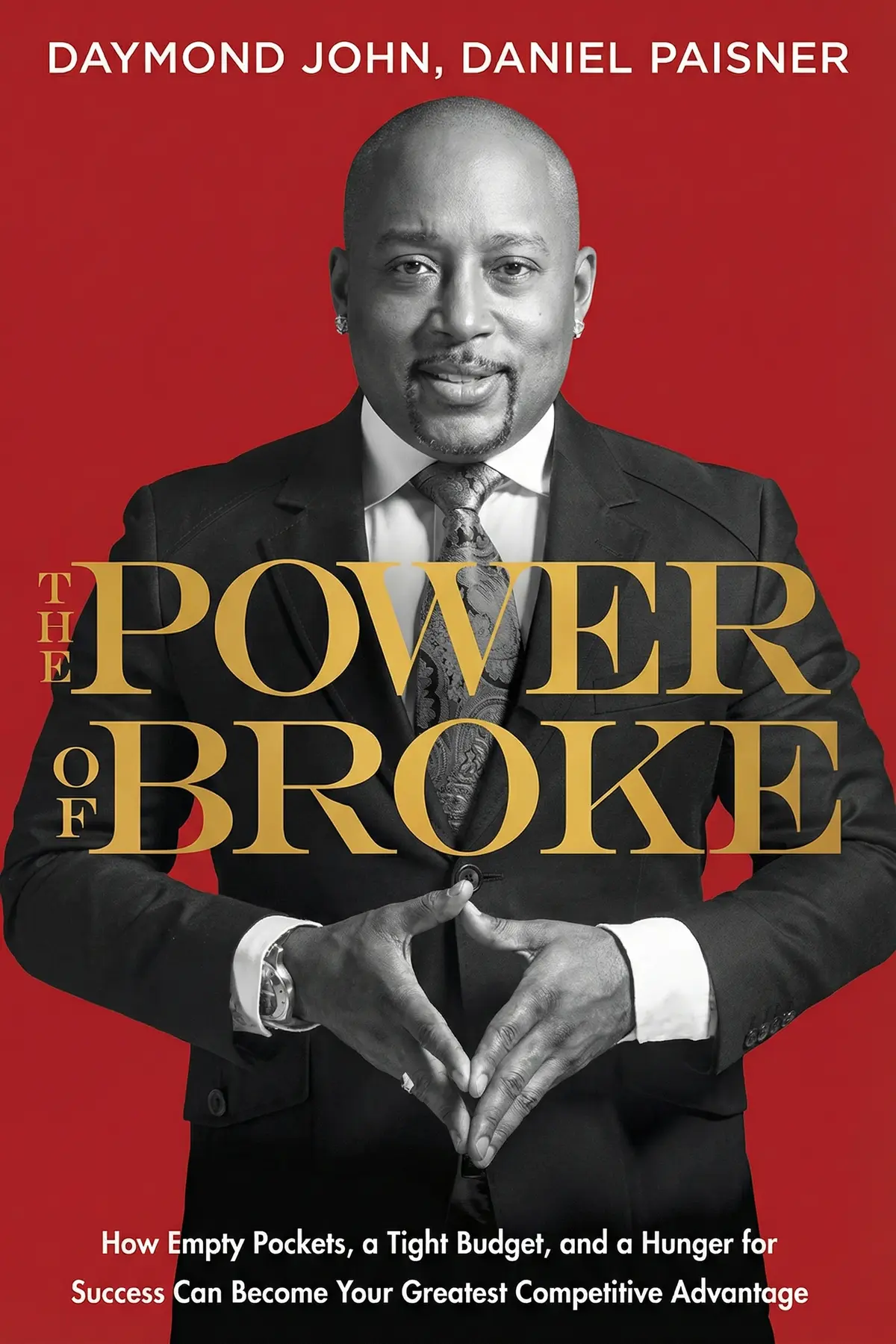
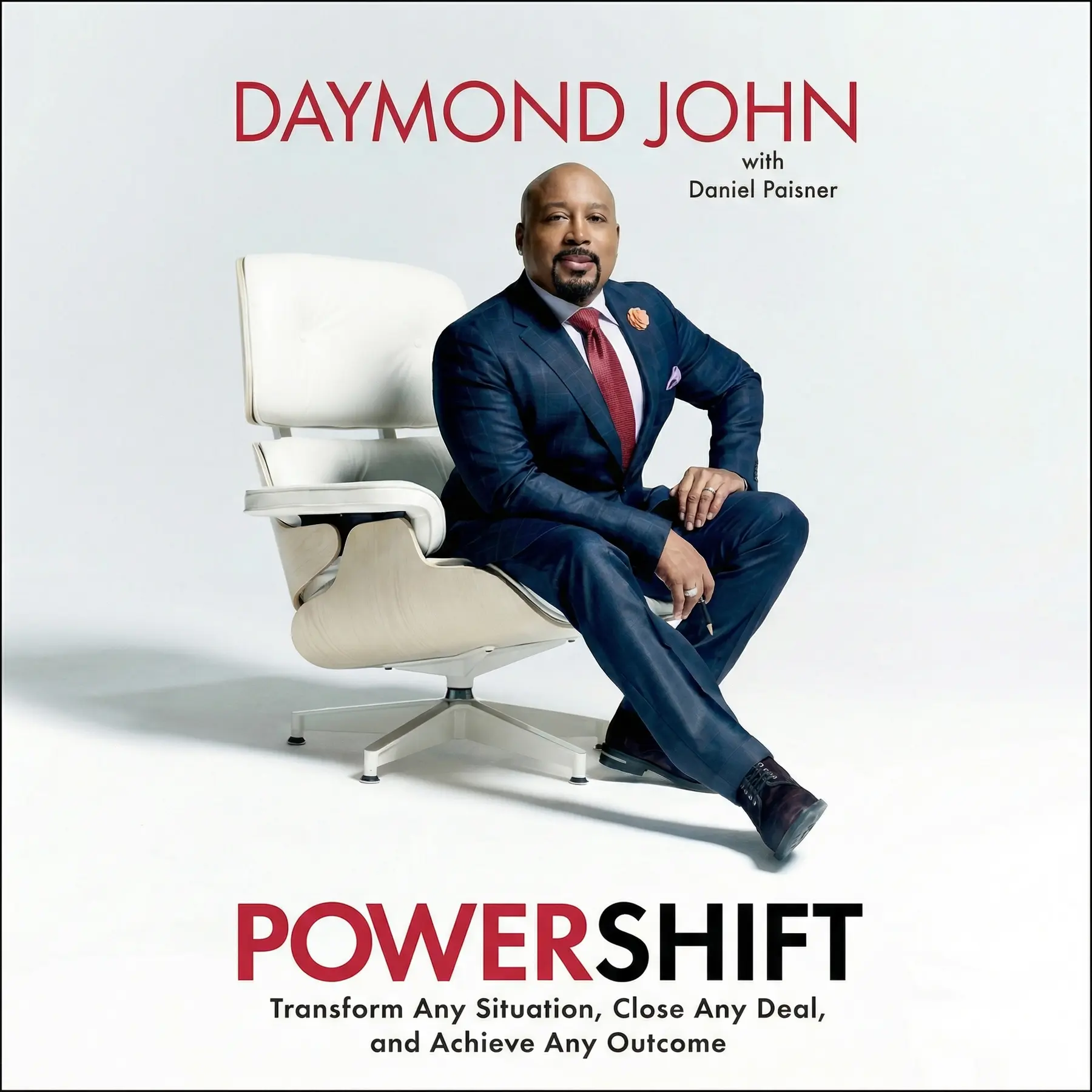
Powershift: Transform Any Situation, Close Any Deal, and Achieve Any Outcome
Daymond John shows how influence in business is earned ahead of time, through a clear personal brand, overlooked allies, careful preparation, fair treatment of small partners and body language that wins the room before you speak.
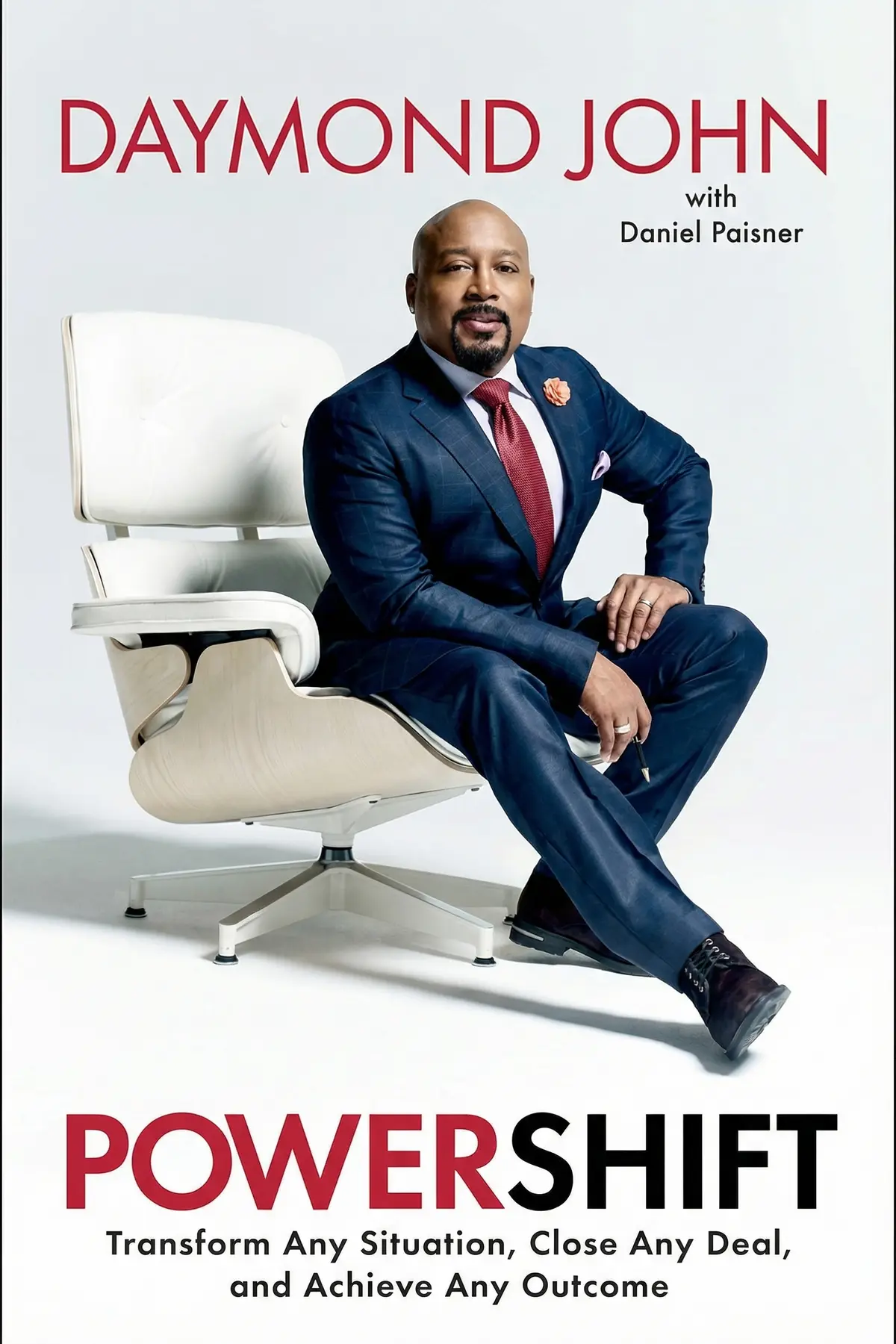
Table of Content
1. Introduction
1 min 03 sec
Most people try to gain influence at the moment they need it, in the pitch, the interview or the tense negotiation. In Powershift, written with Daniel Paisner, FUBU founder and Shark Tank investor Daymond John argues that by then it is usually too late. Influence, in his telling, is built earlier: through a reputation that stands for something, relationships nobody else bothered with, serious homework and fair dealing.
He calls the payoff a powershift, the moment you can take control of a situation because the groundwork is already done. The evidence comes mostly from John’s own career: a clothing label that conquered New York’s nightclubs through the men guarding their doors, a sock company that earned his money by studying the show inside out, and an expensive mistake with small shops that hurt his brand.
Follow those stories and you get a set of habits for the long game, ready for the next deal, job hunt or pitch on your calendar.
2. Turn a product into a story buyers tell
1 min 41 sec
Two sweatshirts can sit on neighboring shelves and mean completely different things to the person buying them. One sports brand shows how a label climbs from useful to essential, and why the climb cannot be faked.
3. Make your name stand for one thing
1 min 40 sec
A motorcycle stunt rider got a mocking nickname from a police officer writing him a ticket. What he did with it next turned an ordinary man into a word parents used to scold their children.
4. Win over the people everyone else overlooks
1 min 51 sec
Every new fashion label in New York chased the same trendsetters with free clothes. One young company noticed a different group of customers, standing at the same nightclubs, whom nobody had ever thought to court.
5. Do your homework and win the room
1 min 35 sec
Most hopeful entrepreneurs walk onto Shark Tank and improvise. Two sock makers did something almost nobody bothers to do, and it turned a television appearance into a six-figure investment.
6. Protect your reputation by treating small partners fairly
1 min 34 sec
FUBU was earning millions when it refused a small, annoying request from tiny shops. The decision saved time and effort, and then the shops found a way to answer back that hit the brand where it hurt most.
7. Win the silent minutes before you speak
1 min 45 sec
Viewers never see the awkward pause on the Shark Tank set, but the investors treat it as one of the most telling moments of the show. How contestants carry themselves in that silent moment, whether fidgeting, posing or smiling, matters a great deal.
8. Conclusion
1 min 16 sec
Powershift is really an argument about timing. The moments people remember, the closed deal, the TV spot, the investment, look like flashes of luck or charm. In John’s stories they are withdrawals from an account opened years earlier: shirts that kept their promise, a name that stood for something, free clothes for the men at the club door, hours spent watching old episodes of a show. Even his costliest mistake fits the pattern in reverse. Refusing to break the box saved FUBU some hassle and put its hard-won reputation on the discount rack.
John’s own parting advice turns on that point: give about as often as you take. Look back at the times you lowered your guard, did someone a favor or met a partner halfway, and notice what came back later, a stronger reputation or a useful contact. Carry that memory into your next negotiation. Before the meeting, find one overlooked person worth your attention and learn the other side well enough to answer what they will ask. In the room, let a calm face and an even gaze speak first.
Influence rarely arrives when you ask for it. It comes to people who prepared the ground while nobody was watching.
About this book
What is this book about?
Most people try to become persuasive at the exact moment they need it: in the pitch, the interview or the tough negotiation. Daymond John, the founder of FUBU and a longtime investor on Shark Tank, argues that by then the outcome is mostly settled. The people who win play a longer game. They shape their reputations, spread their influence and look after relationships long before any reward is in sight. John calls the payoff a powershift: the moment you can take control of a situation because the groundwork is already in place. He draws the lessons from his own career, from turning New York nightclub bouncers into walking billboards to backing a sock company whose founders had studied every episode of the show, and from a costly decision that pushed his label onto discount racks. Readers get practical habits they can use right away: how to turn a product into something buyers want to be seen with, how to define a personal brand in a handful of words, how to prepare for the people across the table, why squeezing small partners backfires, and how to manage the silent first minutes of any meeting.
Book Information
Who it's for
Pitching investors or clients
Founders and freelancers who pitch to investors or clients and want to walk in already ahead.
Building a reputation
Young professionals building a reputation and looking for allies beyond the obvious big names.
Negotiators and salespeople
Negotiators and salespeople who suspect their body language and deal terms cost them goodwill.
About the Author
Daymond John
Daymond John grew up in Hollis, Queens, in New York City, where he sewed tie-top hats using what his mother had taught him and sold a batch on the street. With neighborhood friends he launched FUBU, a clothing line inspired by the hip-hop scene around him, and since 2009 he has invested in entrepreneurs on Shark Tank. Daniel Paisner is a journalist, author and podcaster best known as a ghostwriter and collaborator, with seventeen of his books reaching the New York Times best-seller list and co-authors including Serena Williams and Denzel Washington.
Ratings & Reviews
Ratings at a glance
What people think
Listeners find the work both motivating and enjoyable, with one listener remarking that it is ideal for crisis situations. Furthermore, they value the actionable guidance provided, particularly the lessons on maneuvering through the corporate landscape. The book also garners praise for its professional utility; one listener points out how it helps identify opportunities, while others emphasize its significance for entrepreneurs.
Top reviews
Rome
Daymond John really knows how to deliver a roadmap for those of us trying to pivot in a changing economy. The way he breaks down the Pitbull story regarding his hit record was a total eye-opener for me personally. It isn’t just about the money; it is about the "powershift" you make in your mind to leverage your existing strengths. To be fair, I didn't think I'd learn much more after his previous books, but this one feels incredibly current. The focus on establishing influence and maintaining relationships is practical for any industry. If you want to rejuvenate your hustle, this is the nudge you need right now.
Show moreSaowalak
Finally got around to reading this during a particularly rough patch in my career, and the timing couldn't have been better. Daymond’s transparency regarding his own failures makes the success stories feel much more attainable for the average person. I loved the "Powershifter" concept because it focuses on shifting power to your advantage through preparation and influence. Not gonna lie, I was skeptical about another celebrity business book, but the practical advice here is undeniable. It teaches you how to maneuver through a crisis with grace and a clear strategy. This is definitely a book I’ll be gifting to my colleagues this year.
Show moreConnor
The chapter on building influence was a game changer for how I view my personal brand and professional relationships. Daymond John has a way of making complex negotiation strategies feel accessible to anyone, regardless of their background or industry. Truth is, I’ve read all his books, and this one brings the whole journey full circle beautifully. The authenticity he brings to the table is what separates this from other generic business guides on the market. Whether you are seeking capital or just trying to navigate a crisis, the principles here are sound. It is an inspiring read that provides a new lens to view your career through.
Show moreMingkwan
Picked this up because I was looking for ways to rejuvenate my hustle, and I wasn't disappointed by the "Shark’s" latest offering. The book is loaded with practical advice that you can apply to any situation where you feel like you lack leverage. I found the stories about how Pitbull and other leaders made their own "powershifts" to be both entertaining and deeply educational. It teaches you to view every obstacle as an opportunity to gain the upper hand through strategic thinking. This isn’t just for entrepreneurs; it’s for anyone who wants to take control of their future. A must-read for those who want to thrive in any environment.
Show moreAnong
Ever wonder how the 'Shark' manages to stay relevant across so many different business sectors? This book pulls back the curtain on his negotiation tactics and shows how to navigate complex partnerships without losing your soul. Personally, I appreciated the modern references to digital branding and social capital because they feel relevant to today's market. Truth is, some sections felt a bit like a repeat of his previous talks, but the new anecdotes about Mark Cuban make it worth the price. It's an uplifting read that provides a simplistic format for complicated business maneuvers. You will walk away feeling empowered to close your next deal.
Show moreWatcharee
As someone who identifies as an aspiring entrepreneur, I found the chapter on building a professional spectrum perspective to be highly illuminating. Daymond explains that shifting power isn't about being a bully; it's about being the most prepared person in the room. I especially enjoyed the breakdown of how to handle business partnerships when things aren't going perfectly. The book is very up to date with modern references, which keeps the tone fresh and engaging throughout. My only minor gripe is that the pacing slows down a bit in the middle chapters. Overall, it’s a very encouraging and uplifting piece of work that I'd recommend.
Show moreChon
This book arrived at just the right moment when I was starting to lose sight of my original "why" in my business venture. It really helps you tap into your purpose and use that as a lever to shift power in negotiations. I found the simplistic format to be a breath of fresh air compared to more academic business books. Gotta say, the advice on gaining capital was particularly relevant given the current economic climate we are facing. While some points are hammered home a bit too often, the core message is incredibly strong. It’s a great read for anyone needing a nudge in the right direction.
Show moreSomboon
While the advice is solid, I found that many of the core concepts felt like common sense for anyone who has been in business for a few years. Frankly, the writing style is very conversational and easy to digest, but I was looking for a bit more deep-dive data. That being said, the sections on gaining capital are quite helpful for beginners starting from scratch. Look, it’s not a revolutionary textbook, but it serves as a great mental meal when you are feeling stuck. The stories from other entrepreneurs are the highlight of the text for me. It’s a decent guide for a new entrepreneur, though maybe not for a veteran.
Show moreAstrid
Not what I expected initially, but I ended up appreciating the focus on relationship building and long-term influence. The book is very encouraging, yet I felt some of the anecdotes went on a bit too long without getting to the point. Personally, I think the advice on maneuvering through the business world is better suited for those in creative or sales-heavy fields. It’s a very quick read, which is nice if you are busy, but I wanted more depth on the technical side of partnerships. Still, the modern references keep it interesting and the tone is consistently positive. It's a solid 3-star effort that offers some decent nuggets of wisdom.
Show moreAndrew
To be fair, I expected more actionable steps and less storytelling from someone of Daymond John's stature. The book spends a lot of time on "mindset" and "hustle," which are fine, but I wanted more specific details on the legalities of the deals he mentioned. It felt a bit light on the technical aspects of maneuvering the business world, focusing instead on vague inspiration. The stories about Pitbull and Mark Cuban are fun, but they don’t necessarily help me with my small-scale startup needs. In my experience, there are more dense business manuals available if you want hard numbers. It’s okay for a quick motivational boost, I guess.
Show moreQuestions about this book
What is the main idea of Powershift by Daymond John?
Daymond John argues that influence is built before you need it. Successful people play a long game: they create a reputation that stands for something, cultivate relationships with no immediate payoff, prepare thoroughly and deal fairly. When an important moment arrives, that groundwork lets them take control. He calls this a powershift and illustrates it with stories from FUBU and from his years as an investor on Shark Tank.
How did FUBU use nightclub bouncers to promote its clothes?
John noticed that customers buying very large sizes wore FUBU shirts constantly, and many of them worked security at New York nightclubs. Instead of chasing influencers, FUBU gave the bouncers free clothes. They put the logo outside every fashionable club, and one bouncer, Beast, introduced John to producer Ralph McDaniels, who featured FUBU on the TV show Video Music Box.
How do you build a personal brand according to Powershift?
John suggests choosing five or six adjectives for who you want to be and checking that your behavior matches them. Then promote that identity through channels that fit the times, and find a way to get noticed. His model is Evel Knievel, who turned a police officer’s joke into a name, a costume and a reputation for daring that everyone recognized.
What does Powershift say about body language in meetings?
John cites psychologist Albert Mehrabian, whose research found that words carry only 7 percent of what we communicate, and an Inc. magazine study of 2,000 negotiations where no deal followed a meeting with folded arms. He recommends spreading eye contact across a whole group and filming yourself reading a feed you dislike and one you admire, to learn what your face reveals.
Who should read Powershift?
It suits entrepreneurs preparing to pitch investors, job seekers heading into interviews and anyone negotiating with partners or suppliers. The advice is practical and drawn from John’s career: study the people across the table, court those others overlook, avoid squeezing smaller partners and manage the silent first minutes of a meeting.
Readers also enjoyed





60 Seconds & You’re Hired!
Robin Ryan




Be A Free Range Human: Escape the 9 to 5, Create a Life You Love,
Marianne Cantwell
AUDIO SUMMARY AVAILABLE
Listen to Powershift in 15 minutes
Get the key ideas from Powershift by Daymond John, plus 5,000+ more nonfiction titles.
- 5,000+ titles
- Listen as much as you want
- 7-day free trial
- Cancel anytime









