

14 min 16 sec
Available in: English
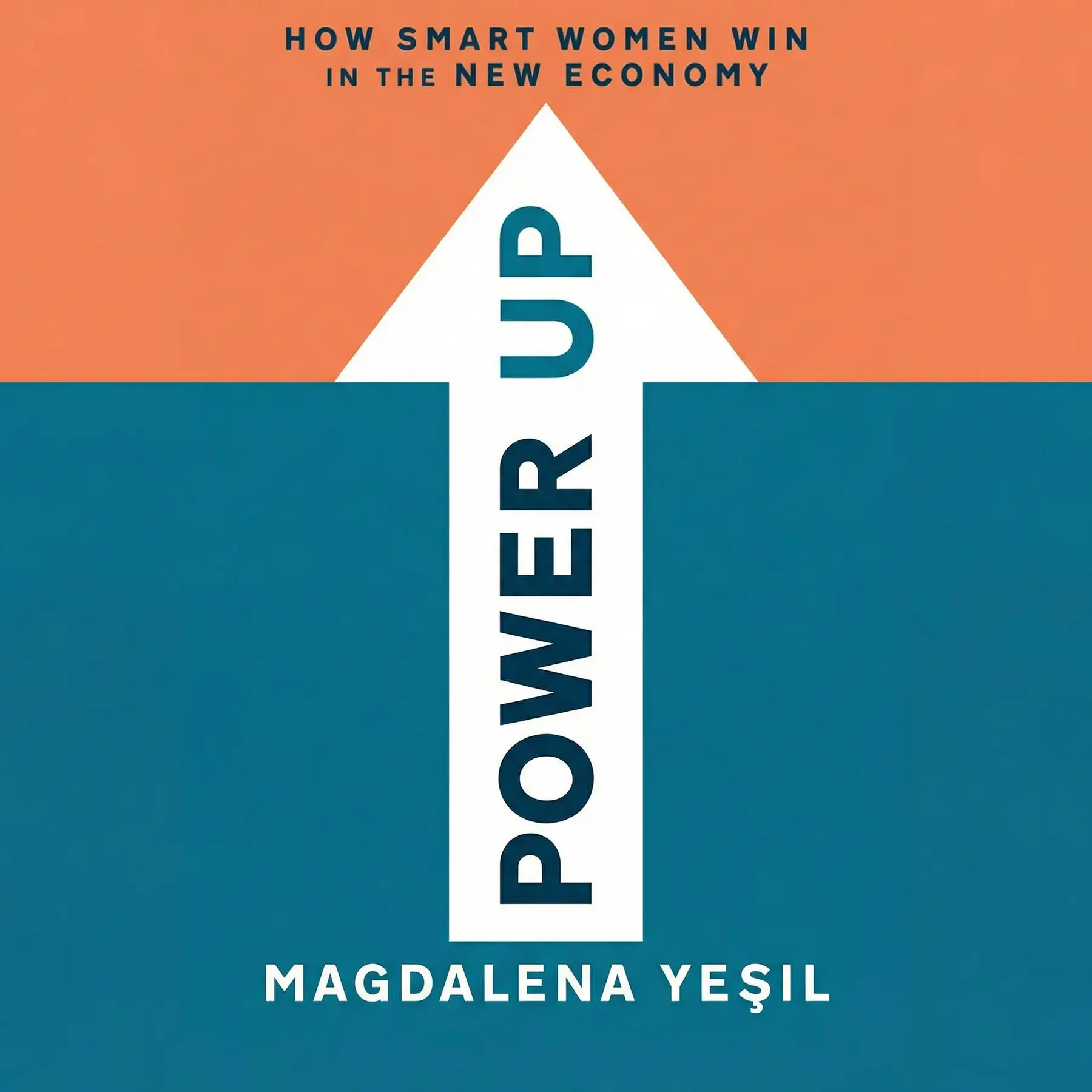
Power Up: How Smart Women Win in the New Economy
Shows women in tech and fast-growing companies how to turn mistakes into rules, make their value visible, answer bias with gravitas, build mixed networks, keep careers moving through parenthood and setbacks, and hire for diversity.
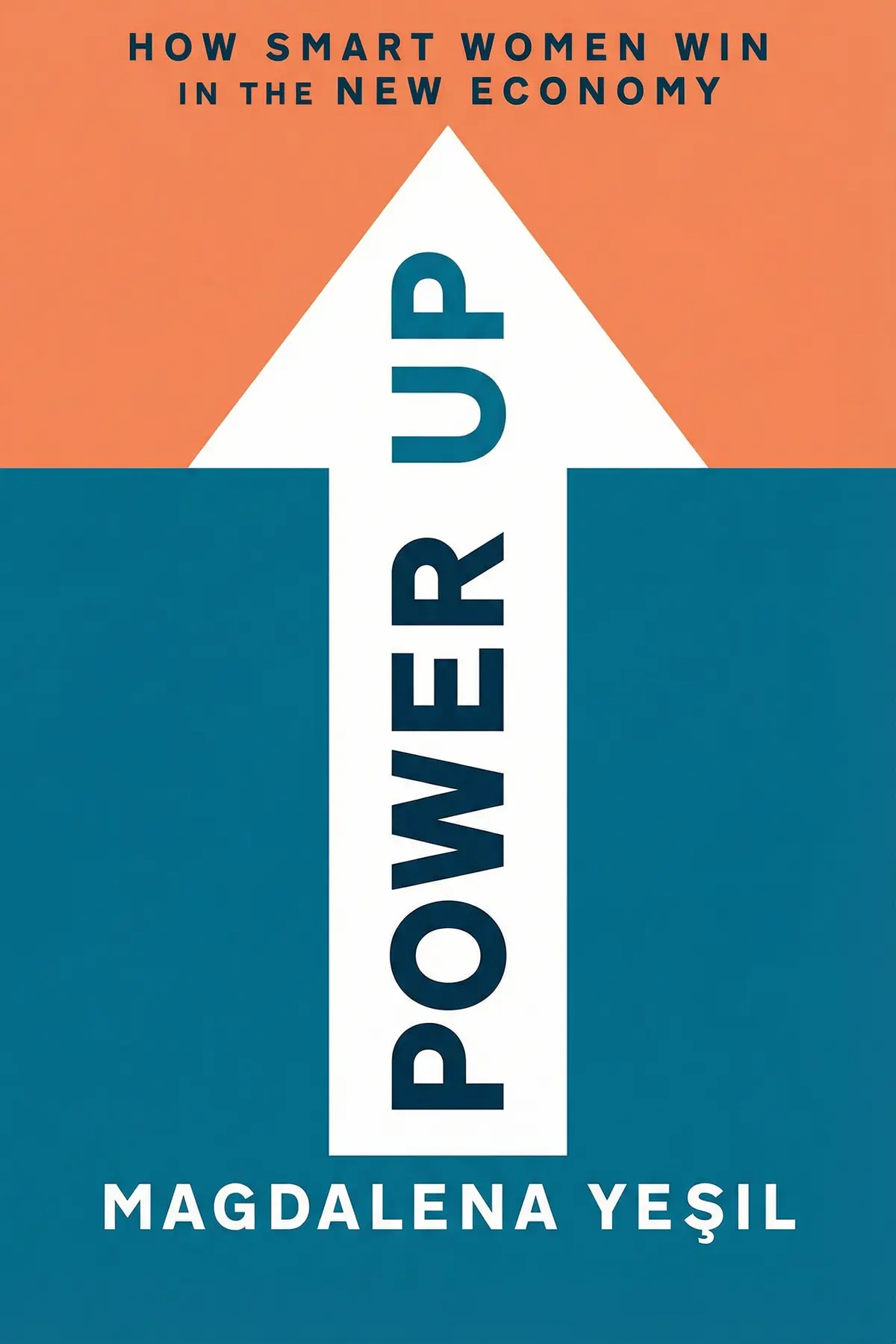
Table of Content
1. Introduction
1 min 08 sec
Plenty of capable women do strong work, keep their heads down and wait for a raise that never comes. In Power Up, investor and entrepreneur Magdalena Yesil argues that waiting is the mistake, because excellent work rarely announces itself. Yesil was the first investor in Salesforce and cofounded several internet companies, and she writes for women building careers in what she calls the New Economy.
That world of tech companies such as Facebook and Airbnb is breaking old employment rules, and some of those rules were harsh. For a long time, an American woman who became pregnant was expected to leave her job and hope to be hired back. Yesil sees the new rules as an opening, if women step into it on purpose.
Her case is that women rise by owning their careers: learning from errors, proving their worth in terms bosses notice, standing firm against bias and building workplaces where others can rise too. Along the way come scripts for a crude remark, a plan for parental leave and an argument for a ten-year break.
2. Turn a bad call into a better rule
1 min 36 sec
Early in her career, Yesil turned down a job at a company that later became world famous. What she did with that mistake mattered more than the mistake itself.
3. Learn to build a company on someone else's payroll
1 min 34 sec
The urge to quit and launch a start-up can be strong. Yet a bank executive and a future founder both found the best testing ground for bold ideas somewhere most entrepreneurs want to escape.
4. Get paid for the work nobody is measuring
1 min 18 sec
A tech executive prided herself on building highly productive teams and still found herself passed over for the head-of-product role. The fix had nothing to do with effort, and it is something most people never think to collect.
5. Hold the room when comments cross the line
1 min 31 sec
A crude remark from a colleague, an audience that stops listening the moment you speak. Yesil admits that pushing back has a cost, and argues that staying silent costs more.
6. A network that opens doors in both directions
1 min 36 sec
Far more professional women seek out a female mentor than a male one, and the instinct is understandable. One statistic suggests it may also be keeping some of the most useful doors closed.
7. Keep your career moving through parental leave
1 min 23 sec
Yesil’s mother spent decades resenting the medical career she gave up for her children. What finally changed her outlook arrived late in life, and it suggests guilt has a cure other than working less.
8. A long break can launch your next chapter
1 min 32 sec
After her company collapsed in public, one founder did not rush into the next thing. She waited a decade, and the idea that came out of that pause became a business of its own.
9. Choose and build workplaces where women advance
1 min 37 sec
Vague performance reviews seem harmless, even fair. A study at one tech company found they were quietly shaping who got called aggressive and who got paid less.
10. Conclusion
1 min 01 sec
Yesil’s argument adds up to a stance more than a toolkit. The New Economy has broken old rules, but it hands no one a seat. The women in her stories built theirs in plain view. A rejected job offer became a rule about research. A hidden management talent became numbers a boss could see. A room that stopped listening became a request for equal respect. Even a public failure became a ten-year pause that ended with Julie Wainwright’s next company.
The practical start is small and close at hand. After your next meeting, ask a colleague to email feedback, and keep those notes in a folder you can open during your next pay talk. Prepare one calm sentence for the next inappropriate comment. Add one senior man to the people you ask for advice. If you lead others, write down exactly what behavior your reviews reward.
None of these women waited for permission. They made room for themselves, and then left it wider for whoever came next.
About this book
What is this book about?
Doing excellent work and waiting to be rewarded is a common career plan, and Magdalena Yesil thinks it is a poor one. She writes for women in the New Economy, the world of tech companies such as Facebook and Airbnb. Her argument is that these firms are breaking traditional employment rules, and that women can use the opening if they claim it. Yesil, an early Salesforce investor and a founder of several internet companies, mixes her own career with stories from women across the industry. She turned down a job at early Apple and made it a lesson in research. A bank executive took a chance on eBay from inside Wells Fargo. A tech manager won a promotion by turning her team-building into numbers. A founder took ten years off after Pets.com failed and came back with The RealReal. Readers get concrete tools: email testimonials for pay talks, three replies to a sexist remark, a plan for parental leave, questions to ask in a job interview, and hiring practices that widen the talent pool while still choosing qualified people.
Book Information
Who it's for
Women in tech
Women in tech and fast-growing companies whose strong work keeps getting overlooked at promotion time.
Would-be founders
Aspiring founders weighing whether to launch now or learn inside a big company first.
Managers and hiring leads
Managers and hiring leads who want fairer reviews and a more diverse team.
About the Author
Magdalena Yesil
Magdalena Yesil began investing at US Venture Partners, then became Salesforce's first investor and sat on its founding board. She cofounded the technology companies UUnet, CyberCash and MarketPay, which worked on internet access, e-commerce infrastructure and electronic payments. She also founded Broadway Angels, a group of female angel investors, and later Informed, an AI-based software company for financial services. She has served on the boards of SoFi, Smartsheet and Zuora.
Ratings & Reviews
Ratings at a glance
What people think
Listeners consider this a charming and essential read for career-oriented women, as it delivers usable guidance that surpasses simple inspiration. The narrative is an interesting autobiography that uses individual stories to offer unique insights. Listeners value the book's motivational quality, with one listener pointing out the concentration on leveraging strengths and its realistic tactics for professional hurdles. It functions as a superb introduction to achieving entrepreneurial results from a female viewpoint.
Top reviews
Noah
The chapter on assessing company culture during interviews alone makes this worth the price of admission. Magdalena Yesil doesn't just offer vague platitudes about 'leaning in'; she provides a tactical roadmap for identifying the real decision-makers and power dynamics within a tech organization. I particularly resonated with the 'be like water' metaphor for navigating obstacles, as it suggests a fluidity and resilience that feels more sustainable than constant confrontation. While some of the Silicon Valley stories might feel familiar if you've read 'Alpha Girls,' the pragmatic advice for working mothers is remarkably grounded. She argues that having children should actually make you more ambitious and efficient, which is a refreshing pivot from the usual sacrifice narrative. It’s a treasure trove of wisdom that feels both autobiographical and actionable.
Show moreSomsri
As a woman navigating the complexities of a male-dominated field, I found Yesil’s perspective to be a breath of fresh air. She doesn't just talk about the struggle; she focuses on strengths and the pragmatic ways to ensure your voice is heard when no one is giving you a seat at the table. Her story about her kids telling her she's 'ruining their lives' was a hilarious and necessary reminder to not take emotional outbursts as career advice. This is an engaging autobiographical narrative that offers real-world scenarios for everything from harassment to balancing a big career with motherhood. Personally, I found the advice on interviewing for 'fit' and 'influence' to be the most valuable part of the entire book. It’s a must-read for professional women who want more than just inspiration.
Show moreMarasri
This book is essentially a masterclass in professional resilience from one of the most successful women in tech. Magdalena Yesil provides a delightful mix of personal anecdotes and actionable advice that feels much more grounded than your typical C-suite memoir. I especially appreciated the specific questions she suggests asking during interviews to uncover the hidden politics of a company. It’s a treasure trove for anyone who wants to understand how decision-making actually happens in high-growth environments. Her focus on individuality and staying confident during adversity is exactly what the industry needs right now. Unlike other leaders, she isn't afraid to share her mistakes, making the whole narrative feel much more authentic. I’ve already recommended this to several women in my network.
Show moreKamol
Magdalena Yesil’s journey as a pioneer in the tech world is nothing short of inspiring, and she manages to weave her personal history into a compelling argument for female empowerment. Rather than viewing the glass ceilings of the New Economy as immovable barriers, she treats them as puzzles to be solved with confidence and individuality. To be fair, some of the advice isn't earth-shattering, but the way she frames 'power' as something you already possess to protect yourself is deeply impactful. I loved her take on ignoring the guilt that often comes from parenting while pursuing a high-stakes career. It’s a fast read that emphasizes why gender equality actually benefits the entire work culture, not just the women within it. It’s less about changing the world and more about changing how you navigate your own space.
Show moreChamlong
Finally got around to reading this, and I found it significantly more relevant and practical than 'Lean In.' Yesil captures the essence of the New Economy perfectly, explaining how the lack of traditional rules creates a unique opening for women to define their own success. I was particularly struck by her refusal to engage in regret, treating it as a total waste of energy that could be better spent on the next move. The book does a great job of balancing the horrific reality of sexism in the industry with a proactive, hopeful path forward. I do wish there were more diverse perspectives outside of the high-level C-suite experience, but her authenticity is hard to deny. It’s a great resource for anyone trying to find a work culture that actually lets them be themselves.
Show moreBook
Picked this up after a colleague recommended it for its pragmatic approach to the tech industry. I’ve read a lot of these types of books, and what sets this one apart is Yesil’s refusal to sugarcoat the challenges of the New Economy. She provides an authentic look at the grit required to succeed while maintaining a positive, forward-looking attitude. I love her advice on not doing regret—it’s such a simple but transformative shift in mindset for high achievers. The sections on how to assess a company’s formal system for promotions were incredibly insightful and something I wish I’d known earlier in my career. Even if you aren't in Silicon Valley, the wisdom here applies to any professional setting where you have to carve out your own space.
Show moreApichat
Look, we’ve all heard the horror stories about Silicon Valley, but Yesil offers a much-needed dose of hope and pragmatism. The book is part memoir and part business guide, and it strikes a great balance between the two. Her perspective on motherhood—specifically that it should drive efficiency and ambition—is a powerful counter-narrative to the idea that women have to 'choose' between home and work. Gotta say, her advice on hearing feedback without losing your confidence was a game-changer for me. While the book could have delved deeper into the structural issues of the industry, its focus on personal agency is very empowering. It’s a fast, engaging read that leaves you feeling like you have the tools to navigate even the toughest workplace cultures.
Show moreSing
Truth is, I felt a bit of a 'been there, read that' vibe throughout several sections of this book. If you have already read 'Alpha Girls,' you’ll recognize many of these anecdotes almost word-for-word, which was a bit disappointing for a new purchase. The main theme—that you have more power to protect yourself than you think—is empowering on paper, but I worry it oversimplifies how difficult these situations are in practice. That said, Yesil’s professional tips on navigating office politics are solid and much more realistic than what you find in similar business memoirs. She writes with a positive, big-picture focus that is undoubtedly motivating for anyone just starting their career in tech. It's a decent primer, but it lacks the revolutionary depth I was hoping for.
Show moreErn
Ever wonder why so many business books for women feel like they are repeating the same five talking points? While 'Power Up' is certainly enjoyable and features a very successful author, it doesn’t quite break new ground in terms of systemic solutions. Magdalena Yesil is clearly a powerhouse, and her 'be like water' philosophy is a great metaphor to internalize, but the focus is very much on the individual's responsibility to adapt. It’s a helpful guide for navigating the world as it is, rather than how it should be. The writing style is casual and easy to digest, making it a quick read for a weekend. If you’re looking for a companion to 'Brotopia' that offers a more optimistic, personal view, this fits the bill nicely. Just don't expect a radical manifesto.
Show moreJoe
Not what I expected based on the glowing summaries I’ve seen online. While I respect Yesil’s incredible career as a trailblazer in tech, the book felt more like a memoir of her successes than a practical guide I could apply to my own life. Frankly, the idea that we have the power to protect ourselves sounds good, but it ignores the systemic power imbalances that make 'powering up' nearly impossible for many. I found the tone a bit too 'pull yourself up by your bootstraps' for my liking, especially given the current conversations around workplace culture. It's great to hear about her wins, but I didn't walk away with many new tools for my own professional toolkit. It might work as a motivational read for some, but I needed more substance.
Show moreQuestions about this book
What is the main idea of Power Up by Magdalena Yesil?
Yesil argues that the New Economy, led by tech companies such as Facebook and Airbnb, is breaking traditional workplace rules, which gives women a real opening. To use it, women have to own their careers: learn from mistakes, make their contribution measurable, respond to bias with gravitas, build networks of both women and men, plan around family and setbacks, and help create workplaces where others can advance.
How does Power Up suggest getting a raise or promotion?
Yesil says excellent work does not speak for itself, so you need evidence your boss will notice. Ask colleagues to email you feedback after presentations and meetings, then keep those notes as a record of your progress. She tells of a tech executive who won a head of product role only after showing how her hiring and firing produced productivity gains and savings.
How does Yesil suggest responding to sexist comments at work?
She recommends gravitas, built on upright posture, eye contact and clothing that makes you feel in control. From there, you can ask the person what they meant, state that the comment makes you uncomfortable and ask them to respect that, or use humor about a meeting with the head of human resources. She accepts that assertive women risk being labeled, and argues that this beats being a martyr.
Who should read Power Up?
It suits women building careers in tech and other fast-changing industries, especially those who feel overlooked despite strong results. Aspiring founders will find a case for learning inside an established company first, as Julie Wainwright did at Clorox. Managers get practical hiring and review advice, from interviewing at least one qualified woman per role to writing explicit evaluation criteria.
Readers also enjoyed

60 Seconds & You’re Hired!
Robin Ryan



Be A Free Range Human: Escape the 9 to 5, Create a Life You Love,
Marianne Cantwell
Be the Unicorn: 12 Data-Driven Habits That Separate the Best Leaders from the
William Vanderbloemen
AUDIO SUMMARY AVAILABLE
Listen to Power Up in 15 minutes
Get the key ideas from Power Up by Magdalena Yesil, plus 5,000+ more nonfiction titles.
- 5,000+ titles
- Listen as much as you want
- 7-day free trial
- Cancel anytime









